



Japan has long been recognized as a global leader in longevity, boasting one of the highest life expectancy rates in the world. This cultural emphasis on aging gracefully has paved the way for groundbreaking advancements in anti-aging treatments in Japan. Patients from around the globe are increasingly drawn to this destination, not just for its rich heritage, but for its world-class medical infrastructure that prioritizes cellular health and systemic rejuvenation.
The approach to age management in Japan is uniquely holistic, blending cutting-edge regenerative medicine with traditional wellness philosophies. When you seek anti-aging medical tourism in Japan, you are accessing a healthcare system that treats aging not as an inevitability, but as a biological process that can be slowed and optimized through precise interventions. This meticulous attention to detail ensures that patients receive care that is both innovative and grounded in rigorous clinical standards.
Japan was the first country to establish a dedicated regulatory framework specifically for regenerative medicine, known as the Act on the Safety of Regenerative Medicine (ASRM), ensuring high patient safety standards.
Benefits of Regenerative Medicine in Japan
The primary benefit of choosing regenerative medicine in Japan lies in the country's pioneering role in stem cell research. Japan is the birthplace of Nobel Prize-winning iPS cell technology, which has significantly influenced how modern clinics approach tissue repair and organ rejuvenation. Patients typically experience a level of clinical sophistication that is hard to find elsewhere, particularly in the application of autologous stem cell therapy and advanced cytokine treatments.
Beyond the technology, the Japanese medical ethos emphasizes "Omotenashi" or wholehearted hospitality, which translates into a patient-centric experience. Medical travelers generally benefit from comprehensive pre-treatment screenings that go beyond surface-level aesthetics to identify underlying markers of biological aging. This thoroughness allows for a highly personalized treatment plan designed to improve energy levels, cognitive function, and skin vitality from the inside out.
Case Summary: Rejuvenation through Cellular Therapy
A 55-year-old male executive from Australia traveled to Tokyo for systemic anti-aging treatment. After receiving intravenous mesenchymal stem cell (MSC) therapy and a personalized nutrition plan, he reported a significant reduction in chronic joint inflammation and improved sleep quality within four months. He highlighted the meticulous clinical environment and the clarity of the pre-procedure consultations as major factors in his positive experience.
Common Anti-Aging Procedures in Japan
When exploring the landscape of rejuvenation therapy in Japan, patients will find a diverse menu of evidence-based procedures. These range from minimally invasive aesthetic enhancements to deep-tissue biological interventions. The focus remains on biocompatible treatments that work in harmony with the body’s natural healing mechanisms, minimizing the risk of adverse reactions while maximizing long-term outcomes.
Common procedures include intravenous nutrient infusions, high-concentration PRP (Platelet-Rich Plasma) for facial rejuvenation, and specialized hormone optimization therapies. Additionally, Japan is a hub for exosome therapy, a next-generation treatment that uses extracellular vesicles to facilitate cell-to-cell communication and repair. These procedures are generally administered in high-tech facilities that resemble boutique wellness centers more than traditional hospitals.
- Stem Cell Intravenous Therapy: Aimed at systemic rejuvenation and organ function support.
- NMN (Nicotinamide Mononucleotide) Infusions: Focused on boosting NAD+ levels to improve cellular energy and DNA repair.
- Advanced Facial Fat Grafting: Utilizing stem-cell-enriched fat to restore youthful volume to the face naturally.
- Placenta Therapy: A popular Japanese treatment used for its rich growth factors and skin-brightening properties.
Affordable Anti-Aging Treatment Cost in Japan
Understanding the cost of anti-aging treatments in Japan is essential for international patients planning their medical journey. While Japan is not the "cheapest" destination in Asia, it offers exceptional value when compared to the United States or Europe, particularly for advanced biological therapies. The investment reflects the high quality of laboratory standards, the expertise of the physicians, and the purity of the biological materials used.
Most patients find that the price of stem cell therapy in Japan is significantly more accessible than similar protocols in Switzerland or the USA. This cost-efficiency does not come at the expense of safety; rather, it is the result of a mature medical infrastructure and streamlined regulatory processes. Below is a comparison table outlining the average market rates for common rejuvenation procedures.
| Procedure Name | Average Cost in Japan (USD) | Cost in USA/UK (USD) |
|---|---|---|
| Systemic Stem Cell Therapy | $12,000 - $22,000 | $25,000 - $45,000 |
| Exosome Infusion Therapy | $3,000 - $6,000 | $7,000 - $12,000 |
| PRP Facial Rejuvenation | $600 - $1,200 | $1,500 - $2,500 |
| NMN Longevity Infusion | $400 - $800 | $1,000 - $1,800 |
According to global medical tourism data, Japan has seen a 15% annual increase in international patients seeking regenerative therapies, with 92% of surveyed patients reporting satisfaction with the clinical standards.
Stem Cell Therapy for Anti-Aging in Japan
The use of stem cells for anti-aging in Japan is perhaps the most sought-after treatment by international patients. Unlike many other countries where stem cell therapy exists in a legal "gray area," Japan has a transparent, government-regulated system. Clinics must receive specific accreditation to process and administer cell therapies, ensuring that the mesenchymal stem cells used are of the highest quality and potency.
Typically, these treatments involve harvesting a small sample of the patient's own adipose (fat) tissue or bone marrow, which is then cultured in a certified laboratory. The expanded cells are re-introduced into the body to promote tissue repair, modulate the immune system, and reduce systemic inflammation. While results are not guaranteed, many patients experience a revitalization of skin elasticity and a marked improvement in overall metabolic health.
Ensure that any clinic offering regenerative medicine in Japan holds a valid license under the "Act on the Safety of Regenerative Medicine." This certification is non-negotiable for patient safety and legal compliance.
The Appeal of Japanese Cosmetic Clinics
Japanese cosmetic clinics are renowned for their philosophy of "Natural Beauty." Unlike some Western approaches that may favor dramatic, surgical changes, Japanese aesthetic clinics focus on subtle enhancements that maintain the patient’s unique features. This makes Japan an ideal destination for those seeking non-surgical facelifts and skin rejuvenation that looks authentic and refreshed rather than "overdone."
The technology available in these clinics is often a step ahead, featuring advanced laser systems, radiofrequency devices, and specialized Japanese-developed topical serums. Physicians in Japan are known for their precision and "artistic eye," often spending significant time in the consultation phase to ensure the patient's aesthetic goals align with a realistic and harmonious outcome. This level of care typically results in high patient trust and long-term satisfaction.
When visiting a cosmetic clinic in Japan, bring photos of your younger self. Japanese doctors appreciate this visual reference to help them restore your natural facial contours rather than changing your appearance entirely.
Safety and Regulation of Medical Tourism in Japan
One of the primary reasons for the growth of medical travel to Japan is the country's uncompromising stance on medical safety. The Ministry of Health, Labour and Welfare (MHLW) enforces strict protocols on clinical trials and the commercial use of biological products. This regulatory environment generally minimizes the risks associated with anti-aging medical procedures, providing international patients with peace of mind that is often lacking in less regulated markets.
Furthermore, Japanese clinics are early adopters of digital health monitoring, allowing them to track patient progress even after they have returned to their home countries. This commitment to follow-up care is a hallmark of the Japanese medical tourism model. While no procedure is without risk—such as minor bruising, temporary swelling, or very rare allergic reactions—the institutional safeguards in Japan are designed to mitigate these occurrences through meticulous patient screening.
Innovative Longevity Treatments in Japan
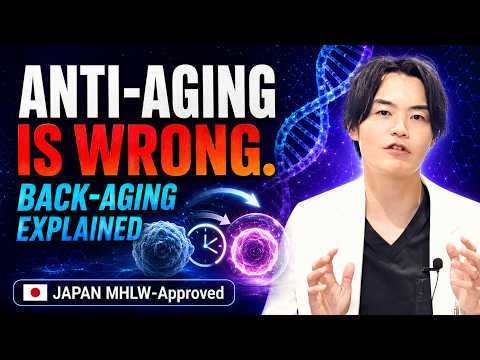
Japan is at the forefront of the "Longevity Revolution," moving beyond simple aesthetics to address the biological "clocks" within our cells. Innovative longevity treatments in Japan often involve the use of senolytics—compounds designed to clear out "zombie" (senescent) cells that cause inflammation—and sophisticated epigenetic testing. These tests allow doctors to determine a patient's biological age versus their chronological age, tailoring treatments to specific genetic needs.
Another area of innovation is the development of advanced hormone replacement therapies (HRT) using bio-identical substances. Japanese researchers are constantly refining these protocols to ensure they are safe and effective for long-term use. For patients, this means access to the latest global research translated into clinical practice, often years before these treatments become mainstream in other parts of the world.
The concept of "Ikigai" (purpose in life) is often integrated into Japanese anti-aging programs, as Japanese doctors believe mental well-being is intrinsically linked to physical longevity and cellular health.
The Role of Japanese Bio-Medicine in Aging
The field of Japanese bio-medicine is a cornerstone of the country's anti-aging industry. This discipline combines biotechnology, molecular biology, and regenerative medicine to develop therapies that target the root causes of aging. By focusing on mitochondrial health and DNA integrity, Japanese bio-medical clinics aim to provide more than just a temporary fix; they seek to enhance the body's internal resilience against the passage of time.
Patients visiting Japan for these treatments generally undergo extensive blood work to measure markers of oxidative stress and systemic inflammation. Based on these results, a cocktail of bio-active compounds and cellular therapies is administered. This scientific rigor ensures that the anti-aging protocols are not just "beauty treatments" but are legitimate medical interventions supported by contemporary biological research.
Case Summary: Reversing Biological Age
A 48-year-old woman from Singapore sought out a longevity clinic in Osaka for "inflammaging" issues. Through a combination of senolytic therapy and localized stem cell injections for skin quality, her biological age markers (tested via DNA methylation) showed a 4-year reduction after six months. She praised the clinic for its data-driven approach and the absence of high-pressure sales tactics.
Preparing for your Anti-Aging Trip to Japan
Preparation is key to a successful anti-aging trip to Japan. International patients should begin by gathering their recent medical history and any relevant lab results to share with their Japanese specialists during a preliminary virtual consultation. It is also important to consider the timing of the trip, as certain treatments—particularly those involving stem cell culture—require a lead time of several weeks for the laboratory to prepare the biological materials.
Language barriers can be a concern, but many top-tier anti-aging clinics in Japan offer dedicated international departments with fluent English speakers. It is advisable to arrange for a medical coordinator who can assist with administrative tasks and ensure that all pre-operative instructions, such as fasting or medication adjustments, are clearly understood. Taking these steps generally leads to a much smoother and less stressful medical travel experience.
Japan's "Medical Stay" visa allows patients to stay for up to six months, and it can be granted not just to the patient but also to their accompanying caregivers or family members.
Recovery and Aftercare for Japanese Rejuvenation Procedures
The recovery from anti-aging treatments in Japan is typically swift, especially for non-surgical interventions like infusions or light laser work. However, for more intensive biological therapies, a period of rest is generally recommended. Japanese clinics excel in providing detailed aftercare protocols, often including specific Japanese skincare products and dietary supplements designed to support the rejuvenation process from home.
Post-treatment monitoring is a vital component of the Japanese rejuvenation experience. Most clinics schedule follow-up calls or video sessions to track the patient's progress over the following 6 to 12 months. Patients are generally advised to avoid strenuous exercise and excessive sun exposure immediately following skin-based procedures to ensure the best possible results and minimize any temporary side effects like redness or sensitivity.
Utilize Japan's "Takkyubin" (luggage delivery service) to send your heavy bags from the airport to your hotel. This reduces physical strain after your flight, which is beneficial if you are beginning anti-aging treatments the next day.
Why International Patients Choose Medical Travel to Japan
The decision to pursue medical travel to Japan often stems from a desire for "quality and reliability." In an era where medical tourism can sometimes feel transactional, Japan stands out for its ethical approach to patient care and its refusal to cut corners. The combination of advanced medical technology, a safe travel environment, and a culture that respects the aging process makes it a premier global destination.
Furthermore, Japan offers a unique environment for healing. Many patients find that the serene atmosphere, clean air in mountainous regions, and the availability of therapeutic hot springs (onsens) complement their medical treatments perfectly. This "health through harmony" philosophy ensures that the benefits of the anti-aging treatments are supported by a lifestyle that encourages longevity and peace of mind.
Case Summary: Systemic Vitality for Seniors
A 70-year-old couple from Canada visited Kyoto for a "Longevity Retreat." They received a combination of high-dose vitamin therapy and exosome treatments. They reported that the clinic’s staff went above and beyond to coordinate with their home physician, making the transition back to Canada seamless. They now return to Japan every two years for "maintenance" infusions.
How PlacidWay Assists Your Anti-Aging Medical Tourism Journey in Japan
Navigating the complexities of international healthcare can be daunting, but PlacidWay is designed to bridge the gap between global patients and premier Japanese anti-aging clinics. We provide the tools and resources necessary to make an informed decision, ensuring that your journey toward rejuvenation is safe, transparent, and effective.
- Access to a curated network of accredited Japanese medical facilities specializing in regenerative and anti-aging medicine.
- Comprehensive cost comparisons and transparent pricing models to help you budget effectively for your treatment.
- Facilitation of initial virtual consultations with Japanese specialists to discuss your goals and medical history.
- Assistance with medical record translation and the preparation of necessary documentation for your visit.
- Personalized support in selecting treatment packages that align with your specific rejuvenation and longevity needs.
- Connection to professional medical coordinators who understand the nuances of the Japanese healthcare system.
- Guidance on post-treatment follow-up protocols to ensure continuity of care after you return home.
Frequently Asked Questions about Anti-Aging Treatments in Japan
Is a medical visa required for anti-aging treatments in Japan?
Most international patients require a Temporary Visitor Visa or a specific Visa for Medical Stay depending on the duration and nature of the treatment. It is generally recommended to consult the Japanese embassy in your home country for current requirements.
How long should I stay in Japan for anti-aging therapy?
While the procedures themselves may take only a few hours, most patients typically stay for 7 to 10 days. This allows for proper initial monitoring, follow-up consultations, and any necessary post-procedure adjustments.
Are anti-aging treatments in Japan safe?
Japan maintains some of the world's strictest regulations regarding regenerative medicine and clinical safety. Treatments are generally performed in highly regulated facilities that must adhere to the Act on the Safety of Regenerative Medicine.
What is the cost of stem cell therapy for anti-aging in Japan?
The cost typically ranges from $10,000 to $25,000 depending on the source of the cells and the complexity of the protocol. This is often more competitive than similar high-end treatments in the United States or Switzerland.
Do doctors in Japanese anti-aging clinics speak English?
Many leading clinics catering to international patients employ bilingual staff or provide professional medical translation services. However, it is always beneficial to confirm the level of English proficiency during your initial inquiry.
Can I combine anti-aging treatments with a vacation in Japan?
Many patients choose to integrate their medical visit with tourism, though it is vital to schedule rest days immediately after treatment. Most patients find that gentle sightseeing is possible once the initial recovery phase has passed.
What are the common risks of anti-aging procedures?
Common risks may include localized swelling, bruising, or minor infection at the injection site. More complex biological treatments typically carry risks related to immune response, though these are rare in regulated settings.
How soon will I see results from anti-aging treatments?
Results are generally gradual, with many patients reporting noticeable changes in skin texture, energy levels, and cognitive function within 3 to 6 months. Long-term regenerative benefits usually manifest over a sustained period.
Are follow-up appointments necessary after returning home?
Yes, most Japanese clinics coordinate follow-up care via teleconsultations or through your local physician. Maintaining a line of communication with your Japanese medical team is essential for long-term monitoring.
Why is Japan considered a leader in anti-aging?
Japan leads the world in longevity research and was the birthplace of iPS (induced pluripotent stem cell) technology. The combination of government-backed research and a culture focused on 'preventative wellness' makes it a global hub.
References
- Ministry of Health, Labour and Welfare of Japan. Act on the Safety of Regenerative Medicine. https://www.mhlw.go.jp/english/policy/health-medical/medical-care/index.html
- World Health Organization. World Health Statistics: Monitoring Health for the SDGs. https://www.who.int/data/gho/publications/world-health-statistics
- Japan Tourism Agency. Medical Excellence Japan and Medical Tourism. https://www.mlit.go.jp/kankocho/en/
- The Japan Times. Longevity and Healthcare Innovation in the Japanese Market. https://www.japantimes.co.jp/opinion/2015/10/05/commentary/japan-commentary/a-new-vision-for-healthy-aging/
















Share this listing