


Japan Stem Cell for Developmental Disorders: Safety, Laws & Success Rates
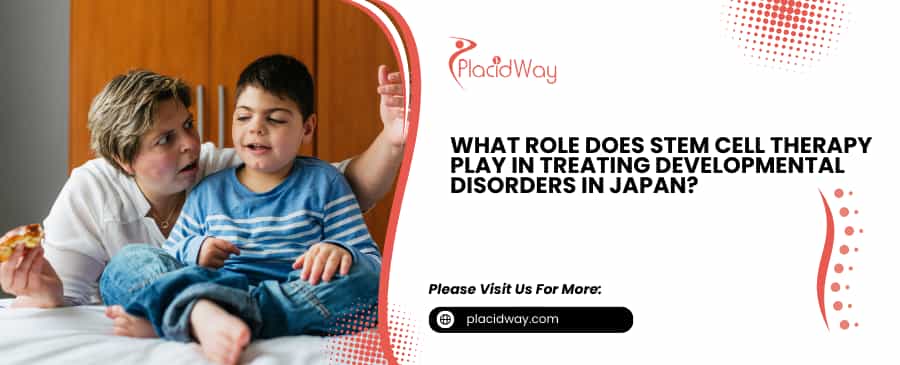
Welcome to an exploration of one of the most exciting frontiers in modern medicine: stem cell therapy. Specifically, we're diving into the unique and significant role Japan plays in utilizing this innovative treatment for developmental disorders. If you've been searching for answers about how regenerative medicine is impacting conditions like autism spectrum disorder, cerebral palsy, or other developmental delays, you're in the right place. Japan has become a global leader in regenerative medicine, thanks to its advanced research infrastructure, supportive regulatory environment, and a deep commitment to medical innovation. This commitment has positioned the nation at the forefront of exploring novel treatments for complex conditions that have historically had limited options.
In this comprehensive guide, we'll uncover the science behind stem cell therapy in the context of developmental disorders, delve into Japan's distinctive approach, and address the crucial questions that patients and their families often ask. We'll look at the specific conditions being targeted, the regulatory landscape that governs these therapies, and what patients, both domestic and international, can expect. Our goal is to provide clear, actionable information, helping you understand the potential, the progress, and the practicalities of seeking stem cell therapy for developmental disorders in Japan.
What role does stem cell therapy play in treating developmental disorders in Japan?
Stem cell therapy holds a transformative role in Japan's approach to developmental disorders. It's not about curing these conditions entirely but rather about mitigating symptoms, improving neurological function, and enhancing the quality of life for affected individuals. The core principle involves introducing stem cells, often mesenchymal stem cells (MSCs) derived from sources like umbilical cord tissue or adipose fat, into the patient's body. These cells possess remarkable regenerative properties.
Once administered, stem cells can act in several ways: they can differentiate into various cell types, replacing damaged or dysfunctional cells; they can secrete growth factors and cytokines that reduce inflammation and promote tissue repair; and they can modulate the immune system. In the context of developmental disorders affecting the brain or nervous system, this means potential for repairing neural pathways, improving brain connectivity, and reducing neuroinflammation, which is often implicated in these conditions. Japan's advanced research and clinical trials are continuously refining these applications.
Which developmental disorders are targets for stem cell therapy research in Japan?
Japan is actively investigating stem cell therapy for a range of developmental disorders, reflecting the diverse and complex nature of these conditions. Some of the primary targets include:
- Autism Spectrum Disorder (ASD): Research focuses on reducing neuroinflammation, improving brain connectivity, and modulating immune responses, which are often dysregulated in individuals with ASD.
- Cerebral Palsy (CP): For CP, stem cell therapy aims to repair damaged brain tissue, reduce spasticity, and enhance motor function by promoting neurogenesis and angiogenesis in affected areas.
- Global Developmental Delay (GDD): This broad category benefits from stem cell therapy's potential to support overall brain development and function, addressing delays in cognitive, motor, and social skills.
- Specific Genetic Neurological Conditions: While less common, some genetic disorders with neurological manifestations are also being explored, with the hope of addressing cellular deficiencies or dysfunctions.
These conditions share underlying issues like neuroinflammation, neuronal damage, or impaired connectivity, which stem cells are uniquely poised to address through their regenerative and immunomodulatory capacities.
How do Japan's regulations influence stem cell therapy for developmental disorders?
Japan has a unique and highly influential regulatory framework for regenerative medicine, which significantly impacts the accessibility and development of stem cell therapy for developmental disorders. The "Act on the Safety of Regenerative Medicine," enacted in 2014, is a landmark piece of legislation. It created a two-tiered system for approving regenerative therapies:
- Conditional and Time-Limited Approval: Therapies demonstrating preliminary safety and efficacy can receive conditional approval, allowing them to be offered to patients while further confirmatory clinical data is gathered.
- Full Approval: Requires comprehensive clinical trial data, similar to traditional drug approvals.
This system allows for faster patient access to promising stem cell treatments compared to stricter, traditional drug approval pathways found in many Western countries. It balances patient safety with the rapid translation of scientific discoveries into clinical practice. This framework has fostered an environment where cutting-edge stem cell research and treatments, including those for developmental disorders, can advance more swiftly, attracting both researchers and patients globally.
What progress has been made in using stem cells for autism spectrum disorder in Japan?
Progress in using stem cells for autism spectrum disorder (ASD) in Japan has been a significant area of focus. Researchers and clinicians are exploring how stem cells, particularly mesenchymal stem cells (MSCs), can address some of the underlying biological challenges associated with ASD. While not a cure, studies and clinical applications in Japan have reported encouraging outcomes.
These outcomes often include improvements in various domains:
- Social Interaction: Patients may show increased eye contact, better engagement, and improved understanding of social cues.
- Communication: Enhanced verbal and non-verbal communication skills have been noted in some individuals.
- Repetitive Behaviors: A reduction in the intensity or frequency of repetitive behaviors and restricted interests.
- Overall Development: Some reports indicate improvements in cognitive function, attention span, and sensory processing.
The mechanisms behind these observed improvements are thought to involve the immunomodulatory properties of MSCs, reducing systemic and neuroinflammation, alongside their capacity to secrete neurotrophic factors that support neuronal growth and repair, potentially re-establishing healthier neural pathways. Japan's regulatory environment has facilitated the collection of data and further refinement of these protocols.
Can stem cell therapy improve motor skills in children with cerebral palsy in Japan?
For children diagnosed with cerebral palsy (CP), stem cell therapy in Japan offers hope for improving motor skills and functional independence. CP results from brain injury during early development, leading to lifelong challenges with movement, muscle tone, and coordination. Stem cells, especially umbilical cord-derived mesenchymal stem cells (UC-MSCs), are being investigated for their capacity to repair or replace damaged neural tissue, modulate inflammation, and promote the growth of new blood vessels and neurons.
Clinical observations from Japan suggest that some children with CP receiving stem cell therapy experience noticeable improvements. These improvements can manifest as:
- Reduced Spasticity: Decreased muscle stiffness and involuntary movements, making voluntary movements easier.
- Enhanced Gross Motor Skills: Better balance, improved walking ability, easier crawling, and sitting independently.
- Improved Fine Motor Skills: Greater dexterity in hand movements, allowing for better manipulation of objects.
- Cognitive and Speech Improvements: In some cases, therapy may also contribute to better cognitive function and clearer speech, though motor improvements are the primary focus.
The therapy aims to create a more hospitable environment for brain repair and plasticity, which, when combined with traditional physical and occupational therapy, can maximize a child's developmental potential.
What is the typical procedure for receiving stem cell therapy in Japan for developmental conditions?
The procedure for undergoing stem cell therapy for developmental conditions in Japan generally follows a structured, multi-step approach, beginning with a thorough evaluation. Here’s a breakdown:
- Initial Consultation and Evaluation: This is the crucial first step. Medical professionals will review the patient's complete medical history, developmental assessments, brain imaging (MRI/CT), and genetic tests. This phase determines suitability for the therapy and helps tailor a personalized treatment plan.
- Cell Source and Preparation: Depending on the specific protocol, stem cells might be derived from the patient (autologous, e.g., from adipose tissue or bone marrow) or from a donor (allogeneic, e.g., umbilical cord tissue). These cells are then processed and expanded in a specialized laboratory to achieve the required quantity and purity for treatment.
- Administration: Stem cells are typically administered through intravenous (IV) infusion, where they enter the bloodstream, or intrathecal injection (into the spinal fluid) for direct delivery to the central nervous system. The method depends on the target area and the type of developmental disorder being treated.
- Post-Treatment Care and Follow-up: After administration, patients are monitored for any immediate reactions. Long-term follow-up is essential to assess progress, track improvements in developmental milestones, and manage any potential side effects. Rehabilitation therapies (physical, occupational, speech) often continue alongside stem cell treatment to maximize outcomes.
The entire process is carefully managed, prioritizing patient safety and the ethical application of regenerative medicine, under Japan's rigorous guidelines.
What are the safety and ethical considerations of stem cell therapy for developmental disorders in Japan?
Safety and ethical considerations are paramount in any medical innovation, especially when treating vulnerable populations like children with developmental disorders. Japan's regulatory framework, particularly the "Act on the Safety of Regenerative Medicine," is designed to address these concerns comprehensively.
Safety Considerations:
- Cell Source Quality: Strict controls are in place for the collection, processing, and storage of stem cells to prevent contamination and ensure viability.
- Risk of Adverse Events: While generally considered safe, potential risks include infection at the injection site, allergic reactions, fever, or, in rare cases, tumor formation (especially with pluripotent stem cells, though most therapies for developmental disorders use multipotent cells like MSCs).
- Long-term Monitoring: Ongoing follow-up is crucial to assess the long-term safety profile and efficacy of the treatments.
Ethical Considerations:
- Informed Consent: Ensuring that parents or guardians fully understand the experimental nature of some treatments, potential benefits, risks, and alternatives.
- Patient Selection: Carefully selecting patients based on specific criteria to maximize potential benefit and minimize risk.
- Avoiding False Hope: Communicating realistic expectations and avoiding any claims of a "cure" for complex developmental disorders.
Japan's system aims to provide access to potentially life-changing therapies while upholding the highest standards of patient protection and ethical conduct.
What are the costs associated with stem cell therapy for developmental disorders in Japan?
Understanding the financial aspect of stem cell therapy for developmental disorders in Japan is crucial for families considering this option. The costs can vary widely due to several factors:
- Type of Developmental Disorder: The complexity and specific needs related to treating conditions like autism versus cerebral palsy can influence the treatment plan and thus the cost.
- Stem Cell Source and Processing: Whether autologous (patient's own) or allogeneic (donor) cells are used, and the methods required for their preparation and expansion, affect the overall expense.
- Number of Administrations/Cycles: Many protocols involve multiple infusions or cycles of therapy over a period, which will increase the total cost.
- Clinic and Medical Facility: Prices can differ between various institutions based on their reputation, level of technology, and included services.
- Additional Services: Costs may also include initial consultations, diagnostic tests, hospital stays, post-treatment monitoring, and integrated rehabilitation services.
Generally, a single course of stem cell therapy in Japan might range from $15,000 to $50,000 USD or potentially more, especially for extensive protocols. It is important to note that these treatments are often not covered by standard health insurance, either in Japan or internationally, as they are often still considered experimental or novel. Families should request detailed cost breakdowns from potential providers to ensure full transparency.
Why is Japan a destination for medical tourism for stem cell therapy in developmental disorders?
Japan has emerged as a leading destination for medical tourism, particularly for patients seeking advanced regenerative therapies, including stem cell therapy for developmental disorders. Several key factors contribute to its appeal:
- Cutting-Edge Research and Development: Japan is a global leader in regenerative medicine research, with substantial government and private sector investment. This fosters continuous innovation and access to the latest therapeutic approaches.
- Progressive Regulatory Environment: As discussed, Japan's "Act on the Safety of Regenerative Medicine" allows for the faster clinical application of promising stem cell therapies, providing earlier access to treatments that might still be in earlier trial phases elsewhere.
- High Standards of Medical Care: Japanese medical facilities are renowned for their high quality of care, advanced technology, stringent safety protocols, and experienced medical professionals. This instills confidence in international patients.
- Clinical Expertise: A growing number of clinicians and researchers in Japan specialize in applying stem cell therapies for neurological and developmental conditions, building a strong base of expertise.
- Patient-Centric Approach: Japanese medical culture often emphasizes meticulous attention to detail and a holistic approach to patient care, which is particularly reassuring for families dealing with complex developmental disorders.
These combined attributes make Japan an attractive and trusted choice for families worldwide seeking innovative treatment options for developmental disorders.
What support is available for international patients seeking stem cell therapy in Japan?
For international patients and their families considering stem cell therapy in Japan, a range of support services are typically available to ease the process and ensure a comfortable experience. Navigating a foreign healthcare system can be challenging, but many resources are in place to help.
Key support services often include:
- Medical Tourism Facilitators: These agencies specialize in coordinating medical travel. They can assist with everything from initial consultations and clinic selection to visa applications, travel arrangements, accommodation, and ground transportation. They often have established relationships with Japanese clinics and can streamline the entire journey.
- International Patient Departments at Hospitals: Many leading Japanese hospitals that offer stem cell therapies have dedicated international patient departments. These teams provide support in multiple languages, help with appointment scheduling, manage medical records, and facilitate communication between patients and their treating physicians.
- Language and Interpretation Services: Language barriers are a common concern. Hospitals and facilitators often provide professional medical interpreters to ensure clear communication during consultations, treatments, and follow-up care.
- Accommodation and Local Integration: Assistance with finding suitable accommodation (short-term rentals, hotels) and guidance on local customs, transportation, and amenities can make the stay more manageable and less stressful for families.
These support systems are designed to provide a comprehensive and reassuring experience for international patients, allowing them to focus on the treatment and well-being of their loved ones.
If you're exploring options for stem cell therapy for developmental disorders or other advanced healthcare solutions, PlacidWay can connect you with leading international medical facilities and provide comprehensive support for your medical journey. Discover how PlacidWay can help you find the right treatment and care globally.


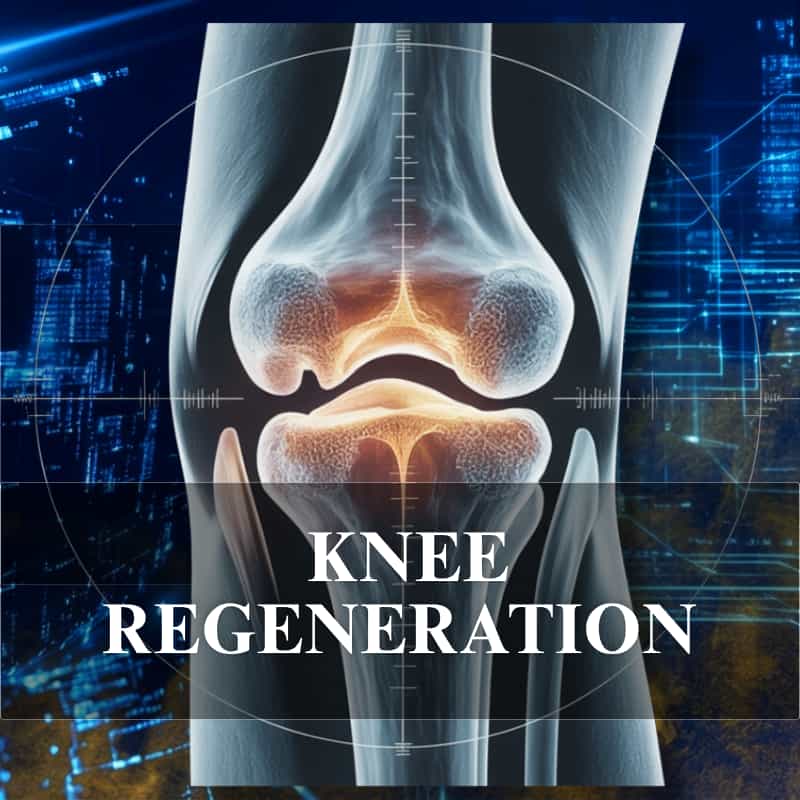
.png)


.png)
.png)
.png)
.png)














Share this listing