


.png)
Contents
Diabetes Type 1 Regenerative Medicine in India for Children
Living with Type 1 Diabetes (T1D) means navigating a lifelong balancing act of constant blood sugar monitoring, strict dietary regimens, and daily insulin dependence. But what if regenerative medicine could help rewrite this narrative? In recent years, India has emerged as a global powerhouse in biotechnology and stem cell research, offering innovative, disease-modifying therapies that aim to address the root cause of Type 1 Diabetes rather than just managing its symptoms. For international patients, India provides a unique opportunity to access advanced regenerative protocols that are often restricted to prolonged, hard-to-access clinical trials in the West.
Type 1 Diabetes is an autoimmune condition where the body mistakenly attacks and destroys the insulin-producing beta cells in the pancreas. Stem cell therapy in India typically utilizes Mesenchymal Stem Cells (MSCs)—often derived from Wharton's Jelly (umbilical cord tissue) or a patient's own bone marrow. These remarkable cells serve a dual purpose: first, they act as powerful immunomodulators to halt the immune system's attack on the pancreas; second, they promote an environment that encourages the regeneration and repair of surviving beta cells.
Choosing India for this complex procedure means entrusting your care to some of the world's most distinguished endocrinologists and stem cell scientists. Medical hubs like New Delhi, Mumbai, and Bangalore boast JCI-accredited hospitals and GMP-certified laboratories that adhere to rigorous guidelines set by the Indian Council of Medical Research (ICMR). This ensures that all cellular processing is conducted with the highest standards of safety, sterility, and ethical compliance.
While it is crucial to approach this treatment with realistic expectations—understanding that it is not yet an absolute "cure"—many patients experience a significant reduction in their daily insulin requirements, stabilized HbA1c levels, and a dramatic decrease in life-threatening hypoglycemic episodes. India offers this transformative potential in a highly supportive, affordable, and technologically advanced medical environment.
Did You Know?
India's Department of Biotechnology has heavily subsidized stem cell research over the last two decades. As a result, the country has some of the most advanced, high-yield stem cell expansion laboratories in the world, capable of cultivating highly viable Mesenchymal Stem Cells (MSCs) at a fraction of the cost found in North America or Europe.
Key Insights at a Glance
The therapy primarily aims to reset the autoimmune response, preventing further destruction of your pancreatic beta cells.
Your treatment is overseen by a collaborative board of expert endocrinologists, immunologists, and regenerative medicine specialists.
Patients seeking stem cell therapy in India often save between 60% and 80% compared to equivalent private treatments in Western nations.
Top clinics adhere to strict clinical guidelines established by the Indian Council of Medical Research (ICMR) and the DCGI.
India has the second-largest English-speaking population in the world, ensuring zero language barriers between you and your medical team.
By stabilizing blood sugar levels, the therapy helps prevent long-term diabetic complications like neuropathy, retinopathy, and kidney damage.
Streamlined Medical Visas
India offers a specialized, highly efficient "e-Medical Visa" for international patients from over 160 countries. This digital visa process is incredibly fast—often approved within 72 hours—allowing you to arrange your regenerative therapy journey without frustrating bureaucratic delays.
Stem Cell Therapy Packages in India for Diabetes Type 1
Managing a chronic condition is stressful enough without having to worry about unpredictable medical bills abroad. To provide peace of mind, elite hospitals in India offer comprehensive, all-inclusive packages for diabetes stem cell protocols. These carefully curated bundles typically cover your specialized pre-treatment endocrinology evaluations, the precise stem cell infusions, necessary hospital stays, and follow-up consultations. By exploring these structured options below, you can focus entirely on your healing and blood sugar management rather than logistical financial details.
Note: Comprehensive packages ensure that all necessary diagnostic tests and targeted cellular therapies are combined into one predictable, transparent price.
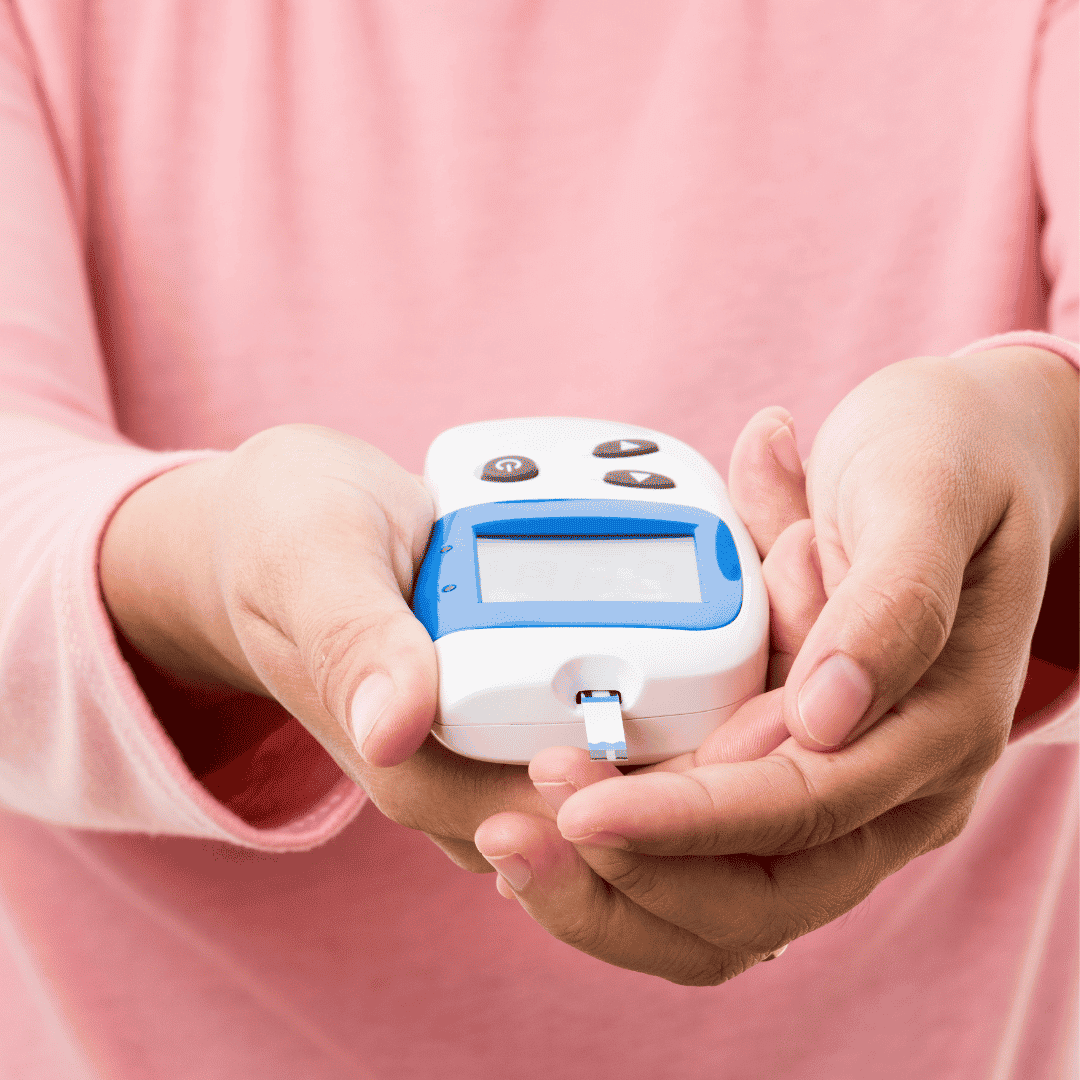
Price starting from $7,500
Stem Cell Therapy Diabetes India – All Inclusive Package at Dr. Pravin Patel Hospital, Vadodara
Dr. Pravin Patel Innovative Hospital & Research Center
- Stem Cell Therapy
Vadodara, India
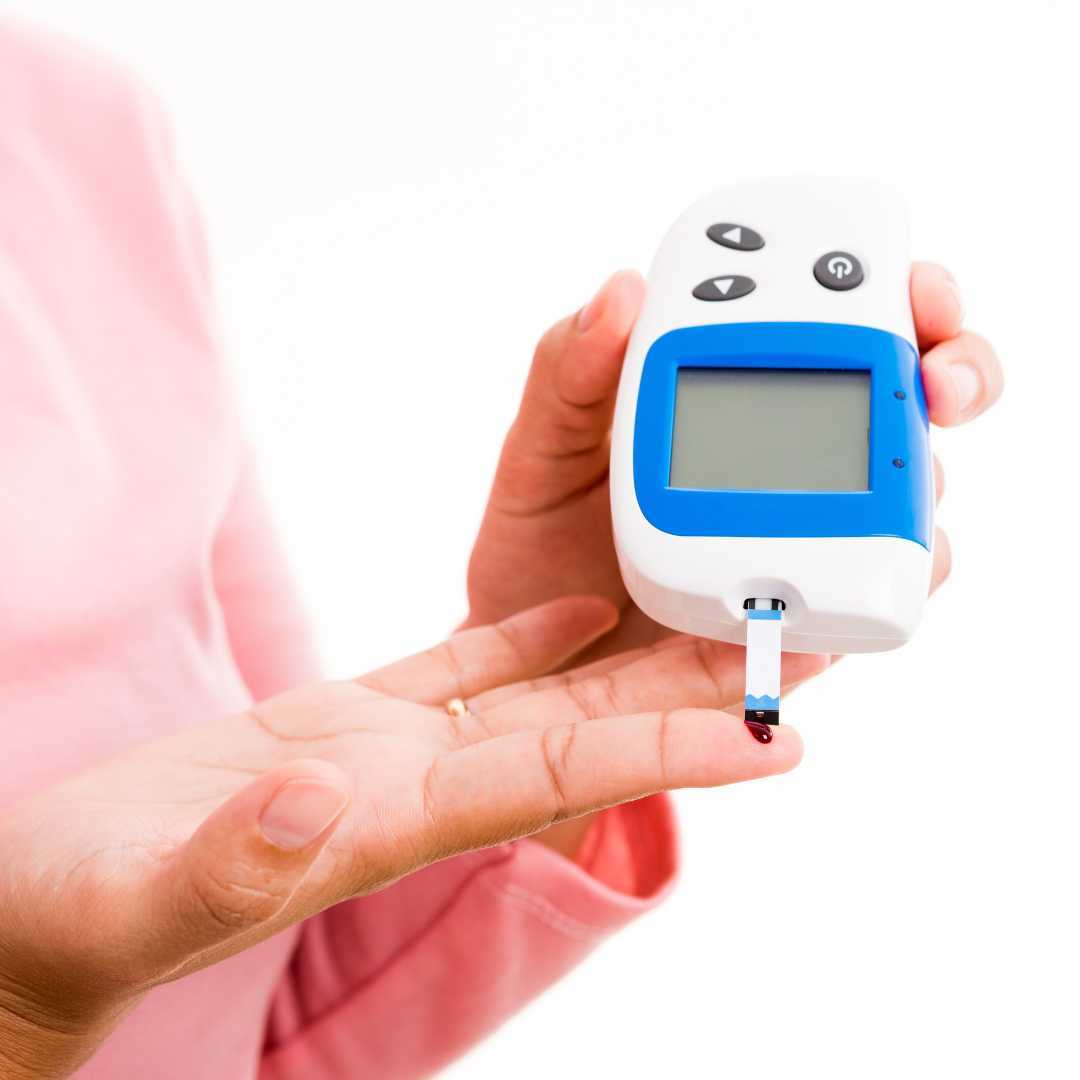
Price starting from $9,000
Diabetes Mellitus Type 1 & 2 in Mumbai, India by StemRX
StemRx Hospital and Research Centre
- Stem Cell Therapy
Mumbai,Navi Mumbai, India
Stem Cell Therapy Price in India for Diabetes Type 1
When considering innovative regenerative medicine, understanding the financial investment is paramount. India’s advanced bio-infrastructure allows clinics to provide world-class cellular treatments at a significantly lower cost than experimental clinics in North America or Europe. The table below outlines the average pricing for Type 1 Diabetes stem cell protocols in India. While exact costs depend on the dosage of stem cells required and the patient's specific metabolic condition, this guide will help you see the profound financial advantages of seeking treatment in India.
Tip: Always ask for a detailed medical breakdown to understand the exact cell count (dosage) and cell source included in your quoted price.
Stem Cell Treatment for Diabetes Centers Cost Comparison in India
| Provider | Procedure | Price |
|---|---|---|
| Dr. Pravin Patel Innovative Hospital & Research Center | Stem Cell Treatment for Diabetes, Stem Cell Therapy | $9600 |
| StemRx Hospital and Research Centre | Stem Cell Treatment for Diabetes, Stem Cell Therapy | $9000 |
| GIOSTAR Hospital Bengaluru | Stem Cell Treatment for Diabetes, Stem Cell Therapy | $9500 |
Stem Cell Treatment for Diabetes Cost Comparison in India
| Country | Procedure | Price |
|---|---|---|
| United States | Stem Cell Treatment for Diabetes, Stem Cell Therapy | $22000 |
Top Stem Cell Therapy Clinics in India for Diabetes Type 1
The efficacy of regenerative medicine is heavily dependent on laboratory excellence and clinical expertise. We have selected a group of distinguished medical centers across India that are recognized pioneers in the application of stem cells for autoimmune disorders like Type 1 Diabetes. These facilities are thoroughly vetted for their JCI or NABH accreditations, their sophisticated GMP-compliant clean-room laboratories, and their dedicated endocrinology departments. Browse the clinic profiles below to find the ideal institutional partner for your healthcare journey.
Safety First: Ensure the facility has a dedicated, multi-disciplinary team combining both stem cell biologists and clinical endocrinologists.

ReeLabs Stem Cells in Mumbai, India
Mumbai, India
StemRx Hospital and Research Centre
Mumbai,Navi Mumbai, India
Dr. Pravin Patel Innovative Hospital & Research Center
Vadodara, India

GIOSTAR Hospital Bengaluru
Bengaluru, India

Krishna Institute of Medical Sciences (KIMS), Bengaluru
Bengaluru, India
Watch Informative Video about Stem Cell Therapy in India for Diabetes
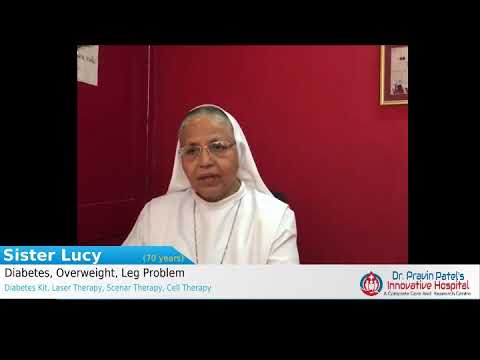
There is immense power in hearing the firsthand experiences of those who have traveled this path before you. The video testimonials featured in this section capture the authentic journeys of international patients who sought stem cell therapy for Type 1 Diabetes in India. Watch as they detail their pre-treatment struggles with unpredictable blood sugar spikes, their experience inside modern Indian hospitals, and the post-treatment changes in their daily insulin reliance and overall vitality.
Insight: Patient videos provide an invaluable glimpse into the standard of hospital care, hygiene, and the empathetic nature of Indian medical professionals.





Stem Cell Therapy in India Reviews from Real Patients
Written feedback offers crucial insights into the long-term realities of the treatment. Below, you will find verified reviews and detailed accounts from individuals who have undergone regenerative protocols for T1D in India. Read through their honest reflections on the initial consultation process, the professionalism of the medical staff, and how their HbA1c levels and diabetes management have evolved in the months following their return home, giving you the confidence to take the next step.
Review Tip: Pay special attention to reviews that discuss long-term follow-up care, as ongoing monitoring is essential for autoimmune conditions.

FAQs about Stem Cell Therapy in India for Diabetes Type 1
Can Stem Cells Treat Diabetes in India?
Diabetes Mellitus, a chronic condition affecting millions, is a significant global health challenge. While conventional treatments focus on managing blood sugar levels, stem cell therapy offers a promising avenue that aims to address the root causes of the disease by regenerating insulin-producing cells or modulating the immune system. India has emerged as a key destination for individuals seeking these advanced treatments, combining cutting-edge medical technology with relatively affordable costs. This blog post will explore the potential of stem cell therapy for diabetes in India, answering common questions about its efficacy, types, costs, and what patients can expect. What types of stem cell therapy are used for Diabetes in India? "The main types of stem cell therapy for diabetes in India involve Mesenchymal Stem Cell (MSC) therapy and approaches using pancreatic islet cells derived from induced pluripotent stem cells (iPSCs), aiming to restore insulin production or modulate the immune system." Mesenchymal Stem Cell (MSC) therapy is one of the most commonly explored avenues. MSCs, often sourced from bone marrow, adipose tissue, or umbilical cord tissue, possess immunomodulatory and regenerative properties. For diabetes, MSCs are believed to help by reducing inflammation, secreting factors that protect existing beta cells, and potentially differentiating into insulin-producing cells or improving the function of dysfunctional ones. They can also aid in the regeneration of blood vessels, crucial for improving overall pancreatic health. Another promising area, primarily in clinical trial stages globally and in India, involves using induced pluripotent stem cells (iPSCs). These are adult cells that have been reprogrammed to an embryonic-like state, giving them the ability to differentiate into various cell types, including insulin-producing pancreatic beta cells. The goal is to transplant these lab-grown beta cells into diabetic patients to restore natural insulin production. This approach holds significant potential for Type 1 Diabetes, where the body's immune system destroys its own beta cells. Is stem cell therapy for diabetes effective in India? "While still largely considered experimental or within clinical trial frameworks, stem cell therapy for diabetes in India has shown promising results in some patients, particularly in improving blood sugar control, reducing insulin dependence, and enhancing the overall quality of life." Clinical trials and observational studies conducted in India and worldwide have reported encouraging outcomes. For Type 1 Diabetes, the focus is on halting the autoimmune destruction of beta cells and potentially replacing them. In Type 2 Diabetes, stem cell therapy aims to improve insulin sensitivity and partially restore beta-cell function. Patients have reported improvements in HbA1c levels, a reduction in insulin dosage, and better control of blood glucose. However, it's crucial to understand that it's not yet a guaranteed cure for all patients and individual responses can vary significantly. What is the success rate of stem cell therapy for diabetes in India? "The reported success rates for stem cell therapy for diabetes in India vary, with some studies indicating that a significant percentage of patients, particularly those in early stages or with Type 2 diabetes, experience reduced insulin dependency and improved glycemic control, with success rates of around 50-70% in specific clinical settings." While a definitive universal success rate is difficult to quote due to the varying protocols, types of diabetes, and individual patient conditions, some clinics and trials in India have reported positive outcomes. For example, some studies using MSCs have shown that a notable proportion of patients with Type 2 diabetes experience a reduction in their insulin requirements or even achieve insulin independence for a period. For Type 1 diabetes, the aim is often to preserve residual beta-cell function and reduce the severity of hypoglycemic episodes. Long-term data is still being gathered, and outcomes can depend heavily on patient selection and the specific stem cell protocol used. How much does stem cell therapy for diabetes cost in India? "Stem cell therapy for diabetes in India is considerably more affordable than in many Western countries, with average costs typically ranging from $3,800 to $7,000 (approximately Rs. 3,15,000 to Rs. 5,80,000), depending on the type of diabetes, the specific protocol, the number of infusions, and the chosen hospital or clinic." The cost-effectiveness is a major factor attracting international patients to India for stem cell treatments. In comparison, similar therapies in countries like the USA or Europe can cost tens of thousands, or even hundreds of thousands, of dollars. This affordability in India is due to lower operational costs, competitive healthcare markets, and a strong focus on medical tourism. The quoted price generally covers the procedure, initial assessments, hospital stay, and post-treatment follow-up, though it's always advisable to get a detailed breakdown of inclusions. What are the risks and side effects of stem cell therapy for diabetes? "The risks and side effects of stem cell therapy for diabetes are generally considered mild and temporary, including fatigue, headache, chills, nausea, pain or swelling at the injection site, and a low-grade fever. More severe complications like infection or immune rejection are rare, especially with autologous (patient's own) cells." While stem cell therapy is generally regarded as safe, particularly when using autologous or carefully screened allogeneic (donor) cells, potential side effects can occur. These often relate to the administration method, such as localized pain or bruising from injections, or transient systemic symptoms like fever or headache after intravenous infusion. The risk of immune rejection is significantly lower with Mesenchymal Stem Cells (MSCs) compared to other cell types due to their immunomodulatory properties. However, as with any medical procedure, there's a minimal risk of infection. Reputable clinics follow strict safety protocols to minimize these risks. How long does recovery take after stem cell therapy for diabetes? "Recovery after stem cell therapy for diabetes is typically quick, with patients experiencing minimal downtime and often resuming normal activities within a few days. Significant improvements in blood sugar control or a reduction in insulin dependence may become noticeable over several weeks to months as the cells take effect." Unlike highly invasive surgical procedures, stem cell therapy for diabetes usually involves minimally invasive administration methods, such as intravenous infusions or direct injections into specific areas. This means patients generally do not require a long hospital stay. While immediate recovery from the procedure itself is quick, the biological effects of the stem cells, such as improved beta-cell function or immune modulation, can take time to manifest. Patients are often advised to continue monitoring their blood glucose levels and working closely with their doctors to adjust medication as their condition improves. Which hospitals in India offer stem cell therapy for diabetes? "Several specialized clinics and some larger hospital groups in India offer stem cell therapy for diabetes, including institutions like Advancells, Stem Cell Care India, Giostar, and specific departments within major multi-specialty hospitals that focus on regenerative medicine." India has a growing number of medical facilities that are involved in stem cell research and therapy. While it's important to note that many treatments are still considered experimental or part of clinical trials, some established centers provide these services. These include: Advancells Stem Cell Care India Giostar Specialized units within larger hospital chains like Apollo Hospitals or Max Healthcare, which may collaborate with stem cell research initiatives. Patients should thoroughly research clinics, verify their credentials, and ensure they are recognized for ethical and effective stem cell treatments for diabetes. Am I a suitable candidate for stem cell therapy for diabetes in India? "Suitability for stem cell therapy for diabetes in India is determined through a comprehensive medical evaluation, typically favoring patients with early-stage Type 1 Diabetes, or Type 2 Diabetes with residual beta-cell function, and generally excluding those with severe long-term complications or uncontrolled comorbidities." Eligibility criteria vary depending on the specific stem cell protocol and the clinic. Generally, ideal candidates for stem cell therapy for diabetes might include: Type 1 Diabetes: Patients in the "honeymoon phase" (recently diagnosed with some residual insulin production) or those experiencing severe hypoglycemia. Younger patients may also be more suitable. Type 2 Diabetes: Patients who still have some functional beta cells, are not completely insulin-dependent, or have complications that might benefit from regenerative effects. Patients with severe long-term complications of diabetes (like advanced kidney failure or significant cardiovascular disease) or other uncontrolled health conditions might not be ideal candidates due to increased risks. A thorough assessment by an endocrinologist and a stem cell specialist is essential to determine individual suitability. What is the typical duration of stay for stem cell therapy in India? "The typical duration of stay for stem cell therapy for diabetes in India can range from 3-7 days, accommodating the initial evaluations, the procedure itself (which often takes a few hours), and a short period of post-treatment observation before returning home." Since many stem cell procedures for diabetes are minimally invasive, requiring intravenous infusions or localized injections, the in-hospital stay is often brief. Patients may arrive a day or two before the procedure for pre-treatment tests and consultations and stay for a few days post-procedure for observation. For international patients, planning for a slightly longer stay is advisable to allow for follow-up appointments and comfortable travel back. Some clinics may recommend multiple rounds of treatment over several months, which would require return visits. Are there clinical trials for stem cell therapy for diabetes in India? "Yes, India is actively involved in clinical trials for stem cell therapy for diabetes, contributing to global research efforts to develop and refine these innovative treatments, exploring various stem cell types and delivery methods for both Type 1 and Type 2 diabetes." India has a robust medical research landscape, with several institutions and private clinics participating in clinical trials for stem cell therapy in diabetes. These trials are crucial for gathering scientific evidence on the safety and efficacy of new stem cell protocols, identifying optimal dosages, and understanding long-term outcomes. Patients interested in participating in clinical trials should inquire with reputable research hospitals or specialized stem cell centers in India, as this can offer access to cutting-edge treatments and contribute to the advancement of diabetes care. What should I consider when choosing a clinic for stem cell therapy for diabetes in India? "When selecting a clinic for stem cell therapy for diabetes in India, prioritize those with strong accreditations, a multidisciplinary team experienced in both diabetes and regenerative medicine, transparent pricing, comprehensive pre- and post-treatment care, and clear communication about expected outcomes and potential risks." Choosing the right clinic is paramount. Here are key considerations: Accreditation and Licensing: Ensure the clinic is officially registered and accredited by relevant national or international bodies (e.g., NABH, JCI). Medical Team Expertise: Verify that the team includes qualified endocrinologists, stem cell specialists, and support staff with extensive experience in diabetes management and regenerative therapies. Specific Protocols: Understand the exact stem cell type (e.g., MSCs, iPSC-derived cells) and administration method they use, and ensure it's backed by scientific rationale. Transparency in Pricing: Obtain a detailed cost breakdown, including all associated fees for tests, consultations, the procedure, and follow-up care, to avoid hidden charges. Patient Testimonials and Outcomes: While individual results vary, look for credible patient testimonials and any outcome data the clinic provides, maintaining realistic expectations. Comprehensive Care: Assess if the clinic offers thorough pre-treatment evaluation, personalized treatment plans, and robust post-treatment follow-up and monitoring. Ethical Practices: Confirm the clinic adheres to high ethical standards in stem cell research and therapy. Can stem cell therapy cure diabetes? "Currently, stem cell therapy for diabetes is not considered a universal 'cure' in the traditional sense, but it shows significant potential to improve pancreatic function, reduce insulin dependency, and manage diabetes-related complications, leading to better disease control and an enhanced quality of life for many patients." While some patients, particularly those with early-stage Type 1 Diabetes, have achieved periods of insulin independence after stem cell therapy, it's not a guaranteed permanent cure for all forms or stages of diabetes. The goal of stem cell treatment is often to restore a degree of pancreatic function, modulate the immune response, and mitigate the progression of the disease and its complications. Ongoing research aims to develop therapies that can offer a complete and lasting cure, but as of now, it's more accurately described as a powerful disease-modifying therapy that can significantly improve outcomes. What are the long-term benefits of stem cell therapy for diabetes? "The long-term benefits of stem cell therapy for diabetes can include sustained improvement in blood glucose control, reduction in the need for insulin or oral medications, delayed progression of diabetes complications (neuropathy, nephropathy, retinopathy), and an overall improvement in the patient's quality of life." For patients who respond well, stem cell therapy can provide lasting improvements. These benefits stem from the stem cells' ability to reduce inflammation, protect existing insulin-producing cells, and potentially regenerate or improve the function of damaged tissues. This can lead to more stable blood sugar levels, fewer episodes of hypo- or hyperglycemia, and a decreased risk of developing or worsening diabetes-related complications affecting the eyes, kidneys, nerves, and cardiovascular system. The duration of these long-term benefits is an area of ongoing research, but promising results have been observed over several years in some individuals. How does stem cell therapy compare to conventional diabetes treatments? "Stem cell therapy for diabetes differs from conventional treatments by addressing the underlying cellular and immunological causes of the disease, aiming to restore pancreatic function or modulate the immune system, whereas conventional treatments primarily manage blood sugar levels through medication, diet, and lifestyle adjustments." Conventional diabetes treatments, such as insulin injections, oral medications, diet control, and exercise, focus on regulating blood glucose levels to prevent complications. These therapies are ongoing and manage the symptoms but generally do not reverse the underlying pathology or restore lost pancreatic function. Stem cell therapy, in contrast, offers a regenerative approach. For Type 1 Diabetes, it aims to protect existing beta cells from autoimmune attack or replace them. For Type 2 Diabetes, it seeks to improve insulin sensitivity and the function of dysfunctional beta cells. While stem cell therapy holds the promise of reducing or eliminating the need for daily medication, it is currently a more advanced and less widely available treatment option, often used when conventional therapies are insufficient or for specific patient profiles. It represents a shift from managing symptoms to potentially modifying the disease course. Explore PlacidWay for solutions related to medical tourism and healthcare services. ?
Can Stem Cell Therapy Help Treat Type 1 Diabetes in India?
Yes, stem cell therapy in India is showing promising results for managing Type 1 Diabetes by regenerating insulin-producing beta cells and modulating the immune system, often significantly reducing insulin dependency. For millions of families grappling with the daily burden of Type 1 Diabetes—the constant finger pricks, insulin injections, and fear of hypoglycemia—the promise of a "cure" has always felt just out of reach. However, India has emerged as a global frontrunner in turning this hope into reality through advanced regenerative medicine. Unlike Type 2 diabetes, which is largely lifestyle-driven, Type 1 is an autoimmune condition where the body attacks its own pancreas. Standard treatments only manage blood sugar, but stem cell therapy aims to fix the underlying root cause. In India, world-class research centers and JCI-accredited hospitals are using cutting-edge protocols to halt this immune attack and regenerate damaged tissue. With costs significantly lower than in the West and a regulatory framework that encourages innovation under strict ethical guidelines, India is becoming a beacon of hope for international patients. In this guide, we will explore how this therapy works, the top hospitals offering it, the real-world success rates, and why India is a preferred destination for this life-changing treatment. How does stem cell therapy treat Type 1 Diabetes? Stem cell therapy treats Type 1 Diabetes by introducing mesenchymal stem cells (MSCs) that migrate to the pancreas to regenerate damaged beta cells and reset the immune system to stop attacking healthy tissue. The science behind this treatment is two-fold: Immune Modulation and Regeneration. In Type 1 Diabetes, your T-cells mistakenly identify your insulin-producing beta cells as enemies and destroy them. Mesenchymal Stem Cells (MSCs), usually derived from umbilical cord tissue or bone marrow, are potent "immune regulators." When introduced into the body, they calm down this autoimmune attack, preserving whatever beta cell function remains. Secondly, these stem cells have the potential to differentiate into new beta cells or stimulate the body's own resident stem cells to repair the damaged pancreatic tissue. This leads to an increase in natural insulin production. While it may not always completely eliminate the need for external insulin, it often drastically reduces the dosage required and stabilizes blood sugar levels, preventing dangerous spikes and crashes. Clinics in India often use a combination of intravenous injections and targeted catheterization to deliver cells directly to the pancreatic artery, ensuring maximum potency. What is the success rate of stem cell therapy for Type 1 Diabetes in India? The success rate for Type 1 Diabetes stem cell therapy in India is approximately 70-80% for reducing insulin dosage and stabilizing blood sugar, though complete insulin independence is less common and varies by patient. Success in stem cell therapy is defined by a measurable improvement in quality of life and clinical markers. Most patients in India report a significant drop in their HbA1c levels (a long-term marker of blood sugar control) and a reduction in their daily insulin requirement—sometimes by as much as 50% or more. Complete "insulin freedom" is rare but possible, especially in patients treated shortly after diagnosis (the "honeymoon phase"). For patients who have had diabetes for decades, the goal is usually disease management: preventing complications like kidney failure, neuropathy, and vision loss. The therapy is highly effective at halting these secondary issues by improving systemic circulation and reducing inflammation. Indian clinics track these outcomes rigorously, often seeing sustained benefits for 2 to 3 years post-treatment, after which a "booster" dose may be recommended. How much does stem cell therapy for Type 1 Diabetes cost in India? The cost of stem cell therapy for Type 1 Diabetes in India ranges from $5,000 to $12,000 USD, depending on the hospital, the number of cells used, and the length of stay. Cost is a major factor for international patients, as this therapy is rarely covered by insurance in the US or Europe. In India, you can access the same high-quality, expanded stem cells for a fraction of the global price. A comprehensive package in India usually includes the procedure, hospital stay, pre-treatment testing, and airport transfers. In comparison, similar experimental treatments in the US or Europe can cost upwards of $50,000 to $100,000. The lower cost in India is due to lower operational overheads and the ability to produce high-quality stem cells in domestic laboratories without expensive importation fees. Cost Comparison: India vs. USA vs. Europe Region Estimated Cost (USD) Inclusions India $5,000 - $12,000 Full treatment, hospital stay, diagnostics, transfers USA $50,000 - $100,000+ Procedure only (often outpatient) Germany/Europe $25,000 - $40,000 Procedure and limited stay Mexico/Panama $15,000 - $30,000 Procedure and short stay Which hospitals in India are best for diabetes stem cell therapy? Top hospitals include StemRx Bioscience Solutions (Mumbai), Advancells (Noida/Delhi), and specialized units within major chains like Max Healthcare and Apollo Hospitals. When choosing a provider, look for clinics that specialize in Regenerative Medicine rather than general hospitals. StemRx in Mumbai, led by Dr. Pradeep Mahajan, is a pioneer in the field, offering personalized protocols that combine stem cells with metabolic rehabilitation. Advancells in Delhi is another leader, known for its high ethical standards and transparency regarding cell counts and viability. Major hospital chains like Apollo and Max Healthcare also have dedicated research wings for stem cell therapy, offering the safety net of a full-service multi-specialty hospital environment. Always check for accreditation from the National Accreditation Board for Hospitals & Healthcare Providers (NABH) to ensure safety and quality standards. Is stem cell therapy for diabetes legal in India? Yes, stem cell therapy is legal but highly regulated; currently, it is permitted primarily under "investigational use" and clinical trials approved by the National Apex Committee for Stem Cell Research and Therapy (NAC-SCRT). The regulatory landscape in India is designed to protect patients while fostering innovation. The Indian Council of Medical Research (ICMR) guidelines state that stem cell therapy for conditions like Type 1 Diabetes should be conducted as part of clinical trials or approved research protocols. This means reputable clinics will enroll you in a study protocol, ensuring your data is tracked and the procedure follows strict ethical norms. Avoid any clinic that promises a "guaranteed cure" or operates without a proper Ethics Committee approval. Legitimate centers are transparent about the investigational nature of the treatment and will provide you with detailed informed consent documents. What types of stem cells are used? The most common cells used are Mesenchymal Stem Cells (MSCs) from donor umbilical cord tissue (Wharton's Jelly) or the patient's own bone marrow (autologous), due to their safety and high potency. Umbilical Cord Tissue (Allogeneic) stem cells are the gold standard in many Indian clinics. These cells are "naive" and young, meaning they replicate faster and release more potent anti-inflammatory factors than cells from an adult's own body. Because they are immune-privileged, they do not require matching and are not rejected by the patient. Bone Marrow (Autologous) cells are also used, where the doctor harvests cells from the patient's own hip bone. This eliminates any risk of disease transmission but may be less effective in older patients or those with long-standing chronic illness. Some advanced protocols use a "cocktail" of both types to maximize results. Are there any side effects or risks? The procedure is minimally invasive and generally safe; side effects are typically mild, such as temporary fever, fatigue, or soreness at the injection site, with serious complications being extremely rare. Because mesenchymal stem cells do not trigger an immune response, the risk of rejection is virtually zero. The procedure does not involve major surgery. If cells are injected intravenously, it feels like a standard IV drip. If injected directly into the pancreatic artery (via a catheter in the leg), there is a small risk of bruising or bleeding at the entry site, similar to an angiogram. Indian clinics follow strict sterile protocols to prevent infection. Patients are monitored for 24-48 hours post-procedure to ensure no adverse reactions occur. The most common "side effect" is actually a burst of energy and improved sleep reported by patients in the weeks following treatment. How long does the treatment take? The entire treatment protocol typically requires a stay of 3 to 7 days in India, which covers pre-procedure testing, the stem cell administration, and post-treatment observation. You won't need to spend weeks in a hospital bed. Day 1 usually involves arrival, consultation, and comprehensive blood work to check your current inflammation and organ health. Day 2 or 3 is the procedure day. The administration itself takes only a few hours. The remaining days are for observation and supportive therapies, such as hyperbaric oxygen therapy or physiotherapy, which are often included to help the stem cells "settle" and function better. Most patients are fit to travel home within a week, though doctors often recommend resting for a few days before a long-haul flight. Can children with Type 1 Diabetes undergo this therapy? Yes, children are often excellent candidates for stem cell therapy as their younger bodies respond more vigorously to regeneration, but treatment is subject to strict pediatric evaluations. Pediatric cases often show the most dramatic results. Because a child's immune system and tissues are still developing, they tend to accept the immune-resetting effects of stem cells better than adults with decades of scarring. Indian clinics have specific protocols for children, ensuring the dosage is adjusted for weight and age. Ethical committees review pediatric cases with extra scrutiny to ensure safety. Parents often seek this treatment for children to preserve whatever beta cell function remains, potentially delaying the onset of severe complications later in life. Will I stop taking insulin immediately? No, you will not stop insulin immediately; dose reduction is a gradual process that happens over months as the stem cells repair the pancreas and natural insulin production improves. It is dangerous to stop insulin abruptly. Stem cell therapy is not a magic switch. It takes time—typically 3 to 6 months—for the cells to engraft and start repairing tissue. During this time, you will continue your insulin regimen but will likely notice frequent episodes of hypoglycemia (low blood sugar) as your body starts making its own insulin again. Your endocrinologist will need to work closely with you to slowly dial back your external insulin dosage to match your body's increasing natural production. Monitoring is key during this transition phase. Do I need a donor for stem cell therapy? No, you do not need to find a donor; clinics in India use high-quality, pre-screened umbilical cord stem cells from licensed banks or your own cells, making the process hassle-free. Unlike a bone marrow transplant for leukemia, where finding a genetic match is a nightmare, mesenchymal stem cell therapy uses "off-the-shelf" cells. Umbilical cord cells are universally compatible. Indian clinics source these from government-licensed blood banks that screen donors for every conceivable virus or genetic defect. This means there is no waiting list. Once you are approved for treatment, the clinic can order the cells and have them ready for your arrival. This efficiency is one of the main reasons medical tourists choose India. What follow-up care is required? Follow-up involves regular blood tests (C-peptide and HbA1c) every 3 months to monitor progress, which can be done in your home country and shared with your Indian doctor via video consultations. The relationship with your Indian medical team doesn't end when you fly home. Telemedicine is a standard part of the package. You will be asked to track your blood sugar logs and get lab tests done locally. These results are sent to India, where your specialist will review them and advise on insulin adjustments or diet changes. This long-term guidance is crucial for maximizing the benefits of the therapy. Some patients may need a second round of treatment (a "top-up") after 12-18 months if their improvements start to plateau. Is diet and lifestyle important after therapy? Yes, a strict anti-inflammatory diet and active lifestyle are critical to support the stem cells and ensure they have the best environment to survive and repair the pancreas. Stem cells are like seeds; your body is the soil. If the soil is toxic (high sugar, high processed foods), the seeds won't grow. Indian clinics often combine the therapy with Yoga and Naturopathy to detoxify the body. You will be given a nutritional plan that focuses on low-glycemic, whole foods to minimize stress on your pancreas. Adhering to this lifestyle is often the difference between a partial success and a life-changing outcome. How do I start the process? Start by contacting a specialized medical tourism facilitator or the hospital directly to submit your recent medical reports (HbA1c, C-Peptide, Anti-GAD antibodies) for a free eligibility evaluation. Don't just book a flight. The first step is a medical review. You need to send your medical history to the clinic. A specialist will review your C-Peptide levels (which show how much insulin you are still making) and your antibody levels. If you are a good candidate, they will send you a formal treatment plan and cost estimate. From there, they will assist with your Medical Visa invitation letter, which you will need to enter India for treatment. Ready to take control of your Type 1 Diabetes? India offers a unique combination of advanced science, affordability, and holistic care. If you are ready to explore how stem cell therapy can change your life, PlacidWay can connect you with the top-rated, accredited clinics in India. Get a free consultation and find out if you are a candidate today.
How Can Stem Cell Therapy Help with Diabetes in India?
Stem cell therapy for diabetes in India works by regenerating damaged pancreatic beta cells and modulating the immune system, offering a potential reduction in insulin dependence for $3,500 to $8,000 USD. Managing diabetes often feels like a full-time job, doesn't it? The constant monitoring, the dietary restrictions, and the daily insulin injections can be exhausting. If you've been searching for alternatives beyond standard management, you've likely stumbled upon stem cell therapy for diabetes in India. It’s a topic buzzing with hope and scientific curiosity. India has emerged as a global hub for medical tourism, particularly in regenerative medicine, offering advanced treatments at a fraction of the cost found in Western nations. But it's not just about the price tag; it's about access to cutting-edge protocols that aim to address the root cause of diabetes rather than just its symptoms. In this guide, we’ll cut through the medical jargon and walk you through everything you need to know—from how it actually works and what it costs, to the legal landscape and what a typical treatment trip looks like. How does stem cell therapy help with diabetes? Stem cell therapy helps with diabetes by differentiating into insulin-producing beta cells and reducing pancreatic inflammation, potentially restoring the body's natural ability to regulate blood sugar. The science behind stem cell therapy for diabetes focuses on regeneration and repair. In patients with diabetes, the body either destroys its own insulin-producing beta cells (Type 1) or becomes resistant to the insulin it produces, eventually wearing out the pancreas (Type 2). Stem cells, particularly Mesenchymal Stem Cells (MSCs), are the body's "master cells" capable of transforming into various tissue types. When introduced into the body, these stem cells travel to the pancreas. Once there, they can differentiate into new, healthy beta cells, effectively replenishing the cells responsible for insulin production. This process is crucial for restoring the body's natural glycemic control mechanisms, offering hope for reducing or even eliminating the need for external insulin. Beyond regeneration, stem cells possess powerful immunomodulatory properties. This means they can help "reset" the immune system. In Type 1 diabetes, where the immune system attacks the pancreas, stem cells can help halt this autoimmune attack, preserving whatever remaining function the pancreas has. For Type 2 diabetes, they help reduce systemic inflammation and decrease insulin resistance, allowing the body to use its own insulin more effectively. What is the cost of stem cell therapy for diabetes in India? The cost of stem cell therapy for diabetes in India typically ranges from $3,500 to $8,000 USD (approx. ?3,00,000 to ?6,50,000 INR), which is 60-70% cheaper than in the US or Europe. One of the primary reasons international patients choose India is the significant cost advantage. In countries like the USA or those in Europe, experimental or available regenerative treatments can cost upwards of $25,000 to $50,000. In India, you get access to world-class medical facilities and experienced doctors for a fraction of that price. The total package usually includes the pre-procedure investigations, the stem cell harvesting and processing, the implantation procedure, hospital stay, and airport transfers. Costs can vary slightly depending on the city (e.g., Delhi, Mumbai, Bangalore), the type of facility (luxury vs. standard), and the specific protocol required for your condition. Country Estimated Cost (USD) Notes India $3,500 - $8,000 All-inclusive packages (Treatment + Stay) USA $25,000 - $50,000+ Often not covered by insurance Mexico $8,000 - $15,000 Variable regulatory oversight Thailand $10,000 - $18,000 Popular for medical tourism Germany $15,000 - $22,000 Strict EU regulations What is the success rate of stem cell therapy for diabetes in India? The success rate for stem cell therapy for diabetes in India is approximately 70-80%, with many patients reporting reduced insulin dosage, stabilized blood sugar levels, and improved energy within months. When we talk about "success" in regenerative medicine, it is important to define realistic expectations. For stem cell therapy, success is rarely defined as an immediate, permanent "cure" where you never check your blood sugar again. Instead, clinical data from leading Indian hospitals indicates that about 70-80% of patients experience significant clinical improvements. These improvements often manifest as a reduction in HbA1c levels, a decrease in the daily requirement of exogenous insulin, and a halt in the progression of diabetic complications like neuropathy or kidney damage. Some patients, particularly those treated in the early stages of the disease, may experience a "honeymoon period" where they can stop insulin completely for months or even years. However, results vary based on age, the duration of diabetes, and overall health. Is stem cell therapy legal in India for diabetes? Stem cell therapy in India is regulated under the "New Drugs" category of the Drugs and Cosmetics Act, with strict guidelines allowing "minimally manipulated" autologous stem cells and approved clinical trials. The legal landscape for stem cell therapy in India is governed by the National Guidelines for Stem Cell Research (latest updates in 2017 and 2024/2025 considerations). The Indian government, through the ICMR (Indian Council of Medical Research), keeps a close watch to ensure patient safety and ethical standards. Therapies using embryonic stem cells are heavily restricted, but the use of autologous stem cells (cells from your own body, like bone marrow or fat) is permitted under specific medical oversight. It is vital to receive treatment from hospitals and clinics that are registered and comply with these national guidelines. Legitimate centers operate under "investigational new drug" protocols or provide established therapies that fall under the category of "minimally manipulated" cells, which are considered safer and are legally permissible for therapeutic use in clinical settings. What is the difference between Type 1 and Type 2 diabetes treatment outcomes? Stem cell therapy for Type 1 diabetes focuses on halting the autoimmune attack to preserve beta cells, while for Type 2, it aims to reduce insulin resistance and repair damaged tissue. The approach and expectations differ significantly between the two types. For Type 1 Diabetes, which is an autoimmune condition, the therapy acts as an immune-modulator. The goal is to stop the body from attacking its own pancreas. It is most effective when administered shortly after diagnosis (within the first few years) to save the remaining beta cells. Patients often see a reduction in insulin dosage, but complete insulin independence is harder to achieve long-term. For Type 2 Diabetes, the problem is insulin resistance and beta-cell exhaustion. Stem cells here work to rejuvenate the pancreas and improve systemic metabolism. The outcomes for Type 2 are generally very positive, with many patients able to significantly lower their medication, lose weight, and improve their overall metabolic profile due to the reduction in systemic inflammation. What is the step-by-step procedure for the treatment? The stem cell procedure in India is typically a 3-day process involving pre-treatment testing, bone marrow or adipose tissue harvesting, stem cell processing, and final implantation via injection. The treatment is designed to be minimally invasive and is usually completed over a short trip. Here is a typical day-by-day itinerary for a patient: Day 1: Arrival and Evaluation. You arrive in India and are taken to the hospital. A comprehensive consultation with the endocrinologist and regenerative medicine expert takes place. You will undergo blood tests, and potentially imaging scans, to establish a baseline for your condition. Day 2: The Procedure. This is the main treatment day. Under local anesthesia, stem cells are harvested from your bone marrow (usually from the hip bone) or adipose tissue (fat from the belly). These cells are then processed in a sterile GMP-certified lab to isolate and concentrate the mesenchymal stem cells. The concentrated cells are then infused back into your body, either intravenously or via a targeted catheter angiography directly into the pancreatic artery for maximum efficacy. Day 3: Observation and Discharge. You are monitored for any immediate reactions (which are rare). The doctor provides a discharge summary, diet plan, and medications. Most patients are fit to fly back home the evening of Day 3 or the next day. Are there any side effects or risks involved? Risks are minimal with autologous stem cell therapy but can include temporary soreness at the injection site, mild fever, or headache; immune rejection is extremely rare since the patient's own cells are used. Safety is a top priority. Since the most common procedure uses autologous stem cells (your own cells), the risk of immune rejection or "Graft vs. Host Disease" is virtually non-existent. The body recognizes the cells as its own. This makes the safety profile of the treatment very high compared to organ transplants. Minor side effects are generally related to the harvesting procedure. You might experience some soreness or bruising at the site where the bone marrow or fat was collected. Some patients report a low-grade fever or headache for 24 hours after the infusion, which is a sign that the immune system is responding to the new cells. Serious infections are extremely rare when the procedure is performed in a certified, sterile environment. How do I get a medical visa for treatment in India? To get a medical visa for India, you need a "Medical Visa Invitation Letter" from the Indian hospital, which you submit online via the e-Medical Visa portal for quick processing. India has a streamlined process for international patients known as the e-Medical Visa. Once you confirm your appointment with a hospital, they will send you a formal Visa Invitation Letter. This document is crucial. You will upload this letter while applying on the official Indian government visa website. The e-Medical visa is usually processed within 24 to 72 hours. It allows for a triple entry, meaning you can enter and exit the country multiple times if follow-up visits are needed. You can also apply for a Medical Attendant Visa for a family member or friend to accompany you during your treatment journey. What kind of hospitals and technology can I expect in India? Top Indian hospitals for stem cell therapy are accredited by JCI and NABH, featuring state-of-the-art GMP laboratories and advanced imaging technology comparable to Western standards. Forget any misconceptions about developing nations lagging in healthcare technology. The top hospitals in India that offer stem cell therapy are typically accredited by the JCI (Joint Commission International) and NABH (National Accreditation Board for Hospitals). These accreditations ensure that the facility meets rigorous global standards for safety and quality. These hospitals are equipped with in-house GMP (Good Manufacturing Practice) laboratories. This is critical because stem cells must be processed in a highly controlled, sterile environment to ensure their viability and safety. The doctors are often globally trained, having worked in the UK or USA, and are pioneers in the field of regenerative medicine. How soon will I see results after the therapy? Results vary, but most patients begin to notice improvements in energy levels within 4 weeks, with measurable changes in blood sugar control and HbA1c typically appearing between 3 to 6 months post-treatment. Stem cell therapy is not a "magic pill" that works overnight. It is a biological process that takes time. The injected cells need time to settle, migrate to the pancreas, and begin the repair process. The first sign of improvement is often a boost in general energy and a reduction in diabetic fatigue, usually noticed within the first month. Clinical markers like fasting blood sugar and HbA1c usually start showing significant trends of improvement around the 3-month mark. The full effect of the therapy generally peaks at around 6 to 12 months. During this time, it is crucial to maintain a healthy diet and lifestyle to support the new cells and maximize the benefits of the treatment. Why should I choose India over other countries for this treatment? India offers a unique combination of high affordability, English-speaking medical staff, no waiting lists, and access to advanced regenerative protocols that might be unavailable or restricted elsewhere. Choosing a destination for medical treatment is a big decision. India stands out because it balances cost, quality, and convenience perfectly. You get access to therapies that might be tied up in years of bureaucratic red tape in your home country. The doctors are aggressive in their pursuit of patient well-being, willing to use advanced, evidence-based protocols to get results. Furthermore, the language barrier is non-existent. English is the primary language of medical education and communication in India. From the moment you land at the airport to your discharge, you can communicate freely with your surgeons, nurses, and support staff. Combined with the "Atithi Devo Bhava" (The Guest is God) culture, the hospitality you receive makes the medical journey far less stressful. Ready to Take Control of Your Diabetes? Don't let diabetes dictate your life. Explore affordable, world-class stem cell therapy options in India today. Get a free consultation and a personalized treatment plan from top experts with PlacidWay Medical Tourism. Get a Free Quote & Treatment Plan Today
Can Stem Cell Therapy Treat Both Type 1 and Type 2 Diabetes in India?
Yes, stem cell therapy in India addresses both Type 1 and Type 2 Diabetes. For Type 1, it helps modulate the immune system to stop attacking pancreatic cells. For Type 2, it reduces insulin resistance and inflammation. India offers these advanced protocols for $4,500 to $8,000 USD, which is 70% cheaper than Western alternatives. Diabetes is often described as a full-time job with no vacation. Whether you are constantly checking your pump for Type 1 or managing medication and diet for Type 2, the mental and physical toll is exhausting. The fear of long-term complications—like neuropathy, kidney failure, or vision loss—is always lurking in the background. While insulin and metformin save lives, they don't fix the underlying problem: a pancreas that isn't working right or a body that ignores the insulin it makes. This is where India is making waves in the medical world. Indian specialists are using Mesenchymal Stem Cells (MSCs) to target the root causes of diabetes, not just the blood sugar spikes. In Type 1, the goal is to calm the immune system; in Type 2, it is to reset the body's metabolism. Patients are flying to New Delhi, Mumbai, and Bangalore to access these regenerative treatments that are often unavailable or prohibitively expensive at home. In this guide, we will break down exactly how this works for each type of diabetes, what you can realistically expect in terms of results, and why India has become a global hub for diabetic stem cell research and treatment. Can stem cells help Type 1 Diabetes? Yes, for Type 1 Diabetes, stem cells act as an immune-modulator. Since Type 1 is an autoimmune condition where the body attacks its own beta cells, stem cells work to "reset" the immune system, halting this attack and preserving any remaining pancreatic function, potentially reducing daily insulin needs. For Type 1 diabetics, the problem is the immune system acting like a sniper, taking out the insulin-producing cells. Stem cell therapy introduces a massive dose of "peacekeeping" cells. These MSCs release signals that tell the immune system to stand down. While it is rare to get a patient completely off insulin forever if they have had the disease for decades, many "honeymoon" patients (recently diagnosed) or those with some residual function see a significant drop in their insulin dosage. The main goal is to stop the disease from progressing further and to stabilize blood sugar levels to prevent crashes. Can stem cells treat Type 2 Diabetes? Yes, stem cell therapy is highly effective for Type 2 Diabetes. It works by reducing systemic inflammation and improving insulin sensitivity. The cells help repair damaged tissues and rejuvenate the pancreas, allowing the body to utilize insulin more effectively and lower HbA1c levels. Type 2 is largely a metabolic and inflammatory disorder. Your cells have locked their doors and won't let insulin in. Stem cells help pick those locks. By reducing the chronic inflammation that causes insulin resistance, they help your body's natural insulin work again. Patients with Type 2 often see better results than Type 1 patients because their pancreas is usually still producing some insulin; the body just isn't using it. After treatment, many patients can reduce their oral medications and report higher energy levels and better weight management. What is the cost of diabetes stem cell therapy in India? The average cost of stem cell therapy for diabetes in India ranges from $4,500 to $8,000 USD. This typically includes a multi-day hospital stay, extensive blood work, the stem cell infusion, and airport logistics. In comparison, similar treatments in Europe or Panama can cost upwards of $20,000. India offers a unique value proposition: high-volume expertise at a low cost. Because diabetes is an epidemic in India itself, doctors there have treated thousands of patients and have refined their protocols. You aren't paying for luxury marketing; you are paying for medical substance. Here is a quick cost comparison: Country Estimated Cost (USD) What's Included? India $4,500 - $8,000 Treatment, Hospital Stay, Tests Mexico $6,000 - $10,000 Treatment only (Outpatient) Panama $20,000 - $30,000 Treatment & Hotel Germany $18,000 - $25,000 Clinic stay & Treatment How is the procedure performed? The standard protocol involves an Intravenous (IV) infusion of stem cells. In some specific cases, doctors may use intrapancreatic injection via catheterization (cath lab) to deliver cells directly to the pancreas, though IV is more common and less invasive. The procedure takes about an hour. Most patients receive a systemic IV drip. It is painless and simple. The stem cells travel through the bloodstream and home in on areas of inflammation—which for diabetics, includes the pancreas, liver, and vascular system. If the doctor opts for the direct pancreatic approach, it is slightly more complex (similar to an angiogram) but ensures a higher concentration of cells hits the target organ immediately. What is the success rate? Success is measured by a reduction in medication and stabilized blood sugar. Approximately 70-80% of patients respond positively, seeing a drop in HbA1c levels and a reduced need for insulin or metformin. Results are typically observed within 2 to 4 months post-treatment. It is important to define "success." It usually doesn't mean eating unlimited cake and never taking a pill again. It means your blood sugar is no longer a rollercoaster. It means your HbA1c drops from a dangerous 9.0 to a manageable 6.5. For many, it means stopping insulin injections and managing solely with diet or mild pills. Are there risks or side effects? The procedure is very safe. Common side effects are mild and include fatigue, headache, or low-grade fever for a day as the immune system reacts. Hypoglycemia (low blood sugar) is a risk immediately following treatment as the body becomes more sensitive to insulin, so monitoring is crucial. The "danger" actually comes from the treatment working too well, too fast. As your insulin sensitivity improves, your usual dose of insulin might be too much, causing your blood sugar to drop. This is why doctors in India will monitor you closely for a few days and adjust your medication dosages in real-time. Why is India a top destination for diabetes treatment? India is known as the "Diabetes Capital of the World," which means its doctors have unmatched experience in treating the condition. Experience matters. An Indian specialist might see more diabetes cases in a month than a Western doctor sees in a year. They understand the nuances of the disease. Furthermore, the stem cell clinics in India are highly advanced, producing high-viability cells that meet international quality standards. What type of stem cells are used? Clinics generally use Umbilical Cord Mesenchymal Stem Cells (UC-MSCs) from healthy donors. These cells are "immune-privileged" (no rejection risk) and are more potent than bone marrow cells. Some clinics may use autologous (your own) bone marrow cells if specifically requested or clinically indicated. Using donor cells from the umbilical cord is preferred because they are young and aggressive healers. A diabetic patient's own stem cells are often "tired" and affected by the high blood sugar environment, making them less effective for therapy. UC-MSCs offer a fresh start. Can it help with diabetic complications? Yes, this is a major benefit. Stem cells improve blood flow and repair damaged nerves, offering relief from diabetic neuropathy (nerve pain), kidney dysfunction, and retinopathy. Many patients seek treatment primarily to stop these complications from worsening. Sometimes the blood sugar number isn't the biggest problem—it's the burning feet or the failing kidneys. Because stem cells travel systemically, they help repair the micro-vasculature (tiny blood vessels) all over the body. Patients often report that the sensation returns to their feet or that their kidney filtration rates (GFR) stabilize after treatment. How long do the results last? Results can last anywhere from 1 to 3 years or longer, depending on lifestyle factors. Diet and exercise are critical. If a patient returns to a high-sugar diet, the benefits will diminish. Periodic "booster" treatments may be recommended to maintain the effects. Stem cells give you a reset, but they don't make you bulletproof. Think of it as fixing the engine of a car. It runs great now, but if you put bad fuel in it (sugar and processed food), it will break down again. The patients who see permanent changes are the ones who use the therapy as a springboard to a healthier lifestyle. Conclusion Stem cell therapy represents a paradigm shift in diabetes care. Instead of just managing the decline, it offers a way to actively repair the damage. India stands at the forefront of this shift, offering accessible, high-quality care for both Type 1 and Type 2 diabetics. While it is not a magic cure that replaces all responsibility, it is a powerful tool that can reduce medication dependence and protect your organs from long-term damage. If you are ready to move beyond just "managing" your diabetes and start treating the root cause, the experts in India are ready to help. Ready to take control of your health? Click here to explore PlacidWay and connect with India's top certified stem cell specialists for diabetes today. Get a Free Quote & Treatment Plan Today
Experienced Stem Cell Doctors in India for Diabetes Mellitus 1
Treating an autoimmune condition like Type 1 Diabetes with regenerative medicine requires a sophisticated, multidisciplinary approach. We have compiled a list of elite medical professionals in India who bridge the gap between clinical endocrinology and advanced cellular biology. These specialists possess international fellowships, extensive research backgrounds, and a proven track record in metabolic disorders. Reviewing their credentials will help you identify a medical team whose expertise gives you the utmost confidence in your care.
Board-Certified Endocrinologists & Regenerative Experts
Specialized in Autoimmune and Metabolic Disorders
The most successful protocols are led by specialists who deeply understand diabetes management. These doctors work in tandem with stem cell biologists to ensure that the cellular dosage and administration methods are perfectly tailored to address your specific HbA1c levels and autoimmune markers.
International Training & Biotech Pioneers
Global Experience and Medical Board Affiliations
Leading physicians in India frequently hold fellowships from prestigious institutions in the UK, USA, or Australia. Their integration into global stem cell societies ensures that the treatments provided in India reflect the very latest advancements in international cellular science.
Multidisciplinary Medical Teams
Comprehensive Patient Monitoring
Top specialists do not work alone. They lead comprehensive teams that include dietitians, immunologists, and diabetes educators, ensuring that the stem cell therapy is supported by holistic lifestyle and medical management for maximum, long-lasting efficacy.

Dr. Pravin Patel
Dr. Pravin Patel Innovative Hospital & Research Center | Stem Cell Center
- Sports medicine specialist
Vadodara, India

Dr. Sunitta Patel
Dr. Pravin Patel Innovative Hospital & Research Center | Stem Cell Center
- Sports medicine specialist
Vadodara, India

Why Choose Stem Cell Therapy for Diabetes in India?
A Global Biotech Hub with World-Class Accreditations
India has strategically positioned itself as a global leader in medical biotechnology. Major metropolitan centers like New Delhi, Mumbai, and Chennai are home to massive, highly advanced hospital campuses that rival Western institutions. Many of these hospitals hold prestigious Joint Commission International (JCI) and National Accreditation Board for Hospitals & Healthcare Providers (NABH) accreditations.
This guarantees that international patients are receiving care in facilities that meet stringent global standards for patient safety, clinical hygiene, and state-of-the-art laboratory infrastructure, specifically regarding clean-room environments essential for stem cell expansion.
Unmatched Cost-Effectiveness and Expertise
The cost disparity is a massive draw for medical tourists. Because of lower operational costs and government subsidies for biotech research, Indian clinics can provide incredibly high-dose cellular therapies at a fraction of Western prices without compromising on quality or viability.
Furthermore, Indian doctors manage highly diverse patient populations, giving them vast clinical experience. The endocrinologists and regenerative specialists here are renowned for their diagnostic acumen and their ability to tailor complex treatments to individual metabolic profiles, leading to better patient outcomes.
Language, Culture, and Seamless Patient Support
Navigating complex medical information in a foreign country can be intimidating, but India removes the language barrier entirely. The medical community operates fluently in English, ensuring that you fully understand every nuance of your diabetes treatment plan.
Beyond the clinic, India is famous for its warm hospitality. Premium hospitals cater specifically to international patients by providing dedicated medical coordinators who act as your personal liaisons inside the hospital, managing appointments, guiding you through lab testing, and ensuring your stay is culturally comfortable and medically seamless.
Get FREE QUOTE for Diabetes Stem Cell Therapy in India at PlacidWay!
Navigating regenerative medicine options overseas requires trust, transparency, and expert guidance. PlacidWay serves as your dedicated medical advocate, bridging the gap between you and India's elite stem cell institutes to ensure a safe, organized, and empowering healthcare journey.
Rigorous Hospital Vetting
We pre-screen all Indian medical centers to verify their JCI/NABH accreditations, ICMR compliance, and laboratory standards, ensuring you only engage with safe, reputable institutions.
Medical Record Coordination
We securely transmit your HbA1c history, bloodwork, and medical files to top Indian endocrinologists for accurate, personalized pre-evaluations before you travel.
Transparent Quote Generation
We provide itemized, obligation-free quotes from multiple clinics so you can clearly compare the costs, cellular dosages, and specific protocols being offered.
Direct Specialist Access
We help arrange secure video consultations, allowing you to speak directly with the stem cell researchers and doctors to ask crucial questions about your specific case.
Information Transparency
We give you access to genuine patient reviews, physician biographies, and detailed facility overviews, empowering you to make a fully informed medical decision.
Dedicated Patient Advocacy
Our specialized care team remains by your side throughout the inquiry process, acting as your advocate to ensure clear communication and prompt answers from the medical providers.
Take a proactive step toward managing your Type 1 Diabetes with cutting-edge regenerative care. Contact PlacidWay today to receive a free, personalized quote and evaluation from India's premier stem cell specialists.
Get Your Free Personalized Quote.png)




.png)














Share this listing