
Contents
Parents exploring autism therapies often hit a frustrating wall back home. In places like the UK, the US, or parts of Europe, you are usually met with massive waitlists, strictly limited behavioral programs, or sky-high private therapy bills. When you start researching regenerative medicine, you quickly realize it is either unavailable locally or prohibitively expensive. That is why so many families are looking abroad for more accessible and innovative care options without compromising on medical standards.
Turkey has quietly become a major hub for this specific journey. Families travel here because the country combines advanced medical facilities with a more practical, regulated approach to regenerative therapies. When you look into stem cell treatment for autism in Turkey, you will find packages generally starting around $7,000 to $10,000, which is a fraction of what you might see in other regions. However, navigating international healthcare means you need to do your homework. You must specifically check that facilities hold active accreditations from the Turkish Ministry of Health or international boards like JCI.
Key Insights
Traveling abroad for medical care is daunting, especially with a child who thrives on routine. That is why many centers bundle their services into comprehensive packages designed to reduce logistical stress. These bundles usually go beyond just the medical procedure.
They often include airport transfers, comfortable hotel stays, and a dedicated English-speaking coordinator to guide you from start to finish. Look at the package options below to understand exactly what is included and what you might need to arrange yourself.
Price starting from $14,500
Stem Cell Therapy for Autism Package in Izmir, Turkey by You Clinic
You Clinic
- Stem Cell Therapy
Izmir, Turkey

Price starting from $11,000
Stem Cell Therapy for Autism Package in Istanbul, Turkey for Patients from Abroad Exploring Regenerative Medicine
International Multispecialty Hospital in Istanbul, Turkey
- Stem Cell Therapy
Istanbul, Turkey
Let's talk numbers directly so you can plan accordingly. The cost of stem cell treatment for autism in Turkey typically ranges from $7,000 to $10,000, depending on the specific protocol and the number of sessions required. This is significantly lower than alternative destinations, but you still need complete transparency on fees.
Make sure to ask clinics if their quotes include pre-treatment blood work and specialist consultations. Review the pricing details below to compare different facility estimates and structure your family's budget effectively.
Stem Cell Treatment for Autism Centers Cost Comparison in Turkey
| Provider | Procedure | Price |
|---|---|---|
| You Clinic | Stem Cell Treatment for Autism, Stem Cell Therapy | $13000 |
Stem Cell Treatment for Autism Cost Comparison in Turkey
| Country | Procedure | Price |
|---|---|---|
| United States | Stem Cell Treatment for Autism, Stem Cell Therapy | $25000 |
Choosing where to take your child for care is arguably the most stressful part of this process. You want a facility that feels safe, modern, and highly regulated, not just a place with a polished website. Instead of relying on marketing material, focus your attention on the clinic's actual regulatory standing.
Verify their medical licenses and look for official approvals specifically allowing regenerative medicine from the Turkish Ministry of Health. Take a moment to compare the clinic profiles below to see which accredited facility aligns best with your family's specific needs.
International Multispecialty Hospital in Istanbul, Turkey
Istanbul, Turkey
You Clinic
Izmir, Turkey
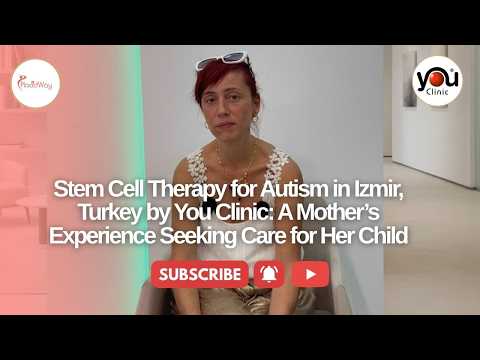
It is completely normal to feel apprehensive about flying to a medical facility you have never visited in person. Watching video tours of the clinics and hearing directly from the medical staff can help ease that anxiety and set realistic expectations. Seeing the environment where your child will be treated provides a level of comfort that text cannot match.
These visual insights give you a clear sense of the hospital's cleanliness, pediatric friendliness, and overall professionalism. Browse the videos below to get a better feel for the clinics you are currently considering.
Nothing speaks louder than the experiences of other parents who have walked this exact path before you. Reading firsthand accounts gives you insight into how a clinic handles pediatric care, the bedside manner of the nursing staff, and the actual logistics of the trip.
Patient feedback helps highlight the small details that make a big difference when traveling with a neurodivergent child. Take time to read through the patient reviews below to see what other international families have experienced during their stay.
When planning a medical trip for your child, having clear, factual answers is essential. Below are some of the most common questions families ask about undergoing this specific therapy in Turkey.
What type of stem cells are used for autism treatment in Turkey?
Clinics in Turkey typically use umbilical cord-derived Mesenchymal Stem Cells (MSCs). These are chosen for their strong safety profile and potential immune-modulating properties.
Is stem cell therapy for autism officially regulated in Turkey?
Yes, stem cell therapies are heavily regulated by the Turkish Ministry of Health. Clinics must possess specific government permits to legally administer these regenerative treatments.
How long do we need to stay in Turkey for the procedure?
Most families stay in Turkey for 3 to 7 days. This timeline allows for initial medical consultations, the treatment sessions, and a short observation period before flying home.
How is the stem cell treatment administered to children?
The cells are typically administered intravenously (IV) or via a targeted injection, depending on the specialist's protocol. The medical team focuses on making the process as stress-free as possible for the child.
Do Turkish clinics provide English-speaking staff?
Yes, accredited international medical centers in Turkey almost always provide dedicated English-speaking patient coordinators and translators to assist families throughout their entire stay.
Can we combine this treatment with regular behavioral therapies?
Absolutely. Medical professionals in Turkey view stem cell therapy as a complementary approach meant to work alongside, rather than replace, ongoing behavioral, physical, and speech therapies.
What accreditations should I look for in a Turkish clinic?
Always check for a Turkish Ministry of Health license specifically for regenerative medicine. International accreditations like JCI (Joint Commission International) are also excellent indicators of high safety standards.
Which cities in Turkey are best for this medical trip?
Istanbul and Antalya are the primary medical hubs. Both cities boast major international airports, robust tourist infrastructure, and world-class hospitals equipped for international patients.
Are the stem cells ethically sourced in Turkey?
Reputable Turkish clinics use ethically sourced cells from certified tissue banks. These materials are thoroughly screened for infectious diseases and genetic abnormalities prior to any clinical use.
What are the potential side effects after the procedure?
While generally considered safe, some children may experience mild side effects such as a low-grade fever, fatigue, or slight redness at the IV site for a day or two following the administration.
How much does Stem Cell Therapy Cost in Turkey for Autism?
The cost of stem cell therapy for autism in Turkey is a significant consideration for families exploring this innovative treatment. As a complex and personalized medical procedure, the price is not a single, fixed amount but rather a range influenced by various factors. Understanding these factors is key to planning for this therapeutic journey. The financial investment required for stem cell therapy for autism in Turkey reflects the advanced technology, medical expertise, and comprehensive care involved. While it may seem substantial, it's often more accessible compared to costs in many Western countries, making Turkey a leading destination for medical tourism. This guide will break down the costs and what they typically include, providing a clear picture for families considering this option. How much does stem cell therapy for autism cost in Turkey? "The cost of stem cell therapy for autism in Turkey typically ranges from $5,000 to $15,000 USD. Some comprehensive packages can go up to $22,900 or more, depending on the clinic, the specifics of the treatment protocol, and the services included in the package." This price range is a general estimate, and the final cost can vary. The number of stem cell injections, the type of stem cells used (e.g., from umbilical cord tissue or the patient's own bone marrow), and the duration of the stay all play a role in determining the overall expense. It's crucial for families to get a detailed quote from their chosen clinic. Many clinics in Turkey offer all-inclusive packages that bundle the cost of the medical procedures with accommodation, airport transfers, and sometimes even a personal translator. These packages provide convenience and cost-transparency, which can be particularly helpful for international patients. What factors influence the cost of stem cell therapy for autism in Turkey? "Several key factors influence the cost of stem cell therapy for autism in Turkey, including the number of stem cell sessions required, the type and source of the stem cells, the clinic's reputation and location, and whether additional therapies are included in the treatment plan." The complexity of the patient's condition is a primary driver of the cost. A child who requires a higher number of stem cells or multiple treatment sessions will naturally have a higher overall cost. The source of the stem cells also matters; for example, allogeneic stem cells (from a donor) may have different cost implications than autologous stem cells (from the patient's own body). The choice of clinic is another significant factor. Highly reputable clinics with state-of-the-art facilities and experienced specialists may charge more for their services. Additionally, the inclusion of complementary therapies such as occupational therapy, speech therapy, or hyperbaric oxygen therapy can add to the total cost. What is typically included in the cost of a stem cell therapy package in Turkey? "A typical stem cell therapy for autism package in Turkey often includes the medical procedure itself, pre-treatment consultations and diagnostic tests, post-treatment follow-up, and often logistical support such as airport transfers and accommodation for the patient and their family." Understanding what's covered in a treatment package is vital for accurate financial planning. Most reputable clinics will provide a detailed breakdown of inclusions. This usually encompasses: Medical Procedures: The core stem cell injections. Medical Team's Fees: Charges for the doctors, nurses, and other medical staff. Hospital Stay: If an overnight stay is required. Pre-treatment Assessments: Initial consultations, blood tests, and other necessary diagnostics. Post-treatment Care: Follow-up appointments and monitoring. Some premium packages may also include the cost of flights, a personal assistant, and translation services to ensure a smooth and stress-free experience for international patients. Are there any additional or hidden costs to be aware of? "While many clinics offer all-inclusive packages, families should inquire about potential additional costs for stem cell therapy for autism in Turkey. These could include expenses for prescription medications, any unforeseen medical complications, extended hospital stays, or non-medical costs like meals and personal expenses." It's always wise to have a contingency budget. While clinics strive to be transparent, certain costs may not be included in the initial quote. For example, if a patient requires specialized medication after the procedure, this might be an extra expense. Families should also factor in their own travel insurance, visa fees (if applicable), and daily living expenses that are not covered by the treatment package. Having a clear and open conversation with the clinic's international patient coordinator can help to clarify all potential costs upfront. How does the cost in Turkey compare to other countries? "The cost of stem cell therapy for autism in Turkey is considerably more affordable than in many other developed countries like the United States or the United Kingdom, where similar treatments can cost upwards of $25,000 to $50,000 or more. This significant price difference does not compromise the quality of care, as many Turkish clinics adhere to international standards." The lower cost of living and operational expenses in Turkey allows clinics to offer high-quality medical services at a more accessible price point. This has made Turkey a popular choice for families seeking advanced medical treatments without the exorbitant price tag. The combination of world-class medical facilities, experienced specialists, and competitive pricing makes Turkey a compelling option for those considering stem cell therapy for autism. Is financing available for stem cell therapy in Turkey? "Some Stem Cell Clinics in Turkey may offer financing options or flexible payment plans to help families manage the cost of stem cell therapy for autism. It's recommended to inquire directly with the clinic about their payment policies and any available financial assistance programs." Navigating the cost of medical treatment can be challenging. Recognizing this, some Turkish medical facilities and third-party medical tourism facilitators may provide resources or partnerships with financial institutions to help patients fund their treatment. Families should explore all available avenues, including medical loans, crowdfunding, and grants from non-profit organizations that support children with autism. What type of stem cells are used for autism treatment in Turkey? "In Turkey, the most commonly used stem cells for autism treatment are mesenchymal stem cells (MSCs), which are typically derived from umbilical cord tissue. These cells are known for their regenerative and anti-inflammatory properties and are considered safe and effective." Mesenchymal stem cells are multipotent, meaning they can differentiate into various cell types. Their ability to modulate the immune system and reduce inflammation is believed to be beneficial in addressing some of the underlying neurological issues associated with autism. The use of umbilical cord-derived MSCs is particularly advantageous as it is a non-invasive collection method and the cells are young and robust. This approach has shown promise in improving core symptoms of autism in some patients. What is the process of getting stem cell therapy for autism in Turkey? "The process typically begins with an initial online consultation and a review of the patient's medical records. Once approved for treatment, the family travels to Turkey. The procedure involves the administration of stem cells, usually intravenously, over one or more sessions. The entire stay in Turkey can range from a few days to a couple of weeks." The journey starts with a thorough evaluation to determine if the child is a suitable candidate for the therapy. This often involves detailed questionnaires and a review of medical history by the clinic's specialists. Upon arrival in Turkey, further diagnostic tests may be conducted before the treatment begins. The stem cell administration itself is a relatively straightforward procedure. Post-treatment, the medical team provides aftercare instructions and will schedule follow-up consultations to monitor progress. How is the quality and safety of stem cell clinics in Turkey? "Many stem cell clinics in Turkey are internationally accredited and adhere to strict safety and quality protocols. They are often equipped with modern technology and staffed by highly trained medical professionals. Patients should look for clinics with certifications from reputable international organizations." Patient safety is a top priority for leading Turkish medical institutions. Many clinics have JCI (Joint Commission International) accreditation, which is a globally recognized standard for healthcare quality and patient safety. When choosing a clinic, it's important to research their credentials, read patient reviews, and ask about their specific protocols for stem cell processing and administration. What is the success rate of stem cell therapy for autism in Turkey? "While stem cell therapy for autism is still considered an emerging treatment, some studies and patient reports from clinics in Turkey have shown promising results, with reported success rates in improving some symptoms as high as 85%. However, it's important to note that results can vary significantly from patient to patient, and it is not a cure." Success is often measured by improvements in areas such as social interaction, communication skills, and a reduction in repetitive behaviors. Many families report positive changes in their children following the therapy. It's crucial for families to have realistic expectations. Stem cell therapy is not a guaranteed cure for autism but rather a treatment that may help to improve the quality of life and developmental trajectory for some individuals. What are the potential benefits of this therapy? "The potential benefits of stem cell therapy for autism may include improvements in social skills, enhanced communication and speech, better eye contact, reduced hyperactivity, and an overall improvement in behavior and concentration. These improvements can lead to a better quality of life for the child and their family." The goal of the therapy is to address the neurological inflammation and connectivity issues that are thought to contribute to the symptoms of autism. By promoting repair and regeneration within the brain, stem cells may help to alleviate some of the core challenges associated with the condition. Many families who have undergone this treatment in Turkey share stories of their children becoming more engaged, communicative, and better able to navigate their daily lives. Are there any risks or side effects associated with the treatment? "Like any medical procedure, stem cell therapy for autism carries some potential risks and side effects, although they are generally considered to be minimal and rare. The most common side effects are temporary and mild, such as low-grade fever, headache, or fatigue immediately following the procedure. The use of allogeneic stem cells carries a small risk of an allergic reaction." Reputable clinics in Turkey take extensive precautions to minimize risks. The stem cells are carefully screened and processed to ensure their safety and viability. Before proceeding with the treatment, the medical team will thoroughly discuss all potential risks and side effects with the family, ensuring they can make an informed decision. Explore your options for stem cell therapy for autism and other advanced healthcare solutions with PlacidWay. Connect with leading medical providers in Turkey and around the world to find the best treatment for your family's needs.
Is Turkey the Best Destination for Spanish Families Seeking Stem Cell Therapy for Autism?
Turkey is a popular medical tourism destination for Spanish families exploring investigational stem cell therapy for autism due to lower costs and clinic availability. However, outcomes vary, and treatments are not a medically proven cure. For many parents in Spain, a diagnosis of Autism Spectrum Disorder (ASD) marks the beginning of a lifelong journey to support their child's development. While standard behavioral and occupational therapies remain the cornerstone of autism care globally, some parents find themselves researching experimental alternatives when conventional methods yield slow progress. In recent times, exploring stem cell therapy for autism in Turkey has become a prominent topic among Spanish families looking abroad for care. Because the European Medicines Agency (EMA) tightly regulates unproven advanced therapies, these treatments are not widely available in Spain outside of highly specific, controlled clinical trials. Consequently, parents frequently look toward international options. This comprehensive guide explores why families consider making this journey, what the current medical evidence suggests, the associated costs, and the critical safety considerations you must understand before pursuing investigational procedures abroad. Key Takeaways Stem cell therapy for autism is an investigational procedure, not a recognized cure. Treatments aim to potentially reduce neuroinflammation, though clinical results vary widely among patients. Traveling abroad requires rigorous vetting of medical facilities, laboratory standards, and medical team credentials. Families must budget for treatment estimates, travel expenses, and ongoing conventional therapies back in Spain. Consulting with your child's primary pediatric neurologist in Spain is essential before considering any experimental medical travel. Why Do Spanish Families Travel to Turkey for Autism Treatments? Families from Spain travel to Turkey primarily due to strict EU regulations that limit investigational therapies at home, combined with Turkey's advanced healthcare infrastructure and specialized international clinics. The regulatory landscape in the European Union classifies most stem cell procedures as Advanced Therapy Medicinal Products (ATMPs). In Spain, these therapies are strictly limited to authorized clinical trials or specific compassionate use cases, which rarely include autism. As a result, parents seeking these therapies are required to look beyond EU borders. Turkey has positioned itself as a global healthcare hub, investing heavily in modern private hospitals and medical research facilities. The Turkish Ministry of Health oversees these institutions, permitting certain experimental procedures under specific guidelines. For Spanish families, Turkey offers a geographically closer and often more affordable alternative compared to destinations like the United States, Mexico, or Panama. The presence of direct flights from Madrid and Barcelona further simplifies the logistical challenges of traveling with a neurodivergent child. How Does Stem Cell Therapy for Autism Work? The therapy hypothesizes that stem cells may help reduce inflammation in the brain and modulate the immune system, potentially improving some behavioral symptoms of autism. It is vital to understand that autism is a complex, multifactorial neurodevelopmental condition. There is no biological cure. However, researchers are investigating the role of neuroinflammation and immune system dysfunction in individuals with ASD. The theory behind administering stem cells—specifically mesenchymal stem cells (MSCs)—is rooted in their paracrine effects. This means the cells release anti-inflammatory cytokines and growth factors rather than replacing damaged brain tissue directly. Some parents and ongoing preliminary studies report anecdotal improvements in areas such as: Eye contact and social interaction Reduction in hyperactivity or repetitive behaviors Improved sleep patterns Enhancements in speech or non-verbal communication Despite these reports, the international medical community, including bodies like the International Society for Stem Cell Research (ISSCR), emphasizes that large-scale, peer-reviewed clinical trials are still required to prove efficacy and long-term safety. Expert Insight: Medical professionals caution parents against facilities that promise dramatic, guaranteed improvements. Any experimental treatment should be approached with realistic expectations and clear understanding of the medical uncertainties. What is the Estimated Stem Cell Therapy for Autism Cost in Turkey? The estimated stem cell therapy for autism cost in Turkey typically ranges from €7,000 to €15,000 per session, depending on the specific protocol and cell dosage required. Financial planning is a significant aspect of medical travel. While the stem cell therapy for autism cost in Turkey is generally lower than similar experimental treatments in the United States or the Caribbean, it still represents a substantial out-of-pocket investment. Because this is an elective, investigational procedure, it is not covered by the Spanish public health system or standard private health insurance policies in Spain. When reviewing price estimates, families should ask what the quoted cost includes. A comprehensive treatment package usually covers the medical consultations, the stem cells, laboratory fees, and hospital stays. However, families must additionally budget for: Round-trip airfare from Spain to Turkey Hotel accommodations for 5 to 10 days Local transportation and daily meals Potential follow-up sessions, as some protocols suggest multiple treatments over several years What Types of Stem Cells Are Used for Autism Treatments? Protocols primarily utilize allogeneic Mesenchymal Stem Cells (MSCs), which are most frequently ethically sourced from donated human umbilical cord tissue. In the context of autism treatment, umbilical cord-derived MSCs (often from Wharton’s Jelly) are the preferred choice in many international clinics. These cells are termed "allogeneic," meaning they come from a healthy, screened donor rather than the patient themselves. The advantage of umbilical cord MSCs is that they are young, highly proliferative, and possess immunomodulatory properties that make immune rejection extremely rare. Less commonly, some facilities might offer autologous treatments—using stem cells harvested from the child's own bone marrow or fat tissue. However, this requires a mildly invasive harvesting procedure (like a bone marrow aspiration) which can be traumatic for a child with ASD, making allogeneic cord cells the more common, non-invasive alternative for the patient. Are There Risks or Side Effects Involved in This Procedure? While generally reported to be well-tolerated, potential risks include mild fever, headache, site infection, and unpredictable long-term immune responses. Patient safety must always be the priority when considering any medical procedure, especially for pediatric patients. Intravenous (IV) administration of stem cells is generally considered to have a low profile of acute complications. Short-term side effects may include temporary fever, lethargy, or minor swelling at the injection site, which usually resolve within 24 to 48 hours. However, because the treatment is experimental, the long-term effects of introducing allogeneic cells into a pediatric patient's body are not fully understood. Serious complications are rare but can include infection, allergic reactions, or theoretically, the unintended growth of cells. Intrathecal administration (spinal injection) carries additional risks, such as spinal headaches or meningitis. Always consult your local pediatrician regarding the risk profile for your specific child. How Do I Evaluate a Stem Cell Therapy Clinic in Turkey? Evaluating a stem cell therapy clinic in Turkey requires checking for Ministry of Health accreditation, GMP-certified laboratories, and transparent communication from pediatric specialists. Choosing the right medical facility is a critical step that requires diligent research. Not all clinics maintain the same standards of care or laboratory rigor. When assessing a facility, families should request documented proof of the clinic's accreditations and verify that the stem cells are cultured and processed in a Good Manufacturing Practice (GMP) certified laboratory. Furthermore, a reputable clinic will have a multidisciplinary team that includes pediatric neurologists, immunologists, and specialized nursing staff. They should provide clear, realistic information about the limitations of the treatment and never pressure families into immediate booking. Requesting to speak directly with the lead physician via video consultation before traveling is a crucial step in the vetting process. Is Stem Cell Therapy Legally Approved for Autism in Turkey? Stem cell applications are regulated by the Turkish Ministry of Health, which permits certain facilities to administer experimental treatments under stringent oversight, though it is not standard medical care. Unlike some regions with virtually no regulatory oversight, Turkey has a structured legal framework regarding cellular therapies. Hospitals and clinics must apply to the Ministry of Health for permission to perform stem cell treatments. This regulation ensures that basic safety, hygiene, and ethical sourcing standards are met. However, "permitted under experimental guidelines" does not mean "approved as a standard cure." The therapy remains investigational. Parents must sign informed consent documents acknowledging that the treatment is experimental and that outcomes cannot be guaranteed. Understanding this legal and medical distinction is vital for families traveling from highly regulated environments like Spain. What Should Families Expect During the Treatment and Recovery Process? The process generally involves a 3 to 7-day stay encompassing pre-treatment blood work, neurological evaluation, cell administration, and a short observation period. The journey typically begins with a thorough medical evaluation upon arrival at the hospital. Physicians will review the child's medical history, perform blood tests, and assess current neurological status to ensure the child is fit for the procedure. If cleared, the actual administration of the stem cells is usually performed the following day. For children receiving the cells intravenously, the process resembles receiving a standard IV drip and takes roughly a few hours. Following the administration, the child will be monitored for adverse reactions. Most clinics require patients to remain in the city for an additional day or two for follow-up observation before they are given medical clearance to board a flight back to Spain. Recovery from the immediate procedure is generally quick, allowing families to return to their normal routines shortly after traveling home. How Does Medical Tourism in Turkey Cater to International Patients? Medical tourism in Turkey provides robust support for foreign families, often including dedicated case managers, airport transfers, and professional Spanish interpreters. Traveling with a child who has autism can be highly stressful, as disruptions to routine and unfamiliar environments often trigger anxiety. Recognizing this, leading hospitals engaged in medical tourism in Turkey have developed specialized international patient departments designed to streamline the experience. These departments typically offer end-to-end assistance. From coordinating medical records and organizing pre-travel video consultations to providing dedicated Spanish-speaking translators who accompany the family during all medical appointments. This linguistic support is critical to ensure that parents fully understand the medical terminology, consent forms, and aftercare instructions without any language barriers. Important Consideration: While clinics offer excellent logistical support, parents should bring their child's favorite comforting items, snacks, and sensory tools to help manage the stress of international travel and clinical environments. What Are the Long-Term Follow-up Requirements After Returning to Spain? Continuous monitoring by Spanish pediatricians and adherence to ongoing behavioral, speech, and occupational therapies are essential for long-term management. The medical journey does not end when the family returns to Spain. Any potential benefits from investigational cellular therapies are believed to work in conjunction with, not as a replacement for, standard interventions. It is absolutely crucial that children continue their established behavioral therapies, occupational therapy, and specialized educational programs. Parents should provide a complete medical report of the procedure to their local pediatric neurologist or general practitioner in Spain. If any delayed adverse reactions occur—such as unexplained fevers or neurological changes—parents must seek immediate care at their local health facility. Reliable international clinics will also maintain contact via telehealth to track the child's progress over the following 6 to 12 months, asking parents to complete standardized autism evaluation questionnaires to monitor any shifts in behavior. Why Choose PlacidWay for Medical Tourism in Turkey? Navigating the complex landscape of international healthcare can be overwhelming, especially when seeking options for specialized pediatric conditions. PlacidWay serves as an educational and discovery platform for patients exploring medical travel. Extensive Global Network: PlacidWay provides access to a database of medical facilities across Turkey, allowing families to research various institutional options. Educational Resources: The platform offers articles, patient guides, and detailed facility profiles to help parents make informed, objective decisions. Direct Communication: Families can use the platform to request direct consultations with international medical teams to ask specific clinical questions. Transparent Information: PlacidWay facilitates the sharing of estimated cost structures and treatment protocols directly from the providing clinics. Non-Pressuring Environment: The service focuses on connecting patients with information, encouraging families to consult their local doctors before making any commitments. Frequently Asked Questions Is stem cell therapy a guaranteed cure for autism? No, stem cell therapy is not a cure for autism. Autism Spectrum Disorder is a complex neurodevelopmental condition. Stem cell treatments are currently investigational and aim to potentially reduce neuroinflammation, but results vary widely and are not guaranteed. How long does the treatment process take in Turkey? The typical treatment protocol in Turkey lasts between 3 to 7 days. This timeline usually includes initial consultations, pre-treatment blood tests, the actual administration of stem cells, and a brief observation period before patients are cleared to travel home. Will the Spanish public health system cover this procedure? No. Because stem cell therapy for autism is considered an investigational and unproven treatment by the European Medicines Agency (EMA), it is not covered by the Spanish public health system (Sistema Nacional de Salud) or standard private insurance. What age is considered appropriate for this investigational treatment? There is no universally established ideal age, as protocols vary by clinic and the child's specific medical history. Most clinical trials and medical facilities assess patients individually, often focusing on early childhood through adolescence. A pediatric neurologist must evaluate the child first. Do treatment facilities in Turkey provide Spanish-speaking staff? Many international medical facilities in Turkey employ multilingual patient coordinators and offer professional Spanish translation services to ensure clear communication between families and medical teams regarding medical histories, risks, and consent. How are the stem cells administered to pediatric patients? Administration methods vary depending on the clinic's specific protocol. The most common delivery methods for investigational autism treatments are intravenous (IV) drips or, in some cases, intrathecal injections (into the spinal canal), usually performed under mild sedation. When might parents notice changes in their child's behavior? If any changes occur, parents typically report observing them anywhere from a few weeks to several months after treatment. However, it is crucial to understand that many children show no improvement, as the therapy's efficacy remains unproven. What should we do if our child develops complications after returning to Spain? If complications such as fever, infection, or unusual neurological symptoms arise after returning home, you should immediately seek care at your local pediatric emergency department in Spain and inform the attending physicians about the recent procedure. Where do the stem cells used in these treatments come from? Most international protocols for autism utilize allogeneic mesenchymal stem cells (MSCs) derived from donated human umbilical cord tissue (Wharton’s Jelly), which are processed and screened in regulated laboratories before administration. Can children with severe autism or other medical conditions receive this therapy? Eligibility is determined strictly on a case-by-case basis. Children with severe co-occurring medical conditions, active infections, or specific genetic disorders may be contraindicated for treatment. A thorough medical review is mandatory before approval. Research Your Options Abroad Gather educational materials, compare international facility protocols, and request detailed treatment information to share with your local healthcare provider. Request Treatment Information References FDA Warns About Stem Cell Therapies – U.S. Food and Drug Administration Patient Guide to Stem Cell Treatments – International Society for Stem Cell Research (ISSCR) Advanced Therapy Medicinal Products Overview – European Medicines Agency (EMA) Treatment and Intervention Services for Autism Spectrum Disorder – Centers for Disease Control and Prevention (CDC) Mesenchymal Stem Cells for the Treatment of Autism Spectrum Disorder (Clinical Perspective) – National Library of Medicine / PubMed Autism Spectrum Disorders Fact Sheet – World Health Organization (WHO) Medical Disclaimer: The content provided in this article is for informational and educational purposes only and does not constitute medical advice, diagnosis, or treatment recommendations. Stem cell therapy for Autism Spectrum Disorder is considered investigational and is not recognized as a standard medical cure. Outcomes, safety, and risks vary significantly among patients. Always consult with a qualified pediatric neurologist or your primary healthcare provider in your home country before making any decisions regarding experimental medical procedures or medical travel.
How is Autism Treated in Turkey?
Autism is treated in Turkey through multidisciplinary approaches, including behavioral interventions like ABA, speech therapy, and occupational therapy. Some clinics also offer investigational treatments like stem cell therapy for suitable candidates. Navigating the various options for autism treatment in Turkey requires a clear understanding of the therapies available, the medical infrastructure, and the realities of traveling abroad for care. Families seeking support for Autism Spectrum Disorder (ASD) often look toward international destinations to access intensive therapy packages, shorter waiting lists, or alternative treatments. Turkey has developed a medical infrastructure that caters to these needs, offering multidisciplinary approaches tailored to both children and adults on the spectrum. Key Takeaways Treatment approaches rely primarily on standard behavioral, speech, and occupational therapies. Some facilities offer investigational procedures, such as stem cell therapy, though these remain experimental and require careful medical consultation. Care plans are highly individualized by multidisciplinary teams including neurologists, psychologists, and specialized educators. International patient programs often condense therapies into intensive, multi-week packages for traveling families. Continued support and local follow-up in the patient's home country are essential for long-term developmental progress. What standard autism therapies are available in Turkey? Standard therapies in Turkey include Applied Behavior Analysis (ABA), speech-language pathology, occupational therapy, and sensory integration therapy. These evidence-based methods aim to support development and improve communication. The foundation of autism care in most established Turkish medical centers mirrors international standards. Specialists focus on early intervention to help children develop crucial life skills. Applied Behavior Analysis (ABA) is widely utilized to encourage positive behaviors and reduce actions that may interfere with learning or safety. ABA programs are customized to the individual’s developmental level, focusing on practical communication and social interaction. In addition to behavioral support, speech and language therapy plays a major role. Because communication challenges are a core characteristic of ASD, therapists work on verbal skills, non-verbal communication, and alternative communication methods for non-speaking individuals. Occupational therapy is also integrated to help patients manage daily living activities, improve fine motor skills, and address sensory processing differences. These therapies are often delivered through a collaborative approach. A child might spend part of the day in a sensory integration room working on physical coordination, followed by targeted speech therapy. This multidisciplinary method ensures that various aspects of a child's developmental profile are addressed simultaneously. Is stem cell therapy for autism offered in Turkey? Yes, certain specialized clinics in Turkey offer stem cell therapy for autism. However, this is considered an investigational treatment aimed at reducing inflammation, and it is not universally recognized as a standard cure. Some families explore international options specifically to access treatments that are restricted, heavily regulated, or unavailable in their home countries. In Turkey, mesenchymal stem cell (MSC) therapy is offered by specific regenerative medicine clinics for patients with ASD. The theory behind this experimental approach suggests that stem cells may help modulate the immune system and reduce neuroinflammation, which some researchers believe plays a role in autism symptoms. It is vital to approach this option with realistic expectations and thorough medical guidance. Major global health regulatory bodies, including the FDA and the EMA, have not approved stem cell therapy as a standard, proven treatment for autism. The scientific community generally considers it investigational, noting that results vary widely among patients, and long-term efficacy is still being studied. If you are considering this route, you should consult extensively with an independent pediatric neurologist. It is important to review the specific protocols the clinic uses, the source of the stem cells, and the potential risks, which can include infection or adverse immune reactions. Clinics providing this therapy often combine it with intensive behavioral programs to maximize developmental support. How much does autism treatment cost in Turkey? The autism treatment cost in Turkey varies widely based on the therapy type. Standard intensive behavioral packages may cost $1,500 to $4,000 per month, while investigational treatments like stem cell therapy often range from $6,000 to $15,000. Estimating expenses requires a clear understanding of the patient’s specific needs and the duration of the stay. Standard behavioral interventions, such as intensive ABA, speech, and occupational therapy combined, are generally more affordable in Turkey compared to North America or parts of Western Europe. Families typically pay for comprehensive monthly packages that include daily therapy sessions, psychological evaluations, and parent training modules. Investigational and advanced therapies significantly increase the overall expense. Stem cell therapy, if pursued, is priced based on the number of sessions, the type of cells used, and the accompanying hospital fees. Hyperbaric Oxygen Therapy (HBOT), sometimes used as a supplementary alternative treatment, adds further costs, usually billed per session. When calculating the total financial commitment, you must also factor in travel expenses, accommodation for several weeks, and the cost of local transportation. Many clinics offer package pricing designed for international visitors, which may bundle therapies, airport transfers, and sometimes lodging into a single estimated fee. Always request a detailed, itemized treatment plan to understand exactly what is included before making financial commitments. Important Consideration: Medical treatments, especially investigational ones, do not guarantee specific outcomes. Your financial planning should account for the reality that progress in autism therapy is often gradual and requires ongoing local support once you return home. How do I find a reputable autism treatment clinic in Turkey? Locating a reliable autism treatment clinic in Turkey involves checking for international accreditations, verifying the credentials of the multidisciplinary medical team, and ensuring clear communication in your native language. Choosing the right facility is a critical step that requires careful research. Start by looking for hospitals or clinics that hold recognized accreditations, such as those from the Joint Commission International (JCI). These accreditations indicate that the facility adheres to strict global standards for patient safety, medical ethics, and quality of care. A reputable clinic should offer a multidisciplinary approach. Look for centers that employ board-certified pediatric neurologists, child psychiatrists, licensed clinical psychologists, and certified ABA and speech therapists. You should be able to review the qualifications of the medical professionals who will be directly involved in the patient's care. Transparency is another key indicator of a trustworthy clinic. Reputable centers will be forthright about the limitations of their treatments, clearly explain the potential risks of any investigational therapies, and avoid promising absolute "cures." They will also request comprehensive medical records, previous psychological evaluations, and perhaps conduct a preliminary telemedicine consultation before agreeing to accept a patient. Are intensive autism treatment programs available for international patients? Yes, many Turkish clinics design condensed, intensive therapy programs specifically for families traveling from abroad. These often run for two to four weeks and combine multiple daily therapy sessions. Because international families cannot easily attend weekly therapy sessions over the course of a year, Turkish clinics frequently organize specialized short-term programs. These intensive formats aim to maximize the time spent at the facility. A typical day might include a mix of one-on-one ABA therapy, group social skills activities, sensory integration exercises, and scheduled rest periods to prevent the patient from becoming overwhelmed. These intensive programs place a strong emphasis on parent or caregiver training. Because the family will eventually return home, therapists spend significant time teaching parents how to apply behavioral strategies in their daily routines. Educating the family is crucial for maintaining any developmental momentum gained during the intensive program. It is important to evaluate whether a highly condensed program is suitable for the individual. Some autistic children may thrive in an intensive, structured environment, while others might find the sudden change in routine and the high demands of daily therapy highly stressful. A thorough pre-arrival assessment is necessary to tailor the intensity of the program to the patient's tolerance levels. What role does Hyperbaric Oxygen Therapy (HBOT) play in autism care in Turkey? Hyperbaric Oxygen Therapy (HBOT) is offered by some clinics as a supplementary, alternative treatment. It involves breathing pure oxygen in a pressurized chamber, though evidence regarding its effectiveness for autism remains limited. Alongside standard behavioral therapies, some facilities in Turkey provide access to alternative interventions like HBOT. The rationale used by proponents of this therapy is that increased oxygen levels in the blood might reduce neuroinflammation and improve blood flow to the brain, which they suggest could positively affect cognitive function and behavior in autistic individuals. However, it is necessary to understand that HBOT is not a widely accepted standard of care for ASD. Major pediatric and neurological associations often caution against its use for autism due to a lack of large-scale, peer-reviewed clinical evidence proving its efficacy. If you are considering incorporating HBOT into a treatment plan in Turkey, discuss the potential risks with a qualified physician. While generally considered safe for approved conditions (like decompression sickness or severe wound healing), off-label use can carry risks such as ear barotrauma, sinus pain, or, in rare cases, oxygen toxicity. It should only be administered under strict medical supervision. How is medical tourism in Turkey organized for families with autistic children? Medical tourism in Turkey is highly organized, with many clinics featuring international patient departments that assist with treatment scheduling, medical translation, and logistical guidance. Turkey has heavily invested in its medical infrastructure to accommodate international visitors. Clinics that frequently treat foreign patients usually have dedicated international departments. These teams act as a central point of contact, coordinating medical record reviews, organizing telemedicine consultations before arrival, and setting up the initial in-person evaluations. Language barriers are a common concern for families traveling abroad, particularly in psychiatry and behavioral therapy where clear communication is vital. To address this, clinics typically employ multilingual medical staff or provide professional medical interpreters who accompany the family during consultations and therapy sessions. While the focus is primarily on medical care, these departments also provide practical assistance. They can offer guidance on finding family-friendly accommodation near the clinic, explain local transportation options, and advise on visa requirements, easing the logistical burden on parents so they can focus entirely on their child's therapy. What are the risks and considerations of traveling abroad for autism treatment? Traveling for treatment involves challenges, including the stress of changing environments for a neurodivergent child, communication barriers, financial costs, and the medical risks associated with any investigational therapies. The decision to travel internationally for healthcare requires careful weighing of potential benefits against inherent risks. For an autistic individual, routine and predictability are often vital. International travel disrupts these routines, introducing new environments, different foods, and unfamiliar faces. This disruption can cause significant stress, anxiety, or behavioral regression, which might temporarily interfere with the effectiveness of the therapy itself. Additionally, if you are pursuing investigational procedures like stem cell therapy, there are medical risks to consider. Although clinics follow safety protocols, any medical intervention carries a risk of adverse reactions, infections, or unexpected complications. Managing a medical complication in a foreign country can be highly stressful and financially draining. Continuity of care is another major consideration. Autism requires long-term, consistent support. A successful two-week intensive program in Turkey will only yield lasting benefits if the strategies learned are maintained back home. Families must ensure they have a supportive network of local therapists and pediatricians willing to collaborate with the international medical team and continue the care plan after the trip ends. Can adults with autism seek treatment and support in Turkey? Yes, adult autism care in Turkey focuses on life skills development, psychological support, vocational therapy, and managing co-occurring conditions like anxiety or depression to enhance independent living. While much of the focus in autism care is placed on early childhood intervention, ASD is a lifelong condition, and adults on the spectrum also require specialized support. Turkish medical centers and specialized clinics offer programs tailored specifically for adults. The goals of these therapies typically shift away from early developmental milestones toward practical independence and emotional well-being. Adult programs often involve vocational therapy, which helps individuals develop skills necessary for the workplace and teaches strategies for navigating social interactions in professional environments. Occupational therapy for adults focuses on advanced daily living skills, executive functioning, and personal organization. Psychological and psychiatric support is also a critical component of adult care. Many adults on the autism spectrum experience co-occurring mental health challenges, such as chronic anxiety, depression, or burnout from masking autistic traits. Turkish psychiatrists can provide counseling, cognitive behavioral therapy (CBT) adapted for neurodivergent individuals, and medication management when necessary to improve overall quality of life. Why Choose PlacidWay for Medical Tourism in Turkey? PlacidWay is a medical tourism platform that helps families explore healthcare options globally. When looking into treatments in Turkey, the platform provides: Access to Clinic Profiles: View detailed information about various medical centers and their available specialties in Turkey. Educational Resources: Read objective information about different types of standard and investigational therapies available internationally. Direct Communication: Request information directly from international medical facilities to understand their approaches and credentials. Cost Comparisons: Gather estimated pricing from multiple clinics to help you plan your healthcare budget effectively. Multilingual Platform: Navigate healthcare options and communicate inquiries in multiple languages. Frequently Asked Questions (FAQs) Is there a permanent cure for autism available in Turkey? No. Autism Spectrum Disorder (ASD) is a lifelong developmental condition. Treatments and therapies in Turkey focus on managing symptoms, improving communication, and supporting independent life skills rather than providing a cure. How long do families usually stay in Turkey for autism therapy? The duration varies based on the chosen treatment plan. Intensive behavioral therapy programs often require a stay of two to four weeks, while other specialized interventions may involve shorter initial visits followed by periodic return trips. Do Turkish autism clinics provide services in English? Many facilities that cater to international patients have English-speaking medical professionals and therapists. Clinics often provide dedicated interpreters for families who speak other languages to ensure clear communication. Are special dietary interventions offered for autism in Turkey? Yes, some clinics incorporate nutritional counseling and dietary adjustments, such as gluten-free or casein-free diets, as part of a holistic approach to managing co-occurring gastrointestinal issues often seen in autistic individuals. What age is best to start autism therapy in Turkey? Early intervention is generally recommended by medical professionals worldwide. Starting therapies like ABA and speech therapy during toddler or preschool years often yields the most significant developmental progress, though older children and adults can also benefit. Are medications prescribed for autism in Turkey? While there are no medications that treat the core symptoms of autism, Turkish pediatric neurologists and psychiatrists may prescribe medications to help manage co-occurring conditions like severe anxiety, depression, or ADHD. How does ABA therapy work in Turkish clinics? Applied Behavior Analysis (ABA) in Turkey involves structured, one-on-one sessions with a trained therapist. The focus is on encouraging positive behaviors, improving social interactions, and developing practical life skills through positive reinforcement. Can parents participate in the therapy sessions? Parental involvement is highly encouraged. Many intensive programs include specific parent-training modules so families can continue implementing therapeutic strategies and supportive routines once they return home. Do I need a visa to travel to Turkey for autism care? Visa requirements depend on your country of citizenship. Many nationalities can easily obtain an e-Visa online prior to travel, while others may need to apply for a standard medical or tourist visa through a Turkish consulate. How do we manage follow-up care after returning home? Follow-up care typically involves telemedicine consultations with your Turkish medical team to monitor progress. It is also crucial to establish a relationship with local pediatricians and therapists in your home country for ongoing, in-person support. Compare Treatment Options Gather information, request cost estimates, and learn more about clinics offering supportive and investigational care. Request Treatment Information References Treatment and Intervention Services for Autism Spectrum Disorder – Centers for Disease Control and Prevention (CDC) FDA Warns About Stem Cell Therapies – U.S. Food and Drug Administration (FDA) Autism Fact Sheet – World Health Organization (WHO) Autism Spectrum Disorder: Speech and Language Treatment – American Speech-Language-Hearing Association (ASHA) Stem Cell Facts and Clinical Trial Information – International Society for Stem Cell Research (ISSCR) Autism Spectrum Disorder Overview – National Institute of Mental Health (NIMH) Medical Disclaimer: The information provided in this article is for educational and informational purposes only and does not constitute medical advice, diagnosis, or treatment recommendations. Autism therapies and their efficacy vary by individual. Investigational treatments, including stem cell therapy and HBOT, carry potential risks and are not universally recognized as standard care for autism. Always consult with a qualified pediatric neurologist, psychiatrist, or qualified healthcare provider before pursuing any medical treatment or traveling abroad for care.
Can Stem Cell Therapy in Turkey Help Treat Autism?
Yes, stem cell therapy in Turkey is showing promising results for autism by targeting neuroinflammation and immune dysregulation. Many families report improvements in social interaction, eye contact, and speech after treatment with high-dose umbilical cord mesenchymal stem cells. Autism Spectrum Disorder (ASD) is a complex condition that affects millions of families worldwide. While behavioral therapies like ABA are the standard of care, many parents are searching for biological treatments that can address the underlying physiological issues associated with autism, such as brain inflammation and gut health. This search has led many to Turkey, a rising global hub for regenerative medicine. Turkey offers a unique combination of advanced medical technology, experienced specialists, and affordable pricing. But beyond the logistics, the most important question remains: Can it actually help? In this guide, we will explore the science behind stem cell therapy for autism, the potential benefits reported by parents, and the costs involved. You Clinic, a leading center in Izmir known for its multidisciplinary approach to treating neurological conditions. How does stem cell therapy work for Autism? The therapy uses Mesenchymal Stem Cells (MSCs) to reduce brain inflammation (neuroinflammation) and improve blood flow. These cells release growth factors that can help repair damaged neural connections and regulate the immune system. Recent research points to neuroinflammation (inflammation in the brain) and immune system dysfunction as key contributors to the symptoms of autism. [Image of neuroinflammation process] Stem cells act as a powerful "reset" button for these systems. When injected, Mesenchymal Stem Cells (typically from umbilical cord tissue) travel to areas of inflammation. They work by: - Immunomodulation: Calming the overactive immune system often seen in children with ASD. - Angiogenesis: Promoting the formation of new blood vessels to improve oxygen delivery to the brain (hypoperfusion is common in autism). - Paracrine Effect: Releasing signaling proteins that encourage the brain's own cells to repair and reconnect. What improvements can be expected? Parents and clinicians often report improvements in eye contact, attention span, and social engagement. Reduced hyperactivity, better sleep patterns, and the emergence of new speech are also commonly observed benefits. While stem cell therapy is not a "cure," it can significantly raise a child's baseline functioning, making traditional therapies like speech and occupational therapy more effective. Commonly Reported Outcomes: - Cognitive: Increased focus and faster learning of new tasks. - Social: Greater desire to play with peers and improved emotional responsiveness. - Physical: Improvements in digestion and gut health, which are often linked to behavioral issues in autism. - Communication: Non-verbal children may start making sounds or using gestures, while verbal children often expand their vocabulary. How much does stem cell therapy for autism cost in Turkey? The cost generally ranges from $6,000 to $15,000 USD. This is substantially lower than in the US or Europe, where similar treatments can exceed $30,000, yet Turkish clinics often provide higher cell counts. Turkey provides a cost-effective solution for families paying out-of-pocket. The price difference is due to lower operational costs, not lower quality. Country Estimated Cost Cell Type Often Used Turkey $6,000 - $15,000 Umbilical Cord (High Dose) USA $15,000 - $50,000 Bone Marrow / Cord Blood Germany $18,000 - $25,000 Various (Strictly Regulated) Which clinic is recommended in Turkey? For a specialized approach, You Clinic in Izmir is highly recommended. They combine stem cell therapy with neurological and metabolic assessments to create a holistic treatment plan tailored to each child. Choosing the right provider is critical. You Clinic stands out because they don't just offer injections; they look at the whole child. Their team includes neurologists and child development specialists who ensure that the biological treatment is supported by the right therapeutic environment. This multidisciplinary approach is often cited as a key factor in their high patient satisfaction rates. Is the treatment safe and legal? Yes, stem cell therapy is legal in Turkey under Ministry of Health regulations. Accredited clinics operate under GMP (Good Manufacturing Practice) standards to ensure cell safety, sterility, and viability. Turkey has established itself as a safe destination for medical tourism by enforcing strict healthcare standards. The stem cells used (typically Umbilical Cord MSCs) are harvested from healthy, screened donors. Because these cells are "immune-privileged," they do not require genetic matching and carry virtually no risk of rejection. What is the procedure like? The procedure is minimally invasive and typically involves an Intravenous (IV) infusion or an intrathecal injection (into the lower back) for better brain access. It is generally painless and does not require surgery. The treatment protocol usually spans a few days: Evaluation: Comprehensive check-up and blood tests. Administration: The stem cells are administered. IV infusions take about 45 minutes. Intrathecal injections are done by a specialist to ensure cells reach the cerebrospinal fluid, bypassing the blood-brain barrier. Observation: The child is monitored for a short period before returning to the hotel. Are there real success stories? Yes, many international families have shared positive reviews. Parents visiting clinics like You Clinic often report seeing their children become calmer, more connected, and more capable of learning within weeks of returning home. While results vary for every child, the consensus among many families is that stem cell therapy provided a breakthrough when other therapies had stalled. The combination of Turkey's medical expertise and the warm, hospitable culture makes the experience less stressful for families traveling with special needs children. Unlock Your Child's Potential Discover the regenerative possibilities for autism in a safe, advanced medical environment. Explore PlacidWay Medical Tourism to connect with You Clinic in Turkey, read parent testimonials, and get a free, no-obligation quote. Get a Free Consultation
The qualifications of the medical team are just as important as the clinic's physical technology. You need a doctor who has specific, documented experience in regenerative medicine and a deep understanding of pediatric neurology. Do not settle for general practitioners when seeking advanced therapies.
Look for specialists who maintain memberships in respected international organizations like the International Society for Cell & Gene Therapy (ISCT). Compare the doctor profiles below to review their distinct credentials, educational backgrounds, and specialized training.
Turkey has seamlessly blended world-class healthcare with an incredibly accessible travel infrastructure. Families traveling from the UK, the United States, Europe, and the Middle East find the logistics surprisingly straightforward. The medical tourism sector here is designed specifically to support international visitors from the moment they step off the plane.
Major airlines offer direct, affordable flights to international hubs like Istanbul Airport (IST) and Antalya Airport (AYT) year-round. Once you arrive, the local support systems—such as private transfers and English-speaking liaisons—help remove the friction from international travel.
| Primary Medical Cities | Istanbul, Antalya, Ankara |
| Major Entry Airports | Istanbul (IST), Sabiha Gokcen (SAW), Antalya (AYT) |
| Average Flight Times | ~4 hours from the UK, ~2 hours from the Middle East |
| Visa Accessibility | E-visas easily available online for many nationalities |
| Local Currency | Turkish Lira (TRY), though USD and EUR are widely accepted in clinics |
The hospitality in Turkey also extends to medical tourists, with many hotels situated close to top-tier hospitals, offering family-friendly amenities that make a short medical stay much more comfortable for a child.
Taking the next step in your child's healthcare journey requires careful consideration and the right facts. Gathering details about accredited clinics, understanding the travel logistics, and comparing exact costs will help you make a safe, informed choice for your family. If you need assistance navigating these options, evaluating facility credentials, or securing accurate pricing, our team is available to help guide your research.
References
- Clinical Trials on Stem Cell Therapy for Autism – ClinicalTrials.gov
- Mesenchymal Stem Cells in Autism Spectrum Disorder – PubMed / NIH
- Patient Guide to Stem Cell Treatments – International Society for Stem Cell Research
- Healthcare Regulations and Accreditations – Turkish Ministry of Health
- International Patient Safety Standards – Joint Commission International (JCI)
- Autism Spectrum Disorders Fact Sheet – World Health Organization

















Share this listing