


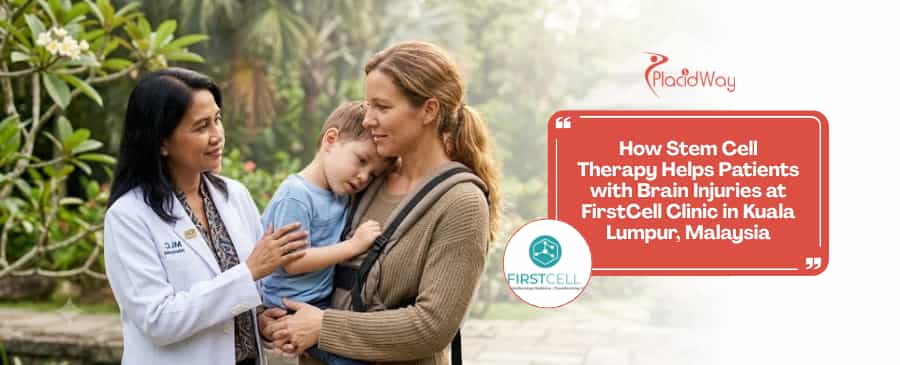
A Family's Journey Toward Hope After a Newborn Brain Injury
A family expecting a routine home birth faced unexpected complications that quickly escalated into a severe medical emergency, necessitating an immediate transition to an emergency hospital delivery. Shortly after birth, their newborn experienced serious respiratory distress, necessitating immediate and intensive life-support interventions including mechanical ventilator stabilization. Subsequent thorough diagnostic and medical evaluations revealed a devastating reality: the infant had suffered an acute, severe brain infarction, thrusting the entire family into profound emotional uncertainty regarding the child's developmental future.
The attending medical teams candidly explained that the resulting cerebral damage could produce lifelong cognitive impairment, physical motor deficits, and ongoing neurological challenges, leaving the long-term prognosis profoundly guarded. Amidst this challenging chapter, the family was presented with an opportunity to enroll their child into a strictly regulated, investigational stem cell therapy protocol looking to assess next-generation methods for direct brain tissue repair. Today, these underlying medical breakthroughs continue to expand at FirstCell Clinic, offering renewed hope to global patients looking for innovative care options.
FirstCell Clinic
Kuala Lumpur, Malaysia
Stem Cell Therapy and the Brain's Natural Healing Process
The exploratory therapeutic framework prioritizes the deployment of high-purity mesenchymal stem cells (MSCs) to trigger, augment, and accelerate the central nervous system's innate healing mechanisms. Rather than operating via the simplistic mechanism of instantly substituting lost neural architecture directly, MSCs primarily act as high-potency cellular factories that synthesize and systematically discharge complex paracrine signaling molecules.
Mechanistic Contributions of MSC Therapy:
-
Mitigation of Neuroinflammation: Actively downregulating localized, destructive immune over-activation within injured cerebral tissue matrices.
-
Endogenous Progenitor Activation: Chemically prompting the patient’s native, dormant neural stem cells to migrate to areas of insult and initiate structural repair.
-
Angiogenesis and Tissue Regeneration: Encouraging microvascular expansion to re-establish vital nutrient and oxygen deliverability to ischemic zones.
-
Neuroplastic Support: Generating a stable biochemical microenvironment that facilitates axonal sprouting and newly formed synaptic connectivity.
-
Apoptosis Inhibition: Emitting protective factors that prevent surrounding vulnerable cells from undergoing programmed cell death.
Extensive preclinical models have consistently produced promising evidence, highlighting stark reductions in aggregate necrotic brain volume and marked enhancements in long-term functional motor and sensory capacity following structured stem cell implementation. These laboratory successes have directly driven carefully supervised clinical investigations globally, contributing to Malaysia's prominence as an ethical, advanced epicenter for neurological cell-based therapies.
Delivering Stem Cells to the Brain: Targeted Delivery Paths
To ensure cellular survival and targeted tracking, scientists have explored innovative, minimally stressful therapeutic entry pathways, prominently emphasizing targeted intranasal administration. This sophisticated approach enables therapeutic cells to bypass the highly restrictive blood-brain barrier by traveling directly through olfactory and trigeminal nerve pathways in the nasal submucosa, arriving rapidly at areas of intracranial injury.
Rigorous mapping demonstrates that damaged cerebral structures actively express specific inflammatory chemokines and growth factors that function as biochemical homing beacons, pulling the administered stem cells across mucosal borders precisely toward the primary point of insult. Furthermore, tracking research shows that these transplanted MSCs do not permanently engraft or remain indefinitely within the host brain anatomy. Instead, they act transiently—persisting long enough to dynamically orchestrate host tissue rejuvenation before naturally dissipating, a feature that provides a favorable safety profile while minimizing long-term immunogenic complications.
Cost of Stem Cell Therapy for Brain Injury in Kuala Lumpur, Malaysia
The basic baseline pricing for an introductory course of Stem Cell Therapy for Brain Injury at FirstCell Clinic in Kuala Lumpur, Malaysia starts at USD $10,000, under the personalized care of Dr. Vignesh Sugumaran. This programmatic price model delivers a highly accessible financial option for international families, saving them substantial capital relative to typical private fees across Canada or the United States, which often range upwards of $50,000 without offering comparable personalized care features.
Every therapeutic pathway is calculated dynamically to fit the patient's presentation—incorporating specific data around the chronicity of the Traumatic Brain Injury (TBI) or stroke, historic patient comorbidities, baseline clinical evaluations, and overarching long-term neurological milestones. A standard comprehensive medical package generally combines initial laboratory profiling, advanced cellular harvesting or preparation protocols, the actual cell delivery procedures, dedicated nursing oversight, and specialized post-treatment telemedicine monitoring.
Comparative Financial Analysis: Global Stem Cell Access
| Destination / Clinic Asset | Estimated Treatment Cost Range (USD) |
|---|---|
| Malaysia (FirstCell Clinic - Dr. Vignesh Sugumaran) | Starting from $10,000 |
| United States (Private Specialized Centers) | $20,000 - $50,000+ |
| Canada (Out-of-Pocket Clinical Protocols) | $18,000 - $40,000+ |
Note: Financial estimates are subject to dynamic updates. Total investments depend closely upon unique cell dosage profiles, specific administrative protocols, laboratory preparation specifications, and individual localized rehabilitative needs.
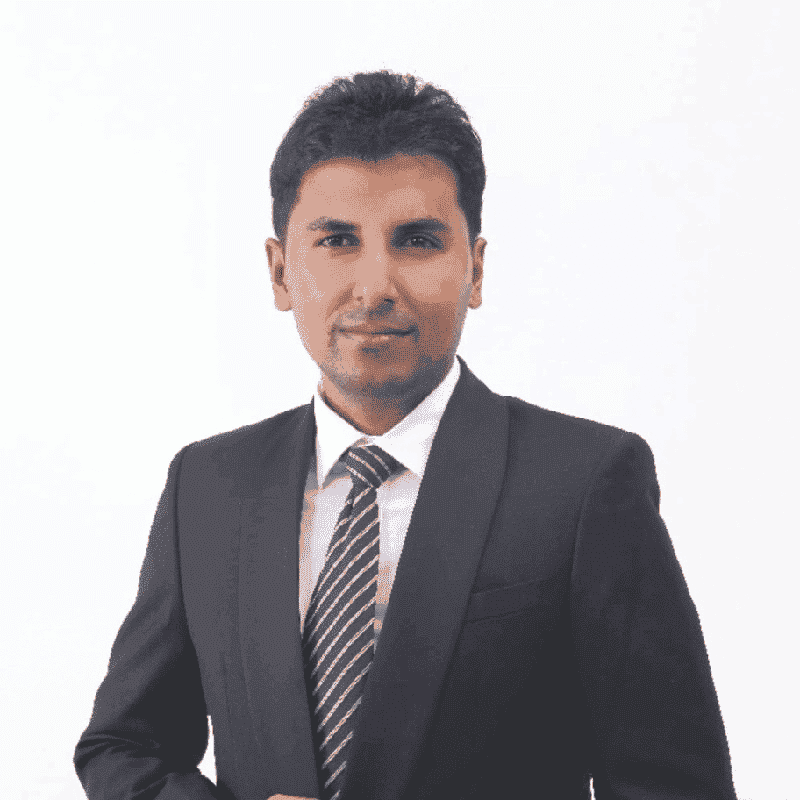
Dr. Vignesh Sugumaran
FirstCell Clinic Expert
Promising Early Clinical Experience and Evolving Safety Portfolios
Following years of extensive bench research, specialized animal toxicological validation, and strict institutional ethics clearances, structured pilot clinical trials initiated selective patient enrollment focusing on infants diagnosed with significant brain infarction. The central, uncompromised priority of these early human steps remains the comprehensive monitoring of short-term biological safety and tracking immediate tolerance, while simultaneously observing developmental progress over extended periods.
Although utilizing cellular products for complex pediatric and infant encephalopathy remains an innovative and developing frontier within global regenerative medicine, initial safety registries have generated highly reassuring indices. Global trial coordinators continue to aggressively track functional updates and long-term neurodevelopmental markers, adding key clinical data to the expanding base of knowledge supporting targeted therapy at modern regional destinations like FirstCell Clinic.
Hope for Families Facing Complex Brain Injuries
Many parents who navigated these foundational trial frameworks recall that choosing to commit their children to novel clinical protocols represented an intense emotional journey filled with deep reflection. Nevertheless, an overwhelming majority chose to step forward out of a desire to find alternative options for their families and to advance medical knowledge, potentially benefiting future generations facing similar complex diagnoses.
Early medical logs confirm that a notable number of children receiving targeted investigational stem cell applications showed positive developmental improvements, such as enhanced motor responses and improved environmental interaction. While pinpointing exactly how much improvement stems directly from the cell injections versus natural child growth requires further controlled studies, these real-world changes offer strong reasons for continued optimism and clinical support.
The Future Expansion of Cellular Science in Clinical Neurology
International researchers are actively expanding clinical protocols to evaluate the efficacy of MSC treatments across a broader range of neurological conditions. Moving beyond localized infant strokes, current trials are evaluating how these cellular mechanisms perform in adults suffering from chronic ischemic stroke, moderate-to-severe traumatic brain injuries, cerebral palsy, and progressive neurodegenerative diseases.
While large-scale Phase III verification trials remain essential to fully define definitive efficacy guidelines, FirstCell Clinic remains at the forefront of this field. By working to optimize the microenvironment of damaged brain tissue rather than simply offering symptomatic palliative pharmaceuticals, their medical teams craft highly customized treatment courses based on precise physical criteria and individual long-term lifestyle goals.




-(6).png)
.png)
.png)
.png)






.png)









Share this listing