
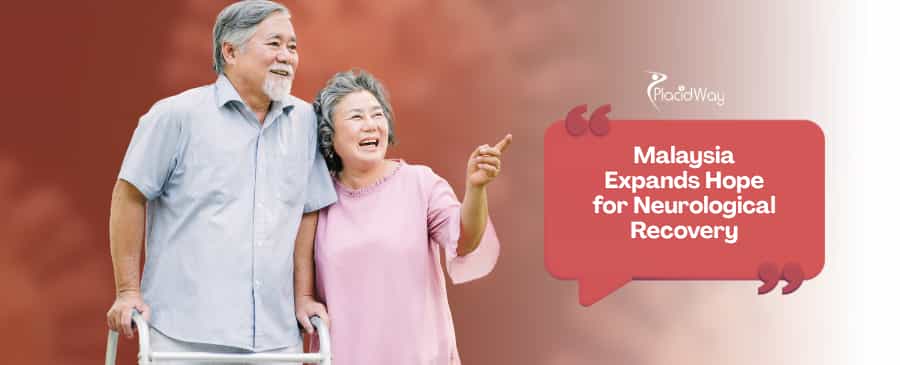
Neurological conditions are among the most complex and debilitating medical challenges facing patients today. For decades, treatments for brain and nervous system disorders have primarily focused on managing symptoms rather than addressing the underlying cellular damage. However, the rapidly advancing field of regenerative medicine is changing the landscape of neurological care. Today, stem cell therapy is emerging as a beacon of hope for patients seeking to halt disease progression, repair damaged neural tissues, and regain their quality of life.
As this innovative treatment gains global traction, patients are increasingly looking beyond their home borders for accessible, high-quality care. This paradigm shift has firmly established medical tourism in Malaysia as a premier choice for regenerative therapies. Renowned for its world-class medical infrastructure, stringent healthcare regulations, and highly trained specialists, Malaysia offers a compelling combination of clinical excellence and affordability. Leading regenerative centers across the country are utilizing state-of-the-art stem cell protocols to target a variety of severe neurological disorders.
If you or a loved one is struggling with a neurological diagnosis, understanding your options is the first step toward healing. Below, we explore six major neurological conditions currently being treated with stem cell therapy in Malaysia, detailing how these remarkable cells work to restore neurological function.
1. Parkinson's Disease
Parkinson's Disease is a progressive neurodegenerative disorder characterized by the gradual loss of dopamine-producing neurons in a specific region of the brain known as the substantia nigra. As dopamine levels plummet, patients experience severe motor control issues, including tremors, muscle rigidity, bradykinesia (slowness of movement), and impaired balance. Traditional pharmacological treatments, such as Levodopa, can temporarily replenish dopamine or mimic its effects, but they lose efficacy over time and do not prevent the ongoing death of brain cells.
How Stem Cells Target Parkinson's
Regenerative protocols administered by a stem cell specialist in Malaysia focus on neuroprotection and neurogenesis. Mesenchymal Stem Cells (MSCs), typically derived from ethically sourced umbilical cord tissue (Wharton's Jelly), are introduced into the patient's system. Once in the body, these cells migrate to areas of inflammation and damage within the brain.
- Secretion of Neurotrophic Factors: Stem cells release powerful proteins like Brain-Derived Neurotrophic Factor (BDNF) and Glial Cell Line-Derived Neurotrophic Factor (GDNF), which protect surviving dopamine neurons from further degradation.
- Reduction of Neuroinflammation: MSCs possess potent anti-inflammatory properties that quiet the hostile immune response in the brain, creating an environment conducive to cellular healing.
- Angiogenesis: They promote the formation of new blood vessels, enhancing blood flow and oxygen delivery to compromised neural tissues.
Researchers emphasize that stem cells do not necessarily have to turn into new brain cells to be effective. Instead, they act as "cellular paramedics" through the paracrine effect—secreting growth factors and exosomes that signal the brain's own dormant repair mechanisms to wake up and begin healing damaged tissue.
2. Stroke Recovery (Ischemic and Hemorrhagic)
A stroke occurs when the blood supply to part of the brain is interrupted or reduced (ischemic stroke), or when a blood vessel in the brain bursts (hemorrhagic stroke). This deprives brain tissue of crucial oxygen and nutrients, leading to rapid cell death. Stroke survivors are often left with profound disabilities, including partial paralysis, speech impairments, and cognitive deficits. Standard rehabilitation focuses on physical and occupational therapy to train the brain to adapt to the damage, but it rarely regenerates lost tissue.
Enhancing Neuroplasticity with Stem Cells
Advanced stem cell clinics in Malaysia are utilizing regenerative therapies to push the boundaries of post-stroke recovery. The therapeutic window for stem cells extends well beyond the acute phase of a stroke, offering hope to patients in the chronic recovery phase.
Stem cells assist stroke patients by targeting the "ischemic penumbra"—the area of brain tissue surrounding the core infarction that is damaged but not yet dead. MSCs help salvage these vulnerable cells by suppressing harmful immune responses and reducing scar tissue (glial scarring) in the brain. Furthermore, stem cells highly promote neuroplasticity, which is the brain's ability to reorganize itself by forming new neural connections. This biological boost allows stroke survivors to maximize the benefits of their physical therapy, often leading to measurable improvements in motor function and speech.
| Approach | Mechanism | Primary Outcome |
|---|---|---|
| Traditional Rehabilitation | Physical/Occupational therapy and compensatory strategies. | Adapting to the injury; training healthy brain areas to take over lost functions. |
| Stem Cell Therapy | Introduction of MSCs to release growth factors and modulate immunity. | Biological repair; reducing scar tissue and promoting new blood vessel and synapse formation. |
3. Multiple Sclerosis (MS)
Multiple Sclerosis is a chronic, unpredictable autoimmune disease that affects the central nervous system. In patients with MS, the immune system erroneously attacks the myelin sheath—the protective fatty coating that insulates nerve fibers. This demyelination disrupts the flow of electrical impulses between the brain and the rest of the body, leading to symptoms like extreme fatigue, numbness, muscle spasms, vision problems, and mobility loss.
Immunomodulation and Remyelination
While immunosuppressive drugs are the standard of care for MS, they come with significant side effects and leave patients vulnerable to infections. Stem cell therapy in Malaysia offers a two-pronged approach that fundamentally alters the disease's progression rather than just suppressing it.
First, Mesenchymal Stem Cells are masters of immunomodulation. When infused into an MS patient, these cells interact directly with the immune system, effectively "resetting" it. They downregulate the aggressive T-cells that attack the myelin and upregulate regulatory T-cells that promote tolerance. Second, stem cells stimulate the body's oligodendrocyte progenitor cells (OPCs). These are the specific cells responsible for creating new myelin. By encouraging these cells to repair the damaged myelin sheaths, stem cell therapy can restore proper nerve signal transmission, potentially reversing some neurological deficits.
Stem cell therapy for MS not only aims to halt the progression of the disease but also has shown potential in significantly reducing the volume and frequency of active brain lesions visible on MRI scans.
4. Alzheimer's Disease and Dementia
Alzheimer's Disease is the most common cause of dementia, characterized by a continuous decline in thinking, behavioral, and social skills that disrupts a person's ability to function independently. The biological hallmarks of Alzheimer's are the accumulation of amyloid-beta plaques and tau protein tangles in the brain, which trigger chronic inflammation, suffocate healthy neurons, and ultimately lead to massive brain cell death.
Combating Cognitive Decline
Currently, there is no cure for Alzheimer's, and conventional medications only temporarily improve symptoms. However, regenerative treatments are providing a new avenue for families seeking to slow the cognitive decline of their loved ones. High-quality stem cell clinics in Malaysia utilize comprehensive protocols to address the neurotoxic environment found in the Alzheimer's brain.
When introduced, stem cells interact with the brain's immune cells (microglia). Normally, in Alzheimer's, microglia become overactive and contribute to destructive inflammation. Stem cells help transition these microglia back to a neuroprotective state, allowing them to clear out toxic amyloid plaques without damaging surrounding healthy tissue. Furthermore, the secretion of neural growth factors helps strengthen the surviving synaptic connections.
Potential Patient Benefits Include:
- Slowing the progression of memory loss.
- Improvement in daily functional abilities and alertness.
- Reduction in behavioral symptoms such as agitation and confusion.
- Overall enhancement in the patient's quality of life.
5. Spinal Cord Injuries (SCI)
A Spinal Cord Injury (SCI) is one of the most devastating neurological traumas an individual can experience. Trauma to the spinal cord severs the communication pathways between the brain and the body, leading to partial or complete paralysis (paraplegia or quadriplegia) below the level of the injury. The central nervous system is notoriously poor at healing itself; following an injury, the body forms a dense "glial scar" that physically and chemically blocks nerve fibers from regenerating.
Bridging the Gap in Neural Pathways
For individuals suffering from SCI, seeking a stem cell specialist in Malaysia can be a transformative step. Stem cell therapy aims to alter the inhibitory environment of the spinal cord to permit regeneration.
Through targeted administration (often via intrathecal injection directly into the spinal fluid), stem cells bypass the blood-brain barrier to reach the site of the spinal lesion. Once there, they work to dissolve the restrictive glial scar tissue. They also release trophic factors that encourage the surviving axons to sprout new branches, effectively attempting to "bridge the gap" across the damaged segment of the cord. While a complete cure for severe paralysis remains elusive, stem cell therapy has helped many patients regain crucial sensory perception, improve bowel and bladder control, and recover minor motor functions, drastically altering their independence.
Regenerative medicine targets both the primary injury (the initial physical trauma) and the secondary injury cascade—a wave of inflammation and cellular toxicity that spreads the damage in the days and weeks following the initial accident. Stem cells act quickly to halt this secondary damage, preserving as much spinal tissue as possible.
6. Autism Spectrum Disorder (ASD)
Autism Spectrum Disorder is a complex neurodevelopmental condition characterized by challenges with social interaction, repetitive behaviors, and speech and nonverbal communication. While the exact cause of autism remains a subject of extensive research, increasing clinical evidence points to severe immune system dysregulation, chronic neuroinflammation, and cerebral hypoperfusion (poor blood flow to specific areas of the brain) as key biological contributors to the condition.
Addressing Neurodevelopment at the Cellular Level
Parents worldwide are increasingly turning to medical tourism in Malaysia to access stem cell therapies for their autistic children. Traditional approaches like speech and occupational therapy are vital, but they are educational, not biological. Stem cells offer a biological intervention.
When umbilical cord-derived MSCs are administered, they target the systemic inflammation that plagues many individuals with autism. By regulating the immune system, the stem cells reduce brain inflammation, which in turn alleviates the hypoperfusion, allowing oxygen and nutrient-rich blood to reach underactive areas of the brain. Parents and caregivers frequently report profound post-treatment improvements, including better eye contact, enhanced verbal skills, reduced hyperactivity, and a significant decrease in aggressive or repetitive behaviors.
Why Choose Malaysia for Stem Cell Therapy?
The decision to travel for medical care is significant, but Malaysia has structured its healthcare system to make it seamless, safe, and highly cost-effective. The Ministry of Health in Malaysia strictly regulates medical practices, ensuring that regenerative centers adhere to rigorous international standards for cell cultivation, viability, and sterility.
Furthermore, the stem cell therapy cost in Malaysia is remarkably competitive. Patients can often save between 40% to 60% compared to the costs of similar treatments in the United States, Europe, or Australia—without sacrificing clinical quality. These comprehensive treatment packages typically include not just the cell infusions, but pre-procedure diagnostics, multi-disciplinary specialist consultations, supportive therapies (like Hyperbaric Oxygen Therapy or physiotherapy), and VIP concierge services for international patients.
| Feature | Benefit for International Patients |
|---|---|
| Regulatory Oversight | Strict adherence to Good Manufacturing Practices (GMP) ensuring cell safety and high viability. |
| Cost Efficiency | Highly affordable stem cell therapy cost in Malaysia, allowing access to multi-dose protocols. |
| Language & Culture | English is widely spoken in the medical sector, ensuring clear communication with your specialist. |
Your Journey to Neurological Wellness Begins With PlacidWay
Navigating the complexities of a neurological diagnosis is overwhelming, and planning international medical travel shouldn't add to your burden. PlacidWay Medical Tourism is your trusted partner in accessing world-class regenerative medicine. We specialize in connecting patients with Malaysia's most prestigious, accredited stem cell clinics and elite specialists.
When you choose PlacidWay, you aren't just getting a referral; you are gaining a dedicated support team. We ensure that every facility meets uncompromising quality and safety standards. From arranging virtual consultations with top neuro-regenerative experts to providing transparent pricing and coordinating your travel logistics, we are with you every step of the way to ensure a seamless, stress-free healing journey.
Take control of your neurological health today and discover the regenerative possibilities waiting for you in Malaysia.
Get Free Quote.png)




-(6).png)
-(4).png)
.png)
.png)



.png)
-(7).png)
.jpg)
.jpg)









Share this listing