
If you are noticing thinning hair and exploring regenerative alternatives to surgery, understanding the costs, success factors, and medical landscape of Kuala Lumpur can help you make an informed decision. Many international patients look to Malaysia for its modern infrastructure and highly regulated healthcare system, but before booking a flight, you need to know exactly which local Ministry of Health (MOH) licenses and Malaysian Medical Council (MMC) credentials to verify. This guide breaks down the biological process, realistic financial expectations, and crucial safety standards to protect your health and investment.
Quick Answer Summary
- Estimated Cost: Typically ranges between $1,500 and $3,500 USD, depending on the clinic, the extraction method (adipose tissue vs. micrografting), and required sessions.
- Safety Overview: Generally considered a minimally invasive outpatient procedure, but it must be performed in a Ministry of Health (MOH) Malaysia licensed facility to ensure strict infection control.
- Ideal Candidate: Individuals in the early to moderate stages of androgenetic alopecia (pattern baldness) with active but miniaturized follicles.
- Recovery Time: Most patients resume normal activities within 24 to 48 hours, though mild scalp tenderness may persist for a few days.
- Why Patients Choose Kuala Lumpur: A combination of English-speaking specialists, competitive pricing compared to Western countries, and a highly regulated medical tourism framework overseen by the Malaysia Healthcare Travel Council (MHTC).
- Important Caution: Look for specialists registered with the National Specialist Register (NSR) of Malaysia, and remember that stem cell therapy may not work for completely bald areas where follicles are no longer viable.
Understanding Stem Cell Therapy for Hair Loss in Kuala Lumpur, Malaysia
Hair thinning can be a deeply distressing experience, often prompting patients to seek advanced treatments beyond topical solutions. Regenerative medicine has introduced innovative approaches, utilizing the body's own biological materials to encourage cellular repair. For patients considering international options, Kuala Lumpur stands out as a primary destination in Southeast Asia.
Stem cell therapy for hair loss aims to utilize mesenchymal stem cells, typically harvested from your own body (autologous extraction), to stimulate dormant hair follicles. When these cells are processed and injected into the scalp, they may improve blood flow, reduce inflammation, and encourage the transition of hair follicles from a resting phase back into an active growth phase.
Patients travel to this destination for several key reasons:
- Stringent Medical Regulations: Healthcare facilities are strictly monitored by the Ministry of Health Malaysia, ensuring high baseline safety standards.
- Cost Efficiency: The exchange rate and favorable living costs allow for high-quality care at a fraction of the price seen in the US or UK.
- Language Accessibility: English is widely spoken by medical professionals, eliminating the communication barriers often found in other medical tourism hubs.
- Advanced Technology: Clinics frequently invest in the latest regenerative equipment, including automated cell processing devices.
- Comprehensive Care: Many providers offer integrated services, combining regenerative treatments with supportive therapies for holistic care.
Patient Tip: Always confirm whether a clinic is using your own cells (autologous) or plant-derived/synthetic "stem cell" serums. True cellular therapy requires a minor extraction procedure, usually from the abdominal fat or nape of the neck.
How Does Stem Cell Therapy Compare to Traditional Hair Restoration?
Before committing to a procedure, it is crucial to understand how regenerative therapies differ from established surgical methods like Follicular Unit Extraction (FUE). Stem cell therapy does not move healthy hair from one area to another; instead, it attempts to revitalize existing, weakened follicles.
Many patients use this treatment as a standalone option in the early stages of thinning, while others combine it with a hair transplant to potentially improve graft survival rates and promote faster tissue healing.
| Feature | Stem Cell Therapy for Hair Loss | Hair Transplant Surgery (FUE) |
|---|---|---|
| Primary Mechanism | Biological stimulation of existing miniaturized follicles | Physical relocation of healthy hair follicles to bald areas |
| Invasiveness | Minimally invasive (injections and minor extraction) | Surgical (incisions and extraction punches) |
| Best Suited For | Overall thinning, early-stage hair loss | Distinct bald patches, receding hairlines |
| Downtime | 1 to 2 days | 7 to 14 days |
| Results Timeline | Gradual thickening over 3 to 6 months | Visible new growth at 6 to 12 months |
Patient Suitability and Eligibility Considerations
Not everyone is an ideal candidate for regenerative hair treatments. A thorough consultation with a board-certified dermatologist or hair restoration surgeon in Malaysia is required to diagnose the root cause of your hair loss. If your hair loss is caused by scarring alopecia or an active autoimmune condition, cellular therapy may not be effective.
The most favorable outcomes are typically seen in patients experiencing androgenetic alopecia, provided the hair follicles are still present and have not completely scarred over.
Favorable Indicators
- Noticeable thinning rather than complete baldness
- Recent onset of hair loss (under 5 years)
- Good general health with no active scalp infections
- Realistic expectations regarding hair density improvement
Contraindications
- Completely bald areas with slick, shiny skin
- Active systemic infections or blood disorders
- History of severe autoimmune diseases
- Unmanaged thyroid imbalances causing the hair loss
Patient Demographics: Analyzing Healthcare Travel Patterns (2024 Data)
Kuala Lumpur serves as a central healthcare hub in the Asia-Pacific region. Based on recent medical travel patterns documented through 2024, the demographic profile of patients seeking aesthetic and regenerative therapies here is highly diverse. The strategic location, combined with MHTC's promotional efforts, draws significant patient volumes from neighboring countries and further abroad.
Patients traveling for these specific outpatient procedures are typically between 30 and 55 years old. The gender distribution for regenerative hair therapies is increasingly balanced, with a growing number of female patients seeking treatment for diffuse thinning, a condition often challenging to treat with traditional surgery.
2024 Regional Origins of Healthcare Travelers in Malaysia (Aesthetic & Regenerative Sector)
This chart illustrates the proportional breakdown of international patients traveling to Malaysian clinics for aesthetic and regenerative procedures, based on 2024 regional healthcare travel reports.
Regulatory Framework: Evaluating Healthcare Quality in Malaysia
When selecting a destination for medical care, understanding the local regulatory environment is just as important as the clinical procedure itself. Kuala Lumpur boasts a highly structured system designed to protect both domestic and international patients.
The Ministry of Health (MOH) Malaysia is the primary governing body. They enforce strict guidelines under the Private Healthcare Facilities and Services Act. This ensures that any clinic offering aesthetic or regenerative procedures maintains proper surgical environments, sterilization protocols, and emergency preparedness.
Warning: Ensure the facility clearly displays its MOH operating license. Unlicensed aesthetic centers or beauty salons are strictly prohibited from performing invasive cellular extraction or injection procedures.
Cost Analysis for Regenerative Hair Treatments
A primary driver for patients exploring options in Kuala Lumpur is the cost advantage. Medical pricing in Malaysia is regulated by the government to prevent predatory inflation, which keeps treatments relatively consistent across top-tier private hospitals and specialist clinics.
The exact price for your treatment will depend on the clinical methodology used. Harvesting mesenchymal stem cells from abdominal fat is more labor-intensive and generally costs more than utilizing micrografting techniques (such as extracting tissue from the back of the scalp to isolate progenitor cells).
| Country | Estimated Cost Range (USD) | Primary Market Dynamic |
|---|---|---|
| Malaysia (Kuala Lumpur) | $1,500 - $3,500 | Government regulated, highly competitive |
| United States | $4,500 - $10,000+ | High overhead, insurance non-coverage |
| Australia | $3,800 - $7,500 | Strict TGA regulations, high operational costs |
| United Kingdom | $3,500 - $6,500 | Premium pricing in private aesthetic sectors |
When requesting a quote, ask the provider for an itemized breakdown. Ensure the quoted price includes the initial consultation, blood tests, the extraction procedure, cell processing, the injection session, and local anesthesia. Clarifying these elements upfront helps avoid unexpected out-of-pocket expenses.
Clinic Selection and Vetting Criteria
Choosing the right clinic in Kuala Lumpur requires diligent research. Because regenerative medicine involves handling human tissue, the facility must have impeccable cleanliness and proper medical equipment, such as closed-system centrifuges.
Furthermore, look for clinics that are registered members of the Malaysia Healthcare Travel Council (MHTC). MHTC member hospitals and clinics are specifically vetted for their ability to manage international patients safely and effectively.
Checklist for Evaluating Clinics:
- Can the clinic provide their active Ministry of Health (MOH) registration number?
- Do they utilize FDA-approved or CE-marked extraction and processing kits?
- Is there a dedicated, sterile procedure room for tissue harvesting?
- Do they offer transparent, written quotes in USD or your local currency?
- Do they have a clear follow-up protocol for patients returning home?
Verifying Medical Credentials and Specialist Expertise
The success of Stem Cell Therapy for Hair Loss in Kuala Lumpur, Malaysia depends heavily on the diagnosing physician. A precise diagnosis of the type of alopecia ensures the treatment is applied effectively.
Your doctor should be fully registered with the Malaysian Medical Council (MMC). Furthermore, specialists (such as dermatologists or plastic surgeons) should be listed on the National Specialist Register (NSR) of Malaysia. These databases are publicly accessible online, allowing you to independently verify a doctor's qualifications before making a deposit.
During your consultation, ask the doctor about their specific experience with cellular hair therapies. Inquire about their annual case volume and their protocol for managing non-responders.
The Biological Process: How the Treatment Works
To understand what happens during the procedure, it is helpful to look at the biology of hair follicles. Hair loss often occurs when the anagen (growth) phase shortens and the telogen (resting) phase lengthens. Over time, follicles miniaturize, producing thinner, weaker hairs until they eventually stop producing hair entirely.
Mesenchymal stem cells and the growth factors they secrete act as signaling molecules. When introduced into the scalp tissue, they interact with the dermal papilla cells at the base of the hair follicle. This interaction may stimulate cellular proliferation, encourage the formation of new blood vessels (angiogenesis) to nourish the scalp, and suppress localized inflammation that contributes to follicle degradation.
Step-by-Step Procedure Timeline
The treatment is typically performed in a single day as an outpatient procedure. Knowing the exact sequence of events can help reduce travel anxiety and prepare you for the clinical environment.
| Stage | Clinical Action | Duration |
|---|---|---|
| 1. Assessment | Scalp evaluation, trichoscopy to view follicle health, and blood tests if required. | 45 - 60 minutes |
| 2. Anesthesia | Local anesthesia is applied to both the extraction site and the scalp. | 15 - 30 minutes |
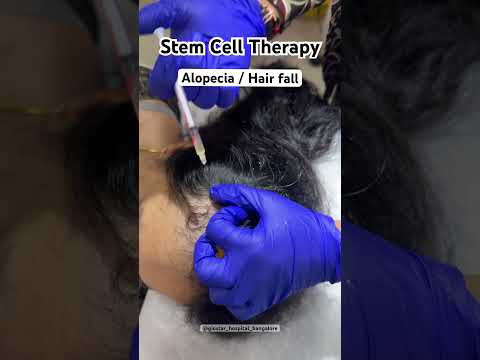
| 3. Tissue Harvesting | A small biopsy (usually from the back of the head or abdominal fat) is collected. | 20 - 40 minutes |
| 4. Cell Processing | The tissue is placed in a specialized centrifuge device to isolate the regenerative cells and growth factors. | 30 - 45 minutes |
| 5. Micro-Injections | The concentrated cellular suspension is carefully injected into the targeted areas of the scalp. | 30 - 60 minutes |
Post-Treatment Recovery and Aftercare
Because the procedure is minimally invasive, physical recovery is generally rapid. However, the scalp will be sensitive, and the biological integration of the cells requires care. Your doctor will provide specific aftercare guidelines tailored to the extraction method used.
It is important to avoid anti-inflammatory medications (like ibuprofen) immediately after the procedure, as a mild, controlled inflammatory response is part of the body's natural healing and cellular activation process.
First 48 Hours
You may experience mild swelling, redness, and a tight sensation across the scalp. The extraction site (if a punch biopsy was used) will have a small dressing. Avoid washing your hair, excessive sweating, or wearing tight hats.
Week 1 to 2
Normal hair washing can usually resume with a gentle, sulfate-free shampoo. Any scabbing at the injection or extraction sites will naturally flake off. Avoid harsh chemical treatments, hair dyes, or prolonged direct sun exposure.
Understanding the Risks and Clinical Safety Protocols
While generally safe when performed by credentialed professionals, all medical interventions carry some level of risk. The primary safety concerns relate to infection control and improper technique rather than systemic reactions, since the treatment uses your own biological material.
In reputable Malaysian clinics, the risk of cross-contamination is mitigated by using single-use extraction and injection kits, alongside strictly sterilized environments.
| Potential Risk | Clinical Explanation | Standard Prevention in KL Clinics |
|---|---|---|
| Localized Infection | Bacteria entering the scalp through injection micro-wounds. | Strict adherence to MOH sterile protocols; prescription of prophylactic antibiotics if deemed necessary. |
| Scalp Tenderness | Nerve irritation from repeated micro-injections. | Use of very fine gauge needles and proper administration of local anesthetics. |
| Lack of Efficacy | The biological treatment fails to stimulate new hair growth. | Rigorous patient screening to ensure follicles are still viable prior to accepting payment. |
Expected Clinical Outcomes: Tracking Hair Density Over Time
Patience is required when undergoing regenerative therapies. Unlike a hair transplant where the physical relocation of hair is immediately visible (despite later shedding), cellular therapies rely on biological tissue repair. Hair grows slowly, typically about half an inch per month.
You should not expect immediate results. In many cases, patients first notice a reduction in hair shedding within the first two months. Visible improvements in hair thickness and shaft diameter generally become apparent between months three and six.
Typical Follicular Response Timeline (Months 1-6)
Based on recent 2024 observational data in regenerative dermatology, this graph illustrates the typical progression of measurable hair density and shaft thickness improvement following a single autologous cell treatment session.
Combining Treatments for Enhanced Results
In many modern clinics, doctors may recommend a multi-modal approach. Hair loss is a complex biological condition, and relying on a single therapy may not yield optimal results for every patient. Cellular therapies are frequently combined with other evidence-based treatments.
For example, topical Minoxidil or oral Finasteride may be prescribed to maintain the hair growth stimulated by the injections. Low-Level Laser Therapy (LLLT) is also commonly used post-procedure to further enhance cellular metabolism and blood flow in the scalp.
Travel Logistics for Healthcare Tourists in Malaysia
Planning your trip requires understanding both clinical schedules and travel requirements. Most patients flying into Kuala Lumpur International Airport (KLIA) find the city highly accessible, with robust public transport and numerous medical concierge services available.
For this specific outpatient procedure, you typically only need to stay in the city for 3 to 4 days. This allows for a pre-procedure consultation, the treatment day, and a brief follow-up appointment before flying home. Medical visas are usually not required for short stays, as Malaysia offers generous visa-free entry to citizens of many Western and regional countries. However, always check the latest immigration policies before booking.
Frequently Asked Questions
Below are common concerns international patients raise when researching this therapy.
Is stem cell therapy for hair loss painful?
The procedure involves minor discomfort rather than severe pain. Local anesthesia is administered to numb the extraction site and the scalp before any injections occur. Post-procedure, you may feel tightness and mild soreness for a few days, which is generally manageable.
How long do the results of the treatment last?
Results vary by individual. While the therapy can stimulate growth and thicken existing hair, it does not stop the underlying genetic causes of androgenetic alopecia. Many patients undergo maintenance sessions every 1 to 2 years to sustain the benefits.
Can women undergo this procedure safely in Kuala Lumpur?
Yes. In fact, female pattern hair loss (diffuse thinning) often responds very well to regenerative cellular therapies. Clinics in Malaysia frequently treat female patients, ensuring privacy and customized protocols tailored to female hormonal profiles.
Will I need more than one session?
This depends on the severity of your hair loss and the specific extraction technique used. High-concentration autologous therapies often require only one primary session, whereas less concentrated methods might require a series of treatments spaced several weeks apart.
What is the difference between PRP and Stem Cell Therapy?
Platelet-Rich Plasma (PRP) uses platelets derived from your blood to release growth factors. Stem cell therapy typically involves harvesting tissue (fat or skin grafts) to isolate specific regenerative cells, which is generally considered a more advanced and potent biological intervention.
Are the medical instruments used safe and sterile?
Yes, provided you choose a clinic licensed by the Ministry of Health Malaysia. Regulated clinics strictly utilize sterile, single-use disposable kits for tissue extraction and injection, adhering to high international infection control standards.
Can I fly home immediately after the procedure?
While technically possible, doctors generally advise staying in Kuala Lumpur for at least 24 to 48 hours. This allows for a brief follow-up assessment to ensure the extraction site is healing properly and there are no immediate adverse reactions.
Will this treatment cure complete baldness?
No. Regenerative medicine requires viable hair follicles to function. If an area of the scalp is completely bald and the follicles have died and scarred over, cellular therapy will not grow new hair. A transplant would be the required alternative.
How do I verify a clinic is recognized for medical tourism?
You can verify a clinic's status by checking if they are registered with the Malaysia Healthcare Travel Council (MHTC). MHTC membership indicates the facility is equipped and vetted to handle international patients safely.
Are there any hidden costs I should watch out for?
Always ask for an all-inclusive quote. Ensure the price covers the doctor's consultation fee, facility fees, necessary blood tests, local anesthesia, the proprietary extraction kit, and all prescribed post-procedure topical care products.
Ready to Explore Your Options in Kuala Lumpur?
Navigating international healthcare choices can be complex. PlacidWay can help you compare vetted providers, understand treatment costs, and request detailed medical information from top-rated clinics in Malaysia.
Request Free InformationDisclaimer: This information is for educational purposes only and does not replace professional medical advice. Always consult a qualified healthcare provider before making medical decisions.
References
- Malaysia Healthcare Travel Statistics 2024 – Malaysia Healthcare Travel Council (MHTC)
- Medical Register Database – Malaysian Medical Council (MMC)
- National Specialist Register Database – Ministry of Health Malaysia
- Efficacy of Autologous Micrografts in Androgenetic Alopecia (2024 Study) – National Center for Biotechnology Information (NCBI)
- Regenerative Treatments for Hair Loss Guidelines – International Society of Hair Restoration Surgery (ISHRS)
- Private Healthcare Facilities and Services Guidelines – Ministry of Health Malaysia (MOH)

























Share this listing