

Contents
If you are living in the US or UK and exploring regenerative medicine to combat aging, you have probably hit two massive roadblocks: astronomical price tags and strict FDA regulations limiting your options. It is no wonder so many wellness seekers are turning their attention to Asia for more progressive anti-aging therapies.
For an exact cost of $18,500 on average, stem cell treatment in Thailand for longevity offers a realistic alternative to the staggering fees back home. When evaluating providers in Bangkok or Phuket, it is essential to look for international accreditations like JCI (Joint Commission International). You should also verify local approvals from the Thai Medical Council and the Ministry of Public Health to ensure the facility meets high safety and processing standards.
Key Insights
Booking regenerative therapies overseas often feels overwhelming if you have to arrange every detail yourself. Fortunately, longevity centers in Bangkok typically bundle their services into comprehensive medical tourism packages.
These bundles usually cover the stem cell infusions, comprehensive blood panels, airport transfers, and sometimes even luxury hotel stays during your recovery. Review the treatment packages below to see what each clinic includes for international patients.

Price starting from $4,200
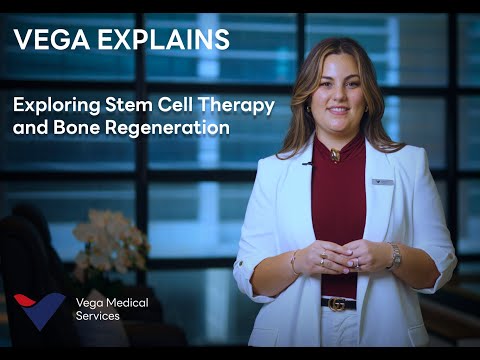
Stem Cell Therapy for Longevity Package in Bangkok, Thailand by Vega Clinic
Vega Stem Cell Clinic in Bangkok Thailand
- Stem Cell Therapy for Longevity
Bangkok, Thailand
Navigating the financial side of anti-aging medicine should not require guesswork. Stem cell treatment in Thailand for longevity generally costs around $18,500.
Depending on the required cell count and specific protocol, prices typically range from $15,000 to $25,000. This is often a fraction of what you would pay for similar, highly restricted treatments in North America or Europe. Compare the exact pricing structures below to plan your medical budget effectively.
Finding a trustworthy facility halfway across the globe requires more than just looking at a polished lobby. You need a clinic that strictly adheres to international medical protocols and local regulations for cell processing and infusion.
Always verify that the facility operates an in-house laboratory certified by the Ministry of Public Health. Additionally, confirm that their practicing specialists hold active licenses with the Thai Medical Council. Explore the clinics listed below to find a certified facility that aligns with your longevity goals.

Vega Stem Cell Clinic in Bangkok Thailand
Bangkok, Thailand
Reading about advanced laboratories and modern hospital suites is one thing, but seeing them brings peace of mind. Video tours allow you to step inside Thailand's top regenerative clinics without leaving your living room.
Watching these walk-throughs helps you gauge the cleanliness, technology, and overall patient environment before making a commitment. Browse the videos below to get a firsthand look at where your treatment will take place.
Nothing speaks louder than the honest experiences of patients who have already made the trip. Reading unedited feedback gives you a realistic picture of the bedside manner, post-treatment follow-up, and actual anti-aging outcomes.
Look for reviews from people who traveled from your specific region to see how the clinic handled their unique logistical needs. Read through the patient testimonials below to help you make an informed and confident decision.

Understanding the nuances of regenerative medicine abroad is key to a safe experience. Below are the most common questions patients ask about stem cell treatment in Thailand for longevity.
Is stem cell therapy for longevity legal in Thailand?
Yes, it is legal and heavily regulated. Clinics must meet strict safety protocols enforced by the Thai FDA and the Medical Council of Thailand to perform these specialized cellular infusions.
What types of stem cells are used for anti-aging in Bangkok?
Reputable longevity clinics primarily use Mesenchymal Stem Cells (MSCs). These are typically sourced ethically from umbilical cord tissue and cultured in highly sterile, certified laboratories.
How long do I need to stay in Thailand for the procedure?
Patients usually plan for a 5 to 7-day stay. This allows enough time for comprehensive health screenings, the IV infusion process, and any necessary post-treatment medical monitoring.
Are Thai regenerative clinics safe for international patients?
Yes, provided you choose fully accredited facilities. Top-tier clinics carry international JCI accreditation and maintain certified in-house laboratories to ensure the viability and safety of the cells.
What does the longevity stem cell protocol actually involve?
The standard protocol typically involves a slow intravenous (IV) infusion of expanded MSCs, often combined with customized vitamin drips or specialized nutrient therapies designed to support cellular health.
Will I need multiple sessions for optimal anti-aging results?
Most comprehensive longevity protocols are completed in a single session. However, doctors often monitor your progress and may suggest maintenance treatments annually, depending on your biological age and goals.
How do I know the stem cells are high quality?
Legitimate clinics always provide a Certificate of Analysis (CoA) before your infusion. This medical document verifies the total cell count, the cell viability rate, and confirms that the batch is free from contamination.
Can I fly immediately after receiving stem cell IV therapy?
Doctors usually recommend resting in Thailand for 24 to 48 hours following the procedure. This ensures your body is stable and relaxed before undertaking a stressful, long-haul international flight.
Do Thai clinics offer English-speaking staff?
Absolutely. The leading regenerative hospitals in Bangkok and Phuket cater extensively to international travelers, employing bilingual medical teams, dedicated patient coordinators, and professional translation services.
What are the potential side effects of this longevity treatment?
Because MSCs are immunoprivileged, severe reactions are rare. Patients occasionally report mild fatigue, a slight fever, or temporary soreness at the IV site, which typically resolve within a few days.
Administering live cellular material is a highly specialized skill that goes beyond basic medical training. You want a specialist who is specifically trained in regenerative medicine, immunology, or anti-aging therapies.
When researching doctors, look for fellowships from respected international medical boards and an active standing with the Medical Council of Thailand. Compare the credentials of the longevity specialists below to find a doctor you can trust with your cellular health.
Thailand has quietly positioned itself as a global hub for progressive healthcare, drawing thousands of wellness seekers from the US, UK, Canada, and Australia every year. Beyond its world-renowned hospitality, the country boasts highly advanced medical infrastructure centered primarily in modern urban areas like Bangkok and serene coastal regions like Phuket.
Traveling here is relatively straightforward for western tourists. Most international patients fly directly into Suvarnabhumi Airport (BKK) or Phuket International Airport (HKT). From there, top-tier clinics often provide VIP fast-track immigration services and private transfers directly to your hotel.
| Major Airports | Suvarnabhumi (BKK), Phuket (HKT) |
| Visa Requirements | Visa exemption for US, UK, and AU citizens for up to 30 days |
| Best Time to Visit | November to April (Dry Season) |
| Popular Clinic Hubs | Sukhumvit (Bangkok), Phuket Town |
While your primary goal is medical, the destination offers a serene environment perfect for rest and recovery after your therapies. Take time to explore the travel guides below to help plan the logistics of your medical journey.
Organizing a medical trip abroad requires careful planning, but you do not have to navigate the logistics alone. PlacidWay can connect you with fully accredited regenerative clinics, verify doctor credentials, and help you compare comprehensive treatment packages in Thailand.
Our team ensures that your journey toward advanced longevity care is secure, transparent, and tailored to your specific health goals. Take the next step in your anti-aging journey today.
References
- Important Information About Regenerative Medicine Therapies – U.S. Food and Drug Administration
- Stem Cell Treatments: What to Ask – International Society for Stem Cell Research
- About JCI Accreditation – Joint Commission International
- Clinical Safety of Mesenchymal Stem Cells – National Center for Biotechnology Information
- Health Regulations and Topics in Thailand – World Health Organization























Share this listing