
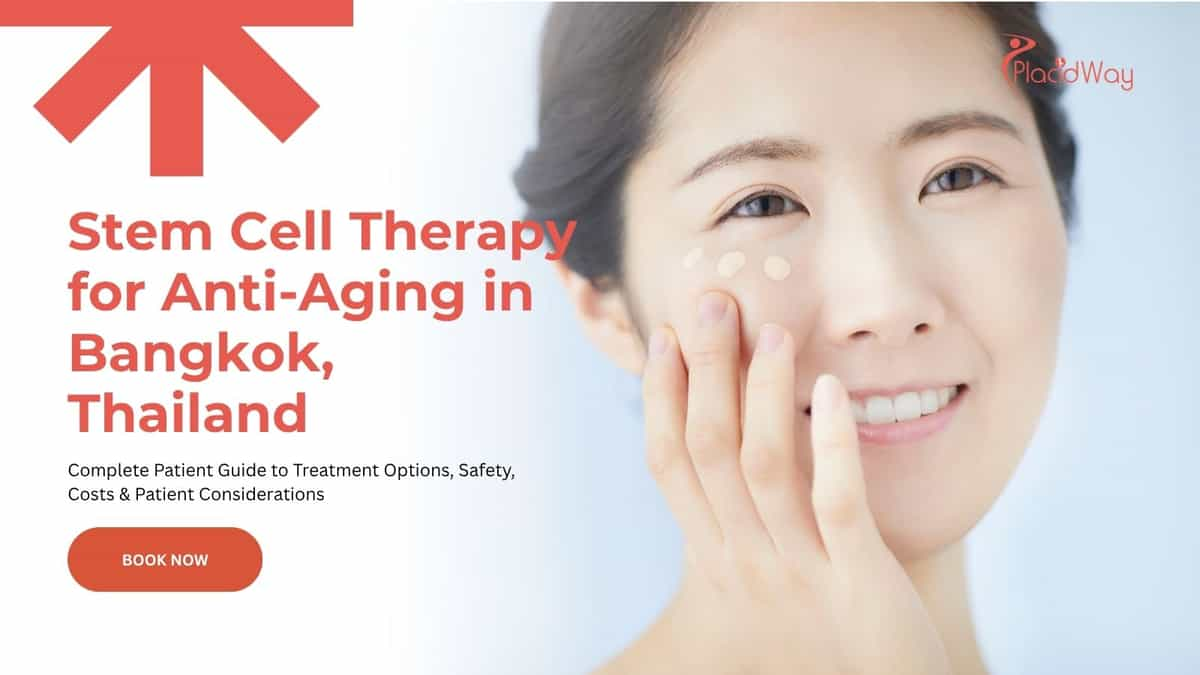
You may be noticing the persistent signs of aging—chronic fatigue, slower recovery, or reduced skin vitality—and wondering if regenerative medicine can safely help you regain your energy and youthful function. Many international patients look to Bangkok, Thailand, to access advanced, heavily regulated stem cell treatments that are often restricted or prohibitively expensive in their home countries. This guide will help you navigate the essential medical credentials, understand the precise costs involved, and evaluate whether this regenerative treatment aligns with your health goals before you book a flight.
Quick Summary: What to Know Before Traveling
- Estimated Cost: Typically ranges from $6,000 to $18,000 USD, varying heavily based on the type of stem cells, number of cell lines, and comprehensive therapy packages.
- Safety Overview: Bangkok features highly regulated clinics; however, treatments carry inherent biological risks. Prioritize facilities licensed by the Thai Ministry of Public Health.
- Ideal Candidate: Adults experiencing general vitality decline, seeking preventive cellular health, and who do not have active infections, cancer, or severe autoimmune contraindications.
- Recovery Time: Most patients resume normal light activities within 48 hours, though cellular regeneration processes continue for several months.
- Why Patients Choose Bangkok, Thailand: Access to cutting-edge laboratory facilities, board-certified regenerative specialists, strict biological safety standards, and significantly lower out-of-pocket costs compared to Western clinics.
- Important Caution: Look specifically for doctors registered with the Medical Council of Thailand and clinics possessing a valid Department of Health Service Support (HSS) license.
Why International Patients Choose Stem Cell Therapy for Anti Aging in Bangkok, Thailand
Stem Cell Therapy for Anti Aging in Bangkok, Thailand, attracts thousands of medical tourists annually who are seeking evidence-based regenerative treatments in a highly specialized healthcare environment. You might be researching this destination because the treatments offered in North America or Europe often face restrictive clinical trial limitations or come with astronomical price tags. Bangkok has positioned itself as a global hub for medical tourism by combining strict governmental oversight with modern biotechnology.
Patients are not simply looking for aesthetic improvements; they are searching for comprehensive cellular rejuvenation. The decision to undergo stem cell therapy requires careful consideration of the medical ecosystem. Bangkok offers a unique blend of highly qualified specialists, internationally accredited laboratories, and holistic aftercare programs that focus on patient safety and long-term vitality.
Primary reasons patients travel to this destination include:
- Significantly lower treatment costs compared to the United States, Australia, and the United Kingdom.
- Availability of advanced Mesenchymal Stem Cells (MSCs) cultured in state-of-the-art cleanroom laboratories.
- Strict regulatory oversight by the Thai Ministry of Public Health, ensuring ethical biological practices.
- Comprehensive health screening and holistic anti-aging protocols combined into single wellness packages.
- High concentration of specialists trained internationally but practicing under the Medical Council of Thailand.
- World-renowned medical hospitality that includes in-house interpreters, luxury recovery suites, and dedicated medical coordinators.
Understanding the Biological Mechanics of Stem Cell Rejuvenation
Stem cell therapy for anti aging focuses on introducing vital, undifferentiated cells into your body to support tissue repair and modulate inflammation. As you age, your natural reservoir of stem cells depletes, and the remaining cells become less efficient at dividing and repairing damaged tissues. This cellular senescence contributes to the visible and systemic signs of aging, from reduced skin elasticity to chronic fatigue and joint degeneration.
When you receive regenerative therapy, Mesenchymal Stem Cells (MSCs) are typically utilized. These cells possess potent immunomodulatory properties and secrete growth factors (cytokines) that signal your body's native cells to initiate repair processes. They do not necessarily become new tissue themselves; rather, they act as cellular managers, reducing systemic inflammation and promoting a healthier microenvironment.
Your doctor may recommend specific lifestyle modifications, such as an anti-inflammatory diet and stress reduction techniques, prior to your procedure. Preparing your body creates a more hospitable environment for the introduced stem cells, potentially enhancing their survival and efficacy.
The anti-aging effects are generally systemic. Patients often report improvements in energy levels, sleep quality, and physical stamina over several months. Biologically, the therapy aims to support telomere health and reduce oxidative stress, which are primary biological markers of aging. It is crucial to understand that results vary significantly based on your individual diagnosis, baseline health, and genetic factors.
| Biological Marker | Typical Age-Related Decline | Potential Regenerative Impact |
|---|---|---|
| Systemic Inflammation | Increases steadily (inflammaging) | May modulate immune response and lower inflammatory cytokines. |
| Collagen Synthesis | Decreases, leading to skin laxity | Growth factors can stimulate fibroblasts to produce new collagen. |
| Cellular Energy (ATP) | Mitochondrial dysfunction increases | May support mitochondrial repair and boost overall energy levels. |
| Tissue Repair Rate | Slows down significantly | Paracrine signaling may accelerate native tissue healing. |
Patient Demographics and Treatment Trends in Thailand
Recent data from 2024 to 2025 indicates a significant demographic shift in patients traveling for regenerative medicine. While previously dominated by individuals over 60 seeking joint repair, modern anti-aging stem cell therapy now attracts a much younger demographic focused on preventive health and longevity. Bangkok, Thailand, receives a substantial influx of patients from high-income nations where proactive cellular health protocols remain medically restricted.
The primary outbound patient countries include Australia, the United States, the United Kingdom, and increasingly, nations in the Middle East. Australians and Americans make up a large portion of this demographic due to proximity and significant cost disparities, respectively. These patients are generally highly educated regarding regenerative medicine and travel with specific expectations regarding laboratory certifications and cell viability.
Age Distribution of International Regenerative Medicine Patients in Thailand (2024-2025 Data)
A secondary trend documented in 2025 shows a steady increase in patient volume returning for follow-up treatments. Because stem cell therapy is not permanent, the biological improvements require maintenance. The consistent growth in return visits highlights a high level of patient satisfaction regarding the clinical care standards maintained within Bangkok's specialized facilities.
Annual Growth of Regenerative Medical Tourists in Thailand (2024-2026)
Types of Stem Cells Used for Anti Aging in Bangkok, Thailand
Before you commit to treatment, you must understand the exact biological materials being used. Clinics in Bangkok, Thailand, utilize distinct types of stem cells depending on the clinic's laboratory capabilities and your specific medical evaluation. The distinction between autologous and allogeneic cells is critical for understanding treatment preparation and potential outcomes.
Autologous stem cells are harvested from your own body, typically from adipose (fat) tissue or bone marrow. Adipose-derived stem cells are highly popular for anti-aging because fat tissue contains a dense concentration of mesenchymal stem cells. This process requires a minor liposuction procedure. Because these cells are your own, the risk of immune rejection is practically nonexistent.
Autologous Stem Cells (Your Own)
Source: Fat tissue or bone marrow.
Pros: Zero risk of immune rejection, ethically uncontroversial, highly regulated and generally accepted as very safe.
Cons: Requires an extraction procedure. Cell vitality reflects your current biological age.
Allogeneic Stem Cells (Donor)
Source: Ethically sourced Umbilical Cord Tissue (Wharton’s Jelly).
Pros: Very young, highly potent cells. No extraction procedure required for the patient.
Cons: Stricter regulatory hurdles. Requires rigorous screening to ensure the biological safety of donor tissue.
Alternatively, many advanced protocols in Bangkok utilize allogeneic umbilical cord-derived MSCs. These cells are highly sought after because they are "Day 0" cells, meaning they have not been subjected to decades of environmental damage or aging. Reputable clinics source these cells from rigorously screened, full-term, healthy pregnancies with full maternal consent, strictly adhering to biological safety guidelines.
Cost of Stem Cell Therapy for Anti Aging in Bangkok, Thailand
One of the primary drivers for medical travel is the financial transparency and affordability found in Southeast Asia. While estimating the exact cost of Stem Cell Therapy for Anti Aging requires a personalized medical assessment, patients typically find that prices in Bangkok, Thailand, are substantially lower than domestic alternatives. This difference does not stem from inferior quality, but rather from favorable currency exchange rates, lower operational overhead, and standardized healthcare pricing.
The total investment depends heavily on the source of the stem cells, the millions of cells required (cell count), laboratory culturing fees, and whether the therapy includes adjunctive treatments like hyperbaric oxygen therapy or IV nutrition. It is vital to request an itemized, written quote before traveling to ensure you understand exactly what the package entails.
| Country | Estimated Cost Range (USD) | Typical Inclusions |
|---|---|---|
| United States | $12,000 - $30,000+ | Procedure only, limited culturing due to FDA rules. |
| Australia | $10,000 - $25,000 | Strictly autologous procedures, high specialist fees. |
| United Kingdom | $10,000 - $20,000 | Private clinic fees, limited comprehensive packages. |
| Bangkok, Thailand | $6,000 - $18,000 | Comprehensive lab culturing, medical screening, aftercare. |
When reviewing financial estimates, you should carefully ask about potential hidden costs. These can include mandatory pre-treatment blood panels, specialist consultation fees, travel logistics, and medications required during recovery. Many reputable facilities in Bangkok offer all-inclusive packages that bundle airport transfers, hotel accommodations, and post-treatment follow-up consultations to provide transparent pricing.
Choosing the Right Hospital or Clinic in Bangkok, Thailand
Selecting a medical facility for regenerative medicine is an essential step that demands careful research. Because cell viability and safety depend heavily on laboratory conditions, you must prioritize clinics with verified national and international credentials. Bangkok, Thailand, boasts numerous premium hospitals and specialized wellness centers, but not all are licensed to handle and culture cellular products.
First and foremost, verify that the clinic holds a current license from the Thai Ministry of Public Health. Additionally, the specific facility should be registered with the Department of Health Service Support (HSS), which regulates private medical institutions in the country. Facilities adhering to these national standards maintain rigorous hygiene and biological handling protocols.
Avoid clinics that outsource their cell culturing to unregulated, third-party laboratories. You should explicitly ask if the facility has an in-house cleanroom laboratory (ISO Class 5 or higher) or if they partner with a nationally accredited external cell bank.
While international accreditations such as Joint Commission International (JCI) or Temos are excellent indicators of overall hospital quality and patient safety, they are not the sole determiners of a clinic's capability in regenerative medicine. Focus heavily on local government licensing and the specific ISO certifications of the laboratory culturing your cells. A legitimate clinic will readily provide these certificate numbers upon request.
How to Verify Your Stem Cell Doctor in Thailand
The expertise of the physician administering your Stem Cell Therapy for Anti Aging is just as critical as the facility itself. Regenerative medicine is a highly specialized field requiring a deep understanding of cellular biology, immunology, and safe administration protocols. You must ensure the doctor treating you in Bangkok, Thailand, is fully qualified and legally permitted to practice.
The foremost credential to verify is the doctor’s active registration with the Medical Council of Thailand (TMC). This national medical board ensures that the physician has met the rigorous educational and ethical standards required to practice medicine in the country. You can often request the doctor's registration number and verify it through official channels.
When reviewing a specialist’s credentials, look for the following trust signals:
- Board certification in a relevant specialty, such as Anti-Aging and Regenerative Medicine, Internal Medicine, or Immunology.
- Memberships in recognized professional societies, such as the American Academy of Anti-Aging Medicine (A4M) or equivalent international bodies.
- Years of specific clinical experience handling and administering Mesenchymal Stem Cells (MSCs).
- A transparent history of managing complications and providing structured follow-up care.
- Ability to communicate fluently in English or the provision of a dedicated medical interpreter to ensure informed consent.
Your doctor may recommend a detailed consultation before confirming your eligibility. During this meeting, a qualified specialist will discuss the realistic outcomes, explicitly state that results vary, and detail any contraindications related to your personal health history.
The Procedure: What to Expect Step-by-Step
Understanding the exact sequence of events can help alleviate anxiety and prepare you for your medical journey. The process for Stem Cell Therapy for Anti Aging in Bangkok, Thailand, is methodical and highly structured to ensure maximum cell viability and patient safety. The timeline typically spans several days, beginning with comprehensive diagnostics.
Upon arrival at the clinic, you will undergo an exhaustive medical evaluation. This includes blood tests, immune system profiling, and a discussion of your current health status to ensure you are fit for the procedure. If you are receiving autologous stem cells, the first active step is the extraction of fat or bone marrow. This is generally performed under local anesthesia in a sterile surgical environment.
| Procedure Stage | Action Required | Timeframe |
|---|---|---|
| Initial Screening | Comprehensive blood work and physician consultation. | Day 1 |
| Tissue Extraction | (Autologous only) Minor liposuction or marrow draw. | Day 2 |
| Cell Culturing | Laboratory isolates and multiplies stem cells. | Varies (Can take 2-4 weeks prior to administration) |
| Administration | Intravenous (IV) drip or targeted localized injections. | Day of Treatment (1-3 Hours) |
| Observation | Monitoring for adverse reactions and post-care briefing. | Post-Treatment (2-4 Hours) |
If you are receiving allogeneic cells, the extraction phase is bypassed, and the procedure focuses solely on administration. The stem cells are typically delivered via an intravenous (IV) infusion, allowing them to circulate systemically. The procedure is generally painless, though you may feel minor discomfort from the IV needle. Following the infusion, the medical team will monitor you for a few hours to ensure there are no immediate adverse reactions.
Recovery Timeline and Realistic Expectations
The recovery from Stem Cell Therapy for Anti Aging is notably different from traditional surgery. Because the primary delivery method is non-invasive or minimally invasive, physical downtime is remarkably short. However, the biological regeneration occurring within your body operates on a much longer timeline. Patience is required, as cellular repair is a gradual process.
Immediately following the procedure, you may experience mild fatigue or lethargy. This is a common biological response as your body directs energy toward integrating the new cellular material and modulating systemic inflammation. If you underwent a fat extraction for autologous therapy, you will also experience localized bruising and soreness at the donor site.
Most patients in Bangkok, Thailand, are advised to rest in their hotel for 24 to 48 hours post-treatment. During this period, you must avoid strenuous exercise, excessive heat (such as saunas), and alcohol consumption. You can typically fly home within a few days, provided your doctor clears you during the final follow-up examination.
Realistic Results Note: Do not expect overnight cosmetic transformations. The systemic benefits, such as improved energy, better sleep, and enhanced skin vitality, typically begin to manifest between 4 to 12 weeks post-treatment, with optimal results often reported around the 6-month mark. Results depend heavily on your individual cellular response and ongoing lifestyle habits.
Common Combined and Related Procedures
To maximize the efficacy of regenerative treatments, clinics in Bangkok, Thailand, often suggest combining stem cell therapy with adjunctive modalities. These secondary treatments aim to optimize your body’s internal environment, ensuring that the introduced stem cells have the best possible conditions to survive, multiply, and function effectively.
One commonly paired procedure is Intravenous (IV) Vitamin and Antioxidant Therapy. By infusing high doses of Vitamin C, Glutathione, and essential amino acids directly into your bloodstream, clinics aim to rapidly reduce systemic oxidative stress. Lowering oxidative stress creates a less hostile environment for the newly introduced stem cells, potentially enhancing their longevity and signaling capabilities.
Another frequent adjunctive treatment is Hyperbaric Oxygen Therapy (HBOT). Breathing pure oxygen in a pressurized chamber significantly increases the oxygen concentration in your blood plasma. Because stem cells rely heavily on oxygen to fuel their regenerative processes, HBOT can act as a powerful catalyst for tissue repair. Your doctor may recommend these combinations based on your specific baseline health and anti-aging goals.
Safety, Risks, and Complications
While Stem Cell Therapy for Anti Aging is generally well-tolerated, it is vital to acknowledge that no medical procedure is entirely devoid of risk. Patient safety relies heavily on transparent communication regarding potential complications. In Bangkok, Thailand, regulated clinics prioritize pre-treatment screening to identify contraindications and mitigate these risks effectively.
The most common side effects are mild and transient. These include a low-grade fever, headache, fatigue, or minor localized inflammation at the IV site. These symptoms typically resolve on their own within 24 to 48 hours as your immune system adjusts. However, more severe complications, while rare in heavily regulated environments, must be understood.
Infection is a primary concern with any invasive procedure, which is why the sterility of the laboratory and clinical environment is paramount. Additionally, if biological materials are improperly screened or cultured, there is a risk of adverse immune reactions. To maximize safety, your doctor must have a clear complication management protocol in place, including access to emergency medical support and a well-structured follow-up schedule.
Healthcare Regulations in Thailand
Understanding the healthcare ecosystem in Bangkok, Thailand, provides crucial context for your safety and legal protections as an international patient. The country operates a robust, tiered regulatory system that monitors everything from hospital hygiene to the complex ethical guidelines surrounding regenerative medicine.
The primary regulatory body is the Thai Ministry of Public Health (MoPH). Under its umbrella, the Thai Food and Drug Administration (FDA) strictly oversees the use, storage, and processing of cellular products. Thailand has stringent rules regarding the commercial use of stem cells; treatments must align with approved medical protocols, and the use of unproven or highly experimental cellular modifications is prohibited.
Furthermore, the Department of Health Service Support (HSS) licenses all private medical facilities, ensuring they meet national standards for patient care, emergency protocols, and infrastructure. When selecting a clinic, verifying compliance with these national regulatory bodies is far more important than relying solely on marketing materials. Clinics operating legally within this framework provide a high level of biological security and ethical medical care.
Travel and Visa Considerations for Medical Tourists
Planning your medical journey to Bangkok, Thailand, involves more than just selecting a clinic; it requires careful logistical preparation. Bangkok is served by two major international airports, Suvarnabhumi Airport (BKK) and Don Mueang International Airport (DMK). Suvarnabhumi is the primary gateway for international flights and is located approximately 45 minutes from the central medical district, depending on traffic.
For most international patients coming from the US, UK, Australia, or the EU, Thailand offers visa exemptions or visas on arrival for short stays (typically 30 days). Since the entire procedure and initial recovery usually span only 5 to 7 days, a standard tourist entry is often sufficient. However, if your treatment protocol requires an extended stay for follow-up culturing or combined therapies, you may need to apply for a Medical Visa.
Before traveling, you should also discuss travel-health concerns with your local physician. Ensure your routine vaccinations are up to date and discuss the implications of flying shortly after receiving a systemic biological treatment. Reputable clinics in Bangkok will provide you with a fit-to-fly certificate and detailed instructions on how to manage any minor discomfort during your journey home.
Frequently Asked Questions
Is Stem Cell Therapy for Anti Aging in Bangkok safe?
When performed in clinics licensed by the Thai Ministry of Public Health and administered by doctors registered with the Medical Council of Thailand, the procedure is generally safe. However, like all medical treatments, it carries risks such as infection or mild immune reactions. Thorough screening is required.
How much does stem cell therapy cost in Thailand compared to the US?
Treatments in Bangkok typically range from $6,000 to $18,000 USD, whereas similar procedures in the US often exceed $12,000 to $30,000+. The cost in Thailand usually includes comprehensive laboratory culturing and medical screenings that are billed separately elsewhere.
What are the primary benefits of this treatment?
Patients may experience systemic anti-aging benefits, including increased energy levels, reduced chronic fatigue, improved skin elasticity, and decreased systemic inflammation. Results vary by individual and are not guaranteed to be permanent.
How long do the results of anti-aging stem cell therapy last?
The duration of benefits depends heavily on your lifestyle, genetic factors, and baseline health. Many patients report that the systemic improvements last anywhere from 12 to 24 months, after which maintenance treatments may be recommended.
Are donor (allogeneic) stem cells legal in Thailand?
Yes, the use of ethically sourced allogeneic cells, such as those derived from umbilical cord tissue, is permitted under strict regulatory guidelines managed by the Thai FDA and Ministry of Public Health, ensuring rigorous donor screening.
What is the recovery time after the procedure?
Physical recovery is very rapid. Most patients can return to light activities within 48 hours. However, you may experience mild fatigue for a few days as your body processes the cells. Strenuous exercise should be avoided for at least a week.
Who is not a good candidate for this treatment?
Individuals with active systemic infections, a history of certain cancers, or severe autoimmune disorders are typically contraindicated. Your doctor will conduct a comprehensive blood panel to assess your eligibility prior to treatment.
Will I need a medical visa to travel to Bangkok?
Most patients from Western countries traveling for a standard 5-to-7-day protocol can enter Thailand on a standard tourist visa exemption. A specific medical visa is usually only required for prolonged treatments exceeding 30 days.
How do I know if the clinic's laboratory is safe?
You should ask the clinic for proof of ISO certification for their cleanroom (typically ISO Class 5) and verify their licensing with the Department of Health Service Support (HSS) in Thailand.
Can stem cells reverse the aging process entirely?
No medical treatment can permanently stop or reverse aging. Stem cell therapy aims to optimize cellular health, repair damaged tissues, and reduce inflammation, which can significantly mitigate the symptoms of aging, but it is not a permanent cure.
Ready to Explore Your Options in Bangkok?
Navigating international healthcare can be complex. PlacidWay can help you compare highly rated providers, understand itemized treatment costs, verify specialized credentials, and request detailed information directly from top-tier clinics in Thailand.
Request Free InformationDisclaimer
Disclaimer: This information is for educational purposes only and does not replace professional medical advice. Always consult a qualified healthcare provider before making medical decisions.
References
- Mesenchymal Stem Cells in Anti-Aging Therapy – National Institutes of Health (NIH) / PubMed
- Healthcare Regulations and Patient Safety Guidelines – Ministry of Public Health Thailand
- Physician Licensing and Credential Verification – Medical Council of Thailand
- Ageing and Health: Cellular Context – World Health Organization (WHO)
- Clinical Trials for Stem Cell Interventions in Aging – ClinicalTrials.gov
- Regulation of Private Medical Establishments – Department of Health Service Support (HSS) Thailand
- Umbilical Cord-Derived Mesenchymal Stem Cells: Biological Properties and Safety – PubMed























Share this listing