
Athletes constantly push their bodies to the absolute limit, frequently facing severe injuries that threaten their careers and daily performance. Traditional orthopedic surgeries often require agonizingly slow rehabilitation periods, leaving competitors sidelined for months with unpredictable outcomes.
Today, stem cell therapy for athletes has emerged as a groundbreaking alternative. By harnessing the body’s own natural cellular healing mechanisms, regenerative medicine offers a highly effective pathway to accelerate recovery, reduce chronic inflammation, and repair damaged tissues naturally. Discover how this innovative biological treatment is fundamentally transforming the landscape of modern sports medicine.
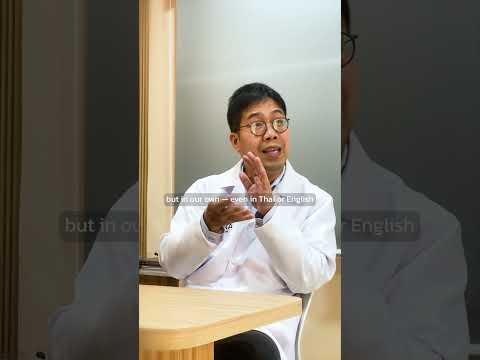
Video Chapters & Quick Navigation
The Paradigm Shift: Why Athletes Are Turning to Regenerative Medicine
For decades, the standard protocol for severe sports injuries has been a predictable and often frustrating cycle: initial trauma, heavy reliance on anti-inflammatory medications, invasive reconstructive surgery, and finally, months of grueling physical therapy. Athletes at both the professional and amateur levels have historically been forced to accept this as the only viable path to return to their sport. However, the immense physical toll of invasive procedures, coupled with the high risk of developing debilitating scar tissue, has sparked a massive demand for more advanced, biologically harmonious alternatives.
This is precisely where regenerative medicine and stem cell therapy for sports injuries have completely revolutionized the orthopedic landscape. Rather than simply cutting away damaged tissue or replacing it with synthetic materials, regenerative medicine seeks to fundamentally heal the structural damage at a microscopic, cellular level. By utilizing mesenchymal stem cells (MSCs)—which have the unique biological ability to differentiate into various types of musculoskeletal tissues—medical professionals can directly target the exact site of the injury.
When these powerful cells are introduced into an injured area, they act as the body's natural construction managers. They release essential growth factors, cytokines, and powerful anti-inflammatory proteins that orchestrate a highly coordinated healing response. For an athlete whose entire livelihood and passion depend on physical mobility, this means preserving the natural biomechanics of their joints and avoiding the permanent alterations that often accompany traditional surgical interventions. The shift toward non-surgical treatment for athletic injuries is not merely a passing trend; it represents the future standard of elite sports medicine.
Healing Joint Injuries: Meniscus Tears and Osteoarthritis Recovery
One of the most prevalent and career-threatening categories of sports trauma involves the major joints, particularly the knees. As highlighted in the video at [00:15], joint injuries like meniscus tears and severe osteoarthritis are incredibly common among athletes who subject their bodies to constant high-impact forces, sudden directional changes, and repetitive stress.
The Challenge of Avascular Joint Tissues
The central medical challenge with cartilage and meniscus injuries is their distinct lack of blood supply, clinically known as being avascular. Because blood flow is the primary delivery system for the oxygen, nutrients, and immune cells required for tissue repair, a torn meniscus or degraded articular cartilage practically cannot heal on its own. Traditional arthroscopic surgery typically involves trimming away the torn portion of the meniscus. While this may provide temporary pain relief, removing this vital shock-absorbing tissue dramatically accelerates bone-on-bone friction, inevitably leading to early-onset osteoarthritis.
Regenerating Cartilage with Stem Cells
Stem cell treatments for meniscus tear recovery offer a profound alternative by directly addressing the root cause of the structural deficit. When stem cells are precisely injected into the damaged joint capsule using advanced ultrasound or fluoroscopic guidance, they begin the complex process of cellular regeneration. These cells have the potential to differentiate into chondrocytes, which are the specialized cells responsible for producing and maintaining the cartilaginous matrix.
Furthermore, the potent anti-inflammatory properties of stem cells actively suppress the toxic, degradative enzymes that flood an injured joint. By reducing this hostile internal environment, stem cells not only promote the synthesis of new, healthy cartilage but also provide substantial and lasting pain relief. Athletes suffering from degenerative joint disease can experience significantly improved mobility and a drastic reduction in joint stiffness, allowing them to resume high-intensity training with restored biomechanical integrity.
Repairing Ligaments and Tendons: Rotator Cuff and ACL Regeneration
Beyond the joints themselves, the fibrous connective tissues that hold the skeletal system together are highly susceptible to traumatic rupture. At [00:33], the video points out that injuries to ligaments and tendons, such as devastating rotator cuff tears in the shoulder or Anterior Cruciate Ligament (ACL) tears in the knee, are frequent setbacks that can derail an athlete's entire season.
The Limitations of Surgical Reconstruction
An ACL rupture is widely considered one of the most feared injuries in sports. Standard surgical reconstruction requires harvesting a tendon graft from the athlete's own body (often the patellar or hamstring tendon) or using a donor graft, drilling tunnels into the femur and tibia, and anchoring the new tissue in place. This traumatic surgical process requires a staggering nine to twelve months of grueling rehabilitation. Even after full clearance, many athletes report persistent weakness, altered proprioception, and a high rate of re-rupture or contralateral injury.
Accelerating Connective Tissue Healing
Regenerative medicine is providing an incredibly promising alternative to ACL surgery for athletes, particularly for partial tears and high-grade sprains. Stem cells introduced directly into the micro-tears of a ligament or tendon work to drastically accelerate the healing timeline. Tendons and ligaments are primarily composed of tightly organized collagen fibers. When these tissues tear naturally, the body often repairs them haphazardly with fibrotic scar tissue, which is significantly weaker and far less elastic than the original tissue.
Stem cell therapy directly combats this flawed healing mechanism. The biological signals emitted by the stem cells actively reduce unnecessary scar formation and promote the organized, linear alignment of new collagen fibers. This ensures that the newly healed ligament retains its original tensile strength and crucial flexibility. For an athlete, improving the actual quality of the healed tissue means a vastly reduced likelihood of suffering a recurring injury in the same location, safely speeding up their total recovery time.
Accelerating Muscle Strain and Tear Recovery Naturally
Muscular injuries are the daily reality of competitive sports. From explosive sprinters tearing their hamstrings to tennis players suffering severe calf strains, muscle trauma is practically unavoidable. As noted at [00:48], severe muscle strains and deep tissue tears can drastically set athletes back, often requiring weeks of complete immobilization and rest.
The Danger of Intramuscular Scarring
When a muscle belly is torn forcefully, blood instantly rushes into the void, causing massive localized swelling and hematoma formation. While standard protocols like RICE (Rest, Ice, Compression, Elevation) aim to manage the immediate symptoms, they do very little to influence the actual cellular repair of the muscle fibers. The true danger of a severe muscle strain is the formation of dense intramuscular scar tissue. Because scar tissue does not contract or stretch like normal muscle fibers, it creates a rigid weak point within the muscle chain, making it highly susceptible to future tearing during explosive movements.
Regenerating Healthy Muscle Fibers
By utilizing advanced stem cell therapy to accelerate muscle tear recovery, sports medicine physicians can intervene at the exact site of the myofibril damage. Stem cells interact synergistically with the body's resident satellite cells—the innate cells responsible for muscle growth and repair. This interaction supercharges the regeneration of healthy, contractile muscle fibers rather than settling for rigid fibrotic patching.
Furthermore, the robust immunomodulatory effects of stem cell injections rapidly clear out the excessive, damaging inflammation that prolongs the acute injury phase. Because the newly generated tissue perfectly mimics the athlete's original muscle structure, flexibility and explosive power are fully restored. Muscles heal significantly faster and with a much higher degree of functional integrity, allowing athletes to confidently return to their intense training blocks much sooner than standard rest would allow.
Overcoming Back Pain and Spinal Injuries in Sports
The human spine is subject to immense axial loading and rotational torque across almost all athletic disciplines. Whether it is a golfer rotating powerfully through a swing, a weightlifter executing a heavy squat, or a gymnast absorbing harsh landings, the vertebrae and the soft intervertebral discs take relentless punishment. At [01:03], the video emphasizes that chronic back pain and specific spinal injuries, such as debilitating herniated discs, are major concerns that can permanently end an athletic career.
The Epidemic of Degenerative Disc Disease
Intervertebral discs act as the crucial shock absorbers of the spine. Over time, or through acute trauma, the tough outer layer of the disc (the annulus fibrosus) can tear, allowing the jelly-like inner core (the nucleus pulposus) to bulge or herniate outward. This directly compresses highly sensitive spinal nerves, resulting in excruciating localized back pain, numbness, and radiating nerve pain down the legs (sciatica). Traditional treatments usually range from temporary epidural steroid injections—which only mask the pain and can actually degrade tissue over time—to highly invasive spinal fusion surgeries that permanently destroy the spine's natural mobility.
Restoring Spinal Disc Hydration and Structure
Stem cell therapy for spinal disc injuries offers a profound, non-surgical solution that addresses the physical degeneration of the disc itself. When precisely delivered into the damaged intervertebral disc space, stem cells work actively to restore crucial hydration and structural volume to the dehydrated nucleus. They aid in repairing the microscopic fissures within the torn outer annulus, effectively sealing the disc and relieving the agonizing pressure on the adjacent spinal nerves.
By actively assisting in the regeneration of these complex spinal structures, regenerative medicine restores essential core mobility and spinal stability. Athletes can effectively reduce or completely eliminate their chronic nerve pain while safely avoiding the permanent biomechanical restrictions associated with invasive spinal fusion. This leads to a safely accelerated recovery timeline, allowing competitors to get back to their sport with a fortified, pain-free central axis.
Beyond Recovery: Enhancing Overall Athletic Performance and Longevity
While regenerative medicine is most famous for its remarkable ability to heal severe acute trauma, its application in proactive sports medicine is rapidly expanding. As highlighted at [01:21], advanced stem cell therapy isn't merely about reactive recovery; it is becoming a highly utilized tool to organically enhance overall athletic performance and dramatically extend career longevity.
High-performance training inevitably results in systemic micro-trauma across the entire musculoskeletal system. Over the course of a long competitive season, this continuous, low-level damage accumulates, leading to chronic systemic inflammation, nagging tendinopathies, and a gradual decline in explosive power. By utilizing targeted regenerative therapies proactively, sports physicians can effectively address this underlying micro-trauma before it manifests into a catastrophic, season-ending macroscopic tear.
Stem cells help heavily stressed connective tissues rebuild stronger and thicker than before, enhancing the overall resilience of the athlete's kinetic chain. By naturally strengthening vulnerable tendons, regenerating heavily worn articular cartilage, and optimizing the cellular environment to fight systemic fatigue, this therapy drastically reduces the statistical risk of future re-injury. For the elite competitor, maintaining sustained peak performance without the continuous reliance on damaging chemical anti-inflammatories represents the ultimate competitive advantage.
The Unmatched Benefits of Stem Cell Treatments for Sports Injuries
When evaluating the absolute best path forward for sports injury recovery, athletes and their coaching staffs must weigh the risks, downtimes, and long-term implications of their medical choices. Outlined clearly at [01:34], stem cell therapy offers several incredibly potent benefits that traditional surgical modalities simply cannot match.
- Minimally Invasive Outpatient Procedure: Unlike open orthopedic surgery, stem cell treatments are entirely needle-based. There are no massive incisions, no bone drilling, no general anesthesia risks, and no prolonged hospital stays required. Athletes can often walk out of the clinic the very same day.
- Drastically Reduced Recovery Time: Because there is no collateral surgical trauma to heal from (such as severed muscles to reach a joint), the body focuses 100% of its energy on repairing the actual injury. This can shave crucial months off an athlete's rehabilitation timeline, allowing for a much faster return to full-contact sport.
- Elimination of Pharmaceutical Reliance: Chronic injuries often lead to a dangerous, long-term reliance on prescription painkillers, NSAIDs, or repeated corticosteroid injections. By naturally healing the underlying structural damage and eliminating the biological source of the pain, regenerative therapy removes the need for these potentially harmful, performance-dulling medications.
- Promotion of Long-Term Joint Health: Traditional surgeries like meniscectomies mathematically guarantee future joint degradation. Stem cell therapy actively fights the progression of degenerative diseases, maintaining the healthy, natural biomechanics of the joint for years to come, long after the athlete's competitive career has ended.
Comprehensive Comparison: Traditional Surgery vs. Stem Cell Therapy
To fully grasp why this modern medical shift is happening so rapidly among elite sports organizations, it is helpful to look at a direct, side-by-side comparison of standard orthopedic surgery versus advanced regenerative stem cell protocols.
| Feature / Consideration | Traditional Orthopedic Surgery | Regenerative Stem Cell Therapy |
|---|---|---|
| Invasiveness & Trauma | Highly invasive. Requires incisions, general anesthesia, and often involves removing or permanently altering existing tissue. | Minimally invasive. Performed via precise image-guided injection using local anesthesia in an outpatient setting. |
| Expected Recovery Timeline | Prolonged. Often requires 6 to 12 months of intense, painful physical rehabilitation to regain baseline function. | Accelerated. Many athletes experience significant relief within weeks and return to targeted sports training within a few short months. |
| Tissue Healing Quality | Often relies on patching or replacing tissue, leading to dense scar tissue formation which reduces natural flexibility and strength. | Promotes genuine cellular regeneration, resulting in healthy, organized tissue fibers that closely mimic the body's original structure. |
| Long-Term Biomechanics | Permanently alters the natural kinetic chain, significantly increasing the risk of adjacent segment disease or early osteoarthritis. | Preserves the original anatomical structures, actively fighting degenerative disease and maintaining long-term, natural joint health. |
As the rigorous clinical science surrounding regenerative therapies continues to advance rapidly, it is becoming abundantly clear that cutting edge biological treatments hold the key to revolutionizing athlete recovery. By focusing intensely on true, cellular-level healing rather than outdated mechanical fixes, stem cell therapy is fundamentally changing the way sports injuries are viewed and treated. From the weekend warrior battling chronic joint pain to the elite professional striving to maintain their ultimate peak performance, regenerative medicine offers a powerful, scientifically backed pathway to faster, stronger, and more resilient healing.
Ready to Accelerate Your Athletic Recovery?
Don't let a severe sports injury or the fear of invasive surgery keep you permanently sidelined. PlacidWay Medical Tourism connects you with the world's most elite, top-rated regenerative medicine clinics, offering highly advanced stem cell therapy packages for athletes. Take control of your healing process today.
GET A FREE CONSULTATION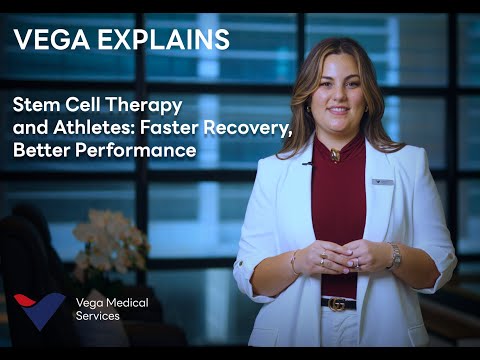





.png)
.png)





.jpg)
.jpg)
.jpg)
.jpg)








Share this listing