


Osteoporosis silently weakens the skeletal system, leaving millions vulnerable to debilitating fractures. For decades, patients have relied on traditional medications that merely slow bone loss rather than actively rebuilding what was lost. Today, stem cell therapy for osteoporosis is generating profound interest as a revolutionary approach to actively regenerate damaged bone tissue. By harnessing the body's natural cellular healing mechanisms, this innovative regenerative medicine aims to restore structural integrity and dramatically improve bone density. Watch the video to explore how stem cells could completely transform the future of skeletal health and fracture prevention.
Video Chapters & Quick Navigation
Understanding Osteoporosis: The Silent Bone Disease
Osteoporosis is widely regarded as a silent epidemic that progressively deteriorates the structural integrity of the human skeleton over time. As highlighted in the video at [00:09], we are exploring how stem cells may help with this pervasive condition that weakens bones and makes them significantly more prone to fractures. Unlike other chronic illnesses that present clear warning signs, osteoporosis develops asymptomatically over decades. Patients frequently remain completely unaware of their declining bone mineral density until a catastrophic event occurs.
Often, the first indicator of this condition is a severe bone fracture resulting from a minor fall, a simple bending motion, or even a sudden cough. These fragility fractures most commonly occur in the hip, spine, and wrist, leading to profound losses of mobility and independence. At [00:18], the presentation explicitly notes that osteoporosis is a condition causing bones to become excessively fragile and weak. It is particularly common in older adults, heavily increasing the overarching risk of life-altering fractures.
The societal and economic burdens of managing osteoporotic fractures are staggering, driving the medical community to seek more robust, permanent solutions. Treating fractures in elderly patients often involves complex orthopedic surgeries, lengthy hospital stays, and extensive physical rehabilitation. Because of the compromised state of osteoporotic bone, surgical hardware like screws and plates often fail to anchor securely, complicating the healing process. This pressing medical need has accelerated interest in advanced bone regeneration techniques that can fortify the skeletal structure before irreversible damage occurs.
The Biological Mechanics of Bone Loss
To fully appreciate the revolutionary potential of regenerative medicine, one must first understand the microscopic biological processes that dictate bone health. The human skeleton is not a static, lifeless structure; rather, it is a highly dynamic, living tissue that undergoes continuous remodeling throughout a person's life. This delicate biological balancing act relies heavily on two primary types of bone cells. Osteoclasts are specialized cells responsible for resorbing or breaking down old, damaged bone tissue, clearing the way for new growth.
Conversely, osteoblasts are the cellular architects that follow behind the osteoclasts, laying down fresh bone matrix and continually reinforcing the skeletal framework. In a healthy, youthful individual, this cycle of bone resorption and bone formation is perfectly synchronized, ensuring that the skeleton remains dense, resilient, and capable of withstanding significant physical stress. As mentioned at [00:27], the disease occurs when the body either loses too much bone or doesn't make enough new bone. This critical imbalance tips the scales heavily toward bone degradation.
As individuals age, particularly post-menopausal women experiencing sharp declines in estrogen, osteoclast activity begins to significantly outpace osteoblast activity. The microscopic architecture of the bone begins to resemble a highly porous sponge with large, fragile gaps. Over time, the internal structural supports—known as trabeculae—thin out and disconnect, drastically lowering the bone's mechanical strength. Without a sufficient population of active osteoblasts to repair these micro-defects, the skeletal system inevitably enters a state of advanced deterioration.
The Limitations of Traditional Osteoporosis Management
For decades, the standard protocol for long-term osteoporosis management has heavily relied on pharmacological interventions designed to manipulate the bone remodeling cycle. The most commonly prescribed class of medications, known as bisphosphonates, work primarily by suppressing the activity of osteoclasts. By deliberately slowing down the rate at which old bone is broken down, these drugs attempt to maintain the current bone density and artificially preserve the existing skeletal architecture.
While these medications have proven statistically effective at reducing short-term fracture risks, they possess significant long-term limitations that highlight the need for alternative approaches. Suppressing natural bone turnover for extended periods can inadvertently lead to the accumulation of old, micro-damaged bone that becomes brittle over time. In rare but severe cases, patients on long-term bisphosphonate therapy have experienced atypical femoral fractures and osteonecrosis of the jaw, presenting complex clinical challenges for healthcare providers.
Furthermore, traditional medications fundamentally fail to address the core issue of diminished bone formation. They do not possess the biological capability to generate new, healthy bone tissue or replace the cellular workforce that has been lost to aging. Patients are often left seeking innovative osteoporosis treatments that can actively reverse the disease rather than merely pausing its progression. This vital therapeutic gap is precisely where the promise of regenerative cellular medicine enters the medical spotlight.
| Treatment Category | Primary Mechanism of Action | Major Limitations | Bone Regeneration Potential |
|---|---|---|---|
| Bisphosphonates | Inhibits osteoclast activity to slow bone resorption. | Can cause brittle bones over time; risk of atypical fractures. | Very Low |
| Hormone Therapy | Replaces lost estrogen to balance bone remodeling. | Associated with increased cardiovascular and cancer risks. | Low to Moderate |
| Stem Cell Therapy | Differentiates into osteoblasts to actively rebuild bone tissue. | Currently in research phase; highly complex integration. | Exceptionally High |
What Are Stem Cells and Why Are They Powerful?
To understand the profound shift toward regenerative medicine for weak bones, we must examine the remarkable biological properties of stem cells. Unlike specialized cells that perform a singular function—such as a red blood cell carrying oxygen or a muscle cell contracting—stem cells are fundamentally unspecialized. They act as the body's internal repair system, possessing the extraordinary capability to divide indefinitely and replenish other cellular populations. As the presentation explains at [00:35], stem cells are unique because they have the ability to transform into different types of cells, including highly specific bone cells.
In the context of orthopedic and skeletal therapies, scientists primarily focus on Mesenchymal Stem Cells (MSCs). These adult stem cells are highly multipotent and can be ethically harvested from a patient's own bone marrow, adipose (fat) tissue, or carefully processed umbilical cord tissue. MSCs are the biological precursors to the skeletal system, naturally programmed to differentiate into osteoblasts (bone cells), chondrocytes (cartilage cells), and adipocytes (fat cells). This inherent versatility positions them as the ideal biological tool for structural repair.
Beyond their ability to physically transform into new tissue, mesenchymal stem cells for osteoporosis possess powerful immunomodulatory properties. They can actively communicate with the surrounding cellular environment, reducing chronic inflammation that often exacerbates bone degradation. This dual-action approach—providing both the raw building blocks for new bone and creating a hospitable, anti-inflammatory environment for healing—is what makes regenerative medicine so immensely promising. This unique ability is what makes them a potential tool for regenerating damaged or weak bone tissue, fundamentally changing how we approach structural decline.
The Trophic Effect: Cellular Communication
One of the most fascinating discoveries in stem cell research is that these cells do not always need to permanently engraft into the bone to be highly effective. Stem cells secrete a massive array of bioactive molecules, growth factors, and cytokines into the surrounding tissue—a phenomenon known in molecular biology as the trophic or paracrine effect. These powerful secreted factors essentially serve as chemical messengers that wake up the patient's existing, dormant stem cells. They command the local tissue to accelerate repair, stimulate new blood vessel formation (angiogenesis), and rapidly increase natural osteoblast production.
The Mechanism: How Stem Cells Improve Bone Density
The core objective of utilizing stem cell treatment for bone density is to directly reverse the devastating biological imbalance that causes osteoporosis. By introducing a concentrated population of healthy, robust stem cells into the patient's system, medical professionals aim to aggressively boost the formation side of the bone remodeling equation. At [00:48], the video states that stem cells may help with osteoporosis by physically regenerating bone tissue and measurably improving overall bone density.
When administered specifically to a localized area of skeletal weakness or administered systematically, these therapeutic cells navigate toward sites of tissue damage through a biological homing mechanism. Once they arrive at the micro-fractures and structurally depleted zones, they begin the complex process of cellular engraftment. As highlighted at [00:54], when stem cells are applied, they could help stimulate the rapid growth of new bone while simultaneously acting to strengthen existing bone structures. This dual reinforcement is critical for preventing bone fractures in older adults.
The new osteoblasts generated by the stem cells actively secrete collagen and other vital proteins, laying down a fresh, flexible osteoid matrix. Over time, this matrix calcifies and hardens, successfully filling in the porous gaps left behind by runaway osteoclast activity. This restorative mechanism dramatically enhances the bone's biomechanical strength, restoring its ability to absorb impact and bear weight without shattering. By addressing the root cellular deficiency, regenerative treatments offer a profound paradigm shift from temporary pharmaceutical management to genuine, biological restoration.
Overcoming the Complexities of Stem Cell Integration
Despite the immense biological potential, transitioning this therapy from the laboratory bench to widespread clinical application presents significant medical hurdles. The human skeletal system is a notoriously dense, heavily calcified, and difficult-to-penetrate environment. As the video prudently notes at [01:03], while stem cells may offer incredible benefits, there are undeniable challenges that researchers must meticulously overcome. Simply injecting cells into the bloodstream does not guarantee that they will successfully arrive and survive inside the target bone tissue.
Integrating stem cells into existing bone tissue is a highly complex procedure. The microenvironment of osteoporotic bone is often harsh, characterized by poor blood supply and elevated oxidative stress, which can severely compromise the survival rate of newly introduced stem cells. At [01:07], it is emphasized that integrating these cellular therapies requires precise biological engineering to ensure the cells do not simply die off or migrate away from the treatment site. To combat this, biomedical engineers are developing advanced 3D biocompatible scaffolds that act as a temporary home for the stem cells.
These advanced biomaterial scaffolds, often made from highly porous hydroxyapatite or biodegradable polymers, are surgically placed into weakened bone areas. They provide the necessary physical structure for the stem cells to grip onto, rapidly multiply, and begin synthesizing new bone matrix in a controlled, localized manner. Furthermore, ensuring that these regenerative interventions do not trigger unintended cellular mutations or abnormal tissue growth remains a primary focus of ongoing safety evaluations. The process demands extensive, peer-reviewed research to thoroughly understand how to make it highly effective and completely safe for treating advanced osteoporosis.
- Cellular Survival Rates: Ensuring transplanted cells can survive the hypoxic (low-oxygen) environment of damaged bone tissue.
- Targeted Delivery: Perfecting delivery mechanisms so stem cells migrate exclusively to the areas of lowest bone density.
- Differentiation Control: Guaranteeing that the multipotent cells differentiate exclusively into osteoblasts rather than unwanted fat or cartilage cells within the bone space.
The Current Landscape of Clinical Research
Patients eager to access these advanced treatments often inquire about availability and the current cost of stem cell therapy for bones. It is crucial to understand the regulatory and clinical realities of this emerging medical field. As explicitly stated in the video at [01:18], right now, stem cell therapy for osteoporosis is still firmly entrenched in the rigorous research and clinical trial phase. Global regulatory bodies, including the FDA, strictly mandate extensive, multi-phase human trials to irrefutably establish long-term safety and measurable clinical efficacy.
The data emerging from these preliminary trials is incredibly encouraging for the future of skeletal medicine. Early studies consistently show immense promise, demonstrating noticeable improvements in bone mineral density markers and accelerated fracture healing times in animal models and small human cohorts. However, as noted at [01:23], significantly more comprehensive research is needed to fully understand exactly how stem cells can be optimally utilized across diverse patient populations. Medical professionals are diligently working to standardize optimal cell dosages, refine harvesting techniques, and precisely determine how to apply them for maximum therapeutic impact.
One of the most critical unanswered questions in the scientific community revolves around the longevity of these regenerative effects. Researchers must carefully track clinical trial participants over several years to definitively ascertain what the long-term benefits may be, and whether patients will require periodic booster treatments to maintain their enhanced bone density. Until these large-scale, double-blind trials are successfully concluded and published, wide-scale commercial availability remains appropriately restricted to protect patient health.
Preparing for the Future of Bone Health
While the medical community awaits the final green light for mainstream stem cell integration, patients diagnosed with osteoporosis must remain proactive in their daily structural care. Regenerative medicine will not act as a magic substitute for fundamental skeletal health practices; rather, it will serve as a powerful biological amplifier. Preparing the bodily environment through rigorous nutrition and load-bearing exercise ensures that when stem cell therapies become widely accessible, the patient's system is primed to accept and maximize the regenerative benefits.
Maintaining high circulating levels of Vitamin D, adequate calcium intake, and robust protein consumption remains non-negotiable for providing the raw materials necessary for any future bone synthesis. Additionally, engaging in safe, medically approved resistance training actively signals to the skeletal system that bone density is required, potentially enhancing the homing signals that future stem cell treatments will rely upon. The future of long-term osteoporosis management is undoubtedly shifting toward a highly personalized, regenerative model that addresses the disease at its cellular origin.
Patients navigating the complexities of severe bone loss now have profound scientific reasons to maintain hope for a permanent structural solution. As biomedical engineering, cellular biology, and advanced biomaterials converge, the dream of actively reversing osteoporosis is steadily becoming a tangible clinical reality. By staying deeply informed on the rapid progression of regenerative trials, patients and healthcare providers can prepare to embrace the next great leap in preventing bone fractures and restoring total skeletal resilience.
Explore Advanced Medical Treatments Worldwide
Are you looking for cutting-edge regenerative therapies or world-class medical care? PlacidWay Medical Tourism connects you with top-rated international clinics offering advanced treatments and innovative medical solutions. Discover your options today.
REQUEST FREE INFORMATION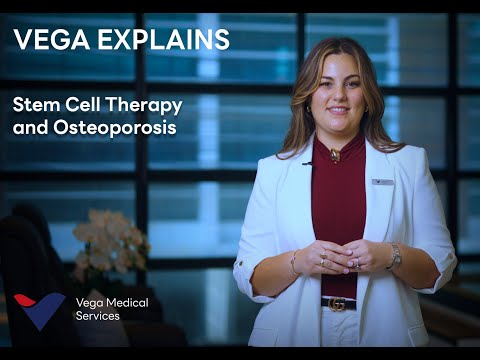

















Share this listing