
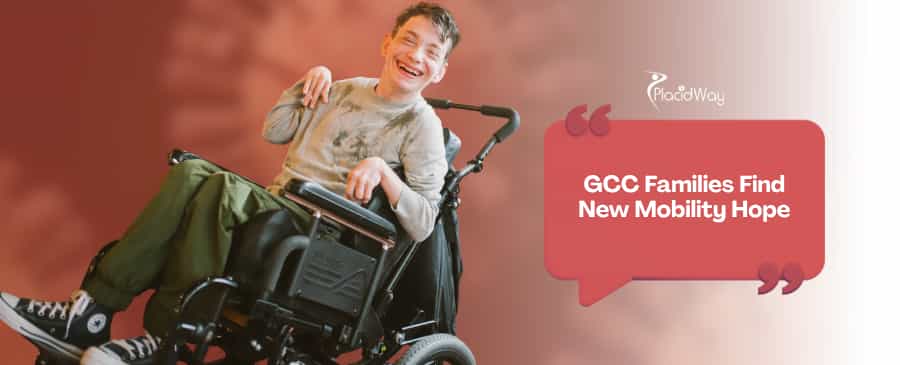
A diagnosis of Cerebral Palsy (CP) marks the beginning of a lifelong journey for families, one filled with profound love, dedication, and an ongoing search for therapies that can improve their child's quality of life. For parents in the Gulf Cooperation Council (GCC) region—including the UAE, Saudi Arabia, Qatar, Kuwait, Bahrain, and Oman—the desire to provide the best possible care often leads them to explore advanced medical treatments beyond their borders.
In recent years, regenerative medicine has emerged as a beacon of hope. Specifically, seeking stem cell treatment for cerebral palsy in Thailand has become a prominent path for families looking for innovative approaches to neurological repair. Thailand has solidified its reputation as a global powerhouse for advanced healthcare, merging cutting-edge biotechnology with renowned hospitality.
However, traveling internationally for pediatric medical care is a monumental decision. It requires balancing hope with rigorous research, understanding complex medical protocols, and managing international logistics. If you are a parent from the GCC considering this pathway, understanding the medical, cultural, and financial landscapes is crucial. Here are seven essential things you need to know before embarking on this medical journey.
1. Understanding How Stem Cells Target Brain Injury, Not Just Symptoms
Traditional therapies for Cerebral Palsy—such as physical therapy, muscle relaxants, and orthopedic surgeries—focus primarily on managing symptoms, preventing deformities, and improving muscular function. While these are critical, they do not address the underlying brain injury that occurred before, during, or shortly after birth.
Stem cell therapy takes a fundamentally different approach. The core philosophy of regenerative medicine is to target the biological environment of the brain. When you consult with a stem cell specialist in Thailand, they will explain that the therapy aims to stimulate the body's natural healing mechanisms through several vital processes:
- Immunomodulation: Cerebral Palsy is often accompanied by chronic neuroinflammation. Stem cells release anti-inflammatory cytokines that help calm the immune system, reducing ongoing damage to neural tissues.
- Paracrine Effect: Stem cells secrete neurotrophic factors—proteins that encourage the survival of existing neurons and promote the growth of new neural connections.
- Angiogenesis: Stem cells can stimulate the formation of new blood vessels, improving blood flow and oxygen delivery to oxygen-deprived areas of the brain.
- Neuroplasticity: By altering the microenvironment of the brain, stem cells help enhance the brain's ability to rewire itself and form new synaptic connections, which is essential for learning new motor and cognitive skills.
It is vital for parents to view stem cell therapy not as a "magic cure" that will reverse CP overnight, but as a biological catalyst. The therapy lays down a healthier neurological foundation, which must then be maximized through intensive physical and occupational therapies.
2. Thailand is Exceptionally Well-Equipped for GCC Families
When considering medical tourism in Thailand, many GCC parents wonder how they will manage the cultural and linguistic differences while caring for a child with special needs. Fortunately, Thailand’s medical sector has spent decades tailoring its services specifically to Middle Eastern patients.
Cultural Sensitivity and Halal Amenities
Bangkok is exceptionally accommodating to the cultural and religious requirements of Arab families. Premium healthcare facilities recognize the importance of providing an environment where GCC patients feel entirely at ease. This includes:
- Language Support: Dedicated Arabic-speaking medical translators who accompany you to all consultations and therapy sessions, ensuring zero miscommunication regarding your child's health.
- Halal Dining: In-patient menus featuring certified Halal cuisine, alongside a wealth of Middle Eastern restaurants located near major medical centers (particularly in the Nana and Sukhumvit areas of Bangkok).
- Prayer Facilities: Clean, quiet prayer rooms equipped with ablution facilities within the hospital complexes.
- VIP Services: Many centers offer dedicated international lounges, airport concierge services, and personal medical coordinators who handle everything from visa extensions to accommodation bookings.
Tens of thousands of patients from the GCC travel to Thailand annually for medical care. The seamless integration of advanced healthcare with warm, respectful hospitality is a cornerstone of Thailand's medical tourism success.
3. The Advantages of Umbilical Cord-Derived Mesenchymal Stem Cells
A major concern for any parent is the nature of the procedure itself. Will it hurt the child? Where do the cells come from? When researching stem cell clinics in Thailand, you will find that the preferred cellular product for pediatric neurological conditions is Allogeneic Mesenchymal Stem Cells (MSCs) derived from Wharton’s Jelly (umbilical cord tissue).
There are profound advantages to using this specific type of stem cell for children with Cerebral Palsy:
- Zero Pain for Your Child: Because the cells are allogeneic (donated), your child does not have to undergo a painful and invasive bone marrow extraction or fat harvesting procedure. The treatment is administered via simple intravenous (IV) drips or intrathecal (spinal) injections under mild sedation.
- High Potency: Stem cells from umbilical cord tissue are "Day Zero" cells. They are young, highly proliferative, and have not been exposed to environmental toxins, aging, or diseases, making them incredibly robust and effective for regenerative purposes.
- Immune Evasion: Wharton’s Jelly MSCs lack certain markers on their surface (MHC Class II), which means they are "immune-privileged." They do not trigger a rejection response in the recipient's body, eliminating the need for tissue matching or immunosuppressive drugs.
4. Strict Medical Regulations and International Quality Standards
Safety is the absolute paramount concern when treating a child. While the field of stem cell therapy is expanding rapidly worldwide, it is crucial to seek treatment in a destination that adheres to strict medical regulations. The Thai Ministry of Public Health and the Thai Food and Drug Administration (FDA) closely monitor cellular therapies.
Furthermore, the top-tier facilities participating in medical tourism in Thailand hold themselves to rigorous international standards. Before choosing a clinic, GCC parents should look for the following safety markers, which reputable Thai clinics proudly demonstrate:
| Safety Standard | Why It Matters for Your Child |
|---|---|
| Rigorous Donor Screening | Mothers donating umbilical cords undergo extensive medical histories and multi-stage blood testing to rule out infectious diseases (HIV, Hepatitis, Syphilis, CMV, etc.) and genetic abnormalities. |
| GMP-Certified Laboratories | Cells are cultivated in Good Manufacturing Practice (GMP) certified clean rooms, ensuring strict sterility and preventing any bacterial or fungal contamination. |
| Viability Testing | Before infusion, the cellular product is tested to ensure a high percentage of the cells are alive, active, and capable of performing their regenerative functions. |
| International Accreditations | Many affiliated hospitals hold Joint Commission International (JCI) accreditation, a global gold standard for patient safety and quality of care. |
5. Stem Cells Are Part of a Larger, Multi-Disciplinary Protocol
A common misconception is that stem cell therapy is merely a series of injections. In reality, the most successful stem cell clinics in Thailand utilize a comprehensive, holistic approach. Stem cells provide the biological "raw materials" for repair, but the brain must be taught how to use them. This requires intensive, specialized rehabilitation.
For a child with Cerebral Palsy, a typical treatment program in Thailand spans two to three weeks and integrates the cellular infusions with a daily regimen of supportive therapies:
Supportive Therapies in Comprehensive Protocols
- Hyperbaric Oxygen Therapy (HBOT): The child breathes pure oxygen in a pressurized chamber. This saturates the blood plasma with oxygen, reducing brain swelling and providing the newly introduced stem cells with the vital oxygen they need to survive, multiply, and differentiate.
- Intensive Physical and Occupational Therapy: Therapists work daily with the child to improve muscle tone, stretch tight tendons, enhance core stability, and teach fine motor skills. The period immediately following stem cell infusion is often a window of heightened neuroplasticity, making physical therapy exceptionally effective.
- Aquatic Therapy: Warm water therapy reduces the pull of gravity, allowing children with severe spasticity to move their limbs more freely and build muscle strength without joint strain.
- Transcranial Magnetic Stimulation (TMS) and Acupuncture: Non-invasive therapies used to stimulate nerve pathways, improve circulation, and help regulate muscle spasticity.
Many parents report that the intensive, multidisciplinary rehabilitation their child receives in Thailand is far more concentrated and comprehensive than the sporadic therapy sessions available in their home countries.
6. Cost-Effectiveness Without Compromising Medical Excellence
Managing the financial aspect of long-term care for a child with CP is a reality for every family. When exploring international options, the stem cell treatment cost in Thailand emerges as a highly compelling factor, particularly when compared to the costs in the United States, Europe, or even local private clinics in the GCC.
While costs vary depending on the child's weight (which determines the cellular dosage required) and the length of the program, treatment packages in Thailand generally range from $20,000 to $35,000 USD. In contrast, similar comprehensive programs in the US or Europe can easily exceed $50,000 to $80,000 USD, often without the inclusion of daily intensive rehabilitation.
What is Typically Included in a Thai Treatment Package?
Thai clinics are known for their transparent, all-inclusive pricing structures, which helps GCC families budget effectively without fear of hidden fees. A standard package usually encompasses:
- Pre-treatment medical evaluations and blood tests.
- The customized dosage of Wharton's Jelly Mesenchymal Stem Cells.
- All medical fees associated with IV or intrathecal administrations.
- Daily supportive therapies (HBOT, Physical Therapy, Occupational Therapy, etc.).
- Consultations with neurologists, pediatricians, and a dedicated stem cell specialist in Thailand.
- VIP airport transfers and daily transport between the hotel and the medical facility.
- Comprehensive discharge reporting and post-treatment follow-up consultations via video call.
7. Thorough Preparation is the Key to a Successful Medical Journey
Traveling from cities like Riyadh, Dubai, Doha, or Kuwait City to Bangkok involves a flight of roughly 6 to 7 hours. While direct flights are frequent and convenient, traveling with a child who has Cerebral Palsy requires meticulous planning. Thorough preparation ensures that your child is comfortable and that the medical team has everything they need to proceed upon your arrival.
Essential Preparation Steps for GCC Parents
- Organizing Medical Records: Gather all of your child’s medical history. This includes recent MRI or CT scans of the brain, EEG reports, detailed notes from their current neurologist and physiotherapist, and a list of all current medications. Most Thai clinics will require these documents in English during the initial consultation phase to determine if the child is a suitable candidate.
- Visas and Medical Documentation: Citizens of many GCC countries can enter Thailand without a visa for short stays, but medical treatment often requires a specific Medical Visa (Non-Immigrant MT). Your chosen healthcare facilitator will provide an official letter of acceptance from the hospital to present to the Thai embassy.
- Fit-to-Fly Certification: Depending on the severity of your child's condition, airlines may require a medical certificate stating the child is fit to fly. Additionally, if your child requires specialized seating, oxygen, or wheelchair assistance at the airport, this must be arranged well in advance.
- Climate and Accommodation Adaptation: Bangkok has a tropical, humid climate year-round. Pack light, breathable clothing for your child. When booking accommodation, utilize your medical coordinator to ensure the hotel or serviced apartment is fully wheelchair accessible, features a kitchenette (if you prefer cooking specific meals), and is in close proximity to the medical center to minimize daily travel stress.
Do not rush the preparation phase. Take the time to conduct detailed video consultations with the medical team in Thailand before booking flights. Clear expectations regarding achievable outcomes are the foundation of a positive medical tourism experience.
Take the Next Step for Your Child's Future
Navigating international healthcare options for a child with Cerebral Palsy can feel overwhelming, but you do not have to do it alone. At PlacidWay, we specialize in connecting GCC families with world-class, fully accredited medical centers globally.
Our dedicated team understands the unique needs of Middle Eastern patients. We coordinate every aspect of your medical travel—from gathering and translating medical records to facilitating initial video consultations with top stem cell specialists, securing transparent cost estimates, and ensuring you receive the highest standard of care and support throughout your entire journey.









.jpg)
.jpg)
.jpg)
.jpg)








Share this listing