


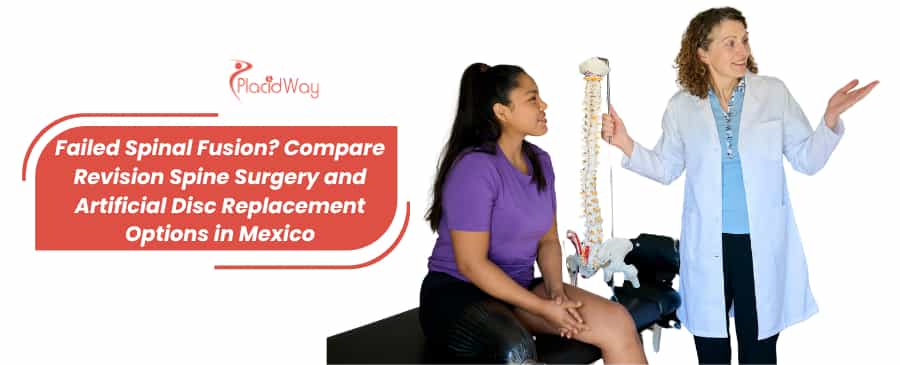
Experiencing persistent back pain after undergoing a complex spinal procedure can be an incredibly discouraging and physically draining ordeal for any patient. When a previous fusion fails to heal properly or achieve the intended stability, it is often classified under the clinical umbrella of Failed Back Surgery Syndrome (FBSS). Fortunately, modern advancements in orthopedic science offer highly viable pathways to restore your mobility and alleviate chronic discomfort. Exploring your therapeutic options internationally provides access to sophisticated care pathways that might otherwise be financially or logistically out of reach.
Before deciding on a corrective course of action, it is essential to understand why your initial surgery did not yield the desired outcomes. Factors such as non-union of the bone, hardware failure, or rapid degeneration of adjacent discs typically play a major role in these complex clinical scenarios. By understanding the underlying biomechanical issues, you can work collaboratively with specialists to determine the most appropriate corrective technique. Choosing the right diagnostic framework is the crucial first step toward reclaiming an active, pain-free lifestyle.
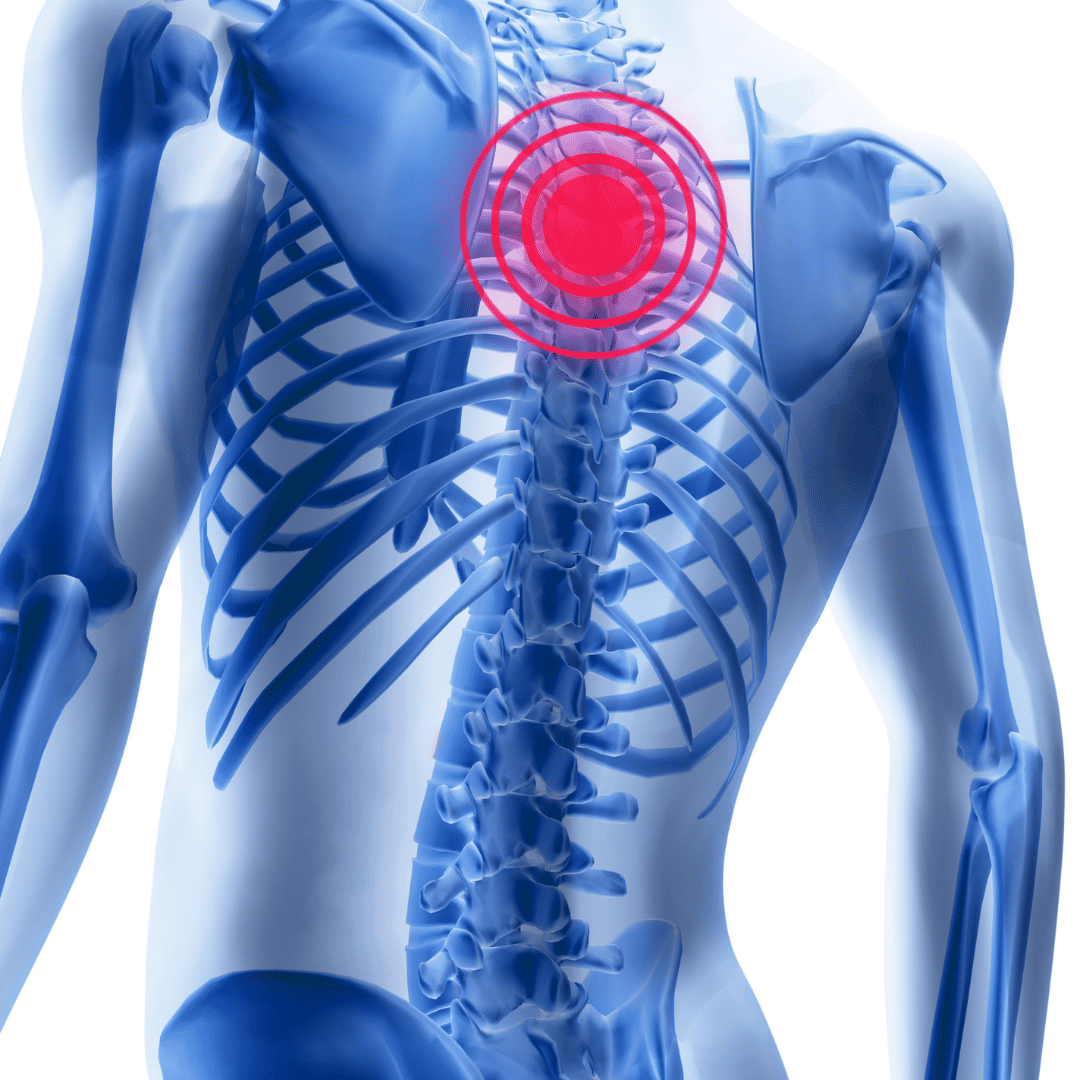
Common Symptoms of a Failed Spinal Fusion:
- Gradual return of dull, aching pain in the lower back or neck area.
- Sharp, radiating pain down the legs or arms, commonly known as radiculopathy.
- Inability to maintain standard posture or stand for extended periods without extreme discomfort.
- New or worsening numbness, tingling, or weakness in the extremities.
- Localized tenderness directly over the previous surgical incision site.
Comparing Revision Spine Surgery and Artificial Disc Replacement in Mexico
When dealing with a compromised initial procedure, patients often find themselves choosing between standard revision spinal fusion and modern motion-preservation techniques. Traditional revision surgeries generally focus on stabilizing the spine by reinforcing or replacing existing hardware and achieving successful bone fusion. On the other hand, artificial disc replacement in Mexico offers an innovative alternative designed to maintain natural spinal flexibility and decrease stress on neighboring levels. Understanding the distinct biomechanical goals of each procedure will help you make an informed decision alongside your medical team.
While a revision fusion is typically recommended when structural instability or severe bone-related issues are present, disc replacement is frequently used to treat adjacent segment disease. Adjacent segment degeneration is a common consequence of spinal fusion, where the joints above or below the fused area wear out prematurely due to increased mechanical load. Fortunately, skilled spine specialists in Mexico can evaluate whether your spinal anatomy is suitable for motion-preserving artificial implants. This comparison is vital to tailoring a personalized treatment plan that aligns with your long-term physical goals.
Revision Spinal Fusion vs. Motion Preservation (ADR)
While standard revision fusion is ideal for restoring structural alignment in patients with severe bone non-union, motion-preserving ADR is exceptionally effective for protecting adjacent vertebral levels. Many patient-centric clinics in Mexico offer hybrid procedures where a lower level is re-fused while the adjacent damaged segment receives a modern artificial disc.
A New Lease on Life: Robert's Recovery Journey
"After my initial spinal fusion in Canada failed to heal, I lived in constant pain for nearly two years. I decided to travel to Mexico for a comprehensive evaluation, where the team performed a revision fusion. Today, I am finally pain-free and able to enjoy long walks with my grandchildren without any limitations."
- Robert T., Canada (Revised Lumbar Fusion in Mexico)
Determining Candidates for Failed Back Surgery Syndrome Options
Not every patient experiencing ongoing discomfort after a spinal fusion is a suitable candidate for a second major surgical intervention. Determining eligibility for **failed back surgery syndrome options** requires an exhaustive clinical workup, including advanced imaging and neurological testing. Surgeons must carefully assess the structural integrity of your vertebrae, the health of your facet joints, and the degree of nerve compression. A meticulous candidate selection process ensures that any secondary procedure has the highest possible chance of achieving long-term success.
While revision spine surgery is frequently recommended for patients experiencing non-union or mechanical hardware failure, artificial disc replacement has stricter eligibility criteria. For instance, patients with severe facet joint arthritis, osteoporosis, or spinal instability are generally not ideal candidates for motion-preserving implants. Understanding these clinical boundaries is essential to preventing complications and ensuring that your spine receives the exact support it needs. Working with an experienced spine team helps clarify which pathway is medically appropriate for your unique skeletal structure.
Primary Contraindications for Artificial Disc Replacement (ADR):
- Significant facet joint degeneration or localized spinal arthritis.
- Severe osteoporosis or osteopenia that compromises bone density.
- Chronic, systemic inflammatory disorders like rheumatoid arthritis.
- Active spinal infections or severe overall health compromises.
- Multi-level spinal instability or structural spinal deformities.
Undergoing a secondary spine surgery without addressing underlying bone density issues like osteoporosis can lead to implant subsidence or revision failure. Always request a DEXA bone density scan before finalizing any revision or disc replacement surgical plans.
Navigating the Revision Spine Surgery Cost in Mexico
One of the most compelling reasons international patients seek orthopedic care abroad is the substantial financial relief it offers. The revision spine surgery cost in Mexico is typically a fraction of what patients are quoted in the United States or Canada. These significant savings allow individuals to access elite surgical care without exhausting their personal savings or facing years of medical debt. By choosing a cost-effective destination, you can focus on your healing process rather than worrying about overwhelming hospital bills.
The dramatic difference in pricing does not reflect a compromise in the quality of medical care, technology, or surgical expertise. Instead, the lower costs are a direct result of Mexico's lower cost of living, reduced administrative overhead, and more affordable malpractice insurance. These economic factors allow world-class clinics to offer competitive, comprehensive packages that bundle all critical medical services. Examining a detailed cost breakdown helps patients understand exactly where their financial resources are being allocated during their medical journey.
| Procedure / Treatment Name | Average Cost in Mexico | Average Cost in US / Canada | Estimated Savings |
|---|---|---|---|
| Revision Spinal Fusion (1-Level) | $14,500 - $22,000 | $65,000 - $110,000 | Up to 75% |
| Artificial Disc Replacement (ADR - 1 Level) | $13,000 - $18,500 | $50,000 - $85,000 | Up to 70% |
| Multi-Level Spine Revision Surgery | $19,000 - $28,000 | $80,000 - $150,000 | Up to 78% |
| Minimally Invasive Decompression (Laminectomy) | $8,500 - $13,000 | $40,000 - $65,000 | Up to 75% |
The Growing Appeal of Medical Tourism in Mexico for Orthopedic Care
Mexico has firmly established itself as a premier destination for global medical travelers seeking high-quality orthopedic and neurological procedures. The country's geographical proximity to the United States and Canada makes it an incredibly convenient choice, eliminating the need for long-haul flights that can exacerbate spinal pain. Major medical hubs such as Tijuana, Guadalajara, and Mexico City offer state-of-the-art facilities equipped with the latest diagnostic and surgical technologies. This accessibility, combined with stellar patient care, has made **medical tourism in Mexico** a trusted path for spinal recovery.
Beyond the convenience of travel, international patients benefit from a healthcare system that prioritizes personalized, compassionate attention. Many Mexican hospitals feature dedicated international patient departments that guide visitors through every stage of their stay, from administrative paperwork to translation services. This holistic approach ensures that traveling patients feel supported, comfortable, and well-informed throughout their medical journey. Embracing this supportive environment allows patients to undergo complex surgeries with peace of mind and confidence in their recovery.
Key Logistical Advantages of Choosing Mexico:
- Short, direct flights from major US and Canadian transit hubs.
- Easy ground border crossings for patients residing in California, Arizona, or Texas.
- Highly streamlined medical visa processes for international visitors.
- Warm, temperate climates that provide a relaxing setting for early rehabilitation.
- Excellent hospitality infrastructure with close proximity to premier surgical centers.
Overcoming Severe Adjacent Segment Disease: Sandra's Success
"After my fusion surgery in Houston, the disc right above it degenerated rapidly, leaving me with excruciating leg pain. I traveled to Tijuana for an artificial disc replacement. The care was outstanding, and being able to drive back to Southern California made the logistics incredibly easy."
- Sandra M., California (Adjacent Level ADR in Mexico)
Evaluating the Quality of Spine Surgery Clinics in Mexico
Selecting a reputable facility is one of the most critical decisions a medical traveler must make when planning a spinal procedure. Leading spine surgery clinics in Mexico adhere to international standards of safety, sterilization, and patient care that mirror those found in top Western hospitals. Many of these elite institutions hold prestigious accreditations from Joint Commission International (JCI) or rigorous national health authorities. By focusing on certified clinics, you ensure that your treatment is conducted in an environment optimized for complex surgical interventions.
These modern clinics are typically equipped with cutting-edge surgical suites, advanced intraoperative imaging systems, and dedicated intensive care units. Furthermore, the supportive medical staff is highly trained in infection control and post-operative nursing care specifically tailored for spinal patients. Researching the physical infrastructure and professional accreditations of your chosen clinic provides peace of mind and minimizes risks associated with surgical travel. A high-quality environment is fundamental to achieving a safe, successful, and uncomplicated spinal revision or disc replacement.
Essential Checklist for Evaluating Mexican Spine Clinics:
- Verify Joint Commission International (JCI) accreditation or equivalent CSG (Consejo de Salubridad General) certification.
- Confirm the presence of modern cleanrooms with laminate airflow systems to prevent post-op infections.
- Inquire if the clinic utilizes advanced intraoperative neuromonitoring (IONM) to protect delicate nerve structures.
- Ensure the facility offers on-site diagnostic tools, such as high-resolution MRI or multi-slice CT scanners.
- Assess the availability of specialized post-operative rehabilitation units within or adjacent to the clinic.
Finding the Best Spine Surgeons in Mexico for Complex Revisions
The success of any revision surgery or complex motion-preservation procedure depends heavily on the skill and experience of the operating specialist. The **best spine surgeons in Mexico** are highly qualified professionals who have completed extensive training at top-tier universities and international fellowships. Many of these doctors hold active memberships in prestigious international organizations, such as the North American Spine Society (NASS). Choosing a board-certified neurosurgeon or orthopedic spine specialist ensures that your complex anatomy is handled with the highest level of clinical precision.
Because revision surgeries require navigating scar tissue from previous procedures, they demand a surgeon with deep experience in corrective spinal biomechanics. Highly skilled specialists in Mexico perform hundreds of these complex procedures annually, allowing them to hone their techniques and manage challenging scenarios effectively. During your initial virtual consultation, a qualified surgeon will analyze your imaging files and explain their proposed approach clearly. Establishing a strong, transparent line of communication with your specialist is key to setting realistic expectations and achieving an optimal clinical outcome.
Important Questions to Ask Your Prospective Spine Surgeon:
- Are you board-certified in orthopedic surgery or neurosurgery by the Mexican Council of Neurological Surgery (CMCN)?
- How many revision spine surgeries and artificial disc replacements have you performed over your career?
- What type of FDA-approved spinal hardware or implant brands do you typically use in your practice?
- Do you have active fellowships or training credentials from institutions in the United States, Europe, or Canada?
- What is your personal success rate and complication rate for patients undergoing secondary spinal interventions?
Comprehensive Diagnostic Protocols Before Spinal Revision in Mexico
A successful revision procedure begins long before you step into the operating room, starting with an exhaustive diagnostic evaluation. To address a failed spinal fusion treatment in Mexico, surgeons rely on high-resolution imaging to pinpoint the exact source of your pain. Advanced diagnostic tools allow specialists to identify subtle issues such as pseudarthrosis, micro-instability, or nerve impingement that may have been missed previously. Having a clear, accurate picture of your spinal biomechanics is absolutely essential to planning a successful surgical intervention.
Fortunately, the process of diagnostic evaluation can often begin remotely through secure digital consultations. Patients can upload their recent MRI scans, CT studies, and detailed medical history files for review by specialist teams in Mexico. This initial digital assessment helps determine whether you are a suitable candidate for travel and what further diagnostic tests will be required upon arrival. Once you reach the clinic, in-person physical examinations and dynamic X-rays will be conducted to finalize your customized treatment plan.
The Pre-Surgical Diagnostic Pathway:
- Digital Consultation: Secure upload of existing MRI and CT scans for remote review by board-certified specialists.
- Clinical Assessment: In-person physical and neurological examination to evaluate reflexes, muscle strength, and nerve function.
- Advanced Imaging: High-resolution dynamic X-rays or weight-bearing CT scans to assess spinal alignment and instability.
- Multi-Disciplinary Review: Collaborative case discussion involving neurosurgeons, orthopedic specialists, and anesthesiologists.
- Finalized Plan: A detailed, transparent presentation of the proposed revision approach and motion-preservation strategies.
A Seamless Diagnostic Experience: David's Perspective
"I was highly impressed by how thoroughly the clinical team in Guadalajara analyzed my previous back surgery records. They found a loose pedicle screw that had been missed by doctors at home, allowing them to target the exact source of my debilitating pain during the revision."
- David K., Ohio (Lumbar Revision Surgery in Mexico)
Post-Operative Rehabilitation and Spine Surgery Recovery in Mexico
The path to long-term spinal health does not end when the surgical incisions are closed; indeed, the recovery phase is equally critical. Achieving optimal spine surgery recovery in Mexico typically involves a structured, multi-phase rehabilitation program tailored to your specific procedure. While patients undergoing artificial disc replacement often experience a rapid return to light activities, those receiving revision fusions require a more cautious, gradual approach to healing. Working closely with specialized physical therapists ensures that your spinal muscles are strengthened safely without compromising the surgical site.
Most international clinics recommend that patients remain in Mexico for 10 to 14 days following major spinal revision surgery to monitor healing. This in-country stay allows the surgical team to perform regular wound checks, manage early post-operative discomfort, and remove any non-dissolvable sutures. Additionally, starting early, low-impact physical therapy under professional supervision helps prevent muscle stiffness and promotes healthy blood circulation. Committing fully to this recovery protocol is essential to protecting your surgical investment and enjoying a return to pain-free daily living.
Typical Recovery Phases Post-Spine Surgery:
- Days 1–3: Gentle mobilization, pain management, and learning safe post-operative transfer techniques.
- Days 4–7: Short, assisted walks and the introduction of basic core-stabilization exercises.
- Days 8–14: Suture removal, final fit-to-fly clinical evaluation, and transition to independent daily living activities.
- Weeks 3–12: Gradual increase in walking distance and initiation of guided outpatient physical therapy at home.
- Months 3–6: Gradual return to standard recreational sports, pending clearance from your primary spine surgeon.
Transparent Risks and Contraindications for Spine Surgery Risks
While modern corrective surgeries offer outstanding potential for pain relief, it is essential to maintain a realistic, transparent view of the associated spine surgery risks, No surgical procedure, especially a complex secondary intervention on the spine, can guarantee perfect results or be entirely free of potential complications. Understanding these variables allows you to make an educated, balanced choice alongside your medical team and take proactive steps to minimize complications. Transparent risk disclosure is a cornerstone of ethical, patient-centered medical tourism and builds deep trust between patients and providers.
Potential complications associated with revision spinal surgery and disc replacement generally include infection, blood clots, hardware displacement, or persistent pain. Furthermore, patients with specific underlying conditions, such as advanced facet joint disease or uncontrolled diabetes, face elevated risks during recovery. By working with highly experienced surgical teams who employ rigorous perioperative protocols, you can significantly reduce the likelihood of these adverse events. Educating yourself on these potential outcomes is key to navigating your surgical journey safely and achieving a highly successful, stable recovery.
| Potential Surgical Risk | Standard Clinical Preventative Measure | Patient Recovery Action Plan |
|---|---|---|
| Post-Operative Infection | Prophylactic IV antibiotics and strict sterile operating room standards. | Keep incision site completely dry and follow strict dressing change protocols. |
| Deep Vein Thrombosis (DVT) | Use of compression stockings and sequential compression devices during surgery. | Begin short, frequent walking sessions starting on the first day post-op. |
| Hardware Failure / Non-Union | Use of high-grade titanium implants and advanced bone grafting materials. | Strictly avoid twisting, bending, or lifting heavy objects during early recovery. |
| Nerve Irritation or Injury | Intraoperative neuro-monitoring (IONM) to track real-time nerve signals. | Report any new numbness or weakness to your surgical team immediately. |
Essential Patient Guide to Preparing for Spine Surgery in Mexico
Proper preparation is the foundation of a smooth, stress-free medical journey for any patient traveling abroad for care. When preparing for spine surgery in Mexico, you must coordinate a variety of clinical, financial, and logistical details before your departure. Gathering your complete medical history, listing all current medications, and arranging for a travel companion are critical early steps. Taking the time to prepare comprehensively helps eliminate unexpected surprises and allows you to focus fully on your physical healing and recovery.
Additionally, you should plan for a comfortable post-operative environment by arranging a supportive hotel or recovery facility for your recovery period. Ensuring you have easy access to nutritious meals, high-speed internet, and reliable local transportation will greatly ease your stress. Discussing your medication management and physical restrictions with your primary doctor back home is also a wise step to ensure seamless continuity of care. By organizing these details in advance, you can step onto your flight with absolute peace of mind and confidence.
Ultimate Pre-Travel Checklist for Spine Surgery:
- Secure copies of all diagnostic CDs, MRI scans, CT reports, and medical histories.
- Arrange for a trusted family member or companion to assist you during travel and early recovery.
- Prepare a list of all prescriptions, over-the-counter medications, and supplements you take.
- Pack loose-fitting, comfortable clothing that is easy to put on and take off post-surgery.
- Confirm your passport is valid for at least six months past your scheduled return date.
A Worry-Free Medical Journey: Arthur's Experience
"Preparing for a revision back surgery in Mexico seemed daunting at first, but following a structured checklist made everything straightforward. The transition from San Diego across the border to the hospital was incredibly smooth and stress-free."
- Arthur L., Washington (Revision Lumbar Surgery in Mexico)
How PlacidWay Connects Patients with Elite Healthcare Providers
Navigating the complex landscape of international healthcare can feel overwhelming, especially when recovering from a previously unsuccessful medical procedure. Knowing how PlacidWay helps medical tourists gives you a reliable, experienced partner to guide you through every clinical and administrative milestone. By connecting patients with vetted, board-certified spine specialists, the platform ensures you receive world-class care designed to restore your functional mobility. This dedicated support simplifies your decision-making process, allowing you to select premier medical services with absolute confidence.
Rather than attempting to manage the entire logistical process independently, patients can rely on structured, professional assistance to bridge the gap between countries. From coordinating diagnostic evaluations to securing written, transparent cost estimates, the platform acts as a dedicated advocate for your healthcare needs. This level of support minimizes administrative hurdles, helping you find elite orthopedic care tailored precisely to your budget and physical goals. Trusting an established medical travel platform is the smartest way to ensure a safe, successful, and stress-free spinal revision journey.
Value-Based Assistance Provided by PlacidWay:
- Facilitates direct connections with highly vetted, board-certified spine surgeons and accredited hospitals in Mexico.
- Coordinates the secure digital transfer of your MRI, CT, and medical history files for comprehensive pre-operative evaluations.
- Provides clear, transparent, and detailed medical pricing packages tailored specifically to your required spinal procedure.
- Offers access to an extensive database of verified patient testimonials, clinical safety histories, and surgeon credentials.
- Assists in establishing clear, direct communication channels between you and your international surgical team.
- Acts as a dedicated patient advocate, guiding you through the initial evaluation, scheduling, and clinical coordination phases.
Frequently Asked Questions About Spine Surgery in Mexico
When considering a complex spinal revision or artificial disc replacement abroad, it is entirely natural to have numerous questions regarding safety, logistics, and outcomes. Seeking answers to **frequently asked questions about spine surgery in Mexico helps demystify the medical tourism process and empowers you to make informed decisions. Addressing these common concerns ensures that you understand the clinical journey from your initial digital evaluation to your final return home. Empowered with accurate information, you can proceed with confidence, knowing you have explored all aspects of your treatment plan.
To support your research, we have compiled detailed, concise answers to the ten most common questions asked by international spine patients. These answers cover a wide range of topics, including medical visas, recovery timelines, insurance coverage, and surgical techniques. By reviewing these responses, you can gain a clearer understanding of what to expect during your time in Mexico and how to plan for a successful outcome. Always remember to discuss these specific clinical aspects with your surgical team during your personalized medical consultations.
Mexico offers access to highly experienced, board-certified spine surgeons and JCI-accredited facilities at a fraction of the cost of US or Canadian healthcare. Additionally, its close proximity makes travel exceptionally convenient, minimizing the physical stress of long-distance transit on a compromised spine.
Typically, patients save between 50% to 75% on procedures like revision fusion or artificial disc replacement in Mexico compared to US market averages. This pricing difference is driven by lower local operating costs, reduced administrative overhead, and more affordable medical malpractice insurance.
While you cannot place an artificial disc directly on an already fused spinal level, you may be a candidate for ADR at adjacent levels suffering from degeneration. A comprehensive evaluation of your MRI and CT scans by an experienced spine surgeon is required to determine your eligibility.
Revision spine surgery carries risks such as post-operative infection, nerve irritation, blood clots, and pseudoarthrosis (non-union of the bone graft). To minimize these complications, top-tier Mexican clinics utilize advanced intraoperative neuromonitoring and enforce strict sterile protocols.
Most spine specialists require international patients to remain in Mexico for 10 to 14 days post-surgery before clearing them to fly home. This critical period allows the surgical team to monitor your wound healing, manage discomfort, and ensure your spine is stable enough for travel.
Standard domestic insurance policies rarely cover planned medical treatments abroad, although some specialized international policies or employers may offer coverage. Most patients choose to pay out-of-pocket and may submit documentation to their insurer for potential reimbursement afterward.
Yes, leading spine specialists in Mexico are fully board-certified by the Mexican Council of Neurological Surgery or Orthopedics and speak fluent English. Many have also completed advanced fellowships or training programs in the United States, Europe, or Canada.
Surgeons in Mexico utilize top-tier, globally recognized implants manufactured from medical-grade titanium, cobalt-chromium alloys, and high-density polyethylene. These advanced materials are designed to mimic natural disc flexibility and resist wear over decades of use.
Most artificial disc replacement patients can begin gentle walking within 24 hours of their procedure and return to light office work within 2 to 4 weeks. However, high-impact activities and heavy lifting must be avoided until specifically cleared by your surgeon, typically around 3 months post-op.
You can securely upload your high-resolution MRI scans, CT reports, and medical histories via encrypted file-sharing platforms or through PlacidWay. This secure digital transmission allows the surgical team to conduct a thorough pre-consultation review of your case.
Final Thoughts on Spinal Fusion and Artificial Disc Replacement in Mexico
Living with persistent back pain from a failed spinal fusion can make daily life feel like an uphill struggle, but hope is far from lost. Exploring advanced orthopedic care pathways, such as corrective revision surgery or motion-preserving disc replacement, represents a pivotal turning point in your physical recovery. Mexico’s combination of elite medical expertise, state-of-the-art accredited facilities, and substantial cost-efficiency offers a highly viable solution for international patients. By choosing a patient-centric, experienced team, you can confidently take the first steps toward a more active, comfortable, and pain-free life.
As you weigh your options, remember that a personalized, expert clinical evaluation is the key to identifying the safest and most effective solution. Every spine is structurally unique, and your corrective path must be tailored precisely to your specific anatomical demands and goals. By partnering with dedicated advocates and board-certified specialists, you ensure that every detail of your journey is coordinated with the highest care. Take the opportunity to consult with leading experts today and begin your transition from chronic pain to renewed physical freedom.
References and Clinical Resources:
Mayo Clinic. (2026). Spinal Fusion Overview. https://www.mayoclinic.org/tests-procedures/spinal-fusion/about/pac-20384523
WebMD. (2026). Understanding Failed Back Surgery Syndrome (FBSS). https://www.webmd.com/back-pain/default.htm
PubMed. (2026). Comparative Efficacy of Adjacent Segment Artificial Disc Replacement vs. Revision Fusion. https://pubmed.ncbi.nlm.nih.gov/?term=spine+surgery+in+Mexico
U.S. Food and Drug Administration (FDA). (2026). Motion-Preserving Spinal Implants and Clinical Approvals. https://www.fda.gov/
.png)






.png)
.png)

.png)





.png)
.png)









Share this listing