
.png)
Contents
Back and neck pain can affect walking, working, sleeping, and everyday activities. When medicines, physical therapy, injections, or other non-surgical treatments no longer provide enough relief, some patients begin exploring spine surgery in Mexico as an alternative to treatment closer to home.
Spine surgery can include procedures such as discectomy, decompression, spinal fusion, disc replacement, scoliosis correction, fracture treatment, or revision surgery. Each requires different imaging, surgical expertise, hospital resources, implants, and rehabilitation.
Patients from the United States, Canada, Latin America, and other regions may consider Mexico based on factors such as treatment access, location, and private healthcare costs. Before choosing a provider, confirm the diagnosis, surgeon’s credentials, hospital, implant details, complication plan, rehabilitation, and follow-up care. Look at the complete treatment plan rather than comparing options by price alone.
A spine surgery package in Mexico may include the surgeon, anesthesia, operating room, hospital stay, implants, imaging, medicines, and early physiotherapy. It may exclude flights, accommodation, extended rehabilitation, special implants, complications, readmission, revision surgery, or care after returning home.
Ask whether the quote describes the same diagnosis, spinal level, technique, implant, hospital nights, and follow-up as the other options.
Compare the packages below by clinical scope, inclusions, exclusions, and complication support.
.png)
Price starting from $10,200
Spinal Stenosis Surgery Package in Tijuana, Mexico by Dra. Brenda Delangel
Ortho Wellness
- Orthopedic/Knee Surgery
Tijuana, Mexico
.png)
Price starting from $9,500
Spine Herniated Disk Surgery Package in Tijuana, Mexico by Dra. Brenda Delangel
Ortho Wellness
- Orthopedic/Knee Surgery
Tijuana, Mexico

Price starting from $8,000
Spinal Fusion Surgery Package in Puerto Vallarta, Mexico by Spine Clinic Vallarta
Spine Clinic Vallarta
- Spine Care/Surgery
Puerto Vallarta, Mexico
.jpg)
Price starting from $10,000
Disc Replacement Surgery Package in Puerto Vallarta, Mexico by Spine Clinic Vallarta
Spine Clinic Vallarta
- Spine Care/Surgery
Puerto Vallarta, Mexico

Price starting from $9,000
All-Inclusive Spine Surgery Package in Mexico City, Mexico by CICOVE
CICOVE - Spine Center in Mexico City
- Spine Care/Surgery
Mexico City, Mexico
There is no single accurate cost for spine surgery in Mexico. Selected planning references range from about US$8,000 to US$10,200 for certain listed procedures, while complex deformity, revision, multi-level, or highly instrumented surgery may cost more.
The final quotation depends on the diagnosis, spinal levels, surgical approach, implant or hardware, surgeon, hospital, anesthesia, tests, intensive-care needs, length of stay, rehabilitation, and medical conditions. Ask for a dated, itemized quotation and confirm what happens if the plan changes during surgery.
Compare the costs below with identical procedures, implant details, hospital services, travel expenses, and complication coverage.
Spine Care/Surgery Centers Cost Comparison in Mexico
| Provider | Procedure | Price |
|---|---|---|
| Ortho Wellness | Spinal Stenosis Operation, Spine Care/Surgery | $10200 |
| Ortho Wellness | Herniated Discs Spine Surgery, Spine Care/Surgery | $9500 |
Spine Care/Surgery Cost Comparison in Mexico
| Country | Procedure | Price |
|---|---|---|
| United States | Spinal Fusion Surgery, Spine Care/Surgery | $68000 |
Confirm the exact hospital where surgery will occur. A consultation clinic or medical coordinator may not be the operating facility. Ask for the hospital’s legal name, address, sanitary authorization, emergency and intensive-care capability, imaging, blood-bank access, infection-control procedures, and arrangements for urgent transfer.
If a provider mentions COFEPRIS authorization or another accreditation, request the current document, issuing body, validity, scope, and covered address. Verify the facility and the surgeon separately. Accreditation supports due diligence but does not guarantee a specific result.
Compare the clinics below by facility authorization, safety systems, spine services, emergency support, and follow-up arrangements.

Costamed Medical Group in Playa del Carmen Mexico
Tulum,Cancun,Playa Del Carmen,Cozumel, Mexico

Spine Clinic Vallarta
Puerto Vallarta, Mexico

Ortho Wellness
Tijuana, Mexico

Prothesium Medical Devices - Orthopedic Surgery in Mexico City
Mexico City,Ciudad de Mexico, Mexico

Hospital Velmar
Ensenada, Mexico

CICOVE - Spine Center in Mexico City
Mexico City, Mexico
Useful videos explain the diagnosis, imaging, proposed procedure, hardware or implant, hospital stay, rehabilitation, and warning signs. Prefer content that identifies the doctor, facility, treatment, and publication date.
A testimonial is an individual account, not evidence that the same operation will produce the same result for another patient. Be cautious when videos promise guaranteed relief or omit risks, revision possibilities, and follow-up.
Compare the videos below with medical consultation and written provider information.
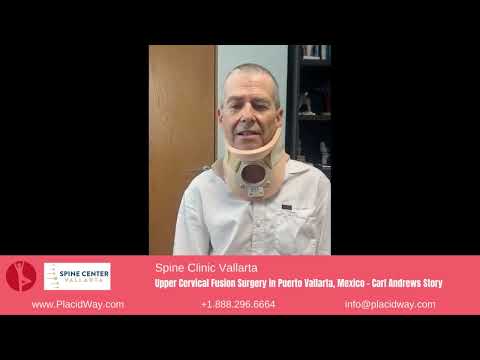

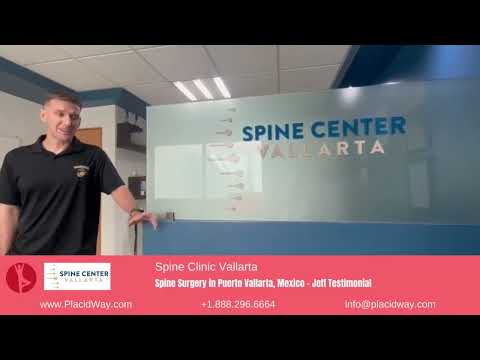


Reviews can help you understand communication, scheduling, language support, transportation, discharge instructions, and responses to questions after surgery. Those practical details matter when recovery takes place outside your home country.
Reviews do not replace procedure-specific outcome data. A patient’s spinal level, diagnosis, health history, operation, surgeon, rehabilitation, and follow-up period may be different from yours.
Compare the reviews below for recurring practical patterns, then verify medical information independently.

How much does spine surgery cost in Mexico?
Selected planning references include about US$8,000 for a spinal-fusion option, US$9,500 for a Tijuana spine listing, and US$10,200 for a Tijuana spinal-stenosis procedure. These are not universal prices. Your quote depends on diagnosis, spinal levels, implants, hospital care, and rehabilitation.
Which spine procedures are available in Mexico?
Patients may compare decompression, discectomy, spinal fusion, disc replacement, fracture treatment, scoliosis correction, minimally invasive surgery, and revision procedures. Availability depends on the hospital and surgeon. Your imaging and diagnosis should determine the procedure rather than the package title.
Is spine surgery in Mexico safe?
No destination can guarantee an individual outcome. Verify the surgeon, hospital authorization, anesthesia, infection control, emergency capability, implant or hardware records, rehabilitation, travel clearance, and follow-up. Discuss your personal risks with a qualified spine surgeon before deciding.
How do I verify a spine surgeon in Mexico?
Request the surgeon’s full name, professional license, specialty credentials, fellowship training, hospital privileges, and experience with your exact procedure and spinal region. Confirm that the doctor you consult is the doctor scheduled to operate.
How do I verify a Mexican hospital for spine surgery?
Ask for the legal hospital name, operating address, current sanitary authorization, emergency and intensive-care arrangements, infection-control information, imaging access, and blood-bank support. If accreditation is claimed, verify its issuing body, validity, scope, and covered facility.
What should a spine surgery package include?
Ask whether the package includes the surgeon, anesthesia, operating room, implants or hardware, tests, hospital nights, medicines, physiotherapy, and follow-up. Confirm exclusions such as flights, hotel, extra nights, complications, readmission, revision surgery, and care after returning home.
How long should I stay in Mexico after spine surgery?
The stay depends on the procedure, wound, pain, mobility, neurological status, medical conditions, rehabilitation, and travel distance. Your surgeon should decide when you are ready to leave the hospital and when you can safely travel.
Can I fly home soon after spine surgery in Mexico?
Travel timing must be individualized because surgery, immobility, and prolonged sitting can increase blood-clot risk. Obtain written clearance based on your wound, mobility, medicines, neurological symptoms, and personal risk. Arrange wheelchair assistance and avoid lifting luggage.
What risks should I discuss before spine surgery in Mexico?
Discuss infection, bleeding, blood clots, anesthesia problems, nerve injury, persistent pain, spinal-fluid leak, non-union after fusion, hardware problems, neurological worsening, and possible revision surgery. Ask how emergencies and complications are managed.
How will follow-up work after I return home from Mexico?
Obtain the operative report, imaging, implant or hardware records, discharge summary, medicines, wound instructions, restrictions, physiotherapy plan, warning signs, and surgeon contact details. Confirm who will coordinate with your local doctor after you return.
How Much Does Herniated Disc Surgery Cost Without Insurance?
The cost of herniated disc surgery without insurance varies widely depending on the surgical technique and medical complexity. International provider-listed packages generally range from approximately $5,000 for selected procedures to around $15,000 for more advanced spine surgery packages. Key Takeaways: Uninsured Spine Surgery Costs High Domestic Expenses: Uninsured patients facing herniated disc surgery cost without insurance in North America frequently encounter itemized hospital bills exceeding $30,000 for standard outpatient microdiscectomies. Procedure Variability: Pricing depends heavily on surgical complexity, ranging from minimally invasive decompressions to multi-level spinal fusions or artificial disc replacements. Substantial Global Savings: Exploring medical tourism in Mexico allows self-pay patients to access board-certified spine specialists while saving 50% to 70% on total procedure expenses. Credential Verification: Uninsured patients must verify surgeon licensing—such as checking a specialist registration through national medical boards—and confirm facility accreditations. All-Inclusive Bundles: International self-pay packages combine surgeon fees, facility charges, anesthesia, and initial rehabilitation into transparent single-price quotes. What Is the Average Herniated Disc Surgery Cost Without Insurance in the US? Out-of-pocket costs for uninsured spine surgery in United States hospitals range from $15,000 for outpatient microdiscectomies to over $75,000 for multi-level fusions. Navigating the financial burden of spinal pathology without health coverage presents a major challenge for self-pay individuals. When evaluating the financial impact of herniated disc surgery cost without insurance, patients must contend with unnegotiated master facility fees, independent anesthesiologist billings, and separate surgeon remuneration. Consequently, individuals suffering from debilitating nerve compression, sciatica, or severe disc herniation face significant out-of-pocket liabilities. A standard outpatient microdiscectomy or lumbar laminectomy performed in a US private surgical center typically commands self-pay pricing between $15,000 and $35,000. However, if chronic disc degeneration requires structural stabilization via spinal fusion or artificial disc replacement, the overall expenses increase substantially. Inpatient hospital accommodations, intraoperative neuromonitoring, and specialized titanium hardware contribute heavily to final bill totals. Because domestic hospitals bill unhedged retail rates to uninsured patients, financial counselors often recommend negotiating bundled cash rates or applying for hospital charity care programs prior to scheduling elective interventions. Did You Know? Hospital facility fees often account for more than 60% of an uninsured patient's total surgical bill in the United States, covering operating room time, specialized nursing, and sterile surgical supplies. How Do Costs Vary Across Different Types of Herniated Disc Procedures? Surgical pricing varies widely by technique, ranging from $15,000 for microdiscectomies to over $75,000 for complex fusion procedures when paying out-of-pocket. Spine surgery encompasses several surgical techniques tailored to the specific degree of disc herniation and nerve root compression. Minimally invasive decompression procedures, such as a microdiscectomy or endoscopic discectomy, remove only the herniated fragment pressing against the spinal nerve, requiring minimal hardware and short recovery times. When assessing a spine surgery cost in Mexico or domestic clinics, patients must differentiate between simple decompression and fusion surgery. If a damaged disc requires total removal and replacement with an artificial disc or stabilization through spinal fusion, the procedure complexity and implant costs drive up overall expenditures. The comparative table below outlines estimated self-pay pricing for common herniated disc interventions across domestic and international healthcare destinations: Surgical Procedure Type US Out-of-Pocket (Est.) Mexico Out-of-Pocket (Est.) Turkey Out-of-Pocket (Est.) India Out-of-Pocket (Est.) Microdiscectomy $15,000 - $30,000 $6,000 - $9,500 $5,500 - $8,500 $4,500 - $7,000 Endoscopic Discectomy $18,000 - $35,000 $7,000 - $11,000 $6,000 - $9,500 $5,000 - $8,000 Anterior Cervical Discectomy and Fusion (ACDF) $35,000 - $60,000 $11,000 - $16,000 $9,500 - $14,000 $7,000 - $11,000 Artificial Disc Replacement $50,000 - $85,000 $13,500 - $20,000 $11,000 - $17,000 $8,000 - $13,000 What Expense Breakdown Factors Drive Up Uninsured Spine Surgery Costs? Cost drivers include facility operating fees, specialist surgeon compensation, anesthesia services, diagnostic imaging, and specialized surgical hardware. Understanding how hospital billing structures operate helps self-pay patients analyze medical estimates accurately. When paying out-of-pocket without insurance, expenses are divided into several distinct categories: Surgeon & Specialist Fees: Professional compensation for the primary spine surgeon, surgical assistants, and intraoperative monitoring technicians. Hospital Facility Charges: Operating room duration fees, sterile instrument processing, recovery room utilization, and specialized nursing care. Anesthesia Services: Charges billed by attending anesthesiologists based on surgical duration and physiological monitoring requirements. Surgical Hardware & Implants: Titanium plates, interbody fusion cages, pedicle screws, or artificial disc devices utilized during stabilization procedures. Diagnostic Imaging & Labs: Pre-operative MRI scans, CT evaluations, baseline blood panels, and intraoperative fluoroscopy. Important Consideration Patients evaluating a spine surgery clinic in Mexico or domestic facilities should always request a comprehensive, all-inclusive price quote to avoid unexpected separate billings from assistant surgeons or pathology labs. How Much Can Patients Save by Choosing Spine Surgery Overseas? Selecting international medical treatment delivers typical cost savings of 50% to 80%, reducing total out-of-pocket expenses to between $5,000 and $20,000. Because self-pay spine surgery expenses in North America can create severe financial hardship, thousands of uninsured patients explore global medical destinations. Countries such as Mexico, Turkey, Thailand, and India feature modern hospitals equipped with advanced neurosurgical microscopes, high-definition endoscopic towers, and laminar airflow operating rooms. Investigating the spine surgery cost in Turkey or evaluating options through medical tourism in Mexico reveals that international hospitals provide comprehensive surgical packages at a fraction of domestic prices. Lower regional operating costs, reduced administrative overhead, and favorable economic structures allow these facilities to offer exceptional care quality without prohibitive self-pay markups. International self-pay packages typically bundle surgeon fees, facility charges, implant materials, diagnostic imaging, inpatient room stays, and airport transportation into a single transparent price. Why Do Patients Consider Medical Tourism in Mexico for Herniated Disc Surgery? Mexico offers North American patients geographic proximity, short travel times, affordable bundled care packages, and experienced bilingual spine specialists. For individuals residing in the United States and Canada, engaging in medical tourism in Mexico provides practical travel convenience paired with advanced clinical infrastructure. Major medical hubs across border regions and cities like Guadalajara, Monterrey, and Mexico City feature modern private hospitals with dedicated orthopedic and neurosurgical wings. Reviewing the typical spine surgery cost in Mexico demonstrates that minimally invasive microdiscectomies and cervical fusions range from $6,000 to $16,000, saving self-pay patients 60% to 70% compared to domestic hospital rates. Choosing treatment in Mexico also helps patients bypass long waitlists common in public healthcare systems. Immediate scheduling for diagnostic reviews and surgical interventions allows individuals dealing with severe nerve pain to receive prompt relief. What Qualifications Should You Verify for an International Spine Surgeon? Verify official national medical licensing, subspecialty fellowship training, surgical case volume, and hospital facility accreditations. Thorough credential verification is essential when planning spine surgery abroad. Patients should confirm that their surgeon holds active medical licensure from their national health registry—such as verifying a specialist's professional registration (cédula profesional) through official government registries in Mexico or national medical councils in other destinations. Subspecialty fellowship training in spine surgery or neurosurgery indicates advanced clinical expertise. Surgeons who regularly perform high volumes of spinal decompressions and fusions demonstrate lower complication rates and superior functional outcomes. In addition, confirm that the treating facility holds international accreditations, such as Joint Commission International (JCI) approval. Accredited hospitals adhere to strict global standards for operating room hygiene, emergency preparedness, and surgical safety protocols. What Are the Financial and Clinical Risks of Uninsured Spine Surgery? Clinical and financial risks include surgical site infection, persistent nerve pain, dural tears, unexpected complication bills, and travel-related deep vein thrombosis. All surgical procedures carry inherent clinical risks, including infection, nerve root irritation, dural tears, bleeding, or incomplete relief of symptoms. For uninsured patients, experiencing a post-operative complication can lead to unexpected financial strain if emergency readmission or revision surgery becomes necessary. When traveling internationally for spine surgery, additional logistical factors must be managed. Long flights increase the risk of deep vein thrombosis (DVT) and pulmonary embolism. International surgical teams mitigate these risks using mechanical compression devices, early mobilization protocols, and prescription anticoagulant medications. Patients can mitigate risks by securing comprehensive medical travel insurance covering surgical complications, remaining near the hospital for 7 to 10 days post-op, and establishing a plan for local follow-up care prior to departure. How Should Uninsured Patients Prepare Financially and Logistically? Preparation involves gathering diagnostic imaging, completing virtual pre-consultations, obtaining written price guarantees, checking travel rules, and organizing local follow-up care. Proper pre-treatment planning helps ensure a smooth recovery and prevents financial surprises. Begin by compiling digital copies of recent MRI and CT scans along with clinical notes from your primary physician. Transmitting these diagnostic files enables international spine specialists to evaluate your condition during remote pre-consultations. Next, request an itemized, written pricing agreement that clearly outlines what is included in your care package. Confirm whether pre-op blood work, diagnostic imaging, hospital room days, anesthesiologist fees, and prescription medications are covered. Finally, verify travel documentation rules, including passport validity and visa requirements based on your citizenship. Arrange for a travel companion to accompany you, and establish connection with a local physical therapist at home to oversee long-term rehabilitation and recovery monitoring. Why Choose PlacidWay for Finding Affordable Spine Surgery Options? PlacidWay connects self-pay patients with accredited global spine centers, providing transparent price comparisons, verified hospital profiles, and direct communication channels. Navigating global healthcare options without insurance can feel complex. PlacidWay serves as a global medical information portal, helping self-pay individuals locate accredited hospitals and connect directly with experienced spine specialists worldwide. 1. Access to Broad Global Healthcare Directories Browse comprehensive profiles of accredited hospitals and specialty spine clinics across Mexico, Turkey, India, and Thailand. 2. Transparent Cost Comparisons Review estimated procedure pricing and package details across multiple destinations to plan your medical travel budget effectively. 3. Direct Medical Facility Communication Connect directly with hospital international patient offices to share medical imaging, request case evaluations, and receive written quotes. 4. Verified Specialist Documentation Examine surgeon background details, subspecialty fellowship histories, and hospital accreditations before booking treatment. 5. Comprehensive Educational Resources Access detailed procedure guides, destination overviews, and planning checklists to support your healthcare journey. Frequently Asked Questions How much does a microdiscectomy cost without insurance in the United States? A microdiscectomy without insurance in the United States typically ranges from $15,000 to $35,000, covering surgeon fees, operating room use, and outpatient hospital charges. Can uninsured patients negotiate hospital prices for herniated disc surgery? Yes, uninsured patients can often negotiate prompt-pay discounts, self-pay bundled rates, or financial assistance directly with hospital billing departments prior to elective surgery. Why is herniated disc surgery significantly cheaper in Mexico? Herniated disc surgery is less expensive in Mexico due to lower operational overhead, favorable administrative structures, reduced malpractice expenses, and favorable exchange rates. What is included in a self-pay medical package for spine surgery abroad? Self-pay international spine surgery packages generally include surgeon fees, operating room charges, anesthesia, hospital room stays, pre-op imaging, and initial physical therapy. How long must a patient stay in Mexico after undergoing herniated disc surgery? Patients are generally advised to stay locally in Mexico for 7 to 10 days following microdiscectomy or spinal decompression to complete initial wound checks and receive travel clearance. Are spine implant systems used in international clinics FDA cleared? Reputable accredited hospitals overseas utilize FDA-cleared or internationally recognized surgical hardware and spinal instrumentation manufactured by leading global medical device companies. What clinical risks are associated with paying out-of-pocket for back surgery? Potential clinical risks include surgical site infection, persistent nerve pain, dural tears, scarring, and the unexpected cost of revision procedures if complications arise. How can self-pay patients verify the credentials of an international spine surgeon? Patients can verify qualifications through official national medical registries, such as checking specialist registration with government health secretariats and confirming board certifications. Does health insurance cover any part of herniated disc surgery performed abroad? Coverage depends entirely on your specific insurance policy provider. Certain international health plans or specialized medical travel policies offer partial out-of-network reimbursement. What post-operative care is needed after returning home from spine surgery? Patients must establish ongoing outpatient physical therapy, suture removal schedules, and clinical follow-up with a local spine specialist or orthopedist in their home country. Compare Self-Pay Spine Surgery Options Worldwide Explore accredited international hospitals, compare transparent procedure estimates, and connect with experienced medical teams. Request Treatment Information References Herniated Disk Overview and Treatment Guidelines – American Academy of Orthopaedic Surgeons (AAOS) Spine Surgery Costs and Financial Drivers – National Center for Biotechnology Information (NCBI) Evaluation of Patient Willingness to Pay for Spine Surgery – PubMed Cost-Effectiveness of Operative vs Non-Operative Spine Treatment – National Center for Biotechnology Information (NCBI) International Health Travel Guidelines – Centers for Disease Control and Prevention (CDC) International Hospital Safety Accreditation Standards – Joint Commission International
What is the Cost of Spinal Stenosis in Puerto Vallarta, Mexico?
Spinal stenosis is a condition where the spaces within your spine narrow, which can put pressure on the spinal cord and the nerves that travel through the spine to your limbs. This narrowing most commonly occurs in the lower back (lumbar spinal stenosis) and the neck (cervical spinal stenosis), leading to symptoms like pain, numbness, weakness, and problems with bladder or bowel control. When conservative treatments like physical therapy, medication, and injections no longer provide relief, surgical intervention may become a necessary consideration. Puerto Vallarta, Mexico, has emerged as a popular destination for medical tourism, offering high-quality spinal stenosis treatment at a fraction of the cost compared to countries like the United States and Canada, without compromising on the standard of care. This blog post aims to provide comprehensive answers to common questions about the cost and various aspects of spinal stenosis treatment in Puerto Vallarta. What is Spinal Stenosis? "Spinal stenosis is a narrowing of the spaces within your spine, which can compress the spinal cord and nerve roots, leading to symptoms such as pain, numbness, or weakness." This condition often develops gradually as part of the natural aging process. Over time, the discs between your vertebrae can degenerate, and bone spurs (osteophytes) may form. Ligaments within the spine can also thicken and harden. These changes reduce the space available for the spinal cord and nerves, causing pressure and irritation. While it can occur anywhere along the spine, it's most common in the lumbar (lower back) and cervical (neck) regions. What are the Common Symptoms of Spinal Stenosis? "Common symptoms of spinal stenosis include pain, numbness, tingling, or weakness in the arms, legs, or back, often worsening with activity and improving with rest or bending forward." The symptoms you experience depend on the location of the spinal stenosis. In lumbar spinal stenosis, you might feel pain, cramping, or numbness in your legs, especially when standing or walking. This is often referred to as neurogenic claudication. Bending forward or sitting down typically provides relief. For cervical spinal stenosis, symptoms may include neck pain, arm numbness or weakness, balance issues, and in severe cases, problems with bowel or bladder control. The progressive nature of the condition means symptoms can worsen over time if left untreated. What are the Non-Surgical Treatment Options for Spinal Stenosis? "Non-surgical treatment options for spinal stenosis in Puerto Vallarta, Mexico, often include physical therapy, medication, epidural steroid injections, and lifestyle modifications, aiming to relieve symptoms and improve function without invasive procedures." Before considering surgery, most patients will explore a range of conservative treatments. Physical therapy plays a crucial role in strengthening back and abdominal muscles, improving flexibility, and promoting better posture. Medications, such as non-steroidal anti-inflammatory drugs (NSAIDs) or muscle relaxants, can help manage pain and inflammation. Epidural steroid injections deliver powerful anti-inflammatory medication directly to the affected area around the nerves, offering temporary relief for many. Additionally, lifestyle adjustments like maintaining a healthy weight, avoiding activities that aggravate symptoms, and using assistive devices can contribute to managing the condition. When is Surgery Recommended for Spinal Stenosis? "Surgery for spinal stenosis is typically recommended when non-surgical treatments fail to provide adequate relief, or when symptoms like severe pain, persistent weakness, loss of sensation, or bowel/bladder dysfunction significantly impact quality of life." The decision to undergo surgery is a significant one and is usually made in consultation with a spine specialist. If conservative methods have been exhausted and symptoms continue to worsen or become debilitating, surgery may be the most effective way to decompress the spinal cord or nerve roots. Red flag symptoms, such as progressive neurological deficits or cauda equina syndrome (a rare but serious condition affecting the nerves at the end of the spinal cord), often necessitate urgent surgical intervention. What Types of Spinal Stenosis Surgeries are Available in Puerto Vallarta? "Common types of spinal stenosis surgeries available in Puerto Vallarta, Mexico, include laminectomy, discectomy, foraminotomy, and spinal fusion, often performed using both traditional open and minimally invasive techniques." Puerto Vallarta's medical facilities offer a range of surgical options tailored to the individual's condition: Laminectomy: This is one of the most common surgeries for spinal stenosis. It involves removing part or all of the lamina (the back part of the vertebra) to create more space for the spinal cord and nerves. Discectomy: If a herniated disc is contributing to the narrowing and nerve compression, a discectomy may be performed to remove the damaged portion of the disc. This can be done as a microdiscectomy, which is a minimally invasive approach. Foraminotomy: This procedure enlarges the neuroforamen, the bony opening where nerve roots exit the spinal canal, to relieve pressure on the nerve. Spinal Fusion: In some cases, particularly if spinal instability is present or if a large amount of bone needs to be removed, spinal fusion may be necessary. This procedure joins two or more vertebrae together to stabilize the spine and prevent motion that could cause pain. Minimally Invasive Spine Surgery (MISS): Many of these procedures can be performed using minimally invasive techniques, which involve smaller incisions, less muscle disruption, reduced blood loss, and often a quicker recovery time compared to traditional open surgery. What is the Average Cost of Spinal Stenosis Surgery in Puerto Vallarta, Mexico? "The average cost of spinal stenosis surgery in Puerto Vallarta, Mexico, typically ranges from $7,000 to $30,000, which is significantly lower than in many Western countries." This broad range reflects the varying types of procedures, the complexity of the case, and the specific medical facility and surgeon chosen. For instance, a simple discectomy might be at the lower end of the spectrum, while a multi-level spinal fusion could be at the higher end. This cost generally includes the surgeon's fees, anesthesia, hospital charges, and basic post-operative care, making it an attractive option for those seeking affordable yet high-quality treatment. How Does the Cost of Spinal Stenosis Treatment in Puerto Vallarta Compare to the US or Canada? "The cost of spinal stenosis treatment in Puerto Vallarta, Mexico, is substantially lower, often 50% to 70% less than comparable procedures in the United States or Canada, where costs can range from $25,000 to over $100,000." Patients from the US and Canada can realize significant savings by choosing Puerto Vallarta for their spinal stenosis treatment. For example, a spinal fusion that might cost $60,000 to $100,000 in the US could be performed for $10,000 to $20,000 in Mexico. These substantial savings are attributed to lower operational costs, competitive market rates, and favorable currency exchange rates in Mexico, without compromising on the quality of medical care. What Factors Influence the Cost of Spinal Stenosis Treatment in Puerto Vallarta? "Several factors influence the cost of spinal stenosis treatment in Puerto Vallarta, Mexico, including the specific surgical procedure, the surgeon's experience, the hospital's reputation, the type of implants used, and the length of hospital stay." Understanding these factors can help patients estimate the total expense: Type of Procedure: As mentioned, a laminectomy will generally cost less than a complex spinal fusion. Severity of Condition: More severe or multi-level stenosis may require more extensive surgery, increasing costs. Surgeon's Expertise: Highly experienced and renowned spine surgeons may charge higher fees. Medical Facility: The reputation and accreditation of the hospital or clinic can affect pricing. State-of-the-art facilities with advanced technology may have higher fees. Implants and Materials: If implants like rods, screws, or artificial discs are needed for fusion or replacement, their quality and brand will influence the overall cost. Anesthesia Fees: The type and duration of anesthesia will contribute to the total cost. Length of Hospital Stay: The number of days spent in the hospital for recovery can impact the overall price. Pre- and Post-Operative Care: This can include diagnostic tests (MRI, X-rays), consultations, medications, and physical therapy sessions. Some packages might include these, while others charge separately. Complications: While rare, unforeseen complications during or after surgery can lead to additional costs. What is Included in a Typical Spinal Stenosis Treatment Package in Puerto Vallarta? "A typical spinal stenosis treatment package in Puerto Vallarta, Mexico, often includes surgeon's fees, anesthesia, hospital facility fees, necessary implants/prostheses, and initial post-operative consultations, but may exclude flights, accommodation, and extended rehabilitation." It's crucial for patients to get a detailed breakdown of what is included in any quoted price. While many packages cover the core medical aspects, additional expenses like flights, airport transfers, hotel or recovery house stays, and extensive post-operative physical therapy might be separate. Always confirm the inclusions and exclusions with the medical provider. What Pre-operative Tests are Required for Spinal Stenosis Surgery? "Before spinal stenosis surgery in Puerto Vallarta, common pre-operative tests include X-rays, MRI or CT scans of the spine to pinpoint the exact location and severity of stenosis, and routine blood tests to assess overall health." These diagnostic imaging studies are essential for the surgeon to accurately plan the procedure. X-rays help assess spinal alignment and stability, while MRI (Magnetic Resonance Imaging) or CT (Computed Tomography) scans provide detailed images of the spinal cord, nerves, and surrounding soft tissues. Blood tests, including a complete blood count (CBC) and coagulation studies, are vital to ensure the patient is a suitable candidate for surgery and to minimize risks. What is the Recovery Time for Spinal Stenosis Surgery? "The initial recovery time for spinal stenosis surgery in Puerto Vallarta typically involves a hospital stay of a few days, with a gradual return to normal activities over several weeks to months, depending on the complexity of the procedure." After surgery, patients usually remain in the hospital for a few days for monitoring and pain management. Physical therapy is often a critical component of the recovery process, beginning shortly after surgery to help regain strength, flexibility, and mobility. Full recovery can take anywhere from a few weeks for minimally invasive procedures to several months for more complex surgeries like spinal fusion. Adhering to post-operative instructions and attending all physical therapy sessions are crucial for optimal outcomes. Are There Any Risks Associated with Spinal Stenosis Surgery? "Like any surgical procedure, spinal stenosis surgery carries potential risks, including infection, bleeding, nerve damage, implant failure, and complications from anesthesia, though these are generally rare and managed by experienced medical teams." While spinal stenosis surgery can significantly improve quality of life, it's important to be aware of potential risks. Surgeons and medical staff in Puerto Vallarta prioritize patient safety and take measures to minimize these risks. Patients are thoroughly evaluated before surgery to ensure they are good candidates, and post-operative care is designed to prevent complications. Open communication with your medical team about any concerns is always encouraged. How Can I Ensure the Quality of Care for Spinal Stenosis Treatment in Puerto Vallarta? "To ensure high-quality care for spinal stenosis treatment in Puerto Vallarta, research accredited clinics, verify the surgeon's credentials and experience, read patient testimonials, and inquire about post-operative support and follow-up care." Puerto Vallarta boasts several internationally recognized medical facilities and highly skilled spine specialists. When considering treatment, it's advisable to: Check Accreditations: Look for clinics with international accreditations, which often indicate adherence to high standards of quality and patient safety. Verify Surgeon Credentials: Research the surgeon's qualifications, board certifications, and experience in performing spinal stenosis surgeries. Read Patient Reviews: Testimonials and reviews from previous patients can provide insights into their experiences with the clinic and surgeon. Inquire About Technology: Ensure the clinic uses modern equipment and surgical techniques. Understand the Care Plan: Discuss the entire treatment plan, including pre-operative assessments, the surgical procedure itself, and detailed post-operative care and rehabilitation. Can I Combine Spinal Stenosis Treatment with a Vacation in Puerto Vallarta? "While Puerto Vallarta is a popular tourist destination, it is generally recommended to prioritize recovery from spinal stenosis treatment, as extensive travel and physical activity immediately after surgery are not advisable." While the idea of combining medical treatment with a vacation might be appealing, the primary focus after spinal stenosis surgery should be on rest and recovery. Most surgeons advise against strenuous activities and long travel immediately post-procedure. However, once cleared by your medical team, enjoying the serene environment of Puerto Vallarta for a peaceful recovery could be an option. It's best to discuss any travel plans with your surgeon. Consider exploring PlacidWay to find solutions tailored to your medical tourism and healthcare needs, including comprehensive options for spinal stenosis treatment in Puerto Vallarta, Mexico.
How Much Does Artificial Disc Replacement Surgery Cost in Mexico?
The artificial disc replacement cost in Mexico typically ranges from $8,000 to $18,000 USD, depending on the surgeon, hospital, implant type and brand, and the number of spinal levels being treated. Key Takeaways Artificial disc replacement aims to preserve spinal motion and reduce adjacent segment disease compared to spinal fusion. Total estimated expenses usually cover surgeon fees, operating room use, standard hospital stays, and the prosthetic device. Patients must plan for a multi-week stay to manage initial wound healing and secure travel clearance. Continuity of care with a local spine specialist back home must be arranged before departure. What factors influence the artificial disc replacement cost in Mexico? The financial commitment for an artificial disc replacement in Mexico typically spans between $8,000 and $18,000 USD, depending on whether the intervention targets the cervical or lumbar spine. When evaluating treatment estimates for artificial disc replacement surgery in Mexico, understanding the breakdown of expenses helps prevent unexpected out-of-pocket costs. Comprehensive medical packages frequently bundle surgeon fees, operating room utilization, standard prosthetic components, nursing care, and a two-to-four-night hospital stay. However, preoperative diagnostic imaging, specialized medications, or extended rehabilitation sessions may require separate financial arrangements. The choice of implant materials and the number of vertebral levels treated also influence the overall price. Multi-level interventions generally increase baseline estimates due to the requirement of additional hardware and increased surgical duration. It is vital to request an itemized billing statement from your chosen artificial disc replacement clinic in Mexico to ensure complete transparency before committing to care. Regional economic factors and competitive private healthcare structures allow hospitals in Mexico to offer advanced surgical care at a fraction of U.S. or Canadian costs. Even so, clinical quality, sterile operating conditions, and surgeon experience should always take precedence over finding the lowest advertised price. Procedure Estimated Cost Range (USD) Included Components & Variables Artificial Disc Replacement in Mexico $8,000–$18,000 Surgeon fees, hospital charges, anesthesia, and artificial disc implant Cervical vs. Lumbar Replacement Varies Lumbar procedures may cost more due to greater complexity and potentially longer hospital stays Single vs. Two-Level Replacement Varies Two-level procedures can cost significantly more because of the additional implant and surgical complexity How does medical tourism in Mexico support spine surgery patients? The structured ecosystem for international patients provides dedicated coordination, multilingual support, and modern clinical facilities equipped for complex motion-preserving spine procedures. Participating in medical tourism in Mexico offers access to internationally accredited medical centers featuring advanced surgical suites and specialized orthopedic units. Many hospitals maintain partnerships with global healthcare networks, ensuring adherence to strict sterilization and patient safety protocols. International patient departments help navigate logistical hurdles by managing medical record translations, scheduling consultations, and organizing accessible accommodation near the treatment center. This administrative support reduces the stress of planning major spine surgery abroad. Nevertheless, you must perform independent research to verify that the chosen facility adheres to rigorous clinical standards. Reviewing institutional accreditations and speaking directly with medical coordinators helps establish transparency before departure. Expert Insight Always request written confirmation detailing whether your quoted medical package covers unexpected revisions, extended hospital stays, or emergency medication requirements. Who is an appropriate candidate for artificial disc replacement? Candidates typically present with symptomatic single-level degenerative disc disease in the cervical or lumbar spine, have failed conservative treatments, and maintain adequate bone density without severe facet joint arthritis. Artificial disc replacement is designed to preserve natural spinal movement and relieve nerve compression when non-surgical options—such as physical therapy, anti-inflammatory medications, and targeted injections—no longer provide relief. Your spine surgeon will evaluate your functional limitations, dynamic imaging scans, and overall health status to determine suitability. Medical conditions such as active systemic infections, severe osteoporosis, spinal instability (spondylolisthesis), or advanced facet joint degeneration generally disqualify a patient from arthroplasty, often steering them toward a traditional spinal fusion instead. Realistic expectations are also crucial. While motion-preserving surgery aims to maintain flexibility, individual recovery timelines and functional outcomes vary depending on patient anatomy and compliance with rehabilitation guidelines. What preoperative diagnostics are required before scheduling surgery? Comprehensive diagnostic testing is mandatory to assess disc pathology, bone mineral density, spinal alignment, and overall physiological fitness for general anesthesia. High-resolution Magnetic Resonance Imaging scans to visualize disc herniation, nerve root impingement, and spinal cord status. Dynamic X-rays taken in flexion and extension to evaluate spinal stability and rule out excessive vertebral slippage. Comprehensive blood panels to screen for infection markers, coagulation parameters, and baseline organ function. Cardiovascular evaluations, including electrocardiograms, to ensure heart stability under anesthesia. Medical clearances from specialists if you manage chronic conditions like diabetes or hypertension. What are the potential risks and complications of artificial disc replacement? Like all major spine interventions, arthroplasty carries inherent medical risks that require careful monitoring, infection control, and strict adherence to postoperative movement restrictions. Deep vein thrombosis represents a primary concern, especially when combining major spine surgery with travel. Preventative measures, including blood thinners, mechanical compression devices, and early ambulation, are routinely prescribed to minimize vascular complications. Infection at the surgical site, dural tears (spinal fluid leakage), or nerve irritation represent other critical risks requiring prompt medical intervention. Patients must maintain strict incision hygiene and report unusual neurological changes immediately. Other potential issues include component migration, implant wear, or heterotopic ossification (abnormal bone growth around the artificial disc). Selecting an experienced spine surgeon and using FDA-cleared or CE-marked prosthetic devices helps mitigate these long-term mechanical risks. Did You Know? Artificial discs are engineered to replicate the biomechanical shock absorption and rotational movement of natural spinal discs, differentiating them from fusion procedures that permanently lock vertebrae together. How should patients plan for post-surgical recovery and travel? A structured recovery timeline is vital. Medical guidelines strictly prohibit immediate air travel, requiring patients to remain near their surgical center for at least ten to fourteen days. The initial days post-surgery focus on acute pain management and early mobilization. Once discharged from the hospital, patients transition to a recovery hotel where light walking and rest continue under professional guidance. Bending, heavy lifting, and twisting the spine must be strictly avoided during this initial healing phase. Before boarding a return flight, your operating surgeon must perform a clinical evaluation to provide formal travel clearance. Travelers should request appropriate seating configurations, maintain hydration, and take frequent breaks during transit. Establishing ongoing rehabilitation with a local physical therapist in your home country ensures continuous progress through core strengthening and stabilization exercises. Why Choose PlacidWay? PlacidWay provides an informative platform designed to help patients research global healthcare providers and compare medical options objectively. Provider Directories Access structured databases of international hospitals and specialized spine centers for independent review. Cost Comparison Review estimated pricing structures across different global regions to manage healthcare budgets responsibly. Direct Communication Connect directly with hospital representatives to ask clinical questions and request detailed treatment estimates. Accreditation Review Evaluate facility credentials and safety standards to support informed medical travel decisions. Educational Resources Explore guides detailing surgical preparation, recovery timelines, and continuity of care requirements. Frequently Asked Questions Are spine surgeons in Mexico qualified to perform artificial disc replacement? Many orthopedic spine surgeons and neurosurgeons in Mexico hold professional licenses and certifications from national medical boards, with several completing international fellowship training. Patients should verify individual credentials and state licensing through official government registries before scheduling care. Is physical therapy included in artificial disc replacement packages in Mexico? Initial inpatient physical therapy during your hospital stay is typically included in standard surgical packages. However, extended outpatient rehabilitation sessions required after discharge usually require separate financial arrangements, so you should clarify this directly with your chosen healthcare provider. Can I fly home immediately after artificial disc replacement surgery in Mexico? Medical guidelines strictly advise against taking long flights immediately following major spine surgery due to the elevated risk of deep vein thrombosis and surgical site strain. Patients generally need to remain near the surgical center for ten to fourteen days before receiving formal travel clearance. What happens if complications arise after returning home from Mexico? You must establish a relationship with a local spine specialist or primary care physician in your home country prior to traveling. Having your complete medical records translated and transferred ensures seamless continuity of care if postoperative issues arise after your return. Are English-speaking medical staff available in private Mexican hospitals? Private medical facilities that cater to international patients usually employ English-speaking physicians, nurses, and dedicated patient coordinators. These professionals ensure clear communication regarding medical instructions, informed consent, and postoperative care. How long does the actual artificial disc replacement surgical procedure take? The surgical procedure itself generally lasts between two and four hours, depending on whether a cervical or lumbar level is addressed and whether single or multi-level intervention is performed. Do I need a special visa to travel for spine surgery in Mexico? Visa requirements depend entirely on your citizenship and current national entry regulations. Many international travelers crossing into Mexico for short-term medical care use standard tourist entry documents, which should be verified well in advance of your travel dates. What is the difference between cervical and lumbar artificial disc replacement cost? Cervical artificial disc replacement procedures in Mexico are generally less expensive than lumbar procedures due to differing anatomical approaches, surgical durations, and implant specifications. What pain management protocols are utilized postoperatively? Hospitals typically employ a multimodal pain management approach, combining oral analgesics, anti-inflammatory medications, and short-term prescription pain relief to keep patients comfortable and facilitate early mobilization. When can a patient resume normal daily activities after artificial disc replacement? Patients are typically encouraged to walk short distances within hours of surgery. However, returning to heavy lifting, strenuous exercise, or demanding physical labor usually takes several months of gradual rehabilitation and core strengthening. Request Treatment Information Review accredited facilities, compare estimates, and connect with medical providers to make an informed decision regarding your healthcare journey. Request Treatment Information References Artificial Disc Replacement in the Lumbar Spine – American Academy of Orthopaedic Surgeons Artificial Cervical Disc Surgery – American Association of Neurological Surgeons Artificial Disc Replacement Overview – Mayo Clinic Medical Tourism Safety Guidelines – Centers for Disease Control and Prevention Patient Safety and Quality Care – World Health Organization International Healthcare Accreditation Standards – ISQua
How do I choose the best hospital for spine surgery in Mexico?
To choose the best hospital for spine surgery in Mexico, prioritize facilities with international accreditations like JCI or CSG. Verify the surgeon's board certifications, review the hospital's specialized equipment, and evaluate their infection rates. Opting for spine surgery in Mexico requires careful research and a strong focus on patient safety. Spinal procedures, ranging from lumbar discectomies to complex multi-level fusions, involve delicate work around the central nervous system. Because of the inherent complexity and risks—such as nerve damage, infection, or hardware complications—selecting a facility equipped to handle high-acuity surgical care is paramount. Navigating the options in another country means you must act as your own advocate. Evaluating a medical facility goes beyond looking at modern aesthetics; it requires an objective assessment of clinical standards, technological capabilities, and multidisciplinary support. This guide explores the critical steps for evaluating and selecting an appropriate facility for your neurological or orthopedic spinal care. Key Takeaways Prioritize hospitals with recognized accreditations (JCI or CSG) that enforce rigorous quality and safety standards. Verify that the operating surgeon holds board certification from the appropriate Mexican medical councils (CONACEM). Ensure the facility houses a fully equipped Intensive Care Unit (ICU) and utilizes advanced neuro-monitoring technology. Evaluate the comprehensiveness of pre-operative testing and strict post-operative recovery protocols. Establish a concrete plan for local medical follow-up in your home country before you decide to travel. What international accreditations should a spine surgery facility in Mexico have? Look for hospitals accredited by the Joint Commission International (JCI) or the Mexican General Health Council (Consejo de Salubridad General, or CSG), which mirror international patient safety standards. Accreditation serves as an objective measure of a hospital’s commitment to quality care, facility safety, and robust clinical protocols. The Joint Commission International (JCI) is widely considered the gold standard for global healthcare evaluation. When a facility earns JCI accreditation, it means they have undergone rigorous audits regarding medication safety, infection control, surgical safety checklists, and emergency preparedness. In Mexico, the national equivalent of the highest tier of accreditation is provided by the Consejo de Salubridad General (CSG). CSG certification criteria are extremely rigorous and closely align with international safety metrics. Facilities that maintain these certifications are required to continuously report on their clinical outcomes and participate in regular, independent evaluations. Choosing a hospital without recognized accreditation severely limits your ability to independently verify their safety protocols. For complex procedures involving the spine, where strict sterile environments and emergency response capabilities are non-negotiable, prioritizing accredited institutions significantly mitigates preventable risks. How can I verify the credentials of spine surgeons in Mexico? Verify that the surgeon is certified by the Mexican Council of Neurological Surgery or Orthopedics, and check for advanced fellowship training in spine surgery. A hospital’s quality is inextricably linked to the expertise of its surgical staff. In Mexico, medical specialties are governed by the Consejo Nacional de Especialidades Médicas (CONACEM). You should specifically request the surgeon’s certification number and verify their standing with the relevant specialty council. Spine surgeons typically come from one of two backgrounds: neurosurgery or orthopedic surgery. Beyond basic board certification, advanced specialized training is critical. Many top surgeons participating in medical tourism in Mexico have completed fellowships (one or two years of dedicated sub-specialty training) in spinal surgery, often at recognized institutions in the United States, Canada, or Europe. This additional training equips them to handle complex biomechanical issues of the spine and intricate neurological decompression techniques. During your research, review the surgeon’s academic background, their membership in international professional organizations (such as the North American Spine Society or the American Association of Neurological Surgeons), and their specific experience with the exact procedure you require. Surgeons should transparently discuss their personal case volumes and success rates, while also clearly outlining the potential for failure or complications. What specialized equipment is necessary for complex spinal procedures? The hospital must be equipped with intraoperative neuromonitoring (IONM), high-resolution C-arm fluoroscopy, surgical microscopes, and specialized spine operating tables. Spine surgery requires a highly specialized technological infrastructure to maximize safety and precision. One of the most critical technologies is intraoperative neuromonitoring (IONM). This system continuously tracks the electrical activity of the spinal cord and nerve roots during the procedure, alerting the surgical team immediately if a nerve is at risk of damage. Operating without IONM during complex fusions or tumor removals significantly increases neurological risks. Additionally, real-time imaging is essential. Hospitals should utilize advanced C-arm fluoroscopy or intraoperative CT scanners (such as an O-arm) combined with computerized neuro-navigation systems. These tools allow the surgeon to precisely place pedicle screws and hardware, verifying optimal positioning before the surgery concludes, thereby reducing the likelihood of hardware misplacement or the need for revision surgery. High-powered surgical microscopes are also fundamental for microsurgical techniques, such as microdiscectomies, allowing for precise decompression of delicate nerve roots while preserving surrounding healthy tissue. When evaluating a facility, ask directly about their access to these specific imaging and monitoring systems. Are there specific questions I should ask during the initial consultation? During consultations, ask about the surgeon’s revision rates, their specific approach to your condition, how they handle surgical complications, and require a transparent breakdown of costs. The pre-operative consultation, often conducted via telemedicine, is your opportunity to interview the surgical team. Prepare a structured list of questions. Ask the surgeon about their specific experience treating your exact pathology (e.g., degenerative disc disease, spinal stenosis, or scoliosis). Request information on their personal infection and complication rates, and inquire how frequently their patients require unexpected revision surgeries. You must also have an open discussion about your eligibility. A responsible surgeon will clearly explain why you might *not* be a good candidate for certain procedures, outline the risks involved, and discuss non-surgical alternatives. If a surgeon guarantees a perfect, pain-free outcome, view this as a significant red flag, as responsible medical professionals recognize that spine surgery outcomes vary from patient to patient. This is also the time to clarify financial expectations. Request an itemized estimate outlining the spine surgery cost in Mexico. Ensure this estimate details hospital fees, surgeon fees, anesthesia, specialized hardware (such as titanium rods or artificial discs), and post-operative medications. Understanding exactly what is and isn't included prevents unexpected financial stress during your recovery. How do Mexican hospitals handle patient safety and infection control? Top hospitals maintain dedicated orthopedic/neurologic operating rooms with positive pressure ventilation and adhere to strict prophylactic antibiotic protocols to minimize surgical site infections. Surgical site infections (SSIs) are among the most serious potential complications following spinal procedures, particularly when implants or hardware are involved. An infection deep within the spine can necessitate prolonged intravenous antibiotics or subsequent surgeries to remove infected hardware. Therefore, assessing a hospital’s infection control measures is critical. Inquire whether the hospital utilizes dedicated operating suites exclusively for clean orthopedic and neurological cases. These specialized rooms should feature positive pressure airflow and High-Efficiency Particulate Air (HEPA) filtration systems designed to minimize airborne pathogens. The surgical staff should strictly adhere to international hand hygiene standards and sterile gowning protocols. Furthermore, standard protocols should include the administration of prophylactic intravenous antibiotics immediately before the surgical incision and for a limited period post-operatively. Accredited hospitals carefully track their SSI rates and should be willing to discuss their ongoing quality improvement initiatives regarding hospital-acquired infections. What role does a multidisciplinary team play in spine surgery? A safe surgical environment relies on a comprehensive team, including neuro-anesthesiologists, internal medicine specialists for pre-op clearance, and in-house physical therapists. Spine surgery is rarely a solo endeavor by the lead surgeon; it requires coordinated care from a multidisciplinary team. Anesthesia for spinal procedures requires specialized knowledge of neurophysiology, particularly when intraoperative neuromonitoring is used, as certain anesthetic agents can interfere with nerve signal readings. A dedicated neuro-anesthesiologist is vital for maintaining physiological stability throughout the operation. Prior to surgery, patients should undergo a thorough evaluation by an internal medicine specialist or cardiologist. This pre-operative clearance assesses cardiac and pulmonary health, ensuring you are fit to undergo general anesthesia and tolerate potential surgical blood loss. This step is non-negotiable for older patients or those with pre-existing conditions like hypertension or diabetes. Post-operatively, the team expands to include pain management specialists and physical therapists. Early, safe mobilization is critical for preventing complications like pneumonia and deep vein thrombosis (DVT). A facility equipped with in-house rehabilitation staff ensures that your recovery begins immediately under supervised, specialized care. How are language barriers managed during medical tourism? Leading facilities feature dedicated international patient departments providing bilingual medical staff and professional translators to ensure complete comprehension of medical consent and instructions. Clear, unambiguous communication between a patient and their healthcare providers is a fundamental component of patient safety. You must be able to accurately articulate your pain levels, understand medication dosages, and fully comprehend informed consent documents before undergoing an invasive procedure. Hospitals that regularly cater to international patients typically feature established international patient departments. These departments are staffed by patient coordinators and nursing teams fluent in English and other major languages. They bridge the gap between the patient and Spanish-speaking support staff, ensuring that nuanced medical information is not lost in translation. When evaluating a hospital, observe the communication during your initial interactions. The responsiveness of the staff, the clarity of their written documentation, and the availability of direct communication with the surgical team are strong indicators of how language and cultural needs will be managed during your admission. What post-operative care and rehabilitation should the hospital provide? The hospital must provide immediate acute pain management, deep vein thrombosis prophylaxis, and supervised early physical therapy before discharging you to a recovery hotel. The immediate days following spinal surgery are critical for monitoring neurological function and managing acute pain. The hospital must have rigorous protocols for frequent neurological checks (assessing strength, sensation, and reflexes in your limbs) to identify any post-operative complications, such as a spinal epidural hematoma, which requires emergency intervention. Because spine surgery limits mobility, patients are at a higher risk of developing blood clots (DVT). The hospital should employ comprehensive DVT prophylaxis, which typically includes sequential compression devices (SCDs) on the legs, early mobilization assisted by physical therapists, and, in some cases, anticoagulant medications. Discharge from the hospital should only occur when you are medically stable, pain is well-controlled on oral medications, and you can safely perform basic movements. Most international patients transition from the hospital to a specialized recovery hotel nearby, requiring the hospital team to provide detailed, written discharge instructions and maintain close contact during this local recovery phase. How do I coordinate follow-up care after returning home? Establish a relationship with a local primary care physician or orthopedic specialist prior to traveling to handle routine follow-ups, suture removal, and long-term physical therapy. Spine surgery recovery is a marathon, not a sprint. While the initial acute phase takes place in Mexico, the vast majority of your rehabilitation will happen at home over several months. A major pitfall for medical tourists is failing to arrange local medical support before they depart for their procedure. Before you travel, secure a commitment from a local doctor who is willing to take over your post-operative care. They will be needed for tasks such as removing sutures, monitoring the surgical incision for delayed infections, and overseeing your progression through physical therapy. Ensure the Mexican hospital provides you with comprehensive medical records in English, including operative reports, implant details, and post-operative imaging. Additionally, you must understand the plan for managing severe, delayed complications. If an emergency arises (such as worsening neurological deficits or a severe deep infection) after you have flown home, you will need to utilize your local emergency healthcare infrastructure. Clarify with your domestic health insurance what types of emergency complication management they will cover. Clinic vs. Hospital: Where should the procedure take place? Major spine surgeries should only be performed in fully equipped hospitals featuring intensive care units (ICUs) and blood banks, rather than in standalone ambulatory clinics. There is a vast difference in capability between a small spine surgery clinic in Mexico and a tertiary-care hospital. While a clinic might be perfectly appropriate for non-invasive consultations, physical therapy, or minor pain management injections (like epidural steroid injections), they lack the infrastructure for invasive surgery. Procedures involving general anesthesia, bone resection, or spinal instrumentation carry risks of significant blood loss, intraoperative complications, or severe adverse reactions to anesthesia. For these reasons, major spinal surgeries must be conducted in a comprehensive hospital setting. The facility must house a 24/7 Intensive Care Unit (ICU) staffed by intensivists, an in-house blood bank, and emergency cardiology support. When selecting your surgical destination, thoroughly research the physical location where the surgery will be performed. Ensure it is a multi-specialty hospital with the capacity to stabilize and manage critically ill patients should an unexpected surgical or medical emergency occur. Why Choose PlacidWay for Medical Tourism in Mexico? Planning international medical care involves navigating numerous variables. PlacidWay serves as an educational platform and directory, helping patients connect with healthcare providers worldwide. When considering options in Mexico, PlacidWay offers several informational resources: Provider Directories: Access detailed profiles of hospitals and clinics, including information on their facility accreditations and specialized departments. Doctor Profiles: Review educational backgrounds, board certifications, and professional memberships of various international specialists. Direct Communication: Utilize tools to request consultations, ask specific medical questions, and receive detailed estimates directly from medical centers. Treatment Insights: Explore a wide range of articles and resources outlining different surgical techniques, preparation protocols, and general recovery timelines. Comparative Research: Compare facilities across different regions in Mexico to find a medical center that aligns with your specific health needs and budget requirements. Frequently Asked Questions Is spine surgery generally safe for medical tourists? Spine surgery always carries inherent risks, such as infection, nerve injury, or blood clots, regardless of where it is performed. While accredited hospitals in Mexico adhere to strict international safety protocols, traveling adds variables like prolonged sitting during flights, which can increase the risk of deep vein thrombosis. Careful patient selection and adhering to travel clearance timelines are essential. How long do I need to stay in Mexico after spine surgery? Recovery timelines depend heavily on the specific procedure. A microdiscectomy may require a stay of 7 to 10 days in the country, whereas a complex spinal fusion could require 14 to 21 days before a surgeon clears you to fly. Your medical team will provide an individualized estimate based on your health and surgical complexity. What happens if I experience a complication after returning home? Before traveling, you should establish an agreement with a local primary care physician or orthopedic specialist who can manage routine follow-ups or address potential complications like surgical site infections. If a severe complication arises, you will need to seek immediate care at a local emergency department. Can I fly immediately after back surgery? No. Flying immediately after major surgery increases the risk of deep vein thrombosis (blood clots) due to prolonged immobility and cabin pressure changes. Surgeons typically require a mandatory recovery period on the ground in Mexico—often spanning one to three weeks—until you are officially cleared as fit to fly. Will my domestic health insurance cover complications from surgery abroad? Most standard domestic health insurance plans do not cover elective procedures performed outside your home country, and many will not cover the treatment of complications resulting from unapproved international care. Patients often consider specialized medical tourism insurance to help mitigate these potential financial risks. Are minimally invasive spine surgeries available in Mexico? Yes. Many accredited facilities in major Mexican cities offer minimally invasive spine surgery (MISS) for suitable candidates. However, not all spinal conditions can be treated with a minimally invasive approach. A thorough evaluation by a qualified neurosurgeon or orthopedic spine specialist is required to determine your eligibility. What are the common risks associated with spinal fusion or decompression? Common risks include infection, bleeding, hardware failure, non-union (where bones fail to fuse properly), dural tears (cerebrospinal fluid leaks), and adjacent segment disease. A qualified surgeon will discuss how your personal medical history influences your specific risk profile. How do I provide my MRI and CT scans to the Mexican hospital? Most international patient departments use secure, HIPAA-compliant digital portals where you can upload DICOM files from your MRI, CT scans, and X-rays. You should also carry physical copies of your imaging on a CD or flash drive when you travel for the in-person consultation. Should I bring a companion for my spinal surgery trip? Having a travel companion is highly recommended. Because spine surgery restricts mobility, bending, and lifting during the initial recovery phase, a companion can assist with daily tasks, manage luggage, help communicate with hospital staff, and provide essential emotional support. Can I consult with the Mexican spine surgeon virtually before traveling? Yes, reputable facilities standardly offer comprehensive telemedicine consultations. During this video call, the surgeon will review your medical history, discuss your symptoms, evaluate your imaging, and explain potential surgical options, allowing you to make an informed decision before committing to travel. Compare Treatment Options Explore detailed facility profiles, evaluate surgeon credentials, and request treatment information to help you make an informed decision regarding your spinal care. Request Treatment Information References Joint Commission International (JCI) – Accreditation Standards for Hospitals American Association of Neurological Surgeons (AANS) – Neurosurgical Conditions, Treatments, and Risks North American Spine Society (NASS) – Patient Education and Spine Surgery Guidelines Centers for Disease Control and Prevention (CDC) – Medical Tourism and Travel Health Guidelines World Health Organization (WHO) – Safe Surgery Checklist and Infection Prevention Consejo de Salubridad General (CSG) – Mexico National Hospital Certification System Medical Disclaimer: The information provided in this article is for educational and informational purposes only and does not constitute professional medical advice, diagnosis, or treatment. Outcomes, risks, and recovery timelines for spine surgery vary significantly based on individual health profiles and specific medical conditions. Always seek the advice of a qualified healthcare provider or board-certified surgeon with any questions regarding a medical condition or treatment plan. Never disregard professional medical advice or delay seeking it because of something you have read in this article.
What Is the Cost of Stem Cell Therapy for Spine Arthritis in Mexico?
The cost of stem cell therapy for spine arthritis in Mexico typically ranges from $5,000 to $15,000, depending on the clinic, the number of cells used, and the complexity of the treatment protocol. When you're dealing with the persistent pain and limited mobility of spine arthritis, exploring advanced treatment options becomes a priority. Many individuals are now looking beyond their borders for effective and affordable solutions, with Mexico emerging as a prominent destination for stem cell therapy. This innovative treatment holds promise for regenerating damaged tissues and reducing inflammation, offering a new path forward for those seeking relief from chronic back pain. Understanding the financial aspect is often the first step in this journey. The cost of stem cell therapy for spine arthritis in Mexico can vary significantly, influenced by a range of factors from the specific clinic you choose to the type and number of stem cells utilized in your personalized treatment plan. This guide aims to shed light on these costs, helping you make an informed decision as you consider regenerative medicine for your spine health. What is the average cost of stem cell therapy for spine arthritis in Mexico? The average cost of stem cell therapy for spine arthritis in Mexico generally falls between $5,000 and $15,000. This range reflects variations in clinic reputation, the specific treatment protocol, the source and quantity of stem cells, and the inclusions within a patient's package. When considering stem cell therapy for spine arthritis in Mexico, it's important to understand that there isn't a single fixed price. The "average" cost is a broad estimate. Some clinics might offer treatments on the lower end, while highly specialized centers with extensive experience and advanced technology could be at the higher end of this spectrum. These costs typically cover the stem cell preparation and injection procedures. However, it's crucial to clarify what else is included, such as initial consultations, diagnostic imaging reviews, post-treatment care, and any necessary follow-up appointments. Always ask for a detailed breakdown of expenses before committing to a clinic. Why is stem cell therapy for spine arthritis cheaper in Mexico than in the US or Canada? Stem cell therapy for spine arthritis is often more affordable in Mexico due to lower operational costs for clinics, less stringent regulatory environments that can reduce development and approval expenses, and a highly competitive medical tourism market. The primary reason for the cost difference lies in the economic disparities between countries. Healthcare providers in Mexico face lower overheads, including facility rents, labor costs, and medical supplies, compared to their counterparts in the United States or Canada. This allows them to offer high-quality treatments at a fraction of the price without compromising on care. Additionally, the regulatory landscape for regenerative medicine in Mexico can be more favorable, potentially streamlining certain processes and reducing the extensive costs associated with clinical trials and approvals often seen in other countries. This doesn't mean a lack of oversight, but rather a different approach that can translate into cost savings for patients. The robust medical tourism industry in Mexico also fosters competition among clinics, further driving down prices. What factors influence the total cost of stem cell treatment for spine arthritis in Mexico? The total cost of stem cell treatment for spine arthritis in Mexico is influenced by several factors: the clinic's reputation, the specific type and source of stem cells used, the number of injections or treatment sessions, required diagnostic tests, any supplementary therapies, and the extent of post-treatment support. Understanding these variables is key to getting an accurate cost estimate. A renowned clinic with state-of-the-art facilities and highly experienced specialists might charge more, but this often comes with a higher level of expertise and patient care. The origin of the stem cells also plays a significant role; for example, obtaining mesenchymal stem cells (MSCs) from a patient's own body (autologous) might differ in cost from using donor cells (allogeneic). Factor Impact on Cost Clinic Reputation & Location Well-established clinics in major cities may charge more. Type of Stem Cells Autologous (patient's own) vs. Allogeneic (donor) cells can vary. Number of Injections/Sessions More sessions or injections increase total cost. Diagnostic Tests MRI, X-rays, blood work before treatment add to expenses. Additional Therapies Complementary treatments like PRP or rehabilitation can be extra. Post-Treatment Care Follow-up consultations and monitoring may be included or billed separately. The severity of your spine arthritis and the number of areas requiring treatment will also dictate the complexity and duration of the procedure, directly impacting the final cost. Always ensure you receive a clear, itemized quote to avoid any surprises. Are there different types of stem cells used for spine arthritis, and do they affect the price? Yes, different types of stem cells are used for spine arthritis, primarily mesenchymal stem cells (MSCs) derived from sources like adipose (fat) tissue, bone marrow, or umbilical cord blood/tissue. The specific source and the processing required can directly influence the cost of therapy. Mesenchymal Stem Cells (MSCs) are the most commonly used type for musculoskeletal conditions like spine arthritis due to their ability to differentiate into various tissue types (bone, cartilage, muscle) and their anti-inflammatory properties. The source of these MSCs is a key differentiator in terms of procedure and price. Autologous MSCs (from your own body): These are harvested from your own adipose tissue (fat) or bone marrow. The process involves a minor surgical procedure to collect the tissue, followed by laboratory processing to concentrate the stem cells before re-injection. While potentially requiring an extra step of harvesting, some patients prefer using their own cells. The cost factors here include the harvesting procedure itself and the lab processing. Allogeneic MSCs (from a donor): These typically come from ethically sourced umbilical cord tissue or Wharton's Jelly from healthy, screened donors. These cells are highly potent and readily available, often requiring less invasive preparation on the day of treatment. The cost for allogeneic cells includes the rigorous screening of donors and the advanced laboratory processing and storage to ensure purity and potency. Each source has its advantages and specific cost implications, with some clinics specializing in one type or offering a combination depending on the patient's condition and preferences. Discussing the pros and cons, along with the cost breakdown for each option, with your chosen clinic is essential. Does insurance cover stem cell therapy for spine arthritis in Mexico? Generally, most conventional health insurance plans in the United States, Canada, and other Western countries do not cover stem cell therapy for spine arthritis, especially when performed abroad in Mexico. This is because these treatments are often considered experimental or unproven by insurance providers. The current stance of many insurance companies is that stem cell therapy, particularly for conditions like arthritis, lacks sufficient long-term, large-scale clinical evidence to be considered a standard, approved medical treatment. Therefore, whether you seek treatment domestically or internationally, it is highly unlikely to be covered by typical health insurance policies. Patients considering stem cell therapy for spine arthritis should anticipate paying for the treatment out-of-pocket. Some clinics in Mexico may offer financing options or payment plans, but these are not universally available. It's advisable to factor the full cost into your budget, including travel and accommodation, before committing to treatment. Always confirm with your insurance provider directly if there are any specific circumstances under which coverage might apply, though this is rare for regenerative therapies overseas. What should be included in a comprehensive stem cell therapy package for spine arthritis in Mexico? A comprehensive stem cell therapy package for spine arthritis in Mexico should ideally include an initial medical evaluation and consultation, review of existing diagnostic imaging (e.g., MRI), the stem cell harvesting or preparation, the precise injection procedure, post-treatment care instructions, and necessary follow-up support. Some advanced packages might also offer assistance with local transportation or accommodation. When evaluating clinics and their pricing, it's crucial to understand exactly what services are encompassed within the quoted cost. A reputable clinic will be transparent about their offerings, providing a detailed breakdown of services. Key inclusions to look for: Pre-treatment Assessment: This involves a thorough review of your medical history, current condition, and diagnostic images (like X-rays or MRI scans) to determine if you are a suitable candidate and to tailor the treatment plan. Stem Cell Acquisition and Processing: This covers the cost of harvesting cells (if autologous), processing them to obtain the optimal concentration, and ensuring their viability. The Treatment Procedure: This is the core component, including the actual injection of stem cells into the affected spinal areas, often guided by imaging (like fluoroscopy or ultrasound) for precision. Post-Procedure Care: This might involve instructions for recovery, medications, and an initial follow-up consultation to monitor your progress. Some clinics offer "all-inclusive" packages that might extend to airport transfers, local transportation, and even accommodation. While these can add convenience, always verify the quality and specifics of these additional services. Don't hesitate to ask for a clear, written agreement detailing all inclusions and exclusions to avoid hidden costs. How can I verify the legitimacy and safety of a stem cell clinic in Mexico for spine arthritis? To verify the legitimacy and safety of a stem cell clinic in Mexico for spine arthritis, look for international accreditations (e.g., JCI), thoroughly research the medical credentials and experience of the treating physicians, seek transparent information about their treatment protocols and safety standards, and review authentic patient testimonials and outcomes. Choosing a reputable clinic is paramount for your safety and the efficacy of your treatment. The stem cell industry has grown rapidly, and due diligence is essential to distinguish between legitimate providers and those that may not meet high medical standards. Here are crucial steps to take: Accreditation: Check for international accreditations such as Joint Commission International (JCI) or other recognized global healthcare quality standards. These indicate that the clinic adheres to rigorous patient safety and quality-of-care protocols. Physician Credentials: Verify that the doctors are licensed, board-certified, and have specialized experience in regenerative medicine and spine conditions. Look for their educational background, professional affiliations, and any publications or research. Transparency in Protocols: A trustworthy clinic will openly discuss their treatment protocols, including the source and type of stem cells, the number of cells administered, the methods of processing, and their safety measures. Be wary of clinics that provide vague or overly exaggerated claims of success. Patient Reviews and Testimonials: While anecdotal, genuine patient reviews on independent platforms can offer insights into patient experience and satisfaction. Be cautious of reviews that seem too perfect or generic. Communication: Assess how the clinic communicates. Are they responsive, clear, and willing to answer all your questions comprehensively? Good communication is a hallmark of a professional medical establishment. Never rely solely on a clinic's self-promotion. Always cross-reference information and, if possible, consider speaking with former patients or seeking a second opinion. What are the potential benefits of choosing Mexico for spine arthritis stem cell therapy as a medical tourist? The potential benefits of choosing Mexico for spine arthritis stem cell therapy as a medical tourist include significant cost savings compared to Western countries, faster access to treatment without long waiting lists, access to innovative therapies that may not be widely available elsewhere, and the opportunity to combine medical treatment with a recovery period in a pleasant, accessible environment. Mexico has firmly established itself as a leading destination for medical tourism, attracting thousands of international patients annually for various treatments, including advanced regenerative medicine. For individuals with spine arthritis, the appeal of receiving stem cell therapy in Mexico extends beyond just cost. Here are some notable advantages: Cost-Effectiveness: As highlighted, the most significant draw is the substantial reduction in treatment costs, making advanced therapies accessible to a broader population. Accessibility and Availability: Many clinics in Mexico can schedule treatments relatively quickly, minimizing the prolonged waiting periods often encountered in other healthcare systems. This prompt access can be crucial for managing chronic pain. Advanced Care: Mexican clinics specializing in stem cell therapy are often at the forefront of regenerative medicine, utilizing modern equipment and techniques. Many physicians are US-trained or have international experience. Recovery Environment: Mexico offers a variety of beautiful locations, from coastal cities to vibrant cultural hubs, allowing patients to combine their treatment with a relaxing recovery period, potentially enhancing their overall well-being. Proximity: For patients from the US and Canada, Mexico is geographically close, making travel less burdensome than flying to other international medical tourism destinations. The combination of quality care, advanced treatments, affordability, and convenience makes Mexico a compelling choice for those seeking stem cell therapy for spine arthritis. What are the travel and accommodation costs associated with getting stem cell therapy in Mexico? Travel and accommodation costs for stem cell therapy in Mexico are highly variable, depending on your departure location, the specific city in Mexico, the duration of your stay, and your preferred comfort level for lodging. These expenses can range from a few hundred to several thousand dollars and must be budgeted in addition to the treatment cost. While the primary focus is often on the medical procedure itself, it's crucial to account for all related travel expenses to get a complete picture of the total investment. These costs can significantly impact your budget. Consider the following: Flights: Airfare varies widely by season, how far in advance you book, and your departure city. Direct flights to major medical tourism hubs like Tijuana, Guadalajara, or Cancun can be more expensive but more convenient. Round-trip flights from the US or Canada could range from $300 to $800, or more for last-minute or premium bookings. Accommodation: You'll likely need to stay for several days to a week for initial assessment, treatment, and immediate post-procedure rest. Hotel prices can range from budget-friendly options ($50-$100/night) to luxury resorts ($200+/night). For longer stays, extended-stay hotels or Airbnb rentals might offer better value. Local Transportation: This includes airport transfers, taxi fares, or ride-sharing services to and from the clinic, hotel, and any local activities. While generally affordable in Mexico, these costs add up. Some clinics offer shuttle services as part of their packages. Food and Personal Expenses: Budget for meals, snacks, and any personal items you might need during your stay. This is highly subjective but should not be overlooked. It's always a good idea to get quotes for flights and accommodation as soon as you have your treatment dates confirmed by the clinic. Many medical tourism facilitators can also help with these arrangements, often securing better rates. What are the typical steps involved in arranging stem cell therapy for spine arthritis in Mexico? Arranging stem cell therapy for spine arthritis in Mexico typically involves several key steps: initial online research and consultation with potential clinics, submission of your medical records for review, receiving a personalized treatment plan and cost estimate, making travel and accommodation arrangements, undergoing the therapy, and finally, follow-up care. Navigating the process of international medical treatment can seem daunting, but breaking it down into manageable steps makes it much clearer. Most reputable clinics and medical tourism facilitators have streamlined this process for international patients. Here's a general outline of the steps: Initial Inquiry and Consultation: Start by researching clinics online. Contact a few potential clinics to inquire about their services for spine arthritis. Many offer free initial phone or video consultations to discuss your condition and answer preliminary questions. Medical Records Review: You'll typically be asked to send your medical history, including relevant diagnostic imaging (MRI, X-rays) and reports. The clinic's medical team will review these to determine if you are a suitable candidate for stem cell therapy and to formulate a preliminary treatment plan. Personalized Treatment Plan & Quote: Based on the review, the clinic will provide a detailed treatment plan, outlining the type of stem cells, number of injections, estimated duration, and a comprehensive cost estimate. This is your opportunity to ask clarifying questions about inclusions and exclusions. Scheduling and Travel Arrangements: Once you accept the treatment plan and quote, you'll work with the clinic to schedule your procedure dates. Then, you can book your flights and accommodation. Some clinics or medical tourism agencies may assist with these logistics. Arrival and Pre-Treatment: Upon arrival in Mexico, you'll typically have an in-person consultation, possibly additional diagnostic tests, and preparation for the procedure. The Treatment: The stem cell injections will be performed as planned. This usually takes a few hours, often as an outpatient procedure. Post-Treatment Care and Follow-up: You'll receive post-procedure instructions, and a follow-up visit might be scheduled before you return home. Ongoing communication with the clinic for monitoring progress is often part of the long-term plan. Throughout this process, clear and consistent communication with the clinic or your medical tourism facilitator is paramount to ensure a smooth and successful experience. Considering stem cell therapy for spine arthritis? PlacidWay can help you navigate medical tourism options, connect with reputable clinics in Mexico, and find personalized healthcare solutions. Explore your possibilities today.
Is It Safe to Travel for Spinal Stenosis Surgery in Tijuana, Mexico?
Traveling for spinal stenosis surgery in Tijuana, Mexico, can be safe for suitable candidates who choose accredited facilities and highly experienced spine surgeons. However, patients must carefully weigh travel risks during early recovery. Deciding to undergo spine surgery is a major step. When chronic back or neck pain from nerve compression affects your daily life, finding a timely and affordable solution becomes a priority. For many North Americans, exploring spinal stenosis surgery in Tijuana, Mexico offers an alternative to long wait times or high out-of-pocket costs at home. Tijuana has developed a robust infrastructure for international patients, offering modern facilities right across the border from San Diego. While the prospect of combining a medical procedure with potential cost savings is appealing, safety remains the primary concern. Any spinal procedure carries inherent risks, and adding international travel to the equation introduces new variables. Understanding how to evaluate medical providers, preparing for the physical demands of traveling post-surgery, and knowing what to expect during recovery are vital steps for anyone considering this path. Key Takeaways Tijuana features medical facilities tailored for cross-border patients seeking spine care. Verifying a surgeons credentials and the facilities accreditation is essential for patient safety. Traveling shortly after spinal surgery increases specific health risks, such as deep vein thrombosis. While costs are generally lower in Mexico, outcomes and recovery experiences vary by individual. Securing a local doctor for follow-up care before you travel is a crucial part of the process. What are the main safety risks of having spine surgery in Tijuana? The primary safety risks include standard surgical complications like infection or nerve damage combined with travel-related risks such as blood clots from prolonged sitting. Every surgical procedure involves some degree of risk, regardless of where it takes place. For spinal stenosis surgery, common surgical risks include bleeding, infection at the incision site, adverse reactions to anesthesia, and in rare cases, nerve injury. When you choose to have surgery away from home, these standard medical risks are compounded by the logistics of travel. Traveling by car or plane shortly after spine surgery requires extended periods of sitting. This lack of mobility significantly increases the risk of deep vein thrombosis, a condition where blood clots form in the deep veins of the legs. If a clot breaks loose, it can travel to the lungs and cause a life-threatening pulmonary embolism. Additionally, sitting upright and enduring the bumps of a car ride or the pressure changes of a flight can place undue stress on a healing spine. Another risk involves the continuity of care. If a complication arises days or weeks after you return home, your local physician may not have immediate access to your operative notes or imaging. Establishing clear communication channels between your surgical team in Mexico and your primary care provider at home can help mitigate this risk. How do I find a qualified spinal stenosis surgery clinic in Tijuana, Mexico? Finding a qualified clinic requires researching facility accreditations checking the surgeons board certifications and verifying their experience with spinal decompression procedures. Selecting the right spinal stenosis surgery clinic in Tijuana, Mexico, takes diligent research. You should look for facilities that meet international healthcare standards. Clinics and hospitals often seek accreditation from recognized organizations, which indicates they adhere to strict protocols for hygiene, patient safety, and equipment maintenance. Equally important is the surgeons background. A qualified provider typically has specialized training in orthopedic surgery or neurosurgery with a focus on the spine. You can often verify their credentials through Mexican medical boards, and many top surgeons in Tijuana also hold memberships in international spine societies. When evaluating a provider, consider asking about: Their specific experience with spinal stenosis procedures. The volume of spine surgeries they perform annually. Where they completed their medical training and spine fellowships. The infection rates and typical outcomes at their facility. Their protocols for handling intraoperative emergencies. What types of spinal stenosis surgeries are available in Mexico? Facilities in Mexico typically offer laminectomy foraminotomy and spinal fusion depending on the severity and location of the nerve compression. Spinal stenosis occurs when the spaces within your spine narrow, placing pressure on the nerves that travel through the spinal canal. Depending on your specific anatomy and symptoms, a surgeon will recommend a targeted approach. The most common procedure is a laminectomy, where the surgeon removes the back part of the affected vertebra to create more room for the nerves. Another option is a foraminotomy. In this procedure, the surgeon enlarges the passageway where a spinal nerve root exits the spinal canal. This is often used when a specific nerve is pinched by a bone spur or a herniated disc. In cases where removing bone causes instability in the spine, the surgeon may perform a spinal fusion at the same time. This involves joining two or more vertebrae together using bone grafts and metal hardware to provide permanent stability. Minimally invasive techniques are increasingly available, which often involve smaller incisions, less muscle disruption, and potentially faster recovery times. A thorough medical evaluation is necessary to determine which technique is appropriate for you. Important Consideration: Minimally invasive spine surgery is not suitable for all patients. Complex cases, multi-level stenosis, or severe spinal instability often require traditional open surgery for safe and effective nerve decompression. How does traveling affect recovery after spinal decompression? Traveling adds physical stress and requires prolonged sitting which can increase pain levels and elevate the risk of developing blood clots during the early stages of healing. Recovery from spine surgery requires a delicate balance of gentle movement and adequate rest. The journey home from Tijuana, whether a short drive across the border or a longer flight, interrupts this balance. Sitting in a confined space places mechanical stress on the newly operated areas of the spine, which may exacerbate postoperative pain and swelling. To minimize these travel-related risks, surgeons often recommend delaying travel until the initial phase of healing has begun. When you do travel, taking frequent breaks to stand and walk is crucial for maintaining blood circulation. Your medical team may also recommend wearing compression stockings or taking specific medications to prevent clot formation. You will need a travel companion to assist with carrying luggage, managing documents, and providing support during the trip. Straining to lift a suitcase or bending awkwardly to retrieve items can jeopardize your surgical outcome and lead to injury. What is the typical spinal stenosis surgery cost in Tijuana, Mexico? The spinal stenosis surgery cost in Tijuana Mexico is generally lower than in the United States though final prices depend on the procedure complexity and required hospital stay. One of the main reasons patients look across the border is the potential for reduced healthcare expenses. The spinal stenosis surgery cost in Tijuana, Mexico, often encompasses the surgeons fee, anesthesia, operating room charges, and the initial hospital stay. Because overhead costs, administrative fees, and malpractice insurance are structured differently in Mexico, medical facilities can often offer treatments at a lower price point. However, estimating the exact cost requires a personalized consultation. A straightforward single-level laminectomy will cost less than a complex multi-level decompression that requires spinal fusion and imported titanium hardware. When reviewing price estimates, it helps to request a comprehensive breakdown. Cost Factor What It Typically Includes Medical Fees Surgeon, anesthesiologist, and nursing staff. Facility Fees Operating room time and recovery room stay. Implants & Hardware Screws, rods, or bone grafts if a fusion is required. Ancillary Costs Pre-op blood work, imaging (MRI/X-ray), and take-home medications. Remember to budget for travel expenses, accommodation for your recovery period before heading home, meals, and any required border transportation services. Am I a good candidate for traveling to Mexico for back surgery? A good candidate is typically in stable general health without severe underlying conditions that would make anesthesia or international travel excessively risky. Not everyone experiencing back pain is a suitable candidate for medical travel. Suitability depends on both your spinal condition and your overall health. Ideal candidates have a confirmed diagnosis of spinal stenosis that has not responded to conservative treatments like physical therapy, steroid injections, or pain management. Surgeons will evaluate your medical history to ensure you can safely undergo general anesthesia. Patients with significant heart disease, uncontrolled diabetes, severe obesity, or a history of blood clots may face higher surgical risks. These underlying conditions can complicate both the procedure and the recovery process, making a long journey home potentially unsafe. Before committing to surgery abroad, you must undergo a thorough pre-operative evaluation. This often involves sharing recent MRI scans and medical records with the surgical team in Tijuana. A candid discussion about your health history helps the medical team determine if you are fit for surgery and travel. What happens if I experience complications after returning home? If complications arise at home you must seek immediate medical attention from a local healthcare provider or emergency department rather than attempting to travel back to Mexico. Post-operative complications can occur after any surgery, sometimes emerging days or weeks after the procedure. Signs of trouble include increasing pain, fever, redness or drainage at the incision site, numbness, or difficulty controlling your bladder or bowels. If you experience these symptoms after returning home, immediate local medical care is necessary. This reality underscores the importance of having a local primary care physician or specialist aware of your plans before you travel. You should return home with comprehensive medical records, including surgical notes, a list of implanted hardware, and post-operative imaging. This documentation allows a local doctor to understand exactly what was done and provide appropriate follow-up care. Keep in mind that if you require treatment for a complication in your home country, your domestic health insurance will typically process those emergency claims based on their standard policies, but you should verify how out-of-network emergency situations are handled. How long should I stay in Tijuana after spinal stenosis surgery? Patients typically stay in Tijuana for several days to a week or more after surgery to allow for initial healing pain management and follow-up evaluations before traveling. The length of your stay depends on the complexity of your surgery and your surgeons recommendations. A minimally invasive decompression may require a shorter hospital stay, often just one or two nights. Conversely, a multi-level spinal fusion requires a longer hospitalization to monitor your recovery, manage pain, and ensure you can walk safely. After discharge from the hospital, patients are often advised to stay in a local hotel or recovery center in Tijuana for several additional days. This buffer period allows the surgical team to conduct follow-up examinations, check the surgical wound, and remove drains if they were used. It also gives your body time to stabilize before enduring the physical stress of traveling home. Rushing the journey back can lead to increased pain and complications. Adhering to the surgeons suggested timeline is a critical part of a safe recovery strategy. How do I prepare for medical tourism in Tijuana, Mexico? Preparation involves gathering medical records securing a travel companion arranging specialized transportation and ensuring your home is set up for a safe recovery. Engaging in medical tourism in Tijuana, Mexico, requires meticulous planning beyond just booking a procedure. Start by compiling a complete medical dossier. This should include recent MRI or CT scans, blood test results, a list of current medications, and notes from your local doctors. Next, secure a reliable travel companion. Navigating airports, border crossings, and hotels while recovering from spine surgery is not something you should do alone. Your companion can manage luggage, assist with mobility, and help communicate with medical staff if needed. Finally, prepare your home for your return before you leave. Set up a recovery space on the ground floor to avoid stairs, place essential items within easy reach so you do not have to bend or stretch, and arrange for assistance with chores and cooking. Having a structured plan in place reduces stress and allows you to focus entirely on healing. Why Choose PlacidWay for Medical Tourism in Tijuana? Navigating international healthcare options requires access to organized, factual information. PlacidWay serves as an educational resource for patients exploring medical treatments abroad. Consider these facts about the platform: PlacidWay provides a directory of medical centers and clinics catering to international patients. The platform offers access to provider profiles, allowing patients to review credentials and specialties. Patients can request informational pricing estimates to help budget for potential medical expenses. The site covers a wide array of specialties, including orthopedic and spine procedures. PlacidWay facilitates initial contact between patients and healthcare providers to encourage direct communication. Frequently Asked Questions Do I need a passport to travel to Tijuana for surgery? Yes, a valid passport or passport card is required for US citizens re-entering the United States from Mexico by land or air. Can I drive back to the US immediately after spinal stenosis surgery? You cannot drive yourself immediately after spine surgery. A companion must drive you, and you should only travel after receiving clearance from your surgical team. Will my US health insurance cover spine surgery in Tijuana? Most standard US health insurance plans do not cover elective procedures performed outside the country, so patients typically pay out of pocket. Are the surgical materials used in Mexico FDA-approved? Many reputable facilities use surgical hardware from internationally recognized manufacturers that meet international standards, which often overlap with FDA approvals, but you should verify this directly with the facility. How painful is recovery from spinal stenosis surgery? Pain levels vary by individual and procedure type. Post-operative pain is typically managed with prescribed medications and gradually improves over several weeks. What language is spoken at medical tourism facilities in Tijuana? Facilities catering to international patients typically have bilingual staff, including surgeons and nurses who speak fluent English. Can I bring a family member with me during the procedure? Yes, bringing a companion is highly encouraged and often necessary for assistance during recovery and the journey back home. How soon can I fly after having a laminectomy in Mexico? Flying is usually restricted for at least one to two weeks following spine surgery due to the increased risk of blood clots, but your surgeon will provide a specific timeline. Will I need physical therapy after returning home? Physical therapy is commonly recommended after spine surgery to restore strength and mobility, and you will need to arrange this with a local provider. Are medical records easily transferred across the border? Yes, you can request digital copies of your imaging, surgical notes, and discharge instructions to share with your primary care doctor back home. Compare Treatment Options Gather more information about facilities, procedures, and estimated costs to help you make an educated decision about your spine care. Request Treatment Information References Spinal Stenosis Diagnosis & Treatment – Mayo Clinic Medical Tourism Guidelines – Centers for Disease Control and Prevention (CDC) Lumbar Laminectomy – American Academy of Orthopaedic Surgeons (AAOS) Lumbar Spinal Stenosis – North American Spine Society (NASS) Laminectomy and Spinal Stenosis Surgery – Spine-health Health and Travel Regulations – World Health Organization (WHO) Medical Disclaimer: The information provided in this article is for educational purposes only and does not constitute medical advice, diagnosis, or treatment. Outcomes, risks, and recovery times for spinal stenosis surgery vary significantly by individual. Always consult with a qualified, board-certified healthcare professional to determine if a specific treatment or medical travel is safe and appropriate for your unique medical history. Never disregard professional medical advice or delay seeking it because of something you have read here.
Verify the surgeon’s full name, professional license, neurosurgery or orthopedic-spine specialty, fellowship training, hospital privileges, and experience with your exact procedure. Experience with lumbar decompression does not automatically establish experience with cervical surgery, deformity correction, disc replacement, or revision fusion.
Ask who will operate, which spinal levels are planned, what implant or hardware may be used, what risks apply to you, and how complications or persistent symptoms will be handled.
Compare the spine surgeons in Mexico below by relevant training, procedure-specific experience, communication, complication planning, and continuity of care.


Dr. Silver Balcazar FIPP, CIPS, ASRA-PMUC
Dra. Brenda Delangel
- Pain Intervention Specialist
Tijuana, Mexico

Dr. Rodrigo Avila Cervantes
CICOVE - Spine and Neurosurgery Center in Mexico City
- Spine Care Specialist
Mexico City, Mexico

Dr. Jose Avila Ramirez
CICOVE - Spine and Neurosurgery Center in Mexico City
- Spine Care Specialist
Mexico City, Mexico
Dr. Saul Solorio Pineda
CICOVE - Spine and Neurosurgery Center in Mexico City
- Spine Care Specialist
Mexico City, Mexico
Patients may travel from California, Arizona, other United States states, Canada, Latin America, and farther destinations. Tijuana may be considered by some California patients because of geographic proximity, while other procedures may be located in cities such as Puerto Vallarta, Guadalajara, Cancun, or Mexico City. Confirm the actual operating city and hospital before arranging travel.
Plan medical evaluation, immigration documents, border or airport transport, accessible accommodation, medicines, a caregiver, rehabilitation, and local follow-up. Do not schedule a return flight solely from a package timetable. Surgery and prolonged sitting may increase blood-clot risk, so travel requires individualized medical clearance.
| Planning area | What to confirm |
|---|---|
| Diagnosis | Imaging review, spinal levels, proposed procedure, medical clearance, and alternatives. |
| Hospital | Exact address, authorization, emergency services, intensive care, and infection control. |
| Recovery | Hospital stay, walking restrictions, wound care, physiotherapy, and warning signs. |
| Return home | Flight or border clearance, records, medicines, local doctor, and complication pathway. |
Compare the destination arrangements below with the full clinical and recovery plan.
Compare the available procedures, costs, packages, clinics, reviews, and surgeons carefully. Request a written treatment plan so you can review medical suitability, inclusions, exclusions, travel needs, and follow-up before deciding. This content is for general education and medical-travel planning. PlacidWay does not practice medicine, diagnose conditions, determine treatment suitability, or guarantee outcomes. Speak with a qualified spine surgeon and your healthcare professional before making medical, financial, or travel decisions. Confirm current prices, credentials, facility authorization, package inclusions, and travel requirements directly before booking.Compare Spine Surgery Options in Mexico
References
Medical Disclaimer
.png)


.png)
.png)






.png)
.png)
.jpg)
.jpg)









Share this listing