
Contents
Back pain can quietly take over daily life. Walking becomes difficult, sleep gets disrupted, and simple activities can start requiring more planning. When pain, numbness, weakness, or loss of function continues despite appropriate non-surgical care, some patients begin exploring spine surgery in Turkey as a treatment option abroad.
Patients from the UK, Europe, the Gulf region, Central Asia, North America, and nearby countries may consider Turkey when comparing private-care access, waiting times, language support, or treatment costs at home. Travel can provide another route to specialist care, but it also requires planning for medical records, recovery, family support, local emergency care, and follow-up after returning home.
The key question is not simply whether treatment is affordable, but whether the proposed care is appropriate and clearly documented. A single-level discectomy is very different from multilevel spinal fusion with instrumentation. Before choosing a provider, compare the diagnosis, spinal levels, surgical approach, hardware, anesthesia, hospital stay, rehabilitation, and follow-up arrangements. The options below are designed to help you evaluate those details before making a decision.
A spine surgery package may combine medical treatment with travel coordination, but the term “all-inclusive” does not define what is medically covered. Ask for a written breakdown of the procedure, surgeon and anesthesia fees, hospital stay, imaging and tests, medications, rehabilitation, transfers, accommodation, and follow-up care.
Confirm exactly which procedure and spinal levels the package covers, including any implants or hardware. Also ask what happens if the surgical plan changes, your hospital or hotel stay needs to be extended, or additional treatment is required.
Compare current package options based on the procedure, provider credentials, hospital, inclusions, exclusions, and follow-up arrangements before paying a deposit.
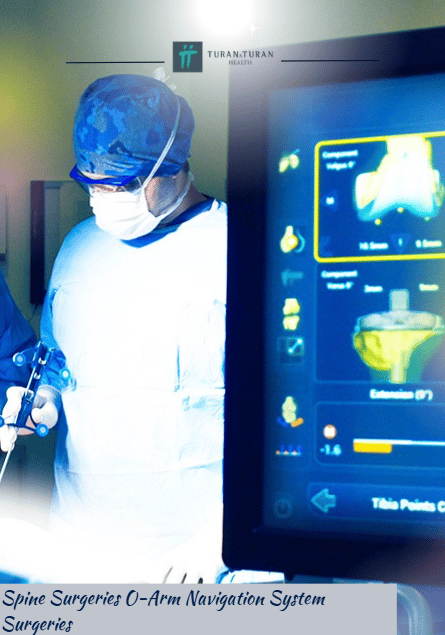
Price starting from $10,000
Spinal Stenosis Surgery Package in Istanbul, Turkey by Turan Turan
Turan Turan Robotic Surgery Center and Orthopedic Clinic in Turkey
- Spine Care/Surgery
Istanbul,Bursa, Turkey

Price starting from $10,000
Disc Surgery Package in Istanbul, Turkey for International Patients with Persistent Back Pain
International Multispecialty Hospital in Istanbul, Turkey
- Orthopedic/Knee Surgery
Istanbul, Turkey

Price starting from $6,500
Disc Hernia Surgery Package in Istanbul, Turkey by Bayindir Healthcare Group
ACIBADEM Bayındır Hospital
- Spine Care/Surgery
Istanbul,Ankara, Turkey
The average listed cost for spine care and surgery in Turkey is $17,742, with most clinics quoting approximately $5,400–$30,085. These figures cover different spine procedures and should not be treated as a universal price for every diagnosis.
Procedure-specific estimates include microdiscectomy, laminectomy, spinal fusion, artificial disc replacement, and scoliosis correction, with pricing varying by the procedure, spinal levels, implant requirements, and case complexity.
The final spine surgery cost in Turkey can also depend on surgeon and anesthesia fees, imaging and laboratory tests, operating-room charges, implants or hardware, hospital stay, medications, rehabilitation, and follow-up care. Request a written, itemized quote and confirm which services are included before booking.
Spine Care/Surgery Centers Cost Comparison in Turkey
| Provider | Procedure | Price |
|---|---|---|
| Turan Turan Robotic Surgery Center and Orthopedic Clinic in Turkey | Percutaneous Endoscopic Lumbar Discectomy (PELD), Spine Care/Surgery | $9840 |
| Turan Turan Robotic Surgery Center and Orthopedic Clinic in Turkey | Minimally Invasive Spine Surgery, Spine Care/Surgery | $13000 |
| Turan Turan Robotic Surgery Center and Orthopedic Clinic in Turkey | Minimally Invasive Spine Surgery, Spine Care/Surgery | $10000 |
| Dr. Ozcan Ciklatekerlio Neurosurgery Clinic in Istanbul, Turkey | Spinal Fusion Surgery, Spine Care/Surgery | $11250 |
Spine Care/Surgery Cost Comparison in Turkey
| Country | Procedure | Price |
|---|---|---|
| United States | Vertebroplasty, Spine Care/Surgery | $10300 |
| United Kingdom | Spinal Fusion Surgery, Spine Care/Surgery | $15000 |
| United States | Spinal Fusion Surgery, Spine Care/Surgery | $68000 |
Confirm the exact hospital where spine surgery will take place, as a consultation office or medical coordinator may not be the operating facility. Ask for the hospital’s legal name, address, Ministry of Health authorization, emergency and intensive-care capabilities, imaging, operating-room resources, and arrangements for urgent care or transfer.
Verify the spine surgeon separately, including specialist credentials, hospital privileges, and experience with the specific procedure being considered. Ask for the proposed surgical approach, spinal levels, implants or hardware, expected hospital stay, rehabilitation, and follow-up plan.
Compare the centers below by facility authorization, surgeon qualifications, surgical resources, emergency support, and continuity of care rather than relying on package claims or price alone.

Group Florence Nightingale Hospitals in Istanbul Turkey
Istanbul, Turkey

ACIBADEM Bayındır Hospital
Istanbul,Ankara, Turkey

Medicana Health Group in Istanbul Turkey
Istanbul,Ankara, Turkey

Turan Turan Robotic Surgery Center and Orthopedic Clinic in Turkey
Istanbul,Bursa, Turkey

Biruni Hospital in Istanbul Turkey
Istanbul, Turkey

International Multispecialty Hospital in Istanbul, Turkey
Istanbul, Turkey
Videos can explain surgical terms, hospital routines, and rehabilitation exercises. They cannot tell you whether your scan requires surgery or whether a technique is right for your spine. Check who created the video, when it was recorded, what procedure it shows, and whether risks are discussed as openly as benefits.
Use videos below as question starters. Compare what you see with the written plan from the surgeon, especially when the video uses broad phrases such as “laser,” “painless,” “scarless,” or “instant recovery.”

Reviews may help you assess communication, scheduling, interpreter support, transfers, and how a patient experienced the practical side of recovery. They cannot prove that a surgeon is qualified or that a particular operation is appropriate for you.
Look for detailed reviews that identify the same facility and procedure, and notice whether they mention follow-up after discharge.
A story about a different spinal level, a different operation, or another city should not be treated as evidence about your own clinical outcome.

How much does spine surgery cost in Turkey?
For comparison, a current Turkey spine-care benchmark is $17,742 on average, with a published range of $5,400 to $30,085, verified June 1, 2026. Spinal fusion is benchmarked separately at $39,625 on average, with a range of $11,250 to $68,000. The final quote depends on the diagnosis, spinal levels, hardware, hospital stay, and aftercare.
What types of spine surgery are available in Turkey?
Depending on the diagnosis, a Turkish spine specialist may discuss discectomy, decompression or laminectomy, spinal fusion, disc replacement, or a minimally invasive approach. The correct operation depends on imaging, symptoms, neurologic findings, spinal stability, previous treatment, and general health.
Is spine surgery in Turkey safe for international patients?
Safety depends on the surgeon, hospital, anesthesia team, diagnosis, equipment, infection-control systems, and follow-up plan—not simply the country. Verify the facility's authorization for international health tourism and ask how neurologic deterioration, infection, blood clots, readmission, and care after you return home will be managed.
How do I verify a spine surgery hospital in Turkey?
Request the hospital's legal name, address, Ministry of Health international health-tourism authorization, emergency capabilities, and details of the operating site. Check the name against the Ministry's authorized-provider list and review any TÜSKA accreditation record that applies to that exact facility.
How do I check a Turkish spine surgeon's credentials?
Ask for the surgeon's full name, medical registration, neurosurgery or orthopedic-spine specialty, current certification, hospital privileges, and experience with your exact operation. Verify the documents through official Turkish systems where available, and ask for a second opinion if the proposed surgery is extensive or unclear.
How long do I need to stay in Turkey after spine surgery?
Your surgeon should set the minimum stay after reviewing your procedure, wound, mobility, neurologic status, and medication plan. A package itinerary is not medical clearance. Complex fusion or multilevel surgery may require more follow-up than a short outpatient procedure.
Can I fly home after spine surgery in Turkey?
Fly only after the treating surgeon confirms that travel is appropriate. Ask about sitting tolerance, movement, clot prevention, wound care, medication, and access to help at the airport. Long travel soon after surgery can be uncomfortable and may complicate care if a problem develops.
What does a spine surgery package in Turkey usually include?
A package may include consultations, selected tests, the operation, anesthesia, hospital care, medicines during admission, and early follow-up. Some add transfers or hotel nights. Confirm whether implants, navigation, physiotherapy, extra nights, revision care, flights, and complications are included before you pay.
Do I need a second opinion before spine surgery in Turkey?
A second opinion can be sensible when surgery is elective, the diagnosis is uncertain, several levels are involved, fusion is proposed, or symptoms and imaging do not match. Share the same scans and clinical history with both specialists and ask each one to explain non-surgical alternatives.
What happens if I have a complication after returning home from Turkey?
Before treatment, obtain your operative report, implant details, discharge summary, medication plan, emergency number, and written complication policy. Arrange a clinician at home and confirm whether insurance covers care, evacuation, readmission, or revision treatment related to elective surgery abroad.
Choosing the Right Path: A Detailed Look at Spinal Surgery Options in Turkey
Spinal surgery in Turkey offers world-class orthopedic care at highly accessible prices, typically ranging from $5,000 to $15,000. Patients benefit from advanced robotic techniques, minimal wait times, and internationally accredited hospitals. Key Takeaways for Spine Health Seekers ? Massive Cost Savings: Procedures cost up to 70% less than in North America or the UK. ? Advanced Technology: High adoption of O-arm imaging and robotic-assisted navigation systems. ? Zero Wait Times: Immediate access to neurosurgeons and orthopedic specialists. ? Global Standards: Care provided in JCI-accredited facilities prioritizing patient safety. ? Comprehensive Care: Packages seamlessly integrate surgery, hospitalization, and initial rehabilitation. Living with chronic back pain or a debilitating neurological condition can severely impact your quality of life. When conservative treatments fail, finding the right surgical intervention becomes paramount. For many international patients, exploring healthcare options abroad has become a primary strategy to access timely, high-quality care without facing crippling medical debt. This comprehensive guide explores everything you need to know about pursuing complex orthopedic and neurological procedures overseas. What is the average spinal surgery cost in Turkey compared to other countries? The spinal surgery cost in Turkey generally falls between $5,000 and $15,000, depending heavily on the specific procedure and hardware required. This provides a massive financial advantage over Western healthcare systems. Understanding the financial landscape of orthopedic procedures is crucial for international patients. In the United States, a complex multi-level fusion or artificial disc replacement can easily exceed $80,000 to $100,000, especially when factoring in hospital fees, anesthesia, and premium titanium hardware. Even with insurance, co-pays and out-of-pocket maximums can be financially devastating. By contrast, the pricing structures abroad are highly regulated and transparent. This dramatic difference in pricing does not reflect a compromise in medical quality. The lower costs are primarily driven by favorable exchange rates, significantly lower administrative overhead, and strong government subsidies aimed at boosting the healthcare infrastructure. Furthermore, medical professionals face lower malpractice insurance premiums, allowing clinics to pass those savings directly to the patient. When requesting a quote, patients will find that international pricing is typically all-inclusive. While a domestic hospital might send separate bills for the surgeon, the anesthesiologist, the imaging center, and the facility itself, top international medical centers bundle these into a single, predictable package. This transparent approach eliminates the fear of hidden fees and surprise billing post-operation. Procedure Type Average Cost in USA Average Cost in UK Average Cost in Turkey Microdiscectomy $15,000 - $30,000 $10,000 - $14,000 $4,500 - $6,500 Spinal Fusion (Single Level) $60,000 - $90,000 $25,000 - $35,000 $8,000 - $12,000 Artificial Disc Replacement $40,000 - $70,000 $20,000 - $28,000 $9,000 - $14,000 Scoliosis Correction $100,000+ $45,000 - $60,000 $15,000 - $25,000 How do I choose the right spinal surgery clinic in Turkey for my specific condition? Finding the ideal spinal surgery clinic in Turkey requires researching facilities with Joint Commission International accreditation and dedicated centers of excellence for neurosurgery and orthopedics. Not all medical facilities are equipped to handle complex neurological interventions. When evaluating your options, the foremost indicator of quality is JCI accreditation. This gold standard seal ensures that the hospital adheres to the same rigorous safety, hygiene, and clinical protocols as the top-tier institutions in the United States and Europe. It is a non-negotiable factor for international patients seeking major surgical interventions. Beyond broad accreditations, you must look for hospitals that employ a multidisciplinary approach. The human spine is an intricate web of bones, nerves, and muscles. The best clinics feature collaborative boards where orthopedic surgeons, neurosurgeons, pain management specialists, and physiotherapists convene to review your specific case. This team-based evaluation ensures that all aspects of your condition are considered before a scalpel is ever lifted. Lastly, technological infrastructure is a major distinguishing factor. Elite clinics invest heavily in state-of-the-art diagnostic and surgical equipment. Before making a decision, inquire if the facility utilizes high-definition intraoperative MRI machines, Medtronic O-arm surgical imaging, and advanced neuromonitoring systems. These tools are critical for ensuring surgical precision and safeguarding your spinal cord during the procedure. Did You Know? Many international hospitals assign a dedicated bilingual patient coordinator to you before you even arrive. This coordinator attends all medical consultations, handles admission paperwork, and acts as your personal liaison with the surgical team, ensuring language is never a barrier to excellent care. What are the most common types of spinal procedures performed for international patients? International travelers frequently seek treatments for degenerative disc disease, herniations, and deformities. The most commonly performed interventions include microdiscectomies, laminectomies, spinal fusions, and disc replacements. Because spine conditions vary dramatically from patient to patient, specialists offer a wide array of customized surgical solutions. Here are the most frequently requested procedures: Microdiscectomy: This minimally invasive procedure is designed for patients suffering from severe sciatica caused by a herniated disc. The surgeon removes the portion of the disc that is compressing the spinal nerve, offering rapid pain relief with a very small incision. Laminectomy (Decompression): Commonly used to treat spinal stenosis, this surgery involves removing the lamina (the back part of the vertebra) to create more space in the spinal canal. It relieves the pressure on the spinal cord or nerves, restoring mobility in older adults. Spinal Fusion: When a segment of the spine becomes dangerously unstable due to severe degeneration or trauma, surgeons use bone grafts and titanium hardware (screws and rods) to permanently fuse two or more vertebrae together, eliminating painful motion. Artificial Disc Replacement (ADR): An advanced alternative to fusion, ADR involves removing a diseased disc and replacing it with a sophisticated mechanical device. This highly sought-after procedure preserves the natural flexibility and motion of the spine. Scoliosis Correction: Primarily addressing severe spinal curvatures, this complex, multi-hour operation involves realigning the spine using long rods and bone grafts. It is frequently performed on both adolescents and adults suffering from progressive deformities. How does robotic technology improve outcomes for spine patients? Robotic-assisted surgical systems offer unparalleled precision during screw placement and navigation. This technology minimizes human error, reduces surgical trauma, and significantly lowers the risk of neurological complications. The integration of robotics in orthopedic theaters represents a monumental leap in patient safety. Traditional spine surgery relies heavily on the surgeon's anatomical knowledge and continuous X-ray imaging to guide the placement of hardware. While effective, it exposes the patient and staff to radiation and carries a small margin of error. Robotic systems, such as the Mazor X or ExcelsiusGPS, change this dynamic entirely. Before the operation begins, the patient undergoes a high-resolution 3D scan. The surgeon uses this digital blueprint to map out the exact trajectory for every screw and implant on a computer. In the operating room, the robotic arm acts as a highly stable guide, directing the surgeon's instruments with sub-millimeter accuracy according to the pre-planned digital map. The benefits of this extreme precision are manifold. Patients experience smaller incisions, less muscle tissue disruption, and significantly reduced blood loss. Because the hardware placement is flawless, the risk of a screw impinging on a nerve root is virtually eliminated. Consequently, patients awake with less surgical pain, require fewer pain medications, and enjoy a much faster trajectory toward full rehabilitation. What should I expect during the recovery period after spine treatment? Recovery demands patience, starting with a brief hospital stay followed by guided physical therapy. While initial healing takes several weeks, deep bone fusion and complete neurological recovery can span up to a full year. The immediate post-operative phase is intensely monitored. Depending on the complexity of your intervention, you will spend one to five days in the hospital. During this time, pain management is the primary focus, utilizing intravenous medications to keep you comfortable. Within twenty-four hours, physical therapists will assist you in standing and walking short distances, as early mobilization is critical to prevent blood clots and stimulate healing. Once discharged from the hospital, international patients usually transfer to a nearby comfortable hotel to continue the early stages of recovery. During this ten to fourteen-day period, you will attend follow-up appointments to monitor the incision site and remove sutures. You will be instructed to strictly avoid bending, lifting, or twisting the spine. Walking remains your primary, most beneficial exercise during this phase. Long-term recovery relies heavily on your commitment to outpatient physical therapy once you return home. Strengthening the core muscles surrounding the spine is essential to support the newly repaired structures. While you may return to desk work within a month, strenuous activities and heavy labor must be avoided for several months. Your surgeon will conduct remote follow-ups using updated X-rays to confirm that bone grafts have successfully fused. Why is medical tourism in Turkey booming for orthopedic and neurological care? The explosive growth of medical tourism in Turkey is fueled by a perfect convergence of highly skilled specialists, ultra-modern hospital infrastructure, and strategic government investments in global healthcare accessibility. Over the last decade, the region has transformed into a global powerhouse for complex medical care. This was not accidental. Recognizing the potential to serve a global patient base, immense capital was injected into building mega-hospitals equipped with the latest medical technologies. These facilities were designed from the ground up to cater specifically to international travelers, combining clinical excellence with five-star hospitality. Furthermore, the medical talent pool is exceptional. Many leading neurosurgeons and orthopedic specialists have completed fellowships in the United States, Germany, or the United Kingdom. They bring back advanced surgical techniques and integrate them into local practices. Because these surgeons handle a massive volume of international and domestic patients, their clinical experience in complex spinal disorders often surpasses that of their Western counterparts. Geographic convenience also plays a massive role. Situated at the crossroads of Europe, Asia, and the Middle East, major medical hubs are accessible via direct flights from hundreds of global cities. When you combine world-class surgical outcomes, luxurious recovery environments, and the rich cultural appeal of the destination, it becomes clear why hundreds of thousands of patients choose this route annually. Are there non-surgical or minimally invasive alternatives available before committing to major surgery? Ethical medical professionals will always exhaust conservative and minimally invasive pain management treatments before recommending major structural alterations like fusions or disc replacements. Surgery should always be considered the final option. Before you travel for a major operation, diagnostic teams will rigorously evaluate your case to see if less invasive interventions might provide adequate relief. These alternatives include: Epidural Steroid Injections: A highly targeted injection of corticosteroids directly into the epidural space of the spine to rapidly reduce inflammation and alleviate severe nerve root pain. Radiofrequency Ablation (RFA): A specialized technique that uses thermal energy to temporarily disable the sensory nerves transmitting pain signals from the facet joints to the brain. Laser Spine Decompression: Utilizing targeted laser energy to vaporize small portions of herniated disc material that are pressing against spinal nerves, offering a much faster recovery than traditional cutting. Advanced Physiotherapy: Intensive, guided physical therapy regimens focused on strengthening core stabilizers, improving posture, and utilizing modalities like spinal decompression tables. Ozone Therapy: An innovative treatment involving the injection of medical-grade ozone gas into a herniated disc, which reduces inflammation and shrinks the disc volume to relieve nerve pressure. How do different cities like Istanbul and Antalya compare for medical care? While Istanbul is the epicenter of technological and academic medical advancements, cities like Antalya offer a serene, resort-style atmosphere that is incredibly conducive to post-operative relaxation and healing. Istanbul serves as the beating heart of the medical tourism industry. It hosts the highest concentration of JCI-accredited mega-hospitals and renowned academic medical centers. If your case is highly complex, involves rare spinal tumors, or requires pediatric scoliosis correction, Istanbul provides the deepest pool of sub-specialized experts and the most cutting-edge diagnostic laboratories. Conversely, Antalya has carved out a unique niche by blending world-class healthcare with the tranquility of a Mediterranean retreat. Hospitals here maintain excellent clinical standards but are situated in a more relaxed, less congested environment. Many patients prefer undergoing their procedures here because they can recover in luxury resort settings, enjoying mild climates and sea breezes that positively impact mental well-being during rehabilitation. Ankara, the capital city, is another vital hub. It is characterized by prestigious university hospitals and rigorous medical research facilities. While it may not have the tourist allure of the coast or the bustling energy of Istanbul, it is highly respected for its strict clinical protocols and deep academic expertise in complex neurosurgery. What are the long-term success rates for complex spinal fusions performed abroad? Modern spinal fusion surgeries boast long-term success rates exceeding ninety percent for achieving solid bone mass and significant pain relief, provided the patient adheres strictly to post-operative rehabilitation protocols. The defining metric of success for a spinal fusion is the complete biological union of the targeted vertebrae. Elite international clinics achieve exceptional fusion rates by utilizing the highest quality osteo-biologics. Surgeons use premium bone grafts, often enhanced with bone morphogenetic proteins (BMP), to aggressively stimulate natural bone growth across the surgical site. The physical hardware plays a secondary but crucial role. The implants act as an internal cast, holding the spine perfectly rigid while the biological fusion takes place. Because leading international hospitals exclusively use top-tier titanium and PEEK implants from globally recognized manufacturers, the risk of hardware failure, screw loosening, or material rejection is extraordinarily low. Ultimately, however, long-term success is a partnership between the surgical team and the patient. Individuals who cease smoking, maintain a healthy body weight, and rigorously pursue their prescribed physical therapy exercises demonstrate vastly superior long-term outcomes. The surgical intervention corrects the structural defect, but disciplined rehabilitation restores strength and functional mobility. Why choose PlacidWay to facilitate your spinal health journey? PlacidWay serves as your dedicated healthcare advocate, connecting you with globally recognized medical facilities and board-certified spine specialists to ensure transparent pricing and prioritized patient safety. Navigating foreign healthcare systems while dealing with chronic pain can be an overwhelming endeavor. PlacidWay removes the guesswork and risk from this process. We act as your protective intermediary, ensuring that every aspect of your medical care meets the highest global standards. Here is why thousands of patients trust us with their health: Rigorous Medical Vetting: We do not partner with standard clinics. We exclusively collaborate with internationally accredited hospitals that demonstrate a proven track record of surgical excellence and zero-tolerance for medical negligence. Transparent Cost Structuring: We secure all-inclusive medical quotes directly from the hospital providers. This means you will understand exactly what is covered from surgery to hospitalization, completely eliminating the stress of hidden medical fees. Dedicated Patient Advocacy: Your personal coordinator manages the intricate details of securely transferring your MRI scans and medical records to international boards, ensuring you receive an accurate pre-surgical evaluation remotely. Access to Cutting-Edge Technology: We specifically match patients with facilities that possess advanced tools like robotic surgical assistants and intraoperative neuromonitoring, guaranteeing you receive the most precise care available globally. Multilingual Medical Support: We ensure that your chosen facility has comprehensive international patient departments. You will have access to professional medical interpreters, ensuring crystal-clear communication between you and your neurosurgeon. Frequently Asked Questions About Spine Health Abroad How long do I need to stay in the country after a spinal fusion? Most international patients are advised to remain in the country for 10 to 14 days following a major spinal fusion. This duration allows the medical team to monitor the initial healing process, remove surgical staples or sutures, and ensure you are physically stable enough to endure a long flight home safely. Are the titanium implants used abroad safe and MRI compatible? Yes, highly accredited medical facilities exclusively utilize FDA-approved or CE-marked implants made from premium titanium or PEEK materials. These advanced orthopedic biomaterials are completely biocompatible, highly durable, and entirely safe for future MRI or CT imaging scans. Can I fly immediately after undergoing a microdiscectomy? Flying immediately after any spine operation is strongly discouraged due to the risks of deep vein thrombosis and cabin pressure affecting the surgical site. Surgeons typically require patients to wait at least five to seven days after a minimally invasive microdiscectomy before undertaking air travel. Is physical therapy included in standard surgical packages? Many comprehensive treatment packages designed for international travelers include initial inpatient physical therapy sessions. These early sessions focus on safe mobility, getting out of bed properly, and basic walking. However, long-term outpatient rehabilitation will need to be continued once you return to your home country. What happens if I experience complications after returning home? Reputable facilities provide extensive post-operative telemedicine follow-ups. Before you leave, you will receive a detailed surgical report and imaging discs to share with your local physician. In the rare event of a complication, your primary surgeon abroad will collaborate with your local healthcare provider to guide your treatment. Do I need a companion with me for my medical journey? While hospitals provide 24-hour nursing care and dedicated patient coordinators, having a family member or friend accompany you is highly recommended for emotional support and assistance with daily tasks during your hotel recovery phase. Most inpatient rooms are designed to comfortably accommodate one adult guest. How do surgeons evaluate my MRI before I arrive? Patients upload their recent MRI or CT scans via secure digital health portals prior to traveling. A multidisciplinary board of neurosurgeons and orthopedic specialists reviews these images alongside your medical history to determine your surgical candidacy and formulate a precise treatment plan remotely. What languages are spoken by the medical staff in these hospitals? Top-tier healthcare institutions employ highly fluent English-speaking doctors, many of whom have trained internationally. Furthermore, international patient departments provide dedicated medical interpreters for various languages, including Arabic, Russian, French, and German, ensuring seamless communication throughout your stay. Is there an age limit for undergoing complex scoliosis surgery? While there is no strict upper age limit, candidacy is determined by overall bone density, cardiovascular health, and pulmonary function rather than chronological age. However, severe scoliosis correction is often performed during adolescence when the spine is most flexible, whereas adult corrections focus more on pain relief and stabilization. How soon can I resume playing sports after an artificial disc replacement? Artificial disc replacement preserves motion, allowing for a relatively active lifestyle post-recovery. Light activities like swimming and brisk walking can often be resumed within three months. However, high-impact sports or heavy weightlifting may require six to twelve months of healing and clearance from your physician. Take the First Step Toward a Pain-Free Life Do not let chronic back pain dictate your life any longer. PlacidWay connects you with globally recognized orthopedic centers and world-class neurosurgeons. Receive a personalized, free evaluation of your MRI and discover affordable, high-quality surgical solutions tailored precisely to your needs. Get Your Free Medical Quote * Medical team responses typically within 24-48 hours. Your health privacy is strictly guaranteed.
How Much Does Back Surgery Cost Without Insurance?
Back surgery costs vary depending on the procedure, hospital, surgeon, and destination. International provider-listed packages often start at approximately $5,000 for selected spine procedures, while more complex operations may exceed $20,000. Key Takeaways: Uninsured Back Surgery Costs High Domestic Expenses: The overall back surgery cost without insurance in North America can create severe financial strain, with complex multi-level fusions frequently exceeding $100,000. Procedure Variability: Pricing depends heavily on surgical complexity, required spinal hardware, length of hospital stay, and facility location. Substantial Global Savings: Exploring medical tourism in Mexico, Turkey, or India allows self-pay patients to save 50% to 80% on total procedure expenses. Credential Verification: Self-pay patients must verify surgeon licensing—such as checking a specialist registration through national medical boards—and confirm facility accreditations. All-Inclusive Bundles: International self-pay packages combine surgeon fees, facility charges, implant costs, and rehabilitation into transparent single-price quotes. What Is the Average Back Surgery Cost Without Insurance in the United States? Out-of-pocket costs for uninsured back surgery in US hospitals range from $15,000 for outpatient procedures to more than $110,000 for inpatient spinal reconstructions. Navigating the financial burden of spine care without health coverage poses a major challenge for self-pay individuals. In the United States, medical centers bill unnegotiated master rates for operating room access, specialized spinal hardware, diagnostic imaging, and post-operative nursing care. Consequently, an uninsured patient suffering from nerve compression, herniated disks, or spinal stenosis faces substantial hospital bills. A simple outpatient lumbar microdiscectomy or laminectomy may carry a self-pay price tag of $15,000 to $35,000. However, when structural instability requires multi-level spinal fusion, spine surgery cost without insurance rapidly escalates. Inpatient hospital stays, intensive care monitoring, specialized bone grafting materials, and titanium pedicle screws contribute significantly to final medical charges. Without insurance discounts negotiated by private carriers, patients are billed directly for every itemized component. Uninsured patients are advised to seek itemized estimates prior to treatment to evaluate facility fees, anesthesiologist billings, and surgeon charges. Did You Know? Spinal implants and hardware—including pedicle screws, titanium rods, and interbody fusion cages—can account for up to 30% to 50% of the total hospital facility bill during complex spinal fusion surgery. How Do Costs Vary Across Different Types of Back Surgery Without Insurance? Surgical costs vary significantly based on procedural complexity, ranging from $15,000 for microdiscectomies to over $110,000 for multi-level spinal fusions. Spine surgery encompasses a wide range of procedures tailored to specific anatomical pathologies. Decompressing pinched nerves via microdiscectomy or laminectomy requires minimal surgical hardware and short recovery times. As a result, decompression procedures represent the lower end of self-pay back surgery cost structures. Conversely, reconstructive procedures like total joint replacement or spinal fusion involve extensive operative times, high-value implants, and prolonged inpatient hospitalization. Evaluating spinal fusion cost without insurance reveals significant cost gaps when compared to simple nerve decompression procedures. The comparative table below outlines estimated self-pay pricing for common spine interventions across domestic and international healthcare destinations: Procedure Type US Out-of-Pocket (Est.) Mexico Out-of-Pocket (Est.) Turkey Out-of-Pocket (Est.) India Out-of-Pocket (Est.) Microdiscectomy $15,000 - $30,000 $6,000 - $9,500 $5,000 - $8,500 $4,000 - $7,000 Laminectomy $18,000 - $35,000 $7,000 - $11,000 $5,500 - $9,500 $4,500 - $7,500 Spinal Fusion (1-2 Levels) $45,000 - $75,000 $12,000 - $18,000 $8,500 - $15,000 $6,000 - $11,000 Artificial Disc Replacement $50,000 - $85,000 $13,500 - $20,000 $10,000 - $17,000 $7,500 - $13,000 What Specific Expense Breakdown Factors Drive Up Uninsured Back Surgery Costs? Cost drivers include facility operating fees, specialist surgeon fees, anesthesia services, specialized implants, diagnostic imaging, and inpatient recovery stays. Understanding where money is spent during surgical spine intervention helps self-pay patients evaluate medical quotes effectively. Out-of-pocket bills consist of several distinct service charges, each billed independently by attending providers. Surgeon & Specialist Fees: Compensation for the primary orthopedic spine surgeon or neurosurgeon, assistant surgeons, and intraoperative neuromonitoring specialists. Hospital Facility Charges: Operating room utilization per hour, specialized surgical equipment usage, sterile supplies, and nursing staff support. Anesthesia Services: Fees charged by board-certified anesthesiologists based on procedure duration and physiological monitoring requirements. Spinal Implants & Hardware: Biomechanical devices such as titanium rods, pedicle screws, interbody cages, and synthetic bone graft matrices. Inpatient Accommodation: Overnight hospital room stays, post-anesthesia care unit (PACU) recovery, and ward nursing care. Diagnostics & Rehabilitation: Pre-op MRI/CT scans, blood work, intraoperative X-rays, and immediate bedside physical therapy. Important Consideration When requesting self-pay quotes from domestic or international hospitals, ensure the estimate is all-inclusive. Separate bills for pathology, independent anesthesiologists, or post-op imaging can add thousands to an initial quote. How Much Can You Save by Choosing Back Surgery Overseas? Choosing international medical treatment yields savings of 50% to 80%, reducing total procedural expenses to between $5,000 and $22,000. Because self-pay prices in Western nations can lead to significant financial strain, thousands of uninsured patients seek care overseas. Medical destinations like Mexico, Turkey, Thailand, India, and South Korea have invested heavily in modern spine infrastructure. These centers combine advanced technology with affordable treatment packages. Checking the back surgery cost in Turkey or the back surgery cost in India reveals price points ranging between $5,000 and $15,000 for complex joint and spine interventions. Lower regional operational costs, reduced administrative burdens, and lower liability insurance premiums allow these centers to offer elite surgical care at accessible rates. International self-pay care packages generally bundle surgeon fees, facility charges, implant materials, diagnostic imaging, inpatient stays, and airport transfers into a single transparent price. Why Do Patients Consider Medical Tourism in Mexico for Spine Surgery? Mexico offers North American travelers geographic proximity, short travel times, affordable care packages, and experienced bilingual spine specialists. For patients residing in North America, geographic convenience makes medical tourism in Mexico an attractive option for spine surgery. Major medical centers in Tijuana, Guadalajara, Monterrey, and Mexico City feature modern private surgical wings equipped with high-definition endoscopic platforms, robotic navigation, and laminar airflow operating rooms. Reviewing the typical back surgery cost in Mexico shows that procedures like microdiscectomies, spinal decompressions, and lumbar fusions range from $6,000 to $18,000. This provides self-pay patients with savings of 60% to 70% compared to US hospital billing. Choosing an orthopedic clinic in Mexico also allows patients to avoid long scheduling delays. Rapid access to consultations, pre-operative lab work, and surgery enables patients to treat debilitating nerve compression promptly. What Qualifications Should You Verify for a Spine Surgeon Overseas? Verify official national medical licensing, subspecialty fellowship training, surgical case volume, and hospital facility accreditations. Thorough credential verification is critical when planning surgical care abroad. Patients should verify that their surgeon holds active medical licensure from their national health registry—such as checking a specialist's professional registration through official government databases in Mexico, Turkey, or India. Subspecialty fellowship training in spine surgery or neurosurgery indicates advanced clinical expertise. Surgeons who regularly perform high volumes of spinal interventions demonstrate lower complication rates and superior functional outcomes. In addition, confirm that the treating facility holds international accreditations. Accredited hospitals adhere to strict global standards for operating room hygiene, emergency preparedness, and surgical safety protocols. What Are the Financial and Clinical Risks of Having Back Surgery Without Insurance? Risks include unexpected complication bills, long-term revision costs, surgical site infections, dural tears, hardware failure, and travel-related deep vein thrombosis. All surgical procedures carry inherent clinical risks, including infection, nerve irritation, hardware displacement, bleeding, or incomplete bone fusion. For uninsured patients, experiencing a post-operative complication can lead to unexpected medical expenses. In the US, emergency readmissions or revision procedures can quickly double an initial surgical bill. When traveling internationally for surgery, added logistical factors must be managed. Long flights increase the risk of deep vein thrombosis (DVT) and pulmonary embolism. Surgical teams manage these risks using mechanical compression devices, early walking schedules, and prescription blood thinners. Patients can mitigate risks by securing comprehensive medical travel insurance that covers unexpected revision care, remaining near the hospital for 10 to 14 days post-op, and arranging local follow-up care prior to departure. How Should Uninsured Patients Prepare Financially and Logistically for Back Surgery? Preparation involves gathering diagnostic imaging, completing virtual consultations, obtaining written price guarantees, checking passport/visa rules, and organizing local follow-up care. Proper pre-treatment preparation helps ensure a smooth recovery and prevents financial surprises. Begin by compiling digital copies of recent MRI, CT, and X-ray files along with clinical notes from your primary physician. Transmitting these diagnostic files enables international spine specialists to evaluate your case during remote pre-consultations. Next, request an itemized, written pricing agreement that clearly defines what is included in your care package. Confirm whether pre-op blood work, diagnostic imaging, hospital room days, anesthesiologist fees, and prescription medications are covered. Finally, verify travel documentation rules, including passport validity and visa requirements based on your citizenship. Arrange for a travel companion to accompany you, and establish connection with a local physician at home to oversee long-term rehabilitation and recovery monitoring. Why Choose PlacidWay for Finding Affordable Back Surgery Options? PlacidWay connects self-pay patients with accredited global spine centers, providing transparent price comparisons, verified hospital profiles, and direct communication channels. Navigating global healthcare options without insurance can feel overwhelming. PlacidWay serves as a global medical information portal, helping self-pay individuals locate accredited hospitals and connect directly with experienced spine specialists worldwide. 1. Broad Global Network Access Access detailed information for hundreds of accredited international hospitals and specialty spine clinics across Mexico, Turkey, India, Thailand, and South Korea. 2. Transparent Cost Comparisons Compare transparent procedure pricing, package inclusions, and facility options across multiple destinations to make well-informed financial decisions. 3. Direct Medical Facility Communication Connect directly with hospital international patient offices to share medical imaging, request preliminary evaluations, and receive written quotes. 4. Verified Credentials and Facility Profiles Review surgeon qualifications, subspecialty fellowship details, and facility international accreditations before selecting a treatment center. 5. Comprehensive Educational Resources Explore procedure guides, destination overviews, patient feedback resources, and planning checklists to support your medical travel journey. Frequently Asked Questions How much does a microdiscectomy cost without insurance? A microdiscectomy without insurance in the United States typically costs between $15,000 and $30,000, whereas international clinics offer the same procedure for $5,000 to $9,000. Can uninsured patients negotiate back surgery prices with hospitals? Yes, uninsured patients can often request prompt-pay discounts, self-pay bundled rates, or income-based financial assistance directly from hospital billing departments prior to elective surgery. Is spinal fusion more expensive than a laminectomy when paying out-of-pocket? Yes, spinal fusion is significantly more expensive than a laminectomy because it requires specialized titanium hardware, extended operating room time, and longer inpatient hospital stays. What is included in a global self-pay package for spine surgery? Self-pay spine surgery packages typically include surgeon fees, operating room charges, anesthesia, spinal hardware, hospital room stays, diagnostic imaging, basic medications, and initial physical therapy. Why is back surgery significantly cheaper in destinations like Mexico and Turkey? Back surgery is less expensive in Mexico and Turkey due to lower operational costs, favorable administrative overhead, lower malpractice expenses, and favorable exchange rates. Does self-pay back surgery abroad include post-operative physical therapy? Most international surgical packages include bedside physical therapy during hospital stays, though long-term outpatient rehabilitation at home must be arranged separately. What happens if complications occur after having back surgery without insurance? Patients must plan for potential revision costs or emergency care. Purchasing medical travel insurance that covers surgical complications helps mitigate unexpected financial liabilities. How long must an uninsured patient stay near the hospital after spine surgery abroad? Patients are generally advised to stay locally for 10 to 14 days following major spinal procedures to complete wound checks, initial rehabilitation, and receive fit-to-fly clearance. Are spinal implant brands used in international clinics FDA cleared? Reputable accredited hospitals overseas utilize FDA-cleared or internationally recognized spinal implant systems manufactured by leading global medical technology companies. How can uninsured patients verify the credentials of an international orthopedic surgeon? Patients can verify qualifications through official national medical registries, such as checking a specialist registration with the Ministry of Health or national specialty councils. Compare Self-Pay Spine Surgery Options Worldwide Explore accredited international hospitals, compare transparent procedure estimates, and connect with experienced medical teams. Request Treatment Information References Spine Instrumented Surgery Costs and Cost Drivers – PMC NCBI Evaluation of Patient Willingness to Pay for Spine Surgery – PubMed Cost-Effectiveness of Operative vs Non-Operative Spine Treatment – PMC NCBI Socioeconomic Burden of Lower Back Pain in the United States – PMC NCBI Medicare Reimbursement Trends for Spine Surgery – PMC NCBI International Health Travel Guidelines – Centers for Disease Control and Prevention (CDC) International Hospital Safety Accreditation Standards – Joint Commission International
How Much Does Spinal Fusion Surgery Cost in Turkey?
Spinal fusion surgery in Turkey can cost approximately $7,500 to $25,000, depending on the type and complexity of the procedure, including the number of levels treated. Key Takeaways: Spinal Fusion in Turkey Substantial Financial Savings: Choosing spinal fusion surgery in Turkey offers self-pay patients cost reductions of 65% to 75% compared to typical private healthcare prices in North America. Accredited Hospital Standards: Leading facilities maintain international health accreditations, computer-guided navigation systems, and dedicated international patient departments. Transparent Bundled Pricing: Evaluating spinal fusion cost in Turkey involves reviewing comprehensive packages covering surgeon fees, spinal hardware, and hospital stays. Standardized Hardware: Reputable hospitals utilize FDA-cleared and CE-certified spinal instrumentation systems manufactured by leading global medical technology companies. Structured Medical Travel: Engaging in medical tourism in Turkey includes streamlined airport transfers, translation services, and structured rehabilitation protocols. What Is the Average Spinal Fusion Cost in Turkey for International Patients? The out-of-pocket spinal fusion cost in Turkey can range from approximately $8,500 for a single-level lumbar fusion to $25,000 for complex multi-level fusion or scoliosis procedures, depending on the surgical approach and treatment requirements. Navigating healthcare finances for major spinal procedures requires a clear understanding of self-pay pricing models. When evaluating the spinal fusion cost in Turkey, international patients find that comprehensive care packages cover operating theater utilization, surgeon compensation, anesthesia, and inpatient nursing care. Lower overall facility operational expenses and favorable administrative overhead enable hospitals to maintain competitive pricing structures. While single-level fusions involve lower expenses, multi-level structural stabilization requires specialized titanium hardware, bone graft substitutes, and longer hospital observation. Evaluating total expenses at a spine surgery clinic in Turkey ensures that self-pay individuals account for pre-operative diagnostic imaging, specialized blood panels, spinal instrumentation, and required post-operative physical therapy sessions. Prices vary by hospital brand, regional location within Istanbul or Ankara, and individual case complexity. Accredited medical centers provide detailed itemized estimates upon reviewing patient medical records and recent diagnostic imaging files. Did You Know? Spinal instrumentation—such as titanium rods, pedicle screws, and interbody cages—plays a primary role in determining baseline surgical package costs due to their precision engineering and strength. What Procedure Types Are Available at a Spine Surgery Clinic in Turkey? Available procedures at an accredited spine surgery clinic in Turkey include anterior cervical discectomy and fusion, lumbar interbody fusions, and minimally invasive stabilization techniques. Patients seeking spinal stabilization gain access to advanced surgical methodologies. Procedures such as Anterior Cervical Discectomy and Fusion (ACDF) address neck pain and nerve compression, while lumbar fusions treat degenerative disc disease, spondylolisthesis, and spinal instability by permanently welding adjacent vertebrae together. Many orthopedic centers specialize in computer-assisted navigation and minimally invasive surgical approaches. These technologies help surgeons ensure precise screw placement and adequate decompression, which can reduce post-operative discomfort and accelerate functional recovery. Additionally, specialized surgical teams perform complex multi-level reconstructions for patients needing extensive deformity correction. Advanced intraoperative neuromonitoring helps surgeons protect spinal cord pathways throughout the intervention. Spinal Fusion Procedure Type Estimated Self-Pay Cost (USD) Inpatient Hospital Stay Anterior Cervical Discectomy and Fusion (ACDF) $7,500–$11,000 1 - 3 Days Single-Level Lumbar Fusion (TLIF / PLIF) $8,500–$12,000 3 - 5 Days Multi-Level Spinal Fusion (2+ Levels) $12,000–$16,500 4 - 7 Days Minimally Invasive Spinal Fusion $18,000–$25,000 2 - 4 Days Why Do International Patients Choose Medical Tourism in Turkey for Spine Care? International patients choose medical tourism in Turkey for its world-class accredited hospitals, high-volume spine specialists, advanced technology, and comprehensive travel support. Engaging in medical tourism in Turkey offers distinct benefits for individuals seeking specialized spinal care. Major hospital networks in Istanbul and Ankara maintain international facility accreditations, ensuring compliance with strict global standards for hygiene, surgical safety, and patient care. Furthermore, the country has established itself as a premier global healthcare destination by combining advanced medical technology with personalized hospitality. Dedicated international patient coordination departments assist travelers with medical visa invitations where applicable, airport transportation, multi-language interpretation, and lodging arrangements. High procedural volumes performed by specialized spine surgeons give clinical teams extensive experience in handling complex spinal anatomies, resulting in reliable functional outcomes and high patient satisfaction rates. Important Consideration Patients should request detailed documentation regarding spinal hardware brands and serial numbers prior to surgery to ensure long-term device traceability and worldwide compatibility. What Surgeon Qualifications and Facility Standards Apply in Turkey? Spine specialists maintain active licensing through official registries, complete formal subspecialty fellowships, and practice in accredited hospitals. Ensuring clinical safety requires rigorous evaluation of professional credentials. Spine specialists performing surgeries in Turkey must hold active medical registration with the Ministry of Health and board certification from the Turkish Association of Orthopaedics and Traumatology (TOTBID) or neurosurgical equivalents. Many leading surgeons complete advanced fellowship training at prominent international medical institutions. Patients can verify physician credentials directly through official medical council registries. Professional association memberships provide insight into ongoing continuing education but should not be treated as standalone proof of active surgical licensing. Hospital facilities must hold recognized international or national health accreditations, such as Joint Commission International (JCI) approval. Accredited centers maintain advanced sterile processing departments, dedicated intensive care units, and comprehensive emergency backup systems to handle unexpected medical needs. What Is the Post-Operative Rehabilitation and Recovery Timeline? Mobilization begins within 24 hours of surgery, followed by 10 to 14 days of local monitoring and 8 to 12 weeks of outpatient physical therapy at home. Structured physical therapy is critical for achieving optimal functional recovery after undergoing spinal fusion surgery in Turkey. In local hospitals, supervised mobilization begins on the first day following surgery, with physical therapists guiding patients through safe bed mobility, standing, and walking exercises. Following discharge from the acute care hospital, international patients are advised to remain locally in Turkey for 10 to 14 days. This extended recovery window allows the surgical team to monitor wound healing, oversee initial outpatient physical therapy sessions, remove surgical staples, and provide formal fit-to-fly clearance. Upon returning home, continuing structured outpatient physiotherapy for 8 to 12 weeks strengthens supporting core and back musculature and restores natural functional movement. What Clinical Risks and Complications Should Patients Consider? Clinical risks include surgical site infection, dural tears, nerve root irritation, hardware failure, pseudarthrosis, and travel-related deep vein thrombosis. All surgical interventions involve inherent clinical risks. Potential complications of spinal fusion include superficial or deep wound infections, dural tears, nerve root irritation, persistent pain, hardware displacement, or pseudarthrosis (failure of bone fusion). Traveling internationally introduces added health considerations, particularly regarding deep vein thrombosis (DVT) during long journeys. Surgical teams mitigate DVT risks by prescribing anticoagulant medications, utilizing mechanical compression devices, and enforcing early walking protocols. Patients can minimize risks by disclosing their complete medical history during pre-op evaluations, adhering strictly to activity restrictions, and establishing communication with a local physical therapist in their home country prior to departure. How Should Patients Prepare for Medical Travel to Turkey? Preparation involves gathering diagnostic imaging, securing virtual pre-consultations, verifying travel documentation, and arranging travel companion support. Proper pre-travel planning helps ensure a well-organized medical journey. Start by compiling recent high-resolution MRI scans, CT scans, and clinical notes from your home doctor. Transmitting these digital files for remote pre-consultations allows spine teams in Turkey to review your case and formulate a precise treatment plan. Travel-document requirements depend on citizenship and whether the patient travels by air or land. Verify passport validity and entry regulations well in advance. Traveling with a companion is strongly recommended to assist with personal mobility during early recovery. Finally, confirm all financial and logistical agreements in writing before departure. Understanding package inclusions helps prevent unexpected expenses and allows you to focus fully on your physical recovery. Why Choose PlacidWay? PlacidWay connects patients with accredited international hospitals, providing transparent cost comparisons, verified facility profiles, and direct communication channels. Navigating global healthcare options can feel complex. PlacidWay serves as a global medical information resource, helping patients explore accredited treatment centers and connect directly with experienced spine specialists worldwide. Access to Broad Global Healthcare Directories Browse comprehensive profiles of accredited hospitals and specialty spine clinics across international destinations. Transparent Cost Estimates Review estimated procedure pricing and package details to plan your medical travel budget effectively. Direct Medical Facility Communication Connect directly with hospital international patient offices to share medical imaging and request case evaluations. Verified Specialist Documentation Examine surgeon background details, subspecialty fellowship histories, and hospital accreditations before booking. Comprehensive Educational Resources Access detailed procedure guides, destination overviews, and planning checklists to support your healthcare journey. Frequently Asked Questions How much does spinal fusion surgery cost in Turkey compared to the United States? Spinal fusion surgery in Turkey typically ranges from $10,500 to $22,000 depending on the number of levels fused, offering self-pay savings of 65% to 75% compared to typical private healthcare prices in the United States. What credentials should patients verify for a spine surgeon in Turkey? Patients should verify that a spine surgeon in Turkey holds official registration with the Ministry of Health, board certification from the Turkish Association of Orthopaedics and Traumatology or neurosurgical equivalents, and fellowship training. Are spinal implant systems used for spinal fusion surgery in Turkey internationally recognized? Accredited medical centers in Turkey utilize FDA-cleared or CE-certified spinal instrumentation and titanium implant systems manufactured by leading global medical technology companies. How long must international patients stay in Turkey following spinal fusion surgery? Patients are generally advised to remain locally in Turkey for 10 to 14 days following spinal fusion surgery to complete initial wound checks, stitch removal, and receive fit-to-fly clearance. What is included in a self-pay medical travel package for spinal fusion surgery in Turkey? Self-pay packages generally include surgeon and anesthesia fees, operating room expenses, hospital room stays, spinal hardware, diagnostic imaging, and early bedside physical therapy. Can patients undergo minimally invasive spinal fusion procedures at a spine surgery clinic in Turkey? Many modern surgical facilities in Turkey offer minimally invasive lumbar and cervical fusion techniques using computer-guided navigation and high-definition visualization. Is medical tourism in Turkey safe for international patients seeking spinal fusion surgery? Yes, medical tourism in Turkey can be safe when performed at internationally accredited hospital facilities by board-certified spine specialists following strict global hygiene standards. Does health insurance cover elective spinal fusion surgery performed in Turkey? Coverage depends entirely on your specific insurance policy provider. Certain international health plans or specialized medical travel programs offer partial out-of-network reimbursement. What clinical risks should patients consider before traveling for spinal fusion surgery? Potential clinical risks include surgical site infection, dural tears, nerve root irritation, hardware failure, pseudarthrosis, and travel-related deep vein thrombosis during the return home. How is deep vein thrombosis managed after spinal fusion surgery in Turkey? Surgeons mitigate blood clot risks by prescribing anticoagulant medications, utilizing mechanical compression devices, and initiating early walking protocols within 24 hours of surgery. Request Treatment Information Compare accredited medical centers, review specialist qualifications, and request personalized procedure estimates for your spine care journey. Request Treatment Information Medical Disclaimer: The content provided in this article is for educational and informational purposes only and does not constitute formal medical advice. Always consult with a qualified healthcare professional before undergoing any surgical intervention. Pricing Disclaimer: Cost estimates are subject to variation based on individual medical conditions, facility selection, surgeon experience, and required implant materials. References Spinal Fusion Overview & Guidelines – American Academy of Orthopaedic Surgeons Spine Surgery Costs and Financial Drivers – National Center for Biotechnology Information Pre-Travel Consultation & Health Guidelines – Centers for Disease Control and Prevention WHO Surgical Safety Guidelines – World Health Organization International Healthcare Facility Accreditation Standards – Joint Commission International Evaluation of Patient Willingness to Pay for Spine Surgery – PubMed
Turkey’s main medical-travel corridors include Istanbul and Ankara, with other cities also appearing in provider listings. Your exact destination should follow the hospital and surgeon—not the most attractive hotel or the shortest promotional itinerary. Confirm the operating city, hospital address, hotel location, and transfer time before booking.
Where international patients may travel from
Patients may compare Turkey from Europe, the UK, the Gulf, Central Asia, North America, and neighboring regions. The reasons can include private-care access, travel connections, language support, or a desire to compare costs. Travel distance still matters: a long journey after spine surgery may be harder than the same journey before surgery.
Before booking flights
- Check passport, visa, airline, and entry requirements for your nationality through official Turkish sources.
- Ask the surgeon for the minimum stay and departure criteria; do not let a flight deal choose your recovery timeline.
- Arrange an adult companion if you may need help with bags, medication, meals, walking, or airport transfers.
- Choose step-free accommodation with a suitable bathroom and a reliable route to the hospital.
- Carry scans, reports, medication details, allergies, operative history, emergency contacts, and insurance documents.
- Confirm whether travel insurance covers elective surgery abroad, complications, evacuation, or care after you return.
A simple travel handoff table
| Area | Written confirmation to request |
|---|---|
| Hospital | Legal name, address, authorization, emergency plan, and operating site |
| Medical timing | Consultation, tests, operation, follow-up, rehabilitation, and surgeon-approved departure date |
| Mobility | Walking aid, companion support, vehicle access, stairs, and bathroom arrangements |
| Aftercare | Discharge records, urgent number, remote review, local clinician, and complication policy |
Compare the treatment, clinic, surgeon, package, and destination options below only after confirming that the return-home plan is as clear as the arrival plan.
Take the Next Step With a Like-for-Like Comparison
A useful spine-surgery quote should identify the diagnosis, levels, operation, surgeon, hospital, hardware, hospital stay, rehabilitation, exclusions, and plan for complications. Share your records and questions so the available options can be reviewed carefully before you make travel arrangements.
Request Free QuoteReferences and Further Reading
- Turkey spine-care pricing snapshot
- Turkey spinal-fusion pricing snapshot
- Spine surgery in Turkey: procedure questions and package references
- American Association of Neurological Surgeons: Minimally invasive spine surgery
- AANS: Herniated disc information for patients
- AANS: Lumbar spinal stenosis information for patients
- NICE: Low back pain and sciatica guidance
- CDC Yellow Book: Medical tourism
- Türkiye Ministry of Health: Authorized international health-tourism providers
- TÜSKA: Accredited healthcare organizations
Medical Disclaimer
This page is for general education and medical-travel comparison. It is not a diagnosis, treatment recommendation, or substitute for an examination by a qualified clinician. The need for surgery, procedure choice, spinal levels, hardware, anesthesia, recovery, travel timing, and cost must be assessed by the treating medical team. Pricing, package inclusions, provider authorization, accreditation, and travel rules can change; verify them directly before making arrangements. Urgent neurologic symptoms require prompt local medical assessment.
























Share this listing