
Do You Have Persistent Pain In Your Spine, Arms And Legs For More Than 3 Months?
Are you struggling with persistent pain in your spine, arms, and legs for more than 3 months? When back or limb discomfort crosses the three-month mark, it officially transitions from an acute issue to a chronic condition. Chronic spine pain relief requires specialized attention, as ignoring these symptoms can lead to irreversible nerve damage. In this comprehensive guide, we explore what causes lower back and leg pain, how to accurately diagnose nerve compression, and the most advanced treatments for chronic pain management available today.
Video Chapters & Quick Navigation
The Anatomy of Chronic Spinal Pain and Nerve Compression
Understanding treating nerve pain in arms and legs begins with a basic knowledge of your spinal anatomy. The human spine is an incredibly complex structure made of bones, discs, ligaments, and a highly sensitive network of nerves. When any part of this system is compromised, it can send distress signals not just to the back, but radiating down into the extremities.
As discussed in the video , pain that lasts beyond three months is generally classified as chronic. This happens when the nervous system becomes hyper-reactive, a condition sometimes referred to as central sensitization. In these cases, the pain continues long after the initial injury or strain might have superficially healed.
The location of your extremity pain directly correlates with the area of spinal compression. Cervical spine issues in the neck often cause tingling, numbness, or deep aching in the shoulders and arms. Conversely, problems in the lumbar spine, or lower back, are the primary culprits for severe pain radiating down the buttocks, thighs, and calves.
What Causes Lower Back and Leg Pain Lasting Over 3 Months?
Patients searching for chronic spine pain relief often discover that their symptoms stem from mechanical or degenerative conditions. The spine undergoes massive stress over a lifetime, making it highly susceptible to wear and tear. Pinpointing the exact structural failure is the first step toward reclaiming your quality of life.
Herniated Discs and Radiculopathy
A herniated or bulging disc occurs when the soft inner gel of a spinal disc pushes through a tear in its tough exterior. If this bulging material presses against an adjacent nerve root, it triggers severe, shooting pain. This is commonly known as radiculopathy, and when it affects the sciatic nerve, it results in debilitating leg pain.
Spinal Stenosis and Nerve Choking
Spinal stenosis is a condition characterized by the abnormal narrowing of the spinal canal. This narrowing physically chokes the spinal cord and the nerves branching out from it. Patients with spinal stenosis often complain of a heavy, cramping sensation in their legs that worsens when walking or standing upright.
Degenerative Disc Disease
As we age, our spinal discs lose hydration and elasticity, flattening out and providing less cushioning between the vertebrae. This bone-on-bone friction can cause chronic inflammation and persistent back pain. Over time, the body may develop bone spurs in an attempt to stabilize the spine, which ironically causes further nerve compression.
The Severe Dangers of Ignoring Prolonged Neurological Symptoms
Enduring severe back pain lasting more than 3 months is not a badge of honor; it is a critical warning sign from your body. Masking the pain with over-the-counter anti-inflammatory medication does not address the underlying mechanical issue. Prolonged nerve compression can lead to serious, sometimes irreversible, health complications.
When a nerve is compressed for an extended period, it loses its ability to send electrical signals to your muscles. This can result in localized muscle atrophy, where the muscles in your arms or legs literally begin to shrink and weaken. You may notice difficulty gripping objects, frequent stumbling, or an inability to lift your foot properly.
Furthermore, untreated spinal conditions can escalate to emergencies like Cauda Equina Syndrome. This rare but severe complication occurs when the nerve roots at the very base of the spine are severely compressed. It can cause permanent paralysis and a complete loss of bladder or bowel control if not surgically treated immediately.
Diagnosing the Root Cause of Your Persistent Discomfort
To effectively design chronic pain management options, doctors must look beyond surface symptoms. Advanced diagnostic imaging is critical for understanding exactly which nerves are impinged. In the video at , experts highlight the necessity of a multifaceted diagnostic approach.
A simple physical exam is usually the starting point, where a neurologist or orthopedic specialist tests your reflexes, muscle strength, and sensory perception. However, to see the soft tissues and exact structural alignment, imaging technology is non-negotiable. Magnetic Resonance Imaging (MRI) remains the gold standard for visualizing disc herniations and nerve roots.
| Diagnostic Test | What It Measures | Best Used For |
|---|---|---|
| X-Ray | Bone structure and alignment | Spotting arthritis, fractures, or bone spurs |
| MRI Scan | Soft tissues, discs, and nerves | Identifying herniated discs and spinal stenosis |
| CT Scan | Cross-sectional bone details | Viewing complex bone structures and canal narrowing |
| EMG / Nerve Study | Electrical activity of nerves | Confirming nerve damage and signal disruption |
Conservative Treatment Approaches for Chronic Pain Relief
Not every case of severe back pain lasting more than 3 months requires a trip to the operating room. In fact, most specialists prefer to exhaust conservative treatment options first. These non-invasive therapies are designed to reduce inflammation, improve mobility, and naturally decompress affected nerves.
Physical therapy is a cornerstone of conservative chronic spine pain relief. A targeted physical therapy program strengthens the core muscles that support the spine, thereby taking the mechanical load off degenerative discs. Specialized stretching routines can also help open up the spinal canal, temporarily relieving symptoms of spinal stenosis.
Pharmacological intervention often plays a supporting role during physical rehabilitation. Doctors may prescribe specific nerve pain medications, such as Gabapentin or Pregabalin, which alter how the brain perceives nerve signals. Muscle relaxants and high-grade anti-inflammatories are also commonly used to manage severe flare-ups.
Minimally Invasive Spine Procedures for Targeted Relief
When physical therapy and medication fail to provide treating nerve pain in arms and legs, minimally invasive interventional procedures are the next logical step. These treatments aim to intercept pain signals directly at the source. They offer a middle ground between conservative care and major spine surgery.
Epidural Steroid Injections (ESIs) are highly effective for patients suffering from intense sciatica or cervical radiculopathy. Using fluoroscopic guidance, a physician injects a powerful corticosteroid directly into the epidural space surrounding the inflamed nerve. This drastically reduces localized swelling, offering relief that can last for months.
Another innovative chronic pain management option is Radiofrequency Ablation (RFA). In this procedure, specialized thermal energy is used to selectively burn and disable the tiny nerve endings responsible for transmitting joint pain. By temporarily turning off these pain signals, patients can engage more fully in physical therapy and daily life.
Advanced Surgical Interventions for Lasting Recovery
If you have been suffering from persistent pain in your spine, arms, and legs for more than 3 months and imaging shows severe structural compression, surgery may be necessary. Modern spine surgery is no longer the highly invasive ordeal it was decades ago. Advances in microsurgery and robotics have revolutionized patient outcomes.
- Microdiscectomy: A highly precise procedure where the surgeon removes only the small portion of the disc that is pressing on the nerve, leaving the rest of the spinal disc intact.
- Laminectomy: Also known as decompression surgery, this involves removing the back part of the vertebra (the lamina) to create more space in the spinal canal for choked nerves.
- Spinal Fusion: For patients with severe spinal instability or advanced degeneration, two or more vertebrae are permanently fused together using bone grafts and titanium hardware.
For patients diagnosed with Failed Back Surgery Syndrome or those who are not candidates for traditional surgery, Neuromodulation is a life-changing alternative. As referenced at , a spinal cord stimulator can be implanted beneath the skin. This device sends mild electrical pulses to the spinal cord, masking pain signals before they can ever reach the brain.
Seeking Global Medical Excellence for Chronic Pain Management
Finding the right specialists and affording advanced treatments for severe back pain lasting more than 3 months can be incredibly daunting. In countries like the United States or the UK, wait times for an MRI or specialist consultation can stretch for months. Furthermore, the out-of-pocket costs for complex spine surgeries can easily exceed the price of a small home.
This reality has driven a massive rise in medical tourism for orthopedic and neurological care. Patients are discovering that they can bypass long wait times and exorbitant fees by traveling internationally. World-class medical hubs in Mexico, Turkey, Germany, and South Korea offer state-of-the-art robotic spine surgery at a fraction of Western prices.
These international clinics are routinely staffed by highly acclaimed surgeons who hold board certifications from prestigious Western medical boards. They utilize the exact same premium titanium implants, advanced 3D imaging technologies, and rigorous safety protocols. Choosing global healthcare empowers you to take immediate action for treating nerve pain in arms and legs, restoring both your mobility and your financial peace of mind.
Ready to Finally Break Free from Chronic Spine and Leg Pain?
Stop letting persistent pain dictate your life. PlacidWay Medical Tourism connects you with globally recognized orthopedic and spine specialists, offering advanced treatments at affordable prices. Let our team guide you toward top-tier care and a pain-free future.
GET A FREE CONSULTATION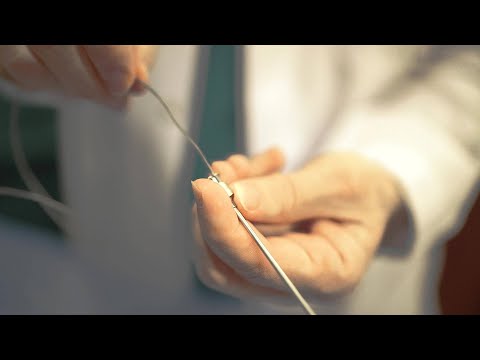


.png)




.png)

.png)





.png)
.jpg)

.png)








Share this listing