


Mr. Brahim's Journey of Improvement from Spinal Fracture through Spine Surgery in Bursa, Turkey
For individuals suffering from the agonizing, debilitating reality of severe back pain, finding the right medical intervention can often feel like an insurmountable challenge. The physical toll of compromised mobility is heavily compounded by long medical waitlists and astronomical healthcare costs in many Western countries. However, world-class spine surgery in Bursa, Turkey is rapidly changing the landscape of global orthopedic care, offering patients a highly advanced, financially accessible pathway back to a pain-free life.
In this compelling patient journey, we explore the inspiring story of Mr. Brahim, who successfully overcame a severe spinal fracture by seeking advanced medical treatment abroad. Watch to discover how highly specialized Turkish orthopedic surgeons, state-of-the-art medical facilities, and comprehensive patient care protocols combine to deliver life-changing spinal fracture treatments that restore both physical function and profound peace of mind.
Video Chapters & Quick Navigation
A spinal fracture is vastly different from a broken arm or leg; it involves the intricate, highly sensitive architecture of the central nervous system. When the vertebrae that protect the spinal cord are compromised, patients experience an immediate and profound loss of mobility. In many cases, the resulting nerve compression leads to radiating pain, numbness, and severe muscle weakness that drastically alters daily life.
For patients like Mr. Brahim, whose journey is documented at in the video, conservative treatments such as physical therapy or pain management injections simply are not enough. Structural instability within the spine requires highly precise surgical intervention to prevent permanent neurological damage. Delaying this crucial treatment can often result in irreversible complications, making immediate access to world-class orthopedic surgeons an absolute medical necessity.
Understanding the Severity of a Spinal Fracture
The human spine is a biomechanical marvel, designed to support the entire weight of the upper body while facilitating a wide range of motion. When a traumatic event or degenerative condition causes a fracture in this delicate system, the biomechanical balance is completely shattered. This structural failure places immense pressure on the spinal cord and exiting nerve roots, generating excruciating pain profiles.
Spinal fractures generally fall into several distinct categories, including compression fractures, burst fractures, and fracture-dislocations. Compression fractures are commonly associated with bone-weakening conditions like osteoporosis, whereas burst fractures typically result from high-impact trauma. Understanding the precise nature of the fracture is the critical first step in formulating an effective, long-lasting surgical strategy.
The Hidden Dangers of Nerve Compression
When vertebral bone fragments are displaced, they can easily push into the spinal canal, creating a highly dangerous scenario known as spinal stenosis or nerve impingement. This compression is what causes the sharp, shooting pains that often radiate down a patient's legs or arms. If left untreated, prolonged nerve compression can lead to permanent motor deficits or loss of sensation.
As highlighted in Mr. Brahim's initial medical evaluation at , removing this pressure is the primary goal of the initial surgical phase. Surgeons must carefully navigate around the most sensitive tissues in the human body to extract bone fragments and relieve the trapped nerves. This intricate decompression process is vital for restoring normal neurological function and eliminating chronic pain.
The Global Crisis of Spine Surgery Access and Costs
Navigating the healthcare system for complex orthopedic surgery in North America and Western Europe has become an increasingly stressful ordeal for patients in pain. The out-of-pocket costs for a standard spinal fusion or laminectomy can easily exceed the price of a luxury vehicle, leaving many uninsured or underinsured patients feeling entirely hopeless. Even patients with comprehensive medical coverage often face staggering deductibles and hidden facility fees.
Beyond the immense financial burden, universal healthcare systems in countries like the UK and Canada are currently grappling with unprecedented surgical backlogs. Patients suffering from severe spinal fractures are routinely placed on waiting lists that stretch for months or even years. This agonizing wait forces individuals to endure relentless pain while their structural spinal issues slowly deteriorate.
The Shift Toward Medical Tourism
Driven by skyrocketing local costs and unacceptable surgical delays, a massive paradigm shift is occurring in global healthcare. Thousands of patients are now actively bypassing their local medical systems in favor of international medical tourism destinations. This modern approach to healthcare empowers patients to take immediate control of their treatment timelines.
Medical tourism is no longer viewed as a risky alternative; it is now recognized as a strategic, highly effective method for securing premium medical care. Reputable medical tourism facilitators ensure that patients are connected exclusively with internationally accredited hospitals and board-certified specialists. This rigorous vetting process guarantees that the quality of care remains uncompromisingly high.
Why Patients Choose Spine Surgery in Bursa, Turkey
While Istanbul is widely recognized as a major medical hub, the city of Bursa has rapidly emerged as Turkey's premier destination for specialized orthopedic and spinal care. Bursa boasts a unique concentration of highly specialized spine centers equipped with the latest surgical robotics and neuro-navigation technologies. These facilities are designed to rival, and often surpass, the technological capabilities found in top-tier Western hospitals.
The orthopedic surgeons practicing in Bursa are internationally renowned for their extensive expertise in complex spinal reconstructions and minimally invasive techniques. Many of these medical professionals have completed rigorous fellowships in the United States, Germany, and the United Kingdom. They bring a wealth of global best practices back to their domestic clinics, ensuring world-class outcomes for their international patients.
Joint Commission International (JCI) Accreditation
A primary reason international patients feel completely secure choosing Bursa for spine surgery is the widespread presence of JCI-accredited medical facilities. The Joint Commission International is the global gold standard for healthcare quality and patient safety. Hospitals that achieve this prestigious accreditation must continuously demonstrate flawless execution of rigorous clinical protocols.
When a patient enters a JCI-accredited hospital in Bursa, they are guaranteed an environment featuring flawless sterilization, advanced intensive care units, and highly transparent surgical practices. This commitment to international safety standards virtually eliminates the anxiety often associated with undergoing major surgery in a foreign country. Patients can focus entirely on their healing process.
Comprehensive Diagnostic Protocols for Spinal Injuries
Successful spine surgery heavily relies on incredibly precise pre-operative planning and meticulous diagnostic imaging. Upon arriving at the spine center in Bursa, as seen at in the video, patients undergo a battery of advanced imaging tests to map the exact nature of their injury. This phase leaves absolutely no room for guesswork.
The diagnostic protocol typically begins with high-resolution MRI and CT scans, which provide a three-dimensional view of both the bony structures and the soft nerve tissues. These detailed images allow the surgical team to pinpoint the exact location of bone fragments, disc herniations, and ligament tears. Armed with this critical data, the lead surgeon formulates a highly customized, step-by-step surgical blueprint.
The Multi-Disciplinary Board Review
In top-tier Turkish medical centers, complex spinal cases are rarely evaluated by a single doctor in isolation. Instead, the patient's diagnostic imaging is reviewed by a multi-disciplinary medical board consisting of orthopedic surgeons, neurosurgeons, and specialized radiologists. This collaborative approach ensures that every possible surgical angle and potential complication is thoroughly analyzed.
This team-based methodology is a hallmark of elite medical care and is a standard practice in Bursa's specialized spine clinics. By combining diverse medical perspectives, the surgical team can confidently select the least invasive, most effective surgical technique for the patient. This directly correlates to higher surgical success rates and faster post-operative recovery times.
Advanced Surgical Techniques for Spinal Fracture Repair
The surgical intervention for a severe spinal fracture typically involves two primary objectives: decompression of the neural elements and stabilization of the spinal column. Depending on the severity of the trauma, surgeons will utilize a combination of highly advanced techniques to rebuild the spine. The goal is to create a robust, permanent structural foundation that allows the patient to regain full mobility.
Mr. Brahim's procedure, detailed at , showcases the incredible precision required during these complex operations. Utilizing real-time fluoroscopy and intraoperative nerve monitoring, the surgical team carefully manipulates the delicate structures of the back. This technology ensures that every single surgical movement is calculated and perfectly executed to protect the spinal cord.
| Surgical Technique | Primary Purpose | Patient Benefit |
|---|---|---|
| Spinal Decompression (Laminectomy) | Removing bone or tissue pressing on the spinal cord. | Immediate relief from radiating pain and numbness. |
| Spinal Fusion (Arthrodesis) | Fusing two or more vertebrae together using bone grafts. | Restores long-term structural stability to the spine. |
| Pedicle Screw Fixation | Inserting titanium screws and rods into the bone. | Holds the spine rigidly in place while fusion heals. |
| Kyphoplasty / Vertebroplasty | Injecting medical-grade bone cement into a fractured vertebra. | Rapidly stabilizes compression fractures and reduces pain. |
The Role of Titanium Instrumentation
To ensure the spine remains perfectly aligned during the lengthy bone-healing process, surgeons utilize premium titanium rods, plates, and pedicle screws. Titanium is highly favored in orthopedic surgery because of its incredible strength, lightweight nature, and excellent biocompatibility with human tissue. These implants act as an internal cast, providing vital support while the biological bone fusion takes place.
The surgical hardware used in Bursa's top clinics is sourced from the exact same industry-leading medical manufacturers utilized in the United States and Europe. Patients never have to compromise on the quality or durability of their surgical implants when seeking treatment abroad. This commitment to premium materials guarantees a high-performance, long-lasting surgical outcome.
The Financial Advantage: Analyzing Global Surgery Costs
One of the most compelling reasons international patients flock to Turkey is the profound financial transparency and affordability of major procedures. The cost of a complex spinal fusion in the United States can completely decimate a family's life savings, often exceeding $80,000 to $100,000 for uninsured individuals. Even with robust health insurance, out-of-pocket maximums and co-pays can easily reach tens of thousands of dollars.
In stark contrast, comprehensive spine surgery packages in Bursa, Turkey, are routinely priced between 60% and 80% lower than their Western counterparts. These sweeping price reductions are not a reflection of lower medical standards, but rather the result of a highly favorable currency exchange rate and lower administrative hospital overhead. Patients receive identical, if not superior, medical care for a fraction of the traditional cost.
| Country / Region | Estimated Cost for Spinal Fusion (USD) | Typical Wait Time |
|---|---|---|
| United States | $75,000 - $110,000+ | 1 to 3 months |
| United Kingdom (Private Care) | $35,000 - $55,000 | 3 to 6 months |
| Canada (Out of Pocket) | $40,000 - $60,000 | 6 to 18 months |
| Bursa, Turkey | $10,000 - $18,000 | No Wait Time |
All-Inclusive Medical Tourism Packages
To further eliminate stress for international travelers, reputable clinics in Bursa offer comprehensive, all-inclusive medical tourism packages. These meticulously designed packages cover every single aspect of the patient's medical journey, from the moment they step off the airplane until they are cleared to fly home. This streamlined approach prevents unexpected medical bills and logistical nightmares.
A standard all-inclusive spine surgery package typically includes VIP airport transfers, luxury hotel accommodations for a companion, all pre-operative imaging, surgeon fees, operating room costs, and standard post-operative medications. Facilitators like PlacidWay work tirelessly behind the scenes to coordinate these elements. This ensures the patient experiences a seamless, highly supportive medical vacation.
The Post-Operative Experience and Rehabilitation Phase
The successful placement of titanium hardware and bone grafts is only the first phase of the healing journey. The post-operative rehabilitation process is absolutely critical for ensuring the newly fused spine heals correctly and the surrounding musculature regains its former strength. Upon waking up from surgery, patients are closely monitored in a state-of-the-art intensive care unit to manage acute pain and monitor neurological function.
As demonstrated by Mr. Brahim's post-surgery progress at , physical therapy begins surprisingly fast, often within 24 to 48 hours after the procedure. Under the strict guidance of specialized orthopedic physical therapists, patients are encouraged to stand and begin gentle walking exercises. This early mobilization is a medically proven strategy to prevent blood clots, stimulate healing blood flow, and accelerate the overall recovery timeline.
- Immediate Post-Op (Days 1-3): Strict bed rest initially, followed by assisted standing and short walks within the hospital ward. Pain management is tightly controlled via IV medications.
- Early Recovery (Weeks 1-4): Patient is discharged to their hotel to rest. Focus shifts to gentle stretching, walking programs, and keeping the surgical incision clean and dry.
- Active Rehabilitation (Months 1-3): Introduction of targeted core-strengthening exercises designed to support the newly fused spine and improve overall biomechanical posture.
- Long-Term Healing (Months 3-12): The biological bone fusion slowly solidifies into a single, unbreakable structure. Patients gradually return to more strenuous physical activities and sports.
The Healing Power of Bursa's Medical Environment
Choosing a location for major surgery isn't purely about the clinical aspects; the environment in which a patient recovers plays a massive role in their overall well-being. Bursa is historically famous for its tranquil, healing atmosphere, vastly different from the chaotic hustle and bustle of massive metropolises. Nestled at the foot of Mount Uluda?, the city offers pristine mountain air and a deeply calming natural landscape.
Furthermore, Bursa has been celebrated for centuries as a center for thermal healing, boasting natural hot springs rich in therapeutic minerals. While spine surgery patients must wait for their incisions to fully close before bathing, the overall culture of wellness in the city deeply influences the post-operative care experience. Patients find the serene environment incredibly conducive to reducing stress and promoting restorative sleep, both of which are vital for biological healing.
Exceptional Turkish Hospitality and Patient Care
Beyond the advanced medical technology, international patients consistently praise the unparalleled level of hospitality provided by Turkish medical staff. Nurses, doctors, and patient coordinators go above and beyond to ensure patients feel profoundly cared for, respected, and comfortable. This deep-rooted cultural emphasis on hospitality dramatically reduces the feelings of isolation often experienced during medical tourism.
Bilingual patient coordinators are assigned to international visitors the moment they arrive at the clinic. These dedicated professionals act as personal medical concierges, translating every medical conversation, assisting with daily needs, and ensuring all dietary requirements are perfectly met. This VIP level of personalized attention is rarely found in overwhelmed Western healthcare systems.
Long-Term Quality of Life After Spinal Fusion
The ultimate goal of traveling abroad for a complex spinal procedure is to permanently reclaim a high quality of life. For patients who have spent months or years trapped in a cycle of debilitating pain and limited mobility, a successful spinal fusion feels like nothing short of a miracle. The elimination of nerve compression pain is often immediate, providing a profound psychological boost to the recovering patient.
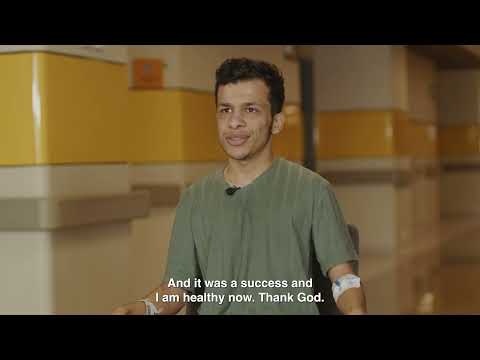
As the bone fusion fully solidifies over the ensuing months, patients can confidently return to the activities they once loved. Whether it is playing with grandchildren, returning to a physically demanding career, or simply enjoying a long walk without agonizing pain, the benefits of the surgery are truly life-altering. Mr. Brahim's remarkable transformation serves as a powerful testament to the effectiveness of advanced orthopedic care in Bursa, Turkey.
Ready to Reclaim Your Life from Severe Back Pain?
PlacidWay Medical Tourism connects you with internationally accredited orthopedic centers in Bursa, Turkey, offering world-class spine surgery at highly affordable prices. Let our experts handle your medical travel logistics while you focus on a pain-free future.
GET A FREE MEDICAL QUOTE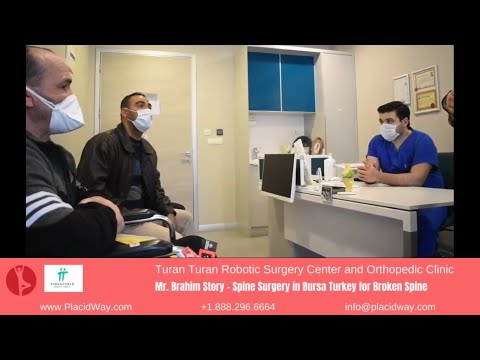




.png)








Share this listing