Richard Kimble's Journey with Robotic Spine Surgery in Turkey at Turan Turan

Publish date: Medically reviewed by: Dr. Raul Valenzano on Aug 20, 2026 Author: Usama Ahmad

Robotic Spine Surgery in Turkey - Turan Turan Health Group

For 64-year-old Richard Kimble from Nigeria, chronic spinal pain had transformed daily life into a continuous struggle against declining mobility. When conventional conservative treatments no longer provided the relief he hoped for, Richard began exploring advanced global options. His search led him to Robotic Spine Surgery in Turkey at the Turan Turan Robotic Surgery Center and Orthopedic Clinic. This is his individual treatment journey, offering insight into international patient care, advanced technology, and postoperative recovery.

Key Takeaways

  • Richard traveled from Nigeria to Turkey seeking advanced, specialized treatment for chronic spine care.
  • Persistent spinal pain had severely impaired his daily mobility and personal independence.
  • Robotic-assisted spine surgery was selected as a central component of his individualized clinical plan.
  • Turan Turan provided end-to-end surgical execution alongside a structured postoperative rehabilitation program.
  • Following treatment and physical therapy, Richard reported improved mobility and reduced pain levels.
  • Note: Individual surgical outcomes vary based on underlying diagnosis, overall health, surgical procedure, and recovery adherence.

Richard Kimble's Journey: Robotic Spine Surgery in Turkey at Turan Turan

Living with Chronic Spinal Pain

At 64, Richard Kimble from Nigeria had spent years dealing with persistent and debilitating spinal pain. The condition gradually affected his independence and made many everyday activities increasingly difficult. Treatments he had tried in Nigeria provided limited relief, leaving Richard searching for another option.

As the pain continued to interfere with his quality of life, Richard realized that he needed to explore more advanced treatment options. His search eventually took him beyond Nigeria and toward Turkey, where he hoped to find specialized care for his spinal condition.

When Limited Mobility Changed Everyday Life

Richard's spinal condition gradually changed the way he lived. Activities that once seemed simple became increasingly challenging, while persistent discomfort affected his ability to move freely and maintain his usual independence.

The physical limitations were accompanied by frustration and uncertainty. Richard wanted to regain greater mobility and return to a more active lifestyle, motivating him to continue looking for a treatment approach that could address his condition.

Searching for Advanced Spine Treatment

After researching different treatment options, Richard learned about robotic-assisted spine surgery. The technology attracted his attention because it could support surgeons with greater precision during certain procedures while allowing the medical team to plan treatment according to the patient's individual condition.

For Richard, exploring robotic spine surgery represented an opportunity to consider a more advanced approach after conventional treatments had not provided the relief he hoped for.

Choosing Turan Turan Hospital in Turkey

Richard's research led him to Turan Turan Hospital in Turkey. He was impressed by the hospital's focus on orthopedic and spine care, its use of robotic technology, and the experience of its medical team.

After consultations and further discussions about his condition, Richard decided that traveling to Turkey was the right step for him. The decision marked the beginning of an important journey toward finding a solution for his long-standing spinal problems.

Richard Kimble's Robotic Spine Surgery in Turkey at Turan Turan

Preparing for His Journey to Turkey

Before traveling, Richard completed the necessary consultations and prepared for his treatment in Turkey. The process involved medical discussions as well as arrangements for his international journey.

Arriving in Turkey was an important moment for Richard. Although undergoing spine surgery abroad came with understandable concerns, the support provided throughout the process helped him feel more prepared for the treatment ahead.

The Robotic Spine Surgery Experience

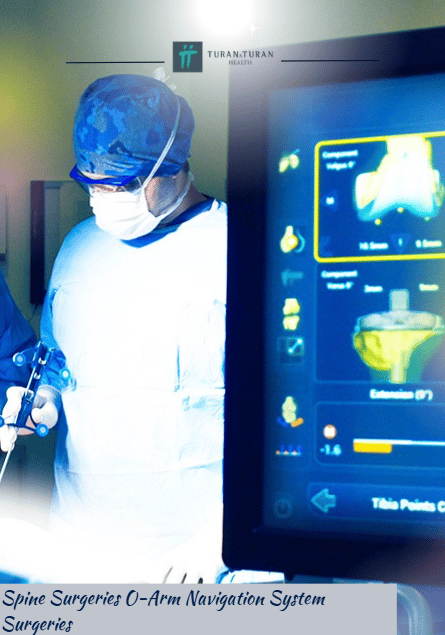
Richard underwent robotic-assisted spine surgery at Turan Turan. The procedure combined robotic technology with the expertise of the surgical team, allowing the doctors to use advanced tools to assist with surgical planning and execution.

For Richard, the procedure represented more than a medical intervention. It was a significant step toward addressing the pain and mobility problems that had affected his everyday life for so long.

Recovery, Rehabilitation, and Renewed Mobility

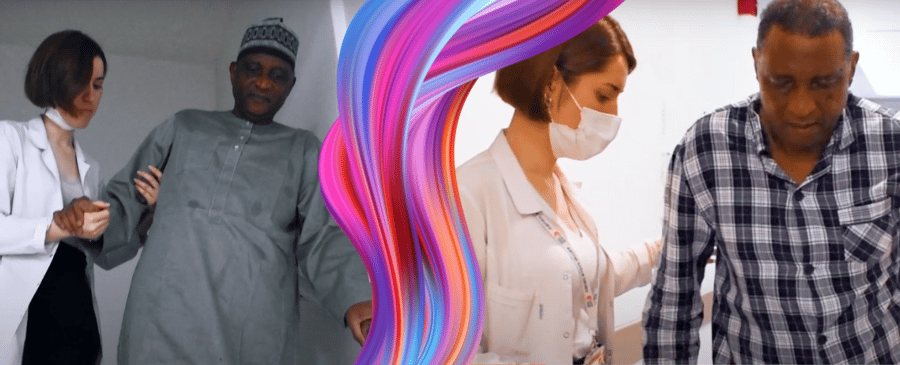
Following surgery, Richard began his recovery under the guidance of the medical team. His rehabilitation program was tailored to his condition and focused on helping him gradually regain strength and mobility.

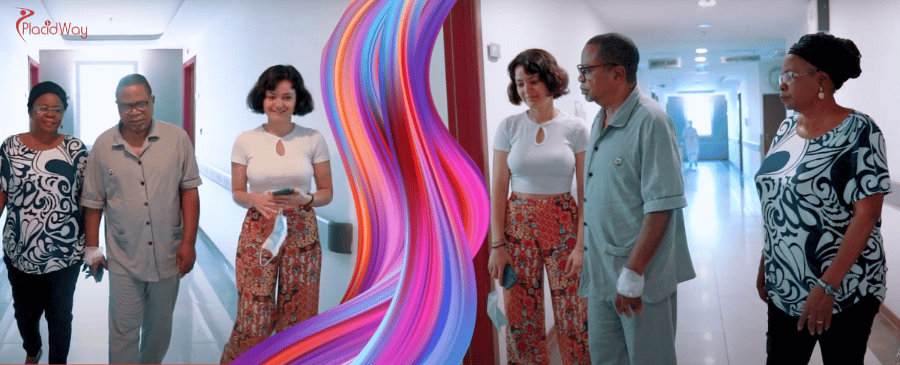
As his recovery progressed, Richard experienced improvements that gave him renewed confidence. With appropriate rehabilitation and ongoing medical support, he was able to work toward becoming more independent in his daily activities.

Richard Kimble After Robotic Spine Surgery in Turkey

A New Chapter After Robotic Spine Surgery

The experience marked a new chapter for Richard. As his pain decreased and his mobility improved, he regained a greater sense of independence and optimism about the future.

What began as a difficult period of chronic spinal pain eventually became a journey toward renewed mobility. For Richard, traveling from Nigeria to Turkey represented his determination to explore advanced medical options when previous treatments had not provided the results he wanted.

Sharing Richard's Experience

Richard's experience also encouraged him to share his story with others who may be considering treatment abroad. His journey demonstrates the importance of researching medical options, consulting qualified specialists, and understanding the potential benefits and risks of any surgical procedure.

His story is ultimately one of perseverance, informed decision-making, and hope. By seeking specialized care in Turkey, Richard took an important step toward improving his mobility and reclaiming greater independence.

Medical Disclaimer: Richard Kimble's experience with robotic spine surgery at Turan Turan is an individual patient story. Medical procedures and outcomes can vary from person to person. Anyone considering spine surgery should consult a qualified healthcare professional to understand their diagnosis, treatment options, potential risks, and expected recovery.

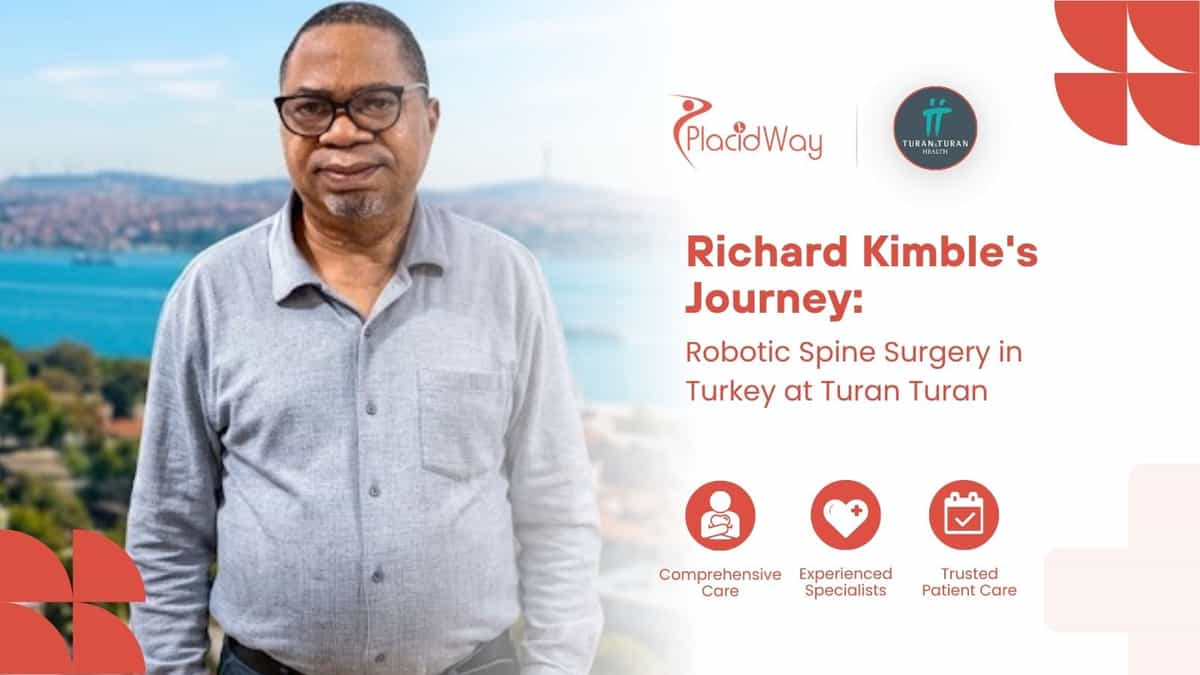
When Chronic Spine Pain Began to Change Richard's Life

Behind every medical travel decision is a human story. For Richard, spinal discomfort did not appear overnight; it developed gradually from an occasional ache into an unyielding, persistent burden. Over time, simple physical activities—walking through his neighborhood, sitting comfortably, or standing for short periods—became increasingly difficult.

The loss of independence carries a profound emotional weight. As routine tasks required planning or assistance, Richard felt his lifestyle shrinking. Continuing down the same medical path without exploring new evaluations was no longer viable.

From Occasional Discomfort to Persistent Pain

The progression of symptoms slowly eroded Richard's everyday capabilities. What began as intermittent lower back stiffness grew into persistent discomfort, imposing strict physical limitations on his personal and professional routine.

When Conservative Treatment Was No Longer Enough

In Nigeria, Richard diligently attempted conservative management options, including physical therapy, lifestyle adjustments, and prescribed medications. While these treatments provided temporary comfort, they were unable to halt the underlying progression of his condition. Recognizing that non-surgical options were no longer providing adequate relief, he began seeking further specialized medical evaluation abroad.

Global Burden of Spinal Disorders & Adoption of Surgical Navigation

Spinal degenerative conditions represent one of the leading causes of chronic pain and disability globally. To contextualize why patients travel internationally for specialized care, the statistical chart below illustrates global prevalence estimates alongside the growing adoption of computer/robotic-assisted navigation in orthopedic procedures.

Global Spine Disease Impact & Robotic Assistance Trends (2018 - 2026 Index)

Global low back pain (LBP) prevalence continues to expand, accelerating demand for robotic-assisted surgical navigation. Sources: World Health Organization (WHO) & Global Spine Journal.

The Search for an Advanced Spine Treatment

Recognizing that local options had been exhausted, Richard turned his focus toward international medical centers. Modern advances in spine surgery—specifically robotic-assisted navigation systems—stood out during his research.

Why Consider Robotic Spine Surgery?

Robotic systems assist surgeons with 3D preoperative planning, real-time intraoperative navigation, and exact trajectories for implant placement, helping minimize surrounding tissue disruption.

Why Choose Turkey?

Turkey has established a strong global reputation in complex orthopedics, offering JCI-accredited infrastructure, highly experienced surgeons, dedicated international coordination, and competitive pricing.

Featured Medical Provider in Turkey

During his international research, Richard identified Turan Turan as a specialized center dedicated to robotic orthopedic and spinal interventions:

Turan Turan Health Group

Location: Bursa & Istanbul, Turkey

Turan Turan Robotic Surgery Center and Orthopedic Clinic specializes in advanced joint and spine treatments. Combining advanced robotic guidance with specialized rehabilitation, the center serves domestic and international patients seeking complex spine care.

Why Richard Chose Turan Turan for Spine Surgery in Turkey

Discovering Turan Turan's Robotic Spine Surgery Program

When selecting a clinic, Richard focused on medical specialization rather than travel generalities. Turan Turan’s dedicated robotic spine division, clinical team credentials, and positive international patient track record matched his criteria for specialized orthopedic care.

The Importance of an Individualized Treatment Plan

A crucial factor in Richard's decision was the clinic's insistence on personalized clinical planning. Before agreeing to surgery, the team reviewed his medical parameters:

1. Precise Diagnosis: Diagnostic verification via detailed imaging.
2. Imaging Review: High-resolution MRI & CT scan evaluations.
3. Health Profile: Cardiovascular & metabolic clearance.
4. Surgical Suitability: Confirming robotic candidacy.

Preparing for Robotic Spine Surgery in Turkey

Medical Evaluation Before Traveling

Before leaving Nigeria, Richard completed remote consultations with Turan Turan's medical team. His local diagnostic scans, bloodwork, and medical history were transmitted electronically for surgical review, establishing a clear preliminary treatment outline prior to departure.

Preparing for International Medical Travel

Traveling internationally for surgery requires structured organization. Logistics including medical visas, flight scheduling, airport transfers, and hospital admission timetables were coordinated with the help of the clinic's international patient team.

Arriving in Turkey

Upon arrival in Turkey, Richard was greeted by his patient coordinator and transferred to the clinic. In-person diagnostic tests, physical evaluations, and consultations with the lead orthopedic surgeon were completed to finalize his surgical protocol.

Richard's Robotic Spine Surgery at Turan Turan

What Happens During Robotic-Assisted Spine Surgery?

Robotic spine surgery enhances a surgeon's capabilities through advanced computer visualization and mechanical guidance:

Surgical Stage Clinical Action & Robotic Role
1. Preoperative 3D Mapping CT image data is loaded into the robotic software to construct a 3D anatomical model of the patient's spine.
2. Anesthesia & Positioning The patient is safely positioned, and general anesthesia is administered under continuous monitoring.
3. Real-Time Navigation The robotic arm aligns precisely along predetermined surgical trajectories using optical tracking sensors.
4. Implant Placement The surgeon guides instruments through the robotic pathway to place pedicle screws or perform decompression with millimeter accuracy.
5. Closure & Monitoring Minimally invasive incisions are closed, and the patient is transferred to the Post-Anesthesia Care Unit (PACU).

The Role of the Surgical Team

Crucial Clarification: Robotic technology does not perform surgery independently. The robot serves as a precision navigation instrument controlled entirely by the attending orthopedic spine surgeon, who makes all real-time clinical decisions.

Richard's Experience in the Operating Room

Entering an operating room in a foreign country can bring anxiety. However, Richard noted that the thorough preoperative briefings, clear communication through translators, and professional demeanor of the Turan Turan team helped him feel confident as surgery commenced.

Recovery and Rehabilitation After Robotic Spine Surgery

The First Stage of Recovery

Immediately following surgery, Richard was transferred to a recovery ward where hospital staff monitored his vital signs, neurological function, and surgical site. Multimodal pain management strategies were utilized to ensure comfort during early movement tests.

Personalized Rehabilitation

Spine care does not end in the operating room. Turan Turan integrated an early physical rehabilitation protocol starting within 24 to 48 hours post-operation:

  • Assisted Gait Training: Gentle walking exercises designed to restore balance and confidence.
  • Core Stabilization: Targeted, low-impact movements to support spinal alignment.
  • Flexibility & Posture Work: Stretching routines tailored to prevent stiffness and reduce nerve irritation.

Why Rehabilitation Matters After Spine Surgery

A successful surgical intervention relies heavily on diligent postoperative care. Rebuilding muscle strength, restoring movement, and strictly following spinal precautions are vital steps toward achieving long-term functional stability.

Richard's New Chapter After Spine Surgery

From Limited Mobility to Greater Independence

Through surgery and committed rehabilitation, Richard experienced substantial improvements. His reported pain decreased significantly, allowing him to stand straighter, walk further without support, and return to daily activities with a renewed sense of personal independence.

The Difference Four Elements Made

1. Diagnostics

Accurate identification of the underlying spinal condition.

2. Technology

Robotic navigation for precise surgical execution.

3. Expertise

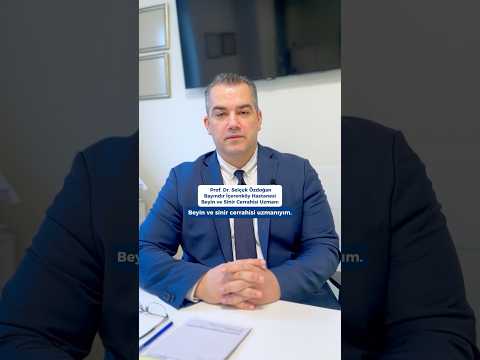
Skilled orthopedic spine surgeons guiding care.

4. Rehab

Structured recovery routines to restore movement.

A Patient's Perspective on Medical Treatment Abroad

Reflecting on his journey from Nigeria to Turkey, Richard emphasizes the importance of thorough preparation, open communication with international coordinators, and maintaining realistic expectations throughout treatment.

What Richard's Story Can Teach Other International Patients

Research the Surgical Team

Evaluate surgeon qualifications, specialized training in robotic procedures, hospital certifications, and international patient care protocols.

Understand Your Diagnosis

Ensure you receive a clear explanation of your condition, why surgery is indicated, available alternatives, and realistic recovery milestones.

Clarify Package Inclusions

Confirm what items are included in your quote—consultations, surgical fees, hospital stay, physical therapy, imaging, and local logistics.

Recognize Result Variation

Every patient presents a unique medical background. Individual results depend on age, severity of disease, overall health, and rehabilitation compliance.

Understanding Robotic Spine Surgery: Benefits & Cost Overview

International patients considering Robotic Spine Surgery in Turkey should review clinical expectations alongside realistic financial planning:

Cost / Service Component What Is Included? Estimated Range (USD)
Pre-Op Diagnostics In-person specialist evaluation, MRI/CT 3D planning scans, routine bloodwork $600 – $1,500 USD
Robotic Surgical Procedure OR usage, robotic navigation system fees, surgical team fees, implants $11,000 – $22,000 USD
Hospital Stay & Nursing Care Inpatient room stay (2–5 days), medication, 24/7 nursing supervision $1,500 – $3,500 USD
In-Hospital Rehabilitation Early physical therapy sessions, gait mobility training, brace fitting $500 – $1,200 USD
Total Estimated Package Range Comprehensive International Patient Spine Package $13,600 – $28,200 USD

Potential Benefits & Inherent Risks

Potential Benefits

  • Enhanced implant placement precision
  • Reduced incision sizes in minimally invasive cases
  • Potentially reduced blood loss and muscle disruption
  • Clearer 3D intraoperative visualization

Potential Surgical Risks

  • Surgical site infection or delayed healing
  • Bleeding or blood clot formation
  • Nerve irritation or persistent symptoms
  • Anesthesia-related complications or dural tears

FAQs About Robotic Spine Surgery in Turkey

Why did Richard travel from Nigeria to Turkey for spine surgery?

Richard sought specialized spine care after conservative management in Nigeria failed to relieve his chronic pain. Turkey provided access to advanced robotic spine technology, specialized orthopedic surgeons, and structured international patient support.

Why did Richard choose Turan Turan Health Group?

He chose Turan Turan due to their specialized focus on robotic joint and spine surgery, experienced medical team, clear pre-travel consultations, and dedicated international patient care infrastructure.

What is robotic spine surgery?

Robotic spine surgery utilizes computer guidance software and a robotic mechanical arm to assist surgeons in planning, navigating, and placing spinal implants with high precision during procedures.

Is robotic spine surgery performed completely by a robot?

No. The surgical procedure is performed entirely by the human spine surgeon. The robotic system acts as a navigation tool to guide trajectory alignment according to the surgeon's plan.

How long does recovery take after robotic spine surgery?

In-hospital recovery usually lasts 2 to 5 days, followed by several weeks of structured physical therapy. Overall functional recovery varies depending on the procedure and patient health.

Is robotic spine surgery safer than traditional open surgery?

Robotic navigation can increase implant placement precision and reduce surgical exposure in appropriate cases. However, like all surgeries, it carries potential risks that must be evaluated individually.

Can international patients undergo spine surgery at Turan Turan?

Yes. Turan Turan regularly treats foreign patients, providing online medical record reviews, treatment planning, translation services, local transfers, and follow-up guidance.

How much does robotic spine surgery in Turkey cost?

Treatment package costs typically range between $13,600 and $28,200 USD depending on diagnosis, surgical complexity, required spinal implants, and length of hospital stay.

What medical records should I send before traveling to Turkey?

Patients should provide recent spinal MRI or CT scans, relevant X-rays, detailed medical history, previous surgical reports, current medication lists, and basic blood test results.

Richard Kimble's Journey: From Chronic Pain to Renewed Mobility

Richard's experience highlights the impact of combining thorough medical research, advanced surgical technology, skilled orthopedic specialists, and committed rehabilitation. While individual results vary, exploring specialized care for Robotic Surgery in Istanbul can open new possibilities for patients struggling with spinal conditions.

Explore Robotic Spine Surgery at Turan Turan

Individual Results Disclaimer: This article documents the personal treatment case of Richard Kimble for informational and educational purposes only. It does not constitute formal medical advice, diagnosis, or treatment guarantees. Surgical outcomes vary depending on patient age, anatomical factors, disease severity, overall health profile, and postoperative adherence. Patients considering international medical travel must consult qualified medical professionals and obtain comprehensive evaluation prior to undergoing any surgical procedure.

References & Clinical Sources

Richard Kimble's Journey with Robotic Spine Surgery in Turkey at Turan Turan

About Article

  • Translations: EN ES AR DE RU
  • Treatment: Spine Care/Surgery
  • Country: Turkey
  • Overview Explore Richard Kimble's journey with robotic spine surgery in Turkey at Turan Turan, from diagnosis and treatment to recovery and improved mobility.

Trusted Medical Tourism Platform Since 2007

60+
Countries
2k+
Clinics
19.5k+
Reviews
2.5k+
Qualified Doctors
1.1M+
Patients Served Since 2007