


For patients exhausted by healthcare waitlists, all-inclusive spinal fusion packages in Mexico offer immediate relief. While Canadians face median wait times of 20 to 40+ weeks for orthopedic and neurosurgical procedures at home, top-tier Mexican hospitals offer immediate scheduling. These packages cost between $14,000 and $22,000 USD, encompassing surgeon fees, FDA-approved hardware, hospital stays, and ground transfers. Procedures are performed by board-certified specialists in JCI-accredited facilities, providing a highly regulated, safe alternative to domestic delays.

The Canadian healthcare system is widely celebrated for providing universal coverage, ensuring that residents do not face financial ruin for essential medical care. However, this system is currently grappling with a severe logistical crisis: unprecedented wait times. For Canadians suffering from debilitating back conditions like degenerative disc disease, severe spinal stenosis, or spondylolisthesis, time is a luxury they do not have. Chronic back pain can eradicate mobility, force early retirement, and severely diminish a patient's overall quality of life.
According to recent data from the Fraser Institute, the median wait time from referral by a general practitioner to treatment by an orthopedic specialist frequently exceeds 20 weeks, with some provinces reporting delays stretching well over a year. Forced to endure months of agonizing pain relying on heavy pain management medications, a growing number of patients are seeking alternatives outside their borders. Enter the solution that is reshaping North American healthcare travel: all-inclusive spinal fusion packages in Mexico.
By traveling to internationally accredited spine centers in cities like Monterrey, Tijuana, and Cancun, Canadians can bypass domestic bottlenecks entirely. In this comprehensive guide, we will explore exactly what these packages entail. You will learn how to accurately compare the costs, evaluate the safety protocols and surgeon credentials in Mexico, navigate the logistics of international medical travel, and prepare for the rigorous post-operative recovery process required for spine surgery.
Quick Facts at a Glance
Essential benchmarks for Canadians researching orthopedic spine travel options.
- Average Package Cost in Mexico
- $14,000 – $22,000 USD
- Wait Time in Canada
- 20 – 50+ Weeks
- Wait Time in Mexico
- 1 – 3 Weeks
- Required Time in Mexico
- 10 – 14 Days
- Standard Hospital Stay
- 3 – 5 Nights
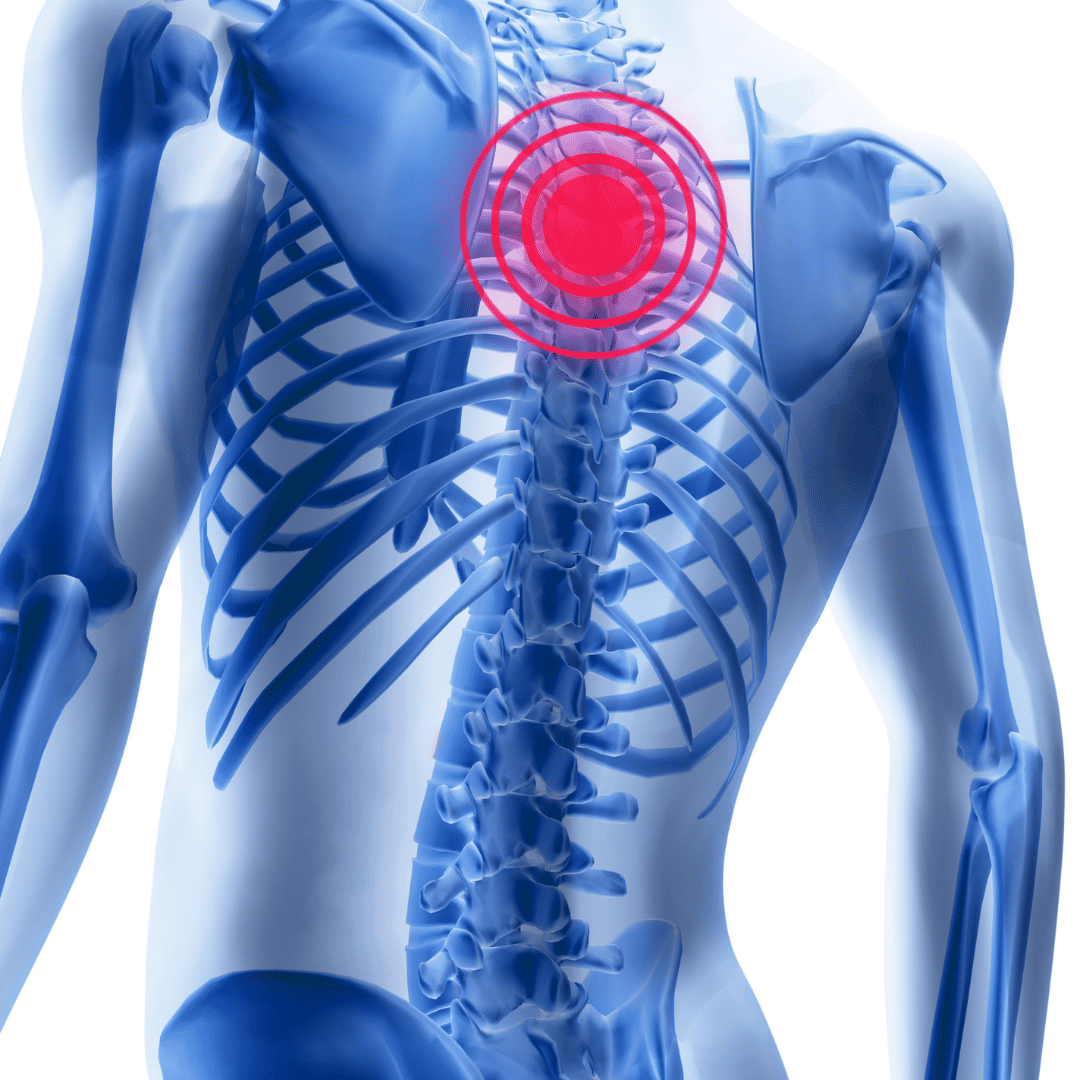
What is Spinal Fusion Surgery?
Depending on the location of the spinal damage and the surgeon's approach, there are several variations of this procedure. Common types include Anterior Lumbar Interbody Fusion (ALIF), Posterior Lumbar Interbody Fusion (PLIF), and Transforaminal Lumbar Interbody Fusion (TLIF). While the approach varies, the ultimate biological goal remains the same: to trick the body into healing the separate bones into a single, solid mass over several months.
Why Canadians Look South?
For a patient experiencing severe sciatica, loss of bladder control due to nerve compression, or structural instability from spondylolisthesis, immediate surgical intervention is crucial to prevent permanent neurological damage. Unfortunately, the Canadian system triages patients rigorously. While life-threatening traumas receive immediate care, chronic, degenerative spine conditions are frequently categorized as "elective" surgeries.
This classification places thousands of Canadians in a painful state of limbo. While some attempt to navigate the private clinic sector within Canada (where permitted, such as traveling out-of-province), the domestic private costs remain exorbitant. Consequently, medical tourism for spinal surgery has evolved from a niche concept to a mainstream solution. By seeking all-inclusive spinal fusion packages in Mexico, patients regain control over their healthcare timelines, accessing world-class neurosurgeons on their own terms.
Cost vs. Value: Compare North American Options
When assessing healthcare abroad, understanding the true financial investment is paramount. The table below illustrates the stark contrast between various North American pathways for securing a spinal fusion.
Note: Costs vary significantly based on the number of spinal levels being fused, the specific surgical approach (e.g., ALIF vs. PLIF), and the type of hardware required.
What is Included in an All-Inclusive Package?
The "all-inclusive" model is designed to provide financial peace of mind for international patients. While specific offerings vary by clinic, a premium package generally encompasses:
- Pre-operative consultations, updated imaging reviews, and blood work.
- Fees for the lead spine surgeon, anesthesiologist, and surgical assisting team.
- Operating room expenses, FDA-approved hardware (screws, cages, rods), and bone graft materials.
- 3 to 5 nights in a private hospital suite with 24/7 specialized nursing care.
- Standard post-operative medications provided during the hospital stay.
- VIP ground transportation (airport pick-up, hospital transfers, and return trips).
What is Excluded?
To avoid unexpected expenses, patients must budget for elements outside the core clinical package. These exclusions typically include international airfare, specialized physical therapy upon returning to Canada, post-discharge hotel accommodations (for the remainder of your 14-day stay), and the cost of a travel companion's meals and incidentals.
Why is it so much cheaper in Mexico?
The lower cost is not indicative of lower medical quality. Instead, it reflects the macroeconomic realities of Mexico. Facilities face significantly lower overhead costs, lower real estate expenses, and reduced administrative burdens compared to the US and Canada. Furthermore, medical education is heavily subsidized by the government, meaning surgeons graduate without crippling student debt. Tort reform also keeps medical malpractice insurance premiums vastly lower than in the US, savings which are passed directly to the cash-paying patient.
Step-by-Step Spine Surgery Journey in Mexico
Undergoing major spine surgery in a foreign country requires meticulous coordination. The process is highly structured to prioritize patient safety and comfort from initial contact to final departure.
- Remote Medical Evaluation: You initiate the process by securely transmitting your recent MRI or CT scans and medical history to the international patient coordinator. The Mexican neurosurgeon or orthopedic spine specialist reviews your imaging to confirm you are a viable candidate for fusion.
- Virtual Consultation and Quoting: You participate in a video call with the surgeon to discuss the surgical approach, the hardware to be used, and the expected outcomes. Following this, you receive a binding, itemized quote detailing the all-inclusive spinal fusion package.
- Arrival and Pre-Op Testing: Upon flying into your destination (such as Monterrey, Cancun, or San Diego for Tijuana crossings), clinic staff transports you to the hospital. You undergo comprehensive pre-operative testing, including EKGs, blood work, and physical exams to ensure you are fit for general anesthesia.
- Surgery and ICU Observation: The procedure lasts anywhere from 3 to 6 hours, depending on complexity. Immediately following surgery, you may spend the first 24 hours in a specialized intensive care unit (ICU) or high-dependency unit for close neurological monitoring before moving to a private recovery room.
- Hospital Recovery and Early Mobility: You remain in the hospital for 3 to 5 days. During this critical window, pain management is closely monitored via IV. Physical therapists will work with you as early as day two to help you stand and take short, assisted walks—a crucial step in preventing blood clots.
- Hotel Recuperation and Clearance: After discharge, you transition to a partner hotel where you rest for an additional 7 to 10 days. You will return to the clinic for a final wound inspection, stitch removal (if applicable), and fitment for a customized back brace. Only when the surgeon is satisfied with your initial healing will you receive written medical clearance to fly back to Canada.
Safety, Quality, and Surgical Standards
When considering crossing borders for a procedure as delicate as spinal fusion, the primary concern is undeniably safety. It is vital to understand that the private healthcare sector in Mexico operates on two tiers: local clinics and internationally focused medical tourism hospitals. Patients must exclusively utilize the latter.
Accreditation is Non-Negotiable
High-quality Mexican hospitals pursue rigorous international accreditations to prove their adherence to global safety protocols. Look for facilities accredited by the Joint Commission International (JCI) or the equivalent Mexican national standard, the General Health Council (CSG). These bodies evaluate thousands of metrics, ranging from operating room sterility and anesthesia safety to emergency response capabilities.
Surgeon Qualifications
The top spine surgeons treating international patients possess credentials mirroring those of their Canadian counterparts. Many have completed their medical residencies or specialized fellowships in the United States, Canada, or Europe. They hold active certifications from the Consejo Mexicano de Ortopedia y Traumatología or the Consejo Mexicano de Cirugía Neurológica. Furthermore, reputable clinics ensure their surgeons maintain high annual volumes of spine surgeries, a metric strongly correlated with lower complication rates.
Hardware Quality
A frequent myth is that international clinics use substandard medical materials. In reality, JCI-accredited hospitals utilize the exact same FDA-approved titanium rods, pedicle screws, and PEEK (polyetheretherketone) cages used in North American hospitals. Brands like Medtronic, Stryker, and Johnson & Johnson are standard. You should expect the clinic to provide documentation of the hardware brand prior to surgery.
Post-Operative Recovery Timeline
Choosing an all-inclusive spinal fusion package in Mexico accelerates your access to surgery, but it does not accelerate biology. The actual fusion of bone takes many months. Adhering to strict post-operative protocols is vital for a successful outcome.
Phased Recovery Approach
- Weeks 1–4 (The Acute Phase): Pain management and infection prevention are paramount. You will wear a rigid back brace and adhere to the "BLT" rule: No Bending, Lifting (over 5-10 lbs), or Twisting. Walking daily is mandatory to stimulate blood flow.
- Months 1–3 (Early Fusion): Pain levels generally subside significantly. The bone grafts are beginning to incorporate. You may begin gentle, guided physical therapy to strengthen core muscles without straining the spine.
- Months 3–6 (Strengthening): X-rays will be taken to confirm the bone mass is solidifying. As fusion progresses, your physical therapist will introduce more dynamic exercises. You can typically return to a sedentary desk job during this phase.
- Months 6–12 (Full Maturation): The spine achieves maximum structural stability. Most patients are cleared to return to all normal activities, including heavier lifting and recreational sports, depending on the surgeon's final clearance.
Warning Signs Requiring Immediate Attention
After returning to Canada, you must monitor your body closely. Seek immediate medical attention if you experience:
- A sudden spike in fever over 101°F (38.3°C) or severe chills.
- Increased redness, swelling, or purulent (pus-like) drainage from the incision site.
- Sudden, severe pain in the calf muscle, accompanied by swelling (potential deep vein thrombosis).
- New or worsening numbness, tingling, or weakness in your legs or feet.
- Loss of bowel or bladder control (a medical emergency known as cauda equina syndrome).
How to Choose the Right Spine Care in Mexico?
The responsibility of vetting medical providers ultimately falls on the patient. Use this practical 6-step checklist to evaluate potential clinics and ensure you are making a safe, informed choice.
- Verify Board Certification: Ensure the lead surgeon is officially certified by the relevant Mexican medical boards for neurosurgery or orthopedics.
- Confirm Hospital Accreditation: Demand proof that the specific facility where the surgery will take place holds current JCI or CSG accreditation. Never undergo spine surgery in a stand-alone clinic without an intensive care unit.
- Request Hardware Specifications: Ask for the exact brand and material of the spinal hardware that will be implanted. It must be FDA or CE approved.
- Demand Transparency in Quoting: Ensure the "all-inclusive" quote explicitly lists what is covered (ICU time, anesthesia, hardware) and clearly states policies on handling unforeseen complications or extended stays.
- Evaluate English Proficiency: Clear communication regarding pain management and post-op instructions is crucial. Ensure your surgeon and key nursing staff speak fluent English.
- Check Communication Responsiveness: A clinic that takes days to respond to initial inquiries will likely be difficult to reach if you have a complication after returning home.
Red Flags to Avoid
Be extremely cautious of providers offering prices drastically below the $14,000 baseline, as this often indicates compromised safety standards or hidden fees. Avoid clinics that rush you into booking without conducting a thorough virtual review of your imaging, or those that guarantee a "100% success rate," as no legitimate medical professional makes absolute outcome promises.
Risks, Limitations, and Contraindications
Spinal fusion is a highly complex intervention carrying substantial inherent risks, regardless of where it is performed. While medical tourism mitigates the danger of long wait times, it introduces unique logistical challenges that patients must carefully weigh.
Clinical Risks
General surgical risks include reactions to anesthesia, blood loss, and surgical site infections. Specific to spinal fusion is the risk of pseudoarthrosis (non-union), where the bone graft fails to fuse properly over time, potentially requiring revision surgery. Additionally, there is a small risk of nerve damage during the hardware placement, which can lead to localized pain or weakness.
The Challenge of Follow-Up Care
The most significant limitation of traveling abroad for spine surgery is continuity of care. If a delayed infection occurs three weeks after you return to Canada, you cannot simply visit your Mexican surgeon. You must establish a relationship with a local Canadian physician or physiotherapist who is willing to monitor your recovery, remove stitches, and order follow-up X-rays before you leave for Mexico.
Who Should NOT Pursue Spine Surgery Abroad?
International medical travel is not suitable for everyone. You should strongly reconsider or delay seeking treatment abroad if you:
- Suffer from severe, uncontrolled osteoporosis, which significantly limits the bone's ability to fuse and hold hardware.
- Have complex comorbidities such as uncontrolled diabetes, severe cardiovascular disease, or active infections that dramatically increase surgical risk.
- Have a history of deep vein thrombosis (DVT), as flying shortly after major surgery increases clotting risks.
- Lack a supportive home environment to assist with daily living tasks during the vulnerable first few weeks of recovery in Canada.
5-Step Action Plan for Spine Surgery in Mexico
If you are tired of languishing on a waitlist and are ready to take control of your spinal health, use this 5-step framework to transition from research to reality safely and efficiently.
- Obtain Current Diagnostic Imaging: Request a copy of your most recent MRI or CT scan (usually on a CD or secure digital link) from your Canadian provider. Clinics cannot provide accurate assessments or quotes without imaging less than 3 to 6 months old.
- Research and Shortlist Accredited Providers: Utilize reputable medical tourism platforms like PlacidWay to identify 2 or 3 highly rated, JCI-accredited spine centers in Mexico.
- Schedule Virtual Consultations: Submit your imaging and medical history. Treat the subsequent video call as an interview. Ask about hardware, surgical volume, and recovery protocols.
- Establish Local Support in Canada: Before booking your trip, secure a local general practitioner or specialized physiotherapist who agrees to oversee your long-term rehabilitation and handle routine post-operative imaging.
- Plan Logistics and Book: Once satisfied, pay the deposit, secure your medical travel visa (if applicable), and book flights. Ensure you arrange for a travel companion to accompany you, as assistance with luggage and mobility on the flight home is mandatory.
Take Back Control of Your Mobility
Stop waiting in pain. Connect with internationally accredited orthopedic and neurosurgical spine centers in Mexico. Review board-certified surgeon profiles, compare all-inclusive packages, and schedule your comprehensive remote evaluation today.
Frequently Asked Questions
Empower a Pain-Free Life
For Canadians grappling with agonizing back pain and deteriorating mobility, waiting a year or more for public healthcare intervention is often an unacceptable reality. By researching and selecting all-inclusive spinal fusion packages in Mexico, patients can decisively bypass domestic waitlists. This pathway offers not only substantial financial savings over private North American options but also access to highly credentialed surgeons utilizing globally recognized, premium medical hardware.
However, successful medical travel requires diligence. Your spine is the foundation of your body; choosing an internationally accredited hospital and securing post-operative care at home are critical steps to a successful fusion. By combining comprehensive research with actionable planning, you can transform a frustrating waiting period into a proactive step toward reclaiming your quality of life.
If you are ready to evaluate your options beyond the border, reach out to verified clinics through PlacidWay. Submit your imaging, request detailed quotes, and schedule a consultation with an expert spine specialist today.
The information in this article is for educational purposes only and does not constitute medical advice. Individual results vary based on health status, case complexity, and other factors. Always discuss your specific situation with a licensed healthcare professional before making treatment decisions. PlacidWay connects patients with verified healthcare providers but does not provide medical services directly.
- Mayo Clinic: Spinal Fusion - Patient Guide & Risks
- National Institutes of Health (NIH): Clinical Outcomes of Lumbar Spinal Fusion Surgery
- World Health Organization (WHO): Low Back Pain Fact Sheet
- PlacidWay Medical Tourism: Orthopedic Spine Surgery Abroad Options
.png)





.png)

.png)
.png)








Share this listing