


Laser spine surgery in Cancun is an advanced, minimally invasive procedure that uses focused thermal energy to vaporize tissue compressing spinal nerves. For Canadians facing 18-month public healthcare waitlists, this option offers immediate access to board-certified neurosurgeons. The procedure costs between $7,500 and $12,500 USD—saving patients up to 70% compared to private US clinics—and requires only a 5-to-7-day stay in Mexico before returning home.

For thousands of Canadians suffering from chronic sciatica, herniated discs, or spinal stenosis, the physical pain is often matched by the psychological toll of navigating the public healthcare system. According to data from the Canadian Institute for Health Information (CIHI), wait times from a general practitioner referral to an orthopedic or neurosurgical consultation can stretch over a year. Following that, securing an actual surgical date can add another 6 to 18 months of agonizing delay.
During this prolonged waiting period, patients frequently experience deteriorating mobility, lost wages, and a declining quality of life. Chronic back pain simply does not pause for scheduling limitations. In response, a rapidly growing demographic of proactive patients is seeking solutions beyond their provincial borders. Laser spine surgery in Cancun has emerged as a premier, medically sound alternative, combining state-of-the-art neurosurgical technology with immediate availability.
This comprehensive guide will illuminate how escaping Canadian waitlists is safely achievable through international medical travel. In the sections below, we will explore the precise medical definition of laser decompression, provide an objective cost-to-value analysis, detail the step-by-step surgical and recovery timelines, and deliver vital frameworks for selecting accredited providers in Mexico. By understanding both the profound benefits and inherent risks, you can make a highly informed, empowering decision about your spinal health.
Quick Facts at a Glance
Essential benchmarks for Canadians researching minimally invasive spinal procedures abroad.
- Average Cost in Cancun
- $7,500 – $12,500 USD
- Private US Clinic Cost
- $30,000 – $50,000+ USD
- Canadian Wait Time
- 12 – 24 Months
- Cancun Scheduling Time
- 2 – 4 Weeks
- Hospital Stay
- Outpatient (Same Day)
- Required Time in Mexico
- 5 – 7 Days
What is Minimally Invasive Laser Spine Surgery?
Traditional open back surgery (such as a laminectomy or open discectomy) requires large incisions, extensive muscle stripping, and significant bone removal to access the compromised nerves. This trauma leads to extended hospital stays, profound post-operative pain, and months of arduous physical rehabilitation. Modern medical advancements have sought to minimize these downsides.
Endoscopic laser spine surgery represents a paradigm shift in orthopedic and neurosurgical care. Surgeons utilize a tiny camera (endoscope) inserted through an incision smaller than a dime. Using targeted holmium or YAG laser energy, the surgeon precisely vaporizes or shrinks the protruding disc material and soft tissue that is pinching the spinal cord or exiting nerve roots. Because the surrounding muscles are gently dilated rather than cut, the anatomical structure of the spine remains entirely intact.
Conditions Commonly Treated
While escaping Canadian waitlists is highly desirable, it is vital to recognize that lasers are not a cure-all for every spinal ailment. Top spine clinics in Cancun typically utilize this technology to address specific, localized pathologies:
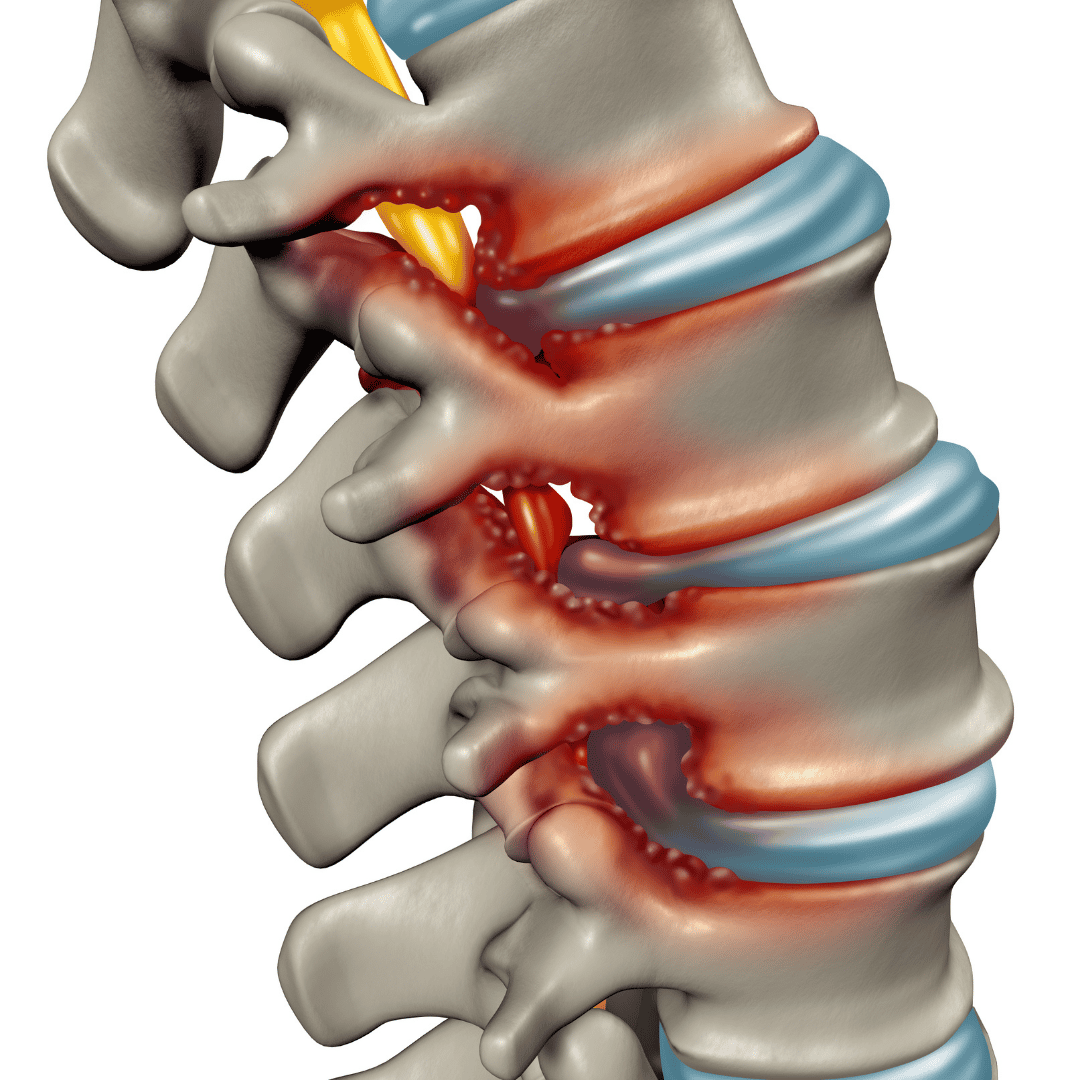
- Herniated or Bulging Discs: The laser shrinks the protruding disc material, pulling it away from the irritated nerve root.
- Sciatica: By relieving pressure on the sciatic nerve in the lower lumbar spine, debilitating leg pain and numbness can be alleviated.
- Foraminal Stenosis: The laser carefully clears out thickened ligaments and tissue narrowing the passageways where nerves exit the spinal column.
- Spinal Arthritis (Spondylosis): Targeted ablation of inflamed facet joint nerves to interrupt chronic pain signals.
Patients with severe spinal instability, multi-level structural deformities, or advanced degenerative disc disease requiring metal hardware fusions are generally not candidates for standalone laser procedures. A comprehensive MRI review by a qualified neurosurgeon is the only way to confirm medical eligibility.
Cost and Value Comparison: Escaping Canadian Waitlists
When Canadians realize they cannot wait two years for surgery, they generally look south to the United States. However, private US spine centers frequently quote staggering prices for self-pay international patients. This economic barrier makes laser spine surgery in Cancun not just a medical alternative, but a financial necessity for many families seeking to reclaim their mobility.
Note: Costs vary based on the specific number of spinal levels treated, the exact surgical technique, and the facility chosen. Prices are subject to change and should be verified via direct quotation.
What Does a Cancun Surgery Package Include?
Premium medical tourism clinics in Cancun utilize an "all-inclusive package" structure, which removes the anxiety of surprise medical billing common in North America. A comprehensive surgical package typically covers:
- Pre-operative blood panels, electrocardiograms (EKG), and specialist consultations.
- The lead neurosurgeon, anesthesiologist, and specialized surgical nursing staff fees.
- Operating room time, endoscopic equipment use, and laser modality fees.
- Recovery room monitoring and immediate post-operative medications.
- Ground transportation between Cancun International Airport, your hotel, and the hospital.
Why is the procedure so much more affordable?
The 70% cost reduction in Mexico is not achieved by cutting clinical corners. Instead, it reflects systemic macroeconomic differences. Mexico features a significantly lower cost of living, which translates to lower wages for hospital administrative staff and reduced facility overhead. Furthermore, Mexican medical systems are not burdened by the hyper-inflated malpractice insurance premiums and convoluted insurance billing departments that artificially drive up US healthcare prices. You are paying the direct cash value of the medical service.
Step-by-Step Laser Spine Surgery Procedure in Mexico
Understanding the clinical pathway helps demystify the experience and reduces pre-travel anxiety. When you travel to Cancun for spinal decompression, the surgical day follows a highly structured, internationally standardized protocol.
- Pre-Operative Assessment: Upon arrival at the clinic, you undergo a final physical examination. The surgical team reviews your MRI in person to precisely map the targeted nerve roots and confirm the surgical trajectory.
- Anesthesia Administration: Depending on the complexity of your case, the anesthesiologist will administer either conscious IV sedation combined with local anesthetics, or general anesthesia. You are kept entirely pain-free throughout.
- Incision and Dilation: The neurosurgeon makes an incision of approximately 1/4 to 1/2 inch in your back. Using specialized tubular retractors, the surgeon gently dilates (spreads) the back muscles to create a tiny working corridor to the spine without cutting muscle fibers.
- Endoscopic Visualization: A high-definition micro-camera is threaded down the tube, displaying magnified, real-time images of the compromised spinal cord and nerve roots on monitors in the operating room.
- Laser Tissue Ablation: The surgeon utilizes specialized medical lasers and micro-instruments to precisely evaporate the herniated disc material or bone spurs causing the nerve compression. The targeted nerve root is visually confirmed to be entirely free and unpinched.
- Closure and Observation: The instruments are withdrawn, allowing the muscles to seamlessly fall back into their natural position. The tiny incision is closed with a single stitch or steri-strip. You are then moved to a recovery suite for 2 to 4 hours of observation before being discharged to your hotel.
Safety, Quality, and Medical Accreditation
The most critical question for any Canadian considering medical travel is: "Is laser spine surgery in Cancun safe?" The answer relies entirely on the specific provider you select. Mexico is home to world-class medical facilities that parallel North American standards, but thorough vetting remains essential.
Validating Surgical Expertise
Spine surgery requires immense precision. You must ensure your procedure is performed by a dedicated spine specialist, not a general orthopedic surgeon. Elite Mexican spine surgeons typically possess:
- Board certification from the Consejo Mexicano de Cirugía Neurológica (Mexican Council of Neurological Surgery) or the equivalent orthopedic board.
- Advanced fellowship training in minimally invasive and endoscopic spine techniques, frequently completed at prestigious institutions in the US, Europe, or Canada.
- Membership in international bodies such as the North American Spine Society (NASS).
Hospital Accreditation Standards
High-quality medical tourism centers in Cancun pursue rigorous international accreditations. Look for hospitals bearing the Joint Commission International (JCI) seal or certification from the Mexican General Health Council (Consejo de Salubridad General). These accreditations guarantee that the facility utilizes FDA-approved sterilization protocols, maintains advanced Intensive Care Units (ICUs) for emergency contingencies, and employs highly trained nursing staff.
Modern Cancun spine centers are equipped with intraoperative fluoroscopy (real-time X-rays), high-definition endoscopes, and state-of-the-art holmium lasers, mirroring the technological capabilities found in Toronto or Vancouver.
The Recovery Timeline
Because laser spine surgery does not involve severing large muscle groups or cutting bone, the recovery timeline is drastically shorter than traditional open fusions. However, the spine still requires dedicated time to heal.
Phases of Healing
- Days 1–3 (In Cancun): You will experience mild soreness at the incision site, similar to a deep muscle ache. Many patients note immediate relief from their pre-surgery radiating leg or nerve pain. Walking is encouraged almost immediately to prevent blood clots.
- Days 4–7 (Clearance to Fly): Following a final clinical evaluation, the surgeon will issue clearance for air travel. You will fly back to Canada, taking care to avoid lifting luggage and utilizing airport mobility assistance.
- Weeks 2–4 (Early Recovery): You will gradually increase your daily walking distance. Sitting for prolonged periods should be avoided. Patients with sedentary desk jobs can often return to work during this window.
- Weeks 6–12 (Strengthening): Under the guidance of a local Canadian physical therapist, you will begin core-strengthening exercises to stabilize the lumbar spine and prevent future disc issues. Heavy lifting and rigorous sports remain restricted.
Warning Signs to Watch For
While recovering, it is vital to monitor your body for complications. Contact medical professionals immediately if you experience:
- A sudden, severe return of the original nerve pain.
- Fever exceeding 101°F (38.3°C) or chills.
- Clear fluid leaking from the incision site (potential spinal fluid leak).
- New or worsening numbness, tingling, or weakness in the legs.
- Loss of bowel or bladder control (requires immediate emergency room care).
How to Choose the Right Spine Surgery Clinics in Mexico?
Navigating the global healthcare market requires diligence. Do not let desperation for pain relief cloud your judgment. Use this 6-point checklist to systematically evaluate clinics offering laser spine surgery in Cancun.
- Demand the Surgeon’s Credentials: Verify their board certifications and specific fellowship training in endoscopic/laser spine surgery.
- Confirm Facility Accreditation: Ensure the clinic operates within a JCI-accredited hospital or a globally recognized surgical center, not a standalone, unaccredited office.
- Require an MRI Review: Legitimate surgeons will never guarantee you are a candidate or finalize pricing without reviewing a recent MRI (less than 6 months old).
- Ask About Technology: Ask specifically what type of endoscopic systems and lasers are utilized. Reputable clinics will proudly share their equipment specifications.
- Check Language and Communication: Your surgeon and the primary nursing staff must speak fluent English to ensure informed consent and clear post-operative instructions.
- Plan Your Home-Country Follow-Up: Ensure you have a Canadian general practitioner or physiotherapist willing to oversee your long-term rehabilitation upon your return.
Risks, Limitations, and Contraindications
Every surgical intervention, no matter how minimally invasive, carries inherent medical risks. When bypassing Canadian waitlists for care abroad, patients must balance the benefits of immediate relief against the clinical realities of spine surgery.
Clinical Risks
Research indicates that complications from endoscopic spine surgery are generally low, but they do exist. Potential risks include superficial infection, bleeding, accidental damage to the nerve root resulting in temporary or permanent weakness, and dural tears (a tear in the thin membrane covering the spinal cord, leading to spinal fluid leakage). Furthermore, in a small percentage of cases, the herniated disc may re-rupture in the future.
Who Should NOT Pursue Laser Spine Surgery?
You are likely not a viable candidate for minimally invasive laser procedures if you present with:
- Severe spinal instability or spondylolisthesis requiring mechanical fusion with screws and rods.
- Complex, multi-level scoliosis or severe structural deformities.
- Active systemic infections or severe uncontrolled diabetes.
- A history of extensive scar tissue from multiple prior open back surgeries.
The Challenge of Cross-Border Care
The primary logistical limitation of medical tourism is follow-up care. If an infection develops three weeks after your return to Calgary or Toronto, you cannot easily visit your Cancun surgeon. You will be entirely reliant on the Canadian public health system for emergency complication management. Establishing a localized support network before boarding your flight is a mandatory safety step.
Your 5-Step Action Plan to Reclaim Your Mobility
If you are ready to explore your options and stop waiting for provincial healthcare approvals, follow this actionable 5-step framework to ensure a secure medical journey to Mexico.
- Secure Your Medical Records: Obtain a digital copy (on CD or USB) of your most recent lumbar or cervical MRI, alongside the radiologist's written report.
- Engage a Verified Platform: Utilize global medical platforms like PlacidWay to connect exclusively with vetted, accredited spine centers in Cancun.
- Schedule a Telehealth Consult: Arrange a direct video consultation with the Mexican neurosurgeon. Discuss your MRI results, realistic expectations, and whether laser ablation is clinically appropriate for your anatomy.
- Review the Formal Quote: Request a detailed, itemized surgical itinerary. Ensure it explicitly covers hospital fees, surgical equipment, and anesthesia.
- Coordinate Logistics and Support: Book your flights, secure a medical travel companion to assist you post-surgery, and schedule your post-operative physiotherapy appointments in Canada.
Stop Waiting for Pain Relief
Connect with internationally accredited neurosurgeons in Cancun. Submit your MRI for a free, no-obligation medical review and receive a personalized treatment plan today.
Frequently Asked Questions
Making an Empowered Choice for Your Spinal Health
Escaping Canadian waitlists is not about circumventing the system; it is about taking definitive ownership of your health, mobility, and future. Chronic back pain degrades every facet of daily life. When domestic healthcare rationing forces you into 18-month delays, laser spine surgery in Cancun presents a medically sound, financially viable lifeline.
By leveraging international medical tourism, you can access board-certified neurosurgeons and advanced endoscopic technologies in weeks, rather than years. However, this path requires proactive research, thorough medical evaluations, and a steadfast commitment to post-operative rehabilitation. Ensure you select accredited facilities, communicate transparently with your medical team, and plan your cross-border journey meticulously.
If you are ready to reclaim your life from debilitating nerve pain, take the first step today. Browse verified neurosurgical clinics on PlacidWay, upload your MRI for a specialist review, and schedule a personalized consultation to explore your treatment options.
The information in this article is for educational purposes only and does not constitute medical advice. Individual results vary based on health status, case complexity, and other factors. Always discuss your specific situation with a licensed healthcare professional before making treatment decisions. PlacidWay connects patients with verified healthcare providers but does not provide medical services directly.
- National Institutes of Health (NIH): Clinical Outcomes of Endoscopic Spine Surgery
- Mayo Clinic: Minimally Invasive Spine Surgery - Patient Guide
- World Health Organization (WHO): Low Back Pain Fact Sheet
- PlacidWay Medical Tourism: Global Spine Surgery Options and Provider Directory
.png)





.png)

.png)
.png)








Share this listing