


Are you struggling with chronic back pain and actively searching for the best non-invasive spine treatment options available today? You are certainly not alone in this journey. Millions of individuals worldwide suffer from debilitating spinal conditions, often mistakenly believing that highly invasive operations are their only realistic path to relief.
However, modern medicine has completely transformed how we approach spinal health. Remarkably, a vast majority of patients can achieve complete recovery and dramatic pain reduction without ever needing to step into an operating room. By strategically leveraging advanced physiotherapy, targeted nutritional therapy, and expert medical guidance, achieving long-lasting relief is an entirely attainable goal. Watch to discover how elite neurosurgeons with decades of specialized experience are revolutionizing back pain management, helping countless patients successfully reclaim their active, pain-free lives.
Video Chapters & Quick Navigation
The Global Epidemic of Back Pain and Spinal Disorders
The prevalence of chronic back pain has reached unprecedented epidemic proportions across the globe. Medical researchers and healthcare professionals continuously document the staggering number of individuals who suffer from debilitating spinal conditions on a daily basis. This widespread medical issue drastically impacts global productivity, personal well-being, and overall quality of life for millions of people.
For many years, the immediate response to severe spinal discomfort was heavily skewed towards highly invasive surgical procedures. Patients were frequently led to believe that complex operations involving extensive recovery times were the absolute only solution to their agonizing pain. This historical over-reliance on surgery created a pervasive fear among patients, causing many to delay seeking necessary medical treatment out of sheer anxiety regarding the operating room.
However, there has been a monumental paradigm shift in modern osteopathic and neurological medicine. As explicitly stated in the video at [00:00], an astonishing 90% of patients successfully heal without the need for any surgical intervention. This incredible statistic highlights the immense healing capacity of the human body when provided with the correct conservative management tools.
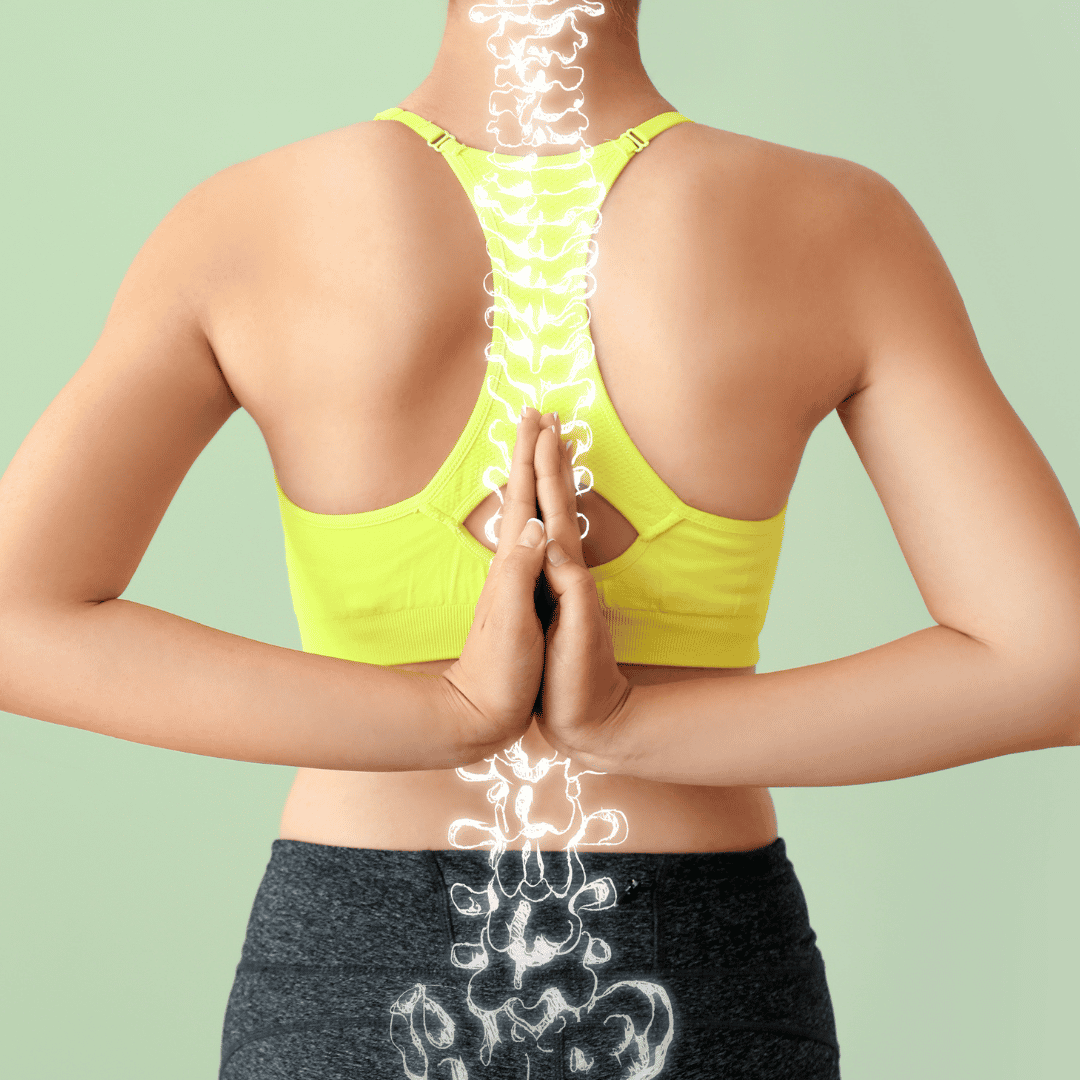
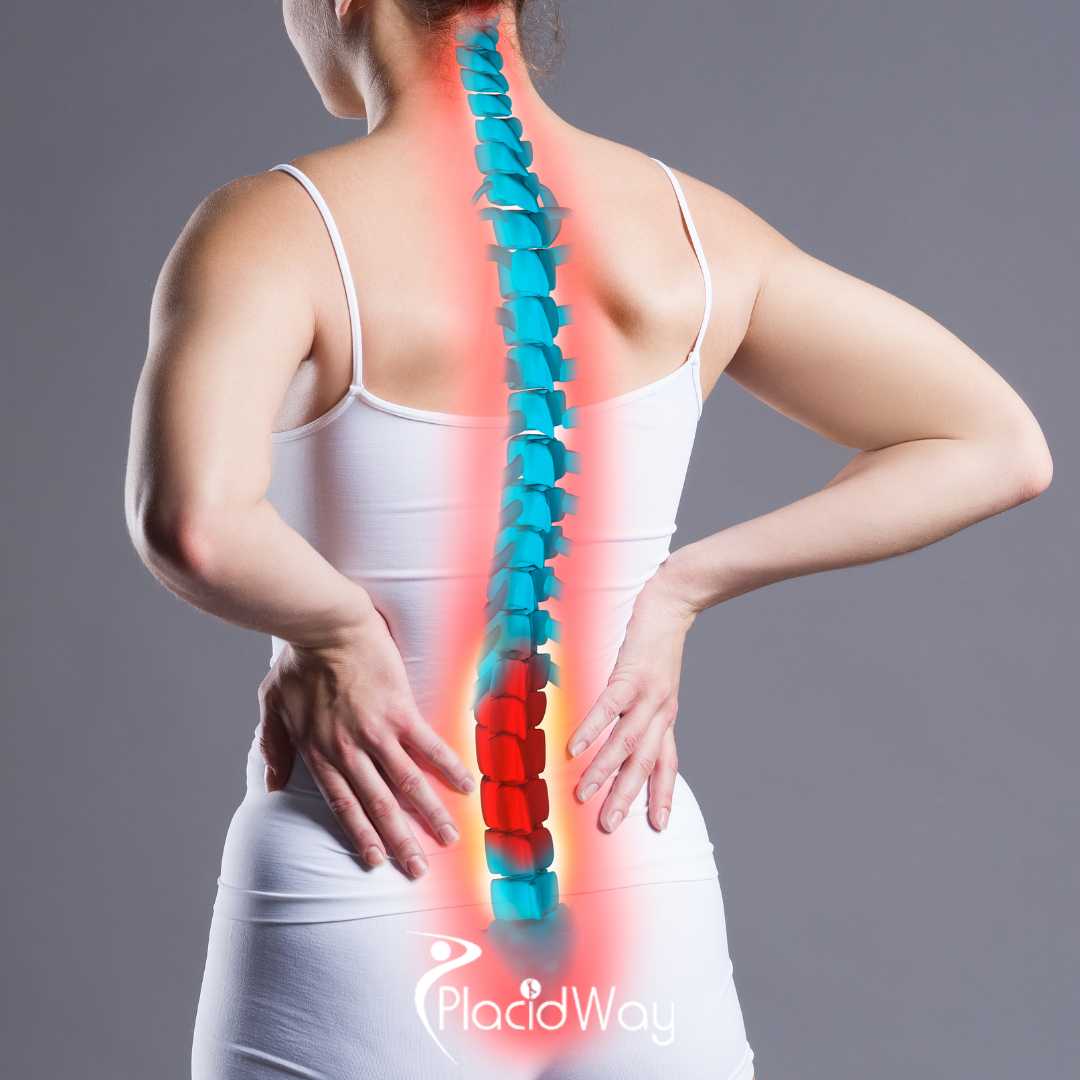
Understanding the complex anatomy of the human spine is the first crucial step in overcoming chronic back issues. The spinal column is a marvel of biomechanical engineering, consisting of delicate vertebrae, shock-absorbing intervertebral discs, and a dense network of sensitive nerves. When conditions such as a non-surgical herniated disc or severe sciatica nerve pain arise, the root cause is often mechanical rather than structural, meaning it can be corrected through non-invasive measures.
Catching early signs of spinal degradation allows medical professionals to implement conservative therapies before irreversible damage occurs. By shifting the focus away from the scalpel and towards holistic, biomechanical rehabilitation, patients are experiencing faster recovery times and significantly lower risks of clinical complications. The overarching goal is to treat the underlying source of the inflammation rather than simply masking the painful symptoms.
Understanding Comprehensive Non-Invasive Spine Treatment Options
When exploring the best non-invasive spine treatment options, a multi-disciplinary approach consistently yields the most remarkable clinical outcomes. As noted in the presentation at [00:08], top-tier medical centers are focusing 100% of their initial attention on non-invasive modalities. This comprehensive strategy typically involves a synergistic combination of targeted physiotherapy, clinical nutritional therapy, and advanced pharmacological management.
Advanced Physiotherapy for Lower Back Pain Relief
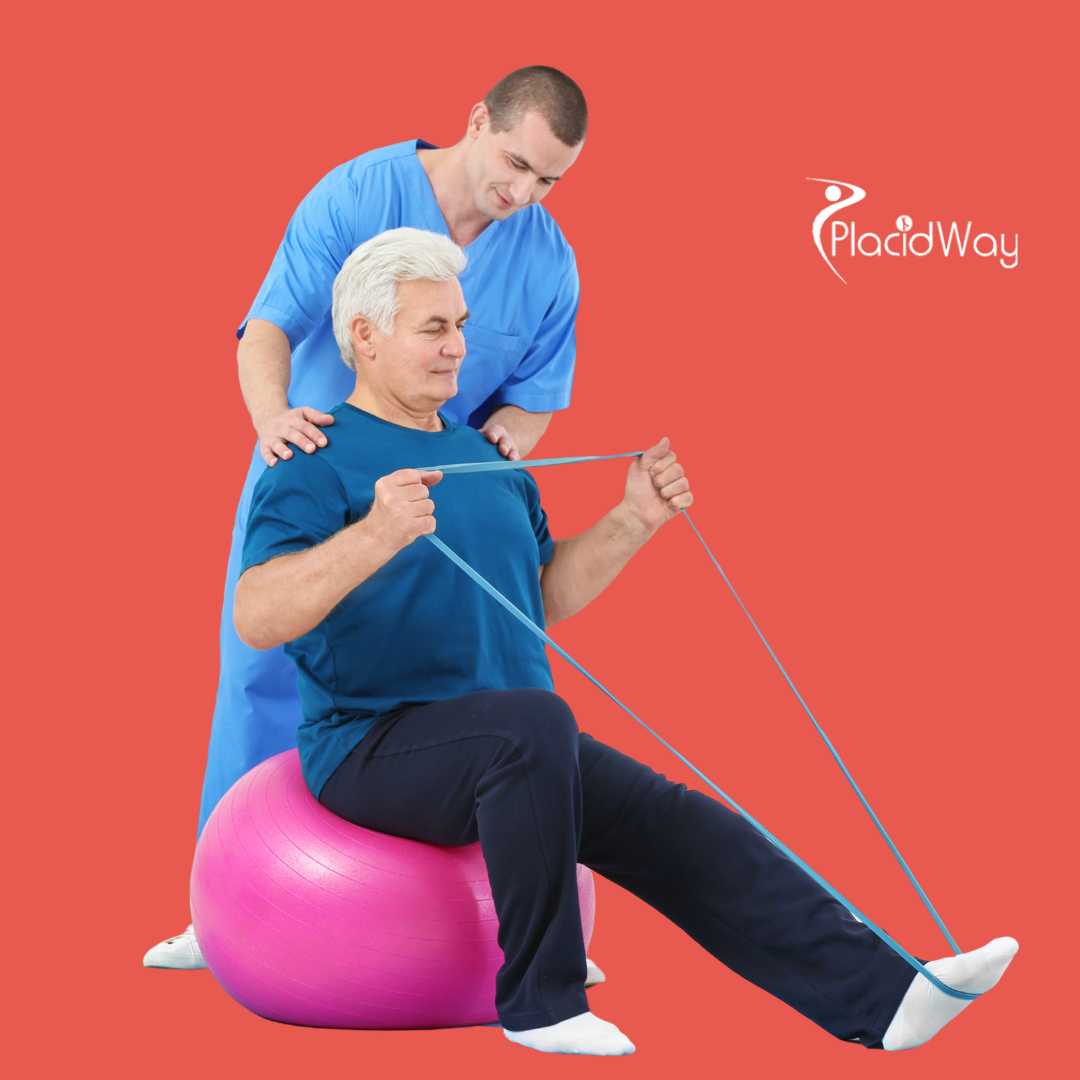
Advanced physiotherapy stands as the absolute cornerstone of conservative spinal care. The fundamental objective of physical therapy for sciatica nerve pain and general lumbar distress is to restore optimal biomechanical function to the vertebral column. Highly trained physical therapists utilize a comprehensive array of dynamic techniques to significantly improve flexibility, enhance muscular endurance, and stabilize the delicate structures of the human spine.
Active physical therapy involves specific, structured exercises designed to strengthen the core abdominal and lower back muscles. A robust muscular corset acts as an internal physical brace, providing essential support to the spine and significantly reducing the daily biomechanical load placed on the intervertebral discs. Through consistent and guided practice, patients can effectively reprogram their neuromuscular pathways to maintain healthier movement patterns, preventing future painful flare-ups.
Nutritional Therapy for Spinal Disc Regeneration
Incorporating a robust nutritional therapy plan is absolutely vital for spinal disc regeneration and overall musculoskeletal health. The intervertebral discs that dynamically cushion your spine require specific micronutrients to maintain their hydration and structural integrity. Implementing an anti-inflammatory diet for spinal health plays a pivotal role in reducing systemic inflammation that severely exacerbates nerve root pain.
A diet rich in omega-3 fatty acids, commonly found in wild-caught salmon, chia seeds, and walnuts, actively combats internal tissue inflammation. Furthermore, adequate daily hydration is strictly non-negotiable; water constitutes a massive portion of the healthy spinal discs, and chronic dehydration inevitably leads to accelerated disc degeneration. Patients are also strongly advised to consume leafy green vegetables, which are densely packed with calcium and vitamin K, essential components for maintaining pristine bone density.
Pharmacological Management of Chronic Nerve Pain
While the ultimate goal is to eliminate reliance on medication, pharmacological therapy serves a highly critical function in the acute phases of spinal recovery. When pain levels are debilitating, patients are unable to participate effectively in the necessary physical rehabilitation programs. Carefully managed pharmacological interventions bridge this gap, lowering pain thresholds to allow for active, movement-based healing.
Expert medical practitioners typically prescribe a precisely calculated combination of non-steroidal anti-inflammatory drugs (NSAIDs) to reduce localized tissue swelling, alongside specialized muscle relaxants to ease severe spasms. For patients suffering from complex neuropathic conditions, targeted nerve pain medications can dramatically calm overactive nerve signals. This meticulous, conservative medical management ensures that the patient remains comfortable while the physical body naturally repairs the underlying structural damage.
Essential Lifestyle Modifications and Postural Habits for Spine Health
The way we navigate our daily environment has a profound, cumulative impact on the structural integrity of our spinal column. The featured clinical guidance at [00:16] heavily emphasizes the necessity of properly founded recommendations for modifying postural habits and making substantial lifestyle changes. Without addressing the root behavioral causes of spinal stress, even the most advanced medical treatments will yield only temporary relief.
Mastering Workplace Ergonomics to Prevent Spinal Strain
The modern sedentary lifestyle is perhaps the greatest contemporary enemy of optimal spinal health. Millions of professionals spend upwards of eight to ten hours a day hunched over computer keyboards, developing a highly detrimental condition colloquially known as "text neck" or upper cross syndrome. Developing ergonomic postural habits for desk workers is not a luxury; it is an absolute medical necessity to prevent long-term cervical and lumbar degradation.
An anatomically correct workstation setup requires the computer monitor to be positioned exactly at eye level to prevent constant downward tilting of the heavy human skull. Additionally, the office chair must provide aggressive lumbar support to maintain the natural inward curve of the lower back. Patients are medically advised to practice the 20-20-20 rule, taking brief, frequent movement breaks to rehydrate the spinal discs and prevent muscular stagnation.
The Importance of Sleep Ergonomics and Proper Lifting Mechanics
Beyond the office, the way we perform mundane daily tasks dictate our spinal longevity. Proper biomechanical lifting techniques—bending rigidly at the knees and driving upward through the powerful gluteal muscles rather than flexing the vulnerable lumbar spine—are critical skills taught in comprehensive physical therapy programs. Neglecting these basic mechanical principles is the leading cause of sudden, acute disc herniations.
Furthermore, sleep ergonomics play a massive role in nocturnal spinal regeneration. Since we spend approximately one-third of our lives sleeping, investing in a supportive, medium-firm mattress is highly recommended by orthopedic specialists. Side sleepers are frequently instructed to place a dense pillow between their knees to maintain neutral pelvic alignment, thereby actively preventing rotational stress on the lower back during critical rest periods.
Safe Sports and Exercises That Protect Your Spinal Column
Physical activity acts as a double-edged sword when it comes to comprehensive spine health; while movement is medicine, improper movement can lead to catastrophic injury. As highlighted at [00:24], expert medical centers provide deep orientation regarding the specific sports and physical exercises that actively prevent damage to your fragile vertebral column. Distinguishing between spine-safe activities and high-risk sports is vital for long-term physical preservation.
The Biomechanics of Spine-Safe Exercise
Low-impact, highly controlled movements are the absolute gold standard for individuals actively recovering from or looking to prevent debilitating back pain. Aquatic therapy, for example, utilizes the natural buoyancy of water to completely offload the immense gravitational pressure normally placed on the intervertebral discs. This weightless environment allows patients to aggressively strengthen their core musculature without risking further compression injuries.
Conversely, high-impact activities or sports that require violent, sudden spinal rotation place extreme sheer forces on the delicate annulus fibrosus—the tough outer ring of the spinal disc. Sports like golf, which necessitate a rapid, twisting motion of the lumbar spine, are notorious for causing acute disc herniations in unconditioned individuals. By intelligently pivoting towards activities like clinical Pilates and stationary cycling, patients can achieve elite levels of cardiovascular fitness while simultaneously bulletproofing their spinal architecture.
When is Minimally Invasive Spine Surgery Actually Necessary?
While the overwhelming majority of spinal issues can be entirely resolved through conservative protocols, there remains a specific subset of medical conditions where surgical intervention is completely unavoidable. At [00:29], the presentation addresses this critical juncture: when surgery is absolutely necessary, the unmatched expertise of the operating surgeon becomes the single most important variable in the patient's recovery trajectory.
Identifying Red Flag Spinal Symptoms
The medical decision to transition from conservative care to surgical intervention is never taken lightly by ethical neurosurgeons. Surgery is typically mandated when patients exhibit severe "red flag" neurological symptoms. These critical indicators include rapidly progressive motor weakness, profound loss of bowel or bladder control (indicative of Cauda Equina Syndrome), or excruciating nerve pain that remains entirely unresponsive to maximum conservative therapy over an extended period.
When these severe symptoms present themselves, delaying surgical intervention can lead to permanent, irreversible nerve damage. In these highly specific scenarios, minimally invasive spine surgery recovery time is drastically shorter than traditional open procedures. Modern neurosurgical techniques utilize microscopic incisions, specialized tubular retractors, and advanced real-time imaging to access the damaged disc without needlessly severing the surrounding supporting muscles.
The Unmatched Value of Decades of Neurosurgical Experience
The surgical statistics presented are a testament to clinical mastery: medical neurosurgeons with over 45 years of dedicated experience and a staggering history of 5,000 successfully treated patients. When choosing an expert neurosurgeon for spinal stenosis or complex disc herniations, these metrics represent far more than just numbers; they represent decades of refined physical intuition, microscopic precision, and an intimate understanding of complex human anatomy.
An experienced surgeon approaches the spinal column with a philosophy of maximal preservation. Whether performing a microdiscectomy to relieve pressure on a trapped sciatic nerve or executing a sophisticated spinal fusion to stabilize a degraded segment, the overarching goal remains the same: restore neurological function while minimizing surgical trauma. This profound level of surgical mastery is what separates standard care from truly world-class medical outcomes.
Choosing Expert Medical Care for Long-Term Spine Health
Navigating the complex landscape of chronic back pain requires more than just generic medical advice; it requires a highly specialized, dedicated team of medical professionals. The final call to action at [00:39] emphasizes the vital importance of receiving healthcare that matches the supreme value of your overall well-being. Finding a comprehensive spine center that offers both elite conservative treatments and world-class surgical options under one roof is the absolute gold standard of care.
The rising trend of affordable medical tourism for spine surgery and advanced rehabilitation has completely democratized access to these elite medical facilities. Patients are no longer heavily restricted by the exorbitant costs of local healthcare systems or subjected to agonizingly long waiting lists. By looking internationally to highly accredited centers of excellence, patients can secure immediate access to the top tier of neurological and orthopedic specialists.
These state-of-the-art international clinics provide an immersive, holistic healing environment. From the initial high-resolution diagnostic MRI scans to the meticulously personalized nutritional counseling and specialized physical therapy sessions, every single aspect of the patient's recovery is carefully orchestrated. This comprehensive, patient-first approach guarantees that whether you fall into the 90% who heal naturally or the 10% who require surgical intervention, your spinal health is in the most capable, experienced hands possible.
Take the First Step Towards a Pain-Free Spine Today
PlacidWay Medical Tourism connects you with the world's most elite, top-rated neurosurgical and non-invasive spine centers. Discover affordable, world-class care and let our expert patient coordinators guide you through a seamless journey to lasting back pain relief.
GET A FREE QUOTE



.png)
.png)









Share this listing