


The human spine is a marvel of biological engineering, designed to provide both incredible stability and dynamic flexibility. However, when the spine develops abnormally from birth, it can lead to a lifetime of progressive physical and emotional challenges. For individuals facing severe spinal curvatures, finding the right medical intervention is a critical turning point. Today, undergoing advanced congenital scoliosis surgery in Turkey has emerged as a beacon of hope for patients worldwide who are seeking world-class orthopedic care.
This comprehensive guide explores the transformative journey of spinal deformity correction [00:00]. Through the real-life experience of Hilal, a 29-year-old mother and teacher, we will delve into the harsh realities of living with severe scoliosis. We will also explore the advanced surgical techniques utilized by leading spine surgeons and the remarkable recovery process that offers patients a highly anticipated second chance at a pain-free life.
Video Chapters & Quick Navigation
The Hidden Burden of Congenital Scoliosis
Understanding the Roots of Congenital Spinal Deformities
Congenital scoliosis is a structural alteration of the spine that occurs extremely early in fetal development. Unlike idiopathic scoliosis, which typically develops during adolescence without a clearly identifiable cause, congenital scoliosis is directly linked to the physical malformation of one or more vertebrae. These embryological anomalies can manifest as hemivertebrae, where only half of a spinal bone fully forms.
Because the foundational structure of the spine is asymmetrical right from birth, the spine naturally curves and twists as the child grows. Despite being present at birth, the physical signs of congenital scoliosis may not be immediately obvious during infancy. As in Hilal's case, the curvature was officially noticed by medical professionals around the age of ten [00:28].
This timeline is incredibly common in pediatric orthopedics. During the pre-adolescent growth spurt, the rapid elongation of the spine exacerbates the underlying bone asymmetry, making the abnormal curvature highly visible. Early diagnosis through specialized pediatric imaging is absolutely crucial for mapping out a long-term monitoring and structural treatment strategy.
The Limitations of Conservative Orthopedic Treatments
When families are first confronted with a scoliosis diagnosis, the immediate inclination is to seek non-surgical interventions. For many types of spinal curvatures, rigid bracing is a highly effective tool for halting progression during the growing years. However, congenital scoliosis presents a very unique biomechanical challenge for pediatric orthopedists.
Because the curvature is driven by fundamentally misshapen bones rather than just muscle imbalances or typical growth patterns, conservative treatments often yield disappointing results. Many patients undergo rigorous and uncomfortable bracing protocols in an attempt to stave off surgical intervention. Hilal dedicated an entire month to wearing a rigid orthopedic corset, hoping for a structural correction [00:36].
Unfortunately, the structural nature of her congenital deformity meant that the corset provided virtually no medical benefit. The mechanical force of a standard brace is rarely sufficient to override the hardwired asymmetry of a malformed vertebra. Consequently, many spine specialists will advise patients to wait until skeletal maturity is reached—typically around age eighteen—before pursuing definitive surgical correction [00:32].
Comparing Spinal Curvatures: Congenital vs. Idiopathic Scoliosis
| Clinical Feature | Congenital Scoliosis | Idiopathic Scoliosis |
|---|---|---|
| Root Cause | Structural malformation at birth (e.g., hemivertebrae). | Unknown; typically develops during rapid adolescent growth. |
| Effectiveness of Bracing | Generally ineffective due to hardwired anatomical bone asymmetry. | Highly effective in halting curve progression if caught early. |
| Surgical Approach | Requires targeted bone excision (osteotomy) and spinal fusion. | Primarily involves instrumentation and realignment without wedge excision. |
The Emotional and Physical Toll of Severe Spinal Deformities
Living with Chronic Back Pain
Living with a severe spinal deformity is not merely a physical hardship; it is a profound emotional and psychological burden. For years, patients manage their condition with over-the-counter pain medications, pushing through their daily routines while masking the underlying discomfort. Initially, Hilal’s back pain was manageable, occurring only two to three times a month and managed effectively with basic painkillers [00:41].
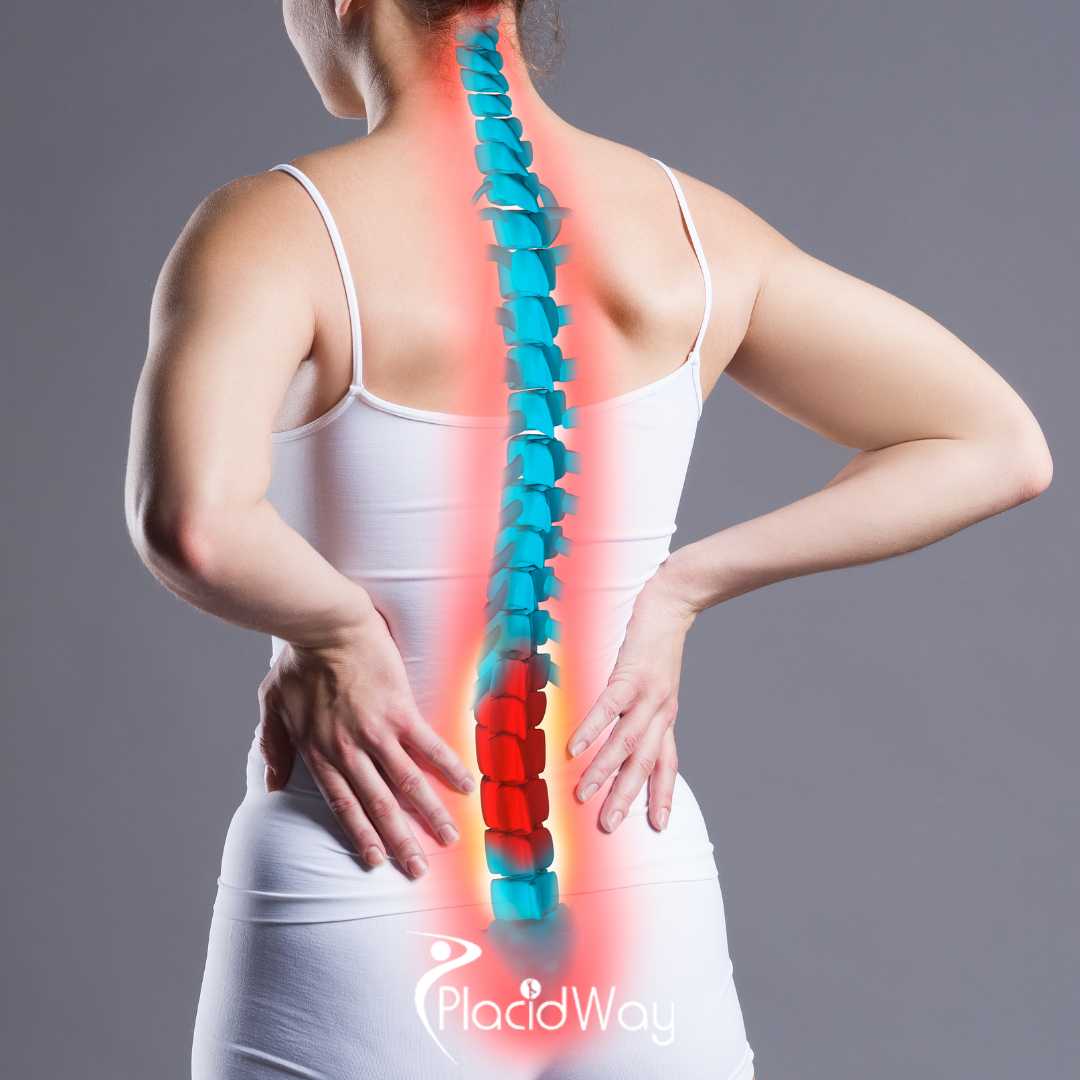
However, as the structural imbalance worsens, the mechanical stress on the surrounding muscles and ligaments eventually reaches a critical breaking point. What starts as a dull, infrequent ache can rapidly escalate into severe, unremitting chronic back pain. In the months leading up to her surgical decision, Hilal experienced this precise escalation, noting a drastic increase in her daily discomfort levels [00:53].
The physical symptoms became impossible to ignore, deeply impacting her overall quality of life. This manifested not just as internal pain, but as a pronounced, visible swelling on her back [00:56]. Living with severe back pain due to scoliosis constantly drains a patient's energy, making even the simplest daily movements feel like monumental hurdles.
The Psychological Impact of Restricted Mobility
Beyond the physical pain, the restriction of functional mobility deeply impacts a patient's mental health. As a mother to two young boys and an active assistant kindergarten teacher, Hilal's daily life demanded a high level of physical resilience. The heartbreaking reality of congenital scoliosis is its tendency to steal away the simple, vital joys of family life.
Bending over, standing up, and performing routine workplace tasks became monumental physical challenges. Most devastatingly, she found herself physically unable to safely bend and lift her own children into her arms [01:40]. This loss of maternal physical interaction triggered a severe psychological decline, leading to a complete breakdown in her mental well-being.
When physical limitations directly interfere with your core identity as a parent and a professional, the resulting emotional distress is entirely overwhelming. Seeking surgical intervention becomes not just a clinical medical necessity, but a vital step toward reclaiming one's identity. Addressing both the physical deformity and the psychological trauma is essential for comprehensive patient care.
Navigating the Search for the Right Spine Surgeon
The Importance of Patient Testimonials
When chronic back pain becomes unbearable and physical limitations disrupt daily life, the search for a permanent medical solution begins. Navigating the world of complex orthopedic surgery can be an incredibly intimidating process for patients. The medical terminology is complex, the risks of spinal surgery are significant, and the fear of the unknown often paralyzes decision-making.
Hilal’s turning point came from active outreach and extensive digital research. She sought out individuals who had successfully undergone spinal deformity correction, finding a young patient who had a dual-curve scoliosis surgically corrected [01:17]. Speaking directly with someone who had navigated the same medical journey provided her with immense emotional relief.
Furthermore, visually verifying surgical successes helped solidify her confidence in the procedure. Watching detailed video testimonials, such as a young boy named Eymen whose severe sixty-degree spinal curve was reduced to zero, demystified the surgical process [01:17]. Seeing real-world outcomes empowers patients to take definitive control of their healthcare journey.
The First Consultation: Why Empathy Matters
Equally important to clinical outcomes is the bedside manner of the treating physician. The first consultation sets the definitive tone for the entire surgical experience [00:10]. Patients carrying the heavy physical and emotional burden of a lifelong spinal deformity need more than just surgical expertise; they require deep empathy and understanding.
Hilal had previously encountered medical professionals who were rigid, cold, and unapproachable, which only heightened her clinical anxiety [01:32]. In stark contrast, her initial meeting with Op. Dr. Yunus Uysal at Turan Turan Health Group was defined by his warm, smiling demeanor and patient-centric communication. Establishing a foundation of trust and psychological comfort is an absolutely critical element of pre-surgical preparation.
When a patient feels genuinely cared for and heard, they approach the operating room with optimism and resilience, leading to better overall surgical outcomes. "I am definitely coming back here," she affirmed immediately after that pivotal first meeting [01:36]. Choosing the best spine surgeon for scoliosis treatment means finding a balance between exceptional technical skill and compassionate patient care.
Advanced Surgical Interventions for Spinal Deformities
Understanding the Surgical Procedure by Op. Dr. Yunus Uysal
The decision to proceed with spine surgery marks the transition from living with a progressive deformity to actively correcting it. Addressing congenital scoliosis requires highly specialized surgical interventions, as the root cause lies in the fundamental malformation of the spinal bones. At premier orthopedic centers, comprehensive clinical evaluations and advanced 3D imaging are utilized to map the exact anatomy of the anomalous vertebrae.
Op. Dr. Yunus Uysal evaluated Hilal’s progressive curvature and severe localized back pain, determining that a targeted structural correction was absolutely necessary [01:56]. He diagnosed her specifically with congenital scoliosis, an embryological condition requiring precise mechanical intervention [02:02]. The surgical strategy designed to alleviate her symptoms and halt further spinal degeneration was a hemivertebra excision coupled with spinal instrumentation.
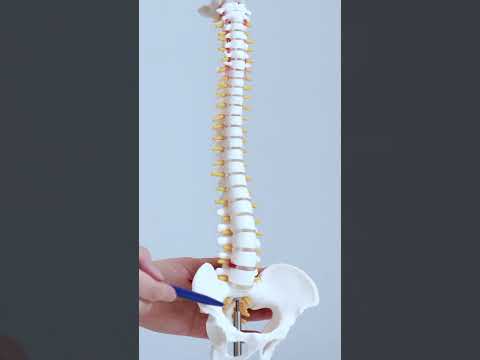
In a healthy spine, vertebrae are relatively uniform, rectangular blocks. A hemivertebra, however, is an extra, wedge-shaped anomaly that acts as a disruptive pivot point, forcing the spine to tilt and curve around it. To rectify this biomechanical flaw, the surgical team must perform a meticulously planned, multi-stage orthopedic procedure.
The Role of Spinal Instrumentation and Deformity Correction
The operation begins with the careful placement of biocompatible titanium pedicle screws. These are strategically anchored into the healthy, stable vertebrae located immediately above and below the malformed extra bone [02:08]. These titanium screws act as incredibly secure foundation points for the subsequent manipulation and realignment of the entire spinal column.
Once the anchoring hardware is perfectly secured, the surgeon executes a highly delicate osteotomy to completely remove the extra, wedge-shaped bone. This surgical extraction creates a deliberate anatomical void within the spinal column. The transformative moment of the surgery occurs when the surgeon gently compresses this space, drawing the pedicle screws closer together [02:11].
This highly controlled mechanical compression effectively closes the anatomical gap, instantly correcting the abnormal curvature and restoring proper, healthy alignment to the spine [02:19]. The spine is then locked into its new, properly aligned position using durable titanium connecting rods. This ensures rigid stability while the natural bone fusion process occurs over the following months.
The Road to Recovery After Complex Deformity Correction
The Immediate Post-Operative Phase
The immediate post-operative period is often the phase that patients fear the most. There is a deeply ingrained misconception that major spinal surgery is inherently followed by weeks of agonizing pain and complete immobility. However, modern multimodal pain management protocols have completely revolutionized the inpatient recovery experience.
When Hilal woke up in her hospital room just a few hours after her complex deformity correction, she was carefully monitored by a highly dedicated nursing staff [02:22]. Through the precise administration of targeted analgesics and anti-inflammatory medications, her post-surgical pain was incredibly well-controlled. In fact, she later expressed profound relief at experiencing virtually no debilitating pain during her hospital stay [02:49].
This pain-free baseline is vital for the next critical step in orthopedic recovery: physical rehabilitation. When pain is proactively managed, patients are much more willing and physically able to participate in their own recovery protocols, dramatically reducing the overall recovery time for spinal deformity correction.
Mobilization and Physical Therapy
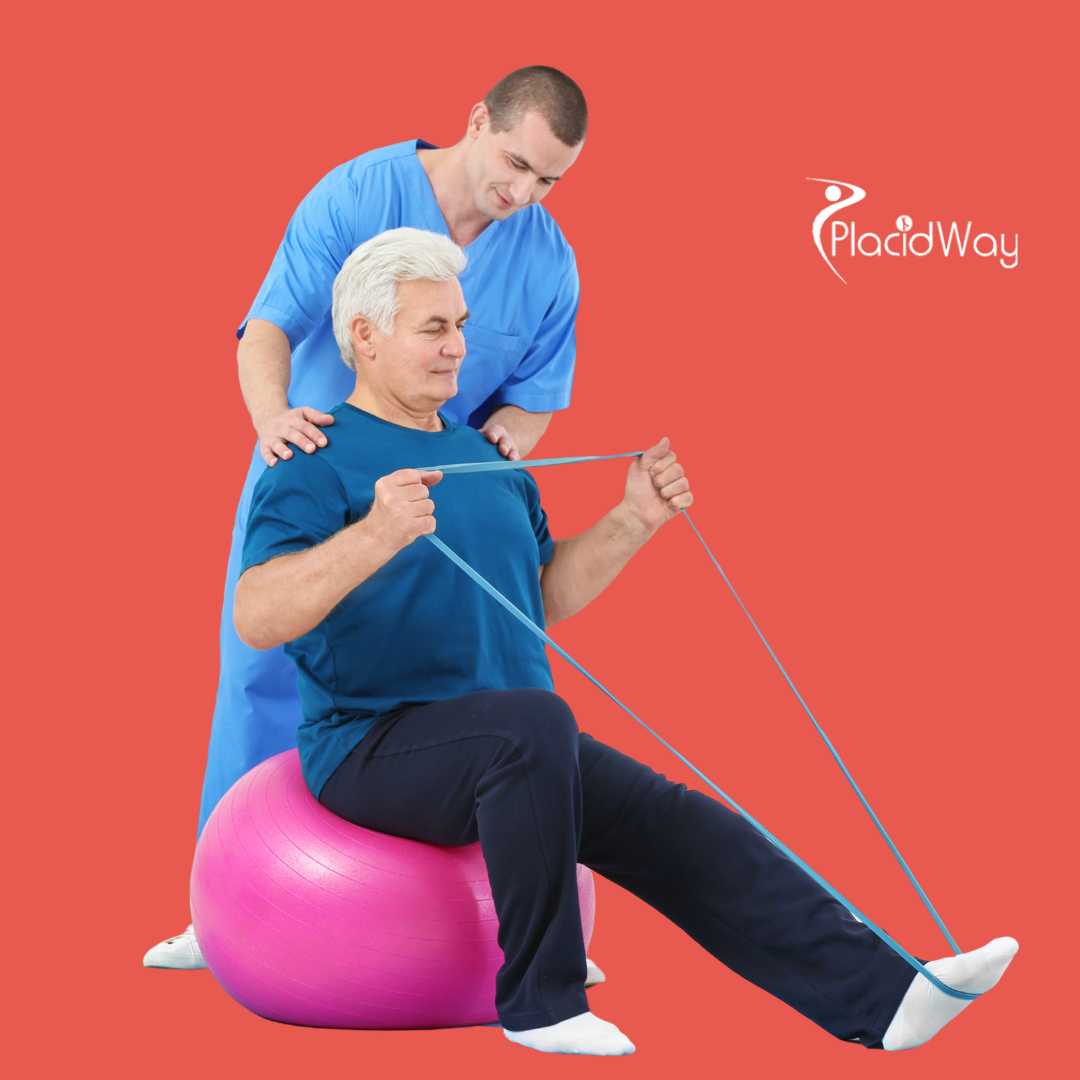
One of the most critical components of modern orthopedic recovery is early patient mobilization. Gone are the days when spine surgery patients were confined to strict bed rest for extended periods. Today, getting patients on their feet as quickly as possible is a top clinical priority for specialized surgical teams.
On the second day following her extensive spinal operation, the medical team encouraged Hilal to take her very first steps [02:30]. While the first attempt at walking post-surgery can be physically demanding and requires immense mental fortitude, persistence is absolutely key. Hilal initially struggled with the new biomechanics of her straightened spine but remained incredibly determined.
- Prevention of Vascular Complications: Walking stimulates healthy blood flow in the lower extremities, drastically reducing the risk of post-surgical deep vein thrombosis (DVT).
- Respiratory Recovery: An upright posture allows the lungs to fully expand, mitigating the risk of post-surgical atelectasis or pneumonia.
- Musculoskeletal Strengthening: Engaging the core and leg muscles immediately helps support the newly aligned spinal hardware, accelerating overall physical rehabilitation.
By her third day in the hospital, she was confidently walking the corridors of the surgical ward without stopping [02:38]. By the fourth day, having met all clinical recovery milestones and demonstrating excellent independent mobility, she was successfully discharged from the hospital to continue her recovery comfortably at home [03:00].
Long-Term Healing and the Return to a Pain-Free Life
Reclaiming Daily Independence
The transition from intensive hospital care to at-home recovery marks the beginning of the long-term healing phase. While the mechanical correction of the spine is achieved instantly in the operating room, the biological process of bone fusion and soft tissue healing takes several months. During this period, patients must strictly adhere to postoperative guidelines, avoiding heavy lifting and extreme twisting motions while gradually increasing their daily activity levels.
By her twenty-eighth post-operative day, Hilal returned to the orthopedic clinic for a comprehensive follow-up evaluation [03:13]. The physical transformation was remarkable. The severe, localized back aches that had plagued her for months prior to the surgery were completely gone. Furthermore, the immense fear and preoperative anxiety that had overshadowed her life had completely dissipated [03:16].
She happily reported that the terrifying surgical complications she had imagined never materialized. The entire surgical journey, from the initial incision to her one-month follow-up, was vastly smoother and more comfortable than she had ever anticipated. Regaining the ability to perform simple, everyday household tasks is a monumental victory for patients recovering from severe spinal deformities.
A Second Chance at Life
More importantly than just performing chores, the surgical correction entirely restored her ability to fully interact with her family. The heartbreaking inability to lift her children was beautifully replaced with the joyous realization that she could finally embrace them safely. She fulfilled the heartfelt promise she made prior to her surgery: to lift her children with arms full of love [01:48].
Overcoming a lifelong congenital condition through advanced medical intervention is often described by patients as stepping through a brand new door. It fundamentally rewrites the trajectory of their future health and happiness. As Hilal beautifully articulated during her follow-up, the successful surgery provided her with a miraculous "second chance at life" [03:45].
This sentiment perfectly captures the ultimate goal of advanced orthopedic surgery. It proves that everyone, regardless of the severity of their congenital spinal deformity, deserves the opportunity to live a fulfilling life completely free from chronic pain and severe physical limitation.
Why Turkey is a Global Hub for Orthopedic Surgery
Cutting-Edge Medical Facilities and Spine Centers
As the demand for highly specialized orthopedic procedures continues to rise globally, Turkey has rapidly emerged as a premier destination for international medical tourism. Patients from North America, Europe, and the Middle East are increasingly looking beyond their borders to access world-class healthcare solutions. The driving force behind this international movement is the unique combination of cutting-edge medical technology and internationally trained specialist surgeons.
Leading medical institutions in Turkey exemplify this standard of global medical excellence. These highly specialized orthopedic and spine centers are equipped with the absolute latest diagnostic imaging, robotic surgical assistance, and advanced neuromonitoring systems. These critical technologies ensure the highest levels of safety and precision during complex procedures like congenital scoliosis surgery.
Furthermore, the dedicated surgeons leading these spinal departments often hold prestigious international fellowships. They are deeply embedded in the global orthopedic community, bringing the most advanced, evidence-based surgical techniques directly to their international patients. This ensures outcomes that routinely rival or exceed those found in the world's most expensive healthcare systems.
Affordable and Comprehensive Treatment Packages
Organizations like PlacidWay Medical Tourism facilitate this global healthcare exchange by seamlessly connecting international patients with top-tier hospitals in Turkey. The cost of scoliosis surgery abroad is often a fraction of what patients would pay in their home countries, without ever compromising on the quality or safety of the medical care provided.
These comprehensive medical tourism packages go far beyond the surgical procedure itself. They are meticulously designed to provide a completely stress-free experience from start to finish. Packages often encompass remote preoperative consultations, VIP airport transfers, luxury accommodation arrangements, and dedicated multilingual patient coordinators.
By effectively eliminating the massive logistical hurdles and financial stress of seeking major treatment abroad, patients can focus their entire energy on what truly matters. They are free to concentrate on their physical health, their postoperative recovery, and their transformative journey toward a pain-free, fully restored life.
Ready to Reclaim Your Pain-Free Life?
Don't let severe spinal deformities or prohibitive local medical costs hold you back. PlacidWay Medical Tourism connects you with world-renowned orthopedic spine surgeons in Turkey, providing top-tier, affordable scoliosis surgery packages. Take the first step toward your second chance at life today.
GET A FREE QUOTE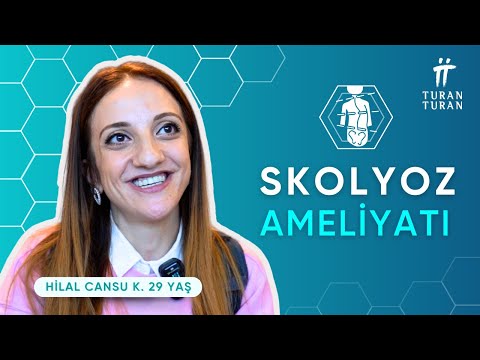

.png)









Share this listing