
When researching Lumbar Disc Replacement in Germany for Belgium Patients, the key advantage is access to globally recognized neurosurgeons specializing in advanced motion-preservation technology. LDR in Germany typically costs €15,000 to €22,000. Thanks to the EU Cross-Border Healthcare Directive, eligible Belgian citizens can often secure partial reimbursement, bypass local wait times, and receive state-of-the-art spinal care just a few hours from home.

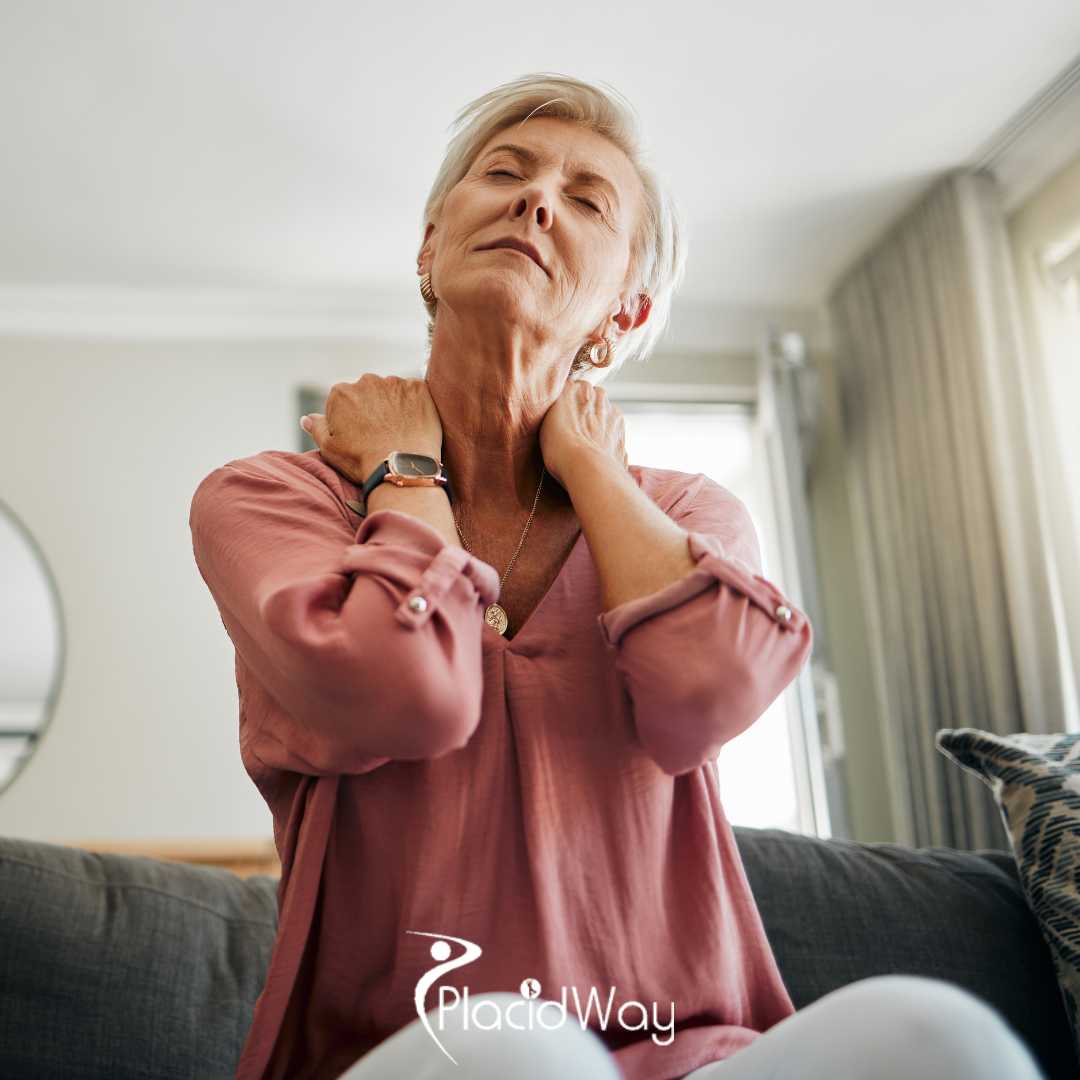
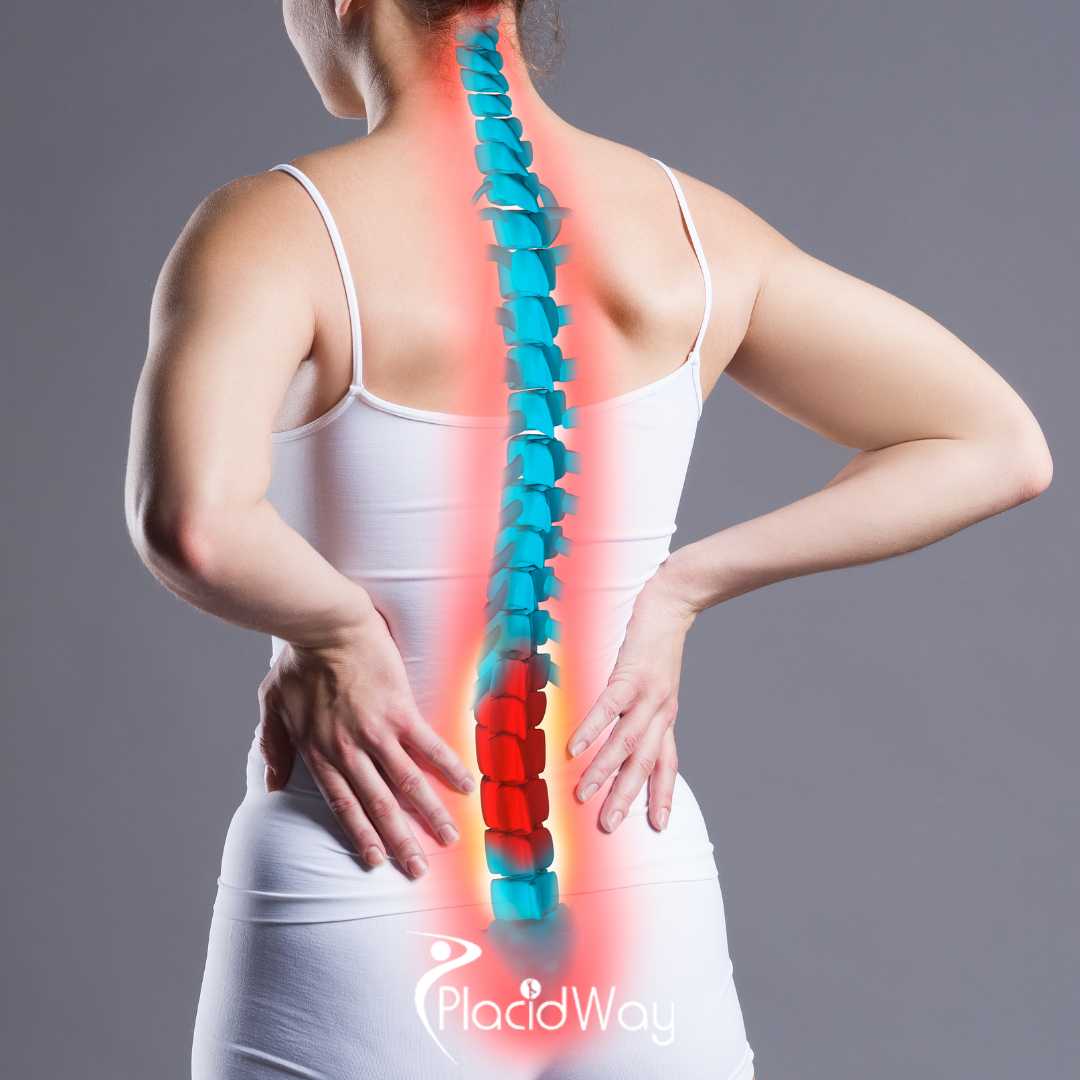
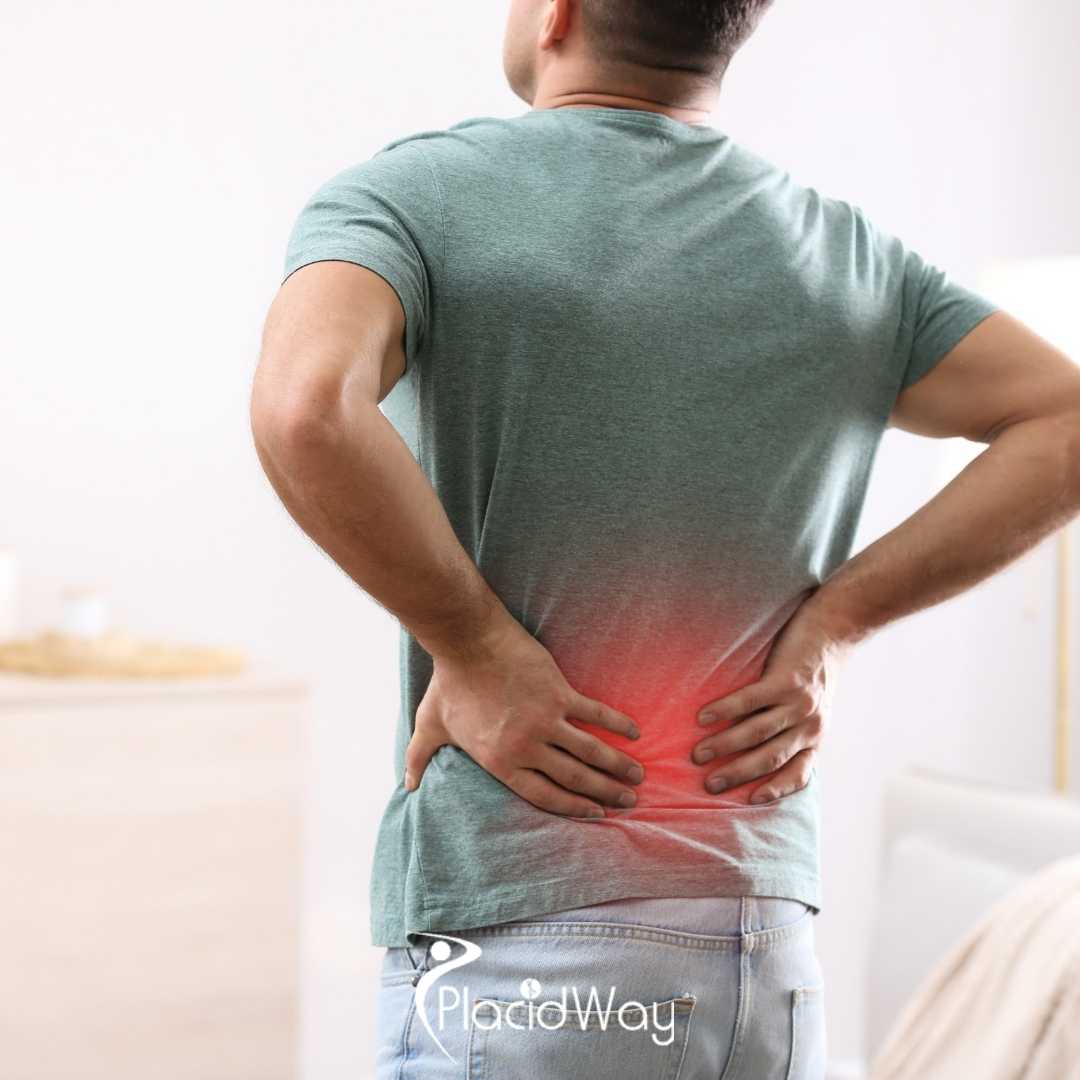
According to the World Health Organization, lower back pain is the single leading cause of disability worldwide. For individuals suffering from severe degenerative disc disease, chronic pain can radiate through the legs, diminish mobility, and drastically reduce overall quality of life. When conservative treatments like physical therapy and epidural injections fail, surgical intervention becomes a necessary consideration to restore daily function.
Increasingly, European citizens are looking across borders for specialized orthopedic solutions. Exploring Lumbar Disc Replacement in Germany for Belgium Patients has become a prominent pathway for those seeking an alternative to traditional spinal fusion. Germany is globally recognized as a pioneer in medical engineering and neurosurgery, boasting some of the highest concentrations of high-volume spine centers in the world. For patients in Belgium, Germany offers geographic proximity, unparalleled clinical expertise, and rapid access to care.
This comprehensive guide explores the essential components of pursuing lumbar artificial disc replacement across the border. By reading this article, you will understand:
- The medical nuances of motion-preserving spine surgery
- The precise financial costs and EU cross-border healthcare benefits
- The step-by-step patient journey
- How to objectively evaluate German hospital safety standards to make an empowered healthcare decision?
Quick Facts at a Glance
Essential benchmarks for Belgian patients researching lumbar artificial disc replacement in Germany.
- Average Cost in Germany
- €15,000 – €22,000
- Procedure Duration
- 2 – 3 Hours
- Hospital Stay
- 5 – 7 Nights
- Required Time in Germany
- 10 – 14 Days
- Top Destinations
- Munich, Frankfurt, Berlin
- Full Recovery Timeline
- 3 – 6 Months
What is Lumbar Disc Replacement?
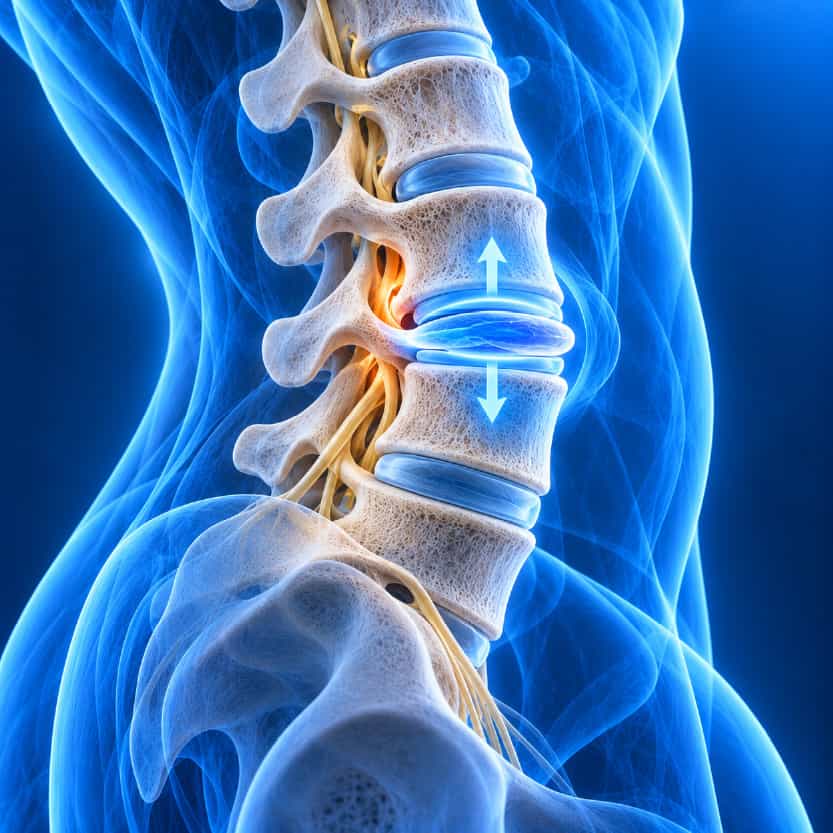
Historically, the gold standard for severe lumbar disc degeneration was spinal fusion surgery. Fusion permanently welds two or more vertebrae together, eliminating the painful motion between them. However, studies indicate that spinal fusion can place excessive stress on the adjacent spinal segments (a condition known as Adjacent Segment Disease), potentially leading to further surgeries years down the line.
Artificial disc replacement was developed to solve this specific problem. By preserving the natural mobility of the lumbar spine, LDR significantly reduces adjacent segment stress. The implants—often constructed from medical-grade titanium, cobalt-chromium alloys, and specialized polyethylene cores—are engineered to withstand the intense biomechanical loads of the human body.
Why Belgian Patients Seek Spine Surgery in Germany?
Belgium possesses a highly capable healthcare system (INAMI/RIZIV). However, exploring Lumbar Disc Replacement in Germany for Belgium Patients offers several distinct advantages that drive medical mobility:
- Clinical Specialization: Germany has pioneered artificial disc technology. German neurosurgeons often perform hundreds of these complex procedures annually, possessing a level of sub-specialized expertise that is difficult to find in smaller healthcare markets.
- Zero Waiting Lists: In many EU countries, wait times for elective orthopedic procedures can stretch for months. German private clinics prioritize international patients, allowing for surgery scheduling within weeks.
- Advanced Implant Access: German clinics frequently utilize the latest generations of viscoelastic implants (like the M6-L or activL discs), which may face longer regulatory approval delays in other European nations.
Cost Breakdown: Germany vs Belgium
Evaluating the financial aspect of international medical travel requires understanding total package costs and insurance frameworks. The table below illustrates how out-of-pocket estimates compare for uninsured or privately paying patients across different regions.
Note: Costs vary based on case complexity, whether a single or multi-level replacement is required, and specific hospital amenities.
What Does the Cost Cover?
For international patients, German spine clinics typically operate on comprehensive, transparent pricing models. A standard package will include:
- Pre-operative diagnostics (MRI review, X-rays, bloodwork)
- Surgical team fees (lead neurosurgeon, vascular surgeon, anesthesiologist)
- The artificial disc implant
- Operating room usage and intensive care monitoring
- 5 to 7 days in a private hospital ward with dedicated nursing care
- In-hospital physical therapy and early mobilization support
The EU Cross-Border Healthcare Directive Advantage
A crucial factor for Belgian patients is the European Union's cross-border healthcare rules. Under specific conditions, your Belgian mutualité (ziekenfonds) may reimburse treatment received in Germany. Patients must apply for the S2 form (formerly E112) prior to traveling. If authorized, your national health insurance covers the costs up to the amount it would have paid if the treatment had been performed in Belgium. Navigating this bureaucratic step can drastically reduce the out-of-pocket financial burden.
The LDR Medical Tourism Journey in Germany
Traveling to another country for major spinal surgery requires meticulous coordination. Reputable medical tourism platforms and hospital coordinators streamline this process to minimize patient stress.
- Remote Medical Evaluation: You will securely submit recent MRI scans (less than 3 months old) and detailed medical history to the German clinic. A senior neurosurgeon reviews your case to determine if you are anatomically a candidate for disc replacement rather than fusion.
- Treatment Plan and Quotation: Upon qualification, the clinic provides a comprehensive treatment plan, detailing the specific implant recommended, the surgical timeline, and a finalized cost estimate for insurance authorization.
- Arrival in Germany: You travel to Germany (often a short flight or high-speed ICE train from Brussels or Liège). A dedicated patient coordinator meets you at the transit hub. You undergo final pre-operative tests, including a physical examination and consultations with your surgical team.
- The Surgical Procedure: The surgery is performed under general anesthesia and typically takes 2 to 3 hours. Lumbar disc replacement is uniquely performed via an anterior approach (through the abdomen). An access surgeon (usually a vascular specialist) gently moves organs and major blood vessels aside, allowing the spine surgeon direct access to the damaged disc without cutting through vital back muscles.
- Hospitalization and Early Rehab: You remain hospitalized for 5 to 7 days. Because back muscles are not cut, postoperative pain is significantly lower than with posterior fusion. Physical therapists will help you stand and walk within 24 to 48 hours.
- Clearance for Travel: After discharge, patients typically stay in a nearby hotel for 3 to 5 days. Following a final wound check and removal of sutures (or verification of dissolving stitches), the surgeon provides official medical clearance to return to Belgium.
Surgeon Credentials and Quality Standards
When selecting Lumbar Disc Replacement in Germany for Belgium Patients, verifying the expertise of the medical provider is paramount. The German healthcare system is highly regulated, ensuring stringent adherence to quality and safety protocols.
Assessing Surgeon Expertise
Spinal surgery requires immense precision. Patients should actively verify that their chosen provider holds the following credentials:
- Master Certificate of the German Spine Society (DWG): The DWG (Deutsche Wirbelsäulengesellschaft) is Europe's largest professional association for spine surgery. Surgeons with a "Master Certificate" have demonstrated exceptional surgical volume and ongoing education.
- Multidisciplinary Surgical Teams: Because lumbar replacement uses an anterior abdominal approach, top-tier clinics always pair the lead neurosurgeon or orthopedic spine specialist with a highly experienced board-certified vascular surgeon.
- Clinical Volume: Ask how many LDR procedures the surgeon performs annually. High volume correlates strongly with lower complication rates and superior patient outcomes.
Hospital Accreditation and Safety
German hospitals are renowned for their rigorous hygiene standards. Look for facilities certified by TÜV (Technischer Überwachungsverein) or those maintaining DIN EN ISO 9001 certification for quality management in healthcare. These accreditations ensure the hospital adheres to strict infection control, state-of-the-art operating room sterilization, and robust emergency protocols.
The Recovery Timeline
Successful outcomes rely just as much on post-operative compliance as they do on surgical skill. While the anterior surgical approach accelerates early recovery, the bone must fully integrate with the metallic implant endplates over time (a process called osseointegration).
Phased Recovery Protocol
- Days 1–7 (Acute Phase): Focus is on early mobilization. You will walk short distances with assistance. Bending, lifting, or twisting the spine (the "BLT" restrictions) are strictly forbidden.
- Weeks 2–6 (Tissue Healing): Upon returning to Belgium, you will transition to outpatient physical therapy. Walking is highly encouraged to promote blood flow. You may require a lumbar corset or brace for comfort, though rigid bracing is rarely needed. Return to desk work is often possible around week 4.
- Months 2–3 (Strengthening): Osseointegration is well underway. Physical therapy shifts toward strengthening core and paraspinal muscles. Low-impact exercises like swimming and stationary cycling are introduced.
- Months 4–6 (Full Integration): Most restrictions are lifted based on follow-up X-rays verifying implant stability. Patients can slowly return to physically demanding jobs and higher-impact recreational sports.
Warning Signs to Watch For
During the immediate recovery period, prompt medical attention is required if you experience:
- Fever exceeding 101°F (38.3°C) or sudden chills.
- Increased redness, swelling, or purulent drainage from the abdominal incision.
- New or worsening pain, numbness, or tingling radiating down the legs.
- Calf pain or swelling, which could indicate a deep vein thrombosis (blood clot).
How to Choose the Right Spine Surgery Clinic in Germany?
Navigating the options for international spine care can feel overwhelming. Use this actionable checklist to objectively evaluate prospective German hospitals and protect your health.
- Demand Multidisciplinary Care: Confirm in writing that a dedicated access/vascular surgeon will assist the spine surgeon during the procedure.
- Verify Implant Options: Ask which specific artificial discs the clinic uses. Top centers offer multiple brands to match the implant perfectly to your unique spinal anatomy.
- Request the Surgeon's CV: Ensure the primary surgeon holds DWG certification and specializes explicitly in motion-preservation techniques, not just fusion.
- Check Language Support: Confirm that your surgeon, nurses, and physical therapists are fluent in English or provide professional French/Dutch medical interpreters.
- Clarify Cross-Border Documentation: Ask if the clinic's administrative staff has proven experience generating the specific invoices and medical reports required by the Belgian INAMI/RIZIV for S2 form processing.
- Secure Transparent Pricing: Insist on a fully itemized quote that includes potential complication management, avoiding unexpected fees post-surgery.
- Establish Local Follow-up: Before booking surgery, confirm that your local Belgian general practitioner or orthopedist agrees to oversee your postoperative rehabilitation and order necessary 3-month follow-up X-rays.
Risks, Limitations, and Contraindications
Every major surgical intervention inherently carries risks. Treating health information responsibly means acknowledging that Lumbar Disc Replacement in Germany is not a universal cure for all back pain, and patient selection is the most critical factor for success.
Clinical Contraindications
Artificial disc replacement relies on strong, healthy bone to anchor the device. Therefore, surgery is strictly contraindicated for patients who:
- Suffer from severe osteoporosis or osteopenia (weak bones).
- Have advanced facet joint arthritis (the joints in the back of the spine).
- Exhibit spinal instability, such as spondylolisthesis (where one vertebra slips forward over another).
- Have an active spinal infection or a history of severe abdominal scarring from previous surgeries.
Surgical Risks
While complication rates in specialized German centers are statistically low, potential risks include implant subsidence (the device sinking into the bone), device wear over decades, and deep vein thrombosis. Furthermore, because of the anterior abdominal approach, there is a very rare risk (approximately 1-2%) for men of retrograde ejaculation due to the disruption of microscopic nerve bundles located over the lower spine.
Geographic distance also introduces logistical risks. If a delayed complication occurs after returning to Belgium, you must rely on local emergency services rather than the operating surgeon. Thoroughly discussing these realities with your doctor is vital.
Your 5-Step Action Plan for Spine Surgery in Germany
If conservative treatments have failed and you are ready to explore your options across the border, follow this structured roadmap to begin your medical journey safely and efficiently.
- Obtain Updated Diagnostics: Schedule an MRI of your lumbar spine in Belgium. Most German clinics require imaging that is less than three months old to accurately assess disc height and nerve compression.
- Consult Your Mutualité: Contact your Belgian health insurance provider immediately to inquire about the specific documentation required for an S2 form application regarding cross-border elective surgery.
- Request Multiple Case Reviews: Use a verified platform like PlacidWay to submit your MRI to 2 or 3 top-rated German spine centers. Compare their proposed surgical approaches and cost estimates.
- Schedule a Video Consultation: Speak directly with the German neurosurgeon. Use this time to ask about their complication rates, implant choices, and why they recommend LDR over fusion for your specific anatomy.
- Coordinate Local Rehabilitation: Book appointments with a physical therapist in your Belgian hometown to begin 14 days after your scheduled return. Continuous, guided rehab is non-negotiable for a successful recovery.
Take the First Step Toward a Pain-Free Life
Connect with internationally accredited spine centers in Germany. Review leading neurosurgeon profiles, compare transparent package costs, and schedule a free case evaluation today.
Frequently Asked Questions
Making an Empowered Healthcare Decision
Living with chronic lower back pain can feel isolating, but you do not have to settle for limited treatment options or exhaustive waiting lists. When considering Lumbar Disc Replacement in Germany for Belgium Patients, the combination of geographic convenience, EU financial cross-border frameworks, and world-class German surgical engineering presents a highly compelling pathway to recovery.
By opting for specialized centers abroad, patients can access cutting-edge motion-preservation implants that protect long-term spinal health. However, a successful outcome requires thorough pre-surgical qualification, meticulous evaluation of hospital credentials, and an unwavering commitment to postoperative physical therapy.
Your spine supports everything you do. Take control of your healthcare journey by researching verified clinics on PlacidWay, requesting detailed cost estimates, and scheduling an expert consultation today.
The information in this article is for educational purposes only and does not constitute medical advice. Individual results vary based on health status, case complexity, and other factors. Always discuss your specific situation with a licensed healthcare professional before making treatment decisions. PlacidWay connects patients with verified healthcare providers but does not provide medical services directly.
- World Health Organization (WHO): Low Back Pain Fact Sheet
- National Institutes of Health (NIH): Total Lumbar Disc Replacement: Current Evidence
- Mayo Clinic: Artificial Disk Replacement Procedure
- Eurostat (European Commission): Cross-Border Healthcare Directive
- PlacidWay Medical Tourism: International Spine Surgery Options & Guides

.png)





.png)

.png)


.jpg)








Share this listing