


Waking up in the middle of the night with excruciating leg pain is a distressing experience that drives many patients to seek effective herniated disc treatment in Turkey. Countless individuals misdiagnose their own symptoms, assuming that a sudden spasm is merely the result of fatigue or poor hydration. They often turn to over-the-counter remedies, hoping for a quick fix that never materializes.
However, when these nocturnal disruptions become a chronic issue, the underlying cause is frequently much more complex than a simple mineral deficiency. Uncovering the true source of this radiating pain is the first essential step toward reclaiming a restful night's sleep. By understanding the direct relationship between your spinal health and lower body extremities, you can pursue targeted medical interventions that provide permanent relief.
Video Chapters & Quick Navigation
- The Hidden Link Between Night Cramps and Spinal Health
- Why Magnesium Supplements Fail to Stop Nerve-Based Leg Cramps
- Identifying Symptoms of a Herniated Disc Causing Night Pain
- How Nerve Compression in the Lower Back Worsens at Night
- The Importance of Accurate Diagnosis for Chronic Leg Cramps
- Advanced Herniated Disc Treatment Options Available in Turkey
- What to Expect During a Physical Examination for Spinal Issues
- Long-Term Solutions to Relieve Nerve Pressure and Improve Sleep
The Hidden Link Between Night Cramps and Spinal Health
Many individuals experience the sudden, jarring sensation of a muscle spasm that violently pulls them out of a deep sleep. As highlighted in the video at [00:00], waking up frequently with severe leg cramps is a major red flag that something more systemic is occurring in your body. While it is easy to blame a long day of physical exertion, the root cause often traces directly back to the lumbar spine.
Your spine serves as the central conduit for the nervous system, housing delicate nerve roots that extend all the way down to your toes. When a structural issue arises in the lower back, these pathways become compromised and begin sending erratic signals. This miscommunication between the central nervous system and the peripheral muscles results in involuntary contractions that mimic traditional muscle cramps.
Recognizing the difference between a simple charley horse and a spinal complication is highly important for long-term health. If the discomfort originates from the spine, no amount of stretching or hydration will provide permanent relief. Understanding this hidden link empowers patients to look beyond the surface symptoms and seek professional medical evaluations for potential nerve damage.
The Physiology of Sleep Disruptions
During the rapid eye movement (REM) stage of sleep, the human body naturally undergoes a state of temporary muscle paralysis to prevent acting out dreams. However, nerve compression in the lower back can override this protective mechanism, causing sudden, painful spasms. These disruptions prevent patients from completing full sleep cycles, leading to chronic daytime fatigue and cognitive fog.
The continuous interruption of sleep also elevates cortisol levels, which can increase systemic inflammation throughout the body. Increased inflammation further exacerbates the swelling around the spinal nerves, creating a vicious cycle of pain and sleeplessness. Breaking this cycle requires identifying the exact anatomical location of the nerve impingement.
Anatomy of the Lumbar Spine
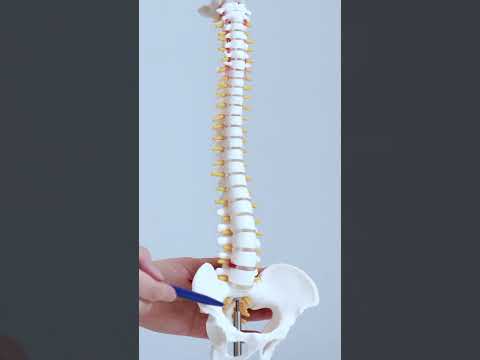
The lumbar spine consists of five robust vertebrae separated by shock-absorbing intervertebral discs. These discs feature a tough outer layer called the annulus fibrosus and a gel-like center known as the nucleus pulposus. When the outer layer tears or weakens, the inner material can protrude outward, encroaching upon the surrounding neural spaces.
This structural failure is the primary mechanism behind a herniated disc, which severely impacts the sciatic nerve bundle. Because the sciatic nerve is the longest and thickest nerve in the human body, any pressure applied to its roots translates into severe symptoms radiating down the legs. Addressing this structural anomaly is the only way to permanently halt the downstream muscular spasms.
Why Magnesium Supplements Fail to Stop Nerve-Based Leg Cramps
A prevalent myth in the wellness community is that all nocturnal leg cramps stem from a lack of essential minerals in the diet. As noted at [00:07], countless people mistakenly attribute their night cramps to magnesium deficiency or general physical fatigue. Consequently, pharmacy shelves are cleared of electrolyte powders and vitamin pills by desperate individuals seeking a good night's rest.
However, taking magnesium will not alleviate symptoms if the underlying issue is a compressed nerve rather than a muscular deficit. As the expert explains at [00:31], this is a critical point of differentiation in treating night pain. These types of severe cramps do not resolve with vitamin consumption because the core problem lies within the nervous system, not the muscle tissue itself.
When a spinal disc presses against a nerve root, it generates ectopic electrical discharges that command the calf or thigh muscles to contract violently. Because the nerve is continuously irritated by mechanical compression, dietary supplements cannot block or correct these abnormal electrical signals. Patients waste valuable time and money on ineffective nutritional therapies while their spinal condition steadily deteriorates.
Contrasting Muscle Fatigue with Nerve Pain
Traditional muscle fatigue usually occurs immediately following intense physical activity and responds well to rest, hydration, and gentle stretching. The pain is typically localized to the belly of the muscle and subsides relatively quickly once the lactic acid clears. In contrast, nerve-induced cramps strike without warning, often when the body is completely at rest.
Nerve pain also carries a distinct sensory profile that includes tingling, numbness, and a burning sensation that travels along the nerve pathway. These supplementary symptoms are a clear indicator that the neurological system is under duress. Relying on magnesium to cure a structural spinal deformity is scientifically unsound and ultimately delays necessary medical intervention.
| Symptom Characteristics | Magnesium/Muscle Deficiency | Nerve Compression (Herniated Disc) |
|---|---|---|
| Primary Sensation | Dull ache, tight muscle knot | Sharp, shooting, burning, and pulling |
| Accompanying Signs | General muscle soreness | Numbness, tingling, loss of reflexes |
| Response to Stretching | Immediate relief usually observed | Often worsens the radiating pain |
| Response to Vitamins | Symptoms gradually improve | Zero improvement over time |
Identifying Symptoms of a Herniated Disc Causing Night Pain
Proper symptom identification is the core component of effectively treating spinal disorders before they cause permanent neurological damage. As mentioned at [00:15], if you experience a pulling sensation in your lower back accompanied by restlessness and downward-shooting cramps, you must evaluate your spinal health. These specific markers strongly point toward nerve compression linked directly to a herniated disc.
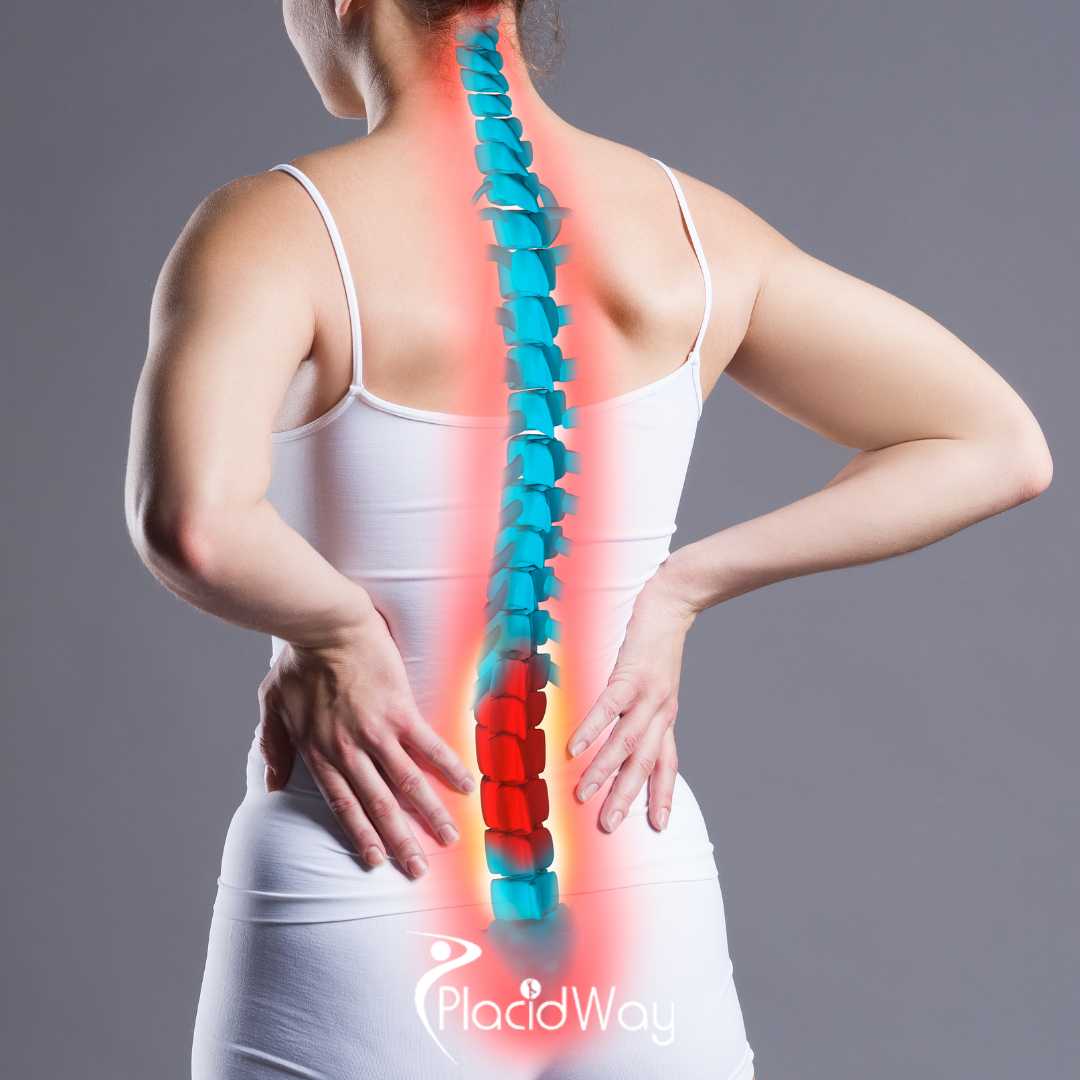
The sensation of pain radiating from the lower back through the buttocks and down the back of the leg is clinically referred to as sciatica. Sciatica is not a diagnosis in itself, but rather a severe symptom indicating that the sciatic nerve is being pinched near the lumbar vertebrae. Patients often describe this pain as an electric shock that flares up unexpectedly, making basic movements excruciating.
In addition to shooting pain, a herniated disc frequently causes localized weakness in the affected limb, leading to a condition known as foot drop. Patients may find it difficult to lift the front part of their foot while walking, causing them to stumble or drag their toes. Ignoring these progressive neurological deficits can result in irreversible muscle atrophy and chronic mobility issues.
The Pulling Sensation and Restless Legs
The deep pulling sensation in the lumbar region is typically the result of the paraspinal muscles going into overdrive to stabilize a compromised spine. When a disc herniates, the surrounding musculature instinctively tightens to act as a natural splint. This constant muscular tension leads to secondary stiffness and aching that permeates the entire lower back.
Furthermore, the intense restlessness associated with nerve compression forces patients to constantly shift positions in an attempt to alleviate the pressure. This phenomenon closely mirrors Restless Legs Syndrome (RLS), but the underlying mechanism is entirely structural. Achieving comfort becomes nearly impossible because the extruded disc material remains lodged against the sensitive nerve root regardless of posture.
- Localized Lumbar Tenderness: Pain that intensifies when pressing on specific areas of the lower spine.
- Unilateral Leg Pain: Discomfort that strictly affects only one side of the body, tracing the path of a single pinched nerve.
- Paresthesia: Abnormal sensations such as pins and needles, primarily felt in the toes and soles of the feet.
- Exacerbation by Coughing: Sudden spikes in pain when coughing, sneezing, or bearing down, which artificially increases intra-spinal pressure.
How Nerve Compression in the Lower Back Worsens at Night
Many patients are completely baffled as to why their back pain and leg cramps seem to multiply in intensity as soon as the sun goes down. The video expertly points out at [00:24] that a compressed nerve in the lower back tends to make itself felt much more prominently during the night. This nocturnal exacerbation is a classic hallmark of spinal pathology that requires urgent clinical attention.
One primary reason for this phenomenon is the physiological process of intervertebral disc rehydration. Throughout the day, gravity compresses the spinal discs, squeezing out fluid and slightly reducing a person's overall height. When you lie down to sleep, the removal of axial loading allows the discs to absorb fluid and swell back up. In a healthy spine, this is a necessary restorative process, but in a spine with a herniated disc, the swollen disc puts even greater mechanical pressure on the adjacent nerves.
Additionally, the body's natural production of cortisol drops significantly during the evening hours. Cortisol is a powerful anti-inflammatory hormone that helps manage systemic swelling and pain throughout the day. With less cortisol circulating in the bloodstream at night, the localized inflammation around the pinched nerve flares up uninhibited, triggering intense cramps that abruptly wake you from sleep.
The Psychological Component of Night Pain
During the day, the human brain is bombarded with sensory inputs from work, conversations, and environmental stimuli, which naturally distracts from chronic pain. When you lie in a dark, quiet room, these external distractions vanish completely. Consequently, your central nervous system amplifies its focus on the nociceptive signals emanating from your lower back, making the pain feel exponentially more severe.
This heightened pain perception leads to intense anxiety surrounding bedtime, as patients begin to associate sleeping with inevitable suffering. The resulting stress further tightens the paraspinal muscles, inadvertently worsening the very nerve compression they are trying to escape. Breaking this psychological and physical loop requires a definitive medical strategy to decompress the affected nerve roots.
The Importance of Accurate Diagnosis for Chronic Leg Cramps
Self-diagnosing chronic medical issues using internet forums or well-meaning advice from friends often leads to prolonged suffering and wasted resources. As explicitly stated at [00:43], appropriate evaluation and targeted approaches toward the affected nerve are the only ways to bring these night cramps under control. Medical guesswork is simply not a viable strategy when dealing with the delicate tissues of the human nervous system.
A comprehensive diagnostic protocol ensures that the treatment plan matches the precise anatomical defect causing the pain. Physicians must differentiate between a herniated disc, spinal stenosis, degenerative disc disease, and peripheral neuropathy, as each condition requires a vastly different therapeutic approach. Initiating a physical therapy regimen for muscle strain when the patient actually has a massive disc extrusion can dangerously exacerbate the injury.
Securing an accurate diagnosis typically involves a combination of a thorough clinical interview and state-of-the-art imaging technologies. Magnetic Resonance Imaging (MRI) is the gold standard for visualizing soft tissues like spinal discs and nerve roots, providing a clear roadmap of the nerve compression. This irrefutable visual evidence allows orthopedic specialists and neurosurgeons to confidently prescribe the most effective course of action.
Advanced Diagnostic Tools: MRI and EMG
While an MRI shows the static structural anatomy of the spine, it does not always reveal how well the nerve is actually functioning. This is where Electromyography (EMG) and Nerve Conduction Studies (NCS) become invaluable clinical tools. An EMG measures the electrical activity of muscles at rest and during contraction, revealing whether a nerve is effectively communicating with the corresponding muscle group.
By combining the anatomical data from an MRI with the functional data from an EMG, specialists can pinpoint the exact location and severity of the nerve damage. This dual-diagnostic approach is critical for determining whether a patient is a candidate for conservative management or if surgical intervention is immediately necessary to prevent permanent paralysis.
- Patient History Review: Analyzing the onset, duration, and specific triggers of the leg cramps.
- Magnetic Resonance Imaging (MRI): Capturing high-resolution cross-sectional images of the spinal column and surrounding soft tissues.
- Electromyography (EMG): Assessing the electrical health of the motor neurons and detecting denervation.
- X-Rays: Ruling out bone fractures, tumors, or severe spinal alignment issues like spondylolisthesis.
Advanced Herniated Disc Treatment Options Available in Turkey
For patients suffering from debilitating spinal conditions, finding affordable, world-class medical care is an absolute priority. Opting for herniated disc treatment in Turkey has become increasingly popular due to the country's exceptional healthcare infrastructure and concentration of highly skilled neurosurgeons. International patients travel to Turkish clinics to access cutting-edge spinal therapies that might be prohibitively expensive or subject to long waiting lists in their home countries.
Turkish medical centers utilize a multidisciplinary approach, beginning with conservative, non-invasive treatments whenever medically appropriate. Customized physical therapy programs, targeted epidural steroid injections, and specialized ozone therapies are frequently deployed to reduce inflammation and promote natural disc healing. These non-surgical interventions boast high success rates for patients experiencing mild to moderate nerve compression, allowing them to return to their daily lives pain-free.
When conservative measures fail to provide relief, Turkish hospitals excel in performing minimally invasive spine surgeries. Procedures like microdiscectomy and endoscopic lumbar discectomy involve removing the extruded portion of the disc through a tiny incision using specialized microscopic tools. This advanced surgical technique minimizes damage to surrounding muscles, significantly reduces postoperative pain, and dramatically accelerates the patient's recovery timeline.
Why Medical Tourism for Spinal Care is Booming
The decision to travel abroad for spine surgery is heavily influenced by the unparalleled value and comprehensive care packages offered by internationally accredited hospitals. Facilities in major Turkish cities are equipped with state-of-the-art neuro-navigation systems and intraoperative MRI machines, ensuring the highest levels of surgical precision. These technological investments rival, and often surpass, the capabilities of leading medical institutions in Western Europe and North America.
Beyond the operating room, international patients benefit from dedicated patient coordinators who manage every aspect of their medical journey. From arranging airport transfers and luxury accommodations to providing multi-lingual translation services, the logistics are handled seamlessly. This stress-free environment allows patients to focus entirely on their rehabilitation and recovery following their herniated disc treatment.
Comparing Surgical Approaches
A traditional open discectomy requires a large incision and extensive muscle stripping to access the spine, resulting in a lengthy and painful recovery period. Conversely, the minimally invasive approaches championed by top Turkish surgeons utilize tubular retractors to gently push muscle tissue aside. By preserving the natural muscular architecture of the back, patients experience far less surgical trauma and a significantly lower risk of postoperative complications.
Furthermore, spinal fusion surgeries, which involve permanently joining two or more vertebrae using titanium hardware, are executed with remarkable precision. Turkish specialists utilize robotic-assisted surgical platforms to ensure perfect screw placement, maximizing the biomechanical stability of the spine. These advanced methodologies are transforming the future of spinal care on a global scale.
What to Expect During a Physical Examination for Spinal Issues
A meticulous clinical evaluation is the fundamental bedrock of effective medical care. As emphasized at [00:54], a detailed physical examination serves as the ultimate guide for securing the correct diagnosis for your night cramps. Patients should expect a hands-on, interactive assessment designed to objectively measure their neurological deficits and physical limitations.
The examination typically begins with a visual inspection of the patient's posture and an analysis of their gait. The doctor will look for abnormal curvatures of the spine or a protective limp, which are strong indicators of localized pain. Following the visual assessment, the physician will perform the Straight Leg Raise (SLR) test. During this maneuver, the patient lies flat on their back while the doctor slowly raises the affected leg; if shooting pain occurs between 30 and 70 degrees, it is highly indicative of a lumbar disc herniation.
Neurological testing is the next critical phase of the examination. The specialist will systematically test the deep tendon reflexes at the knee and ankle using a reflex hammer, looking for diminished or asymmetric responses. They will also assess muscle strength by having the patient walk on their heels and toes, which helps identify specific nerve root entrapments based on corresponding muscular weakness.
Sensory Mapping and Dermatomes
To further isolate the exact level of the herniated disc, the physician will perform a sensory examination using a soft brush or a pinwheel. They will trace specific areas of the skin, known as dermatomes, which correspond to individual spinal nerve roots. By mapping out areas of numbness or hypersensitivity on the patient's leg, the doctor can triangulate the precise location of the spinal compression with remarkable accuracy.
Long-Term Solutions to Relieve Nerve Pressure and Improve Sleep
Securing permanent relief from agonizing night cramps requires a holistic commitment to spinal health and long-term rehabilitation. As strictly advised at [00:37], unless the underlying mechanical pressure on the nerve is successfully reduced, the painful complaints will never permanently improve. Simply masking the symptoms with painkillers or muscle relaxants is a short-sighted strategy that allows the spinal degradation to silently worsen.
Once the nerve has been medically decompressed through targeted therapy or minimally invasive surgery, lifestyle modifications become absolutely essential. Implementing proper ergonomic practices at work, such as using standing desks and lumbar support chairs, significantly reduces daily strain on the lower back. Patients must also adopt safe lifting techniques, ensuring they bend at the knees and hips rather than rounding their lumbar spine when picking up heavy objects.
Optimizing your sleep environment is another critical factor in maintaining a healthy spine. Investing in a medium-firm mattress that provides adequate support without causing pressure points can drastically improve nocturnal spinal alignment. Additionally, side sleepers are highly encouraged to place a firm pillow between their knees, which prevents the upper leg from pulling the pelvis out of alignment and twisting the lower back during the night.
The Role of Core Strengthening
A robust and resilient core acts as a natural corset, providing essential mechanical support to the lumbar vertebrae. Engaging in a structured physical therapy program focused on strengthening the abdominal, oblique, and paraspinal muscles is vital for preventing future disc herniations. Low-impact exercises such as swimming, Pilates, and stationary cycling are excellent for building endurance without subjecting the spine to destructive impact forces.
Maintaining a healthy body weight is equally important, as excess abdominal fat places constant, forward-pulling stress on the lower back. By combining expert medical treatment with dedicated personal fitness and weight management, patients can effectively safeguard their spinal integrity. This comprehensive, proactive approach guarantees a return to deep, restorative sleep free from the terror of sudden nerve cramps.
Ready to Stop the Pain and Start Sleeping Again?
Don't let nerve compression control your life. Discover world-class medical solutions and receive a personalized herniated disc treatment plan from top-rated specialists.
Get Free QuoteClick to View Full Video Transcript
00:00 - Geceleri kramp girip uykudan uyan?yor musunuz?
00:05 - Bunun sebebi bel f?t??? olabilir mi?
00:07 - Birçok ki?i gece giren kramplar? magnezyum eksikli?i ya da yorgunluk san?yor.
00:12 - Ama her kramp vitamin eksikli?inden olmaz.
00:15 - E?er belinizde çekilme hissi, huzursuzluk ve bacaktan a?a??ya do?ru vuran kramplar varsa, sebep bel f?t???na ba?l? sinir bask?s? olabilir.
00:24 - Belde s?k??an sinir, gece daha çok kendini hissettirebilir.
00:28 - Bu yüzden kramp sizi uykudan uyand?rabilir.
00:31 - Burada önemli bir nokta var: Bu tür kramplar vitamin içmekle geçmez.
00:35 - Çünkü sorun kas de?il, sinirdir.
00:37 - Siniri rahatlatmadan, yani alttaki bask?y? azaltmadan ?ikayet kal?c? olarak düzelmeyecektir.
00:43 - Do?ru de?erlendirme, uygun tedavi ve sinire yönelik yakla??mlarla bu gece kramplar? kontrol alt?na al?nabilir.
00:50 - Gece kramplar? her zaman magnezyum eksikli?inde olmaz.
00:54 - Böyle bir ?ikayetiniz varsa ayr?nt?l? bir fizik muayene do?ru tan? için rehber olacakt?r.





.png)


.png)










Share this listing