


Patients seeking highly effective, minimally invasive spine surgery in Turkey consistently find world-class care through experienced specialists. Navigating spinal disorders, brain tumors, and chronic nerve pain requires a precise medical approach tailored to each individual patient. Expert neurosurgeons utilize cutting-edge diagnostic tools to accurately pinpoint the root cause of neurological distress.
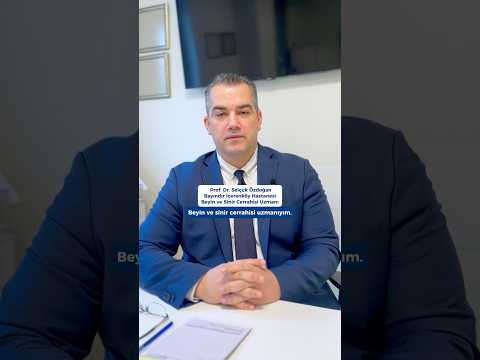
Prof. Dr. Selçuk Özdo?an, a renowned Brain and Nerve Surgery Specialist, provides comprehensive treatment plans at Bay?nd?r ?çerenköy Hospital in Istanbul. From fully closed endoscopic procedures to targeted pain management injections, modern neurosurgery prioritizes faster recovery and minimal tissue disruption. Understanding these advanced medical pathways is the first step toward restoring mobility and achieving long-term pain relief.
Video Chapters
- Specialist Qualifications and Expertise
- Understanding Common Spinal Disorders
- Innovative Surgical Treatments for Lumbar Hernia
- The Rise of Endoscopic Spine Surgery
- Exploring Non-Surgical Herniated Disc Treatments
- Targeted Transforaminal and Facet Injections
- Radiofrequency Ablation and Nucleoplasty
- Why Choose Istanbul for Neurological Care
Establishing Authority in Brain and Nerve Surgery
Finding the right medical professional is paramount when dealing with complex neurological issues. At [00:00], Prof. Dr. Selçuk Özdo?an introduces himself as a dedicated Brain and Nerve Surgery Specialist. His extensive academic background forms the foundation of his clinical expertise.
He completed his primary medical education at the prestigious Ankara Gazi University Medical Faculty. Following this, he pursued his rigorous specialization in brain and nerve surgery at Ankara Ufuk University. This deep academic and practical training ensures a comprehensive understanding of both cranial and spinal pathologies.
Currently, he serves patients at Bay?nd?r ?çerenköy Hospital, a facility known for its high standards in patient care and technological integration. The combination of an elite education and a modern hospital environment allows for the precise execution of highly complex neurosurgical procedures.
Understanding Common Spinal Disorders and Neurological Conditions
The scope of neurosurgery extends far beyond simple back pain, encompassing a wide array of central nervous system disorders. As noted at [00:13], the department routinely treats life-threatening conditions like brain tumors and spinal cord tumors. Early detection and precise surgical intervention are critical for managing these severe oncology cases.
Additionally, the clinic frequently addresses structural degenerative issues such as lumbar hernias (herniated discs) and neck hernias. These conditions occur when the soft inner core of a spinal disc pushes through its tough outer layer, compressing nearby spinal nerves. Patients typically experience radiating pain, numbness, and severe muscle weakness as a result.
Surgeons also manage mechanical instabilities like spondylolisthesis, commonly known as a slipped vertebra or spinal slip. When combined with spine tumors and severe spine fractures resulting from trauma, these conditions require meticulous surgical planning to restore spinal alignment and protect the delicate spinal cord.
The Impact of Spinal Cord and Brain Tumors
Brain and spinal cord tumors present unique challenges due to their proximity to vital neural pathways. Removing these masses requires sophisticated microsurgical techniques to ensure no healthy nerve tissue is damaged. Advanced intraoperative imaging is often utilized to map the brain or spine in real-time during these delicate procedures.
Post-operative care for tumor removal is highly specialized, involving multidisciplinary teams to monitor neurological function. Depending on the pathology of the tumor, patients may require subsequent treatments such as targeted radiation therapy. A comprehensive neurosurgery department seamlessly coordinates these subsequent phases of patient care.
Decoding Lumbar and Cervical Herniated Discs
A herniated disc in the lumbar (lower back) or cervical (neck) spine is one of the most common reasons patients seek neurosurgical consultations. The extruded disc material triggers severe inflammation around the nerve roots, leading to conditions like sciatica. If left untreated, severe nerve compression can cause permanent neurological deficits.
Diagnosis relies heavily on high-resolution MRI scans, which clearly visualize the soft tissue structures of the spine. Surgeons evaluate the exact size and location of the herniation to determine if surgical intervention is necessary. Not all hernias require surgery, making an accurate initial assessment absolutely crucial.
Innovative Surgical Treatments for Lumbar Hernia in Turkey
When conservative management fails to relieve severe nerve compression, surgical intervention becomes the necessary next step. At [00:25], Dr. Özdo?an explains that open surgery and microsurgery are primary methods for treating lumbar hernias. Microsurgery utilizes a specialized operating microscope to provide a highly magnified view of the nerve structures.
This magnified approach allows the surgeon to make a significantly smaller incision compared to traditional open back surgery. By minimizing disruption to the surrounding back muscles, patients experience a drastic reduction in postoperative pain. The primary goal is to carefully remove the precise fragment of the disc that is pressing against the spinal nerve.
Microdiscectomy has become the gold standard for lumbar hernia surgery globally due to its high success rates. Patients generally mobilize within hours of the procedure and can often return to their normal daily activities within a few weeks. This predictable recovery timeline makes it highly appealing for international patients traveling for medical care.
| Surgical Technique | Incision Size | Muscle Disruption | Typical Hospital Stay |
|---|---|---|---|
| Traditional Open Surgery | Large (3-5 inches) | Significant | 2-4 Days |
| Microsurgery (Microdiscectomy) | Small (1-2 inches) | Moderate | 1-2 Days |
| Fully Closed Endoscopic Surgery | Minimal (< 1 inch) | Virtually None | Same Day / 1 Day |
The Rise of Fully Closed Endoscopic Spine Surgery
Advancements in medical technology have introduced even less invasive methods for addressing spinal disc herniations. At [00:29], the application of "fully closed" endoscopic surgery is highlighted as a premier option. This technique utilizes a high-definition endoscope inserted through a tiny tubular retractor.
Because the surgeon navigates to the spine using a camera and specialized micro-instruments, stabilizing muscles are merely dilated rather than cut. This preservation of the natural spinal anatomy drastically lowers the risk of postoperative scarring around the nerve roots. Endoscopic spine surgery requires specialized training and represents the pinnacle of modern neurosurgical capability.
For patients, the benefits of endoscopic procedures are highly noticeable immediately following the operation. Dependency on postoperative pain medication is significantly reduced, and physical therapy can commence much earlier. The reduced risk of surgical site infections also makes it an ideal choice for patients with certain medical comorbidities.
Exploring Non-Surgical Herniated Disc Treatment Options
A critical aspect of a responsible neurosurgical practice is recognizing when an operation is not the appropriate first step. Mentioned at [00:34], there are many instances where patients are either not candidates for surgery or prefer to avoid the operating room. In these scenarios, a robust protocol of non-surgical herniated disc treatments is implemented.
These non-operative therapies aim to reduce nerve root inflammation, alleviate mechanical pain, and promote the body's natural healing processes. They act as a vital bridge between basic physical therapy and invasive surgical procedures. A thorough clinical evaluation determines which specific conservative treatment will yield the best outcome.
By utilizing advanced fluoroscopic imaging, neurosurgeons can deliver treatments directly to the precise source of spinal pain. This targeted approach is vastly superior to systemic oral medications, which often carry unwanted side effects. The goal is to provide sufficient pain relief so the patient can actively participate in targeted spinal rehabilitation.
- Diagnostic Accuracy: Fluoroscopic guidance ensures precise needle placement.
- Reduced Systemic Effects: Localized treatment minimizes the need for heavy oral painkillers.
- Outpatient Convenience: Most injection therapies are performed quickly without hospital admission.
- Rehabilitation Support: Pain reduction allows for effective physical therapy engagement.
Targeted Pain Relief: Transforaminal and Facet Joint Injections
Specific pinpoint injection therapies are highly effective for managing severe radiating nerve pain. As specified at [00:43], transforaminal injections (often called epidural steroid injections) deliver powerful anti-inflammatory medication directly into the neural foramen. This is the exact pathway where the compressed nerve exits the spinal column.
By aggressively reducing swelling around the inflamed nerve, patients often experience rapid and profound relief from sciatic pain. This procedure is performed under live X-ray guidance to ensure maximum safety and medication efficacy. It serves as both a therapeutic treatment and a diagnostic tool to confirm the exact pain generator.
Facet joint injections are another vital tool, targeting the small stabilizing joints located on the posterior aspect of the spine. When these joints suffer from arthritis or mechanical stress, they generate localized, aching back pain. Injecting local anesthetic and corticosteroids into these capsules provides significant relief and improves spinal mobility.
Advanced Pain Management: Radiofrequency Ablation and Nucleoplasty
For patients suffering from chronic facet joint pain that returns after standard injections, more durable solutions are required. Radiofrequency ablation (RFA), mentioned at [00:48], utilizes specialized radio waves to heat and temporarily disable the tiny sensory nerves transmitting the pain signals. This denervation procedure can provide localized back pain relief lasting anywhere from six months to two years.
Nucleoplasty is another advanced, minimally invasive technique designed to treat contained, mildly herniated discs. Through a small needle, plasma energy is used to vaporize a tiny volume of the inner disc nucleus. This subtle volume reduction decreases the internal pressure of the disc, allowing the bulging outer wall to retract away from the spinal nerve.
Both RFA and nucleoplasty are performed as outpatient procedures with incredibly brief recovery periods. Patients leave the clinic with a small bandage and are typically encouraged to walk immediately. These sophisticated technologies represent the modern frontier of non-surgical spine care.
Why International Patients Choose Istanbul for Brain and Nerve Surgery
Turkey has firmly established itself as a premier global destination for complex medical procedures, specifically in the realm of neurosurgery. Institutions like Bay?nd?r ?çerenköy Hospital offer medical infrastructure that rivals top-tier facilities in North America and Western Europe. Hospitals are equipped with ultra-modern MRI machines, intraoperative neuromonitoring, and advanced surgical microscopes.
The expertise of Turkish medical professionals, many of whom have trained internationally, is a primary draw for health tourists. Specialists like Prof. Dr. Selçuk Özdo?an handle high volumes of complex spinal cases, resulting in exceptional clinical proficiency. This extensive surgical experience directly translates to lower complication rates and superior patient outcomes.
Furthermore, the cost-to-quality ratio of receiving healthcare in Istanbul is highly advantageous. Patients can access cutting-edge treatments, luxury accommodations, and comprehensive post-operative care at a fraction of the cost in their home countries. International patient departments ensure seamless communication, assisting with travel logistics, medical translations, and ongoing follow-up care.
Navigating Your Orthopedic and Neurological Consultation
A successful surgical outcome begins with a comprehensive and meticulous initial consultation. During this vital phase, the neurosurgeon reviews all existing radiological imaging to understand the patient's specific spinal architecture. A detailed physical examination assesses nerve reflexes, muscle strength, and specific pain triggers.
Patients are actively encouraged to discuss their medical history, previous treatment attempts, and ultimate lifestyle goals. This collaborative dialogue allows the specialist to craft a highly individualized treatment blueprint. Whether the recommendation is conservative management or advanced endoscopic surgery, transparency regarding expected outcomes is strictly maintained.
Once a treatment path is selected, the medical team provides thorough preoperative instructions to ensure optimal patient safety. Preparation involves reviewing current medications, scheduling necessary blood tests, and discussing the anticipated recovery timeline. Proper patient education drastically reduces anxiety and sets the stage for a smooth, successful medical journey.
Take the First Step Toward a Pain-Free Life
Don't let chronic back pain or neurological conditions limit your lifestyle. Consult with leading neurosurgery specialists in Turkey to explore advanced, minimally invasive treatment options tailored to your specific needs.
Get a Free Medical Quote TodayView Full Video Transcript
[00:00] Merhaba. Ben Profesör Doktor Selçuk Özdo?an.
[00:03] Beyin ve Sinir Cerrahisi uzman?y?m.
[00:05] E?itimimi Ankara Gazi Üniversitesi T?p Fakültesi ve beyin ve sinir cerrahisi uzmanl?k e?itimimi Ankara Ufuk Üniversitesi'nde tamamlad?m.
[00:13] Beyin ve sinir cerrahisi bölümümüzde beyin tümörleri, omurilik tümörleri, bel f?t???, boyun f?t???, bel kaymas?, omurga tümörleri, omurga k?r?klar? gibi hastal?klara çözüm bulabiliyoruz.
[00:25] Bel f?t???nda aç?k cerrahi dedi?imiz mikrocerrahinin yan? s?ra tam kapal? cerrahi dedi?imiz endoskopik cerrahiyi de uygulayabiliyoruz.
[00:34] Ayr?ca ameliyatl?k olmayan hastalar?m?z veya ameliyat? tercih etmeden önce bir ?ans dileyen hastalar?m?z için ameliyats?z tedavi yöntemlerimizi de deniyoruz.
[00:43] Bunlar aras?nda nokta at??? denilen transforaminal enjeksiyon, faset enjeksiyonu, radyofrekans ablasyon ve nükleoplasti bulunmakta.
[00:53] Uygun hastalarda uygun tedavi çözümlerini bulmaya çal???yoruz.
[00:56] Bay?nd?r ?çerenköy Hastanesi'nde hizmet vermekteyim.
[00:59] Sa?l?kl? günler dilerim.




.png)










Share this listing