


For CIS patients traveling to Germany for spine surgery in 2026, the average cost ranges from €15,000 to €35,000 depending on the procedure's complexity. The journey requires securing a Schengen Medical Visa, providing a clinic invitation letter (Kostenvoranschlag), and proving sufficient financial resources. German clinics offer world-renowned neurosurgeons, robotic-assisted spinal fusions, minimally invasive microdiscectomies, and significantly lower complication rates compared to local alternatives.

Chronic back pain and severe spinal disorders are among the leading causes of global disability. For residents of the Commonwealth of Independent States (CIS)—including Kazakhstan, Uzbekistan, Azerbaijan, and neighboring nations—accessing advanced neurosurgical interventions locally can often mean facing outdated surgical techniques, prolonged recovery times, and higher risks of post-operative complications. When facing high-stakes procedures involving the spinal cord and central nervous system, precision and technological superiority are non-negotiable.
This is precisely why there is a surging trend of CIS patients traveling to Germany for spine surgery. Recognized globally for its rigorous medical training, pioneering robotic technologies, and stringent quality control protocols, Germany remains the premier destination for complex orthopedic and neurological care in 2026. Whether dealing with severe spinal stenosis, herniated discs, or degenerative disc disease, German clinical excellence provides a pathway to restored mobility.
However, international medical travel involves much more than simply booking a flight. Navigating cross-border healthcare requires meticulous logistical preparation, financial transparency, and a clear understanding of international health regulations. This comprehensive guide serves as your authoritative blueprint for 2026. By the end of this article, you will understand: the exact medical visa requirements for CIS citizens, a detailed breakdown of procedure costs, what to expect during your hospital stay, and how to select the highest-rated neurosurgical centers in Germany safely.
2026 Facts at a Glance
Essential benchmarks for CIS patients researching orthopedic and neurological spine treatments in Germany.
- Average Cost Range
- €15,000 – €35,000
- Visa Requirement
- Schengen Medical Visa (Type C)
- Hospital Stay
- 4 – 10 Nights
- Total Required Time in Germany
- 14 – 21 Days
- Language Support
- English + Russian Translators Available
- Top Medical Hubs
- Munich, Berlin, Frankfurt, Hamburg
What is Advanced Spine Surgery?
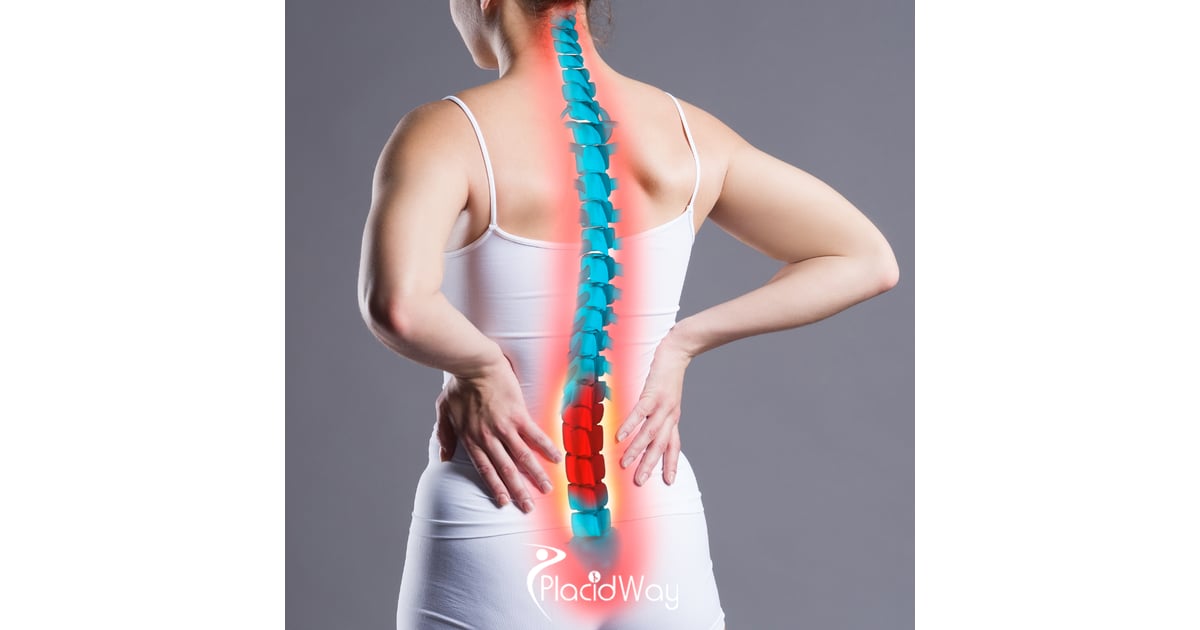
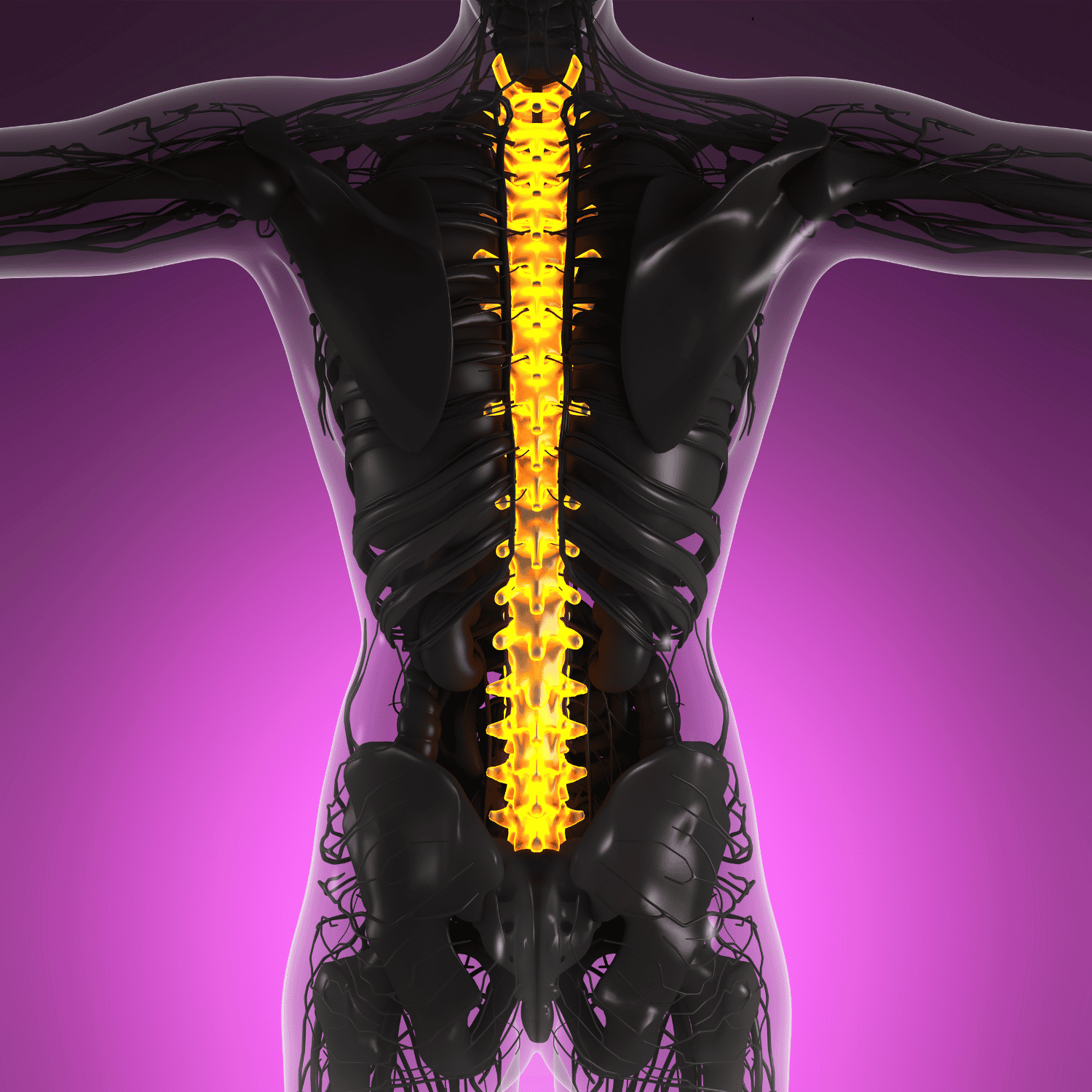
Spine surgery encompasses a range of specialized neurosurgical and orthopedic procedures designed to decompress impinged nerves, stabilize shifting vertebrae, or replace damaged spinal discs. The primary goal is to alleviate severe pain, prevent permanent neurological damage, and restore a patient's structural mobility.
Types of Spinal Interventions in Germany
For CIS patients traveling to Germany for spine surgery, the appeal lies in the availability of highly sophisticated procedures that may be largely inaccessible or experimental in their home countries. The most common procedures sought include:
- Artificial Disc Replacement (ADR): Instead of fusing bones together, surgeons remove a degenerated disc and insert a dynamic titanium and polymer prosthetic. This preserves the spine's natural range of motion and prevents adjacent-segment disease.
- Spinal Fusion (Spondylodesis): The process of permanently joining two or more vertebrae using bone grafts and metallic hardware. German clinics frequently use robotic navigation (such as the Mazor X system) to place pedicle screws with millimeter precision, drastically reducing nerve injury risks.
- Endoscopic Microdiscectomy: A highly precise, minimally invasive procedure to remove portions of a herniated disc that are pressing on spinal nerves. Often performed under local or light general anesthesia, allowing patients to walk the very same day.
- Laminectomy/Decompression: The removal of the lamina (the back part of the vertebra) to create more space in the spinal canal, typically performed to relieve the agonizing leg pain associated with spinal stenosis.
Why are patients from CIS countries actively choosing Germany in 2026?
The contrast in medical infrastructure is stark. While private clinics in Almaty or Tashkent are improving, Germany boasts over a century of institutional surgical excellence, highly regulated medical device integration, and zero tolerance for counterfeit surgical hardware.
Cost Estimation: Germany vs CIS Private Care vs USA
When planning for complex neurosurgery, financial transparency is critical. Germany operates under the DRG (Diagnosis Related Groups) system. This means that surgical costs are standardized based on the diagnosis and the required resources, rather than arbitrary price gouging. International patients are charged standard rates plus an international patient surcharge to cover translation and administrative coordination.
The comparison table below outlines estimated costs across different regions.
*Note: While CIS private clinics appear cheaper, they often lack the robotic precision tools and premium implant materials (like FDA/CE-approved dynamic discs) standard in Germany, potentially leading to higher revision surgery rates.
Understanding the "Kostenvoranschlag"
In Germany, you will be issued a Kostenvoranschlag (an official cost estimate) prior to your arrival. This document is a legal prerequisite for your medical visa application.
What is typically included?
- Treatment by the Chief Physician (Chefarztbehandlung), if requested.
- Anesthesia, operating room fees, and premium implant materials.
- Inpatient hospitalization (meals, nursing care) for the prescribed duration.
- Pre-operative blood work, ECG, and final MRI/CT imaging inside the clinic.
- Immediate post-operative physiotherapy during the hospital stay.
What is excluded?
- Flights and private hotel accommodations before or after hospital discharge.
- Schengen visa application fees.
- Extensive inpatient neuro-rehabilitation at a specialized German Kurort (rehab center), which is billed separately.
Step-by-Step Medical Visa and Spine Treatment Process in Germany
For CIS citizens, the most daunting aspect of seeking treatment abroad is navigating European immigration bureaucracy. Securing a Schengen Medical Visa requires strict adherence to consular protocols. Following this structured pathway will prevent costly delays.
- Medical Records Translation and Review: You must gather all recent MRI scans (no older than 3-6 months), X-rays, and medical reports. Translate the written reports into English or German. Send these to your chosen clinic's international department for the surgeon's preliminary review.
- Receive the Treatment Plan and Invoice: If accepted, the German clinic will issue a detailed surgical plan and the preliminary invoice (Kostenvoranschlag).
- Fulfill the Advance Payment: German law requires international self-pay patients to transfer the estimated treatment cost to the hospital's secure escrow account upfront. You cannot get a visa without this step.
- Obtain the Official Medical Invitation: Once payment clears, the clinic provides a formal letter of invitation confirming your appointment dates, the necessity of the treatment, and confirmation of full payment.
- Apply for the Schengen Medical Visa: Submit your passport, the clinic's invitation, proof of financial sustainability for living expenses, return flight bookings, and travel medical insurance to the German embassy or consulate in your country (e.g., in Astana, Tashkent, or Baku).
- Arrival and Pre-Op Diagnostics: Fly into major hubs like Munich or Frankfurt. You will meet with your neurosurgeon and anesthesiologist, and undergo mandatory, in-house imaging to ensure your spine's condition hasn't changed since your initial scans.
- Surgery and In-Patient Recovery: The surgery takes place. You will remain hospitalized for 4 to 10 days depending on procedure complexity, receiving daily monitoring and early mobility physiotherapy.
Safety, Quality, and Healthcare Standards
When contemplating CIS patients traveling to Germany for spine surgery, the primary question is: "Is the substantial financial investment matched by superior safety?" The clinical data strongly suggests it is. Germany possesses one of the most rigorously regulated healthcare ecosystems on earth.
Accreditation and Regulatory Oversight
Unlike regions with fragmented oversight, German healthcare facilities must adhere to strict federal standards. Quality is enforced by entities such as the German Medical Association and the German Society of Neurosurgery (DGNC). Furthermore, premier hospitals frequently carry independent TÜV or ISO 9001 certifications, validating their hygiene, administrative processes, and patient safety protocols.
Why German Clinical Quality Surpasses Regional Options?
- Surgical Volume: Studies consistently show that high-volume surgeons produce vastly superior outcomes. Top German spinal centers perform thousands of complex fusions and decompressions annually.
- Intraoperative Neuromonitoring (IONM): This technology is standard in German spine centers. It allows the surgical team to monitor the electrical activity of the spinal cord and nerves in real-time during the operation, drastically mitigating the risk of paralysis or nerve damage.
- Hospital Hygiene: Germany employs stringent infection control measures. Post-operative staph infections (such as MRSA), which are unfortunately common in underfunded regional hospitals globally, are aggressively managed and minimized in German wards.
Spine Surgery Recovery and Rehabilitation Timeline
Surgery is only the mechanical correction of the problem. A successful, pain-free outcome relies entirely on your adherence to the post-operative rehabilitation protocol. Spine recovery is a marathon, not a sprint.
The Phased Recovery Process
- Phase 1: Immediate Inpatient Care (Days 1–7): You will be encouraged to stand and take short walks within 24 hours of surgery. This prevents blood clots and muscle atrophy. Pain is managed aggressively via IV medications.
- Phase 2: Outpatient Clearance & Travel (Days 8–14): You will transition to a local hotel. Sutures or staples are typically removed around day 10. Once the surgeon confirms the incision is healing without infection, you receive flight clearance to return to your home country.
- Phase 3: Tissue Healing (Weeks 3–6): At home, you must avoid the "BLT" movements: Bending, Lifting (nothing over 5 lbs), and Twisting. You will take frequent, short walks.
- Phase 4: Structured Rehabilitation (Months 2–4): You begin active physical therapy locally. The focus shifts to strengthening the core musculature to support the newly stabilized spine.
- Phase 5: Full Integration (Months 6–12): For fusions, this is when the bone grafts solidify into a single mass (osseointegration). Most patients can return to non-impact sports and normal daily activities.
Warning Signs Post-Op
Upon returning to your CIS home country, you must monitor for acute complications. Seek immediate emergency medical care if you experience a sudden loss of bowel or bladder control, progressive leg weakness, a fever exceeding 38.5°C (101.3°F), or heavy fluid drainage from the incision site.
How to Choose the Top Clinic for Spine Surgery in Germany?
Not all hospitals are equipped for complex international medical tourism. CIS patients must be discerning. Use this 6-point checklist to evaluate potential neurosurgical centers before making a deposit.
- Verify the Surgeon's Title: Look for a Chefarzt (Chief Physician) or an experienced Oberarzt (Senior Attending) who specializes exclusively in spinal disorders, rather than general orthopedics.
- International Department Competency: Ensure the clinic has a dedicated international office that provides English or Russian documentation and assists with visa invitation letters efficiently.
- Ask About Technology: Inquire if the facility utilizes 3D intraoperative imaging (like the O-arm) and real-time nerve monitoring (IONM) during surgery.
- Confirm Translator Availability: Medical terminology is complex. Confirm that the clinic provides or allows certified medical interpreters during all consultations and post-op briefings.
- Request Infection Rate Data: Reputable German clinics are transparent about their post-surgical infection rates.
- Check Multidisciplinary Support: The best centers have neurosurgeons, orthopedic surgeons, and pain management specialists collaborating on complex cases.
Red Flags to Avoid
Avoid medical facilitators who refuse to connect you directly with the hospital's billing department. All funds should be transferred directly to the clinic's official bank account, never to a third-party broker's personal account. Be wary of clinics that promise a "100% cure rate," as ethical medicine acknowledges inherent risks.
Clinical Risks and Travel Limitations
While German neurosurgeons operate at the pinnacle of modern medicine, spine surgery is inherently complex. You must weigh these risks carefully against the devastating impact of chronic pain.
Surgical and Clinical Risks
General risks of spine surgery include surgical site infection, cerebrospinal fluid (CSF) leaks, and temporary localized nerve pain. For spinal fusions, there is a risk of pseudoarthrosis—a condition where the bones fail to fuse properly over time, which may require revision surgery. Artificial disc replacements carry a slight risk of device migration or mechanical wear over decades.
Travel-Specific Risks
For international patients, the most dangerous risk is Deep Vein Thrombosis (DVT). Long-haul flights back to cities like Astana, Baku, or Moscow shortly after surgery can promote blood clots in the legs. You must strictly adhere to the surgeon's flight clearance timeline, wear medical-grade compression stockings, and take prescribed blood thinners before boarding your flight home.
Who Should NOT Travel for Spine Surgery?
Medical travel is highly contraindicated for patients who:
- Are experiencing active spinal infections (osteomyelitis) requiring immediate, localized emergency care.
- Have severe, unmanaged cardiovascular or respiratory diseases that make general anesthesia life-threatening.
- Cannot secure a local neurosurgeon in their home country willing to take over post-operative monitoring and long-term care.
Your 5-Step Action Plan for Spine Surgery 2026 in Germany
If you are suffering from debilitating spinal issues and are ready to explore German medical excellence, follow this structured framework to initiate the process safely and efficiently.
- Update Your Imaging: Obtain a high-resolution, multi-planar MRI of the affected spinal region. German surgeons cannot provide accurate treatment plans on scans older than 3 months.
- Translate Your Records: Have your local radiologist's reports and your general medical history professionally translated into English or German.
- Consult Reputable Platforms: Utilize verified global healthcare platforms like PlacidWay to connect with accredited German spine centers. Request cost estimates from at least two different clinics.
- Schedule a Telehealth Review: Before committing to travel, arrange a remote video consultation with the German neurosurgeon to discuss surgical options, hardware choices, and expected outcomes.
- Secure Local Aftercare: Find a physical therapist and a local orthopedic specialist in your hometown who will agree to oversee your rehab and remove your sutures upon your return.
Take the First Step Toward a Pain-Free Life
Connect with internationally accredited neurosurgical centers in Germany. Review surgeon profiles, compare treatment costs, and request your comprehensive treatment plan today.
Frequently Asked Questions
Making an Empowered Healthcare Decision
Living with a compromised spine fundamentally alters your quality of life, stripping away independence and mobility. For CIS patients traveling to Germany for spine surgery, the journey represents far more than a medical trip—it is an investment in a pain-free future. By choosing German medical institutions, patients gain access to uncompromised safety standards, elite surgical precision, and technologies that vastly outperform standard regional care.
The path requires careful planning, from securing your Schengen Medical Visa to organizing local rehabilitation, but the clinical outcomes speak for themselves. You do not have to accept outdated surgical methods or live with chronic pain.
Take control of your spinal health today. Browse verified, top-tier neurosurgical clinics on PlacidWay, request an exact cost estimate based on your MRI, and begin planning your medical journey to Germany.
The information in this article is for educational purposes only and does not constitute medical advice. Individual results vary based on health status, case complexity, and other factors. Always discuss your specific situation with a licensed healthcare professional before making treatment decisions. PlacidWay connects patients with verified healthcare providers but does not provide medical services directly.
- World Health Organization (WHO): Low Back Pain Fact Sheet
- Mayo Clinic: Spinal Fusion Patient Guide
- National Institutes of Health (NIH): Outcomes of Minimally Invasive Spine Surgery
- German Medical Association (Bundesärztekammer): Quality and Safety in German Healthcare
- PlacidWay Medical Tourism: Spine Surgery Abroad Options and Clinics















Share this listing