


Living with severe lower back pain and leg numbness can bring even the most active lives to a devastating halt. For individuals suffering from a lumbar herniated disc, the fear of traditional open spine surgery often delays essential treatment. However, the landscape of orthopedic care has evolved dramatically, offering patients highly advanced, safer solutions that minimize surgical trauma and dramatically reduce recovery time.
Today, minimally invasive techniques like affordable endoscopic discectomy are changing the global standard of care. Watch to see how a medical professional himself navigated his journey from debilitating sciatic pain to walking just four hours post-operation. This video highlights the incredible medical advancements and rapid healing timelines available in Turkey through world-class, internationally accredited medical facilities.
Video Chapters & Quick Navigation
The Burden of Severe Pain: When a Lumbar Hernia Disrupts Your Life
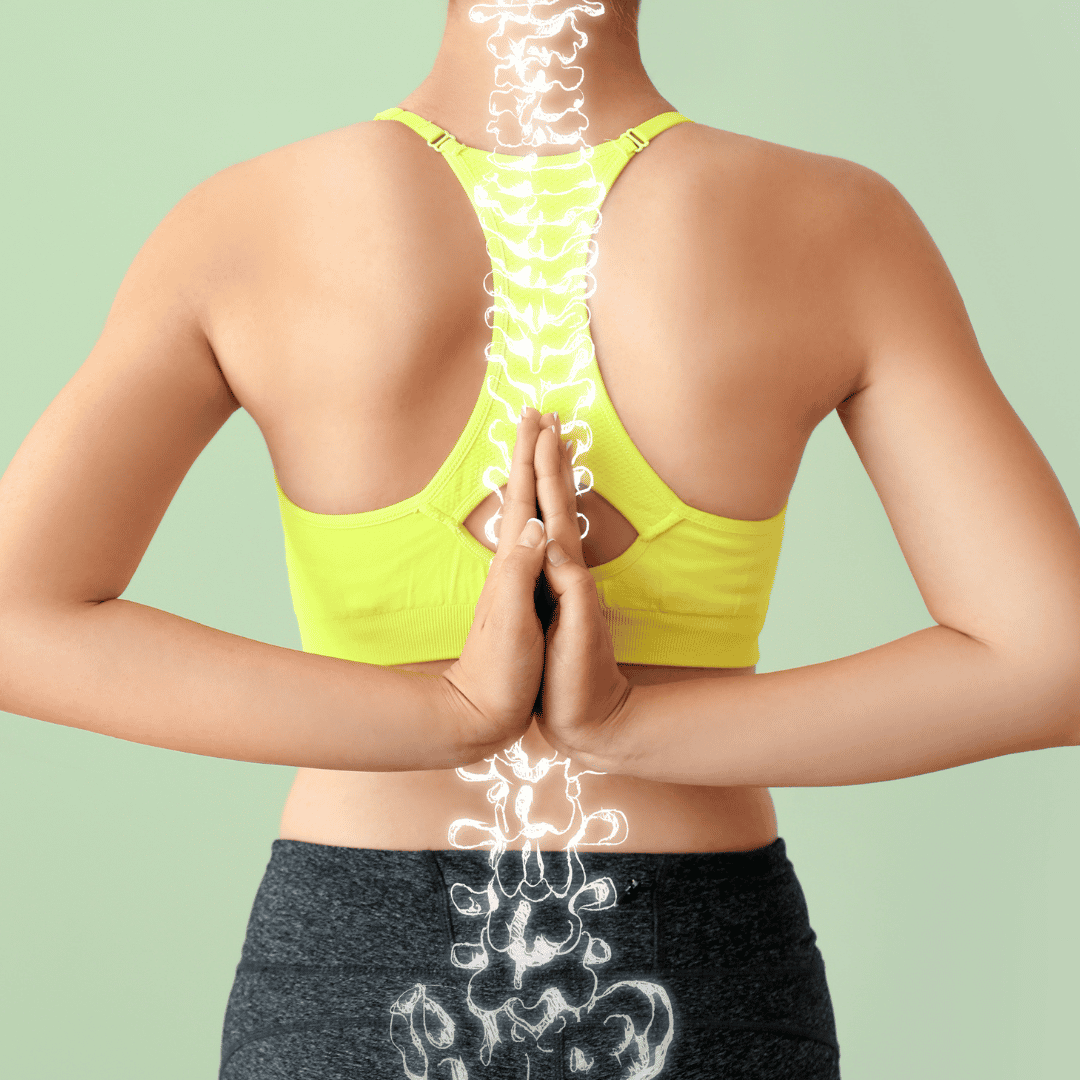
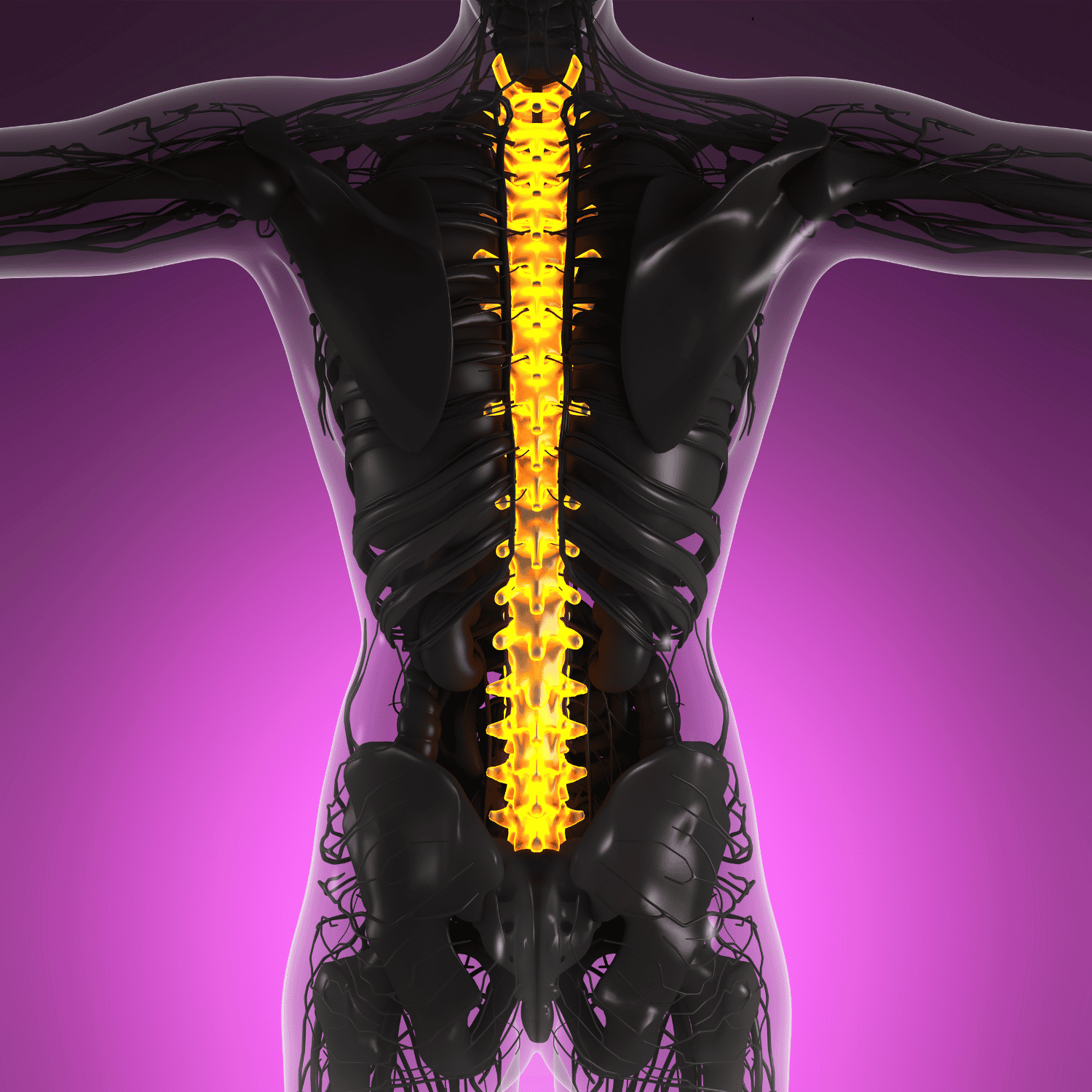
The human spine is a complex engineering marvel, explicitly designed to provide vital structural support, optimal flexibility, and rigid protection for the delicate spinal cord. Between each solid bony vertebra lies an intervertebral disc, a crucial biological shock absorber composed of a tough, fibrous outer ring known as the annulus fibrosus, and a soft, jelly-like center called the nucleus pulposus. However, various detrimental factors such as repetitive heavy lifting, natural genetic predisposition, sudden high-impact trauma, or the cumulative mechanical stress of a physically demanding lifestyle can cause this protective outer ring to tear. When the pressurized inner gel violently protrudes through this unnatural tear, a painful lumbar herniated disc occurs. This displaced, highly inflammatory disc material frequently presses directly against the incredibly sensitive spinal nerve roots as they exit the protective spinal canal.
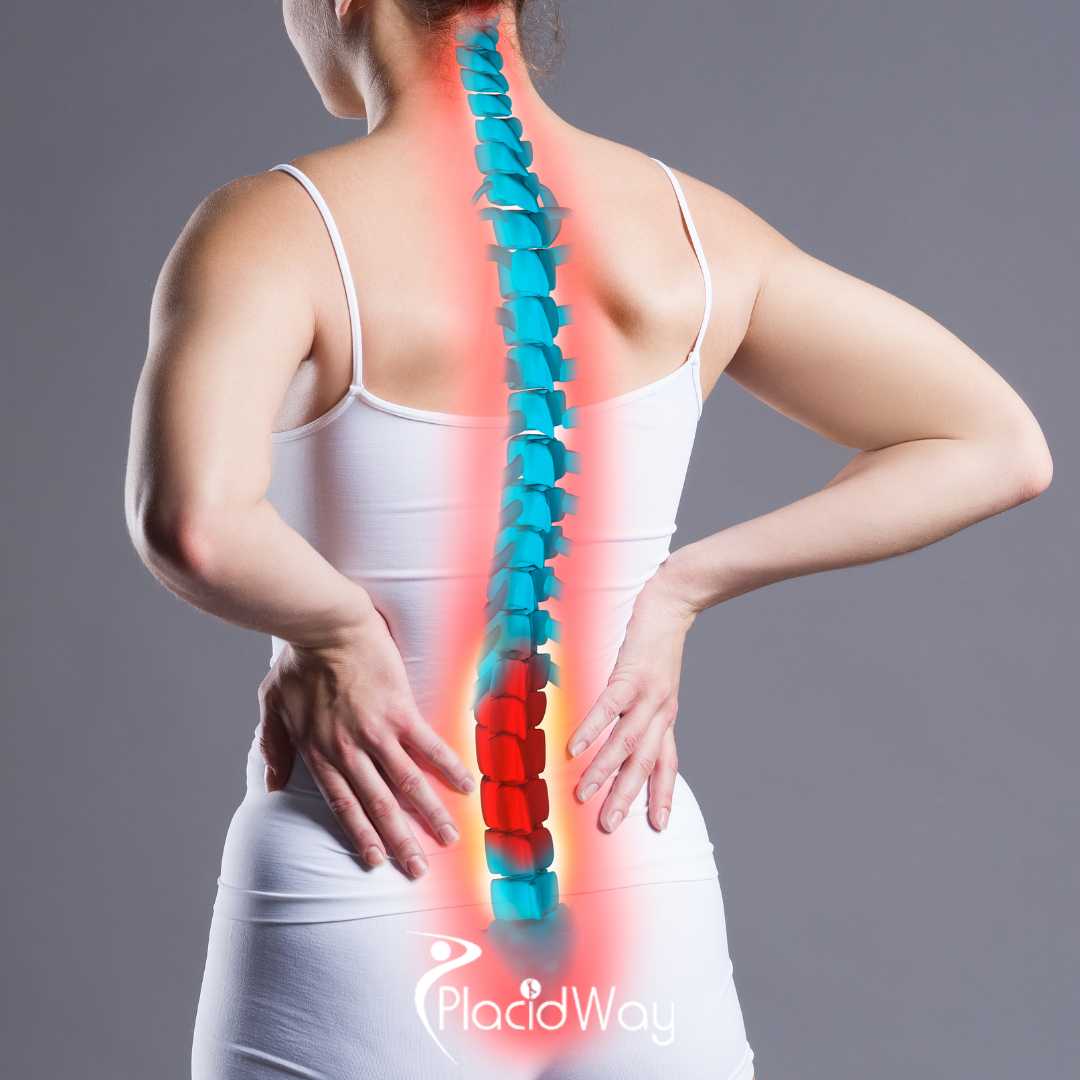
The resulting medical condition goes far beyond ordinary, everyday back soreness. Afflicted patients typically experience a sharp, electrical, and radiating agony that shoots intensely down the buttocks, tears through the back of the thigh, and frequently reaches all the way into the calf or foot. This debilitating condition is universally recognized in the medical community as severe sciatica nerve pain. As highlighted by the personal experiences of a twenty-six-year-old medical assistant, Sabri K., living with this extreme level of unyielding discomfort is simply unsustainable for any active individual. Initially presenting as a seemingly harmless, mild ache, his specific spinal condition rapidly deteriorated over the course of a single month. [00:40] By the time the acute inflammatory phase struck, the pain had become extraordinarily severe, completely disrupting both his rigorous professional responsibilities at the hospital and his overall personal well-being.
This intense radicular pain is almost always accompanied by a series of alarming neurological deficits that indicate serious nerve compromise. [00:48] Physical nerve compression actively restricts the normal, healthy transmission of electrical motor signals from the brain directly to the lower extremities. This unfortunate blockage leads to persistent, highly uncomfortable leg numbness, a distressing sensation of pins and needles, and a profound, easily noticeable loss of muscular strength in the affected limb. This sudden loss of motor function is not merely an irritating inconvenience; it is definitively a serious medical red flag that warrants immediate professional attention. Routine daily activities that were once taken completely for granted, such as easily ascending a normal flight of stairs or walking comfortably for extended periods, suddenly become incredibly painful and monumental physical challenges. [01:00] The resulting physical instability dramatically increases the dangerous risk of falls and subsequent secondary injuries, further complicating the patient's overall health profile.
The Diagnostic Journey: Recognizing the Warning Signs of Nerve Compression
The clinical path to accurately identifying a lumbar hernia requires a highly meticulous, multi-layered diagnostic approach, ensuring that every single physical symptom is precisely mapped to its exact anatomical origin. When conservative rest, over-the-counter anti-inflammatories, and basic home care fail to resolve severe lower back issues, patients must actively seek specialized orthopedic or neurological medical evaluation without delay. The diagnostic journey typically begins with a highly comprehensive physical and structured neurological examination conducted by a specialist. [01:48] During this crucial phase, evaluating physicians will aggressively test deep tendon reflexes, thoroughly assess muscular strength across various articulating joints in the lower extremities, and map out sensory perception deficits to pinpoint the exact affected nerve.
One of the most universally utilized and highly reliable clinical assessments during this initial evaluation is the Straight Leg Raise diagnostic test. This specific physical maneuver involves carefully elevating the patient's affected leg while they lie completely flat on their back on the examination table. If this specific upward movement reliably reproduces the familiar, radiating sciatic pain shooting down the leg, it strongly indicates the definitive presence of nerve root tension caused directly by an irritating herniated disc. However, physical examinations alone, no matter how thorough, cannot provide the absolute definitive visualization required for safe and precise surgical planning. The undeniable, undisputed gold standard for diagnosing complex spinal pathologies is advanced Magnetic Resonance Imaging (MRI). An MRI scan masterfully utilizes incredibly powerful magnetic fields and high-frequency radio waves to generate breathtakingly detailed, high-resolution cross-sectional images of the spine's delicate soft tissues.
Unlike basic X-rays, which primarily display dense bone structure and are useless for visualizing nerves, an advanced MRI clearly reveals the exact hydration level of the intervertebral discs, the precious spinal cord, and the specific exiting nerve roots. This unmatched imaging clarity allows the dedicated surgical team to flawlessly identify the exact spinal level of the herniation, accurately measure the physical size of the extruded disc fragment, and visually calculate the exact degree of dangerous nerve compression. Even trained medical professionals deeply understand the critical, undeniable importance of collaborative, multi-disciplinary diagnostics. [01:15] Seeking valuable input from licensed physical therapists, fellow attending physicians, and highly specialized orthopedic spine surgeons ensures that all potential, non-invasive treatment avenues are thoroughly explored before moving to surgery. Engaging in these transparent, highly thorough consultations with esteemed experts, such as Dr. Yunus Uysal, provides anxious patients with a crystal-clear, medically sound understanding of their specific condition. [01:30]
Endoscopic vs. Open Surgery: A Paradigm Shift in Spinal Therapeutics
For several decades, the globally accepted standard surgical treatment for a debilitating herniated disc was a highly invasive traditional open discectomy. While technically effective at successfully removing the problematic disc material, this antiquated approach comes heavily burdened with significant, unavoidable medical drawbacks. Open spine surgery absolutely necessitates a large, visually prominent incision, often measuring several inches in length directly down the center of the patient's back. To physically access the damaged spine, the operating surgeon must forcefully dissect and violently strip the thick, stabilizing layers of paraspinal muscles away from the bony vertebrae, subsequently holding them apart using heavy, tissue-crushing metal retractors. [02:10] This extensive, highly traumatic collateral tissue damage is widely recognized as the primary cause of severe post-operative surgical pain.
Furthermore, this aggressive tissue disruption directly leads to prolonged hospitalizations, a significantly increased risk of dangerous intraoperative blood loss, and a much higher statistical probability of contracting severe hospital-acquired infections. The aggressive, unnatural disruption of the body's native anatomical structure means that unfortunate patients face a grueling, highly painful recovery period that can easily stretch into many agonizing months, significantly delaying their long-awaited return to a normal, functional life. In absolute, stark contrast, the glorious advent of endoscopic discectomy represents a monumental, industry-altering paradigm shift in modern spinal therapeutics. This highly advanced, minimally invasive surgical technique is specifically designed to achieve the exact same crucial neurological decompression as traditional open surgery but with only a minute fraction of the physical bodily trauma.
The Mechanics of Minimally Invasive Precision
The highly refined endoscopic procedure begins with a tiny, practically invisible micro-incision on the patient's back, typically measuring no more than eight millimeters—roughly the size of a standard pencil eraser. [01:59] Rather than brutally cutting and tearing healthy stabilizing muscle tissue, the skilled surgeon utilizes a specialized series of progressively larger, smooth dilating tubes to gently separate the muscle fibers. This elegant technique creates a perfectly narrow, highly controlled working corridor that leads directly down to the affected spinal level. Through this incredibly narrow surgical portal, a state-of-the-art specialized endoscope is carefully inserted.
This highly advanced, multi-million dollar medical instrument is fully equipped with an ultra-high-definition micro-camera and a phenomenally powerful fiber-optic light source. It flawlessly projects a massively magnified, crystal-clear, illuminated image of the compressed nerve root and the offending herniated disc material directly onto large, 4K surgical monitors in the operating room. Using highly specialized, incredibly elongated micro-instruments, the operating surgeon can meticulously and safely remove the precise herniated disc fragment. Crucially, they leave the vast majority of the surrounding healthy disc, vital supporting ligaments, and structural bone completely intact and undisturbed. Because the essential structural integrity of the patient's spine is masterfully preserved and muscular trauma is practically eliminated, patients consistently experience dramatically less postoperative pain and a vastly accelerated timeline for total physical healing.
| Surgical Feature | Traditional Open Surgery | Advanced Endoscopic Discectomy |
|---|---|---|
| Average Incision Size | Large (3 to 6+ centimeters) | Micro-incision (approx. 8 millimeters) |
| Muscle Tissue Trauma | Significant (muscles permanently cut and stripped) | Extremely Minimal (muscles gently dilated) |
| Expected Hospital Stay | 1 to 4 days of inpatient monitoring | Outpatient (same-day discharge possible) |
| Risk of Severe Infection | Moderate to High due to large exposure | Incredibly Low risk factor |
| Timeline to Return to Work | 6 to 12 grueling weeks | 1 to 3 weeks (depending on job demands) |
The Surgical Experience: Unmatched Precision, Safety, and Patient Comfort
The mere prospect of undergoing any form of spinal surgery naturally evokes intense feelings of anxiety and fear, but modern anesthetic advancements and highly refined surgical protocols prioritize patient comfort, unwavering safety, and total peace of mind above all else. The premium surgical experience officially begins well before the patient ever enters the sterile operating room environment. Comprehensive, highly detailed pre-operative medical briefings ensure that the patient fully understands every single step of the surgical process, exactly what bodily sensations to expect, and the highly anticipated timeline for the entire surgical day. [02:36] This exceptionally high level of clinical transparency and clear, empathetic communication from the dedicated surgical team is absolutely crucial for alleviating severe preoperative stress and successfully fostering a deep, unbreakable sense of trust.
Depending on the highly specific anatomical parameters of the case and the lead surgeon's expert clinical preference, endoscopic lumbar hernia surgery can be flawlessly performed under either general anesthesia or highly targeted local anesthesia combined with soothing deep twilight sedation. Utilizing general anesthesia ensures the patient remains completely unconscious, totally pain-free, and blissfully unaware throughout the entirety of the delicate procedure. [02:58] For the anxious patient, the subjective experience is essentially identical to falling into a deep, incredibly restful sleep. You simply close your heavy eyes in the pre-operative holding area and seemingly wake up just a few fleeting moments later in the comfortable recovery suite. The magnificent precision and rapid execution of the endoscopic approach dictate that the actual physical time spent under heavy anesthesia is significantly reduced compared to traditional, lengthy open procedures. This explicitly minimizes the universally dreaded associated risks of severe postoperative nausea, lingering mental grogginess, and dangerous respiratory complications.
The true, undeniable magic of the advanced surgical experience becomes blissfully apparent almost immediately upon waking up in the specialized Post-Anesthesia Care Unit (PACU). For desperate individuals who have spent agonizing months or even years suffering from relentless, burning sciatic pain radiating violently down their legs, the sudden, complete absence of that specific neurological sensation is nothing short of a medical miracle. [03:25] The precise, immediate physical decompression of the heavily impinged spinal nerve root successfully provides instantaneous, life-altering relief. Patients frequently and joyously report that the agonizing, electrical leg pain is completely and entirely gone the very moment they fully regain consciousness. While there may understandably be a very mild, highly localized soreness directly at the site of the tiny surgical incision, the debilitating, life-ruining neurological symptoms are typically resolved entirely, marking the highly triumphant beginning of the rapid recovery phase.
Rapid Recovery Timeline: Aggressively Defying Traditional Surgical Expectations
One of the most extraordinary, highly celebrated medical benefits of choosing minimally invasive endoscopic discectomy is the incredibly rapid recovery timeline that aggressively and consistently defies all traditional surgical expectations. In the dark past, committing to spinal surgery inherently meant enduring days of mandatory, highly uncomfortable bed rest in a sterile hospital setting, becoming heavily reliant on powerful intravenous narcotics, and remaining fraught with the paralyzing anxiety of a long, highly painful physical rehabilitation. The revolutionary endoscopic approach completely and utterly rewrites this depressing narrative. Because the massive, surrounding spinal musculature and vital stabilizing ligaments remain entirely uncut and totally undisturbed, the human body's miraculous natural healing capacity is not needlessly overwhelmed by massive collateral surgical trauma.
The astonishing speed of post-operative mobilization is truly a remarkable medical feat to witness. Recovering patients are absolutely not confined to their hospital beds; in fact, early, controlled movement is highly prescribed and heavily encouraged by medical staff to rapidly promote healthy blood circulation and dramatically accelerate tissue healing. It is entirely common, and indeed expected, for individuals to be safely up on their own two feet and comfortably walking the hospital corridors just four brief hours after the successful completion of the surgery. [03:29] This immediate, highly confident return to basic mobility is a glowing testament to the procedure's incredibly gentle, non-destructive nature. Furthermore, because the overall surgical impact to the patient's body is so phenomenally minimal, the dreadful need for an extended, expensive hospital stay is entirely eliminated. After a very brief period of standard medical observation to definitively ensure perfectly stable vital signs and comfortable, independent ambulation, highly satisfied patients are routinely discharged to return home or safely travel back to their comfortable hotel on the exact same day of their operation. [03:35]
The subsequent at-home or hotel recovery phase is equally streamlined and remarkably straightforward. The microscopic surgical incision, often securely closed with just a single, tiny dissolvable stitch or robust sterile surgical tape, requires only the most basic, common-sense hygiene care. [03:44] The terrifying statistical risk of suffering a severe postoperative infection is incredibly low due to the infinitesimally small surface area exposed to the air during the rapid procedure. Crucial pain management is typically and easily handled with standard, mild over-the-counter analgesics or very mild prescription medications for a mere few days, completely and entirely avoiding the devastating dependency issues so frequently associated with highly addictive, powerful opioids. Within a single, short week, thrilled patients consistently report a highly successful, joyous return to their normal, active daily living routines, completely free from the harsh mechanical restrictions and profound, agonizing pain that previously dictated every moment of their lives. [03:57]
Why Choose Turkey for World-Class Orthopedic and Spine Surgery?
When suddenly faced with the highly daunting need for specialized, complex spinal surgery, astute patients globally are increasingly and confidently looking beyond their own domestic borders to find the highest quality care. Over the past decade, Turkey has rapidly and undeniably ascended to the absolute pinnacle of international medical tourism, firmly establishing itself as a highly trusted, premier global destination for advanced orthopedic and complex neurological care. The country's booming, multi-billion dollar healthcare infrastructure features state-of-the-art, internationally JCI-accredited medical centers that are fully equipped with the very latest in high-resolution diagnostic imaging, cutting-edge robotic surgery platforms, and highly sophisticated German and American endoscopic technology. The brilliant medical professionals driving this standard of clinical excellence are truly world-renowned. Elite Turkish orthopedic spine surgeons frequently possess extensive, highly competitive international training, hold incredibly prestigious medical board certifications, and bring decades of highly specialized, hands-on experience in flawlessly performing complex, minimally invasive surgical procedures.
The immense financial advantages of actively pursuing advanced medical treatment in Turkey are undeniably compelling and impossible to ignore. The staggering out-of-pocket cost of a minimally invasive spine surgery in the United States, the United Kingdom, or Western Europe can be astronomically high, often placing a crippling, life-altering financial burden on vulnerable patients, even those who possess standard health insurance coverage. In stark, highly refreshing contrast, completely comprehensive, all-inclusive surgical packages in Turkey are readily available at a mere fraction of the exorbitant Western cost. Crucially, this massive cost reduction occurs without compromising a single, solitary metric of clinical quality, patient safety, or high-end medical expertise. This exceptional, unparalleled affordability allows patients from all socioeconomic backgrounds to easily access premium, life-saving healthcare services that might otherwise remain completely out of reach in their home countries.
However, the magnetic appeal of traveling to Turkey for medical care extends far beyond simple financial savings and undeniable medical proficiency. Highly reputable global organizations like PlacidWay seamlessly and expertly facilitate the entire end-to-end medical tourism journey, masterfully transforming what could be a highly daunting, stressful medical procedure into a highly organized, completely stress-free VIP experience. These totally comprehensive, incredibly thoughtful travel packages routinely and predictably include luxury VIP airport transfers, highly comfortable accommodations in top-tier hotels located in culturally rich, breathtaking cities, and the invaluable, dedicated services of highly trained, multilingual patient coordinators who meticulously handle every single complex logistical detail. [04:36] Patients can fully experience the genuine warmth of legendary Turkish hospitality, safely recovering in a beautiful, highly supportive, sun-drenched environment that focuses entirely and exclusively on their rapid physical healing and paramount personal comfort.
Returning to Work and Reclaiming Your Active Lifestyle
For the vast majority of driven, career-focused patients, the ultimate, most important metric of a truly successful surgical intervention is the absolute speed at which they can finally reclaim their lost independence and successfully return to their demanding professional responsibilities. Prolonged, highly disruptive absences from the workplace can seriously jeopardize hard-earned career progression, cause immense mental distress, and lead to significant, highly stressful financial instability. The rapid, highly predictable rehabilitation phase heavily associated with modern endoscopic discectomy directly and emphatically addresses this critical, universal patient concern. Because the precise surgical procedure meticulously preserves the vital structural integrity and load-bearing capacity of the human back, patients absolutely do not face the grueling months of severe physical limitations inherently tied to archaic open surgery techniques.
This rapid, highly confident return to full physical functionality is incredibly advantageous for highly driven individuals employed in physically demanding professions. Consider the intense physical requirements of a dedicated medical assistant or an emergency room doctor, whose chaotic daily routine involves long, grueling hours standing on hard floors, leaning awkwardly over treatment beds, and moving quickly and decisively between high-stress patient rooms. To undergo a major spinal operation and be fully physically capable of returning to such a high-tempo, incredibly physically demanding work environment in merely two short weeks is a truly revolutionary medical achievement. [04:03] It completely and totally minimizes the dreadful professional disruption and empowers recovered patients to resume their beloved careers with massively renewed energy, sharp focus, and zero physical pain.
However, an initially successful surgery is technically only the very first crucial step in maintaining long-term, lifelong spinal health. Successfully reclaiming a highly active, robust lifestyle also heavily involves a firm, unwavering personal commitment to ongoing preventative physical care. Following the immediate, pain-free recovery period, motivated patients are typically and highly encouraged to be guided through highly targeted, professionally designed physical therapy programs. These specialized, low-impact exercise regimens focus heavily on aggressively strengthening the body's core musculature, specifically targeting the deep transversus abdominis muscles and the vital paraspinal muscles that actively support and brace the vulnerable lumbar spine. Improving overall body flexibility, actively adopting proper, biomechanically sound ergonomic practices in the modern workplace, and strictly maintaining a healthy, optimal body weight are all absolutely essential, non-negotiable strategies for perfectly protecting the newly healed intervertebral disc and totally preventing any future painful herniations. With the agonizing nerve pain finally eliminated, happy patients can finally and joyously enjoy the long, peaceful walks and vigorous physical activities they once deeply loved, completely and entirely unhindered by fear or debilitating discomfort. [02:47]
Expert Recommendations: When is Minimally Invasive Surgery the Right Choice?
While the profound, life-changing benefits of endoscopic lumbar hernia surgery are universally recognized and celebrated by spine specialists worldwide, ethical, highly responsible medical practice firmly dictates that physical surgery should absolutely never be the immediate, reflexive first step in treatment unless highly specific, dangerous emergency medical criteria are clearly met. The highly prudent initial approach to effectively managing a painful herniated disc almost always involves a highly robust, dedicated trial of conservative, entirely non-surgical medical therapies. This highly foundational, evidence-based treatment protocol typically includes strategic, highly disciplined periods of clinical rest, the careful use of targeted, high-dose anti-inflammatory medications (NSAIDs), and the highly controlled administration of powerful muscle relaxants to quickly ease severe, debilitating muscular spasms in the lower back region. [04:23]
Simultaneously alongside pharmacological management, suffering patients are routinely prescribed highly customized, highly intensive physical therapy regimens specifically designed by experts to mechanically alleviate severe nerve root compression through highly specific structural stretching and core stabilization exercises. If standard oral medications and dedicated physical therapy disappointingly fail to provide adequate, lasting pain relief, interventional pain management specialists may frequently elect to utilize highly targeted, image-guided epidural steroid injections. These potent therapeutic injections directly deliver powerful, highly concentrated anti-inflammatory medication precisely into the sensitive epidural space immediately surrounding the highly inflamed spinal nerve, very often providing highly significant, albeit sometimes frustratingly temporary, physical relief from excruciating acute sciatica.
However, there exists a highly definitive, clinically recognized medical threshold where conservative management is unfortunately no longer appropriate or even safe. When a suffering patient has diligently, faithfully pursued all available medications, extensive physical therapy, and multiple steroid injections without experiencing a meaningful, sustained reduction in their agonizing physical symptoms, surgical intervention undeniably becomes the most strongly recommended, highly logical path forward. [04:30] More critically importantly, if a distressed patient ever presents with alarming "red flag" clinical symptoms—such as rapidly progressive motor muscle weakness, the sudden, terrifying development of foot drop, or a catastrophic loss of vital bowel and bladder control—immediate, emergency surgical decompression is absolutely mandatory to strictly prevent permanent, highly irreversible neurological nerve damage. When surgery is proven to be the definitive, inescapable answer, carefully selecting a highly specialized, internationally recognized medical center with deeply proven, highly documented expertise in advanced endoscopic techniques absolutely ensures the safest, most reliably effective, and ultimately most comfortable path back to a vibrant, totally pain-free life.
Ready to Defeat Back Pain and Reclaim Your Life?
Don't let a lumbar hernia dictate your future. PlacidWay Medical Tourism seamlessly connects you with the most elite, top-rated orthopedic hospitals in Turkey, offering world-class endoscopic spine surgery at highly affordable prices. Let our dedicated team handle the travel logistics while you focus entirely on your rapid recovery.
GET A FREE QUOTE





.png)
.png)










Share this listing