


About this patient story: Living with the debilitating agony of a ruptured herniated disc can abruptly halt your entire life, transforming simple tasks into insurmountable challenges. For older adults and individuals with underlying health conditions, the traditional route of open spine surgery often presents terrifying risks, including high infection rates and prolonged bed rest.
However, the landscape of orthopedic care has dramatically evolved. Today, patients from around the globe are discovering the life-changing benefits of full endoscopic lumbar discectomy in Turkey. By utilizing an incision smaller than a single centimeter, world-class orthopedic surgeons are eliminating severe sciatica nerve pain, allowing patients to walk unassisted within hours. Explore how advanced minimally invasive spine surgery abroad is restoring mobility, independence, and hope.
Video Chapters & Quick Navigation
The Paralyzing Reality of Severe Sciatica Nerve Pain
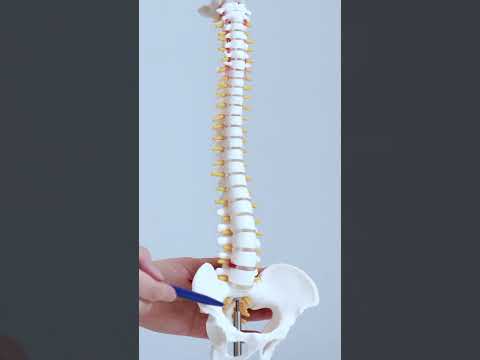
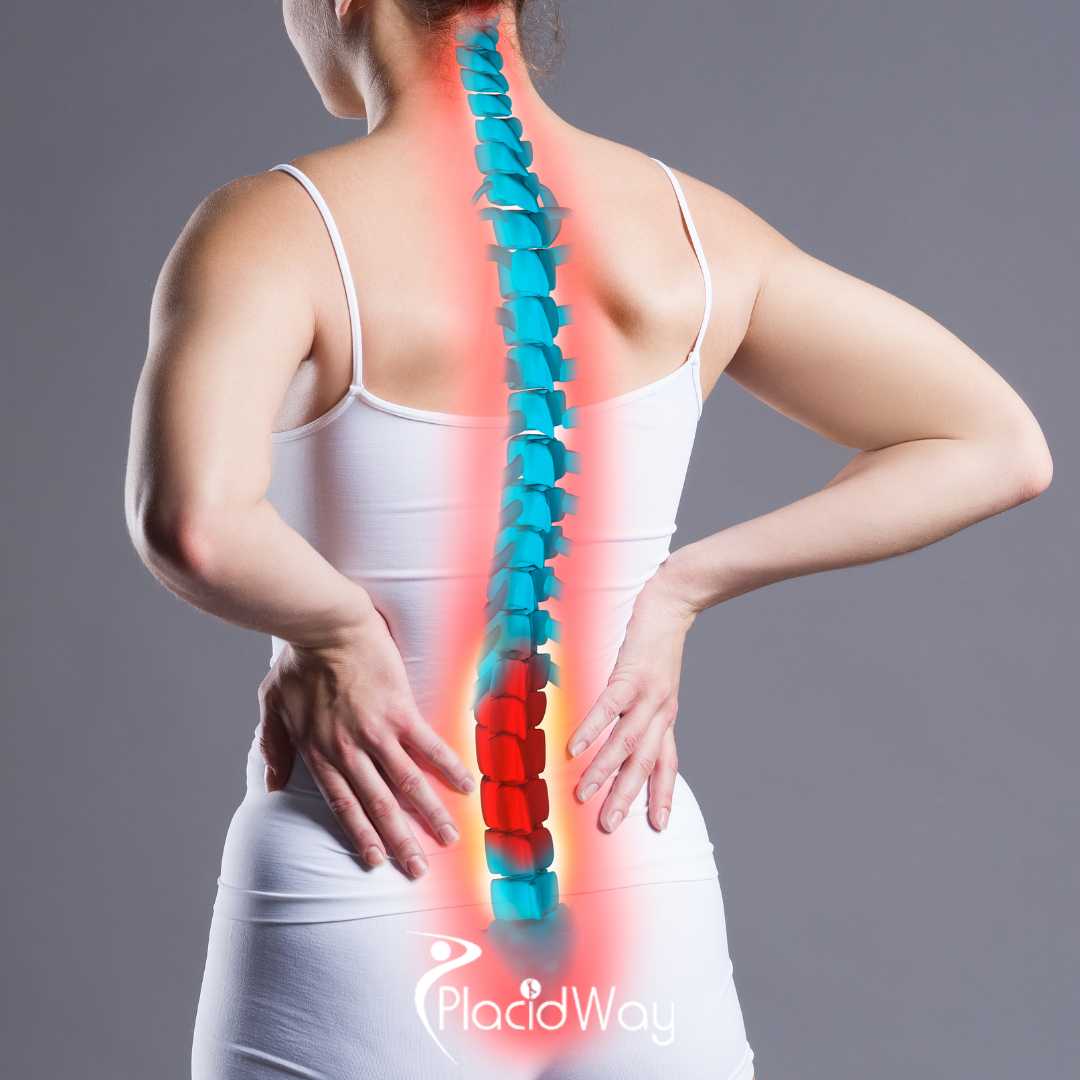
The human spine is a marvel of biological engineering, designed to provide both structural support and flexible mobility. Between each bony vertebra lies an intervertebral disc, acting as a critical shock absorber. However, when the tough outer layer of this disc tears—often due to age-related degeneration or sudden trauma—the soft, jelly-like interior can protrude outward. This condition, known as a ruptured or herniated disc, immediately wreaks havoc on the surrounding neural anatomy.
When the extruded disc material aggressively compresses the sciatic nerve root, the resulting condition is known as sciatica. The pain generated by this compression is rarely confined to the back. As described by the patient at [00:40], the agonizing sensation radiates viciously down the waist, through the hip, and deep into the left leg. It is a sharp, electrical pain accompanied by debilitating numbness that completely compromises lower body function.
The physical and psychological toll of this chronic nerve pain cannot be overstated. Simple daily activities become monumental hurdles. The patient notes at [00:57] that he could not even walk 15 meters to the local market, nor could he stand up long enough to fetch a single glass of water. This rapid loss of personal independence is devastating, plunging active individuals into a state of forced immobility that rapidly deteriorates their cardiovascular health, mental well-being, and overall quality of life.
The Frustrating Limits of Conservative Back Therapies
For many individuals suffering from mild lumbar disc herniation, conservative treatments are the standard first line of defense. Rest, anti-inflammatory medications, and targeted physical therapy can often alleviate symptoms by reducing localized swelling and strengthening the core muscles that support the spinal column. However, there is a distinct clinical threshold where conservative management simply fails to provide relief.
When a spinal disc is fully extruded or sequestered—meaning a fragment of the disc has completely broken away and lodged into the spinal canal—physical therapy is physically incapable of moving that tissue away from the nerve. At [01:01], the patient recounts spending six agonizing months traveling between various clinics and hospitals, enduring relentless physical therapy sessions that ultimately yielded no clinical improvement. This prolonged suffering is a common narrative for patients with severe nerve impingement.
The continuous failure of non-operative treatments often leaves patients feeling hopeless and clinically exhausted. Prolonged nerve compression not only causes unrelenting pain but can also lead to permanent nerve damage, muscle atrophy, and irreversible loss of motor function in the lower extremities. Recognizing when to pivot from conservative care to surgical intervention is a critical step in preserving long-term neurological health and preventing permanent disability.
Why Open Spine Surgery is Highly Risky for Diabetic Patients
When surgery becomes the undeniable next step, patients are traditionally offered an open lumbar laminectomy or open discectomy. While these procedures have been the gold standard for decades, they are inherently destructive. Open spine surgery requires surgeons to make a large incision down the center of the back, aggressively stripping and retracting the thick paraspinal muscles away from the bone. This profound tissue trauma leads to heavy blood loss, severe postoperative pain, and the formation of dense scar tissue that can later compress the nerve all over again.
For individuals with underlying metabolic conditions, the stakes are exponentially higher. At [01:28], the 71-year-old patient explicitly states that he refused traditional open surgery because he is a diabetic. This was a profoundly wise medical decision. Diabetes fundamentally compromises the body's microvascular system, drastically impairing blood flow to surgical wounds. Consequently, diabetic patients face a significantly elevated risk of catastrophic postoperative wound infections, delayed healing, and wound dehiscence (where the incision bursts open).
Furthermore, the prolonged general anesthesia required for lengthy open surgeries can disrupt blood glucose management, triggering further metabolic complications during the immediate recovery phase. For older demographics and diabetic patients, the invasive nature of open back surgery often presents risks that outweigh the potential benefits, leaving them trapped between the agony of sciatica and the terror of surgical complications.
The Breakthrough of Full Endoscopic Lumbar Discectomy
The medical solution that bridges the gap between effective nerve decompression and maximum patient safety is the full endoscopic lumbar discectomy. This ultra-minimally invasive spine surgery represents the absolute pinnacle of modern orthopedic technology. Instead of utilizing a scalpel to flay open the back, a highly specialized orthopedic surgeon creates a micro-incision measuring merely 8 millimeters—about the width of a pencil eraser.
Through this tiny portal, a series of progressively larger dilating tubes are gently inserted to part the muscle fibers, rather than cutting them. An advanced, high-definition endoscope equipped with intense illumination and a digital camera is then guided directly to the site of the herniation. This provides the surgical team with a magnified, crystal-clear view of the compressed nerve and the offending disc material on a large surgical monitor, ensuring unparalleled precision.
Key Medical Advantages of the Endoscopic Approach
The benefits of a closed spine surgery approach are transformative, particularly for vulnerable patient demographics.
- Zero Muscle Destruction: Because the paraspinal muscles are merely dilated rather than severed, patients do not suffer from the crippling back spasms typically associated with traditional surgery.
- Preservation of Spinal Stability: Open surgeries often require the removal of supportive bone and ligaments to access the nerve. The endoscopic approach navigates through natural anatomical windows, preserving the structural integrity of the spine and negating the future need for spinal fusion.
- Minimal Infection Risk: The continuous irrigation of saline fluid through the endoscope, combined with the minuscule 8mm incision, reduces the rate of surgical site infections to near zero—a life-saving benefit for diabetic patients.
Medical Tourism: Why Turkey is the Global Hub for Orthopedic Care
As the demand for minimally invasive spine surgery abroad surges, Turkey has firmly established itself as a global epicenter for advanced medical tourism. The country has heavily invested in state-of-the-art medical infrastructure, integrating the latest European and American surgical technologies into their private healthcare sector. Patients traveling from the United States, the United Kingdom, and the Middle East are discovering that Turkish facilities often surpass the technological capabilities of their domestic hospitals.
Institutions like the Turan & Turan Bone Muscle Joint Health Group represent the vanguard of this medical renaissance. As highlighted in the patient's testimony, discovering expert orthopedic specialists like Op. Dr. Yunus Uysal is a turning point for chronic pain sufferers. These surgeons are globally trained, frequently handling complex spinal pathologies using highly specialized endoscopic techniques that many Western surgeons have not yet mastered.
Beyond clinical excellence, the efficiency of the Turkish medical system is a major draw. In countries with socialized medicine, patients can languish on surgical waiting lists for over a year while their nerve damage becomes permanent. In Turkey, international patients can schedule their diagnostic MRI, comprehensive surgical consultation, and the actual endoscopic procedure within a matter of days, halting their neurological decline instantly.
Defying Expectations: The Rapid Recovery Timeline
Perhaps the most astonishing aspect of full endoscopic lumbar discectomy is the radically accelerated recovery timeline. Traditional open spine surgery mandates a grueling recovery protocol involving strong narcotic painkillers, weeks of strict bed rest, and months of intensive rehabilitation before a patient can resume basic daily functions. The endoscopic approach shatters this antiquated timeline entirely.
Because there is no collateral tissue damage, the pain of the surgery itself is virtually nonexistent compared to the severe sciatica the patient was enduring. At [02:18], the surgical team informs the patient that the procedure was a complete success. Incredibly, within just a few hours of waking up from anesthesia, the patient was encouraged to stand up and walk down the hospital corridor. The immediate decompression of the sciatic nerve provides instant, profound relief from the radiating leg pain.
| Recovery Milestone | Open Spine Surgery | Endoscopic Discectomy |
|---|---|---|
| Hospital Stay | 3 to 5 Days | Same Day or 1 Overnight |
| Independent Walking | 1 to 2 Weeks (with aid) | Within 2 to 4 Hours |
| Driving a Vehicle | 6 to 8 Weeks | 4 to 5 Days |
| Full Tissue Healing | 3 to 6 Months | 8 to 10 Days |
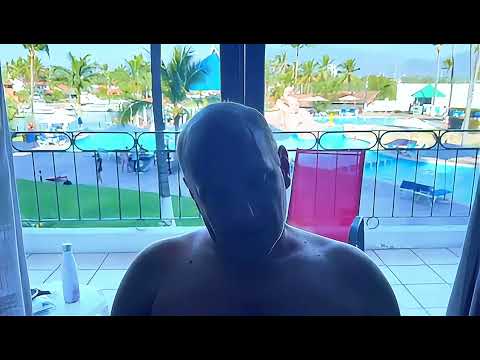
The patient's personal milestones highlight this exact timeline perfectly. After staying just one single night in the hospital for observation, he was officially discharged. At [02:42], he remarks that he was granted permission to drive for 25 minutes, and within 4 to 5 days, he was back behind the wheel of his car permanently. He walked into the hospital relying heavily on a cane, and as he proudly declares, he walked out of the hospital under his own power, entirely cane-free.
Compassionate Care: The Psychological Advantage of Turkish Healthcare
Undergoing spinal surgery in a foreign country can initially seem like a daunting prospect. However, the anxiety of medical travel is rapidly dissolved by the profound culture of hospitality intrinsic to the Turkish healthcare model. International medical centers in Turkey prioritize a holistic, patient-centric approach that treats the psychological stress of chronic pain just as aggressively as the physical symptoms.
Throughout his testimony, the patient repeatedly emphasizes the extraordinary warmth, smiling faces, and undeniable helpfulness of the entire medical staff. From the surgical nurses to the lead orthopedic surgeon, the bedside manner exhibited at Turan & Turan Hospital provided immense psychological comfort. This compassionate environment is not a luxury; it is a clinical necessity that drastically lowers patient stress hormones, thereby promoting faster systemic healing and better overall surgical outcomes.
By treating patients as honored guests rather than mere clinical numbers, the hospital ensures that the entire medical tourism journey is seamless, reassuring, and ultimately life-affirming. This dedication to empathetic care leaves an indelible mark, leading patients to state that they will never forget the medical team that gave them their lives back.
Affordable Spine Solutions: Premium Healthcare Without the Premium Price Tag
The financial barrier to receiving advanced endoscopic spine surgery in Western countries is staggering. In the United States, minimally invasive spine procedures can easily exceed the cost of a luxury vehicle, leaving uninsured or underinsured patients burdened with crippling medical debt. Even those with comprehensive insurance often face astronomical out-of-pocket deductibles and prolonged battles for pre-authorization.
Medical tourism fundamentally disrupts this financial paradigm. By connecting with world-class facilities in Turkey through trusted healthcare facilitators, international patients can access the exact same premium surgical technology at a fraction of the Western cost. These comprehensive medical packages typically encompass everything a patient needs for a stress-free experience, including the surgical fees, hospital stay, high-resolution diagnostic imaging, dedicated VIP airport transfers, and post-operative follow-ups.
The combination of elite surgical precision, zero wait times, and drastically reduced costs makes full endoscopic lumbar discectomy in Turkey the definitive solution for those suffering from chronic sciatic nerve pain. Regardless of your age or underlying medical complexities like diabetes, there is a safe, highly effective pathway to restoring your mobility.
Ready to Eliminate Your Back Pain Forever?
PlacidWay Medical Tourism seamlessly connects you with globally recognized orthopedic surgeons and top-tier hospitals in Turkey. Stop living with severe sciatica pain and discover how affordable, safe, and life-changing minimally invasive spine surgery can be.
GET A FREE QUOTE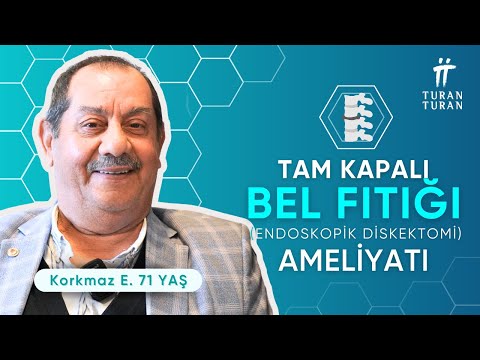

.png)


.png)









Share this listing