


Are you suffering from chronic lower back pain and actively searching for safe, effective back pain treatment options in Turkey? You have likely scrolled through various social platforms and encountered viral videos of people hanging upside down or tying themselves to doors. Many individuals allow completely untrained friends to aggressively stretch their backs using makeshift ropes and chains. While these shocking visual stunts generate millions of views, they pose a severe and immediate threat to your long-term spinal health.
The human spine is a highly complex biological structure made of delicate vertebrae, intervertebral discs, and a complex network of nerves. It requires precise, medical-grade care from certified orthopedic and rehabilitation professionals. Relying on unverified online trends for spinal alignment or pain relief can easily lead to catastrophic, irreversible neurological injuries. In this comprehensive medical guide, we analyze the extreme dangers of do-it-yourself spinal traction. We will also explore why pursuing advanced professional robotic spinal decompression in Turkey is the most reliable path to achieving lasting, non-surgical back pain relief.
Video Chapters Navigation
- Hidden Dangers of Social Media Traction
- Medical Approach to Herniated Disc Treatment
- How Professional Robotic Decompression Works
- Role of Expert Physical Therapy in Recovery
- Biomechanical Analysis of Non-Surgical Decompression
- Spinal Conditions Treated with Decompression
- The Patient Experience During Medical Therapy
- Analyzing the Mechanics of Severe Spinal Injuries
- Safe Physical Therapy and Rehabilitation in Turkey
The Hidden Dangers of Social Media Spinal Traction Trends
Social media platforms are currently flooded with highly alarming videos showcasing improper and aggressive spinal manipulation. You can easily find popular clips of people hanging completely suspended from metal chains or using makeshift ropes to pull their lower back [00:04]. These stunts are designed purely for shock value and viewer engagement rather than any form of genuine medical healing.
Medical professionals and orthopedic specialists strongly warn the public against mimicking these viral challenges. These visual displays are not a valid form of physical therapy; they represent a direct and immediate hazard to human health [00:08]. The complex biomechanics of the human spine simply cannot safely withstand sudden, uncontrolled pulling forces applied without precise clinical measurement.
Why Uncontrolled Spinal Stretching Causes More Harm Than Good
Uncontrolled back stretching applies an immediate, massive load directly to the vertebrae and delicate spinal discs [00:13]. The spine is naturally designed to bear heavy compressive loads from gravity and body weight. However, it remains highly vulnerable to abrupt and unmeasured traction forces.
Without the precise computer calculations provided by professional medical equipment, you cannot control the exact angle, tension, or duration of the stretch. Amateur techniques rely entirely on gravity and brute force, offering zero therapeutic adjustability. This sudden mechanical stress consistently triggers severe defensive muscle contractions, significantly worsening the exact pain the individual was desperately trying to relieve.
Severe Health Risks Associated With DIY Back Decompression
The actual medical consequences of improper back stretching are severe and frequently require emergency surgical intervention. Engaging in completely uncontrolled spinal pulling can easily result in acute vertebral bone fractures [00:17]. Patients living with undiagnosed osteopenia or osteoporosis face a significantly higher risk of sustaining devastating compression fractures from these reckless maneuvers.
Another highly critical risk is the drastic and sudden increase in nerve pressure within the spinal canal. Instead of relieving a pinched nerve, sudden traction can forcefully shift a bulging disc deeper into the sensitive neural pathways. This violently exacerbates the existing compression on the sciatic nerve, leading to excruciating shooting pain, complete numbness, and intense tingling down both legs.
In the absolute worst-case medical scenarios, applying these improper stretching techniques to the wrong candidate can lead to permanent paralysis [00:23]. If a massive, sudden disc herniation directly compresses the cauda equina, it can cause an irreversible loss of basic motor function and complete loss of bowel control.
Understanding the Medical Approach to Herniated Disc Treatment
The Temporary Illusion of Relief in Unprofessional Spinal Traction
Many active defenders of DIY spinal traction confidently argue that they feel substantially better immediately after the crude procedure. It is biologically true that some individuals do experience a very brief, temporary sense of relief [00:26]. This specific phenomenon occurs because the violent stretch can momentarily disrupt severe, locked muscle spasms surrounding the spinal column.
When deep back muscles are trapped in a highly painful spasm, physically forcing them to elongate may provide an instant feeling of relaxation in the soft tissues [00:30]. However, this superficial easing of muscle tension certainly does not indicate that the core mechanical issue has actually been resolved [00:33]. Relying on this illusion of temporary muscular relief often dangerously delays proper medical diagnosis.
A true lumbar herniated disc simply cannot be healed through aggressive, uncontrolled pulling [00:36]. The damaged intervertebral disc requires an extended, highly controlled period of negative intradiscal pressure to retract the herniated material safely. Without clinical intervention, the progressive disc degeneration will rapidly accelerate.
Distinguishing Between Genuine Therapy and Dangerous Practices
It is absolutely essential to understand that not all forms of spinal stretching are inherently bad or medically invalid. The core concept of spinal traction is actually a widely recognized and highly valuable component of conservative physical therapy [00:41]. The critical medical difference lies entirely in exactly how, where, and by whom the traction force is applied.
Unconscious, fully uncontrolled methods executed in living rooms or commercial gyms possess absolutely zero valid therapeutic value. Medical traction, on the other hand, is a highly calculated, exact procedure performed exclusively in specialized physical therapy and rehabilitation centers. True therapeutic traction demands a profound understanding of intricate spinal anatomy, detailed patient history, and clear radiological imaging.
How Professional Robotic Spinal Decompression Works
The Mechanics of Computer-Controlled Spinal Therapy
For patients actively seeking a successful non-surgical resolution to severe disc problems, professional robotic decompression devices offer a highly advanced clinical solution. These sophisticated, modern machines are operated exclusively under strict specialist control, guaranteeing the correct, safe dosage of traction for the specific patient [00:45]. The technology entirely removes human error from the physical pulling process.
Robotic decompression systems heavily utilize continuous computerized feedback to accurately monitor the spine's muscular resistance every millisecond. The intelligent machine applies a very gentle, logarithmic pull that effectively bypasses the body's natural muscle-guarding reflex. This action creates a powerful, localized vacuum effect inside the targeted intervertebral disc, successfully drawing nutrient-rich fluids, pure oxygen, and water directly back into the damaged area.
This exact, fully automated process safely reduces the severe mechanical pressure on the spine and actively facilitates genuine cellular healing [00:55]. Unlike abrupt and dangerous manual pulling, the robotic table carefully adjusts the angle of the pelvis to perfectly isolate the exact spinal segment causing the pain. This provides a targeted, highly effective medical intervention that produces measurable results.
| Clinical Feature | Social Media Traction Trends | Professional Robotic Decompression |
|---|---|---|
| Force Application | Sudden, uncontrolled pulling that relies entirely on full body weight. | Calculated, highly gradual, computer-monitored logarithmic pulling. |
| Targeting Precision | Zero targeting capability. Stretches all surrounding tissues indiscriminately. | Highly specific targeting. Adjustable angles perfectly isolate the exact damaged disc. |
| Muscle Response | Consistently triggers severe, painful defensive muscle spasms. | Technologically bypasses guarding reflexes for deep, therapeutic relaxation. |
| Medical Supervision | Performed entirely by untrained amateurs without any clinical background. | Administered exclusively by certified physical therapy specialists. |
| Clinical Safety | Extreme risk of fractures, severe nerve damage, or permanent paralysis. | Completely safe, scientifically validated, and highly regulated medical protocol. |
The Role of Expert Physical Therapy in Herniated Disc Recovery
Combining Decompression with Active Rehabilitation
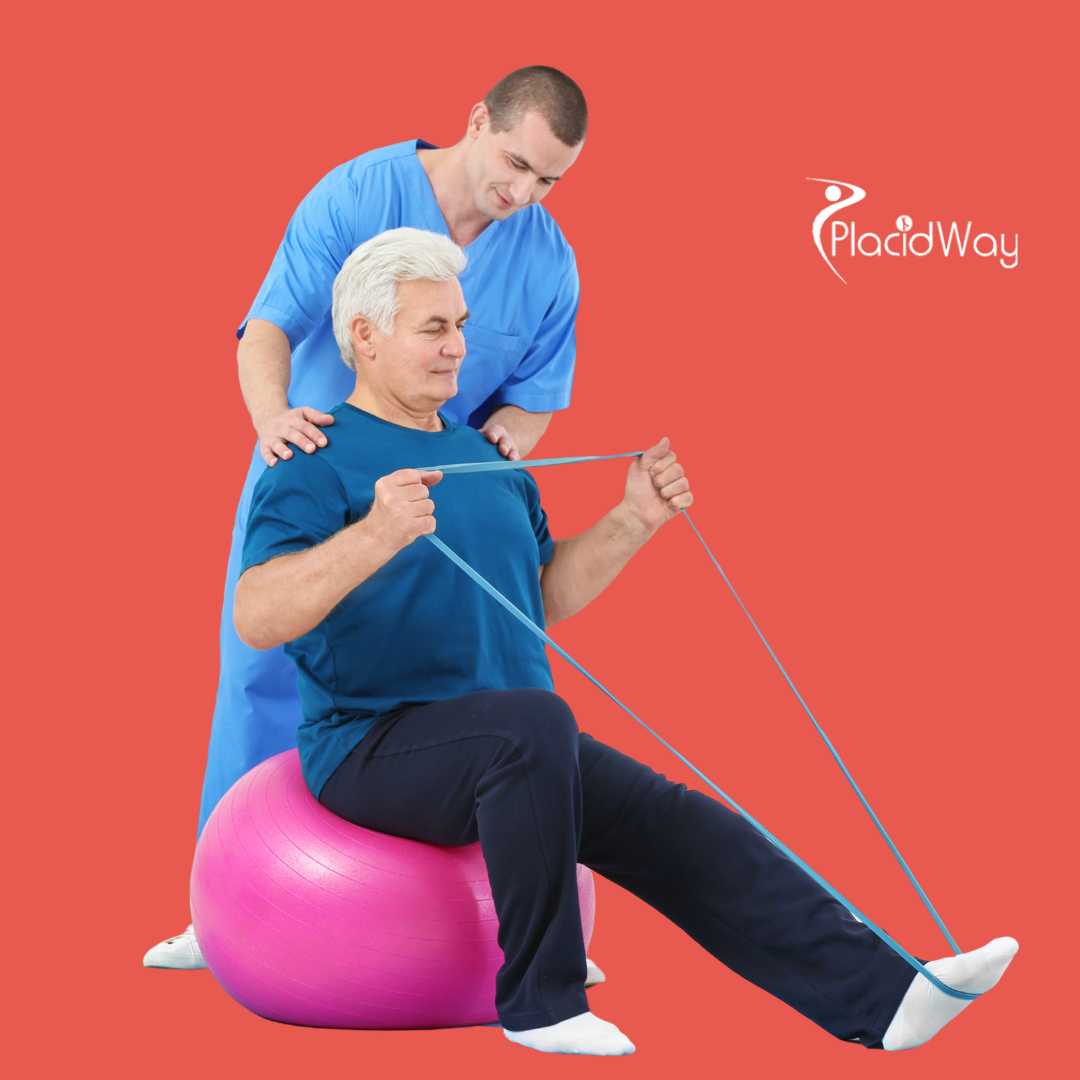
While professional robotic spinal decompression is a powerful clinical tool for alleviating nerve compression, it is rarely deployed as an entirely isolated treatment. Comprehensive, top-tier physical therapy protocols seamlessly combine passive mechanical decompression with active, supervised rehabilitation exercises. This dual approach maximizes the speed and quality of the tissue recovery process.
Once the intense physical pressure on the affected nerve root is successfully relieved, physical therapists quickly introduce highly targeted core strengthening routines. Strengthening the deep abdominal and paraspinal muscles effectively creates a natural, muscular corset that aggressively stabilizes the lower back. This targeted muscular stability prevents future disc injuries and heavily reduces daily mechanical wear on the spine.
Patients also receive extensive, practical education on daily postural correction, proper ergonomic workspace setups, and safe lifting mechanics. Learning exactly how to move efficiently protects the newly healed spinal tissues. This multifaceted, holistic clinical approach ensures that the spine remains structurally healthy long after the decompression therapy sessions have concluded.
Why Medical Supervision is Non-Negotiable
The glaring contrast between dangerous online stunt videos and certified medical therapy could not possibly be clearer [01:00]. One is a highly reckless social media performance designed purely for likes, while the other is an evidence-based, meticulously planned clinical treatment designed to restore total mobility. Your physical well-being depends entirely on making the correct choice.
Your delicate spine is the central structural pillar of your body and houses the absolutely critical pathways of your central nervous system. It should never, under any circumstances, be treated as an experimental testing board for unproven internet theories [01:04]. Medical professionals undergo years of rigorous academic training to fully understand the vast complexities of spinal neurology and orthopedics.
Biomechanical Analysis of Non-Surgical Decompression Therapy
The Intricate Physiology of the Intervertebral Disc
To fully grasp exactly why DIY traction is so exceptionally dangerous, one must properly understand the complex physiology of the intervertebral disc. These specific discs act as vital, hydraulic shock absorbers located directly between the solid bony vertebrae of the spinal column. They consist of a tough, fibrous outer protective ring called the annulus fibrosus and a soft, highly pressurized, jelly-like center known as the nucleus pulposus.
Unlike most living tissues in the human body, adult spinal discs severely lack a direct, internal blood supply. They rely entirely on a very slow mechanical process called imbibition to receive essential daily nutrients, vital hydration, and oxygen. Imbibition occurs naturally through subtle pressure changes during daily movements, which pump fluids continuously in and out of the disc space.
When a specific disc becomes compressed or herniated, this natural internal pumping mechanism is severely disrupted, leading to rapid cellular degeneration. Applying uncontrolled, aggressive pulling forces to a heavily compromised disc can easily fully rupture the already weakened annulus fibrosus. Once this fibrous outer ring tears completely, the internal jelly-like core forcefully leaks into the spinal canal, highly irritating the spinal nerves and magnifying back pain exponentially.
How Negative Intradiscal Pressure Promotes Healing
Professional robotic spinal decompression operates flawlessly on the precise scientific medical principle of creating negative intradiscal pressure. When a patient is securely harnessed to the computerized decompression table, the smart machine applies a perfectly calculated distraction force. This highly controlled, millimeter-specific separation of the vertebrae creates a localized vacuum effect directly within the damaged disc cavity.
This deep negative pressure acts directly as a powerful mechanical suction mechanism. It gently draws the bulging or heavily herniated nucleus pulposus back toward the absolute center of the disc, pulling it safely away from the tightly compressed nerve root. Relieving this physical structural impingement is the primary mandatory requirement for completely eliminating radiating leg pain and severe neurological deficits.
Common Spinal Conditions Treated with Robotic Decompression
Managing Lumbar Disc Herniation Effectively
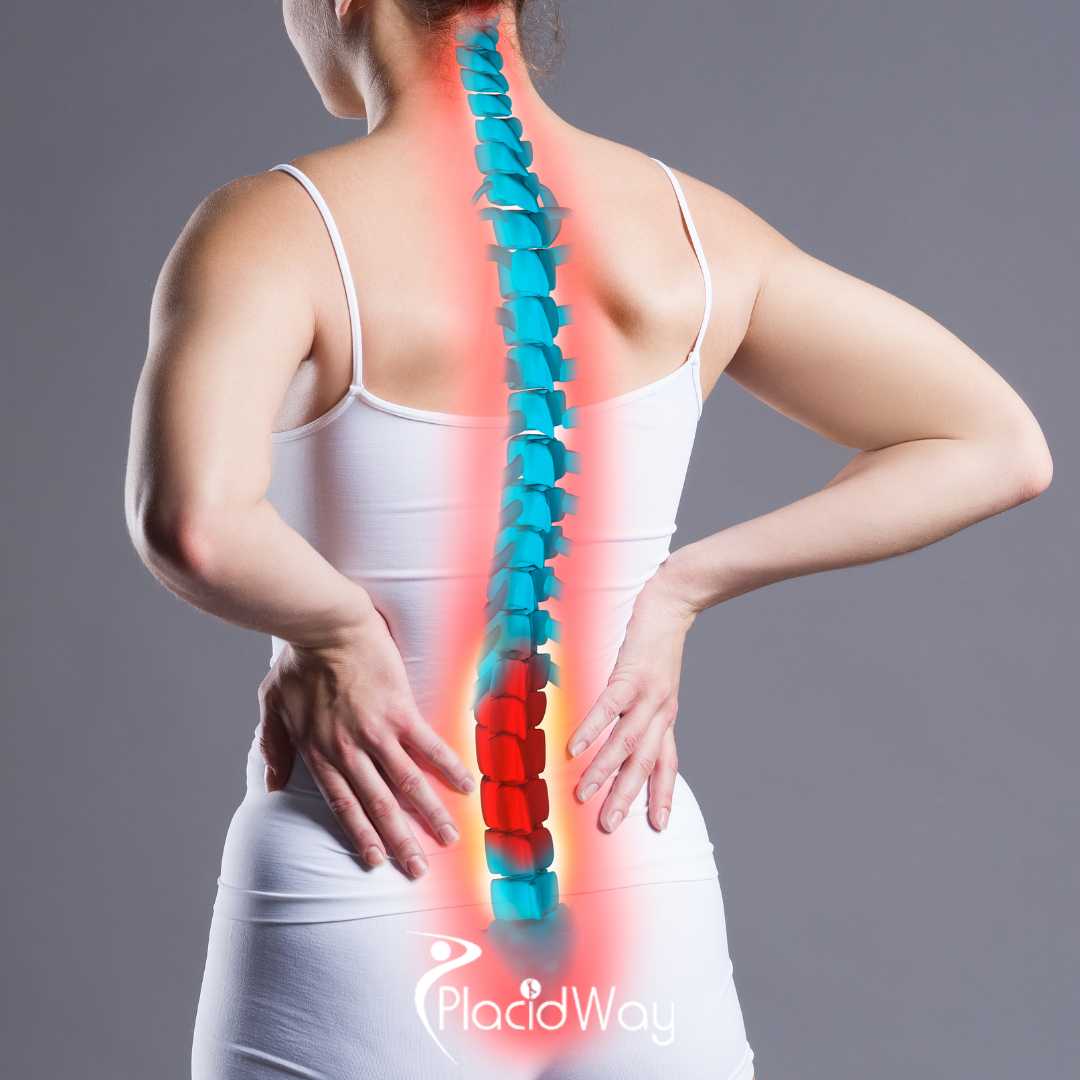
Lumbar disc herniation remains heavily established as one of the most prevalent causes of severe lower back pain globally. Patients actively suffering from this specific condition often struggle immensely with simple daily tasks like bending, lifting, or even sitting for prolonged periods. Advanced professional robotic spinal decompression provides a highly successful, completely conservative treatment pathway for these affected individuals.
By specifically targeting the exact damaged lumbar segment—such as the L4-L5 or L5-S1 vertebral levels—the robotic system isolates the pathology without stressing adjacent healthy vertebrae. This highly specific targeting strictly prevents the widespread ligament damage often seen in amateur physical traction attempts. Participating patients typically experience a steady, progressive reduction in pain intensity over a series of structured decompression sessions.
Utilizing non-surgical decompression therapy early in the diagnosis phase can frequently eliminate the absolute need for highly invasive spinal surgeries. Avoiding heavy surgical procedures like microdiscectomy or complex spinal fusion significantly reduces the massive risk of postoperative complications, massive scar tissue formation, and prolonged, painful recovery periods.
- Persistent Lower Back Ache: A continuous, highly disruptive dull ache directly in the lumbar region that rapidly worsens with sitting or bending forward.
- Radiating Leg Pain (Sciatica): Sharp, shooting nerve pain traveling rapidly from the buttocks down the back of the thigh and deep into the calf.
- Severe Numbness and Tingling: Complete loss of normal skin sensation or a painful "pins and needles" feeling localized in the toes or feet.
- Muscular Weakness: Noticeable difficulty lifting the foot (foot drop), climbing steep stairs, or comfortably supporting your own body weight due to nerve compression.
- Loss of Flexibility: Severe, locked stiffness in the lower back restricting basic daily movements and heavily limiting normal range of motion.
The Patient Experience During Medical Grade Back Therapy
Step-by-Step Breakdown of a Decompression Session
Walking directly into a high-end physical therapy clinic in Turkey for robotic decompression is a vastly different experience from engaging in hazardous internet trends. The clinical environment is carefully designed to prioritize absolute patient safety, deep relaxation, and precise medical monitoring. Upon arrival, the patient is securely fitted with specialized pelvic and trunk harnesses strictly tailored to their specific body mechanics.
The patient then lies very comfortably on the computerized decompression table, which can be easily adjusted for either prone or supine positions based entirely on the specific disc pathology. The supervising physical therapist inputs the exact treatment parameters directly into the robotic console. This critical data includes the customized pull weight, active traction duration, and exact rest intervals.
During the actual session, the highly advanced machine smoothly cycles through alternating tension and relaxation phases. The logarithmic pull firmly ensures that the physical movement is entirely painless and sub-threshold for causing muscle guarding. Many patients find the rhythmic, cyclic motion so profoundly relaxing that they actively fall asleep during the 30 to 45-minute clinical procedure.
Analyzing the Mechanics of Severe Spinal Injuries from DIY Traction
The Extreme Danger of Sudden Lumbar Hyperextension
When untrained amateurs attempt to rapidly decompress their spines using chains, stiff ropes, or cheap makeshift inversion tables, they frequently force the back into sudden, extreme hyperextension. The human lumbar spine naturally possesses a specific lordotic curve. Forcing this natural curve well past its anatomical structural limits places immense, highly destructive shearing stress directly on the delicate facet joints.
The small facet joints physically connect the vertebrae at the back of the spine and smoothly guide movement. Violent, uncontrolled hyperextension forcibly causes these joints to crash together forcefully. This heavy impact can easily chip the bone, tear the joint capsule completely, and actively induce rapid-onset spinal osteoarthritis.
Ligamentous Sprains and Severe Structural Instability
The entire spinal column is heavily supported by the thick anterior and posterior longitudinal ligaments. These incredibly strong bands of fibrous tissue run the entire vertical length of the spine, holding the bony vertebrae firmly in exact place. Sudden, completely unmeasured traction forces can severely sprain or completely rupture these absolutely critical stabilizing structures.
A severe ligamentous tear immediately creates profound structural instability within the core of the spinal column. Without completely intact ligaments to actively restrict abnormal movement, the vertebrae can easily shift out of structural alignment. This highly dangerous condition is known medically as spondylolisthesis, which massively narrows the spinal canal and requires emergency reconstructive spine surgery.
Choosing Safe Physical Therapy and Rehabilitation in Turkey
The Rise of Medical Tourism for Physical Rehabilitation
Turkey has rapidly emerged as a highly respected premier global destination for providing advanced physical therapy and complex rehabilitation. Top-tier medical facilities across the entire country are fully equipped with state-of-the-art robotic decompression technology. These massive rehabilitation centers are fully staffed by internationally trained orthopedic specialists and physical therapists.
Patients actively suffering from debilitating back pain frequently travel to access these high-quality, highly cost-effective treatment protocols. The seamless integration of modern robotic technology with deeply experienced medical teams provides patient recovery outcomes that easily rival or heavily exceed those found in Western Europe and North America.
If you are currently struggling with a highly painful herniated disc, degenerative disc disease, or chronic sciatica, it is absolutely crucial to seek proper medical guidance. You must actively resist the strong temptation to try every dangerous trend you casually see online [01:06]. Executing a single wrong physical movement during an unguided stretching attempt can easily inflict catastrophic, permanent damage on your spinal cord.
The severe physical, emotional, and heavy financial toll of correcting such a massive injury can require a lifetime of highly complex medical interventions [01:08]. Prioritize your long-term physical well-being by consulting exclusively with certified orthopedic specialists. Investing your time in scientifically validated treatments guarantees that you are actively moving toward genuine, lasting recovery without risking your permanent future mobility.
Start Your Safe Recovery Journey Today
Do not risk permanent neurological injury with unverified online stretching trends. Connect directly with top-tier physical therapy and rehabilitation experts to secure professional robotic spinal decompression treatment perfectly tailored to your specific condition.
Get Free QuoteView Full Video Transcript
[00:00 - 00:04] Sosyal medyada gördü?ünüz bel asma videolar? gerçekten i?e yar?yor mu?
[00:04 - 00:08] Zincire as?l?p sallananlar, kap?ya tutunup belini çekenler... Sosyal medya bunlarla dolu.
[00:08 - 00:13] Ama bunu çok net söylemem laz?m: Bu görüntüler tedavi de?il, tehlike!
[00:13 - 00:17] Kontrolsüz yap?lan bu bel çekmeleri omurgaya bir anda a??r? yük bindirir.
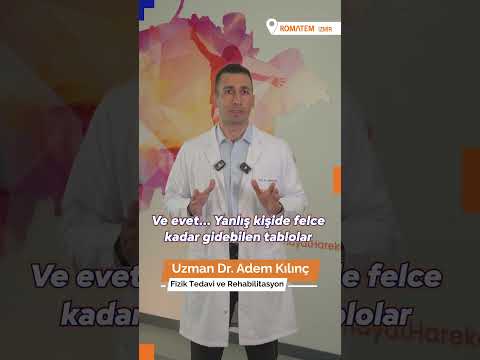
[00:17 - 00:26] Bu ne demek biliyor musunuz? Kemik k?r?klar?, sinir bask?s?n?n artmas?, f?t???n daha da kötüle?mesi ve evet... Yanl?? ki?ide felce kadar gidebilen tablolar.
[00:26 - 00:33] 'Ama rahatlad?m' diyenler oluyor. Evet, k?sa süreli rahatlama olabilir. Kas çevresinde spazmda anl?k rahatlama olabilir.
[00:33 - 00:37] Ama bu, sorunun çözüldü?ü anlam?na gelmez. Bel f?t??? böyle iyile?mez!
[00:37 - 00:45] Kontrolsüz hiçbir ?ey tedavi edici de?ildir. Ama ?unu da ay?ral?m: Traksiyon tamamen yanl?? de?ildir. Yanl?? olan, bilinçsiz yap?lan?d?r.
[00:45 - 00:59] Do?ru hastada, do?ru dozda, uzman kontrolünde uygulanan kontrollü traksiyonlar ve özellikle profesyonel robotik dekompresyon cihazlar?, omurga üzerindeki bask?y? güvenli ?ekilde azaltabilir ve tedavide gerçekten i?e yarar.
[00:59 - 01:10] Aradaki fark çok net: Biri sosyal medya ?ovu, di?eri t?bbi tedavi. Beliniz deneme tahtas? de?ildir. Gördü?ünüz her?eyi denemeyin. Yanl?? bir hareket hayat boyu bedel ödetebilir.




.png)


.png)









Share this listing