

Living with debilitating chronic back pain can severely impact your quality of life, leading many to seek affordable spine surgery options abroad when local waitlists are too long or out-of-pocket costs are too high. When researching treatments in Istanbul, understanding the estimated costs and knowing exactly how to verify essential clinic credentials—such as licenses from the Turkish Ministry of Health and a surgeon's registration with the Turkish Medical Association—will empower you to make a secure, informed decision. This guide breaks down what you need to know about navigating the medical system, evaluating hospital safety, and setting realistic recovery expectations before you travel.
Quick Summary: Spine Surgery in Istanbul, Turkey
- Estimated Cost: $8,000 to $18,000 USD (varies depending on procedure complexity, such as microdiscectomy versus multi-level spinal fusion).
- Safety Overview: Highly regulated by the Turkish Ministry of Health; patients should look for clinics with Service Quality Standards (SKS) certification and TS EN ISO 9001 compliance.
- Ideal Candidate: Patients with documented structural spine conditions (like herniated discs or spinal stenosis) who have not found relief through conservative treatments.
- Recovery Time: Initial recovery in Istanbul typically takes 1 to 2 weeks, while full fusion healing and return to strenuous activity can take 6 to 12 months.
- Main Reason Patients Choose Istanbul: Access to highly experienced, board-certified neurosurgeons and well-equipped facilities at 50% to 70% lower costs compared to North America or Western Europe.
- Important Caution: Always verify your surgeon's active registration with the Turkish Neurosurgical Society and avoid clinics that promise completely risk-free or guaranteed outcomes.
Understanding Why Patients Travel to Istanbul, Turkey for Spine Procedures
Chronic back pain often disrupts every aspect of daily living, from maintaining a career to simply walking without discomfort. For many international patients, accessing specialized spinal care at home involves navigating lengthy public healthcare waitlists or facing exorbitant private healthcare bills. Istanbul has emerged as a primary destination for neurosurgery and orthopedics because it bridges the gap between high-level medical expertise and accessible pricing.
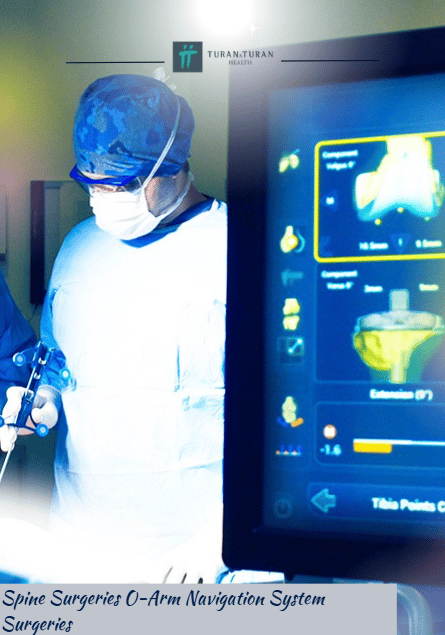
Patients traveling to this region are usually looking for a combination of advanced surgical technology, comprehensive care packages, and strict regulatory oversight. The Turkish government has invested heavily in health tourism infrastructure, ensuring that leading facilities meet rigorous national standards. This investment translates to modern operating theaters equipped with intraoperative neuro-monitoring and robotic assistance systems.
Primary Reasons International Patients Choose Istanbul
- Significant Cost Reductions: Procedures often cost a fraction of the price found in the US, UK, or Canada, even when factoring in travel expenses.
- Shorter Wait Times: Private hospitals in Istanbul typically offer immediate or prompt scheduling for consultations and surgeries.
- Experienced Surgeons: Many Turkish neurosurgeons undergo specialized fellowship training globally and handle a high annual volume of complex cases.
- Comprehensive Care Packages: Clinics frequently provide end-to-end services, including VIP airport transfers, hotel accommodations, and dedicated multilingual patient coordinators.
- Geographic Accessibility: Istanbul serves as a convenient flight hub for patients traveling from Europe, the Middle East, Central Asia, and North Africa.
- Advanced Medical Technology: Top-tier facilities utilize minimally invasive techniques, 3D imaging, and specialized navigation systems to enhance surgical precision.
The influx of patients seeking specialized spinal procedures in Turkey has grown steadily. Recent data from national health service reports highlight a continuous upward trend in patients crossing borders specifically for orthopedic and neurosurgical interventions.
Common Spine Surgery Procedures Available in Istanbul, Turkey
Spine surgery is not a single, standardized operation. The type of procedure you require depends entirely on your specific diagnosis, the location of the spinal damage, and the nature of your symptoms. Surgeons in Istanbul perform a wide spectrum of spinal interventions ranging from minimally invasive decompressions to complex reconstructive surgeries.
A thorough clinical evaluation, usually supported by recent MRI or CT scans, dictates the surgical approach. In many cases, neurosurgeons utilize microscopic or endoscopic techniques. These approaches reduce muscle dissection, which can lead to less post-operative pain and a more streamlined recovery compared to traditional open surgeries.
Clinical Insight: The ultimate goal of most spine surgeries is either to decompress (relieve pressure on nerves) or to stabilize (prevent painful movement between vertebrae). Sometimes, both are required during the same operation.
| Procedure Name | Primary Goal | Biological Mechanism | Typical Patient Profile |
|---|---|---|---|
| Microdiscectomy | Nerve decompression | Removes the herniated portion of a spinal disc that is pressing on an adjacent nerve root. | Patients suffering from severe sciatica or leg pain caused by a lumbar disc herniation. |
| Laminectomy | Spinal canal widening | Removes the lamina (the back part of the vertebra) to create more space for the spinal cord and nerves. | Older adults diagnosed with spinal stenosis experiencing pain or numbness when walking. |
| Spinal Fusion | Segment stabilization | Fuses two or more vertebrae together using bone grafts and hardware (screws/rods) to eliminate painful motion. | Individuals with spinal instability, severe degenerative disc disease, or spondylolisthesis. |
| Artificial Disc Replacement | Motion preservation | Replaces a diseased spinal disc with a mechanical device designed to mimic natural spinal movement. | Younger, active patients with single-level disc degeneration who want to maintain spinal flexibility. |
Estimating the Costs of Spine Surgery in Istanbul, Turkey
One of the primary drivers of medical travel is the significant difference in healthcare pricing. When evaluating the costs of spine surgery in Istanbul, Turkey, it is crucial to recognize that prices vary substantially based on the specific procedure, the surgical technique employed, the hardware required (such as titanium rods or artificial discs), and the facility's overall reputation.
While the initial cost estimates appear highly attractive, patients must budget for all aspects of the journey. Many clinics provide all-inclusive quotes, which typically cover the surgeon's fee, operating room time, anesthesia, hospital stay, and basic post-operative medications. However, complex cases requiring multiple days in the Intensive Care Unit (ICU) or specialized imported hardware may incur additional fees.
| Spine Procedure | Estimated Cost in USA (USD) | Estimated Cost in UK (USD) | Estimated Cost in Turkey (USD) |
|---|---|---|---|
| Microdiscectomy | $20,000 - $35,000 | $12,000 - $18,000 | $4,500 - $7,500 |
| Lumbar Laminectomy | $30,000 - $50,000 | $14,000 - $22,000 | $6,000 - $9,500 |
| Spinal Fusion (1-2 Levels) | $60,000 - $110,000+ | $25,000 - $40,000 | $10,000 - $18,000 |
| Artificial Disc Replacement | $45,000 - $75,000 | $20,000 - $30,000 | $12,000 - $19,000 |
Cost Transparency Warning: Always request an itemized, written quote before traveling. Clarify whether the quoted price includes pre-operative MRI scans, blood tests, specialized neuro-monitoring during surgery, and physical therapy sessions.
How to Evaluate and Choose a Hospital in Istanbul, Turkey
Selecting the right medical facility is a critical step that directly impacts your safety and surgical outcome. Turkey possesses a highly regulated healthcare ecosystem, and international patients must prioritize hospitals that adhere to strict national and international protocols. Do not base your decision solely on marketing materials, website aesthetics, or the lowest price offered.
You should primarily look for government-sanctioned approvals. The Turkish Ministry of Health (Sa?l?k Bakanl???) mandates operating licenses for all private hospitals. Furthermore, facilities engaging in medical tourism must hold an International Health Tourism Authorization Certificate. Beyond basic licensing, robust quality indicators include national accreditation programs and adherence to rigorous healthcare standards.
Certificates and Accreditations to Verify
- Ministry of Health License: The foundational legal requirement for any operating clinic or hospital in Turkey.
- Health Tourism Authorization Certificate: Issued by the Ministry of Health, confirming the facility is legally permitted and equipped to treat international patients.
- Service Quality Standards (SKS): A national quality assessment program managed by the Turkish government measuring clinical safety and patient care.
- TS EN ISO 9001: Quality Management System certification indicating standardized administrative and clinical workflows.
- Joint Commission International (JCI): While not strictly mandatory for a safe outcome, Istanbul has a high concentration of JCI-accredited hospitals, which signifies adherence to globally recognized patient safety and facility management standards.
Additionally, evaluate the hospital's infrastructure. For complex spinal surgeries, the facility must have a fully equipped on-site Intensive Care Unit (ICU), 24/7 emergency support, and access to advanced diagnostic imaging like MRI and CT scanners within the same building.
Verifying Your Surgeon's Credentials in Istanbul, Turkey
The skill and experience of your operating surgeon are the most significant variables in the success of your procedure. In Turkey, spine surgery is typically performed by either a neurosurgeon or an orthopedic surgeon who has completed specialized fellowship training in spinal disorders. Verifying a doctor's credentials requires looking beyond standard clinic biographies.
You have the right to ask for your surgeon's medical license number and professional registrations. A qualified specialist should have completed rigorous medical training, residency, and mandatory public service within the Turkish healthcare system before entering private practice or treating international patients.
Surgeon Vetting Checklist
- Confirm registration with the Turkish Medical Association (TTB - Türk Tabipleri Birli?i), the national professional body for physicians.
- Verify membership in the Turkish Neurosurgical Society (Türk Nöro?irürji Derne?i) or the Turkish Spine Society (Türk Omurga Derne?i).
- Ask about their annual case volume for your specific procedure. Surgeons performing a high volume of specific surgeries generally have lower complication rates.
- Request information on their revision rate and complication management protocols.
- Check for international memberships, such as the North American Spine Society (NASS) or the European Association of Neurosurgical Societies (EANS), which demonstrate a commitment to global medical education.
Patient Demographics for Spine Treatments in Istanbul, Turkey
Understanding who travels for this type of medical care can provide context for your own decision-making process. The demographic profile of spine surgery patients in Istanbul is diverse, reflecting the global demand for accessible neurological care. In 2024 and 2025, documented health tourism patterns show significant patient influxes from the United Kingdom, the Middle East and North Africa (MENA) region, and increasingly, North America.
Clinically, patients typically fall into distinct age brackets depending on their underlying spinal pathology. Younger adults often seek treatment for sports-related injuries or acute disc herniations, while older populations typically travel for degenerative conditions such as spinal stenosis, osteoarthritis, and degenerative spondylolisthesis requiring decompression and fusion.
Preparing for Your Medical Journey to Istanbul, Turkey
Thorough preparation minimizes travel stress and ensures your surgical team has all the necessary information to proceed safely. The process begins weeks before you board a flight. You will need to compile your complete medical history, including recent MRI scans (usually required to be less than three months old), X-rays, and comprehensive clinical notes from your local physician.
In terms of logistics, most international travelers require a medical visa to enter Turkey, which can often be obtained electronically (e-Visa) depending on your citizenship. Your clinic's international patient department will typically assist with supplying official invitation letters necessary for visa processing and coordinating your in-country itinerary.
Pre-Travel Takeaway: Stop taking blood-thinning medications, NSAIDs, and certain herbal supplements at least two weeks prior to your surgery date, strictly under the guidance of your prescribing physician and your Turkish surgeon.
The Initial Consultation and Diagnostic Process
Upon arriving in Istanbul, your first day is usually dedicated to pre-operative assessments. Even if you have submitted extensive scans from home, your surgeon will likely mandate fresh imaging using the hospital's equipment. This ensures the medical team has the most accurate, up-to-date visualization of your spinal anatomy right before the operation.
During the consultation, the surgeon will physically examine you, test your reflexes, assess nerve function, and walk you through the surgical plan. You will also meet with an anesthesiologist who will evaluate your heart and lung function through blood tests and an EKG to confirm you are fit for general anesthesia.
What to Expect During Spine Surgery in Istanbul, Turkey
On the day of your surgery, you will be admitted to the hospital, prepped by the nursing team, and taken to the operating theater. Spine surgeries are performed under general anesthesia, meaning you will be completely asleep and pain-free during the procedure. The duration of the operation varies wildly depending on the complexity; a microdiscectomy may take one to two hours, while a multi-level spinal fusion can take four to six hours or more.
Many top hospitals in Turkey utilize intraoperative neuromonitoring during complex spine procedures. This technology allows a specialized technician to monitor the electrical activity of your spinal cord and nerves in real-time, significantly reducing the risk of accidental nerve damage while the surgeon works around delicate neural structures.
Recovery Timeline and Post-Operative Care in Turkey
Recovery from spine surgery is a gradual process requiring patience and strict adherence to post-operative guidelines. Immediately after waking up, you may feel groggy and experience surgical site pain, which is managed with intravenous medications. Depending on the procedure, you will typically stay in the hospital for one to four days.
Before you are discharged to your hotel, physical therapists will assist you in standing and walking. They will teach you how to move safely—often emphasizing the "log roll" technique for getting out of bed to prevent twisting your spine. You will need to remain in Istanbul for a mandatory initial recovery period before your surgeon clears you to fly home.
| Timeframe | Clinical Process | Patient Sensation | Activity Level | Action Required |
|---|---|---|---|---|
| Days 1-3 (In Hospital) | Incision healing begins; acute inflammation peaks. | Incision pain, fatigue, possible mild muscle spasms. | Bed rest with assisted short walks in the ward. | Manage pain with prescribed medications; practice breathing exercises. |
| Days 4-14 (In Istanbul Hotel) | Soft tissue continues to heal; staples/stitches may be removed. | Decreasing sharp pain; stiffness in the back. | Short, frequent walks; no bending, lifting, or twisting. | Attend follow-up consultation; maintain proper wound care. |
| Weeks 2-6 (At Home) | Nerve inflammation subsides; early bone healing (if fusion). | Intermittent soreness; improved baseline pain compared to pre-op. | Gradual increase in walking distance; returning to light desk work. | Begin gentle, approved physical therapy; avoid sitting for long periods. |
| Months 3-6+ | Bone graft fuses solidly (in fusion patients); core strength returns. | Significant relief from original nerve pain; occasional stiffness. | Return to most normal activities; low-impact exercise permitted. | Continue core strengthening exercises; adhere to long-term ergonomic practices. |
Potential Risks and Complications of Spinal Procedures
Spine surgery, regardless of where it is performed, carries inherent risks. While Istanbul offers highly regulated, state-of-the-art facilities, no surgery is entirely risk-free. It is vital to have realistic expectations and to understand the potential complications so you can recognize early warning signs.
General surgical risks include reactions to anesthesia, deep vein thrombosis (blood clots), and post-operative infections. Specific to the spine, risks include dural tears (leakage of spinal fluid), hardware failure (screws breaking or loosening), non-union (where bones fail to fuse properly), and persistent pain or adjacent segment disease over time.
Emergency Warning Signs: If you experience sudden loss of bowel or bladder control, severe escalating back pain, progressive numbness in your legs, or a high fever accompanied by redness at the incision site, seek immediate medical attention.
Alternatives to Traditional Spine Surgery
Before committing to an invasive procedure abroad, ensure you have exhausted all conservative treatment options. Surgery should rarely be the first line of defense for chronic back pain unless you are experiencing progressive neurological deficits, such as severe muscle weakness or loss of reflex function.
Alternatives include comprehensive physical therapy targeting core strength and spinal stabilization. Pain management techniques, such as epidural steroid injections, facet joint blocks, or radiofrequency ablation, can provide temporary or long-term relief for many patients. Discussing these options with both your local physician and your Turkish specialist can clarify whether surgery is genuinely your best path forward.
Language and Cultural Considerations in Istanbul, Turkey
Navigating healthcare in a foreign country can be daunting, primarily due to language barriers. However, major private hospitals in Istanbul that cater to international patients maintain dedicated international departments. These departments employ bilingual patient coordinators and professional medical interpreters who accompany you to all consultations, tests, and administrative meetings.
Turkish medical culture places a high emphasis on hospitality and patient care. You will likely find medical staff to be deeply attentive. Ensure you communicate clearly about your pain levels and any discomfort, utilizing your interpreter to translate specific medical terminology accurately between you and your nursing team.
Managing Medical Travel Insurance and Complications
Standard domestic health insurance rarely covers elective procedures performed outside your home country. Even if your initial procedure is paid out-of-pocket, you must plan for the financial implications of unforeseen complications. Returning to your home country with a surgical complication can lead to massive emergency medical bills that may not be covered by standard domestic policies if the original surgery was performed abroad.
To mitigate this risk, many patients purchase specialized medical complications insurance designed for health tourism. These policies are tailored specifically to cover the costs of extended hotel stays, re-admission to the hospital in Turkey, or corrective procedures should a complication arise during your trip or shortly after returning home.
Planning Your Return Journey and Long-Term Aftercare
Flying after spine surgery requires specific precautions to prevent blood clots and protect your healing spine. Your surgeon will dictate exactly when it is safe for you to fly—usually 7 to 14 days post-operation. During the flight, you must stay hydrated, perform ankle pumps, and get up to walk the aisle periodically to promote healthy circulation.
Once home, your care transitions back to your local healthcare providers. It is critical to establish a relationship with a local physical therapist and a primary care physician before you travel to Turkey. Turkish clinics typically provide detailed, translated operative notes and post-operative instructions. Many also offer long-term virtual follow-up consultations to monitor your recovery remotely.
Frequently Asked Questions About Spine Surgery in Istanbul, Turkey
How much does spine surgery cost in Istanbul, Turkey on average?
Costs generally range from $8,000 to $18,000 USD depending on the specific procedure. A microdiscectomy is on the lower end, while multi-level spinal fusions involving specialized hardware fall on the higher end of the spectrum.
Is it safe to have spine surgery in Istanbul, Turkey?
Yes, it can be safe if you choose a highly regulated facility. Look for hospitals licensed by the Turkish Ministry of Health and surgeons registered with the Turkish Medical Association to ensure compliance with national safety protocols.
How long do I need to stay in Turkey after spinal fusion surgery?
For a spinal fusion, you typically spend 3 to 5 days in the hospital and require an additional 10 to 14 days of recovery at a local hotel in Istanbul before you are medically cleared to fly home.
Do surgeons in Turkey speak English?
Many top neurosurgeons and orthopedic specialists in Istanbul speak English, especially those dealing with international patients. Additionally, reputable clinics provide dedicated bilingual patient coordinators to assist with translations.
What credentials should I look for in a Turkish spine surgeon?
Ensure the surgeon is board-certified, registered with the Turkish Medical Association (TTB), and an active member of the Turkish Neurosurgical Society or Turkish Spine Society.
Are the medical implants used in Turkey high quality?
Leading private hospitals in Turkey use FDA-approved or CE-marked titanium implants and artificial discs from globally recognized medical device manufacturers. Always ask your surgeon to specify the brand of hardware they intend to use.
Can I fly immediately after minimally invasive spine surgery?
No. Even for minimally invasive procedures like a microdiscectomy, surgeons typically require you to wait at least 7 to 10 days before flying to reduce the risk of deep vein thrombosis and ensure the surgical site is healing properly.
What happens if I experience a complication after returning home?
You must seek care from a local emergency department or your primary care physician. It is highly recommended to purchase medical complications insurance prior to your trip to help cover unexpected medical expenses incurred back home.
Do Turkish clinics offer all-inclusive spine surgery packages?
Yes, many facilities provide comprehensive packages that include the surgical fee, anesthesia, hospital stay, hotel accommodation, airport transfers, and interpreter services. Always request an itemized breakdown to know exactly what is covered.
How do I arrange physical therapy after surgery in Turkey?
The hospital will provide initial physical therapy while you are admitted. Upon discharge, you will be given a specific protocol to share with a local physical therapist in your home country to continue your rehabilitation safely.
Ready to Explore Your Spine Surgery Options?
PlacidWay can help you compare licensed providers in Istanbul, understand estimated treatment costs, and request essential credential information directly from top-rated clinics.
Request Information TodayDisclaimer: This information is for educational purposes only and does not replace professional medical advice. Always consult a qualified healthcare provider before making medical decisions.
References
- Republic of Turkey Ministry of Health (Sa?l?k Bakanl???) - Healthcare Regulations
- Health Tourism Data and Trajectory Reports (2024-2025) – USHA? (International Health Services)
- Physician Registration and Ethics - Turkish Medical Association (Türk Tabipleri Birli?i)
- Spine Surgery Guidelines and Specialist Directory – Turkish Neurosurgical Society
- Surgical Treatment Options for Spine Conditions – North American Spine Society (NASS)
- Patient Resources for Minimally Invasive Spine Procedures – International Society for the Advancement of Spine Surgery (ISASS)


























Share this listing