



Over recent years, an increasing number of individuals from the Netherlands have been exploring international options to resolve debilitating spinal conditions. The journey for minimally invasive herniated disc surgery in Turkey has emerged as a highly preferred cross-border route. This growing trend is predominantly driven by prolonged waiting times in Western European healthcare systems, alongside a strong desire for rapid, advanced medical interventions.
Opting for medical travel requires careful consideration, but strategic investments in modern healthcare infrastructure make this specific destination compelling. Dutch patients are increasingly recognizing the value of combining advanced neurological care with accessible, prompt scheduling. By seeking out spinal surgery in Turkey, individuals aim to regain their mobility, alleviate chronic nerve pain, and improve their overall quality of life.
Data suggests that a significant percentage of European medical tourists travel abroad primarily to bypass domestic waiting lists, which can stretch for several months for non-emergency orthopedic procedures.
Why Dutch Patients Choose Spinal Surgery in Turkey
The Dutch healthcare system is widely respected, but specialized, non-urgent procedures often come with extensive waiting periods. When suffering from severe sciatic pain or nerve compression, patients generally find these delays physically exhausting and emotionally taxing. Consequently, seeking an orthopedic spine specialist in Turkey offers a practical alternative to months of agonizing waits, allowing patients to address their condition much sooner.
Beyond prompt scheduling, the appeal lies in the concentration of highly trained medical professionals who frequently cater to an international demographic. Robust medical tourism frameworks mean that healthcare institutions are structurally equipped to handle cross-border patients seamlessly. This dedication to comprehensive care makes medical tourism in Turkey a logical, well-supported choice for those residing in the Netherlands.
Many private hospitals catering to international patients maintain Joint Commission International (JCI) accreditation, signifying strict adherence to global healthcare and patient safety standards.
Understanding the Minimally Invasive Herniated Disc Procedure in Turkey
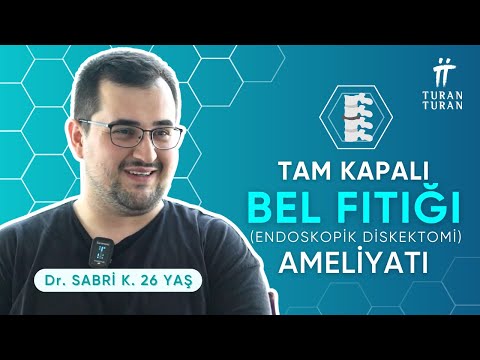
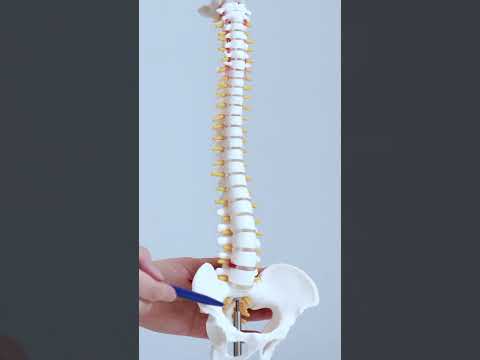
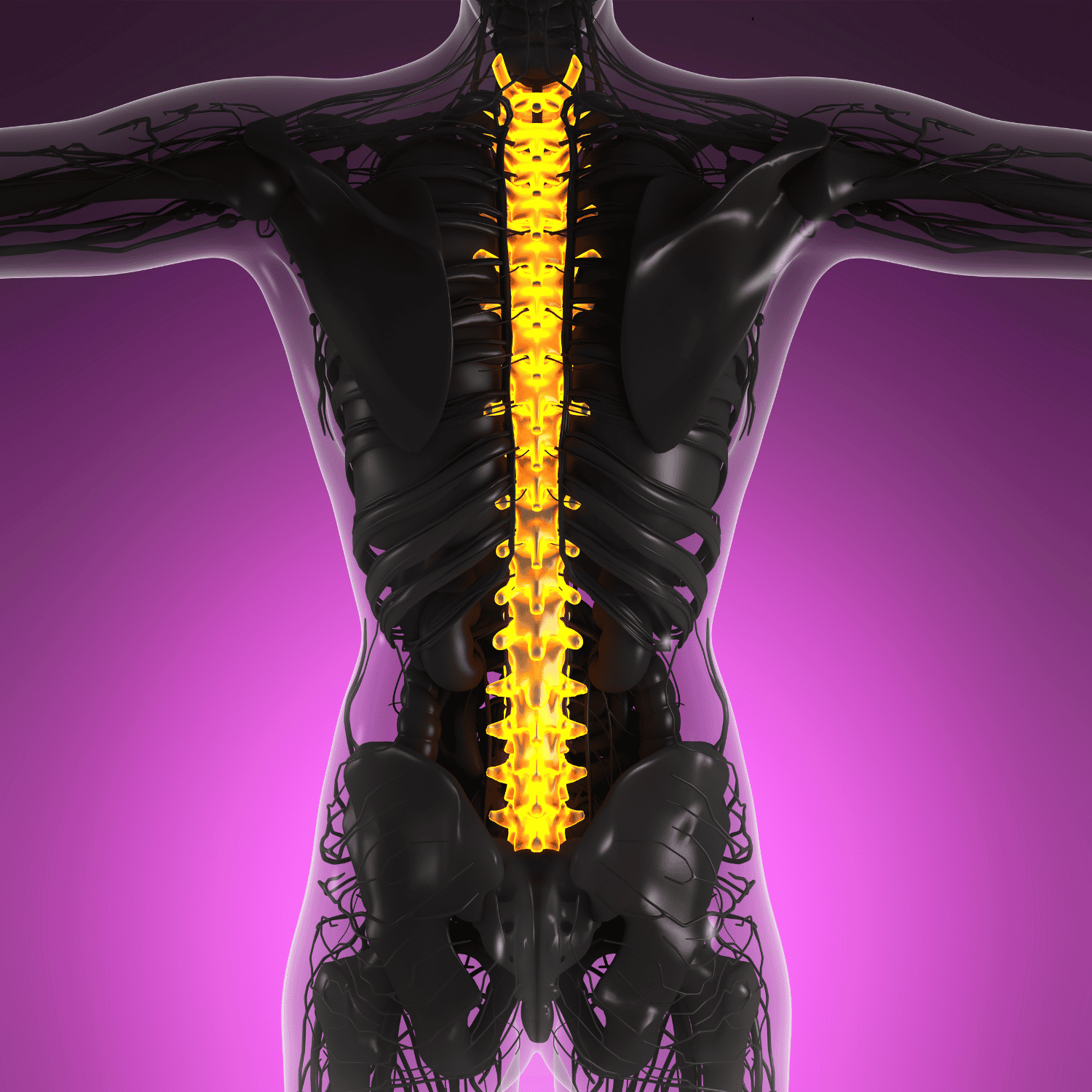
A herniated disc occurs when the soft inner core of a spinal disc pushes through its tougher exterior, potentially irritating or compressing nearby nerves. Minimally invasive spine surgery in Turkey typically involves microscopic or endoscopic techniques designed to extract the problematic portion of the disc. Unlike traditional open back surgery, this method utilizes exceptionally small incisions, aiming to minimize muscle disruption and expedite the body's natural healing process.
Surgeons generally utilize advanced intraoperative imaging to precisely target the compressed nerve root without extensive tissue dissection. Most patients experience a significant reduction in radiating leg or arm pain shortly after the offending tissue is removed. However, a thorough pre-operative radiological evaluation is absolutely essential to confirm that the patient’s specific anatomical pathology is suitable for this localized approach.
- Pre-surgical Mapping: High-definition MRI imaging is used to pinpoint the exact location of the nerve compression.
- Micro-Incision: A tiny incision, often less than an inch, is made over the affected spinal segment.
- Muscle Dilation: Tubular retractors gently separate muscle fibers rather than cutting them to access the spine.
- Disc Removal: Specialized micro-instruments remove only the herniated portion pressing on the nerve.
Cost of Minimally Invasive Herniated Disc Surgery in Turkey vs. Netherlands
Financial considerations remain a significant driving force behind the cross-border movement for complex medical care. The affordable herniated disc surgery in Turkey presents a stark contrast to private healthcare pricing in the Netherlands, particularly when facing out-of-pocket expenses. Even when factoring in the required flights and post-operative stays, patients often find the total expenditure to be notably lower.
The highly competitive herniated disc surgery cost in Turkey is largely due to lower overall operational, labor, and administrative expenses within the country, rather than a reduction in medical quality. Below is a detailed comparison of common spinal sub-treatments, showcasing realistic market ranges. This data helps prospective patients form a clear financial expectation before committing to their medical journey.
| Procedure Name | Average Cost Range in Turkey | Average Cost Range in Netherlands (Private) |
|---|---|---|
| Microdiscectomy (1 Level) | $4,500 - $6,500 | $9,000 - $14,000 |
| Endoscopic Discectomy | $5,500 - $8,000 | $11,000 - $16,000 |
| Pre-Op MRI & Consultation | $250 - $450 | $600 - $1,200 |
Technology and Medical Standards for Herniated Disc Treatment in Turkey
Modern spinal interventions demand state-of-the-art equipment to ensure maximum precision and optimal patient safety. Institutions offering herniated disc treatment in Turkey are frequently outfitted with advanced neuro-navigation systems, high-definition surgical microscopes, and real-time intraoperative fluoroscopy. This formidable technological arsenal empowers surgeons to perform complex nerve decompressions with highly enhanced visualization.
Alongside physical technology, strict adherence to international hygiene and surgical protocols forms the cornerstone of these facilities. Many private hospitals maintain continuous quality improvement programs that rival top European centers. This unwavering commitment to excellence reassures Dutch patients that their minimally invasive discectomy in Turkey adheres to rigorous, globally recognized safety and efficacy standards.
The utilization of tubular retractors in minimally invasive spine surgery drastically reduces intraoperative blood loss, which generally leads to a shorter hospital stay compared to conventional open surgery.
Preparing for Medical Tourism in Turkey for Spinal Surgery
Embarking on a medical journey requires meticulous planning, especially when it involves sensitive neurological or orthopedic interventions. Patients must first gather their comprehensive medical history, including recent MRI scans, diagnostic tests, and specialist reports from their doctors in the Netherlands. These documents are strictly required for the herniated disc clinics in Turkey to provide an accurate initial remote assessment and determine preliminary surgical candidacy.
Additionally, organizing logistical aspects such as securing comfortable post-surgery clothing, arranging appropriate local transportation, and establishing an accessible resting environment is vital. Preparation minimizes travel-related stress and allows the patient to focus entirely on their upcoming procedure. Engaging in clear, detailed communication with the chosen facility before departure is essential for a well-coordinated spinal surgery medical tourism experience.
Always request digital copies of your MRI scans (on a CD or secure cloud link) rather than just printed reports. Surgeons need to view the actual images to accurately plan your minimally invasive procedure.
The Recovery Process After Minimally Invasive Spine Surgery in Turkey
A primary advantage of the localized surgical approach is a generally swifter rehabilitation period compared to traditional muscle-stripping methods. Following a microdiscectomy in Turkey, patients are typically encouraged to stand and walk within a few hours of waking up from anesthesia. This early mobilization is a critical step to help prevent complications such as deep vein thrombosis and to promote natural tissue healing.
While the initial discharge is fast, patients must strictly adhere to post-operative guidelines, which universally include avoiding bending, lifting, or twisting motions for several weeks. Most individuals can safely travel back to the Netherlands within 7 to 10 days, provided they receive official clearance from their surgical team. A structured physical therapy program back home is typically recommended to strengthen the core muscles and support the spine dynamically over the long term.
Sitting on a plane shortly after spine surgery requires care. Medical professionals often advise patients to walk the aisle every hour during their flight back to the Netherlands to prevent stiffness and support circulation.
Potential Risks of Spinal Surgery and Contraindications
Like all surgical interventions, localized spine procedures carry inherent risks that must be openly and transparently discussed. Potential complications, though generally rare, can include localized infection, inadvertent nerve damage, dural tears (cerebrospinal fluid leak), or persistent, unresolved pain. Patients exploring spine surgery options in Turkey must have a candid discussion with their physician regarding these specific possibilities to make a fully informed decision.
Furthermore, this surgical method is not universally appropriate for everyone suffering from lumbar or cervical back pain. Strict contraindications typically exist for individuals presenting with severe spinal instability, extensive multi-level degenerative disc disease, or certain active systemic infections. A comprehensive physical and radiological evaluation is absolutely mandatory to ensure that the patient is a medically safe candidate for a minimally invasive herniated disc procedure.
Minimally invasive spine surgery is not a one-size-fits-all solution. Patients with significant spinal deformity or massive disc herniations may require traditional open surgery to safely and effectively decompress the nerve roots. Always defer to a qualified neurosurgeon's specific recommendations based on your unique MRI results.
Patient Experiences with Herniated Disc Surgery in Turkey
Hearing from individuals who have successfully navigated the same path can provide immense comfort and practical insight to prospective travelers. Many Dutch citizens who pursued cross-border spine surgery in Turkey report distinct positive shifts in their daily routines post-operation. Their personal accounts frequently highlight the dramatic contrast between pre-surgical chronic nerve pain and post-surgical functional relief.
While medical outcomes inherently vary, shared patient narratives continuously emphasize the importance of thorough pre-trip research and maintaining realistic expectations. These stories underscore the true reality of the medical journey, encompassing the initial travel anxiety, the clinical experience, and the dedication required during the rehabilitation phase. Below are summarized experiences from individuals who underwent advanced spinal treatment in Turkey.
Johan's Journey to Pain Relief
After waiting nearly seven months for a consultation in the Netherlands, Johan sought treatment abroad. He underwent an endoscopic discectomy and reported that his severe leg numbness dissipated within days, allowing him to walk comfortably again.
Sophie’s Swift Recovery
Struggling with a lumbar herniation, Sophie chose a specialized center known for international patient care. She appreciated the clear communication and felt well-supported during her five-day post-operative stay before flying back home.
Mark's Return to Mobility
A passionate cyclist, Mark feared he would never ride again due to excruciating sciatica. His microdiscectomy went smoothly, and by strictly following his physical therapy protocol, he slowly returned to his hobbies within three months.
Emma's Experience with Cross-Border Care
Emma was initially hesitant about traveling for spine surgery. However, the comprehensive pre-surgical evaluations and the modern hospital environment completely alleviated her concerns, resulting in a generally positive outcome for her cervical disc issue.
Legal and Ethical Considerations for Medical Tourists in Turkey
Navigating cross-border healthcare requires a foundational understanding of the legal frameworks protecting international patients. When choosing to undergo herniated disc surgery in Turkey, it is important to be aware of your patient rights, strict informed consent protocols, and local medical liability regulations. Reputable medical institutions ensure that all legal documentation is provided in a language the patient fully comprehends, fostering an environment of transparency.
Ethically, healthcare providers must consistently prioritize patient well-being over commercial interests, meaning they should refuse surgical intervention if conservative treatments have not been adequately exhausted. Patients from the Netherlands should ensure they receive comprehensive, unbiased counseling regarding their condition. Establishing clear, legally binding communication regarding the total cost of herniated disc surgery in Turkey safeguards against unexpected financial disputes.
Always request an itemized quotation prior to traveling. Ensure that the quote details surgeon fees, anesthesia, operating room charges, and standard post-operative medications to avoid any financial confusion.
Comparing Traditional vs. Minimally Invasive Discectomy in Turkey
Understanding the fundamental nuances between surgical techniques helps patients proactively advocate for their own health and recovery. A traditional open discectomy requires a noticeably larger incision, necessitating the stripping of significant muscle tissue from the spine to access the herniated disc. While highly effective, this older approach generally results in a longer hospital stay and more significant post-operative back pain for those seeking back pain treatments in Turkey.
Conversely, the minimally invasive technique relies on sequential dilators or small specialized tubes to gently separate muscle fibers, preserving their structure. This modern method, highly sought after by those pursuing medical tourism in Turkey, typically results in minimal blood loss and drastically reduced scar tissue formation. The choice between methods ultimately depends on the patient's specific pathology, though the localized route is increasingly preferred when medically safe.
Muscle preservation is the primary benefit of minimally invasive spine procedures. Because the multifidus muscle (a crucial stabilizer of the lower back) is not cut, patients generally experience less surgical pain and a faster return to daily activities.
Long-Term Outlook After Minimally Invasive Spine Treatment in Turkey
The ultimate goal of any complex spinal intervention is not just immediate pain relief, but sustained, long-term functional improvement. The overall prognosis for patients undergoing a minimally invasive herniated disc surgery in Turkey is generally positive, with most individuals eventually returning to their normal occupational and recreational activities. However, it is crucial to recognize that surgery does not instantly cure the underlying, natural degenerative process of the aging spine.
To actively maintain the benefits of the procedure, patients must commit to lifelong spine hygiene, which includes weight management, regular core-strengthening exercises, and proper workplace ergonomics. Occasionally, a treated disc can re-herniate, necessitating further medical evaluation and potentially additional treatments. Regular follow-ups with local healthcare providers in the Netherlands ensure that the success of the orthopedic surgery in Turkey is carefully monitored over the years.
While success rates for minimally invasive discectomies are generally high (often reported between 80-90% for relieving leg pain), there is roughly a 5% to 10% chance of disc re-herniation occurring over the patient's lifetime.
How PlacidWay Assists Your Spinal Surgery Medical Tourism Journey in Turkey
Coordinating an international medical procedure involves numerous variables that can quickly become overwhelming for an independent traveler facing health challenges. PlacidWay serves as a dedicated, experienced resource to help individuals smoothly navigate the complex landscape of global healthcare. We aim to streamline the process of connecting with reputable centers for minimally invasive herniated disc surgery in Turkey.
Our focus is entirely on empowering you with transparent medical information and facilitating access to recognized, credentialed medical professionals. We support your vital decision-making process by providing valuable insights into facility accreditations, surgeon backgrounds, and treatment methodologies. Here is how PlacidWay supports your pursuit of affordable herniated disc surgery in Turkey:
- Providing detailed profiles of internationally accredited hospitals and specialized spine centers.
- Facilitating direct communication between you and qualified orthopedic spine specialists.
- Assisting in the secure transfer of your MRI scans and medical records for accurate remote evaluations.
- Offering comparative cost analyses to help you understand healthcare pricing structures globally.
- Supplying patient education materials to ensure you are fully informed about your chosen procedure.
PlacidWay partners with healthcare providers that undergo rigorous vetting processes, prioritizing facilities that demonstrate a consistent track record of high-quality surgical outcomes and international patient care standards.
Frequently Asked Questions About Herniated Disc Surgery in Turkey
Making a well-informed decision about international healthcare requires clear, direct answers to practical and medical queries. Patients looking into a minimally invasive herniated disc procedure in Turkey often share similar concerns regarding procedural safety, travel logistics, and the realities of post-operative recovery. Addressing these common questions upfront helps alleviate travel anxiety and builds a strong foundation of trust.
Below is a compilation of the most common inquiries from international patients preparing for cross-border spine care. Whether you are curious about the herniated disc surgery cost in Turkey or the specifics of the rehabilitation phase, these answers aim to provide essential clarity. Always remember to discuss these points in detail with a qualified medical professional tailored to your specific case.
Is minimally invasive herniated disc surgery in Turkey safe?
When performed by qualified professionals in accredited facilities, the procedure generally has a high safety profile. However, all surgeries carry inherent risks such as infection or nerve damage, which must be discussed with your physician.
How long do I need to stay in Turkey after my spine surgery?
Most patients are advised to remain in the country for 7 to 10 days post-operation. This allows the surgical team to conduct necessary follow-up examinations and ensure you are stable enough for international travel.
Will my Dutch health insurance cover herniated disc surgery cost in Turkey?
Coverage varies significantly depending on your specific policy and insurance provider. Some insurers may reimburse cross-border care if pre-approved, but many patients pay out-of-pocket due to the affordability.
What is the difference between a microdiscectomy and an endoscopic discectomy?
A microdiscectomy uses a small incision and a surgical microscope to access the spine, while an endoscopic discectomy uses an even smaller tube equipped with a camera. Both are considered minimally invasive, but the appropriate method depends on your specific spinal anatomy.
Can I fly back to the Netherlands immediately after being discharged?
Flying immediately after discharge is typically not recommended due to the risks of blood clots and discomfort from prolonged sitting. Your surgical team will provide specific clearance guidelines detailing when it is safe to board a flight.
Do hospital staff in Turkey speak English or Dutch?
Major medical centers catering to international patients typically employ fluent English-speaking doctors and staff. Many also provide dedicated translation services for Dutch speakers to ensure clear communication.
What happens if a complication occurs after I return home?
You should establish a connection with a local physician or spine specialist in the Netherlands prior to traveling. Most surgical centers provide comprehensive surgical reports so your local doctor can manage any unlikely post-operative issues.
Is a minimally invasive procedure guaranteed to cure my back pain?
No medical procedure can guarantee a 100% cure, and results vary from person to person. While most patients experience significant relief from leg and nerve pain, some localized back pain may persist or require physical therapy.
How do I know if I am a candidate for minimally invasive spine surgery?
Candidacy is determined through a rigorous medical evaluation involving physical examinations and recent MRI scans. Patients with severe spinal instability or multiple affected discs may require traditional open surgery instead.
What documents do I need to bring for medical tourism in Turkey?
You will need a valid passport, any required tourist or medical visas, and comprehensive medical records. High-resolution digital copies of your MRI scans and doctors' notes from the Netherlands are crucial.
Medical Disclaimer: This article is for informational purposes only and is not medical advice. Always consult a qualified healthcare provider before any medical decisions. Results may vary. Read Full Disclaimer here.
References
- Mayo Clinic. Herniated disk - Symptoms and causes. https://www.mayoclinic.org/diseases-conditions/herniated-disk/symptoms-causes/syc-20354095
- Johns Hopkins Medicine. Minimally Invasive Spine Surgery. https://www.hopkinsmedicine.org/health/treatment-tests-and-therapies/minimally-invasive-spine-surgery
- MedlinePlus. Herniated nucleus pulposus (slipped disk). https://medlineplus.gov/ency/article/000442.htm





.png)










Share this listing