
If you’re a Canadian patient dealing with persistent back or neck pain and considering spinal fusion in Turkey, it’s important to look beyond the advertised price.
Understanding whether fusion is appropriate for your condition, what procedure and implant may be recommended, how to verify the surgeon and hospital, and how follow-up will be managed after you return to Canada can help you make a more informed decision.
Quick Summary
- Spinal fusion in Turkey is a planned cross-border surgical decision, not simply a lower-price alternative. Canadian patients should first confirm that fusion is medically indicated, understand the publicly funded pathway available in their province or territory, and compare a written Turkish proposal with the clinical, travel, insurance, and follow-up responsibilities it creates.
- Fusion joins selected vertebrae and may be combined with decompression; the procedure depends on the diagnosis, spinal level, neurological findings, and imaging.
- Canada’s public plans generally cover insured medically necessary hospital and physician services within the Canadian system, but planned surgery in Turkey is not automatically reimbursed.
- Published Turkish prices combine different case types and inclusions. Request an itemized quote for the exact number of levels, approach, implant system, hospital, and aftercare.
- Verify the surgeon, hospital campus, Turkish international-health-tourism authorization, anesthesia service, emergency pathway, and implant traceability before paying.
- Recovery can extend for months. Written flight clearance, accessible accommodation, medication planning, rehabilitation, and a Canadian follow-up clinician should be arranged before travel.
What Is Spinal Fusion in Turkey?
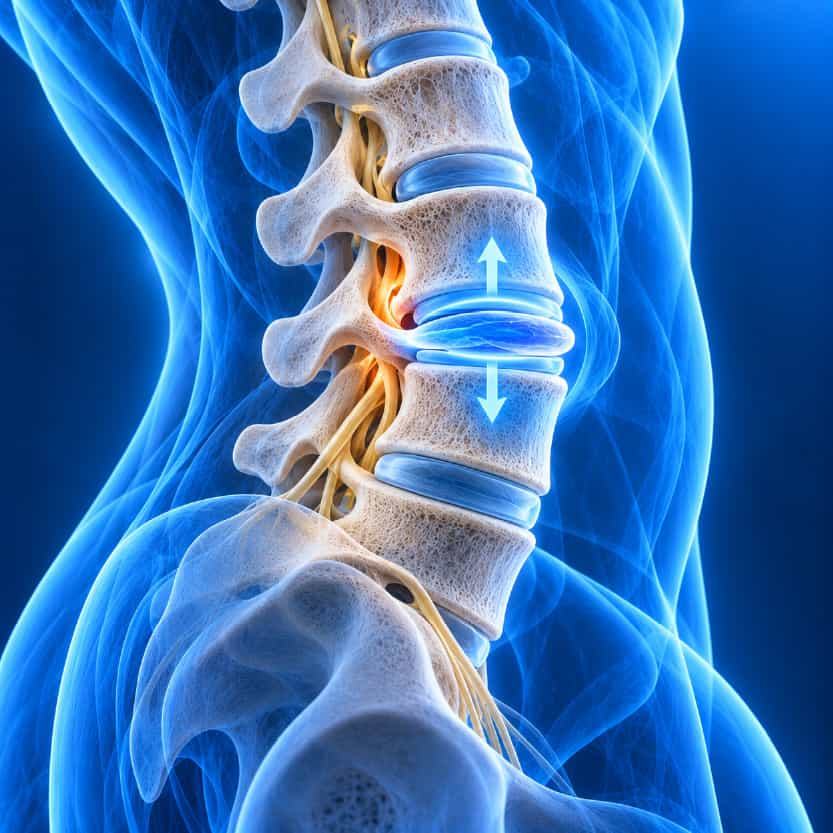
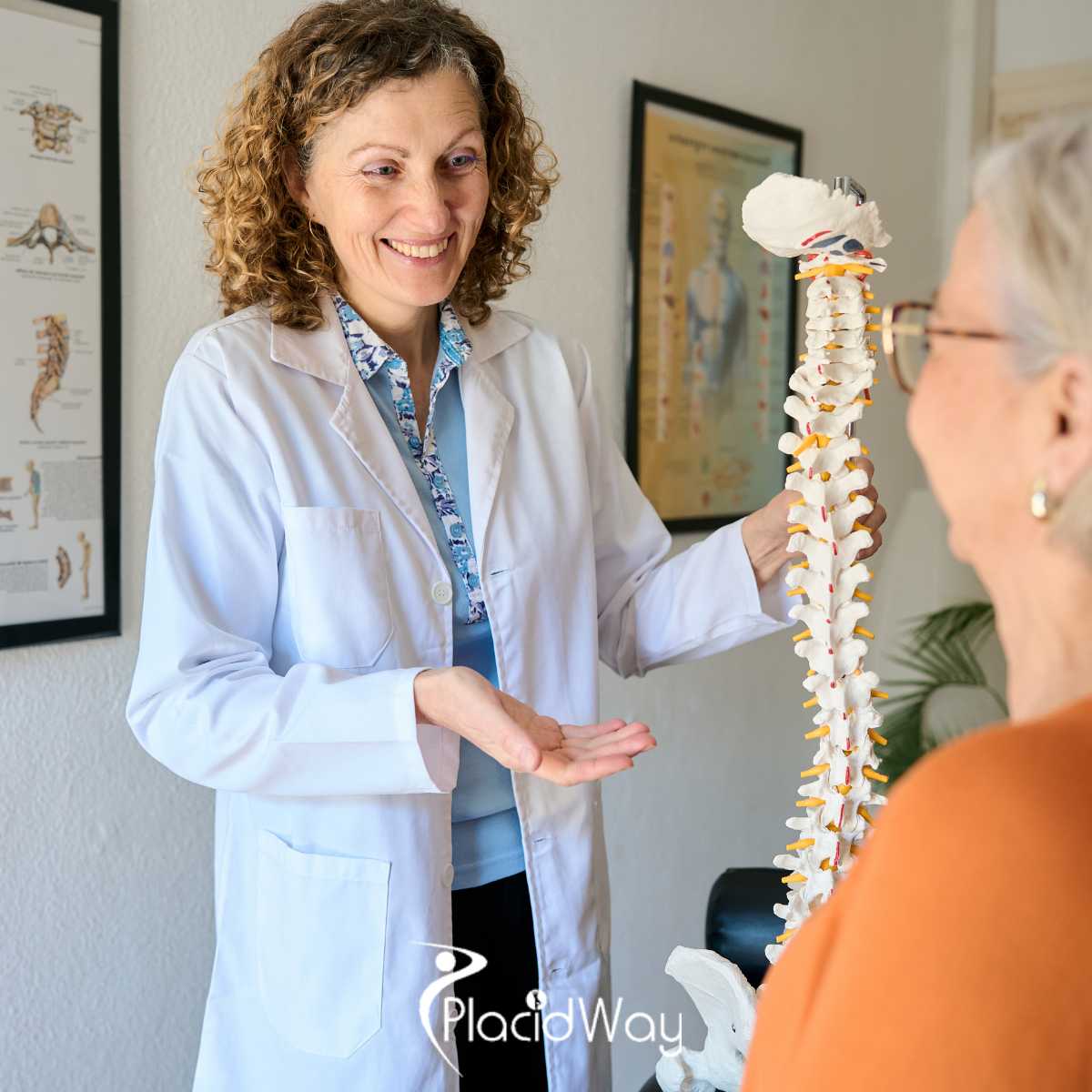
Spinal fusion is an operation that joins two or more vertebrae so the treated segment can heal into a single, more stable unit. Surgeons may remove a damaged disc, relieve pressure on a nerve, place bone graft material, and use screws, rods, plates, or cages to hold the area while bone healing develops. Fusion changes movement at the treated segment and is not a general treatment for every type of back pain.
For Canadian patients, the decision has two layers. The first is clinical: whether surgery is appropriate and which operation is justified. The second is logistical: whether the destination can provide the necessary assessment, surgery, inpatient monitoring, rehabilitation, records, emergency care, and continuity after the patient returns to Canada.
When May a Canadian Patient Be Evaluated for Fusion?
Evaluation may be considered when a specific spinal problem causes persistent pain, instability, deformity, neurological symptoms, or loss of function and the treating team believes fusion could address the problem. Conditions discussed in spine practice can include spondylolisthesis, selected degenerative disc disease, spinal stenosis with instability, scoliosis or other deformity, fracture, infection, tumour, and recurrent disease after previous surgery.
Diagnosis alone does not establish the need for fusion. The clinician should relate symptoms to examination findings and imaging. A scan may show disc degeneration or narrowing without proving that fusion will relieve the patient’s main complaint. The consultation should clarify the source of symptoms, the proposed goal, the expected limitations, and what would happen if surgery were deferred.
Before travelling, ask whether non-surgical care has been adequately tried or remains appropriate. Depending on the diagnosis, this may include activity changes, physiotherapy, medication, injections, weight or smoking management, treatment of osteoporosis, or a targeted decompression without fusion. Urgent neurological deterioration, bowel or bladder changes, or serious trauma requires local medical assessment rather than a routine international consultation.
Candidacy checkpoint
A remote quote is not a surgical indication. Send complete imaging and reports, disclose previous operations and medical conditions, and ask the operating surgeon to explain the diagnosis, the target level, the purpose of fusion, alternatives, and the findings that could change the plan after an in-person examination.
Why Do Canadians Compare Turkey With Care at Home?
Canadian patients may research international surgery because the pathway at home can involve referral, imaging, specialist assessment, surgical decision-making, and a provincial or hospital wait list. Timing varies by province, diagnosis, urgency, hospital, surgeon, and operating capacity.
Canada’s public system is important to include in the comparison. The Canada Health Act describes insured medically necessary hospital and physician services, while provinces and territories determine medical necessity and administer their plans. A patient considering Turkey should ask the provincial plan what is covered at home, whether any prior authorization exists for out-of-country care, and what happens to follow-up if the operation is performed privately abroad.
Travel may change scheduling for some self-pay patients, but it also moves assessment, payment, complications, and early recovery across a border. Costs can include surgery, flights, accommodation, a companion, rehabilitation, medication, unexpected nights, emergency transfer, and Canadian follow-up. A faster appointment is not a faster biological recovery.
How Does Canadian Coverage Differ From Self-Pay Treatment?
| Issue | Canadian pathway | Turkey self-pay pathway |
|---|---|---|
| Eligibility | Depends on provincial or territorial eligibility and medical necessity. | Depends on private clinical assessment, facility capacity, payment, and travel requirements. |
| Price | Insured services may be publicly funded for eligible residents under provincial rules. | The patient generally pays the agreed surgical and travel costs and any exclusions. |
| Timing | Varies by province, urgency, diagnosis, referral, surgeon, and hospital. | May be arranged around facility availability, but consultation, tests, clearance, and recovery still require time. |
| Follow-up | Usually coordinated within the local health system. | Must be planned between the Turkish team, a Canadian clinician, rehabilitation providers, and insurers. |
Do not compare a Turkish package with an imaginary Canadian private price. Compare continuing the provincial pathway, seeking a second opinion, asking about permitted out-of-country care, using private care where legally available, or travelling for planned self-pay treatment.
Which Fusion Procedures and Approaches May Be Discussed?
| Term | General meaning | What to clarify |
|---|---|---|
| ACDF | Anterior cervical discectomy and fusion, usually approached from the front of the neck. | Levels, nerve or cord compression, plate or cage, swallowing and voice considerations. |
| ALIF | Anterior lumbar interbody fusion through an approach from the front. | Vascular assessment, access surgeon if used, cage, graft, and posterior fixation needs. |
| PLIF or TLIF | Posterior lumbar interbody techniques using an approach from the back. | Decompression, nerve-root exposure, number of levels, hardware, and activity restrictions. |
| Lateral interbody fusion | Accesses the disc space from the side in selected lumbar cases. | Anatomy, psoas and nerve considerations, positioning, and whether additional fixation is needed. |
| Open or minimally invasive | Describes the access and tissue-handling strategy, not a guarantee of recovery. | Why the approach fits the case, conversion plan, equipment, surgeon experience, and complication profile. |
What Should Happen Before a Turkish Surgical Proposal?
Send MRI or CT images, radiology reports, prior operative reports, medication and allergy information, medical conditions, smoking status, bone-health information, and a description of symptoms. Ask whether the operating surgeon personally reviewed the images and whether an in-person examination is required before consent.
Pre-operative preparation may include blood tests, electrocardiography, chest or cardiopulmonary assessment, anesthesia review, infection screening, medication changes, and condition-specific clearance. Blood thinners, diabetes medicines, steroids, osteoporosis medicines, and supplements require individualized instructions. Do not stop or restart medication based on a package email.
Smoking, diabetes, anemia, obesity, kidney or heart disease, sleep apnea, previous clots, immune suppression, active infection, and low bone density may change timing or risk. A complete medical history helps determine whether optimization is needed before travel.
What this means for you
A low price or quick appointment should not replace diagnostic clarity. If the proposal does not identify the diagnosis, levels, approach, hardware, surgeon, hospital, anesthesia plan, and follow-up route, it is not detailed enough for informed comparison.
How Can a Canadian Patient Verify a Turkish Hospital?
Turkey’s Ministry of Health publishes information about healthcare providers authorized for international health tourism. Patients should compare the exact facility named in a proposal with the current authorization information and confirm whether the authorization applies to the hospital, medical center, private practice, or facilitator involved. Authorization is a regulatory status; it is not a guarantee of an individual clinical outcome.
Confirm whether the consultation clinic and operating hospital are the same entity. Ask for the legal name, full street address, campus, inpatient unit, intensive-care capability, emergency department or transfer arrangement, blood-bank access when relevant, infection-prevention process, and after-hours contact. Verify who is responsible for the patient between discharge and departure.
For the surgeon, request the full name, specialty, professional registration, training, experience with the exact procedure and number of levels, revision experience where relevant, and hospital appointment. Look for independent verification through professional or institutional sources where available. A title such as “spine expert” or “international surgeon” is not a credential by itself.
Ask the facility to state whether it has TÜSKA or another accreditation, but do not treat accreditation as a substitute for patient-specific questions. If accreditation is claimed, record the issuing organization, certificate scope, covered location, current validity, and date checked. The name on the certificate should match the facility in the contract.
What Implant and Hardware Information Should Be Included?
Spinal-fusion hardware can include screws, rods, plates, cages, hooks, connectors, and bone-graft products. Materials may include titanium alloys, other metals, polymer cages, or biologic graft products. The appropriate selection depends on spinal anatomy, bone quality, the intended correction, the surgical approach, and the surgeon’s plan.
Ask for the manufacturer, product family, model, sizes when available, serial or lot details, and whether the system is intended for the proposed spinal region. Ask whether the quoted price includes graft material, biologic adjuncts, neuromonitoring, navigation, intraoperative imaging, and any required additional hardware.
Before leaving Turkey, request the implant card or equivalent record, operative report, discharge summary, post-operative images, and imaging files in a format a Canadian clinician can open. Keep the documents in English or obtain a clear translation. Hardware records matter if symptoms recur, imaging is needed, or revision surgery is considered later.
What Does Spinal Fusion Cost in Turkey?
There is no single price for spinal fusion in Turkey. Cost changes with cervical versus lumbar surgery, the number of levels, primary versus revision treatment, deformity or fracture complexity, decompression, implant system, bone graft, anesthesia, hospital, intensive-care needs, rehabilitation, and the length of stay. A written quote should identify the exact case assumptions.
A current treatment-pricing page shows a broad spinal fusion cost in Turkey range of approximately $11,250–$68,000 USD, with an average of about $39,625 USD. These figures provide published price context across different cases and procedures, so they should not be treated as a Canadian patient’s personal quote, a national average, or a guaranteed savings estimate.
Published price context, not a quote
| May be included | Common exclusions or variables |
|---|---|
| Surgeon, anesthesia, operating room, hospital nights, standard tests | Revision complexity, ICU care, blood products, extra imaging, unexpected nights |
| Hardware, cage, graft, medication, wound review, discharge imaging | Special implants, biologics, neuromonitoring, navigation, emergency transfer |
| Transfers, hotel, interpreter, physiotherapy if expressly listed | Flights, companion costs, meals, private nursing, Canadian rehabilitation, insurance |
Ask which currency controls the contract, whether taxes are included, when the deposit becomes non-refundable, what happens if the surgeon changes the procedure, and who pays if a complication or delayed flight requires additional care. Compare proposals using the same spinal levels, approach, implant assumptions, hospital nights, and aftercare.
What Is the Hospital and Early Recovery Period Like?
After surgery, the team monitors neurological status, pain, wound condition, bleeding, blood pressure, breathing, movement, and medication effects. Depending on the procedure, the patient may begin sitting, standing, or walking with assistance. A brace may be recommended in some cases. The patient should understand weight-bearing, bending, lifting, twisting, and bed-mobility instructions before discharge.
Discharge criteria vary. The patient may need stable vital signs, controlled pain, safe transfers, an appropriate walking plan, medication understanding, wound instructions, and a documented review schedule. Ask whether a physiotherapist will assess mobility, whether a nurse will review the wound, and how the team responds to new weakness, fever, drainage, severe pain, or breathing symptoms after discharge.
Early hotel recovery is a medical arrangement, not a holiday. Check elevator access, bathroom layout, bed height, room space for a walker, meal access, transport to appointments, caregiver availability, and distance from the operating hospital. A hotel package cannot replace clinical monitoring. Sightseeing, long transfers, and luggage lifting may be unsuitable during early recovery.
Illustrative recovery-planning timeline
How Should Canadian Patients Plan the Flight Home?
There is no universal safe flight date after spinal fusion. The treating team should consider the spinal region, approach, neurological status, wound, pain control, mobility, medication, clot risk, need for assistance, and possible complications. Ask for written criteria rather than a promise that a standard number of hotel nights will be enough.
Long travel can involve prolonged sitting, transfers, security screening, luggage, and limited access to medication or urgent care. Arrange wheelchair or airport assistance if recommended, keep medicines and records in carry-on baggage, avoid lifting, and ask whether an aisle seat or ability to change position is appropriate. Confirm airline rules before travel and buy changeable arrangements where possible.
Before departure, obtain the discharge summary, prescriptions, wound instructions, activity restrictions, emergency contact, follow-up schedule, implant record, and written flight clearance. Tell the Turkish team where you live in Canada and which clinician or facility will receive the records. If symptoms delay travel, ask in advance how extra hotel, hospital, transfer, and flight costs are handled.
What Risks and Warning Signs Should Be Discussed?
Spinal fusion is major surgery. Potential complications include infection, bleeding, blood clots, anesthesia complications, nerve-root or spinal-cord injury, dural tear and cerebrospinal-fluid leak, persistent pain, nonunion or failure of fusion, malpositioned or broken hardware, adjacent-segment problems, recurrent compression, and revision surgery. The risk depends on the diagnosis, levels, approach, health conditions, smoking, bone density, and the exact operation.
Ask how the facility prevents infection, manages blood clots, monitors neurological function, handles blood loss, confirms hardware position, and responds to an urgent post-operative change. Ask who has authority to admit or reoperate, whether intensive care is available, where emergency transfer would occur, and whether the written financial terms cover complications or only the planned operation.
Urgent symptoms after surgery can include new or worsening limb weakness, loss of bowel or bladder control, severe or rapidly increasing pain, fever with wound redness or drainage, chest pain, shortness of breath, confusion, or a painful swollen leg. Follow the treating team’s instructions and seek emergency medical care locally when symptoms are urgent. Do not wait for an international coordinator to respond.
How Can Follow-Up Be Organized in Canada?
Follow-up should be arranged before travel, not after a problem occurs. Ask a Canadian family physician, spine specialist, physiotherapist, or other appropriate clinician whether they can review the patient after return. Some clinicians may need the operative report, images, implant information, laboratory results, and a clear account of the Turkish team’s recommendations before accepting follow-up.
The plan should state who reviews the wound, who renews medication, who orders imaging, who manages physiotherapy, and who assesses new symptoms. Clarify whether the Turkish surgeon offers remote review, how records are transmitted, whether translation is available, and how a complication is handled if the patient cannot safely return to Turkey.
What Insurance, Legal, and Travel Issues Need Attention?
Provincial health insurance, private travel health insurance, medical complication coverage, evacuation insurance, trip cancellation coverage, and disability or income protection are different products. A travel policy may exclude planned treatment, complications of pre-existing conditions, or costs related to travelling against medical advice. Ask for written answers using the exact diagnosis and planned surgery.
Read the treatment contract for cancellation, postponement, revision, readmission, emergency transfer, extra nights, records, complaints, and refunds. Identify the legal entity receiving the deposit and responsible for the hospital, surgeon, accommodation, and transport. Keep invoices, consent documents, messages, and payment records.
Check passport, visa, medication, airline, accessibility, and travel-health requirements through current official sources. Confirm insurance conditions and travel fitness independently, and do not let a tourism itinerary dictate the clinical schedule.
When Might Another Option Be More Appropriate?
International spinal fusion may not be appropriate when the diagnosis is uncertain, the proposed procedure has not been independently reviewed, urgent neurological symptoms require local care, the patient is medically unoptimized, follow-up cannot be arranged, the quote is unclear, or the patient cannot afford potential complications and delays. A second opinion in Canada may answer an important question before international travel is considered.
Other options may include continued non-surgical treatment, a different surgical procedure, decompression without fusion, treatment in the Canadian public system, a permitted out-of-country referral, or evaluation by another local or international surgeon. The right choice depends on clinical findings and personal circumstances, not on the destination’s marketing language or an online price.
Consider another option when
The provider will not identify the operating surgeon or hospital, the facility authorization cannot be checked, the diagnosis is based only on a short form, the proposal omits levels or hardware, complications are excluded without explanation, or no clinician in Canada is prepared to receive the records.
Questions to Ask Before Paying a Deposit
- Who is the operating surgeon, and where can the specialty and registration be verified?
- Which hospital campus and operating address will be used?
- What diagnosis and imaging findings justify fusion rather than another treatment?
- Which vertebral levels, approach, decompression, graft, and hardware are planned?
- What could make the surgeon change or cancel the operation after examination?
- Who provides anesthesia, neurological monitoring, intensive care, and emergency transfer?
- What exactly is included in the price, and what happens with extra nights or revision?
- Who provides wound review, physiotherapy, imaging, and prescriptions after discharge?
- What are the written criteria for discharge and flying home?
- How will the operative report, implant record, images, and translated instructions reach my Canadian clinician?
Frequently Asked Questions
What is spinal fusion surgery?
Spinal fusion joins two or more vertebrae so they heal into a single, more stable segment. It may be combined with decompression when bone, a disc, or another structure is pressing on a nerve. The diagnosis, spinal level, approach, bone graft, hardware, and need for surgery must be established by an appropriately qualified surgeon.
Who may be evaluated for spinal fusion in Turkey?
Patients with a diagnosed condition such as instability, spondylolisthesis, deformity, fracture, selected recurrent disc disease, or persistent symptoms after appropriate non-surgical care may be evaluated. Imaging alone does not establish candidacy. A surgeon should review symptoms, examination findings, neurological status, previous treatment, medical conditions, and alternatives before recommending surgery.
How much does spinal fusion cost in Turkey?
Published Turkey price information is broad and may combine different procedures, levels, hospitals, implants, and package inclusions. A current treatment-pricing page displays a range rather than a patient-specific quote. Request an itemized proposal in Canadian dollars or a clearly defined currency, including hardware, anesthesia, hospital care, tests, rehabilitation, accommodation, transfers, taxes, and complication exclusions.
Does Canadian health insurance pay for spinal fusion in Turkey?
Canadian provincial and territorial plans generally cover insured medically necessary hospital and physician services delivered within the Canadian system, subject to eligibility and provincial rules. Planned spinal fusion in Turkey is not automatically reimbursed. Ask the provincial plan and any private insurer for written confirmation before making a deposit, and separate routine treatment coverage from emergency travel coverage.
How do I verify a Turkish hospital for spinal fusion?
Confirm the legal facility name, exact campus, city, inpatient capacity, surgeon, anesthesia service, intensive-care access, emergency-transfer plan, infection-prevention process, and international-health-tourism authorization. Compare the proposal with the facility’s own information and the Turkish Ministry of Health authorization sources. A coordinator’s message or website badge is not independent verification.
What spinal fusion approaches may be discussed?
Depending on the spinal region and diagnosis, a surgeon may discuss anterior, posterior, lateral, interbody, posterolateral, minimally invasive, or open techniques. Names such as ACDF, ALIF, PLIF, TLIF, and lateral interbody fusion describe different procedures or approaches. The choice depends on anatomy, neurological compression, instability, deformity, bone quality, and surgeon assessment.
How long is recovery after spinal fusion?
Recovery is individual and may involve an initial hospital period, gradual walking, wound review, activity restrictions, physiotherapy, and follow-up imaging. Bone healing and return to unrestricted activity can take several months. The treating surgeon should provide written milestones for sitting, walking, lifting, driving, work, rehabilitation, and air travel rather than relying on a package timetable.
Can I fly home after spinal fusion in Turkey?
Do not book a return flight based only on a standard package duration. Recent surgery, limited mobility, pain, wound issues, medication, and blood-clot risk may affect travel. Obtain written clearance from the treating team, confirm airline assistance, arrange an accessible transfer, avoid lifting luggage, and ask what happens financially if medical review delays departure.
What complications should Canadian patients discuss?
Discussion should include infection, bleeding, blood clots, anesthesia problems, nerve or spinal-cord injury, persistent pain, nonunion or failure of fusion, hardware problems, adjacent-segment disease, need for revision, and worsening neurological symptoms. Risk varies by diagnosis, spinal level, number of levels, health conditions, smoking, bone quality, and the exact operation.
What records should I bring back to Canada?
Request the consultation and consent documents, operative report, discharge summary, implant manufacturer and model, serial or lot information, medication list, imaging files and reports, laboratory results, wound instructions, rehabilitation plan, and named contacts for complications. Give copies to your Canadian physician or specialist and clarify who will review you after returning home.
Request Information About Spinal Fusion in Turkey
Share your diagnosis, imaging, previous treatment, medical conditions, medications, origin province, and questions about surgical levels, the hospital, implant, rehabilitation, travel, and Canadian follow-up. PlacidWay can help you organize an initial comparison based on your needs. An inquiry is not a diagnosis, medical clearance, treatment recommendation, or guarantee.
Sources and Methodology
- American Academy of Orthopaedic Surgeons — Spinal Fusion
- American Academy of Orthopaedic Surgeons — Minimally Invasive Spine Surgery
- American Academy of Orthopaedic Surgeons — Preparing for Low Back Surgery
- CDC Yellow Book — Medical Tourism
- CDC Yellow Book — Travel Insurance, Travel Health Insurance, and Medical Evacuation Insurance
- Government of Canada — How Publicly Funded Coverage Works
- Republic of Türkiye Ministry of Health — Authorized Healthcare Providers and Facilitators
- USHA? — Hospitals With Health Tourism Authorization Certificates
- World Health Organization — Safe Surgery
- Published Turkey spinal-fusion pricing context
Medical Disclaimer
This article is for general education and does not replace assessment or advice from a qualified spine surgeon, neurosurgeon, anesthetist, primary-care clinician, physiotherapist, travel-health professional, insurer, provincial health plan, or government authority. Surgical indications, prices, implants, risks, recovery, flight timing, and package inclusions vary. Confirm current details directly with the named facility and seek urgent local care for urgent symptoms.
























Share this listing