
Living with chronic back pain, numbness, or spinal instability changes every aspect of your daily life. You are likely tired of temporary treatments, long waiting lists for surgery in your home country, and the staggering costs of private spine care. If you are exploring your options abroad, finding a reliable, safe, and affordable healthcare destination is critical. This guide provides a detailed, medically focused comparison of spine surgery in Turkey and Qatar. We will walk you through estimated costs—typically ranging from $6,000 to $18,000 depending on the country and complexity—along with the specific hospital accreditations, such as JCI and local Ministry of Health certifications, you must verify before trusting a provider with your spinal health.
Quick Summary
- • Estimated Costs: Spine surgery in Turkey typically ranges from $6,000 to $15,000 USD. In Qatar, costs generally range from $15,000 to $30,000 USD, reflecting its ultra-luxury healthcare ecosystem.
- • Patient Safety & Standards: Look for specific credentials. In Turkey, seek Joint Commission International (JCI) accreditation and Turkish Medical Association (TTB) registration. In Qatar, ensure the surgeon is licensed by the Department of Healthcare Professions (DHP).
- • Ideal Candidates: Patients experiencing severe nerve compression, herniated discs, spinal stenosis, or structural instability that has not responded to conservative therapies over several months.
- • Expected Recovery Time: You will typically spend 3 to 7 days in the hospital, with a mandatory 10-to-14-day stay in the destination country for monitoring before flying home.
- • Primary Reasons to Choose Turkey: Exceptional cost savings (up to 70% compared to the US or UK), high surgical volumes, and all-inclusive medical tourism packages.
- • Primary Reasons to Choose Qatar: Premium healthcare facilities, top-tier expat surgeons, and rigorous government oversight by the Ministry of Public Health (MoPH).
- • Important Caution: Never choose a clinic based solely on price. Spinal surgery involves the central nervous system. Always prioritize board-certified surgeons with proven experience over cheap packages.
Introduction to Spine Surgery in Turkey vs Qatar
Choosing to undergo spine surgery is a significant medical decision. For many international patients, accessing timely, high-quality spinal care at home is hindered by high out-of-pocket costs or extensively delayed public health appointments. Traveling to destinations like Turkey or Qatar offers a compelling alternative. These countries have invested heavily in their healthcare infrastructures, attracting top-tier specialists and adopting state-of-the-art robotic and minimally invasive surgical technologies.
When you consider spine surgery abroad, you are not just comparing prices; you are comparing medical ecosystems. Patients travel from the United Kingdom, the United States, North Africa, and the wider Middle East to reclaim their mobility and relieve chronic pain.
Primary reasons patients travel for this procedure:
- • Access to advanced minimally invasive techniques that may not be covered by domestic insurance.
- • Bypassing waiting lists that can stretch for months or years in public healthcare systems.
- • Significant cost savings, particularly in Turkey, without compromising on clinical safety.
- • The availability of specialized luxury healthcare facilities in Qatar tailored to regional patients.
- • Combining complex medical treatments with dedicated, high-end rehabilitation and recovery programs.
Patient Demographics: Who is Traveling for Spine Care?
Understanding who seeks spine surgery abroad can provide helpful context for your own journey. The demographic profile of traveling spine patients spans various ages, but it is heavily concentrated among older adults facing degenerative conditions. Chronic back and neck pain often results from decades of wear and tear, making individuals between the ages of 45 and 70 the primary candidates for international spine care.
Men and women travel for these procedures in nearly equal numbers, though women slightly outnumber men for specific conditions like osteoporosis-related spinal compression fractures. Patients traveling from Western countries are often driven by financial constraints, while patients from neighboring Middle Eastern nations frequently seek the advanced technological capabilities found in Qatar and Turkey.
Top Origin Regions for Spine Care (Histogram)
Based on inbound medical tourism data for Turkey and the GCC (2023-2024 Estimates).
Inbound Health Tourism Growth (2022-2024)
Demonstrating the rapid increase in medical travelers across the region.
Data reflects official inbound health visitors (Source: Turkish Ministry of Health Reports, 2025).
Types of Spine Surgeries Frequently Performed Abroad
Spine surgery is not a single procedure; it is a category of highly specialized operations targeting different parts of the spinal column. The specific treatment your doctor recommends depends heavily on your precise diagnosis, the location of the pain, and how conservative treatments have fared.
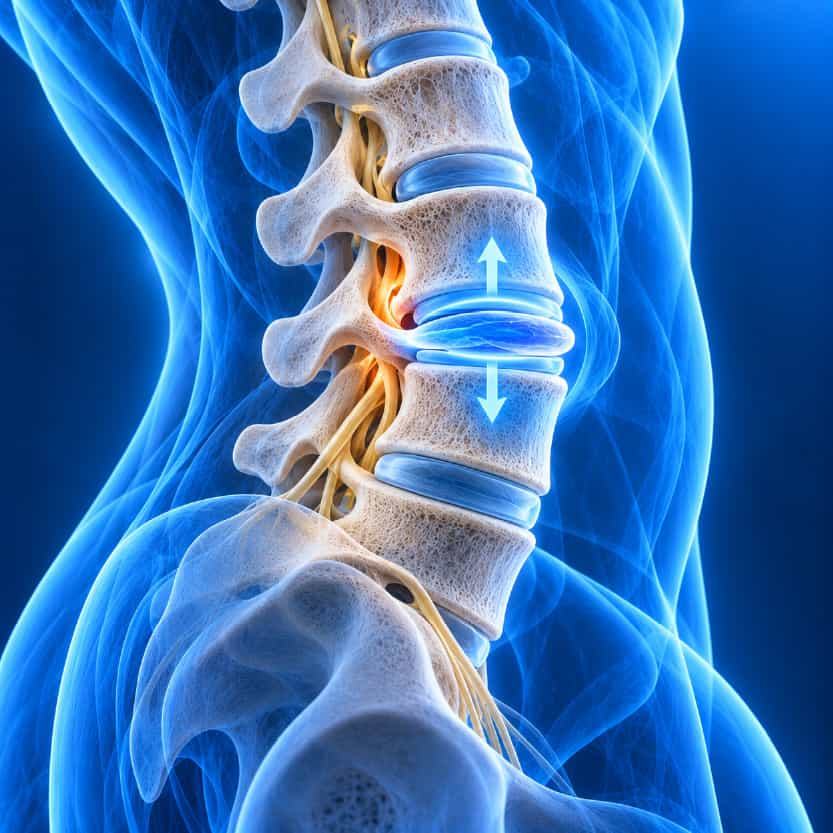
Direct compression of the spinal cord or exiting nerve roots requires decompression procedures, while structural instability or severe disc degeneration often requires stabilization procedures. Both Turkey and Qatar are well-equipped to handle these complex biological interventions, utilizing neuromonitoring to protect nerve function in real time.
| Procedure Type | Clinical Purpose | Biological Mechanism | Typical Condition Treated |
|---|---|---|---|
| Microdiscectomy | Relieves nerve pressure by removing part of a damaged disc. | The surgeon removes only the herniated portion of the disc that is irritating the adjacent nerve root, preserving most of the natural disc anatomy. | Herniated discs, Sciatica |
| Laminectomy | Creates space in the spinal canal. | The lamina (the back part of the vertebra) is removed to enlarge the spinal canal and relieve pressure on the spinal cord or nerves. | Spinal Stenosis |
| Spinal Fusion | Permanently connects two or more vertebrae. | Bone graft material is placed between vertebrae. Over several months, biological healing causes the bones to grow together, stopping painful motion. | Degenerative Disc Disease, Spondylolisthesis, Scoliosis |
| Artificial Disc Replacement | Replaces a worn disc while maintaining mobility. | A specialized synthetic device is implanted between vertebrae, mimicking the mechanical function and flexibility of a healthy natural disc. | Severe Disc Degeneration (primarily cervical) |
Your surgeon will assess your MRI and X-ray results to determine the optimal clinical pathway. In many cases, a decompression procedure like a laminectomy is performed concurrently with a spinal fusion to ensure long-term stability.
Cost of Treatment: Turkey vs Qatar Comparison
The cost difference is often the primary factor driving medical travel. However, it is essential to understand exactly what you are paying for. Prices vary dramatically based on the patient's underlying condition, the complexity of the operation, the specific hospital chosen, and the quality of medical hardware (such as titanium rods or artificial discs) implanted during the surgery.
Turkey benefits from lower operational costs, a highly favorable exchange rate, and strong government subsidies for medical tourism infrastructure. This allows clinics to offer comprehensive packages. Qatar, conversely, positions itself as a premium healthcare hub. While costlier than Turkey, Qatar still offers competitive pricing compared to the US uninsured market, with a focus on unmatched luxury and personalized care.
| Procedure | Avg. Cost in Turkey (USD) | Avg. Cost in Qatar (USD) | Avg. Cost in US/UK (USD) |
|---|---|---|---|
| Microdiscectomy | $4,500 - $7,500 | $10,000 - $15,000 | $15,000 - $40,000 |
| Laminectomy | $6,000 - $9,500 | $12,000 - $18,000 | $20,000 - $50,000 |
| Lumbar Spinal Fusion | $9,500 - $15,000 | $18,000 - $28,000 | $40,000 - $100,000+ |
| Artificial Disc Replacement | $10,000 - $16,000 | $20,000 - $30,000 | $35,000 - $60,000 |
Be aware of hidden costs. When receiving a quote, ask for an itemized breakdown. Ensure the quoted price includes pre-operative imaging (MRI/CT scans), anesthesia, intensive care unit (ICU) readiness, surgeon fees, and the cost of any implants.
Healthcare Systems and Quality Standards Compared
Both Turkey and Qatar manage rigorous healthcare systems, but their structures and regulatory frameworks differ significantly. Turkey is a massive volume-driven market. The country boasts over 40 JCI-accredited hospitals and is heavily regulated by the Turkish Ministry of Health (MoH). The MoH strictly monitors facilities offering international healthcare services, issuing specific medical tourism authorization certificates to those that meet stringent safety criteria.
Qatar’s healthcare system is smaller but highly concentrated, emphasizing premium quality and integration. The Ministry of Public Health (MoPH) oversees all medical facilities. The government has partnered with internationally renowned medical institutions to build a world-class infrastructure. This environment is particularly attractive to patients who value extreme privacy, luxury hospital suites, and cutting-edge technology.
Turkey: Pros & Cons
- • Pro: Extremely cost-effective for major procedures.
- • Pro: High concentration of JCI-accredited hospitals.
- • Pro: Surgeons have immense practical experience due to high patient volumes.
- • Con: Language barriers exist outside major tourist hospitals.
- • Con: The vast number of clinics requires careful patient vetting to avoid subpar brokers.
Qatar: Pros & Cons
- • Pro: Ultra-modern, luxury hospital environments.
- • Pro: Strict, centralized oversight by the DHP ensures high practitioner standards.
- • Pro: Seamless communication for Arabic and English speakers.
- • Con: Significantly higher costs compared to Turkey.
- • Con: Smaller pool of hospitals to choose from.
Choosing the Right Hospital: Certifications to Demand
Your safety during spine surgery is directly linked to the facility where the operation takes place. Spine surgery requires sterile environments, advanced imaging technology, and rapid-response emergency protocols. Do not rely on promotional websites or broker recommendations alone. You must independently verify the hospital's credentials.
In both countries, national licensing is the foundational requirement. A hospital cannot operate without it. Beyond national licenses, specific accreditations indicate a commitment to rigorous international safety standards, infection control, and continuous quality improvement.
Hospital Vetting Checklist
Ask your prospective hospital for proof of the following before transferring any funds:
Verifying Doctor Credentials: What to Look For
The skill of your surgeon dictates the biological outcome of your procedure. A poorly placed screw or inadequate nerve decompression can lead to long-term complications. Therefore, vetting your doctor is the most critical step in this process. You must look beyond their social media presence and demand verifiable, board-certified credentials.
In Turkey, verify that your surgeon is registered with the Turkish Medical Association (TTB) and holds specialized board certification in either Orthopedics and Traumatology or Neurosurgery. In Qatar, the regulatory environment is centralized. Every single healthcare practitioner must undergo primary source verification of their degrees and experience and must pass a rigorous assessment by the Department of Healthcare Professions (DHP).
- 1. Request their full CV: Look for their specific medical degree and where they completed their residency and fellowship training in spinal surgery.
- 2. Check National Registration: For Qatar, confirm their active license status with the DHP. For Turkey, confirm their registration with the MoH and TTB.
- 3. Ask about case volume: A skilled surgeon should perform the specific procedure you need (e.g., lumbar fusion) dozens, if not hundreds, of times per year.
- 4. Verify professional memberships: Look for memberships in organizations like EuroSpine, the North American Spine Society (NASS), or the Turkish Spine Society.
Do not hesitate to request a video consultation prior to your arrival. This allows you to assess their communication style, ask about their personal complication rates, and gauge their willingness to answer difficult clinical questions.
Comprehensive Recovery Timeline
Recovery from spine surgery is a biological marathon, not a sprint. The physical trauma of the surgery requires time to heal, and if you undergo a fusion, your body needs months to grow new bone across the graft. Managing your expectations is vital for a safe return home.
You cannot fly immediately after major spine surgery due to the risk of deep vein thrombosis (DVT) and the need for acute post-operative monitoring. Your surgeon will typically require you to stay in Turkey or Qatar for a minimum of 10 to 14 days before approving you for a flight. Follow this general clinical timeline:
| Timeframe | Biological Process | Patient Sensation | Activity Level | Action Required |
|---|---|---|---|---|
| Days 1-3 | Acute tissue inflammation and incision healing. | Significant surgical site pain; fatigue from anesthesia. | Bed rest, short assisted walks in the hospital ward. | Pain management via IV, wound care by nurses. |
| Days 4-14 | Soft tissue repair begins; swelling starts to decrease. | Soreness, stiffness, but gradual reduction in sharp pain. | Daily walking, transitioning to hotel recovery. No bending or twisting. | Attend follow-up for stitch removal. Obtain fit-to-fly certificate. |
| Weeks 3-6 | Nerve irritation subsides; bone graft matrix stabilizes. | Noticeable improvement in original nerve pain. Mild muscle fatigue. | Light daily activities at home. Gradual increase in walking distance. | Begin prescribed, gentle physical therapy in your home country. |
| Months 3-6 | Active osteogenesis (bone fusion taking place). | Feeling mostly normal, occasional stiffness. | Return to desk work and moderate, non-impact activities. | Undergo follow-up X-rays to monitor the progress of the bone fusion. |
| Months 6-12+ | Complete solid bone fusion achieved in most cases. | Relief from original chronic symptoms. | Return to all normal activities, including most sports if cleared by doctor. | Maintain core strength to protect adjacent spinal levels. |
Medical Safety, Risks, and Complications
It is crucial to understand that spine surgery carries inherent risks, regardless of where in the world it is performed. No medical procedure is 100% guaranteed, and claims of "risk-free" surgery should be viewed as an immediate red flag. Spine surgery involves operating in extreme proximity to the spinal cord and exiting nerve roots, making precision critical.
Infection is a risk with any open surgery. If an infection reaches the spinal hardware, it can require long-term intravenous antibiotics or a secondary surgery to clean the site. Biological failure, such as pseudoarthrosis (failure of the bones to fuse properly), can occur, particularly in patients who smoke or have osteoporosis.
YMYL Warning: When to Seek Immediate Help
If you experience any of the following symptoms post-surgery, whether you are still in your destination country or have returned home, seek emergency medical care immediately:
- • New, profound weakness or numbness in your legs or arms.
- • Loss of bowel or bladder control (a potential sign of Cauda Equina Syndrome).
- • A sudden spike in fever above 101°F (38.3°C).
- • Excessive redness, heat, or fluid draining from the surgical incision.
- • Severe chest pain or shortness of breath (a potential sign of a pulmonary embolism).
Before leaving Turkey or Qatar, ensure you have a complete copy of your operative report, discharge summary, and post-operative imaging. Your local doctor will need these medical records to safely manage your long-term care.
Travel Logistics, Medical Visas, and Accommodations
Traveling for major surgery requires meticulous logistical planning. You are not booking a vacation; you are organizing a complex medical journey. Both Turkey and Qatar are highly accessible via major international airports, but your comfort during transit is paramount.
Turkey offers e-visas for many nationalities, and some patients may qualify for medical visa assistance through their chosen hospital. Qatar grants visa-free entry to citizens of over 100 countries, making initial entry quite smooth. However, if your treatment extends beyond standard tourist durations, the hospital must assist in arranging medical extensions.
Step-by-Step Travel Planning
- • Step 1: Medical Clearance. Ensure your local physician clears you for international flight pre-surgery.
- • Step 2: Book Direct Flights. Avoid layovers if possible. The return flight will be uncomfortable, and minimizing transit time is crucial for spine patients.
- • Step 3: Arrange Airport Transfers. Do not rely on standard taxis. Ensure your hospital package includes a medically equipped VIP transfer vehicle where you can recline comfortably.
- • Step 4: Select Recovery Accommodation. Choose a hotel close to the hospital. Ensure the room has a walk-in shower (no bathtubs), an elevator, and a comfortable, firm bed.
- • Step 5: Travel with a Companion. You will need physical assistance with luggage, dressing, and navigating the airport on your return journey. Never travel alone for spine surgery.
Making Your Final Decision: Turkey or Qatar?
Choosing between Turkey and Qatar ultimately depends on your clinical needs, your budget, and the level of comfort you desire during your recovery. Both destinations host highly qualified surgeons capable of executing complex spinal interventions.
If your primary motivation is maximizing cost savings without sacrificing safety, Turkey is likely the superior choice. Its mature medical tourism infrastructure means clinics are highly experienced in handling international logistics, offering comprehensive packages that take the stress out of planning.
Conversely, if budget is less of a concern and you prioritize an ultra-luxurious hospital environment, highly personalized care, and a smaller, tightly regulated healthcare system, Qatar presents a phenomenal option. It is particularly well-suited for patients from the GCC who prefer cultural proximity and Arabic-speaking medical teams.
Discuss your case with specialists in both countries. Review their proposed surgical techniques, ask about their specific complication rates, and evaluate how clearly they explain the biological reasons for the surgery they recommend.
Frequently Asked Questions
Below are answers to common questions patients have when considering spine surgery in Turkey or Qatar.
Is spine surgery in Turkey safe?
Yes, spine surgery in Turkey can be very safe when performed by board-certified surgeons in JCI-accredited or MoH-licensed hospitals. However, safety depends entirely on your provider selection. You must vet the hospital's infrastructure, ensuring they have an on-site ICU and that the surgeon holds specialized qualifications.
How much does spinal fusion cost in Qatar?
A lumbar spinal fusion in Qatar typically costs between $18,000 and $28,000 USD. This price varies based on the number of spinal levels being fused, the hospital selected, and the type of hardware used. It is generally more expensive than Turkey but often cheaper than the US.
Can I fly home immediately after a discectomy?
No. You cannot fly immediately due to the risks of deep vein thrombosis (DVT) and post-operative complications. Most surgeons require you to stay in the country for 7 to 14 days after surgery for follow-up appointments and to receive a fit-to-fly medical certificate.
Do hospitals in Turkey speak English?
Major hospitals targeting international medical tourists in cities like Istanbul and Antalya typically have dedicated international patient departments with fluent English-speaking coordinators and interpreters to assist you throughout your journey.
How do I verify a Qatari doctor's medical license?
All healthcare practitioners in Qatar are regulated by the Department of Healthcare Professions (DHP) under the Ministry of Public Health. You can verify your doctor's active licensing status through the official MoPH portals or by requesting their DHP registration number directly from the clinic.
What is the success rate of artificial disc replacement?
Clinical success rates for artificial disc replacement generally range from 80% to 90% in appropriately selected patients. However, "success" is defined by pain reduction and preserved mobility. Outcomes vary based on your bone density, condition severity, and adherence to physical therapy.
Are medical complications covered if something goes wrong abroad?
Standard travel insurance rarely covers elective surgery complications. You must purchase specialized medical tourism complications insurance. Additionally, ask your chosen hospital if their package includes complimentary revision surgery or extended ICU care in the event of an immediate clinical complication.
How long does a bone graft take to fuse?
The biological process of bone fusion takes time. While initial stability is provided by metal rods and screws, the actual bone graft typically takes 3 to 6 months to solidify, and up to 12 to 18 months to fully mature into a solid, permanent bone mass.
What is a laminectomy and who needs it?
A laminectomy is a decompression surgery where a surgeon removes part of the vertebral bone (the lamina) to widen the spinal canal. It is typically recommended for patients suffering from spinal stenosis, a condition where narrowed spaces compress the spinal cord or nerves, causing severe leg pain.
Should I bring my MRI scans from home?
Yes. You should bring all recent MRI scans, X-rays, and medical records. While the foreign hospital will likely perform their own pre-operative imaging to ensure current accuracy, your historical scans help the surgeon understand the progression of your spinal disease.
Ready to Explore Your Spine Surgery Options?
Navigating healthcare systems abroad can be complex. PlacidWay can help you compare highly rated, accredited providers in Turkey and Qatar, understand exact treatment costs, and ask the right medical questions before you travel.
Request Free InformationDisclaimer: This information is for educational purposes only and does not replace professional medical advice. Always consult a qualified healthcare provider before making medical decisions.
References
- Patient Safety Fact Sheet – World Health Organization (WHO)
- Medical Tourism Guidelines – Centers for Disease Control and Prevention (CDC)
- International Healthcare Quality Standards – Joint Commission International (JCI)
- Outcomes of Lumbar Spinal Fusion – National Center for Biotechnology Information (NCBI)
- Educational Guide to Artificial Disc Replacement – Spine-health
- Medical Tourism Patient Demographics and Motivations – National Institutes of Health (NIH)























Share this listing