
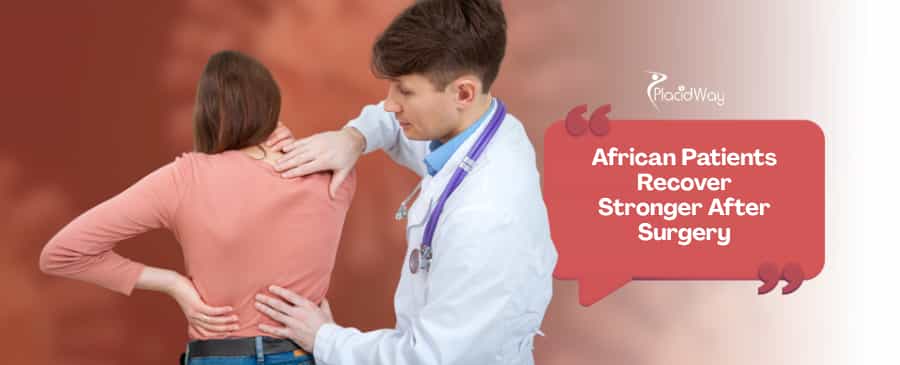
For many African patients seeking relief from severe spinal deformities, local healthcare options can sometimes lack the advanced technology required, while Western alternatives present prohibitive financial barriers. This is why medical tourism in Turkey has emerged as the premier bridge to world-class healthcare. With state-of-the-art facilities, highly experienced surgical teams, and comprehensive care packages, Turkey offers a lifeline to individuals needing complex spinal procedures.
Undergoing a major procedure like spinal fusion is a life-changing event, and the surgery itself is only the first part of your journey. The key to a straight, healthy spine and a pain-free future lies in the post-operative rehabilitation. As an African medical tourist, navigating your recovery in a foreign country requires careful planning, understanding of the medical protocols, and knowledge of how to safely transition back to your home country.
Whether you are considering scoliosis surgery in Istanbul, Turkey or preparing for your upcoming trip, understanding the recovery timeline is essential. This comprehensive guide outlines the ten critical steps of your post-operative journey, from waking up in the hospital to stepping off the plane back home, ensuring you are fully prepared for a successful recovery.
1. Immediate Post-Operative Care in the ICU (Days 1-2)
Immediately following your operation, you will be transferred to the Intensive Care Unit (ICU). This is standard protocol for major spinal procedures, ensuring that your vital signs, neurological functions, and pain levels are closely monitored by specialized nurses and doctors. During this phase, you will have several tubes attached to your body, including an intravenous (IV) line for fluids and medication, a urinary catheter, and possibly surgical drains to remove excess fluid from the incision site.
The primary focus during these first 48 hours is medical stabilization and pain management. You may feel groggy from the anesthesia and experience localized discomfort. Your medical team at the scoliosis surgery clinics in Istanbul, Turkey will conduct frequent neurological checks, asking you to wiggle your toes and testing the sensation in your legs to ensure your spinal cord function is intact after the deformity correction.
2. Transitioning to the Regular Hospital Ward (Days 3-7)
Once your surgical team is satisfied with your initial stability, you will be moved to a regular hospital room. This phase is characterized by the removal of catheters and drains, and the crucial beginning of your physical mobility. It is completely normal to feel apprehensive about moving, but your nurses and physical therapists will be there to guide you through a technique called "log-rolling"—a method of turning in bed without twisting your newly fused spine.
By day three or four, you will be assisted to sit on the edge of the bed, stand, and eventually take your first steps. These initial steps are monumental. The physical therapy team will provide a walker for stability and teach you how to perform essential daily tasks without bending, lifting, or twisting (the BLT precautions). Turkish hospitals pride themselves on compassionate care, and the nursing staff will work diligently to ensure you feel supported during this vulnerable phase.
- Log-rolling: Keeping your shoulders and hips aligned while turning.
- Sitting tolerance: Gradually increasing the time spent sitting in a chair.
- Assisted walking: Short walks down the hospital corridor.
3. Settling into Your Recovery Accommodation in Turkey
Most African medical tourists will spend an additional 10 to 14 days in Turkey after hospital discharge before receiving medical clearance to fly. Moving from the hospital to your hotel or recovery apartment is a major milestone. Because the scoliosis surgery cost in Istanbul Turkey is highly competitive, many international patient packages include comfortable, accessible accommodation designed specifically for post-operative recovery.
When settling into your accommodation, environment optimization is crucial. Ensure your bed is at a comfortable height so you do not have to strain when getting up. Keep essential items like medications, water, your phone, and healthy snacks within arm's reach. Having a traveling companion—a family member or friend from home—is invaluable during this time to assist with meals, hygiene, and mobility.
4. Mastering Pain Management and Medication
Effectively managing your pain is not just about comfort; it is essential for your recovery. If you are in too much pain, you will be unable to participate in physical therapy, which can slow down your healing process. Upon discharge, your hospital will provide a detailed prescription plan, usually consisting of muscle relaxants, nerve pain medications, and stronger analgesics for breakthrough pain.
It is crucial to stay ahead of the pain by taking your medications exactly on schedule, rather than waiting until the pain becomes unbearable. As the days progress, you will gradually transition from stronger medications to over-the-counter pain relievers. Always communicate openly with your scoliosis surgery specialist in Ankara, Turkey (or your respective treatment city) if you experience side effects or if the medication is not providing adequate relief.
Important Tip for International Travelers: Ensure you obtain a signed medical certificate from your Turkish doctor detailing the medications you have been prescribed. This documentation is essential for passing through airport security and customs when you return to your home country.
5. Nutrition and Hydration for Optimal Bone Healing
Spinal fusion surgery requires your body to grow new bone to fuse the vertebrae together. This biological process demands a massive amount of energy and specific nutrients. While you might be eager to explore the culinary delights of Turkey, your focus should be on a healing diet. Many African patients find Turkish cuisine highly palatable, featuring plenty of fresh vegetables, lean meats, and wholesome dairy.
Hydration is equally important, particularly to counteract the constipating effects of pain medications. Aim for at least eight glasses of water a day. Below is a breakdown of essential nutrients to incorporate into your recovery diet:
| Nutrient | Role in Spinal Recovery | Recommended Foods |
|---|---|---|
| Calcium | Essential for new bone formation and strengthening the spinal fusion. | Yogurt (Ayran is popular in Turkey), cheese, leafy greens. |
| Vitamin D | Helps the body absorb calcium efficiently. | Eggs, fortified milks, safe sun exposure on your balcony. |
| Lean Protein | Repairs muscle tissue damaged during the surgical incision. | Chicken, fish, lentils, beans, lean beef. |
| Fiber | Prevents constipation caused by inactivity and pain medication. | Whole grains, fresh fruits, vegetables, dates. |
6. Consistent Physical Therapy and Gentle Exercise
Physical therapy does not stop when you leave the hospital ward. While you are recovering in your hotel, a physiotherapist may visit you, or you will be expected to follow a strict regimen of independent exercises. The golden rule during this phase is frequent, short periods of walking. Walking increases blood circulation, which delivers oxygen and nutrients to your healing spine, and helps prevent blood clots.
You must strictly adhere to the BLT protocol: No Bending, No Lifting, No Twisting. If you drop something on the floor, rely on a grabbing tool or ask your companion for help. Breathing exercises utilizing a spirometer (given to you in the hospital) should also be continued to keep your lungs clear and prevent pneumonia, a common risk when mobility is reduced.
7. Diligent Incision Care and Infection Prevention
Depending on the specific technique used by your surgeon, your incision may be closed with stitches, staples, or surgical glue, covered by a sterile dressing. Keeping this area clean and dry is non-negotiable. Before you are discharged, your medical team will provide exact instructions on when it is safe to shower and how to change your dressings.
You and your travel companion should monitor the incision site daily. You will need to look for signs of infection, which can jeopardize your recovery. Because you will be in a hotel environment, ensure that all towels and bed linens are fresh. The high standard of care in Turkish clinics means you will likely have a follow-up appointment to check the wound before you are cleared to travel.
- Red Flags to Watch For: Excessive redness spreading from the incision, swelling, heat radiating from the wound, yellow or green discharge, or a sudden fever.
8. Navigating the Flight Back Home to Africa
The journey back home is often the most anxiety-inducing part of medical travel. A long-haul flight from Istanbul to cities like Lagos, Nairobi, or Johannesburg requires strategic preparation. You will not be permitted to fly until your scoliosis surgery specialist in Antalya, Turkey (or your treating city) signs a "Fit to Fly" certificate.
To ensure a safe and comfortable journey, request wheelchair assistance at the airport in advance. This saves you from the exhaustion of walking through massive international terminals. During the flight, request an aisle seat so you can easily stand up and walk around the cabin every hour to prevent blood clots. Wear compression socks, stay deeply hydrated, and take a dose of your pain medication shortly before boarding to stay comfortable during turbulence.
9. Resuming Daily Activities and Long-Term Rehabilitation
Once you are back home in Africa, the long-term phase of your healing begins. Spinal fusion takes time; the bones typically take 3 to 6 months to fuse solidly, and up to a year to fully mature. During the first few months back home, you should slowly integrate back into your daily routines while strictly maintaining your lifting and bending restrictions.
Returning to work or school depends entirely on the physical demands of your occupation. Desk jobs might be feasible after 4 to 6 weeks, provided you can take frequent breaks to stand and walk. Labor-intensive jobs or contact sports may be restricted for up to a year. You should coordinate with a local physiotherapist in your home country to begin core-strengthening exercises, which will act as a natural brace for your healing spine.
10. Follow-up Consultations and Telemedicine
Your relationship with your surgical team does not end when you board your flight home. Modern medical tourism relies heavily on telemedicine. You will schedule virtual follow-up appointments with your Turkish specialists at specific intervals (usually 6 weeks, 3 months, 6 months, and 1 year post-op).
You will need to arrange for X-rays to be taken locally at medical imaging centers in your home country and digitally forward them to your surgeon in Turkey. They will review the images to confirm the hardware remains perfectly in place and that the bone mass is fusing correctly. Maintaining this line of communication ensures that you receive continuous, expert oversight throughout your entire recovery journey, giving you absolute peace of mind.
Ready to Start Your Journey to a Healthier Spine?
Navigating international healthcare shouldn't be a burden you carry alone. PlacidWay is your trusted partner in medical tourism, connecting you with globally accredited hospitals and elite spinal specialists in Turkey. We handle the complex logistics—from acquiring quotes and scheduling virtual consultations to coordinating your travel and accommodation packages—so you can focus entirely on your health and recovery.
Don't let scoliosis hold you back any longer. Our dedicated patient coordinators are ready to provide you with personalized options, transparent pricing, and unwavering support throughout your entire medical journey.
.png)


.png)
.png)


.jpg)
.png)
.png)
-2-(1).png)








Share this listing