


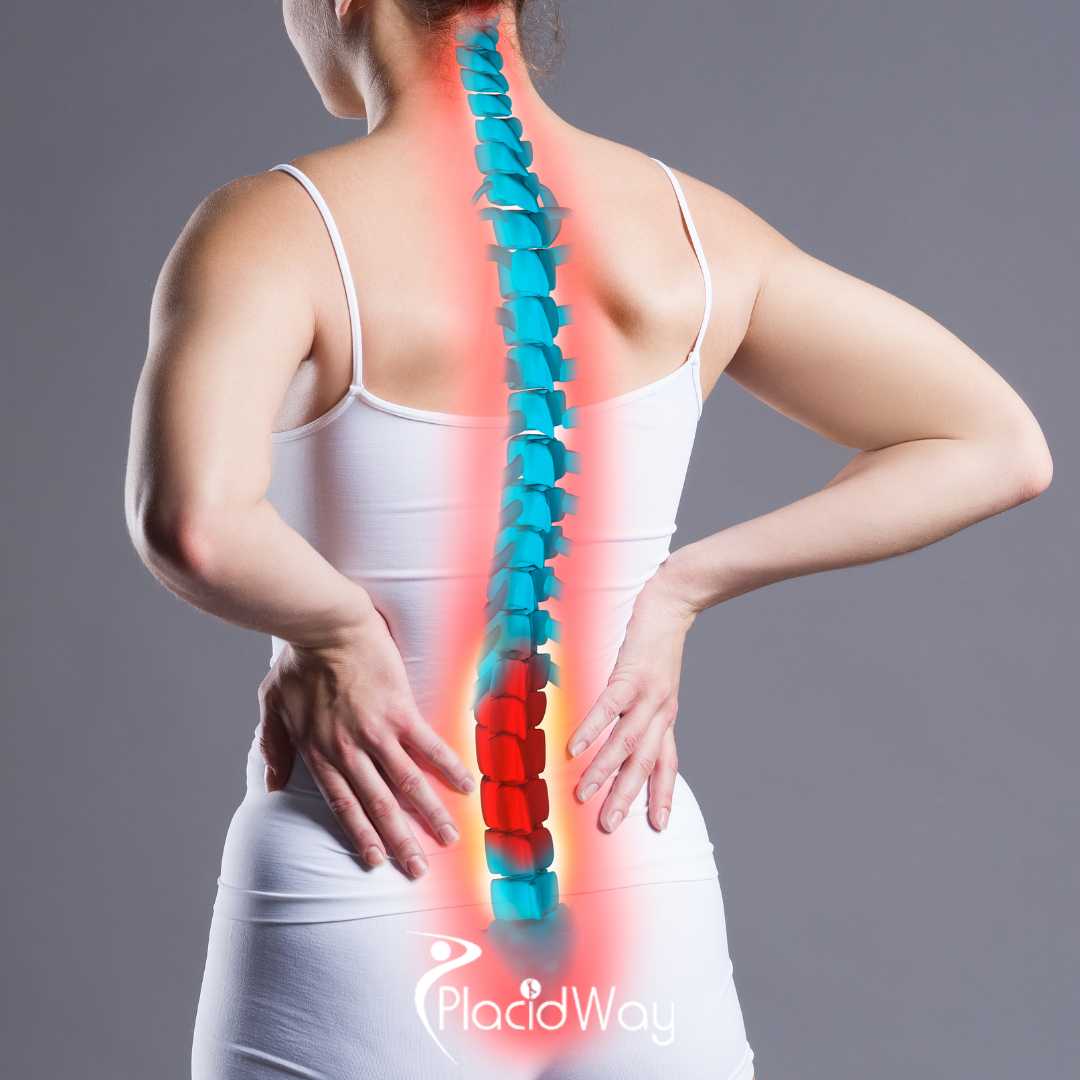
Chronic back and neck pain is a leading cause of global disability, severely impacting the modern workforce and daily quality of life. For professionals facing mobility issues, finding effective spine solutions can often feel overwhelming and financially draining. Artificial Disc Replacement (ADR) has emerged as an innovative alternative to traditional spinal fusion methodologies. This procedure is designed to preserve spinal motion and help individuals return to their active careers with reduced discomfort.
Bursa is rapidly rising as a premier destination for international healthcare, offering state-of-the-art medical facilities at highly competitive prices. As we approach 2026, this region is setting the standard for specialized orthopedic and neurological procedures. Patients traveling for medical tourism in Bursa benefit from a unique blend of modern healthcare infrastructure and a rich, supportive healing environment. The city provides an optimal setting for those seeking affordable artificial disc replacement in Bursa.
- Motion Preservation: ADR aims to mimic the natural movement of the spine.
- Adjacent Segment Protection: Unlike fusion, ADR generally reduces stress on surrounding discs.
- Reduced Recovery Strain: Many patients experience a somewhat faster return to light activities.
- Long-term Functionality: Modern implants are constructed from highly durable medical-grade materials.
According to recent global health studies, lower back pain is the single leading cause of disability worldwide, highlighting the urgent need for accessible spine care interventions like ADR.
Why Bursa is Emerging as the Premier Medical Tourism Hub for Spine Surgery?
The global healthcare landscape is shifting rapidly, with patients actively seeking destinations that combine high medical standards with cost-effectiveness. Bursa has strategically invested in healthcare technology, resulting in facilities that rival top-tier hospitals in North America and Europe. The presence of internationally accredited surgical centers ensures that safety and quality are prioritized at every step. This makes spine surgery medical tourism in Bursa an increasingly popular choice for international workers.
Accessibility and comprehensive patient care models further elevate the region's status as a medical hub. Specialized medical teams in the area frequently undergo rigorous international training and utilize the latest in surgical innovations. By focusing on holistic patient experiences, the local healthcare sector seamlessly integrates advanced treatment with compassionate post-operative care. Consequently, Bursa stands out as a reliable destination for managing complex spinal conditions.
- International Accreditation: Many facilities hold prestigious global healthcare certifications.
- Multilingual Medical Staff: Language barriers are minimized through dedicated translation services and English-speaking doctors.
- Advanced Infrastructure: Hospitals are equipped with cutting-edge robotic and imaging technologies.
- Holistic Healing Environment: The region's peaceful climate and thermal resources naturally support recovery.
Turkey's medical tourism sector has seen an estimated 30% year-over-year growth, with orthopedic and spinal surgeries ranking among the most requested specialties by international patients.
Candidacy for ADR Surgery in the Global Workforce
Determining who qualifies for artificial disc replacement requires a meticulous and individualized medical evaluation. Generally, the most suitable candidates are adults suffering from severe degenerative disc disease that has not responded to conservative treatments like physical therapy or medication. These individuals typically experience localized pain rather than multi-level spinal deterioration. Accurate patient selection is critical for achieving optimal mobility outcomes and returning safely to the workforce.
Conversely, there are specific anatomical and health conditions that contraindicate the use of artificial implants. Patients with significant spinal instability, severe osteoporosis, or active infections are usually advised against undergoing this procedure. Surgeons strictly evaluate bone density and joint facet health before clearing any patient for surgery. It is vital to undergo comprehensive imaging and diagnostics to confirm that the artificial disc replacement procedure is the safest path forward.
- Ideal Candidates Typically Have: Single-level disc degeneration, healthy bone density, and absence of facet joint arthritis.
- Non-Ideal Candidates Usually Include: Individuals with spinal tumors, severe scoliosis, or widespread spinal fusion needs.
- Pre-requisite Care: Patients must have generally exhausted at least six months of non-surgical conservative treatments.
- Diagnostic Requirements: Recent MRI scans, X-rays, and bone density tests are mandatory before approval.
Not every patient with back pain is a candidate for artificial disc replacement. Undergoing surgery when contraindicated can lead to severe complications, implant failure, or worsened mobility. Always rely on a thorough evaluation by a qualified spinal specialist.
Analyzing the Affordable ADR Cost in Bursa Compared to Global Averages
The financial burden of complex orthopedic care often prevents many individuals from pursuing life-changing treatments in their home countries. In regions like North America or Western Europe, the high costs associated with hospital fees, surgical expertise, and medical devices can be exorbitant. However, exploring the ADR surgery cost in Turkey reveals a much more accessible alternative. Patients can access top-tier medical care at a fraction of the cost without compromising on the quality of implants or clinical safety.
The cost-effectiveness of seeking healthcare internationally stems from differences in national economic structures and lower operational overheads, not a reduction in medical excellence. Bursa provides transparent pricing models that often cover the surgical procedure, anesthesia, and necessary hospital stays. By analyzing the affordable ADR in Bursa, international patients can budget effectively and alleviate the financial stress typically associated with major surgeries.
| Procedure Name | Average Cost in Bursa (USD) | Average Cost in US/UK (USD) |
|---|---|---|
| Cervical Disc Replacement | $8,500 - $12,000 | $35,000 - $50,000 |
| Lumbar Disc Replacement | $10,000 - $14,000 | $40,000 - $65,000 |
| Multi-Level ADR (Complex) | $14,000 - $18,000 | $60,000+ |
Always ask for an itemized quote when reviewing treatment estimates. Ensure that your proposed pricing outlines pre-operative testing, surgeon fees, hospital stay duration, and post-operative medications to avoid unexpected expenses.
Types of Artificial Disc Replacement Procedures Available
Spinal care has advanced significantly, offering specialized approaches depending on the specific location of the deteriorating disc. The two primary categories of this surgery are cervical and lumbar disc replacements, each demanding distinct surgical techniques and specific implant designs. Patients seeking cervical disc replacement in Turkey generally suffer from neck pain, arm numbness, or weakness caused by nerve compression in the upper spine. Treating this effectively can rapidly restore upper body mobility.
Conversely, those undergoing lumbar ADR in Bursa are typically addressing severe lower back pain that radiates down the legs. Lumbar procedures often utilize robust, weight-bearing implants designed to handle the substantial mechanical stress of the lower spine. Today's implants are crafted from advanced materials like titanium, cobalt-chromium, and medical-grade polyethylene to mimic the natural shock-absorbing qualities of the human disc.
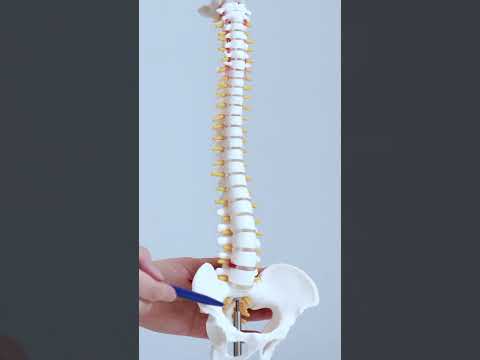
- Cervical ADR: Targets the neck region (C2 to C7 vertebrae) to relieve radiating arm pain and stiffness.
- Lumbar ADR: Targets the lower back (L3 to S1 vertebrae) to address debilitating lower back and leg pain.
- Multi-Level Replacement: Involves replacing more than one adjacent disc, requiring highly specialized surgical planning.
- Implant Materials: Metal-on-polyurethane or metal-on-metal designs are utilized based on patient anatomy and lifestyle.
The Surgical Process for Artificial Disc Replacement
Understanding the surgical workflow helps alleviate patient anxiety and sets realistic expectations for the operative day. The procedure generally begins with the administration of general anesthesia, ensuring the patient remains completely unconscious and pain-free. Surgeons typically access the spine through an anterior approach, making an incision in the front of the neck or the abdomen to reach the damaged disc without unnecessarily disrupting critical back muscles or nerves. This anterior technique often contributes to a smoother initial healing phase.
Once the spinal column is exposed, the surgeon carefully removes the diseased disc material and any bone spurs compressing the spinal cord. The anatomical space is then meticulously prepared to receive the new device. The chosen artificial disc is securely positioned within the intervertebral space, utilizing specialized instruments to confirm precise alignment. After the implant is verified via intraoperative imaging, the incision is carefully closed and bandaged.
- Anesthesia Administration: Administered by specialized anesthesiologists to maintain vital stability.
- Anterior Incision: A specialized approach to protect the posterior spinal muscles.
- Disc Removal (Discectomy): The complete clearing of the degenerative or herniated disc tissue.
- Implant Insertion: Placement of the motion-preserving device, typically taking 1 to 3 hours total.
The anterior surgical approach used in most ADR procedures significantly reduces the risk of nerve damage because the surgeon does not have to move the sensitive spinal cord to access the damaged disc.
Navigating Recovery and Restoring Mobility After Spine Surgery
The rehabilitation phase is just as critical as the surgical intervention when it comes to restoring functional mobility for the workforce. Following ADR, patients generally spend one to three days in the hospital for close observation and pain management. Early mobilization is a key component of modern recovery protocols, meaning patients are often encouraged to stand and take short walks within 24 hours post-surgery. This early movement helps prevent complications such as blood clots and promotes initial tissue healing.
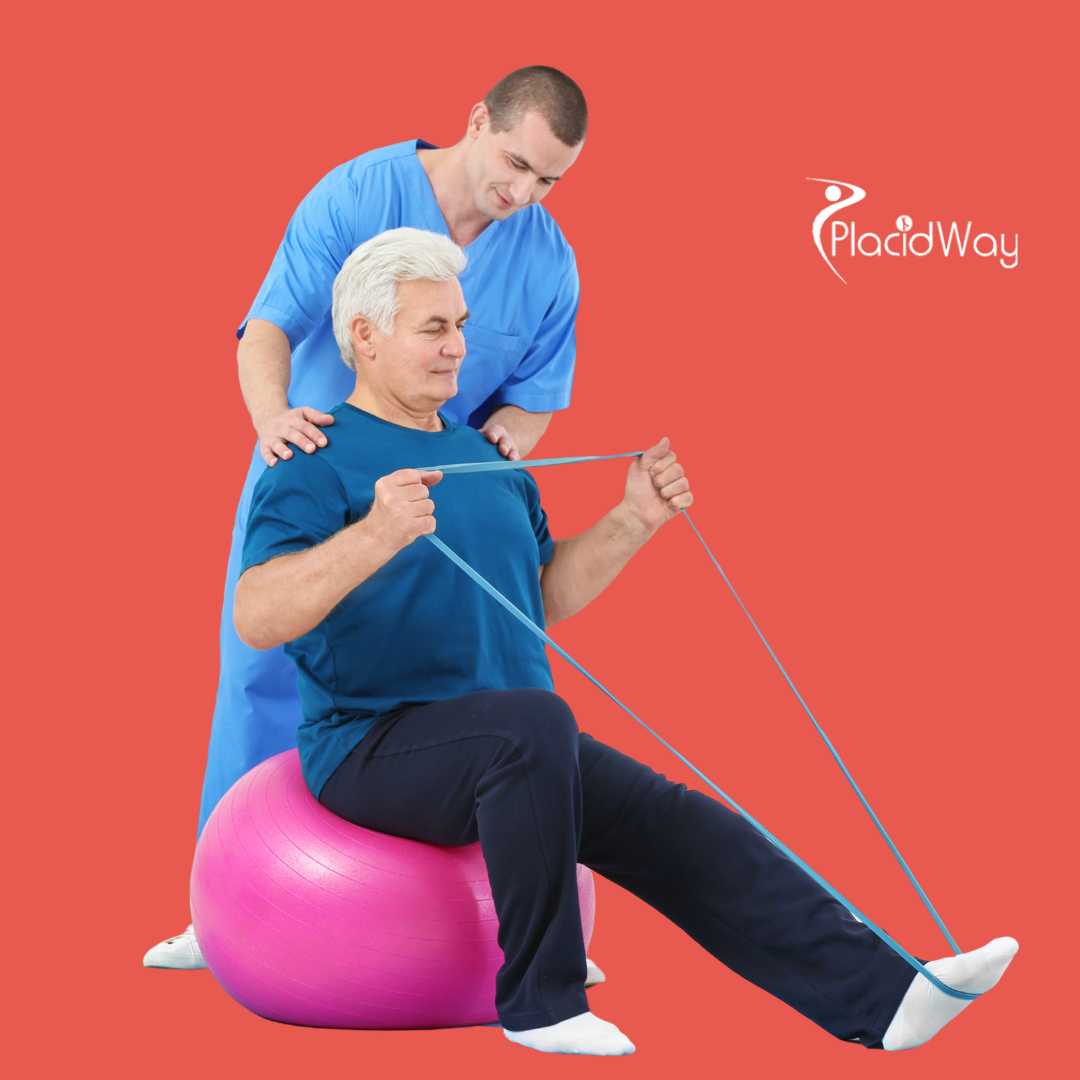
A structured physical therapy program usually begins a few weeks after the procedure to safely rebuild core strength and spinal flexibility. Most patients experience steady improvements over the subsequent months, gradually regaining the ability to perform everyday tasks. While many non-strenuous workers can return to their jobs relatively quickly, individuals with physically demanding careers require a longer, carefully monitored recuperation period. Ultimately, strict adherence to post-operative guidelines dictates the success of your recovery.
- First 24-48 Hours: Close hospital monitoring, initial pain management, and assisted walking.
- Weeks 1-3: Focus on resting, incisional healing, and avoiding bending, lifting, or twisting.
- Weeks 4-8: Commencement of formal physical therapy tailored to safely increase range of motion.
- Months 3-6: Phased return to normal activities and heavier exertion upon medical clearance.
Because ADR preserves the natural biomechanics of the spine, patients typically face a lower risk of developing adjacent segment disease—a common complication in traditional fusion where neighboring discs deteriorate due to added stress.
Risks and Contraindications Associated with ADR
Every major surgical intervention inherently carries a degree of medical risk, and artificial disc replacement is no exception. It is crucial for patients traveling to the best destinations for spine surgery to have a transparent understanding of potential complications. Typical surgical risks include the possibility of infection, adverse reactions to anesthesia, excessive bleeding, or deep vein thrombosis. While these events are generally rare in specialized facilities, they must be factored into your decision-making process.
Beyond general surgical hazards, there are specific risks related to the artificial implant itself. Implants can occasionally migrate out of position, wear down over decades, or fail to relieve the initial pain. Furthermore, anatomical issues such as blood vessel damage or nerve irritation during the anterior surgical approach can occur. A rigorous pre-operative screening process is vital because it significantly reduces the likelihood of these complications by identifying patients with strict contraindications early on.
- Implant Complications: Migration, subsidence (sinking into the bone), or material wear.
- Surgical Risks: Infection, bleeding, or vascular injury during the abdominal or neck incision.
- Neurological Risks: Temporary or permanent nerve damage leading to numbness or weakness.
- Pain Persistence: The possibility that the procedure may not entirely resolve chronic pain symptoms.
The Impact of Advanced Medical Technology in Bursa Clinics
The modernization of medical facilities has fundamentally transformed how complex orthopedic procedures are performed globally. Clinics in this region are increasingly adopting advanced surgical technologies that enhance precision and patient safety. High-definition intraoperative fluoroscopy and real-time nerve monitoring systems are standard tools utilized by surgeons during ADR. These innovations allow medical teams to navigate the delicate spinal anatomy with exceptional accuracy, mitigating the risk of human error.
Moreover, the integration of advanced diagnostic imaging ensures that patient selection and implant sizing are mathematically precise prior to the first incision. The commitment to maintaining state-of-the-art infrastructure enables Bursa to consistently meet rigorous global healthcare standards. Patients traveling for complex care can feel confident knowing they are being treated in environments equipped with technology comparable to leading international institutes. This technological edge is a cornerstone of successful surgical outcomes.
- Real-Time Neuromonitoring: Tracks nerve function during surgery to prevent neurological damage.
- High-Resolution MRI & CT: Ensures exact implant sizing and assesses bone density accurately.
- Computer-Assisted Navigation: Aids surgeons in achieving optimal implant alignment.
- Minimally Invasive Tools: Promotes smaller incisions, reducing tissue trauma and scarring.
The use of computer-assisted navigation and intraoperative imaging in spine surgeries has been shown to improve implant placement accuracy by up to 95%, contributing to lower revision surgery rates.
Real Patient Experiences with Medical Tourism in Bursa
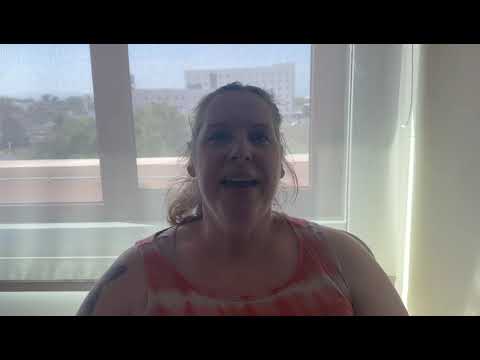
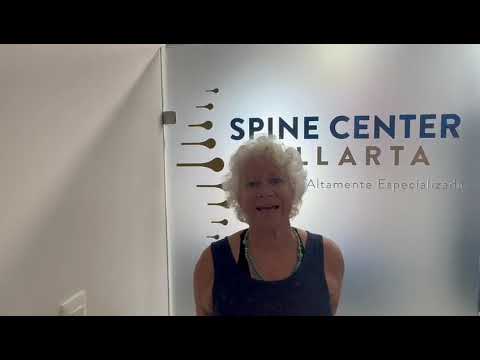
Hearing from individuals who have successfully navigated the international healthcare landscape offers invaluable perspective for prospective patients. Many professionals in the global workforce faced severe career interruptions due to debilitating spine conditions before seeking care abroad. Their journeys highlight the transformative potential of combining accessible pricing with expert surgical intervention. Patient stories frequently emphasize the high level of compassionate care and clinical professionalism encountered during their stay.
Testimonials also shed light on the practical aspects of traveling for medical reasons, from initial consultations to the flight home. While individual results vary and cannot be guaranteed, these real-world summaries provide a realistic glimpse into the recovery process. Most patients experience a profound sense of relief as they gradually regain their mobility and independence. Below are summaries of experiences from individuals who sought care in the region.
A Return to Active Construction Work
After struggling with severe lower back pain that halted his construction career, a 45-year-old patient from the UK traveled for lumbar ADR. Following a successful procedure and months of diligent physical therapy, he reported significant pain reduction and a gradual, safe return to his physically demanding job.
Overcoming Cervical Disc Degeneration
A software developer from Canada experienced debilitating neck pain and arm numbness. Opting for cervical disc replacement abroad allowed her to receive swift treatment. She highlighted the professionalism of the medical staff and noticed a rapid improvement in her ability to sit at her desk comfortably.
Regaining Mobility for Retirement
A 60-year-old active retiree faced severe mobility limitations due to multi-level spinal issues. Choosing an advanced facility for his procedure, he felt thoroughly supported by the international patient coordinators. He currently enjoys a highly active lifestyle with vastly improved spinal flexibility.
Navigating Complex Spine Care Safely
Facing long wait times locally, an international patient chose to undergo an extensive medical evaluation and subsequent disc replacement overseas. The transparent communication regarding risks and realistic recovery timelines helped him prepare effectively, leading to a smooth transition back to his teaching career.
Preparing for Your Spine Surgery Medical Tourism Journey
Thorough preparation is the bedrock of a safe and successful medical journey abroad. Prior to finalizing any travel plans, patients must compile an exhaustive dossier of their medical history, including recent MRI scans, X-rays, and detailed notes from local physicians. These documents are vital for remote specialists to determine initial candidacy and formulate a customized surgical approach. Establishing this open line of communication early prevents logistical complications upon arrival.
In addition to medical documentation, mental and physical preparation plays a crucial role in post-operative recovery. Patients are generally advised to optimize their health by quitting smoking, managing weight, and engaging in approved, light physical activities prior to departure. Preparing your home environment for your eventual return—such as arranging for assistance and minimizing trip hazards—ensures that your transition from international care to home recovery is seamless.
- Compile Medical Records: Gather high-quality digital imaging, blood work, and local doctor reports.
- Pre-Operative Health Optimization: Halt tobacco use and manage chronic conditions like diabetes or hypertension.
- Understand Travel Requirements: Secure necessary medical visas and review airline policies for post-surgery passengers.
- Home Preparation: Arrange for a ground-floor recovery space and a dedicated caregiver upon your return.
Schedule an appointment with your local primary care physician before you travel. Having a local doctor fully briefed on your international surgery plan ensures you have immediate medical support for your follow-up care and prescription management when you return.
Follow-Up Care and Long-Term Success for International Patients
Following your procedure, continuous follow-up care remains essential for monitoring your recovery and ensuring long-term success. International patients generally require a strategic plan to transition their care from the surgical team back to their local physicians. Establishing a strong communication loop helps prevent complications and promotes steady, verifiable healing. Most patients experience a smoother recovery when they adhere strictly to these structured postoperative guidelines.
Technology today bridges the geographic gap, allowing specialized teams to review your progress digitally once you return home. Patients traveling for medical care typically receive detailed rehabilitation protocols tailored to their specific spinal implant. Coordinating with local physical therapists ensures that the mobility gained during surgery is properly nurtured over the ensuing months. A well-planned continuum of care is ultimately what maximizes the benefits of your international healthcare journey.
- Telemedicine Check-ins: Virtual consultations with your surgical team at scheduled intervals.
- Local Medical Integration: Transferring operative notes and imaging to your home-country physician.
- Structured Physical Therapy: Committing to a guided, long-term rehabilitation program locally.
- Symptom Monitoring: Vigilantly watching for signs of infection, nerve pain, or unusual stiffness.
Long-term studies suggest that patients who strictly follow their customized post-operative physical therapy regimens show a significantly higher rate of long-term implant functionality compared to those who skip rehabilitation.
How PlacidWay Assists Your ADR Medical Tourism Journey in Bursa?
Navigating the complexities of international healthcare requires reliable support and verified information to ensure a safe experience. Finding a trusted platform helps bridge the gap between global patients and accredited medical institutions. Comprehensive facilitation reduces the stress of organizing cross-border medical treatments by providing access to vetted resources. This level of coordinated assistance empowers patients to focus entirely on their health and impending recovery.
Working with a dedicated medical tourism platform ensures that you have advocates guiding you through every step of the clinical process. From obtaining transparent procedural quotes to connecting with specialized orthopedic teams, specialized support systems simplify your decision-making. PlacidWay remains committed to facilitating smooth, value-based healthcare experiences for patients seeking complex spinal solutions.
- Facilitating direct connections with internationally accredited hospitals and board-certified spine specialists.
- Providing transparent, itemized treatment estimates to help you budget accurately.
- Assisting with the secure transfer of medical records and digital imaging for preliminary evaluations.
- Assigning dedicated patient coordinators to answer questions and streamline your clinical itinerary.
- Offering access to extensive patient reviews and verified clinic profiles to aid informed decisions.
Utilizing an established medical tourism platform can significantly reduce the time it takes to arrange complex international surgeries, as patient coordinators already have direct communication channels with hospital triage departments.
Frequently Asked Questions
Gathering comprehensive information is the first step toward making a confident healthcare decision regarding spine surgery. Patients exploring international options naturally have numerous questions regarding medical protocols, safety standards, and financial expectations. Reviewing the most common inquiries helps clarify the realities of seeking orthopedic care abroad.
Below is a curated list of frequently asked questions designed to address the primary concerns of the global workforce. These answers provide concise, reliable insights to further guide your research and preparation for medical treatment.
Artificial disc replacement is designed to preserve the natural motion of the spine, whereas spinal fusion permanently joins two or more vertebrae together to eliminate movement. Most patients experience better long-term mobility with ADR, though candidacy depends on specific spinal conditions.
The cost of affordable artificial disc replacement in Bursa generally ranges between $8,500 and $14,000, depending on whether it is a cervical or lumbar procedure. This often represents a significant saving compared to prices in North America or Western Europe.
Ideal candidates are typically adults with degenerative disc disease who do not have severe osteoporosis, spinal instability, or active infections. A comprehensive medical evaluation by an orthopedic specialist is always required to determine individual suitability.
Yes, traveling for medical tourism in Bursa is generally safe, provided patients choose internationally accredited healthcare facilities. The city boasts highly trained medical professionals and modern hospitals that adhere to strict global safety protocols.
Initial recovery often takes about four to six weeks, during which patients can typically resume light daily activities. Full recovery and integration of the implant can take several months, heavily dependent on adherence to prescribed physical therapy.
Many patients successfully return to work after recovering from their procedure, especially if their jobs involve light physical demands. Workers with physically strenuous occupations generally require a longer rehabilitation period before safely resuming their duties.
As with any major surgery, risks include infection, bleeding, nerve damage, or implant migration over time. Discussing these transparent risks with your healthcare provider helps ensure you make an informed medical decision.
Patients are usually advised to stay in the destination country for 10 to 14 days post-surgery to allow for initial healing and follow-up evaluations. This window ensures medical teams can monitor early recovery and safely clear the patient for international travel.
Top-tier facilities in the region often hold international accreditations such as JCI or ISO, ensuring they meet rigorous global benchmarks for patient safety and clinical excellence. Furthermore, many local specialists undergo advanced fellowship training abroad.
Follow-up care is typically managed through a combination of telemedicine consultations with your surgical team and hands-on monitoring by your local general practitioner or physical therapist. Establishing these local healthcare connections before your trip is highly recommended.
Ready to explore affordable artificial disc replacement and restore your mobility?
Let PlacidWay guide your medical tourism journey in Bursa securely and seamlessly.
References
- National Institute of Neurological Disorders and Stroke. Low Back Pain Fact Sheet. https://www.ninds.nih.gov/health-information/disorders/back-pain
- Mayo Clinic. Artificial disc replacement. https://newsnetwork.mayoclinic.org/discussion/mayo-clinic-q-and-a-cervical-disk-replacement/
- World Health Organization. Low back pain. https://www.who.int/news-room/fact-sheets/detail/low-back-pain
- National Center for Biotechnology Information (NCBI). Outcomes of Artificial Disc Replacement. https://www.ncbi.nlm.nih.gov/pmc/articles/PMC7212450/
- Spine-health. Artificial Disc Replacement (ADR) Cost and Insurance Coverage. https://spinehealth.org/article/overcoming-insurance-challenges-for-disc-replacement/



.png)








Share this listing