


When seeking Spinal Stenosis Treatment in Germany for Bulgarian Patients, individuals gain immediate access to world-class neurosurgeons and advanced minimally invasive techniques. While domestic care in Bulgaria may involve wait times of 6 to 12 months for specialized procedures, German spine centers offer rapid scheduling. Treatments typically cost between €12,000 and €25,000, encompassing surgical fees, hospital stays, and early rehabilitation, resulting in lower complication rates and faster return to daily mobility.

Chronic back pain and radiating leg numbness are more than just uncomfortable sensations; they are debilitating symptoms that can severely limit an individual's independence and quality of life. For thousands of adults, these symptoms point to spinal stenosis. Unfortunately, navigating the public healthcare system in Eastern Europe often means confronting overburdened infrastructure, limited access to next-generation surgical technology, and agonizingly long wait lists for specialist consultations.
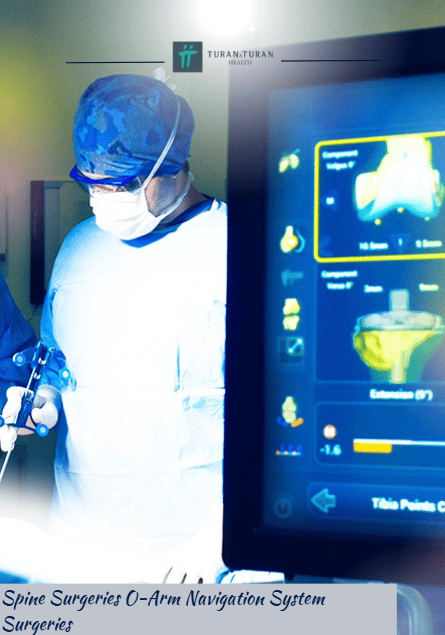
Because of these systemic delays, seeking Spinal Stenosis Treatment in Germany for Bulgarian Patients has become an increasingly popular and highly effective alternative. Germany is globally recognized as a powerhouse in orthopedic and neurosurgical excellence. By choosing medical tourism in Germany, patients bypass domestic bottlenecks to access state-of-the-art facilities equipped with robotic navigation systems, intraoperative MRI, and minimally invasive surgical tools that are often unavailable in standard Bulgarian hospitals.
This comprehensive guide explores the critical factors involved in making this high-stakes healthcare decision. Throughout this article, you will discover: an exact breakdown of what spinal stenosis entails, a detailed comparison between domestic Bulgarian options and German private care, the step-by-step surgical journey, and vital safety considerations to protect your health during international medical travel.
Quick Facts at a Glance
Essential benchmarks for Bulgarian patients researching advanced spine care in Germany.
- Average Cost in Germany
- €12,000 – €25,000
- Wait Time in Germany
- 2 – 4 Weeks
- Hospital Stay
- 3 – 7 Nights
- Required Time in Germany
- 10 – 14 Days
- Surgical Approaches
- Laminectomy, Foraminotomy, Spinal Fusion
- Full Recovery Timeline
- 3 – 6 Months
What is Spinal Stenosis?
This condition primarily affects adults over the age of 50 and is most commonly caused by osteoarthritis, thickening of spinal ligaments, or the development of bone spurs. Depending on the location of the narrowing, patients may experience different symptom profiles.
Types of Spinal Stenosis
Proper diagnosis is critical for determining the correct surgical approach. Specialists generally categorize the condition into two main types:
- Lumbar Spinal Stenosis: Occurring in the lower back, this is the most common form. It frequently causes neurogenic claudication—a cramping pain or heaviness in the legs that worsens when standing or walking and is temporarily relieved by leaning forward (such as over a shopping cart).
- Cervical Spinal Stenosis: Occurring in the neck, this form is potentially more dangerous because it can compress the main spinal cord itself (myelopathy), leading to a loss of fine motor skills in the hands, balance issues, and, in severe cases, paralysis.
Why Are Patients Leaving Bulgaria for Care?
While Bulgaria boasts competent medical professionals, the public healthcare infrastructure often struggles with prolonged waiting lists for elective orthopedic surgeries. Patients facing debilitating daily pain cannot afford to wait 6 to 12 months for relief. Furthermore, advanced Minimally Invasive Spine Surgery (MISS) requires expensive equipment, such as tubular retractors and high-definition operative microscopes, which are not universally available in Bulgarian public hospitals.
Opting for Spinal Stenosis Treatment in Germany for Bulgarian Patients ensures immediate intervention. German hospitals are celebrated for their multi-disciplinary approach, combining neurology, orthopedics, and pain management into a seamless, highly efficient patient journey.
Cost and Value Comparison: Germany vs. Bulgaria
When assessing treatment options, understanding the financial landscape is crucial. Care in Germany represents a premium financial investment compared to local Bulgarian options. However, evaluating this purely on a raw price basis ignores the massive differences in technological access, wait times, and comprehensive post-operative care.
Note: Costs vary significantly based on surgical complexity. A simple micro-decompression will be at the lower end of the spectrum, while a multi-level spinal fusion with titanium instrumentation will sit at the higher end.
What Factors Influence the Cost in Germany?
The price of Spinal Stenosis Treatment in Germany for Bulgarian Patients is fully transparent. When you receive a quote from a German medical center, it generally operates on a Diagnosis Related Group (DRG) system. Costs are influenced by:
- Surgical Technique: Procedures utilizing 3D neuro-navigation or robotics command higher fees.
- Hardware Utilization: If the spine is highly unstable, the surgeon may need to perform a spinal fusion utilizing titanium pedicle screws and rods, which adds substantial material costs.
- Duration of Stay: Complex cases require longer intensive monitoring in the specialized orthopedic ward.
- Surgeon's Expertise: Care provided directly by the "Chefarzt" (Chief Physician) generally incurs a premium over standard specialist care.
Evaluating the True Value of German Healthcare
Why pay more to travel to Munich or Berlin? The value lies in risk mitigation. Traditional open spine surgeries result in significant muscle tearing, leading to prolonged, painful recoveries and a higher risk of "failed back surgery syndrome." German clinics excel in tissue-sparing techniques. A faster recovery means less time off work and a faster return to an active, independent lifestyle. Additionally, addressing the stenosis immediately prevents permanent, irreversible nerve damage.
Step-by-Step Surgical Process & Patient Journey
Undergoing spine surgery abroad requires meticulous planning. German medical centers are renowned for their highly structured, protocol-driven patient care models. Here is the standard progression of your medical journey.
- Remote Medical Evaluation (Weeks Prior): Before leaving Bulgaria, you will upload your recent MRI scans, X-rays, and medical history to a secure patient portal. A German neurosurgeon will review your imaging to confirm the exact location and severity of the stenosis, proposing a tailored surgical plan.
- Arrival in Germany (Day 1): You arrive in Germany (often flying into major hubs like Frankfurt, Munich, or Berlin). Dedicated clinic staff or medical concierges typically arrange your transfer directly to the hospital or your pre-operative hotel.
- Pre-Surgical Diagnostics (Day 2): At the clinic, you undergo comprehensive pre-operative screening. This includes updated imaging (often a high-resolution 3T MRI), bloodwork, an EKG, and in-person consultations with your lead surgeon and the anesthesiology team to discuss the procedure and risks.
- The Surgical Procedure (Day 3): Under general anesthesia, the surgeon performs the procedure. Common interventions include a laminectomy (removing the back part of the vertebra to create space) or a foraminotomy (widening the nerve exit pathways). If performed minimally invasively, the incisions may be as small as a few centimeters.
- Acute Post-Op Monitoring (Days 3-4): You wake up in a specialized recovery unit. Pain management is administered proactively via intravenous medication. Nursing staff closely monitor your neurological function, asking you to move your toes and assessing sensation in your legs.
- In-Patient Rehabilitation (Days 5-8): German orthopedic protocols prioritize early mobilization. Often within 24 hours of surgery, physical therapists will assist you in standing and taking your first steps. You will learn proper body mechanics for getting out of bed safely without twisting your spine.
- Clearance and Return to Bulgaria (Days 9-14): After your hospital discharge, you spend a few days in a nearby hotel for outpatient monitoring. Once the surgeon removes your sutures and confirms the surgical site is healing without signs of infection, you are medically cleared to fly back to Bulgaria.
Safety, Quality, and Medical Standards in Germany
When considering Spinal Stenosis Treatment in Germany for Bulgarian Patients, safety is rightfully the primary concern. Is it safe to undergo major neurosurgery in a foreign country? The objective answer relies on evaluating the stringent regulatory framework that governs German medicine.
World-Leading Hospital Accreditation
German healthcare standards are among the most rigorous globally. Clinics treating international patients are typically certified by independent bodies such as the TÜV (Technischer Überwachungsverein) or the KTQ (Cooperation for Transparency and Quality in Healthcare). These organizations mandate strict adherence to hygiene protocols, minimizing the risk of hospital-acquired infections like MRSA, which can be catastrophic following spinal surgery.
Surgeon Expertise and Specialization
In Germany, the title of specialist (Facharzt) requires years of grueling post-graduate residency and fellowship training. Furthermore, top spine centers operate on high-volume models. A neurosurgeon who performs 300 minimally invasive decompressions annually will possess significantly greater muscle memory and complication-management skills than a generalist who performs the procedure occasionally.
Quality Comparison with Domestic Care
While Bulgarian surgeons are highly educated, they frequently operate under resource constraints within public hospitals. German centers invest heavily in intraoperative technologies designed to protect the patient. For instance, the use of neuromonitoring during surgery allows the team to track the electrical signals of your spinal cord in real-time, drastically reducing the risk of accidental nerve damage during complex decompressions.
Recovery, Aftercare, and Long-Term Success
The surgery is merely the mechanical fix; your long-term success depends heavily on how you manage your recovery once you return to Bulgaria. Adhering to a strict rehabilitation protocol is non-negotiable.
Phased Recovery Timeline
- Weeks 1–2 (The Healing Phase): Your primary goal is wound healing and pain management. You will engage in light, frequent walking to promote circulation and prevent deep vein thrombosis. Sitting for prolonged periods (over 30-45 minutes) should be avoided.
- Weeks 3–6 (Early Strengthening): The surgical pain significantly diminishes. You will begin structured outpatient physical therapy in Bulgaria, focusing on core stabilization exercises. Bending, lifting objects over 5 pounds (2.2 kg), and twisting your torso remain strictly prohibited.
- Months 2–3 (Functional Integration): Most patients can return to desk work and driving. Therapy progresses to more dynamic movements. The radiating leg pain (sciatica) experienced prior to surgery has typically resolved by this point.
- Months 4–6+ (Full Activity): Patients generally return to their full lifestyle, including low-impact sports like swimming or cycling. If a spinal fusion was performed, bone graft fusion continues to solidify for up to a year.
Warning Signs Post-Surgery
Once back in Bulgaria, you must remain vigilant for potential complications. Seek immediate emergency medical attention if you experience:
- A sudden spike in fever above 38.5°C (101.3°F) accompanied by chills.
- Increasing redness, swelling, or foul-smelling drainage from the spinal incision.
- A sudden, severe return of the radiating leg pain or new onset of numbness.
- Loss of bowel or bladder control (a critical emergency known as Cauda Equina Syndrome).
How to Select the Right German Spine Clinic?
Not all hospitals offer the same level of expertise. To ensure you receive the highest standard of care, use this 7-step practical checklist when evaluating German medical providers.
- Verify the Surgeon’s Specialization: Ensure the primary surgeon is a board-certified neurosurgeon or an orthopedic surgeon with a dedicated fellowship in spine surgery.
- Confirm Minimally Invasive Capabilities: Explicitly ask if they utilize microscopic or endoscopic techniques, which offer vastly superior recovery profiles over traditional open spine surgery.
- Request Translation Services: Confirm that the clinic provides a dedicated English or Bulgarian medical translator for all consultations and consent forms to ensure total comprehension.
- Evaluate the Imaging Requirements: A reputable clinic will insist on reviewing an MRI no older than 3 to 6 months before providing a definitive surgical plan.
- Demand a Transparent Quote: Ensure the financial estimate includes the hospital stay, surgeon fees, anesthesia, and any necessary spinal implants (hardware).
- Check Post-Op Therapy Inclusions: Ask how many days of in-patient physical therapy are included in the standard surgical package.
- Plan Local Follow-Up: Secure an agreement with a Bulgarian orthopedic doctor or physiotherapist who is willing to manage your long-term rehabilitation upon your return.
Red Flags to Avoid
Exercise caution if a clinic promises a "100% cure" or guarantees you will be pain-free forever. Ethical medical professionals discuss both benefits and risks. Additionally, avoid facilitators who pressure you to make a deposit before you have had the opportunity to consult directly with the German neurosurgeon.
Risks, Limitations, and Contraindications
Every surgical intervention, regardless of how advanced the facility may be, carries inherent clinical risks. It is vital to approach Spinal Stenosis Treatment in Germany for Bulgarian Patients with a balanced perspective, weighing the immense benefits against potential complications.
Clinical and Travel Risks
General risks associated with spinal decompression surgery include infection, bleeding, accidental dural tears (leakage of spinal fluid), and nerve root damage. Traveling internationally shortly after surgery introduces the additional risk of Deep Vein Thrombosis (DVT). The cabin pressure and immobility during the flight back to Bulgaria can cause blood clots to form in the legs. You must strictly adhere to your surgeon's flight clearance timeline and utilize prescribed blood thinners and compression garments.
Follow-Up Care Challenges
The primary limitation of medical tourism is geographic distance. If you develop a superficial wound infection three weeks post-surgery, you cannot easily drive back to your surgeon in Germany. All acute complications must be managed by the domestic Bulgarian healthcare system. Clear communication and complete medical records transferred from the German clinic are essential for your local doctors.
Who Should NOT Pursue Spine Surgery Abroad?
International medical travel for spine surgery is generally contraindicated for patients who:
- Suffer from severe, unmanaged cardiovascular or respiratory diseases that make general anesthesia exceptionally high-risk.
- Have advanced, untreated osteoporosis, which makes anchoring spinal hardware (like pedicle screws) unsafe.
- Lack a local support system in Bulgaria to assist with daily living activities (cooking, dressing) during the first month of recovery.
5-Step Action Plan to Spine Surgery in Germany
If conservative treatments like epidural injections and physical therapy have failed, and you are ready to pursue advanced surgical options, follow this structured framework to initiate your journey.
- Acquire Updated Imaging: Schedule an MRI of the affected spinal region in Bulgaria. German specialists require recent imaging (typically less than 3-4 months old) to evaluate your current stenosis severity.
- Consult with Medical Tourism Platforms: Utilize trusted facilitators like PlacidWay to identify top-tier, accredited spine centers in Germany and request initial medical reviews.
- Schedule a Telemedicine Consultation: Engage in a video call with the prospective German neurosurgeon. Discuss your symptoms, review the MRI together, and ask specific questions about their proposed surgical technique.
- Establish Local Care: Find a trusted physiotherapist in your Bulgarian hometown and schedule your post-operative rehabilitation sessions well in advance.
- Finalize Logistics: Once the surgery date is set, book your flights, arrange for a travel companion to assist you, and ensure your passport and financial transfers are in order.
Take the First Step Toward a Pain-Free Life
Connect with internationally accredited neurosurgical centers in Germany. Review specialist profiles, compare treatment packages, and schedule a secure review of your MRI today.
Frequently Asked Questions
Empowering Your Healthcare Decision
Living with the chronic pain and restricted mobility of spinal stenosis profoundly diminishes your quality of life. When evaluating your healthcare options, the choice is clear: wait in pain within an overburdened domestic system, or take proactive control of your health. Pursuing Spinal Stenosis Treatment in Germany for Bulgarian Patients offers immediate access to the world’s most advanced minimally invasive neurosurgery.
While the financial investment and logistics of international medical travel require careful consideration, the benefits of tissue-sparing surgery, rapid recovery, and significantly lowered complication risks make Germany an exceptional choice. By planning your journey meticulously and committing to diligent post-operative therapy, you can reclaim your independence and return to a life free from debilitating nerve pain.
Do not let long waitlists dictate your future. Explore certified German spine centers through PlacidWay, request an individualized cost estimate based on your MRI, and take the first step toward restoring your mobility today.
The information in this article is for educational purposes only and does not constitute medical advice. Individual results vary based on health status, case complexity, and other factors. Always discuss your specific situation with a licensed healthcare professional before making treatment decisions. PlacidWay connects patients with verified healthcare providers but does not provide medical services directly.
- Mayo Clinic: Spinal Stenosis - Symptoms, Causes, and Diagnosis
- World Health Organization (WHO): Low Back Pain Fact Sheet
- Spine-Health: Understanding Spinal Stenosis Options
- National Institutes of Health (NIH): Spinal Stenosis Basics and Treatment Outcomes
- PlacidWay Medical Tourism: Spine Surgery Abroad Options and Providers



.png)











Share this listing