


For individuals seeking orthopedic and spine treatment in Germany for patients from Kazakhstan, the process combines world-class surgical precision with streamlined medical tourism logistics. Treatments like joint replacements and spinal fusions cost between $16,000 and $35,000 USD. Patients travel via direct flights from Astana or Almaty to hubs like Frankfurt, utilizing specialized Schengen medical visas to access cutting-edge robotic surgeries and comprehensive rehabilitation programs not readily available in their home country.

Musculoskeletal disorders, ranging from severe osteoarthritis to debilitating spinal disc herniations, profoundly impact a patient's mobility and overall quality of life. For thousands of individuals in Central Asia, local healthcare infrastructure may lack the highly specialized robotic technology, minimally invasive surgical protocols, or advanced rehabilitation centers required for complex joint and nerve repairs. As a result, seeking international medical care has become a practical, health-preserving necessity.
Pursuing orthopedic and spine treatment in Germany for patients from Kazakhstan represents the gold standard in medical tourism. Germany’s healthcare system is globally renowned for its rigorous clinical standards, pioneering use of 3D-navigated surgery, and impressively low complication rates. Direct flight routes from Almaty and Astana to major German cities make the logistics highly manageable, while dedicated international patient departments seamlessly handle language barriers and medical visas.
This comprehensive 2026 guide will navigate you through every aspect of planning your healthcare journey. We will explore exactly what defines German orthopedic excellence, provide a transparent cost comparison, detail the step-by-step travel and treatment process, and offer vital strategies to ensure a safe recovery and return home.
What is Orthopedic and Spine Care?
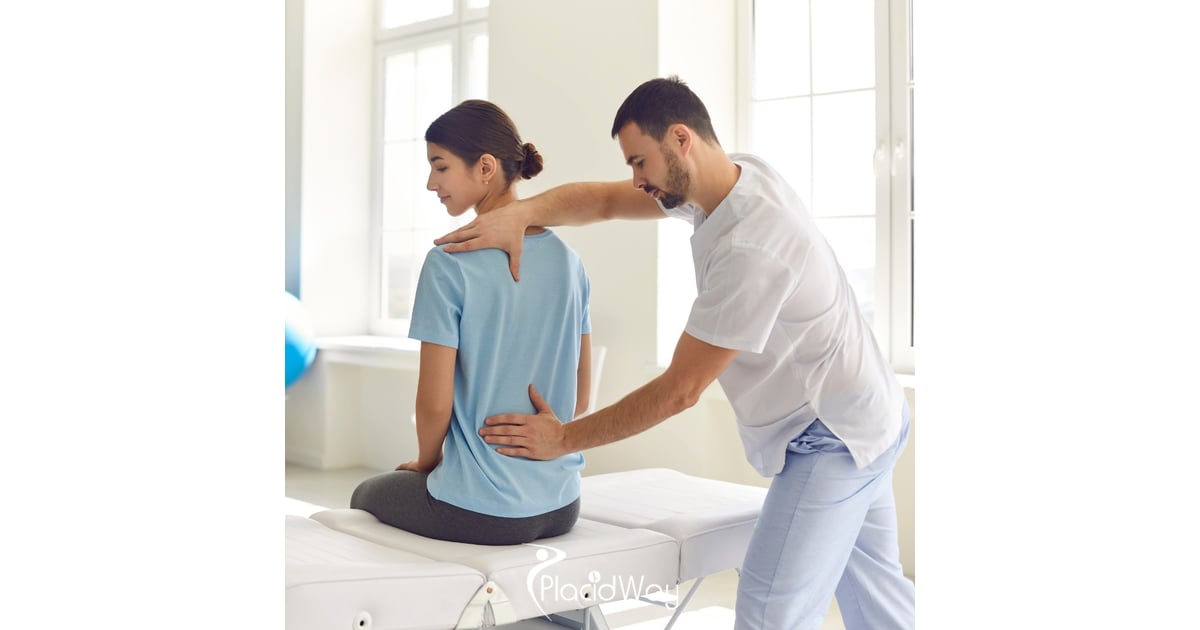
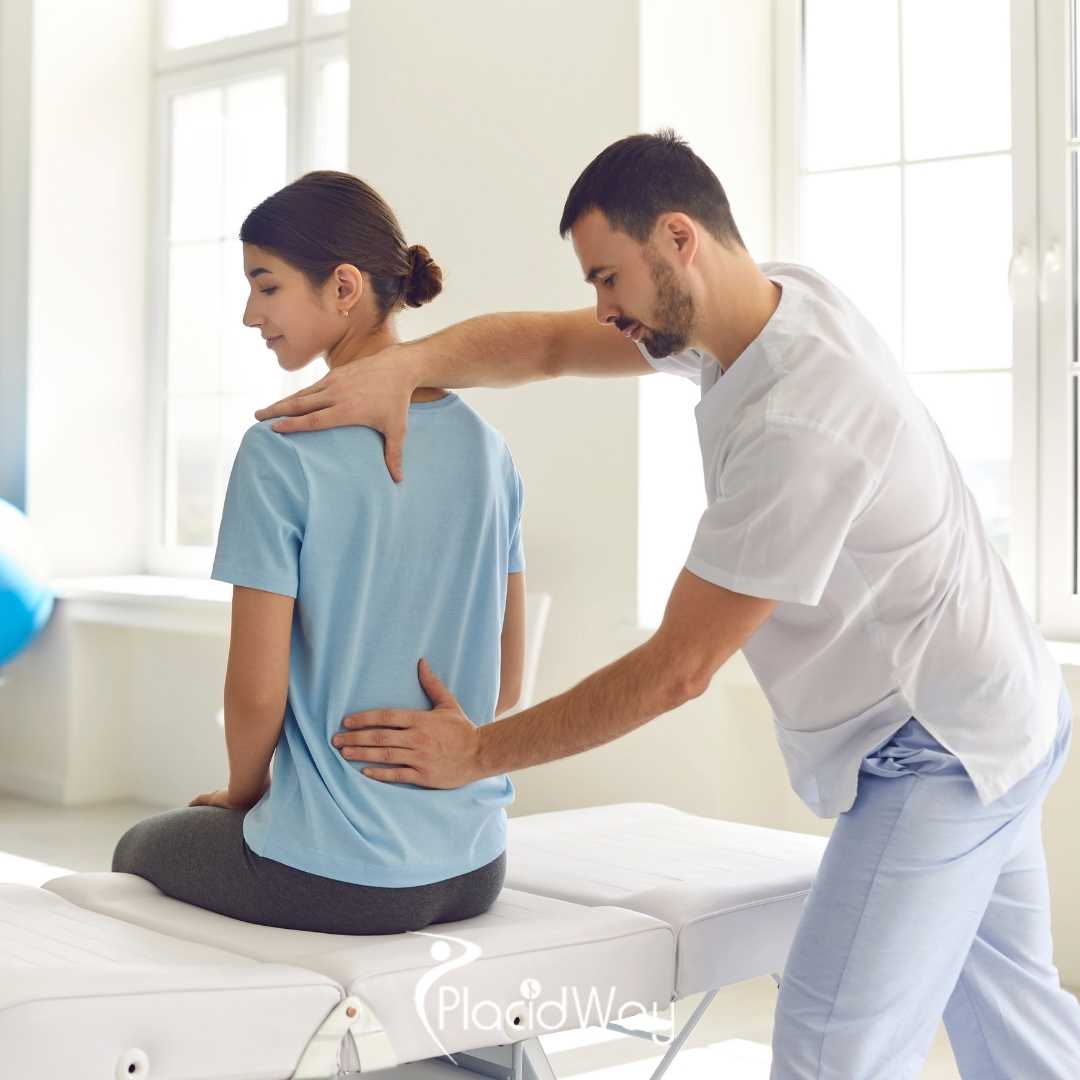
Essential insights into the advanced surgical techniques utilized by top German hospitals.
The field of orthopedics encompasses a wide variety of specific procedures. The most common treatments sought by international patients include:
- Total Joint Arthroplasty (Replacement): Replacing severely degraded knees or hips with highly durable ceramic and titanium implants. Modern techniques focus on osseointegration, where the patient's natural bone grows into the porous surface of the implant for permanent stability.
- Minimally Invasive Spine Surgery (MISS): Utilizing microscopic incisions and tubular retractors to perform discectomies (removing herniated disc material) or laminectomies (creating space in the spinal canal). This spares surrounding muscle tissue, radically reducing post-operative pain.
- Complex Spinal Fusion: Permanently connecting two or more vertebrae using bone grafts and titanium hardware to stop painful motion caused by conditions like severe scoliosis or degenerative disc disease.
Why Choose Germany Over Local Options?
Patients from Kazakhstan often face challenges accessing latest-generation surgical robots (like the Mako SmartRobotics system) or premium, long-lasting implants within domestic hospitals. By choosing orthopedic and spine treatment in Germany for patients from Kazakhstan, individuals gain access to hyper-specialized surgeons who perform hundreds of these specific procedures annually. Furthermore, German clinics integrate intensive physical rehabilitation immediately following surgery, which clinical studies suggest is critical for long-term implant success and functional recovery.
Cost Comparison: Analyze Investment in Mobility
Understanding the financial commitment is paramount for medical travelers. While Germany is not a "budget" destination like some developing nations, it offers exceptionally high value through transparent package pricing, fewer revision surgeries, and premium implant materials. The table below illustrates comparative estimated costs.
Note: Estimates reflect average baseline pricing for 2026. Costs fluctuate based on patient comorbidities, hospital prestige, and length of stay.
What Factors Influence the Cost?
When reviewing quotes for orthopedic and spine treatment in Germany for patients from Kazakhstan, it is vital to understand the pricing structure. The German healthcare system operates on the DRG (Diagnosis-Related Group) system, meaning costs are standardized based on the specific diagnosis and required resources, preventing arbitrary markups.
Typically Included in the Package:
- Comprehensive pre-operative diagnostics (MRI, CT, blood panels).
- Surgeon fees, anesthesiology, and operating room usage.
- The implant or hardware (premium brands like Zimmer Biomet or Stryker).
- Inpatient hospital stay (usually 7-14 days for major surgeries) with meals.
- Immediate post-operative physical therapy while in the hospital.
Typically Excluded:
- Flights from Kazakhstan and medical visa application fees.
- Extended inpatient rehabilitation programs (often booked as an additional 2-3 week package).
- Accommodation for traveling companions.
Step-by-Step Patient in Germany for Ortho and Spine Care
Coordinating complex surgery across international borders requires meticulous planning. The process of accessing orthopedic and spine treatment in Germany for patients from Kazakhstan generally follows a structured, multi-stage timeline designed to prioritize patient safety.
- Digital Consultation and Triage: You begin by submitting your translated medical records and digital imaging (MRI/X-rays in DICOM format) to a German clinic. The medical team reviews your case and provides a preliminary treatment plan and official cost estimate.
- Financial Clearance and Visa Acquisition: Upon accepting the quote, you must transfer the estimated funds to the hospital's secure account. The hospital then issues a formal medical invitation letter, which is mandatory to secure your Schengen Medical Visa from the German embassy in Astana or consulate in Almaty.
- Travel and Arrival: You fly to a major German hub (such as Frankfurt, Munich, or Berlin). Many international patient departments arrange VIP airport transfers directly to the clinic or your pre-surgery hotel.
- In-Person Diagnostics: One to two days before surgery, you undergo comprehensive in-person evaluations. This includes fresh imaging, EKG, blood work, and face-to-face consultations with your chief surgeon and anesthesiologist (facilitated by a Russian or Kazakh interpreter).
- The Surgical Procedure: The operation is performed in a highly sterile, state-of-the-art operating theater. Depending on the complexity, surgery lasts anywhere from 1 to 5 hours.
- Acute Hospital Recovery: Following surgery, you will stay in the hospital for 5 to 14 days. Pain management is prioritized, and physical therapists will have you attempting to sit up or walk within 24 to 48 hours to promote circulation.
- Discharge and Flight Clearance: Once the surgical team confirms your wounds are healing properly and you pass mobility benchmarks, you receive "fit-to-fly" medical clearance and a detailed post-operative protocol to take back to Kazakhstan.
Safety, Quality, and Medical Standards
When traveling abroad for major surgery, the paramount question is: Is it safe? The short answer is yes. Germany boasts one of the most strictly regulated healthcare systems in the world, prioritizing patient outcomes over procedural volume.
Rigorous Accreditation and Protocols
German hospitals must comply with exacting national standards monitored by the German Ministry of Health. Many facilities also hold prestigious international accreditations such as DIN EN ISO and TÜV certifications, alongside specific endorsements from the German Society of Orthopaedics and Trauma (DGOU). These governing bodies enforce strict hygiene protocols, resulting in hospital-acquired infection rates that are significantly lower than global averages.
Advanced Clinical Technology
Safety in modern orthopedics is heavily reliant on technology. German clinics routinely utilize:
- Intraoperative 3D Navigation: Surgeons use real-time computer imaging to place screws and implants with millimeter precision, avoiding vital nerves in the spinal column.
- Robotic-Assisted Arms: In joint replacements, robotic arms restrict the surgeon's tools to a pre-programmed 3D boundary, ensuring the exact removal of diseased bone while preserving healthy tissue.
- Neuromonitoring: During spine surgery, electrodes monitor nerve function in real time. If the surgeon approaches too closely to a critical nerve, the system immediately issues an alert, mitigating the risk of paralysis.
While no surgery is entirely risk-free, this combination of rigorous oversight and technological integration drastically reduces the likelihood of complications such as implant misalignment or neurological deficits.
Recovery and Aftercare Timeline
The success of any musculoskeletal surgery relies heavily on post-operative rehabilitation. Healing is a marathon, not a sprint, and requires active patient participation.
The Phased Healing Process
Recovery unfolds in distinct phases. During the Immediate Phase (Weeks 1-2) in Germany, the focus is on pain control, wound healing, and restoring basic mobility. You will learn how to safely transition from a bed to a chair and use mobility aids like crutches or a walker.
Many patients opt to stay in Germany for the Intermediate Phase (Weeks 3-5) by transferring to an specialized inpatient rehabilitation clinic (Rehaklinik). Here, you receive intensive, multi-disciplinary therapy, including aquatic therapy, targeted strengthening exercises, and lymphatic drainage massages to reduce swelling.
Upon returning home, the Long-Term Maintenance Phase (Months 2-12) begins. You must arrange for continued physical therapy in Kazakhstan. The graft or implant takes several months to fully integrate with your natural bone.
Warning Signs Post-Surgery
Once back in Kazakhstan, you must monitor your body closely. Seek immediate medical attention if you experience:
- Sudden, severe swelling or pain in the calf muscle (potential deep vein thrombosis).
- A fever exceeding 38°C (100.4°F) or chills.
- Redness, excessive heat, or foul-smelling drainage from the surgical incision.
- Sudden numbness or loss of bladder/bowel control (especially after spine surgery).
How to Choose the Right Clinic in Germany?
Not all hospitals are equal, and navigating foreign healthcare networks can be daunting. Use this objective 6-point checklist to evaluate potential medical providers and ensure you select a world-class facility.
- Verify High-Volume Expertise: Ask how many times the lead surgeon performs your specific procedure annually. For joint replacements, you want a surgeon conducting at least 150-200 surgeries per year.
- Check International Patient Support: Ensure the clinic has a dedicated department that guarantees a Russian or Kazakh translator will be present during all critical medical conversations.
- Request Clear Inclusions: Demand an itemized cost estimate. Clarify whether the quote covers potential complications, extended ICU stays, or post-operative rehabilitation.
- Inquire About Implant Brands: Quality matters. Confirm that the hospital uses globally recognized, FDA/CE-approved implants (e.g., DePuy Synthes, Medtronic, Zimmer).
- Evaluate the Rehabilitation Plan: Does the hospital have an integrated rehabilitation center, or will you need to be transported to a different facility?
- Plan for Post-Return Care: Confirm that the German clinic provides translated surgical reports and is willing to conduct follow-up video consultations with your local physician in Kazakhstan.
Red Flags to Avoid
Exercise caution if a clinic demands full cash payment without providing a formal medical contract, refuses to disclose the chief surgeon’s credentials, or promises a "100% guarantee" of a pain-free outcome, as no ethical medical professional makes absolute clinical guarantees.
Understanding the Risks and Contraindications
While the prospect of securing elite orthopedic and spine treatment in Germany for patients from Kazakhstan is highly appealing, medical tourism introduces unique logistical and clinical risks that must be acknowledged and mitigated.
Travel-Induced Clinical Risks
The most substantial risk of cross-border orthopedic surgery is flying too soon after the procedure. Sitting immobilized on a 6-hour flight from Frankfurt to Astana significantly increases the risk of Deep Vein Thrombosis (DVT) or pulmonary embolism. Consequently, patients must strictly adhere to the surgeon’s mandatory waiting period before flying, take prescribed blood thinners, and perform in-flight circulation exercises.
Limitations of Distance
Geographic distance complicates continuity of care. If you develop a late-stage infection or implant loosening six months after returning to Kazakhstan, traveling back to Germany may be medically or financially unfeasible. It is crucial to establish a relationship with a local orthopedic specialist in your home city who agrees to oversee your long-term follow-up care.
Who Should Not Travel for Surgery?
International medical travel is generally contraindicated for patients who:
- Have uncontrolled cardiovascular disease or severe respiratory issues that make long-haul flights life-threatening.
- Suffer from active, systemic infections or severe immunocompromising conditions.
- Lack the financial flexibility to manage unexpected extended stays in Germany if complications arise.
- Do not have a reliable support system at home to assist with daily living tasks during the vulnerable early recovery phase.
5-Step Action Plan for Medical Travel in Germany
If you are prepared to pursue treatment, utilizing a structured approach will minimize anxiety and ensure no crucial details are overlooked. Follow this 5-step framework to begin your medical journey.
- Compile Your Medical Dossier: Gather your most recent MRI or CT scans (no older than 3-6 months) and have your clinical reports officially translated into English or German.
- Engage a Facilitator: Utilize a reputable medical tourism platform like PlacidWay to connect with verified, accredited German hospitals and request multiple comparative quotes.
- Secure Visa and Logistics: Once you select a clinic and pay the deposit, immediately apply for your Schengen Medical Visa, as processing times at the German Embassy in Kazakhstan can take several weeks.
- Arrange Local Aftercare: Before departing Kazakhstan, schedule post-operative physical therapy appointments in your home city to begin immediately upon your return.
- Prepare for Travel: Pack loose, comfortable clothing, organize your mobility aids, and arrange for a companion to travel with you to assist with luggage and hospital navigation.
Take the First Step Toward Pain-Free Mobility
Connect with internationally accredited orthopedic and spine centers in Germany. Review leading surgeon profiles, compare transparent cost estimates, and start planning your customized medical journey today.
Frequently Asked Questions
Reclaim Your Quality of Life
Living with chronic musculoskeletal pain does not have to be a permanent reality. While coordinating healthcare abroad requires effort, the long-term benefits of accessing top-tier European medical expertise far outweigh the logistical hurdles. By choosing orthopedic and spine treatment in Germany for patients from Kazakhstan, you are investing in precision technology, rigorous safety standards, and surgeons dedicated to restoring your optimal mobility.
You deserve care that empowers you to return to the activities you love. Begin researching your options, consult with your local primary care provider, and take proactive steps toward a pain-free future.
Ready to explore your options? Browse verified German medical centers, request an initial cost estimate, and schedule a remote consultation through PlacidWay to start your healing journey today.
The information in this article is for educational purposes only and does not constitute medical advice. Individual results vary based on health status, case complexity, and other factors. Always discuss your specific situation with a licensed healthcare professional before making treatment decisions. PlacidWay connects patients with verified healthcare providers but does not provide medical services directly.
- World Health Organization (WHO): Musculoskeletal Conditions
- Mayo Clinic: Minimally Invasive Spine Surgery
- National Institutes of Health (NIH): Robotics in Orthopedic Surgery
- American Academy of Orthopaedic Surgeons (AAOS): Total Joint Replacement Guidelines
- PlacidWay Medical Tourism: Global Orthopedic Surgery Options














Share this listing