
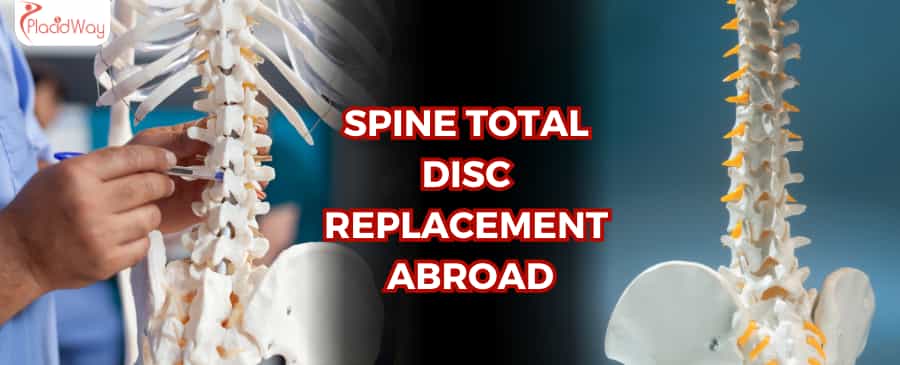
Rediscover Freedom: Your Guide to Spine Total Disc Replacement (TDR)
Living with persistent back or neck pain can feel like carrying an invisible burden, limiting your daily activities, sleep, and overall quality of life. If you've explored various treatments without lasting relief, and a damaged spinal disc is the culprit, you might be wondering about more advanced solutions. Spine Total Disc Replacement (TDR), often referred to as artificial disc replacement, is a modern surgical option designed to alleviate chronic pain by replacing a worn-out or damaged disc with an artificial implant, aiming to restore natural spinal motion.
Unlike spinal fusion, which permanently joins two vertebrae, TDR maintains flexibility and movement, offering a potentially more dynamic recovery and long-term outcome. This procedure is increasingly sought after by patients worldwide, not just for its clinical benefits but also for its growing accessibility and affordability in destinations known for medical tourism. If you're searching for "artificial disc surgery options," "what is TDR spine surgery," or "best places for disc replacement abroad," you're in the right place to understand how this innovative procedure can help you regain comfort, mobility, and the freedom to live life on your terms.
What Are the Telling Symptoms of a Damaged Spinal Disc?
Understanding the symptoms associated with a damaged spinal disc is the first step towards seeking appropriate treatment. Degenerative disc disease or disc herniation can manifest in various ways, often impacting daily life significantly. Patients frequently search for "signs of a bad disc in neck" or "symptoms of herniated disc in lower back."
- Persistent or Chronic Pain: This is the most common symptom, often localized in the neck (cervical spine) or lower back (lumbar spine). The pain can range from a dull ache to sharp, debilitating sensations.
- Radiating Pain (Radiculopathy): If the damaged disc is pressing on a nerve, pain can radiate down the arms, hands, or fingers (from a cervical disc) or down the buttocks, legs, and feet (sciatica, from a lumbar disc). This is a key indicator often leading people to search for "pinched nerve symptoms."
- Numbness or Tingling: Nerve compression can also lead to sensations of pins and needles, numbness, or a reduced sense of touch in the affected limbs.
- Muscle Weakness: Over time, nerve compression can cause muscles supplied by that nerve to weaken, impacting grip strength, ability to lift legs, or even causing foot drop.
- Stiffness and Reduced Flexibility: A damaged disc can lead to a feeling of stiffness in the neck or back, making movements difficult and restricted.
- Pain that Worsens with Activity: Activities like sitting, standing, lifting, or twisting can exacerbate the pain, while lying down may offer temporary relief.
If you experience any of these symptoms, especially if they are persistent and interfere with your daily life, it's crucial to consult a spine specialist. Early diagnosis can lead to more effective treatment options.
Understanding the Root Causes of Disc Degeneration
Spinal discs are the natural shock absorbers between your vertebrae. Over time, they can wear down, leading to pain and dysfunction. Understanding the reasons behind this degeneration helps in prevention and treatment. Many people search for "why do discs degenerate" or "risk factors for back pain."
- Aging: This is the primary cause. As we age, our discs naturally lose water content, becoming less flexible and more prone to tearing or bulging. It's a natural part of the aging process.
- Genetics: Family history can play a significant role. If your parents or close relatives experienced disc problems, you might be predisposed to them as well.
- Injury or Trauma: Accidents, falls, or sudden movements can cause acute disc damage, leading to herniation or acceleration of degeneration.
- Lifestyle Factors:
- Obesity: Excess body weight puts increased stress on the spine, particularly the lumbar discs.
- Smoking: Nicotine can reduce blood flow to the discs, hindering their ability to absorb nutrients and heal, accelerating degeneration.
- Sedentary Lifestyle: Lack of physical activity can weaken core muscles that support the spine, leading to increased strain on discs.
- Repetitive Stress: Certain occupations or activities involving heavy lifting, twisting, or prolonged sitting can contribute to disc wear and tear.
- Poor Posture: Chronic poor posture, especially while sitting or lifting, can unevenly distribute pressure on the discs, causing them to degenerate faster.
While some causes like aging and genetics are unavoidable, modifying lifestyle factors can help slow down the progression of disc degeneration and manage symptoms.
Exploring Total Disc Replacement (TDR): Cervical vs. Lumbar
Total Disc Replacement is a surgical procedure designed to replace a damaged or diseased intervertebral disc with an artificial implant. The goal is to relieve pain while preserving motion in the affected spinal segment, differentiating it significantly from spinal fusion. Patients often search for "cervical disc replacement vs fusion" or "lumbar artificial disc surgery."
There are two main types of TDR, based on the location of the damaged disc:
- Cervical Total Disc Replacement (cTDR): This procedure addresses degenerative disc disease in the neck (cervical spine). When a disc in the neck degenerates, it can cause neck pain, arm pain, numbness, or weakness. cTDR involves removing the damaged disc and inserting an artificial disc, allowing the neck to maintain its natural range of motion. This is often preferred over cervical fusion for active individuals who want to retain neck mobility.
- Lumbar Total Disc Replacement (lTDR): This procedure targets degenerative disc disease in the lower back (lumbar spine). Lumbar disc degeneration can lead to chronic lower back pain, often radiating into the legs (sciatica). lTDR replaces the worn-out disc with a prosthetic disc, aiming to alleviate pain and maintain the spine's flexibility in the lower back, which is crucial for bending and twisting.
How TDR Works:
During the surgery, the surgeon makes an incision (usually from the front of the neck for cTDR or the front of the abdomen for lTDR) to access the damaged disc. The diseased disc material is carefully removed, and the vertebrae above and below are prepared. The artificial disc, typically made of a combination of metal endplates and a plastic core (or all-metal designs), is then inserted into the disc space. The design allows for movement similar to a healthy disc, unlike fusion which eliminates motion.
Am I a Candidate for Total Disc Replacement?
Not everyone with chronic back or neck pain is a suitable candidate for Total Disc Replacement. The selection process is rigorous to ensure the best possible outcomes. Patients often inquire, "who is a candidate for TDR surgery?" or "criteria for artificial disc replacement."
Generally, good candidates for TDR exhibit the following characteristics:
- Chronic, Debilitating Pain: The primary reason for considering TDR is persistent back or neck pain that hasn't responded to conservative treatments (physical therapy, medication, injections) for at least six months.
- Single-Level Disc Disease: TDR is typically performed for degenerative disc disease affecting only one or two levels of the spine. Multi-level degeneration might be better suited for other treatments.
- No Significant Facet Joint Arthritis: The facet joints, which connect the vertebrae, must be relatively healthy. Significant arthritis in these joints can limit the potential benefits of TDR.
- No Spinal Deformity or Instability: Patients with scoliosis, spondylolisthesis (slippage of one vertebra over another), or other spinal deformities are usually not good candidates for TDR.
- No Previous Spinal Surgery at the Same Level: Prior surgery at the same level can complicate TDR and may preclude it.
- Good Overall Health: Candidates should be in good general health, free from active infections, severe osteoporosis, or inflammatory arthritis (like rheumatoid arthritis).
- Realistic Expectations: Patients should understand the potential benefits and risks of the procedure and have realistic expectations about recovery and long-term outcomes.
- Age and Activity Level: While not strict criteria, younger, more active individuals tend to be better candidates as they benefit more from motion preservation.
- Normal Bone Density: Sufficient bone density is necessary for the artificial disc to integrate properly.
A thorough evaluation, including imaging studies (MRI, CT scans) and physical examinations, by a qualified spine surgeon is essential to determine if TDR is the right treatment option for you.
What Does Recovery from Total Disc Replacement Look Like?
Recovery from Total Disc Replacement is a journey that requires patience and adherence to post-operative instructions. Understanding the timeline and expectations helps patients prepare for life after surgery. Common questions include "TDR recovery timeline" or "how long after disc replacement can I lift."
- Immediate Post-Operative Period (Hospital Stay):
- Typically 1-3 days in the hospital.
- Pain management is a priority, usually with oral medications.
- Early mobilization is encouraged, often walking short distances within hours of surgery. This helps prevent complications like blood clots.
- First Few Weeks at Home (Weeks 1-6):
- You'll experience some pain and soreness, which will gradually decrease.
- Restrictions on lifting (usually no more than 5-10 lbs), bending, and twisting are common, especially for lumbar TDR.
- Physical therapy often begins during this phase, focusing on gentle range-of-motion exercises, core strengthening, and proper body mechanics.
- Most patients can resume light daily activities and desk work.
- Intermediate Recovery (Months 2-6):
- Physical therapy becomes more intensive, aiming to restore strength, flexibility, and endurance.
- Gradual return to more strenuous activities, with careful guidance from your surgeon and therapist.
- Many patients can return to work, drive, and engage in moderate recreational activities, avoiding high-impact sports initially.
- Long-Term Recovery (6 months onwards):
- Full recovery can take up to a year or even longer for some individuals.
- Continued adherence to exercise programs and spine-sparing habits is crucial for long-term success.
- Most patients experience significant pain relief and improved quality of life, often returning to an active lifestyle.
Each individual's recovery path is unique, depending on factors like age, overall health, and commitment to rehabilitation. Regular follow-ups with your surgeon are vital to monitor progress.
Understanding the Risks and Potential Side Effects of TDR
Like any surgical procedure, Total Disc Replacement carries potential risks and side effects. While generally safe and effective, it's important for patients to be fully informed. Common concerns include "what are the risks of artificial disc replacement" or "complications of TDR surgery."
General Surgical Risks:
- Infection: Though rare, surgical site infections can occur and may require antibiotics or further surgery.
- Bleeding: Excessive bleeding during or after surgery.
- Anesthesia Complications: Risks associated with general anesthesia, such as adverse reactions or respiratory issues.
- Blood Clots: Deep vein thrombosis (DVT) in the legs, which can potentially travel to the lungs (pulmonary embolism).
- Nerve Damage: While the goal is to relieve nerve compression, there's a small risk of nerve injury during surgery, leading to new pain, numbness, or weakness.
Specific TDR Risks:
- Artificial Disc Migration or Displacement: The implant could shift from its intended position, potentially requiring revision surgery.
- Implant Failure: The artificial disc itself could wear out, loosen, or break over time, leading to pain and potentially requiring removal or replacement.
- Continued Pain or New Pain: Despite successful surgery, some patients may still experience pain or develop new pain due to other spinal issues or nerve irritation.
- Heterotopic Ossification: Abnormal bone growth around the artificial disc, which can limit movement and sometimes cause pain.
- Adjacent Segment Disease: While TDR aims to prevent this, the discs above or below the implanted disc might still degenerate faster due to increased stress.
- Stiffness: Though TDR is designed to preserve motion, some patients may experience stiffness in the operated segment.
- Vascular Injury: For lumbar TDR (anterior approach), there's a small risk of injury to the major blood vessels near the spine. For cervical TDR, injury to the esophagus or trachea is a rare risk.
- Hoarseness/Difficulty Swallowing (Cervical TDR): Temporary or, rarely, permanent nerve damage to vocal cords.
Your surgeon will discuss these risks in detail and take precautions to minimize them. Choosing an experienced surgeon and facility significantly reduces the likelihood of complications.
Worldwide Cost Comparison for Total Disc Replacement
The cost of Total Disc Replacement can vary dramatically depending on the country, the healthcare system, the surgeon's fees, the type of implant used, and the length of hospital stay. For many, the high cost in their home country, particularly in places like the United States, drives them to seek treatment abroad, leading to searches like "disc replacement cost USA vs Mexico" or "affordable artificial disc surgery."
Here's a general comparison of TDR costs, highlighting why medical tourism is an attractive option:
| Country | Estimated Cost (USD) | Notes |
|---|---|---|
| United States | $50,000 - $100,000+ | Often includes facility fees, surgeon fees, anesthesia, implant, and follow-up. Highly variable. |
| United Kingdom | $35,000 - $60,000 | Private healthcare costs. NHS may have long wait times. |
| Mexico | $15,000 - $25,000 | Excellent value, high-quality facilities, close proximity for North Americans. |
| Turkey | $12,000 - $22,000 | Growing medical tourism hub, modern hospitals, experienced surgeons. |
| India | $10,000 - $20,000 | Highly competitive pricing, world-class hospitals, English-speaking staff. |
| South Korea | $20,000 - $35,000 | Advanced technology, high standards, popular for Asian patients. |
| Germany | $25,000 - $40,000 | Renowned for medical expertise and advanced techniques. |
*Please note these are approximate costs and can vary based on individual case complexity, specific clinic, and inclusion of pre/post-op care, accommodation, and travel. It's crucial to get a personalized quote.
The substantial difference in cost often makes traveling abroad a financially viable, and often preferable, option for many patients seeking TDR.
Why Consider Total Disc Replacement Abroad?
For many patients, especially those facing high costs or long wait times in their home countries, considering Total Disc Replacement abroad offers compelling advantages. Searches like "medical tourism for back surgery" or "benefits of getting surgery overseas" reflect this interest.
- Significant Cost Savings: As seen in the cost comparison, TDR can be 50-80% cheaper in popular medical tourism destinations compared to Western countries, even when factoring in travel and accommodation. This makes life-changing surgery accessible to a wider population.
- Access to Specialized Surgeons and Advanced Facilities: Many international hospitals boast state-of-the-art technology and highly experienced surgeons, often trained in the West, who perform TDR procedures routinely. These facilities are often designed with international patient needs in mind.
- Reduced Wait Times: In countries with universal healthcare systems, waiting lists for elective surgeries can be extensive. Traveling abroad can mean receiving timely treatment, preventing further pain and degeneration.
- High Standards of Care and Quality: Leading medical tourism clinics are often internationally accredited (e.g., JCI) and adhere to stringent quality and safety protocols to attract global patients.
- Personalized Patient Experience: Many clinics catering to medical tourists offer comprehensive packages that include airport transfers, accommodation assistance, dedicated patient coordinators, and interpreters, making the experience smoother and less stressful.
- Combination of Treatment and Travel: For some, the opportunity to recover in a new environment, potentially combining a relaxing stay with their medical journey, adds to the appeal.
Choosing to undergo TDR abroad is a major decision, but for the right candidate, it can offer an unparalleled combination of affordability, quality, and efficiency.
Which Countries Offer the Best Value for Spinal Disc Replacement?
When searching for "best country for artificial disc replacement" or "top spine surgery abroad destinations," several countries consistently stand out for their combination of quality, affordability, and patient-centric services. These nations have invested heavily in their healthcare infrastructure and medical tourism sectors.
- Mexico: A prime destination for North American patients due to its geographical proximity. Mexican hospitals, particularly in cities like Tijuana, Cancun, and Guadalajara, offer advanced spine care with internationally trained surgeons at a fraction of US costs.
- Turkey: Located at the crossroads of Europe and Asia, Turkey has emerged as a major medical tourism hub. Istanbul and Ankara feature numerous JCI-accredited hospitals providing excellent TDR procedures, often bundled with attractive accommodation and travel packages.
- India: Renowned for its highly skilled medical professionals and world-class hospitals. Indian facilities offer some of the most competitive pricing for TDR without compromising on quality, attracting patients globally. English is widely spoken in medical settings.
- South Korea: Known for its technological advancements and efficiency in healthcare. While slightly more expensive than India or Turkey, South Korea offers cutting-edge techniques and exceptional service, particularly appealing to patients from East Asia and Australia.
- Germany: Often chosen by patients from Europe and beyond seeking traditional European medical excellence. German spine surgeons are highly regarded, and their clinics offer sophisticated care, though at a higher price point than other medical tourism hot spots.
- Thailand: A long-standing leader in medical tourism, Thailand provides high-quality care in luxurious hospital settings. While not always the cheapest, the overall experience and patient care are exceptional, often combining recovery with a vacation.
Each country offers unique advantages. It's essential to research specific clinics and surgeons within these countries to find the best fit for your individual needs and preferences.
What to Expect When Traveling Abroad for Your Disc Replacement Surgery
Embarking on a medical journey abroad for Total Disc Replacement can seem daunting, but with proper planning, it can be a smooth and successful experience. Patients often ask, "how to plan for surgery overseas" or "travel tips for spine surgery."
Before You Travel:
- Thorough Research: Identify reputable clinics and surgeons, read patient reviews, and verify accreditations. A medical tourism facilitator like PlacidWay can greatly assist in this.
- Initial Consultations: Many international clinics offer virtual consultations to review your medical records (MRI/CT scans, doctor's notes) and determine your eligibility for TDR.
- Get a Detailed Quote: Ensure the quote includes all costs: surgery, anesthesia, implant, hospital stay, pre-operative tests, post-operative care, and follow-up appointments. Clarify what's excluded (e.g., flights, accommodation, local transport).
- Travel Arrangements: Book flights and accommodation. Consider booking a longer stay to allow for adequate pre-op consultations and post-op recovery. Many clinics offer assistance with these logistics.
- Passport & Visa: Ensure your passport is valid, and check visa requirements for your chosen destination.
- Medical Records: Compile all relevant medical records (in English, if possible) to bring with you.
- Communication: Establish communication channels with the clinic and any facilitator. Confirm if interpreters will be available.
During Your Stay:
- Pre-operative Tests: Upon arrival, you'll undergo in-person consultations, physical exams, and potentially repeat imaging to confirm the diagnosis and plan the surgery.
- Surgery & Hospital Stay: The procedure itself and your initial recovery will take place in the hospital, typically 1-3 days.
- Post-operative Recovery Abroad: You'll likely need to stay in the country for 1-2 weeks post-discharge for follow-up appointments, wound care, and initial physical therapy. This period is crucial for monitoring progress and addressing any immediate concerns.
- Accommodation: Plan for comfortable, easily accessible accommodation during your recovery phase.
After You Return Home:
- Follow-up Care: Arrange for follow-up care with your local physician or physical therapist, ensuring they have communication from your international surgeon.
- Rehabilitation: Continue your physical therapy regimen diligently for long-term success.
A well-organized approach ensures a smoother and more reassuring experience throughout your medical journey.
How to Ensure Safety and Quality for Spinal Surgery Abroad
Patient safety and the quality of care are paramount, especially when traveling for a complex procedure like Total Disc Replacement. It's natural to have concerns, leading to questions like "safe medical tourism for back surgery" or "how to choose a good spine surgeon abroad."
- Check for International Accreditations: Look for hospitals accredited by recognized international bodies such as the Joint Commission International (JCI). JCI accreditation signifies adherence to global standards for patient safety and quality of care. Other accreditations like ISO also indicate quality management.
- Verify Surgeon Credentials and Experience:
- Board Certification: Ensure your surgeon is board-certified in spinal surgery or neurosurgery.
- Experience with TDR: Inquire about their specific experience with Total Disc Replacement, including the number of procedures performed annually and their success rates.
- International Training: Many leading international surgeons have received training or fellowships in Western countries, indicating high standards.
- Facility Standards: Research the hospital's infrastructure. Does it have modern operating rooms, advanced diagnostic imaging (MRI, CT), and a dedicated intensive care unit (ICU)? Cleanliness and hygiene protocols are also critical.
- Read Patient Reviews and Testimonials: While not the sole factor, real patient experiences can offer valuable insights into the quality of care, surgeon demeanor, and overall patient satisfaction. Look for balanced reviews.
- Utilize Reputable Medical Tourism Facilitators: Companies like PlacidWay specialize in connecting patients with accredited international providers. They vet clinics, assist with logistics, and advocate for patient safety, simplifying the process and reducing risk.
- Clear Communication: Ensure there are clear channels for communication with the medical team before, during, and after your surgery. Language barriers should be addressed with professional interpreters.
- Post-operative Care Plan: Discuss the detailed post-operative care plan, including physical therapy, medication, and follow-up protocols, both during your stay and upon your return home.
By diligently researching and asking the right questions, you can significantly enhance your safety and ensure a high-quality outcome for your Total Disc Replacement abroad.
Real Patient Success Stories: Life After Total Disc Replacement Abroad
The true measure of a medical procedure's success lies in the improved lives of patients. Many individuals who have undergone Total Disc Replacement abroad share inspiring stories of renewed vitality and freedom from chronic pain, leading others to search for "TDR success stories" or "life after artificial disc replacement."
Imagine being able to:
- Return to beloved hobbies: Patients often describe resuming activities they once enjoyed, like gardening, playing golf, swimming, or even dancing, which were previously impossible due to pain and stiffness.
- Travel and explore again: The ability to sit comfortably for extended periods without excruciating pain makes traveling (whether for leisure or work) enjoyable again.
- Engage fully with family: Playing with grandchildren, lifting a child, or simply participating in family outings without constant discomfort significantly improves family life.
- Work without limitations: Many return to their professions with greater comfort and productivity, especially those with physically demanding jobs or requiring prolonged sitting.
- Experience restful sleep: Chronic pain often disrupts sleep. TDR can bring relief, allowing for deeper, more restorative rest, which profoundly impacts overall well-being and energy levels.
- Reduce reliance on pain medication: A significant number of patients report a substantial reduction, or even complete elimination, of their need for strong pain medications post-surgery.
- Improved mood and mental health: Living with chronic pain takes a toll on mental health. Relief from pain often leads to a brighter outlook, reduced anxiety, and a better quality of life.
These stories highlight that TDR isn't just about pain relief; it's about reclaiming a life that was limited by spinal issues. Patients frequently express immense gratitude for the opportunity to receive high-quality, affordable care abroad, transforming their health and future prospects. While individual results vary, the overarching theme is a return to a more active, pain-free, and fulfilling life.
Take the Next Step with PlacidWay
Ready to explore treatment options abroad? Discover top clinics, compare prices, and get a free quote tailored to your needs with PlacidWay.
Affordable Spine Surgery | Best Spine Surgery Abroad





.jpg)

.png)



.png)
.png)
.png)
.png)












Share this listing