


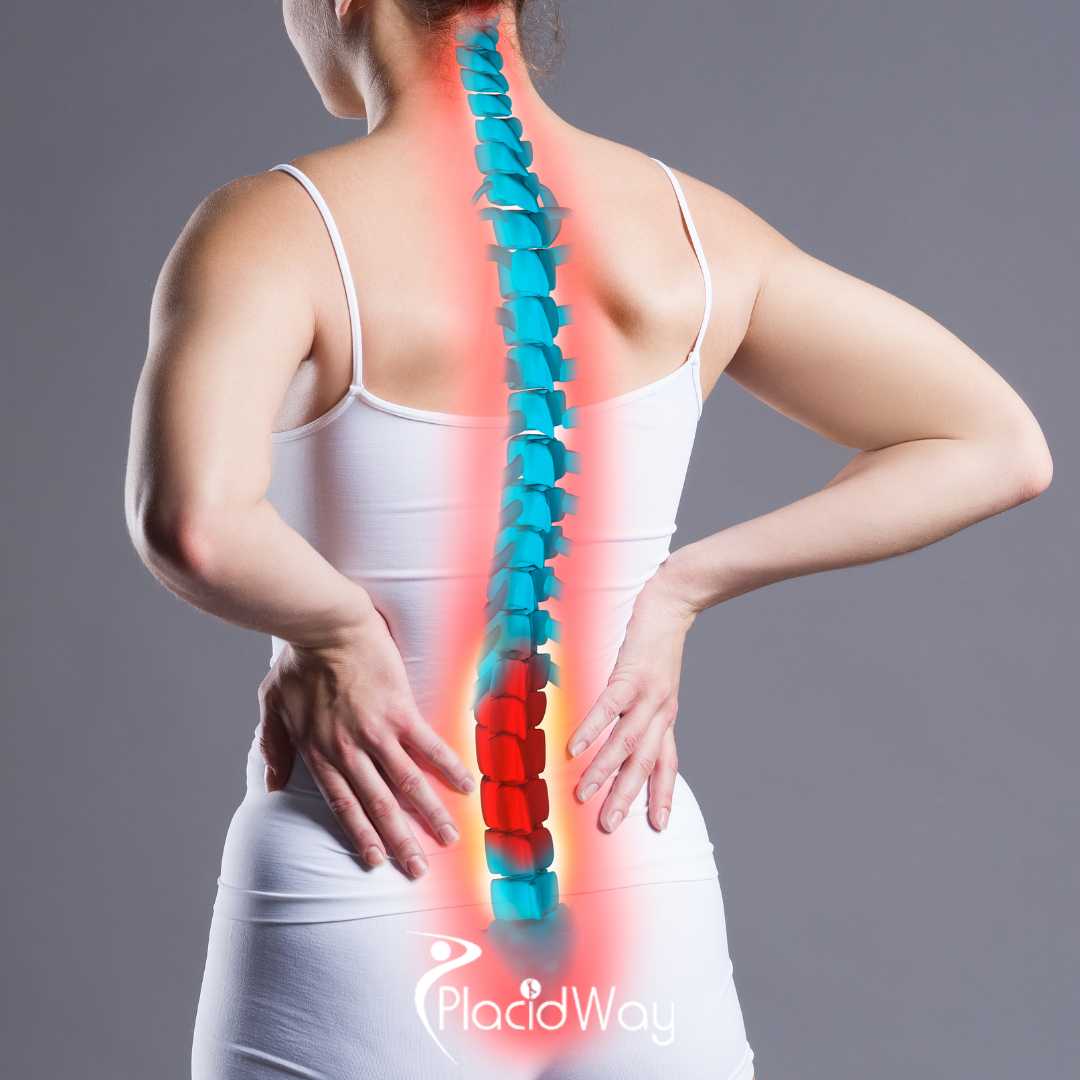
Athletic performance pushes the human body to its absolute physical limits, often placing immense stress on the core foundation of all movement: the lower back. As highlighted in the video at [00:00], many athletes face severe physical challenges that threaten their careers. For many sports professionals, experiencing severe lumbar spine injuries in athletes is a harsh reality that can quickly derail an entire season or permanently end a career.
Today, ignoring persistent back pain is no longer a viable option if you want to maintain your competitive edge. Specialized clinics like CICOVE are revolutionizing how we diagnose, manage, and treat sports-related spine conditions globally. Watch to discover how identifying early warning signs and seeking expert medical intervention can protect your health and keep you performing at the highest possible level.
Video Chapters & Quick Navigation
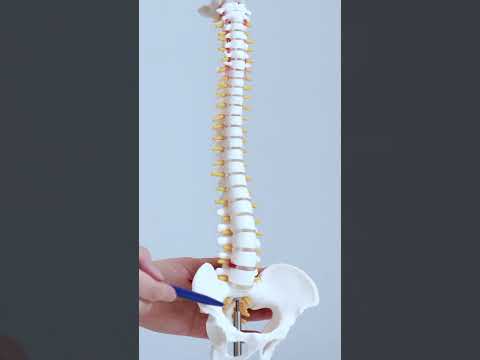
The Anatomy of the Athlete's Lumbar Spine
The foundation of all athletic movement originates from the body's core structure. At the center of this biomechanical powerhouse lies the lumbar spine, a complex network of bones, nerves, and connective tissues. For elite athletes, maintaining the structural integrity of this specific anatomical region is absolutely paramount for career longevity.
The lumbar spine consists of five massive vertebrae, medically labeled as L1 through L5. These specific bones are evolutionarily designed to absorb incredible amounts of axial loading and distribute kinetic forces during dynamic sports movements. Between each vertebral segment sits an intervertebral disc, acting as a critical, gel-like shock absorber during running, jumping, and heavy lifting.
Furthermore, the facet joints link these vertebrae together, providing flexibility and allowing athletes to twist and bend. When these structures are perfectly aligned, the body functions like a well-oiled machine. However, the extreme physical demands of professional sports often push these anatomical limits, leading to severe structural degradation over time.
High-Risk Sports for Lower Back Pain in Athletes
Every sport places highly unique biomechanical demands on the human body. Understanding the specific physical stresses associated with different athletic disciplines is crucial for preventing devastating injuries. Certain activities inherently carry a much higher risk of causing chronic lower back pain in athletes.
Weightlifting and Heavy Resistance Training
Powerlifting, Olympic weightlifting, and intense bodybuilding routines place extreme axial compression directly onto the lumbar spine. When an athlete performs a heavy deadlift or back squat, the compressive force on the intervertebral discs can exceed several times their own body weight. If the athlete's pelvic tilt is not perfectly neutral during the lift, this massive load is distributed unevenly, drastically increasing the risk of disc herniation.
Contact Sports: Football, Rugby, and Hockey
Sudden, violent impacts are the defining characteristic of high-level contact sports. As seen in the video at [00:08], abrupt movements and collisions in sports can easily generate severe lesions in the lumbar spine. These blunt force traumas can lead to acute fractures, severe muscle contusions, and traumatic ligament sprains that require immediate medical attention.
High-Torque and Rotational Sports: Golf and Tennis
Sports that require explosive rotational torque are notoriously difficult on the lower back. A professional golf swing or a high-velocity tennis serve forces the lumbar spine to rapidly twist while simultaneously bearing weight. This asymmetric loading causes rapid wear and tear on the facet joints, often leading to painful facet joint hypertrophy and chronic inflammation.
Hyperextension Sports: Gymnastics and Swimming
Gymnasts and competitive swimmers frequently force their bodies into extreme states of hyperextension. Repeatedly bending backward places an unnatural amount of stress on the posterior elements of the spine. Over time, this repetitive hyperextension can cause stress fractures in the pars interarticularis, a condition widely known as spondylolysis.
Common Diagnoses for Athletic Lumbar Spine Injuries
When an athlete complains of debilitating back pain, sports medicine professionals must look beyond simple muscle soreness. Diagnosing the exact nature of the structural failure is the critical first step toward implementing an effective treatment protocol. There are several high-frequency diagnoses seen in sports medicine clinics.
Herniated Discs and Radiculopathy
A herniated nucleus pulposus occurs when the soft, jelly-like center of an intervertebral disc pushes through a tear in its tough exterior ring. This extrusion often presses directly against the delicate spinal nerves, causing excruciating pain. Athletes with this condition frequently experience sciatica, which manifests as a sharp, electrical pain shooting down the back of the leg.
Spondylolysis and Spondylolisthesis
Spondylolysis is a stress fracture that occurs in one of the bony bridges connecting the upper and lower facet joints. If this fracture occurs on both sides of the vertebra, the bone can slip forward over the one below it, leading to a dangerous condition called spondylolisthesis. This slippage creates severe instability in the spine, making explosive athletic movements nearly impossible.
Lumbar Muscle Strains and Ligament Sprains
While not as structurally devastating as a bone fracture, severe muscle strains can completely incapacitate an athlete. A strain occurs when the paraspinal muscles are stretched beyond their absolute limits, causing microscopic tears in the muscle fibers. The body responds to this trauma with intense muscle spasms, which lock the spine in place as a protective defense mechanism.
The Biomechanics of Spinal Trauma: Repetitive Stress and Misalignment
Acute injuries from sudden trauma are easily identifiable, but the vast majority of athletic spine injuries develop slowly over time. The video explicitly mentions at [00:12] that repetitive loading, misaligned movements, or a lack of proper technique act as the primary triggers for these injuries. This concept is clinically referred to as cumulative microtrauma.
Every time an athlete performs a movement with flawed biomechanics, tiny, almost imperceptible amounts of damage occur in the spinal tissues. Because athletes train for hours every single day, the body never gets a chance to fully heal these micro-tears. Eventually, the structural integrity of the tissue fails completely, resulting in a sudden, catastrophic injury during a seemingly routine athletic movement.
Proper coaching and biomechanical analysis are absolutely vital for injury prevention. Sports professionals must prioritize perfect technique over simply lifting heavier weights or pushing through fatigue. Correcting pelvic alignment, maintaining neutral spine posture, and ensuring balanced muscle engagement can successfully mitigate the devastating effects of repetitive stress injuries in sports.
Recognizing the Early Warning Signs of Spinal Damage
A major cultural problem in competitive sports is the deeply ingrained mindset that athletes must constantly "play through the pain." However, as noted in the video at [00:18], if you feel persistent discomfort, it is time to seek specialized help to maintain your physical performance. Differentiating between normal delayed onset muscle soreness (DOMS) and serious spinal pathology is critical for an athlete's longevity.
| Normal Muscle Soreness | Severe Spinal Injury Symptoms |
|---|---|
| Dull, aching pain that fades within 48 to 72 hours of rest. | Sharp, electrical pain that shoots down the legs or buttocks. |
| Stiffness that improves rapidly after light stretching and warm-up. | Numbness, tingling, or an unexpected loss of muscle strength in the feet. |
| Localized tenderness strictly in the muscle belly, not directly on the bones. | Loss of bowel or bladder control (Requires immediate emergency surgery). |
Ignoring these severe neurological warning signs can lead to permanent nerve damage. Athletes who mask these symptoms with strong anti-inflammatory medications or corticosteroid injections are playing a very dangerous game. Early intervention is the only proven method to ensure a full return to high-level athletic competition without permanent deficits.
Modern Diagnostic Protocols and Free Online Pre-Diagnosis Tools
Modern sports medicine relies heavily on rapid, highly accurate diagnostic imaging to chart the best course of action. Standard X-rays are typically used first to rule out obvious bone fractures or severe alignment issues. However, diagnosing soft tissue injuries like herniated discs or torn ligaments requires the incredible detail provided by an MRI (Magnetic Resonance Imaging) scan.
Digital health technology is also rapidly changing how athletes access specialized medical care. As urged in the video at [00:27], athletes should never ignore their body's signals and can now obtain a free pre-diagnosis test online. This initial triage allows medical professionals to evaluate the severity of the symptoms remotely before the athlete even books a flight or schedules an in-person consultation.
A comprehensive free spine pre-diagnosis test online acts as a crucial first step in the medical tourism journey. It helps specialized clinics like CICOVE determine if the athlete is a candidate for conservative therapy, or if minimally invasive surgical intervention is urgently required. This streamlined process saves athletes valuable time and significant financial resources during their recovery journey.
Minimally Invasive Spine Treatment Options for Sports Professionals
When rest and basic physical therapy fail to resolve the pain, athletes must carefully explore advanced medical treatments. The goal of any sports medicine intervention is to heal the injury while minimizing downtime and preserving the natural biomechanics of the body. Treatment options generally fall into two distinct categories: conservative regenerative therapies and surgical interventions.
Conservative and Regenerative Medicine
Before considering the operating room, elite orthopedic specialists will exhaust all conservative pain management strategies. Epidural steroid injections can temporarily reduce severe nerve root inflammation, allowing the athlete to participate in intense physical therapy. Additionally, cutting-edge regenerative treatments like Platelet-Rich Plasma (PRP) and stem cell therapy are becoming increasingly popular for naturally accelerating the healing of torn spinal ligaments and degraded discs.
Endoscopic and Minimally Invasive Spine Surgery (MISS)
If conservative treatments fail, minimally invasive lumbar surgery for sports professionals becomes the best viable option. Unlike traditional open back surgery, which requires severing major back muscles, MISS uses tiny incisions and specialized tubular retractors to gently push muscles aside. Surgeons use high-definition micro-cameras to carefully remove the herniated disc material that is pressing on the nerve.
The benefits of minimally invasive spine surgery for athletes are truly profound. Because the core muscles are spared from being surgically cut, the postoperative recovery time is drastically reduced. Athletes experience far less scar tissue formation, retain their full range of motion, and can begin their targeted physical rehabilitation programs within days of the procedure.
Advanced Rehabilitation and Maintaining Peak Athletic Performance
A successful surgery or injection is only the halfway point of an athlete's complete recovery journey. As stated beautifully in the video at [00:35], your overall well-being is vital for your game. Engaging in a highly structured, sport-specific physical therapy program is non-negotiable for anyone looking to return to professional competition safely.
- Phase 1: Pain Reduction and Mobility: The initial weeks focus heavily on reducing surgical inflammation, gentle stretching, and restoring basic pelvic mobility through aquatic therapy.
- Phase 2: Core Stabilization: Athletes must re-learn how to brace their spine using their deep abdominal muscles, often utilizing techniques like the McGill Big 3 exercises.
- Phase 3: Sport-Specific Biomechanics: The final phase involves explosive plyometrics, rotational drills, and heavily loaded movements that perfectly mimic the specific demands of their chosen sport.
Beyond physical training, systemic nutritional support plays an incredibly vital role in spinal recovery. Discs require immense hydration to maintain their shock-absorbing properties, while bones need optimal levels of Calcium and Vitamin D. A strict anti-inflammatory diet rich in Omega-3 fatty acids helps minimize postoperative swelling and accelerates deep tissue healing.
Seeking Expert Care from Specialized International Spine Clinics
Navigating the complex world of specialized orthopedic healthcare can be incredibly daunting for an injured athlete. Long wait times for MRI scans and heavily restricted access to top-tier spine surgeons often stall recovery efforts locally. This frustrating reality has driven a massive surge in sports-focused medical tourism.
At [00:38], the video invites patients to directly consult with their expert doctors. Clinics like the Centro Internacional de Columna Vertebral (CICOVE) offer immediate access to world-renowned spinal experts without the bureaucratic delays found in traditional healthcare systems. These specialized lumbar spine clinics in Mexico are equipped with state-of-the-art surgical technology that rivals the best hospitals in the United States and Europe.
By partnering with established medical tourism facilitators like PlacidWay, athletes can confidently arrange their entire treatment journey. From organizing the initial telemedicine consultations to coordinating VIP hospital transfers and luxurious recovery accommodations, every single detail is meticulously managed. This concierge level of care allows the athlete to focus entirely on what truly matters: healing their spine and getting back to the sport they love.
Ready to Reclaim Your Athletic Performance?
Don't let chronic lumbar spine injuries permanently sideline your career. PlacidWay Medical Tourism connects professional athletes and active individuals with elite, specialized spine centers like CICOVE. Let us help you find the absolute best treatment options globally.
REQUEST FREE INFORMATION





.png)










Share this listing