


The Hidden Burden of Orthopedic Surgery in Mexico
Living with chronic hip or back pain is a quiet, exhausting tax on the human spirit. For many, the daily reality is a specialized vocabulary of discomfort: "bone-on-bone" friction, radiating sciatica, and the agonizing calculation of whether a trip to the grocery store is worth the subsequent inflammation. In the United States and Canada, patients often find themselves trapped between two equally daunting walls exorbitant domestic costs or years-long waiting lists.
However, a shift in the global healthcare landscape is offering a third way. South of the border, a sophisticated medical infrastructure has emerged, specializing in rapid-recovery orthopedics. It is a world where "waiting" is replaced by "walking," and where the quality of care often matches or exceeds that of the most prestigious North American institutions for orthopedic surgery in Mexico.
The international medical travel sector has seen a consistent double-digit growth rate over the last decade, largely driven by orthopedic and cardiac patients seeking accessible alternatives without compromising on safety standards.
The Biomechanical Domino Effect and Joint Replacement in Mexico
One of the most profound insights from modern orthopedics is that a localized injury is rarely a localized problem. The human body is a masterpiece of compensation; when one part fails, the rest of the architecture shifts to carry the load. This is often referred to as the "biomechanical domino effect," a vital consideration for those exploring joint replacement in Mexico.
This happens because chronic misalignment causes "edge-loading," where pressure is concentrated on a small area of cartilage, eventually shearing it away and leaving sensitive nerve endings exposed. Ignoring a minor ache or a localized trauma today can lead to a major surgical necessity in a completely different joint tomorrow.
Testimonial: Aaron's Journey
Aaron, a 70-year-old patient, suffered a traumatic ankle fracture in 1996. For over a decade, he navigated his life by shifting his weight to protect that injured ankle. This compensatory walking pattern led to a slow-motion disaster in his healthy limb: the continuous daily overload caused accelerated wear on his opposite hip. By 2008, his biomechanical collapse meant he urgently required a total hip replacement to regain his mobility.
Never ignore compensatory limping. If you find yourself constantly shifting your weight to avoid pain in one leg or joint, consult an orthopedic specialist immediately to prevent secondary joint degradation.
The 72-Hour Mobilization Rule for Spinal Surgery in Mexico
A common misconception is that major joint or spine surgery requires weeks of bed rest. In reality, the "bedridden era" of surgery is over. Modern protocols emphasize the "72-hour mobilization rule," which has become a gold standard for advanced spinal surgery in Mexico.
Patients are often encouraged to stand and begin walking with therapeutic assistance within three to four days of a total hip or spine procedure. This rapid movement is a biological necessity; early weight-bearing stimulates the natural bone-growth process required to lock implants into the skeleton and prevents dangerous complications like deep vein thrombosis (DVT).
Testimonial: Lilia Reyes Marin
"I was surprised that the goal wasn't rest, but movement. The doctors explained that moving quickly prevents the formation of dense scar tissue that can permanently restrict your range of motion. Walking by Friday after a Tuesday surgery felt like a miracle, but it was actually just good science. For me, the turnaround was incredibly fast. I was able to get up the very same day of my spine surgery."
Early mobilization protocols not only improve physical recovery but have been clinically shown to significantly reduce post-operative depression and anxiety by restoring a patient's sense of independence sooner.
Affordable Orthopedic Surgery Cost in Mexico
Understanding the financial landscape is a critical step for anyone considering medical travel. For decades, the rising expenses of healthcare in the US and Canada have forced patients to seek alternative, high-quality options. The affordable orthopedic surgery cost in Mexico provides a viable, transparent solution without compromising on clinical standards.
Patients evaluating medical tourism in Mexico often find that the comprehensive packages cover surgical fees, anesthesia, and premium hardware. Below is a detailed cost comparison illustrating the realistic market ranges for standard orthopedic interventions compared to North American averages.
| Procedure Name | Average Cost in Mexico | Average Cost in US/Canada |
|---|---|---|
| Total Hip Replacement | $12,000 - $15,500 | $35,000 - $45,000 |
| Total Knee Replacement | $11,500 - $14,000 | $30,000 - $40,000 |
| Spinal Fusion (1 Level) | $14,000 - $18,000 | $80,000 - $110,000 |
| Arthroscopic Knee Surgery | $4,500 - $6,000 | $10,000 - $15,000 |
| Cervical Disc Replacement | $13,500 - $16,500 | $40,000 - $60,000 |
International patients generally experience cost savings between 50% to 70% on major orthopedic interventions when traveling south of the border, even after accounting for travel expenses.
High-Quality Implants for Joint Surgery in Mexico
The artificial joints being implanted today are less like simple spare parts and more like aerospace-grade engineering. For the medical travel strategist, the real headline is the longevity of these materials when securing joint surgery in Mexico.
Modern implants are designed to last 20 to 30 years, effectively making them a "one-and-done" procedure for most seniors and eliminating the fear of a painful revision surgery later in life. These advanced components are standard in top-tier facilities.
- Biolox Delta Ceramics: Used for the femoral head, these ceramics offer extreme hardness and scratch resistance, providing a nearly frictionless surface.
- Porous Titanium Alloys: These allow for "bone ingrowth," where the patient’s own skeletal tissue grows into the metal, creating a permanent, biological bond.
- Highly Cross-Linked Polyethylene: A dense synthetic liner that acts as artificial cartilage, designed to withstand millions of steps without creating microscopic wear debris.
The highly cross-linked polyethylene used in modern hip replacements is subjected to intense radiation during manufacturing to bond its molecules together, making it incredibly resistant to friction.
The Elite Care Paradox of Medical Tourism in Mexico
The most persistent myth in medical travel is that lower cost implies lower quality. In reality, patients traveling for spinal or joint surgery can save between 50% and 70% compared to U.S. prices. This "Elite Care Paradox" is driven by lower administrative and operational costs, not a reduction in standards for medical tourism in Mexico.
Leading specialists across the country are not just local experts; they hold international fellowships and are board-certified by prestigious organizations like the American Association of Neurological Surgeons (AANS) and the Mexican Association of Spine Surgeons (AMCICO). Furthermore, the logistical logic is designed for efficiency. Many clinics offer all-inclusive packages that bundle the hospital stay, surgical fees, premium hardware, and physical therapy. Dedicated medical lanes at border crossings expedite the transit for returning patients.
Testimonial: Rosa Mendoza
"I thought being old meant living with pain. Nothing could be further from the truth," says Rosa Mendoza, 78. "The quality of care and the warmth of the team gave me a quality of life I thought was gone forever. The elite care I received was beyond anything I had experienced back home."
The concept of dedicated medical border lanes, such as the "FastLane" system at the US-Mexico border, was developed specifically to allow immediate, unhindered transit for recovering medical tourists returning home by car.
Minimally Invasive Spine Surgery Clinics in Mexico
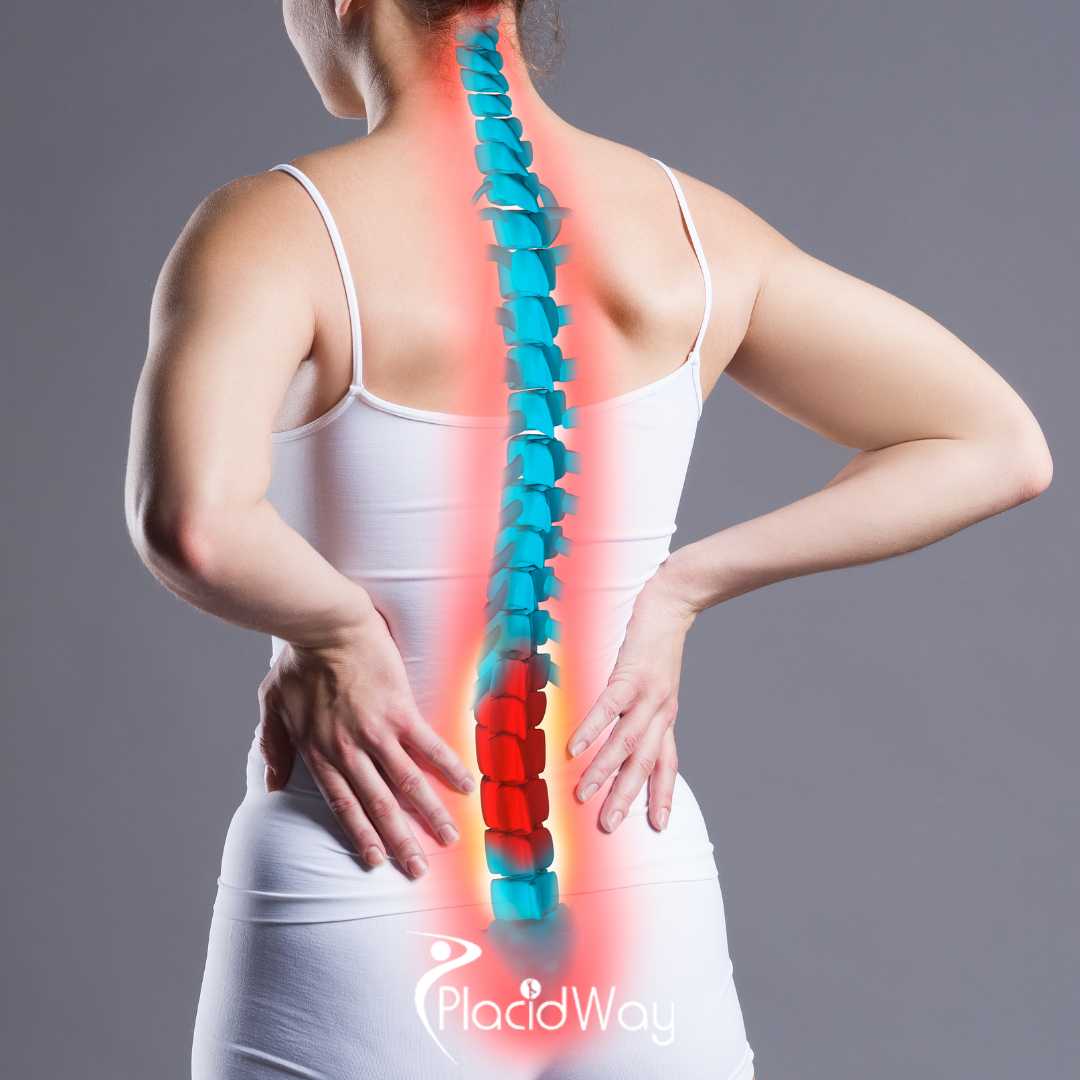
The "traditional" surgical approach involving large incisions and the cutting of muscle is being replaced by Precision Medicine. Minimally Invasive Spine Surgery (MISS) and the "direct anterior approach" for hip replacements are transformative techniques prioritized by top spine surgery clinics in Mexico.
Rather than cutting through vital tendons or muscles, surgeons navigate between intermuscular planes. By sparing the soft tissue, surgeons can significantly reduce blood loss and post-operative pain. For the patient, this means smaller scars, fewer days in the hospital, and a much faster return to independent movement. It is the difference between a traumatic recovery and a transition back to health.
While minimally invasive techniques are highly effective, they are not suitable for every patient. Individuals with severe obesity, extreme spinal deformity, or certain advanced cardiovascular conditions may typically require traditional open surgery or alternative interventions.
Minimally Invasive Spine Surgery (MISS) is generally associated with a 50% reduction in post-operative hospital stays compared to traditional open spine surgery.
Comprehensive Rehabilitation Post-Orthopedic Procedure in Mexico
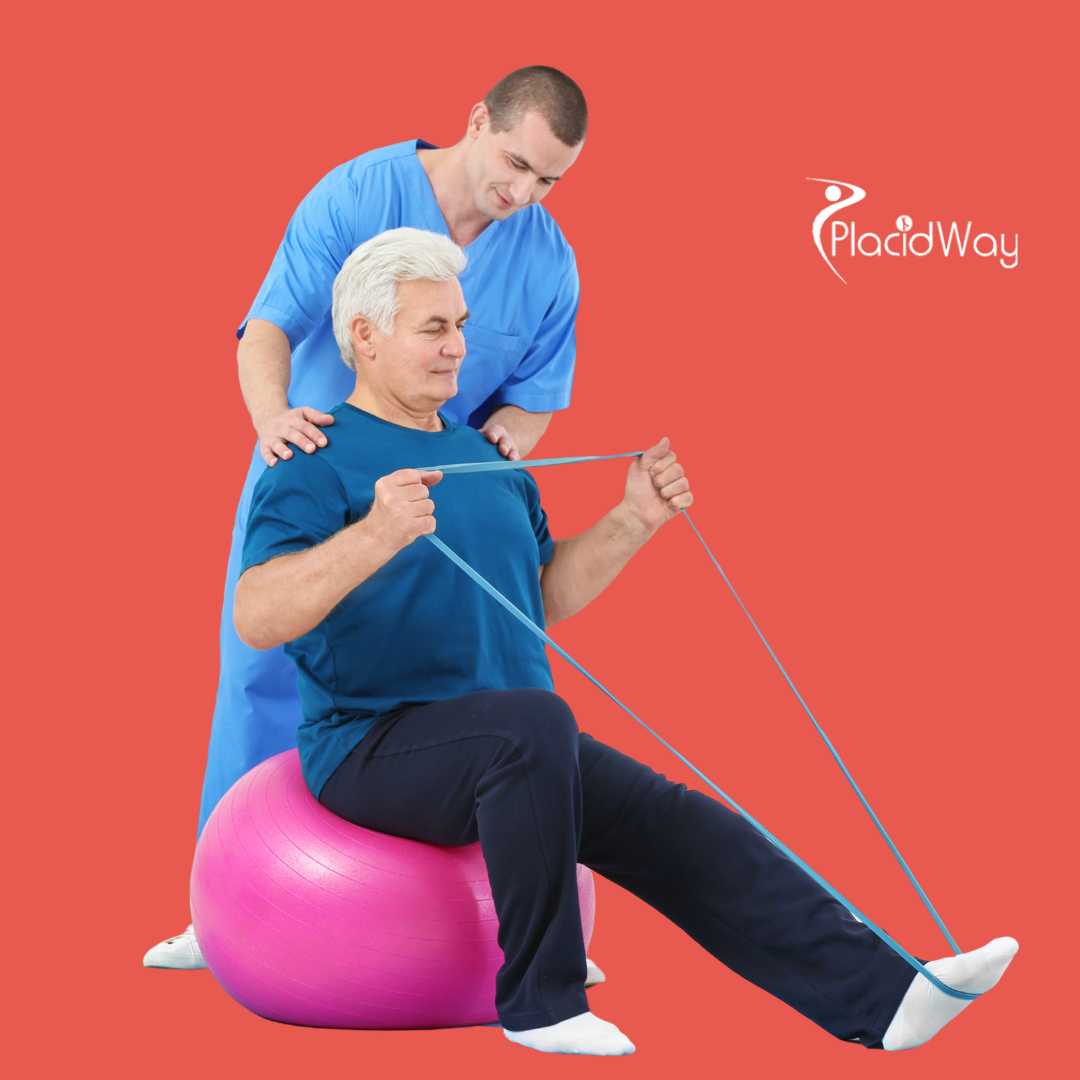
Surgery is only the first step in the journey toward a pain-free life; rehabilitation is where the true healing is cemented. Dedicated physical therapy is a cornerstone of recovery after an orthopedic procedure in Mexico. High-quality facilities typically integrate specialized rehabilitative protocols immediately following surgery.
These programs are designed to restore strength, flexibility, and a full range of motion while carefully monitoring the patient's adaptation to the new joint or spinal structure. Most international patients find that the one-on-one attention during therapy sessions significantly outpaces what is typically available in their home healthcare systems.
Commit to your prescribed physical therapy regimen with absolute dedication. The work you put into your exercises in the first six weeks post-surgery typically dictates the quality of your mobility for the next two decades.
Consistent, guided physical therapy generally reduces the risk of joint stiffness by over 80% and accelerates the integration of titanium implants with natural bone structure.
Preparing for Your Orthopedic Journey to Mexico
Proper preparation is essential to ensure a seamless medical travel experience and optimal surgical outcomes. Before booking an orthopedic journey to Mexico, patients must undergo comprehensive medical evaluations, including updated imaging and blood work, to determine surgical candidacy safely.
Clear communication with the surgical team regarding current medications, previous surgeries, and specific mobility goals is vital. Many clinics offer virtual consultations to establish this dialogue early, ensuring that every patient arrives fully informed, medically cleared, and mentally prepared for their transformative procedure.
- Gather all recent MRI, X-ray, and CT scans in digital format.
- Compile a complete list of daily medications and supplements.
- Prepare your home environment (e.g., removing trip hazards) before you travel.
- Secure an escort or travel companion for immediate post-operative support.
Most orthopedic surgeons require patients to discontinue certain over-the-counter anti-inflammatory drugs, like ibuprofen, at least two weeks prior to surgery to minimize surgical bleeding risks.
Top Destinations for Orthopedic Clinics in Mexico
The geographical accessibility of specific cities makes them highly attractive hubs for cross-border healthcare. Patients searching for top orthopedic clinics in Mexico often look toward cities with robust infrastructure, international airports, and specialized medical districts tailored to foreign visitors.
These destinations have cultivated ecosystems dedicated entirely to medical tourism, offering bilingual staff, modern recovery centers, and seamless logistics. The proximity allows for convenient travel, which is particularly beneficial for individuals with limited mobility seeking rapid, high-quality interventions.
Border cities and major metropolitan hubs in the region process thousands of international medical patients annually, maintaining infrastructure exclusively designed for healthcare logistics.
Many high-end clinics are situated within specialized medical plazas that adhere to strict international building and safety codes, mirroring the architectural standards of premier hospitals worldwide.
Understanding the Patient Journey for Orthopedics in Mexico
Navigating a medical procedure abroad requires a structured, transparent process to minimize stress and maximize safety. The standard patient journey for orthopedics in Mexico typically begins with a detailed digital assessment of the patient's medical records by a specialized surgical board.
Once approved, patients receive a comprehensive itinerary that outlines everything from preoperative fasting instructions to the exact schedule of physical therapy sessions. This meticulous planning ensures that the patient’s only focus upon arrival is their health, recovery, and long-term well-being.
Always keep digital and physical copies of your pre-operative agreements and medical clearances. Having easy access to your paperwork ensures smooth transitions between the hospital, recovery center, and border customs.
Patient concierge services are standard in high-end international clinics. These coordinators act as your personal liaisons, translating medical jargon, managing schedules, and advocating for your comfort.
Long-Term Success Rates of Orthopedic Surgery in Mexico
The true measure of any medical intervention is its enduring impact on the patient's quality of life. The long-term success rates for l generally mirror those published by leading global healthcare institutions, reflecting the high standard of care and advanced implant technology utilized.
Continuous post-operative monitoring and adherence to prescribed physical therapy are critical factors in sustaining these successful outcomes. When patients follow the recommended lifestyle modifications and rehabilitation routines, they typically experience decades of restored mobility and lasting pain relief.
Clinical data indicates that over 90% of modern knee and hip implants typically remain functional and pain-free 15 to 20 years post-surgery, assuming proper patient compliance with care guidelines.
Patient satisfaction scores for major joint replacements conducted in internationally accredited facilities routinely exceed 95%, underscoring the effectiveness of global medical standards.
How PlacidWay Facilitates Orthopedic Surgery in Mexico
Organizing complex medical care across borders requires expertise, trusted networks, and a deep understanding of patient needs. PlacidWay serves as a crucial bridge, connecting individuals with internationally accredited facilities for orthopedic surgery in Mexico without the stress of navigating foreign healthcare systems alone.
By focusing exclusively on clinical quality and seamless coordination, PlacidWay empowers patients to make informed decisions about their healthcare. The dedicated team ensures that every medical traveler has access to transparent information, verified credentials, and personalized assistance throughout their entire journey.
- Access to a curated network of board-certified orthopedic specialists and accredited clinics.
- Transparent cost estimates and detailed procedure breakdown before commitment.
- Assistance with gathering and transmitting digital medical records for surgical evaluation.
- Dedicated patient coordinators who provide continuous support from initial inquiry to post-surgery follow-up.
Medical travel platforms like PlacidWay implement rigorous vetting protocols, verifying a clinic's technological capabilities and a surgeon's international fellowship statuses before listing them as trusted providers.
Reclaiming Your Mobility Beyond Orthopedic Surgery in Mexico
The ultimate goal of joint and spine surgery is not just the absence of pain; it is the joyous return to a vibrant, active life. Whether it is returning to low-impact sports like swimming and stationary cycling or simply being able to walk through a grocery store without a second thought, the shift in quality of life is profound after orthopedic surgery in Mexico.
When the burden of chronic friction is lifted, the focus shifts from survival to fitness. This raises a final, vital question: If you could wake up tomorrow morning truly pain-free, what is the first thing you would do with your reclaimed mobility?
Testimonial: John's New Chapter
"Before my knee replacement, I couldn't stand long enough to cook a meal, let alone play with my grandchildren. The precision care I received abroad completely changed my trajectory. Today, I'm swimming daily and walking pain-free. Reclaiming my mobility was about reclaiming my life."
Set concrete, realistic post-surgery goals. Whether it's walking a specific trail or returning to a hobby like gardening, having a tangible milestone accelerates your psychological and physical recovery.
The majority of successful joint replacement patients are generally able to return to low-impact recreational activities within 3 to 6 months post-operation.
Frequently Asked Questions
Yes, orthopedic surgery in Mexico is generally safe when performed at internationally accredited facilities by board-certified specialists. Clinics adhere to strict global medical standards and utilize advanced surgical technology. Most patients experience successful outcomes with proper pre-operative screening.
A total hip replacement in Mexico typically ranges from $12,000 to $15,500, depending on the implant material and specific clinical requirements. This is significantly lower than the $35,000 to $45,000 average seen in the United States and Canada. Comprehensive packages often include surgical fees, anesthesia, and premium hardware.
Citizens of the United States, Canada, and many European countries typically do not need a visa for stays under 180 days in Mexico. You will only need a valid passport and a completed Multiple Immigration Form (FMM), which is provided upon entry. Always verify current entry requirements with your local consulate before traveling.
Recovery timelines vary by procedure, but many facilities emphasize a 72-hour mobilization rule to encourage early movement. Most patients are walking with assistance within a few days and can travel home within 7 to 10 days. Full recovery and integration into regular activities generally take a few months of dedicated physical therapy.
Top-tier orthopedic clinics in Mexico utilize FDA-approved, aerospace-grade materials identical to those used in the US and Europe. Common materials include Biolox Delta Ceramics, porous titanium alloys, and highly cross-linked polyethylene. These implants are designed for maximum longevity and biological integration.
Flying immediately after major spine surgery is typically contraindicated due to the risk of deep vein thrombosis (DVT) and post-operative complications. Surgeons generally recommend waiting 7 to 14 days before taking a flight, during which time you will undergo initial physical therapy. Clearances to travel are provided strictly on an individualized basis.
Yes, the vast majority of specialists and coordinating staff at facilities catering to international patients are fully bilingual in English and Spanish. Many leading surgeons have completed fellowships in the United States or the UK. This ensures clear communication regarding your diagnosis, procedure, and recovery protocols.
MISS is an advanced surgical technique that avoids large incisions and the cutting of major muscles, instead navigating between intermuscular planes. This approach significantly reduces blood loss, minimizes scarring, and typically results in a much faster, less painful recovery. It is a preferred method for many spinal procedures in modern Mexican clinics.
Quality follow-up care begins with obtaining comprehensive digital medical records and surgical reports from your provider in Mexico before leaving. Most international clinics offer ongoing virtual consultations to monitor your progress. Patients are strongly advised to coordinate with a local physical therapist and primary care physician prior to traveling.
Reputable medical providers offer highly transparent, itemized quotes outlining exactly what is included, such as hospital fees, surgeon fees, and standard implants. However, patients should always budget for unforeseen contingencies, specialized medications, or extended physical therapy. Thoroughly reviewing the package details beforehand prevents financial surprises.
- Mayo Clinic. (2026). Hip Replacement: What to Expect. https://www.mayoclinic.org/
- WebMD. (2026). Understanding Minimally Invasive Spine Surgery. https://www.webmd.com/
- FDA. (2026). Orthopedic Implants: Safety and Materials. https://www.fda.gov/






.png)









Share this listing