



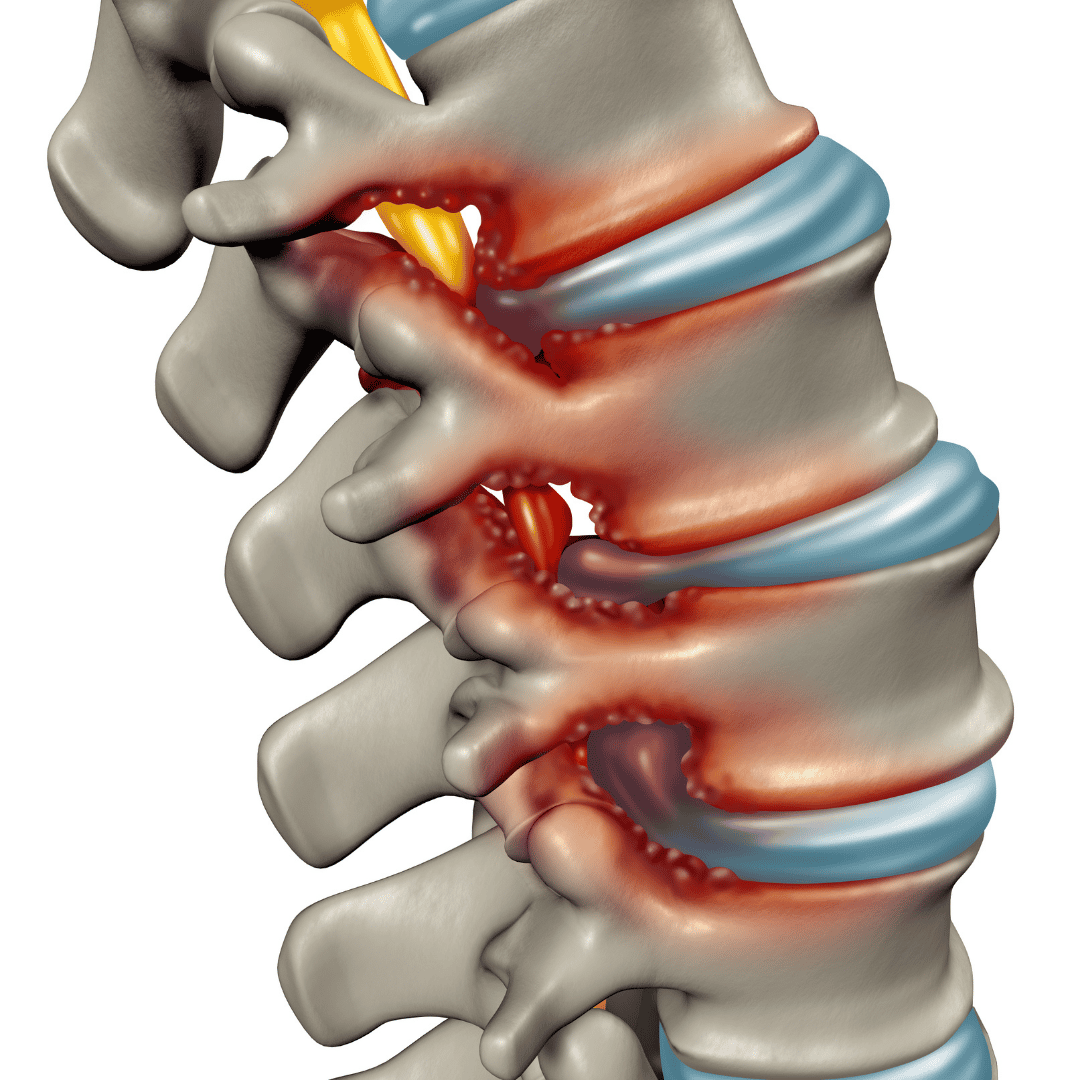
Living with spondylolisthesis can be an agonizing daily battle. When a vertebra in your spine slips out of its proper position and onto the bone below it, the resulting nerve compression causes severe lower back pain, numbness, and debilitating weakness that radiates down your legs. For many residents of Texas, conservative treatments like physical therapy and epidural injections eventually lose their effectiveness, leaving surgical intervention as the only viable path to reclaiming a pain-free life.
However, accessing that life-changing spine surgery within the United States often presents a massive financial and logistical hurdle. Out-of-pocket costs, high insurance deductibles, and frustrating approval delays push many Texans to seek alternatives. This search for accessible, high-quality healthcare has led to a massive surge in cross-border medical travel. Specifically, medical tourism in Mexico has become the premier solution for Texans suffering from complex spinal conditions.
By simply looking south of the border, patients are discovering a healthcare landscape that offers sophisticated orthopedic and neurological care without the suffocating financial burden. Below, we explore the top four reasons why spondylolisthesis patients in Texas are increasingly choosing to undergo spine surgery in Mexico.
1. Substantial Cost Savings Without Compromising Surgical Quality
The most immediate and compelling factor driving Texans across the border is the profound difference in healthcare pricing. The United States possesses one of the most expensive healthcare systems in the world, and complex procedures like spinal fusion or laminectomy—the standard surgical treatments for severe spondylolisthesis—carry staggering price tags.
The Financial Burden of US Healthcare
In Texas, the cost of a lumbar spinal fusion can easily range from $80,000 to over $150,000 depending on the hospital, the surgical approach, and the length of the required hospital stay. Even for patients with premium health insurance policies, out-of-pocket maximums, copayments, and out-of-network surgeon fees can leave families burdened with tens of thousands of dollars in medical debt. For uninsured or underinsured patients, this financial barrier makes necessary medical care completely unattainable.
Transparent and All-Inclusive Pricing in Mexico
Conversely, the spine surgery cost in Monterrey, Mexico, or other major medical hubs like Tijuana and Cancun, is a fraction of the US price. Patients routinely save between 60% and 80% on their procedures. The lower cost is not a reflection of inferior care, but rather the result of a significantly lower cost of living, reduced administrative overhead, and capped medical malpractice insurance rates in Mexico.
Furthermore, medical providers in Mexico typically operate on transparent, all-inclusive package pricing. While US hospitals often send a confusing barrage of separate bills for the facility, the surgeon, the anesthesiologist, and imaging, Mexican medical packages bundle these costs together.
| Procedure / Service Component | Average Cost in Texas (USA) | Average Cost in Mexico |
|---|---|---|
| Lumbar Spinal Fusion | $80,000 - $150,000+ | $12,000 - $18,000 |
| Laminectomy / Decompression | $50,000 - $90,000 | $8,000 - $12,000 |
| Surgeon & Anesthesia Fees | Billed Separately (High) | Included in Package |
| Hospital Stay (3-4 Days) | $10,000 - $20,000 | Included in Package |
Medical tourism packages for spine surgery in Tijuana, Mexico, frequently include ground transportation from the San Diego airport, VIP hospital accommodations, and dedicated bilingual patient coordinators, ensuring that your only focus is on your healing and recovery.
2. Unmatched Proximity and Seamless Accessibility for Texans
When you are suffering from the intense nerve pain and limited mobility associated with spondylolisthesis, long-haul international travel is the last thing you want to endure. This is where Mexico holds a distinct geographical advantage over other popular medical tourism destinations like India, Thailand, or Turkey. For Texans, Mexico is quite literally in their backyard.
Short Flights and Convenient Driving Routes
Texas shares a massive 1,254-mile border with Mexico, making cross-border travel incredibly efficient. Patients living in major metropolitan areas such as Houston, Dallas, Austin, or San Antonio can reach world-class Mexican medical hubs in a matter of hours.
- Monterrey: Known as the industrial and medical capital of northern Mexico, Monterrey is a remarkably short flight from Dallas or Houston (often under two hours). Many patients from South Texas even choose to drive, utilizing modern, secure toll highways.
- Tijuana: Patients can take a short domestic flight to San Diego, California. From there, medical concierge services provided by Mexican clinics pick patients up and utilize dedicated "medical lanes" at the border, bypassing long wait times and delivering them directly to the hospital.
- Cancun and Guadalajara: Both cities offer frequent, direct, and inexpensive flights from all major Texas airports. Choosing to have your procedure in these locations combines medical excellence with a serene, stress-free environment conducive to recovery.
Eliminating Travel Stress
The logistics of traveling for surgery are vastly simplified when visiting Mexico. Because of the heavy influx of American patients, the medical tourism infrastructure is highly optimized. Top-tier spine surgery clinics in Guadalajara, Mexico, and other key cities understand the specific needs of international travelers. They coordinate everything from airport transfers to booking accessible hotel rooms for your post-operative recovery phase. This proximity means that if a patient desires to bring a family member or caregiver from Texas for support, the travel costs for their companion remain exceptionally low.
Many border cities in Mexico utilize a specialized "Fastlane" or "Medical Lane" system. US citizens who undergo medical procedures in Mexico are provided with special passes by their clinics, allowing them to cross the border back into the United States in a fraction of the standard wait time.
3. Access to World-Class Facilities and Advanced Surgical Techniques
A common, yet entirely unfounded, misconception about medical tourism is that lower costs equate to outdated technology or substandard facilities. In reality, the hospitals catering to international patients in Mexico are ultra-modern, rigorously regulated, and equipped with the exact same—and sometimes superior—medical technology found in top Texas spine centers.
State-of-the-Art Spine Technology
When correcting spondylolisthesis, precision is critical. The procedure often involves freeing the compressed nerves (decompression or laminectomy) and stabilizing the slipped vertebra using hardware like titanium screws and rods (spinal fusion). To perform these delicate tasks, a spine surgery specialist in Mexico utilizes advanced surgical tools.
Leading Mexican hospitals invest heavily in surgical robotics, intraoperative neuromonitoring (which tracks nerve function in real-time to prevent paralysis), and 3D fluoroscopic imaging systems. These technologies allow surgeons to perform Minimally Invasive Spine Surgery (MISS). Compared to traditional open back surgery, MISS requires much smaller incisions, resulting in less muscle damage, reduced blood loss, significantly lower infection rates, and a much faster return to mobility.
International Accreditations
To assure international patients of their rigorous safety protocols, premier hospitals in Mexico voluntarily submit to stringent evaluations by global accrediting bodies. Many facilities hold Joint Commission International (JCI) accreditation, which is the global gold standard for healthcare quality and patient safety. Furthermore, the physicians themselves are exceptionally well-trained. It is incredibly common to find a spine surgery specialist in Cancun, Mexico, or Monterrey who completed their medical degree, fellowships, or specialized training at prestigious institutions in the United States or Europe. They are often active members of international medical boards, including the North American Spine Society (NASS).
Patients with spondylolisthesis greatly benefit from minimally invasive spinal fusion. By using tubular retractors rather than cutting through heavy back muscles, specialized surgeons in Mexico can stabilize the spine while drastically reducing the patient's post-operative pain and reliance on heavy narcotic painkillers.
4. Zero Wait Times and Highly Personalized, Compassionate Care
The US healthcare system is frequently plagued by bureaucratic red tape, leading to frustrating delays in patient care. For a patient in Texas suffering from the severe, radiating nerve pain of spondylolisthesis, waiting weeks for an MRI authorization, months for a specialist consultation, and even longer for an available operating room is an agonizing ordeal.
Immediate Access to Treatment
Medical tourism in Mexico completely bypasses this restrictive system. Because patients are generally paying directly (or utilizing specialized medical travel financing), there are no insurance companies dictating the timeline. Once a patient decides to proceed, consultations, diagnostic imaging (like advanced MRIs or CT scans), and the surgery itself can be scheduled within a matter of days or weeks, depending entirely on the patient's preference and medical readiness. This immediate access prevents the condition from worsening and gets patients back on their feet much faster.
A Holistic, Patient-Centric Approach
Beyond the speed of access, Texans are consistently amazed by the level of personalized attention they receive in Mexico. In the US, high patient volumes often result in doctors rushing through brief consultations, and hospitals discharging post-op patients as quickly as possible to free up beds.
In contrast, top spine surgery clinics in Monterrey, Mexico, and other key destinations prioritize a deeply personalized patient experience.
- Extended Consultations: Surgeons take the time to sit with patients, thoroughly explain the mechanics of their spondylolisthesis, review their MRI scans line-by-line, and discuss all available surgical options without checking their watches.
- Language Is Not a Barrier: Medical teams catering to Americans are highly proficient in English. Furthermore, patients are assigned bilingual concierge coordinators who guide them through every step, from admission to discharge.
- Thoughtful Post-Operative Care: Following a spinal fusion, patients in Mexico typically remain in the hospital for a few days under close, attentive observation by nursing staff. Once discharged from the hospital, patients usually spend an additional week in a comfortable, local hotel where nurses visit them to check incisions, change dressings, and assist with initial physical therapy movements before they fly back to Texas.
The nurse-to-patient ratio in many private Mexican medical tourism hospitals is significantly higher than the average in US public hospitals. This ensures that every time you press the call button during your spine surgery recovery, assistance arrives almost immediately.
Frequently Asked Questions by Patients
When considering crossing the border for major orthopedic care, it is completely natural for patients to have a multitude of questions. Here are answers to the most common concerns expressed by Texans exploring medical tourism.
Is spine surgery safe in Mexico?
Yes, when performed at accredited facilities by board-certified specialists, spine surgery in Mexico is exceptionally safe. The key to a successful outcome is thorough research. Ensuring that the chosen hospital adheres to international safety standards (like JCI accreditation) and that the surgical team specializes heavily in complex spine procedures minimizes risk and matches the safety profile of top-tier US hospitals.
How long is the recovery period for spondylolisthesis surgery?
The initial recovery phase requires a hospital stay of 2 to 4 days, followed by 7 to 10 days of rest at a local hotel before you are cleared to travel back to Texas. While you will be encouraged to walk within a day after surgery to promote blood flow, full fusion of the spinal bones can take anywhere from 3 to 6 months. Physical therapy will be an essential part of your long-term recovery once you return home.
Will my US health insurance cover my surgery in Mexico?
Standard US Medicare and Medicaid do not cover medical care outside of the United States. However, some private insurance companies and employer-funded health plans are beginning to recognize the cost benefits of medical tourism and may offer partial reimbursement or specialized cross-border coverage. It is vital to speak directly with your insurance provider. Regardless of insurance, the cash-pay price for a procedure in Mexico is often less than the deductible and out-of-pocket maximums of a US insurance plan.
What happens if there is a complication after I return to Texas?
Reputable medical providers in Mexico establish robust post-operative communication protocols. Your surgical team will schedule regular telemedicine check-ins to monitor your progress. Before leaving Mexico, you will be provided with detailed medical records, operative reports, and post-op imaging translated into English. Should a localized complication arise, you can take these comprehensive records to a local physician or physical therapist in Texas for seamless continuity of care.
Take the First Step Toward a Pain-Free Life with PlacidWay
You do not have to live with the debilitating pain of spondylolisthesis simply because the US healthcare system is overpriced and backlogged. Medical travel offers a secure, affordable, and high-quality pathway to healing, but navigating international healthcare alone can feel overwhelming. That is exactly where PlacidWay steps in.
As a global leader in medical tourism, PlacidWay is dedicated to connecting patients with fully accredited, world-class spine specialists across Mexico. We take the guesswork out of medical travel by ensuring that every facility in our network meets stringent quality and safety standards. From providing transparent cost comparisons and coordinating virtual consultations to assisting with travel logistics and ensuring ongoing support, our team is with you at every stage of your journey.
Stop letting spinal pain dictate your life. Discover your options today.






.png)

.png)
.png)








Share this listing