



For many Canadians, dealing with severe back pain is a daily struggle compounded by extensive public healthcare delays. The search for immediate relief has driven a significant increase in international health travel. Patients are actively seeking reliable alternatives to avoid waiting months or even years for a specialist consultation. Accessing urgent spine surgery in Tijuana Mexico has emerged as a premier solution for those needing fast-tracked intervention.
The geographical proximity of this border city makes it exceptionally convenient for North American patients. Over the last decade, the region has transformed into a globally recognized hub for specialized orthopedic care. Medical travelers find that they can typically schedule procedures within weeks rather than enduring endless provincial queues. This rapid access to high-quality surgical care allows individuals to reclaim their mobility and overall well-being much sooner.
According to recent Canadian healthcare reports, the median wait time from general practitioner referral to actual orthopedic surgery often exceeds 20 to 40 weeks, driving a surge in cross-border medical travel.
- Rapid Scheduling: Bypass long provincial waitlists and secure surgical dates in weeks.
- Proximity: Easy access via the San Diego international border.
- Specialized Care: Facilities dedicated entirely to complex orthopedic and neurological procedures.
- Modern Infrastructure: Access to state-of-the-art diagnostic imaging and surgical robotics.
How the Canadian Healthcare Wait Times Affect Spine Patients
Enduring prolonged waits for necessary spinal interventions takes a severe physical and psychological toll on patients. The constant presence of chronic pain generally diminishes a person's quality of life, making basic daily tasks feel insurmountable. Many Canadians find themselves unable to work, leading to financial strain alongside their health struggles. The emotional exhaustion of living in limbo often results in anxiety and depression as patients wait for public system approvals.
Furthermore, delaying neurological or structural corrections can pose significant medical risks. Conditions such as spinal stenosis or herniated discs can progressively worsen, potentially leading to permanent nerve damage. By exploring orthopedic specialists in Mexico, patients take proactive control of their health trajectory. Seeking timely intervention is crucial to preventing irreversible complications and ensuring a smoother rehabilitation process.
Prolonged nerve compression caused by delayed spinal treatment can result in permanent neurological deficits. Prompt surgical intervention is highly correlated with better long-term functional recovery.
- Risk of Muscle Atrophy: Reduced mobility due to pain leads to severe muscle weakening.
- Medication Dependency: Extended wait times often result in reliance on heavy pain management prescriptions.
- Psychological Impact: Chronic pain is closely linked to a decline in mental health and well-being.
- Disease Progression: Minor spinal issues can escalate into complex conditions requiring more invasive surgeries.
Why Medical Tourism in Tijuana Mexico is a Top Choice for Spinal Care
The city has strategically positioned itself as a leading destination for cross-border healthcare by investing heavily in medical infrastructure. Hospitals catering to international patients feature the latest medical technology, matching the standards found in top-tier North American facilities. Patients pursuing medical tourism in Tijuana Mexico benefit from a highly streamlined process designed specifically for international travelers. This includes dedicated patient coordinators who assist with every administrative detail.
In addition to advanced technology, the human element of care is a massive draw. Many surgeons in the region have completed extensive fellowship training in the United States, Canada, or Europe. These specialists bring global expertise back to their local practices, ensuring patients receive evidence-based, cutting-edge treatments. The collaborative approach between bilingual medical teams and foreign patients ensures clear communication and a high level of personalized attention.
When evaluating facilities, look for hospitals that hold international accreditations such as the Joint Commission International (JCI). This certification ensures strict adherence to global safety and hygiene protocols.
- Bilingual Staff: Overcoming language barriers seamlessly with fluent English-speaking medical teams.
- VIP Healthcare Experience: Focused attention and dedicated nursing care unavailable in overcrowded public systems.
- Comprehensive Packages: All-inclusive medical packages that bundle surgery, diagnostics, and local transfers.
- Holistic Healing Environment: Many clinics integrate nutritional and physical therapy directly into the surgical program.
Affordable Spine Surgery Cost in Tijuana Mexico Versus Canada
One of the primary catalysts for medical travel is the vast difference in private healthcare expenses. While public healthcare in Canada is subsidized, those opting out of the waitlist to seek private Canadian clinics face exorbitant out-of-pocket fees. The affordable spine surgery cost in Tijuana Mexico allows patients to access premium medical services for a fraction of the North American private market rate. This financial viability does not equate to a drop in clinical excellence.
The cost disparity is largely driven by lower administrative overhead, favorable exchange rates, and lower malpractice insurance premiums in Mexico. These economic factors enable top-tier clinics to pass substantial savings directly to the patient. A comprehensive cost comparison reveals that even after factoring in travel expenses, patients generally preserve a large portion of their personal savings while securing immediate, life-changing procedures.
Medical tourists traveling to Mexico for complex orthopedic surgeries typically save between 50% and 70% compared to private healthcare quotes in the US and Canada.
| Procedure Name | Average Cost in Tijuana (USD) | Private Cost in Canada/USA (USD) |
|---|---|---|
| Microdiscectomy | $5,500 - $8,000 | $15,000 - $25,000 |
| Spinal Fusion (1 Level) | $12,000 - $16,000 | $35,000 - $55,000 |
| Laminectomy / Decompression | $6,000 - $9,500 | $20,000 - $35,000 |
| Artificial Disc Replacement | $14,000 - $19,000 | $40,000 - $60,000 |
Common Types of Spine Procedures Available in Tijuana Mexico
International clinics are fully equipped to handle a diverse array of structural back issues, ranging from basic disc herniations to complex spinal deformities. Surgeons prioritize minimally invasive spine surgery (MISS) techniques whenever medically appropriate. These modern approaches utilize smaller incisions, which typically result in less tissue damage, reduced postoperative pain, and faster recovery timelines. Patients receive thorough diagnostics to determine the most effective surgical route for their specific pathology.
Choosing the right spinal treatment clinics in Tijuana Mexico means gaining access to the full spectrum of orthopedic interventions. Whether a patient requires stabilization through fusion or motion preservation through artificial disc replacement, the surgical planning is highly individualized. Doctors collaborate closely with patients to ensure the chosen procedure aligns with their anatomy, age, and long-term lifestyle goals.
Minimally invasive spine surgeries often allow patients to be discharged within 24 to 48 hours, significantly reducing hospital stay times compared to traditional open surgeries.
- Microdiscectomy: Removal of herniated disc material pressing on nerve roots.
- Spinal Laminectomy: Creating space by removing the lamina to relieve pressure in spinal stenosis.
- Spinal Fusion: Joining two or more vertebrae permanently to stop painful motion.
- Disc Replacement: Replacing a degenerated disc with an artificial implant to maintain mobility.
The Patient Journey for Spinal Treatment Clinics in Tijuana Mexico
The experience of traveling abroad for serious surgery requires meticulous organization, which top clinics manage through a structured patient journey. The process typically begins with an extensive virtual consultation where Canadian patients submit their MRI and CT scans securely online. Medical teams review these diagnostics and provide a comprehensive treatment plan, complete with surgical recommendations and transparent pricing structures. This allows patients to make informed decisions from the comfort of their homes.
Once the patient arrives in the region, the pre-operative phase moves swiftly but thoroughly. Patients undergo in-person physical examinations and final pre-surgical lab work to confirm their fitness for the procedure. Throughout the entire hospital stay, a dedicated patient liaison acts as an advocate, guiding the individual from the admission desk through to the recovery room. This heavily orchestrated journey minimizes travel stress and maximizes clinical focus.
- Step 1: Virtual Assessment: Remote review of medical history and imaging.
- Step 2: Travel & Logistics: Arrival in San Diego and private transfer across the border.
- Step 3: Pre-Op Testing: Final blood work, EKG, and in-person surgeon consultation.
- Step 4: Surgery & Recovery: The procedure is performed, followed by inpatient monitoring.
- Step 5: Discharge & Follow-up: Medical clearance to travel and remote postoperative check-ins.
Evaluating Spine Surgeons and Orthopedic Specialists in Mexico
The success of any surgical intervention relies profoundly on the skill, experience, and specialization of the primary physician. When seeking international care, rigorous vetting of the medical professionals involved is absolutely essential. The most reputable doctors maintain active memberships in prestigious global societies, such as the North American Spine Society (NASS). Transparency regarding their surgical outcomes and complications rates is a hallmark of trustworthy professionals.
Prospective patients should not hesitate to ask detailed questions during their virtual consultations. Requesting information on how many times the surgeon has performed the specific procedure can provide peace of mind. Exceptional orthopedic specialists in Mexico will openly share their educational backgrounds, board certifications, and patient testimonials, fostering a foundation of trust before the patient ever crosses the border.
Never proceed with surgery without verifying a doctor’s credentials. Patients with active infections, severe cardiovascular disease, or unmanaged diabetes face strict contraindications and are typically not candidates for elective spine surgery abroad.
- Verify national and international board certifications.
- Review their specific fellowship training in spinal surgery.
- Request to see anonymized before-and-after imaging of past patients.
- Ensure the surgeon has clinical privileges at a top-tier, accredited hospital.
Preparing for Orthopedic Medical Tourism in Tijuana Mexico
Proper preparation is the cornerstone of a safe and successful medical journey. Patients must compile comprehensive medical dossiers, including recent blood panels, lists of current medications, and up-to-date imaging. Securing these files well in advance ensures the surgical team has a complete picture of your physiological health. Additionally, consulting with a local primary care physician in Canada to obtain a basic "fitness to travel" clearance is a highly recommended step.
Logistical preparation involves organizing travel documents, packing appropriate clothing for a postoperative environment, and setting up your home for your eventual return. Loose-fitting clothing, slip-on shoes, and essential mobility aids should be prioritized in your luggage. By arranging these details proactively, patients can focus their energy entirely on healing during their medical tourism in Tijuana Mexico.
Request physical copies of your medical imaging on a CD or USB drive from your Canadian healthcare provider to physically carry with you, serving as a backup to the digitally transferred files.
- Medical Binder: Organize all health records, doctor notes, and prescriptions.
- Home Prep: Place items at waist height at home to avoid bending post-surgery.
- Companion: Arrange for a trusted friend or family member to travel as a caregiver.
- Financials: Notify your bank of international travel to prevent card blocks during payment.
What to Expect During Your Spinal Surgery Recovery in Mexico
The immediate days following spinal intervention are highly supervised to manage pain and monitor neurological function. Upon waking, patients typically experience surgical site discomfort, which is managed rigorously through intravenous and oral pain protocols. The nursing staff continuously checks vital signs, motor function, and sensation in the extremities to ensure the spinal nerves are responding well to the procedure.
Contrary to outdated practices of prolonged bed rest, modern protocols emphasize early mobilization. Most patients are encouraged to sit up and take short, assisted walks within 24 hours of the operation. This early movement is crucial for preventing blood clots and stimulating the healing process. Following an initial recovery period in the hospital, patients are generally moved to a comfortable, medically affiliated recovery boutique or hotel before their flight home.
Early mobilization post-spine surgery significantly decreases the risk of deep vein thrombosis (DVT) and generally shortens the overall length of the hospital stay.
- Day 1: Intensive monitoring, pain management, and initial assisted standing.
- Day 2-3: Gradual increase in walking distance; transitioning to oral pain medications.
- Day 4-7: Moving to a recovery center for continued rest and minor physical therapy.
- Discharge: Final surgical check and clearance for international flight.
Essential Post-Operative Care and Rehabilitation in Tijuana
The surgery itself is only the first half of the healing equation; dedicated rehabilitation is paramount to long-term success. Before leaving the facility, patients receive comprehensive physical therapy guidelines detailing approved movements and strict restrictions. Bending, lifting, and twisting are typically strictly prohibited in the early weeks to allow the spinal structures or fusions to solidify properly.
Upon returning home, establishing continuity of care with a local physiotherapist in Canada is vital. The international medical team usually provides a detailed operative report and rehabilitation protocol to hand over to local providers. Adhering strictly to these post-operative instructions ensures that the newly stabilized or decompressed spine heals correctly, maximizing the benefits of the spine surgery in Tijuana Mexico.
Clinical studies indicate that patients who strictly adhere to a structured, professional physical therapy regimen post-surgery report up to a 40% improvement in functional outcomes compared to those who do not.
- Incision Care: Keeping the surgical site clean and dry to prevent infections.
- Bracing: Wearing a prescribed back brace to support the spine if required by the surgeon.
- Gradual Exercise: Transitioning from light walking to core stabilization exercises over several months.
- Remote Consults: Attending scheduled telehealth follow-ups with the Mexican surgical team.
Safety and Quality Standards for Medical Travel in Tijuana
A common misconception regarding cross-border healthcare is a perceived lack of regulatory oversight. In reality, the facilities catering to international patients operate under exceedingly rigorous quality control standards. Many of these hospitals voluntarily subject themselves to independent audits by global accrediting bodies to prove their clinical excellence. Operating rooms are equipped with advanced HEPA filtration, specialized sterilization units, and cutting-edge intraoperative imaging tools.
Furthermore, safety extends beyond the operating room to infection control and pharmacological management. The protocols used for affordable spine surgery cost in Tijuana Mexico match the stringent guidelines enforced in North America. By choosing verified and established medical centers, patients place themselves in environments that prioritize patient safety above all other metrics.
- Infection Control: Routine screening protocols and strict sterile techniques minimize post-op infections.
- Accreditation: ISO certifications and JCI accreditations serve as markers of quality.
- Technology: Utilization of neuro-monitoring tools during surgery to protect spinal cord integrity.
- Transparency: Open access to hospital complication rates and safety data during consultations.
Overcoming Cross-Border Logistics for Medical Tourists
Traveling for medical reasons may seem daunting, but the established infrastructure makes border logistics remarkably efficient. Most Canadian patients fly into the San Diego International Airport (SAN), which is located less than 30 minutes from the international border. Premium medical packages typically include private, bilingual chauffeurs who greet patients at the baggage claim and transport them seamlessly across the border directly to the hospital.
Additionally, medical travelers benefit from dedicated medical border lanes, often referred to as "Fast Passes." These special lanes significantly expedite the border crossing process, bypassing the standard tourist traffic queues. This efficient logistics network is a testament to how refined the medical tourism in Tijuana Mexico industry has become, prioritizing patient comfort from arrival to departure.
- Airport Transfers: Door-to-door transportation from San Diego directly to the clinic.
- Fast Pass Utilization: Expedited border crossing dedicated specifically for medical travelers.
- Travel Documentation: Assistance ensuring passports and necessary medical visas are in order.
- Accommodation Coordination: Partnerships with local recovery-friendly hotels for the postoperative phase.
Real Patient Experiences with Orthopedic Surgery in Mexico
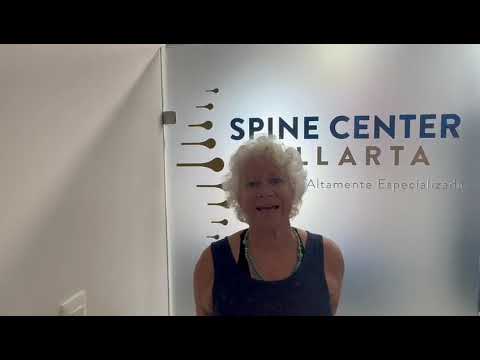
Reading about clinical facts and surgical techniques is informative, but understanding the human experience provides crucial emotional reassurance. Many Canadians who felt abandoned by extensive waitlists have successfully reclaimed their active lives by seeking care abroad. Their journeys highlight the professionalism of the medical staff, the modern condition of the facilities, and the profound relief of finally living pain-free.
Below are brief accounts from individuals who made the decision to pursue spinal treatment clinics in Tijuana Mexico. While results vary based on individual medical histories, these summaries reflect the standard level of care and patient satisfaction frequently observed in top-tier facilities.
David T. - Alberta, Canada
Facing a two-year wait for a spinal fusion, David sought care in Mexico. Within three weeks, he received a successful L4-L5 fusion. He reports a significant reduction in sciatic pain and was highly impressed by the hospital's modern robotics.
Sarah M. - Ontario, Canada
Suffering from severe spinal stenosis, Sarah opted for a laminectomy abroad to bypass provincial delays. She found the bilingual medical staff to be exceptionally compassionate, and her recovery timeline allowed her to return to work months sooner than expected.
Robert K. - British Columbia, Canada
Robert needed a microdiscectomy and chose to travel due to the affordable out-of-pocket costs. He noted that the hygiene standards and dedicated nursing care exceeded his past experiences in domestic hospitals.
Elena P. - Quebec, Canada
After struggling with a degenerated disc, Elena underwent an artificial disc replacement. She appreciated the seamless airport transfer from San Diego and the thorough post-operative telehealth follow-ups that guided her physical therapy.
How PlacidWay Assists Your Spine Surgery Medical Tourism Journey in Tijuana Mexico
Navigating international healthcare options independently can be overwhelming, especially when managing severe physical pain. Partnering with an experienced medical tourism facilitator simplifies the research, communication, and planning phases. A streamlined approach ensures you connect with appropriately credentialed experts without the hassle of unverified intermediaries.
PlacidWay provides a structured pathway to help Canadian patients access reputable orthopedic care globally. Our platform is designed to empower your healthcare choices through comprehensive resources and direct clinical connections.
- Providing access to an extensive network of internationally accredited hospitals and board-certified orthopedic surgeons.
- Facilitating direct communication and remote consultations between patients and foreign medical teams.
- Offering detailed profiles, verified patient reviews, and transparent credentialing information for clinics.
- Assisting with the acquisition of comprehensive medical quotes to help patients make informed financial decisions.
- Supplying educational resources and checklists to prepare patients for safe cross-border medical travel.
Is spine surgery in Tijuana Mexico safe for international patients?
Yes, many facilities in the region are internationally accredited and adhere to strict safety protocols. Patients generally experience safe outcomes when choosing highly vetted, board-certified orthopedic surgeons. Careful research and utilizing reputable medical tourism platforms enhance overall safety.
How much can I save on affordable spine surgery cost in Tijuana Mexico?
Patients typically save between 50% and 70% compared to private out-of-pocket costs in Canada or the United States. These savings apply to the surgery, facility fees, and specialist consultations without compromising medical quality.
Will I need a visa to travel from Canada to Mexico for medical care?
Canadian citizens typically do not require a visa for short-term medical visits to Mexico. A valid passport and a standard tourist card, usually provided upon entry or at the border, are generally sufficient. Always verify current entry requirements before traveling.
How long is the typical wait time for orthopedic specialists in Mexico?
Unlike the extensive waitlists in Canada, medical tourists can usually schedule their procedures within a few weeks of their initial inquiry. Fast-tracked scheduling allows patients to address urgent pain and mobility issues promptly.
Are the surgeons performing medical tourism in Tijuana Mexico qualified?
The top orthopedic and neurosurgeons catering to international patients are highly qualified, often holding board certifications from international medical boards. Many have completed advanced fellowship training in North America or Europe. Assessing their credentials before proceeding is a standard part of the process.
What type of post-operative care is provided after the procedure?
After surgery, patients generally receive continuous monitoring, pain management, and early physical rehabilitation inside the hospital. Medical teams typically provide detailed aftercare instructions and coordinate initial physical therapy before the patient returns home.
Can I bring a companion with me for my spinal treatment?
Yes, having a support person is highly recommended for medical travelers undergoing major orthopedic procedures. Companions provide essential emotional support and practical assistance during the early stages of recovery and the journey back home.
How do I communicate with the medical staff if I do not speak Spanish?
Top-tier clinics specializing in international medical travel employ bilingual staff and board-certified doctors who speak fluent English. Dedicated patient coordinators also assist with translations to ensure clear, accurate communication throughout your journey.
What happens if I experience complications after returning to Canada?
Reputable surgeons typically offer remote follow-up consultations to monitor your long-term recovery via telemedicine. However, patients are strongly advised to establish a relationship with a local primary care physician or specialist in Canada to handle any immediate, hands-on medical needs.
How soon can I fly back to Canada after a spinal fusion?
Most patients are cleared to fly back to Canada within 7 to 14 days post-surgery, depending on the procedure's complexity and their individual healing progress. Your surgical team will evaluate your stability and provide a formal medical clearance before you travel.
- Canadian Institute for Health Information (CIHI). Wait Times for Priority Procedures in Canada. https://www.cihi.ca/en/wait-times-for-priority-procedures-in-canada-2025
- Mayo Clinic. Minimally Invasive Spine Surgery: What You Need to Know. https://www.mayoclinic.org/tests-procedures/minimally-invasive-surgery/about/pac-20384771
- Spine-Health. Specifics of Spinal Fusion Surgery. https://www.spine-health.com/treatment/spinal-fusion/lumbar-spinal-fusion-surgery
- World Health Organization (WHO). Quality of Care and Patient Safety in Medical Tourism. https://www.who.int/news-room/fact-sheets/detail/patient-safety
- Wikipedia. Medical Tourism in Mexico. https://en.wikipedia.org/wiki/Medical_tourism_in_Mexico









.png)

.png)



.png)
.png)








Share this listing