



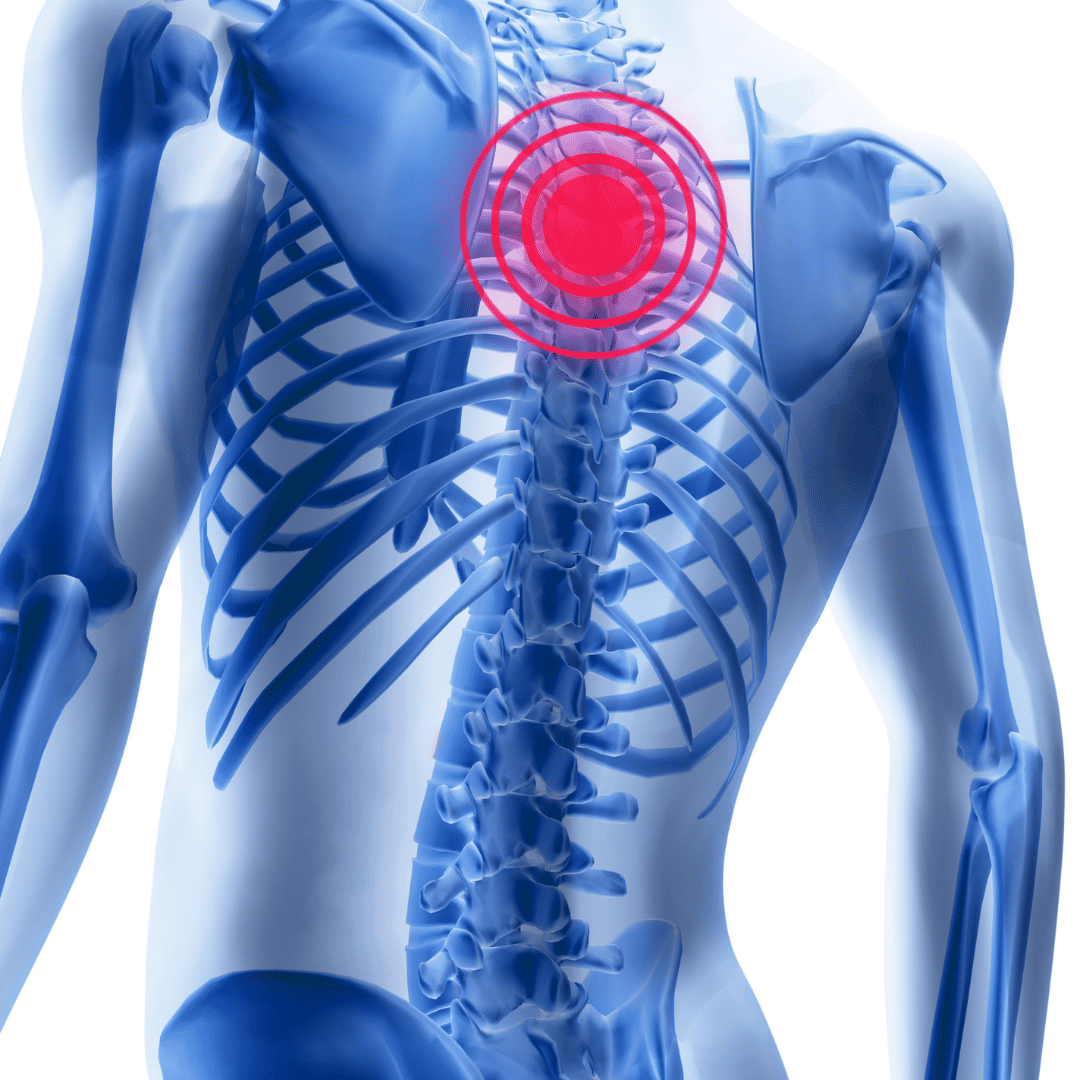
Living with chronic back pain, radiating nerve pain, or sciatica can severely diminish your quality of life. Conditions like herniated discs, spinal stenosis, and bone spurs often cause debilitating pressure on the spinal cord or nerves, making simple tasks feel impossible. When conservative treatments fail, spinal decompression surgery becomes a necessary path to relief. However, the exorbitant costs of spine surgery in the United States and Canada leave many patients searching for alternatives. This is why medical tourism in Mexico has experienced an unprecedented surge, offering world-class orthopedic and neurological care at a fraction of the cost.
Traveling across borders for medical care is a significant decision. While Mexico is home to state-of-the-art hospitals and highly skilled spine specialists, the key to a successful outcome lies in your preparation and vetting process. Your initial consultation—often conducted virtually before you ever book a flight—is your most powerful tool. It is your opportunity to establish trust, verify credentials, and ensure you are comfortable with the proposed treatment plan. To help you navigate this critical step, we have compiled the seven most important questions you must ask your prospective surgeon before undergoing spinal decompression in Mexico.
1. What is your specific experience and board certification for spine surgery?
When it comes to the delicate structures of your spine, experience is non-negotiable. Spinal decompression is a highly specialized field that falls under the expertise of either orthopedic spine surgeons or neurosurgeons. Your first priority should be verifying that the doctor you are speaking with has the appropriate, recognized credentials to perform this complex procedure.
In Mexico, medical professionals are rigorously regulated. You should look for a spinal decompression specialist in Mexico City, Mexico, or your chosen destination, who is certified by the Mexican Council of Orthopedics and Traumatology (Consejo Mexicano de Ortopedia y Traumatología) or the Mexican Council of Neurological Surgery (Consejo Mexicano de Cirugía Neurológica). Furthermore, many top-tier surgeons treating international patients hold memberships in prestigious global organizations, such as the North American Spine Society (NASS) or the American Association of Neurological Surgeons (AANS).
Do not hesitate to ask for specific numbers. Inquire about how many times they perform spinal decompression procedures annually. A high-volume surgeon is generally more adept at handling anatomical variations and unexpected complexities during the operation.
In the realm of spine surgery, general orthopedic experience is not enough. The spine's proximity to the central nervous system demands a surgeon who focuses exclusively on spinal pathologies. Surgeons who dedicate 100% of their practice to spine surgery demonstrate lower complication rates and superior long-term patient outcomes compared to generalists.
2. Which spinal decompression technique will you use for my specific condition?
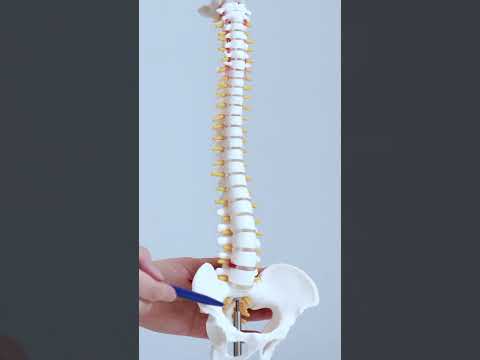
"Spinal decompression" is an umbrella term encompassing several different surgical techniques designed to relieve pressure on the neural elements. Depending on whether your pain originates from the cervical (neck) or lumbar (lower back) region, and whether it is caused by a herniated disc, thickened ligaments, or bone spurs, the surgical approach will vary significantly.
You must ask the surgeon to explain exactly which procedure they are recommending. Common techniques include:
- Laminectomy: The removal of the entire lamina (the bony roof of the spinal canal) to create more space for the nerves.
- Laminotomy: The removal of only a small portion of the lamina, preserving more of the spinal anatomy.
- Microdiscectomy: The removal of the portion of a herniated disc that is compressing the nerve root, typically performed using a high-powered microscope.
- Foraminotomy: The expansion of the foramen (the bony hollows where nerves exit the spinal cord) by removing bone or tissue.
Equally important is asking whether the procedure will be performed using Minimally Invasive Spine Surgery (MISS) techniques or traditional open surgery. When evaluating spinal decompression clinics in Cancun, Mexico, or other advanced hubs, you will find that many utilize MISS. Minimally invasive approaches use tubular retractors and small incisions, resulting in less muscle damage, reduced blood loss, and a much faster recovery.
| Surgical Approach | Incision Size | Muscle Dissection | Typical Recovery Time |
|---|---|---|---|
| Traditional Open Surgery | Large (3-6 inches) | Extensive pulling and cutting | Longer (Often requires inpatient rehab) |
| Minimally Invasive (MISS) | Small (Less than 1 inch) | Muscle dilation (sparing tissue) | Shorter (Often outpatient or overnight) |
3. What exactly is included in the total cost of the surgery?
Financial transparency is one of the pillars of a positive medical tourism experience. One of the main reasons you are looking into a procedure in Mexico is the significant financial savings. However, a quote is only helpful if you understand exactly what it encompasses. Hidden fees can quickly turn an affordable trip into a stressful financial burden.
When discussing the spinal decompression cost in Monterrey, Mexico, or any other major city, ask for an itemized breakdown. A comprehensive medical tourism package should clearly outline the inclusions. You need to know if the quoted price covers the surgeon's fee, the anesthesiologist's fee, operating room time, and the hospital stay. Furthermore, inquire about pre-operative medical clearances, such as blood work, EKGs, and necessary imaging like MRIs or X-rays.
Ask explicitly about what happens if you need to stay in the hospital an extra night. Does the cost cover post-operative medications to take back to your hotel? What about medical transportation from the airport to the clinic and your accommodation? By securing a transparent, all-inclusive quote, you protect yourself from unexpected out-of-pocket expenses and can budget accurately for your medical journey.
Spinal decompression surgeries in North America can easily exceed $50,000 to $90,000 depending on hospital fees and whether hardware is required. In Mexico, patients often save between 50% to 70% on the exact same procedures, utilizing the same FDA-approved medical devices and technologies, without sacrificing the quality of surgical care.
4. What are the potential risks, and how are complications handled?
Every surgical procedure carries inherent risks, and spine surgery is no exception. A trustworthy and ethical surgeon will never guarantee a 100% risk-free operation. Instead, they will have a frank and detailed discussion with you about the potential complications and, more importantly, their protocols for managing them.
General risks associated with spinal decompression include infection, bleeding, blood clots (Deep Vein Thrombosis), and adverse reactions to anesthesia. Risks specific to spine surgery may include dural tears (a tear in the sac covering the nerves, leading to spinal fluid leaks) or, in rare cases, nerve damage. You should ask your surgeon how frequently they encounter these complications and what steps they take to mitigate them during the procedure in Tijuana, Mexico, or your chosen city.
Crucially, because you are participating in medical tourism in Mexico, you must ask about the logistics of complication management. If an infection occurs a few days post-operation while you are recovering at your hotel, how quickly can you be seen? If a complication requires a secondary intervention or an extended hospital stay, how is that handled financially and logistically? Ensuring that the clinic has a robust safety net and emergency protocols in place will give you profound peace of mind.
5. What does the recovery timeline look like, and when can I fly home?
Recovery from spine surgery is a process, and when you are an international patient, the timeline dictates your travel itinerary. You cannot simply undergo spinal decompression on a Tuesday and fly home on a Wednesday. The changes in cabin pressure, the prolonged sitting in cramped airplane seats, and the stress of navigating airports pose significant risks to your healing spine, particularly concerning blood clots.
You need a precise, realistic timeline from your surgeon. Ask about the following milestones:
- Hospital Stay: How many nights will you be monitored in the hospital immediately following the surgery? (Usually 1-3 days depending on the procedure).
- In-Country Recovery: How many days must you stay in a local hotel for observation and follow-up appointments before you are medically cleared to travel? (Typically 7 to 14 days).
- Mobility: How soon after surgery will you be expected to stand and walk? (Early mobilization is crucial for recovery).
- Restrictions: What are the lifting, bending, and twisting restrictions during the first month?
If you are planning a spinal decompression in Guadalajara, Mexico, your medical team will likely evaluate you multiple times before issuing a "fit-to-fly" certificate. Asking this question upfront allows you to book the appropriate duration for your hotel stay and arrange for a travel companion to assist you during your recuperation.
Walking is considered the single best physical therapy immediately following a spinal decompression. It prevents scar tissue from adhering to the nerve roots and stimulates blood flow to the healing area. Surgeons typically want patients on their feet and taking short walks within 12 to 24 hours after waking up from anesthesia.
6. Where will the surgery take place, and what are its accreditations?
The skill of the surgeon is only one half of the equation; the environment in which they operate is the other. High-quality surgical outcomes depend heavily on the facility's infection control protocols, intensive care capabilities, and advanced technological equipment. You must ask exactly where the surgery will be performed.
Top-rated spinal decompression clinics in Puerto Vallarta, Mexico, and other medical tourism destinations usually operate out of full-scale, multi-specialty hospitals rather than small, standalone day clinics. You should inquire about the facility's accreditations. Is the hospital accredited by the Joint Commission International (JCI)? The JCI is the global gold standard for healthcare quality and safety. Alternatively, check if the facility is certified by the Consejo de Salubridad General (CSG), which is the Mexican equivalent of the Joint Commission.
Furthermore, ask about the technology available in the operating room. Complex spinal decompressions benefit greatly from intraoperative neuromonitoring (to track nerve health in real-time), surgical navigation systems, and high-resolution surgical microscopes. Knowing that the hospital is equipped with the latest medical technology ensures that your surgeon has the best tools available to perform a precise and safe operation.
7. How will we handle follow-up care and communication once I return home?
The surgeon-patient relationship does not end the moment you board your flight back home. The months following a spinal decompression are critical for bone and tissue healing. Because you will be thousands of miles away from your operating surgeon, establishing a concrete plan for post-operative communication is essential.
Ask your surgeon how they monitor international patients. Do they offer scheduled telemedicine consultations via video call to check your incision and assess your neurological progress? You should also confirm who your main point of contact will be—whether it is the surgeon directly, a bilingual medical concierge, or a dedicated patient coordinator—in case you have urgent questions or experience unusual pain.
Additionally, discuss how your medical records will be handled. Upon discharge, you should receive a comprehensive surgical report, post-operative imaging (X-rays or MRIs), and a clear list of the surgical devices or hardware used, all translated into English. This documentation is vital for your primary care physician or local physical therapist back home, ensuring a seamless transition of care and safeguarding your long-term health.
Successful medical tourism relies on continuity of care. Leading international spine centers actively encourage patients to establish a relationship with a local physical therapist or a primary care doctor prior to traveling. By taking your Mexican surgeon's operative reports and rehab protocols to your local team, you create a collaborative environment that optimizes your recovery journey.
Ready to Take the Next Step Towards a Pain-Free Life?
Making the decision to undergo spinal decompression surgery abroad is life-changing, and finding the right medical team is the foundation of a successful recovery. Navigating the world of international healthcare, verifying credentials, and coordinating logistics can feel overwhelming, but you do not have to do it alone.
PlacidWay is your trusted partner in medical tourism. We specialize in connecting patients with top-tier, internationally accredited hospitals and board-certified spine specialists around the globe. Our dedicated team is here to ensure that every aspect of your medical journey—from your first virtual consultation to your safe return home—meets the highest standards of safety, quality, and affordability. We advocate for you, ensuring complete transparency in pricing, coordinating your travel logistics, and providing the ongoing support you need to make confident, informed healthcare decisions.
Don't let chronic back pain dictate your life any longer. Let us help you find the world-class care you deserve. Get a Free Quote today and start your journey toward healing with confidence.








.png)
.png)




.png)
.png)
.png)









Share this listing