



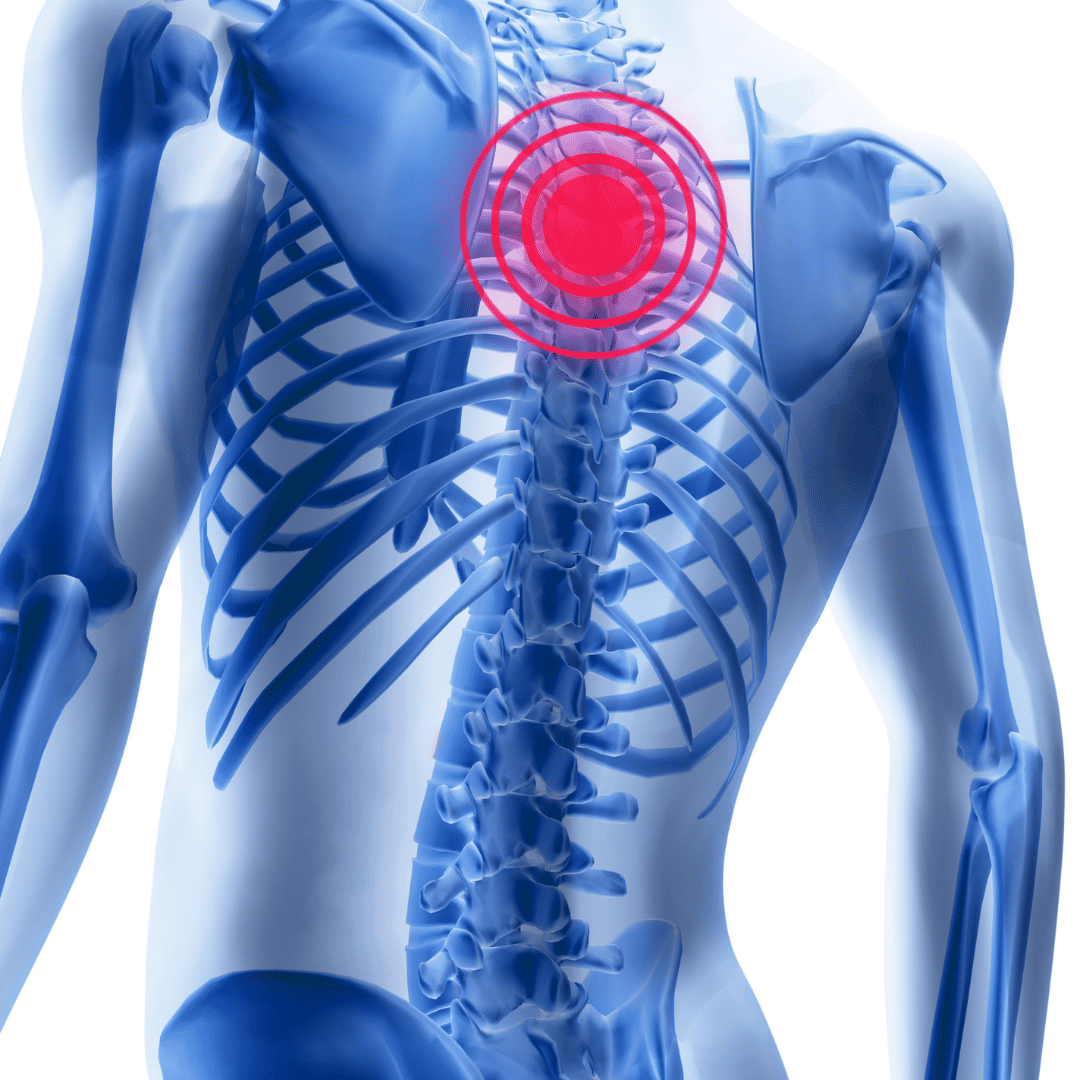
You have worked hard to enjoy a comfortable, active retirement in the beautiful state of Arizona. Whether your ideal days consist of golfing in Scottsdale, hiking the red rocks of Sedona, or simply enjoying time with your grandchildren, chronic lower back pain should not dictate your quality of life. Unfortunately, severe spinal degeneration, herniated discs, and spinal stenosis often require surgical intervention. For many retirees on fixed incomes, the exorbitant out-of-pocket expenses and prolonged waiting times associated with major spine surgery in the United States present significant barriers to care.
This is where the strategic advantage of neighboring healthcare destinations comes into play. Just across the border, board-certified spine surgeons are utilizing state-of-the-art technology to perform highly advanced lumbar spinal fusions. These modern procedures are specifically designed to minimize trauma, accelerate recovery, and provide lasting pain relief—all at a fraction of the cost you would face at home. From minimally invasive approaches to cutting-edge robotic guidance, exploring medical tourism in Mexico allows Arizona residents to regain their mobility without depleting their retirement savings.
Below, we explore six of the most advanced lumbar fusion techniques available in Mexico that are perfectly suited for Arizona retirees seeking a swift and safe return to their active lifestyles.
1. Minimally Invasive Transforaminal Lumbar Interbody Fusion (MIS-TLIF)
Traditional open back surgery requires large incisions and the extensive stripping of muscles away from the spine, which often leads to significant post-operative pain and prolonged rehabilitation. For older adults, this extensive tissue trauma can severely delay recovery. The Minimally Invasive Transforaminal Lumbar Interbody Fusion (MIS-TLIF) offers a revolutionary alternative. By using specialized tubular retractors, the surgeon creates a small tunnel directly to the spine. This allows them to remove the damaged disc and insert a bone graft and supporting hardware while gently pushing the surrounding back muscles aside rather than cutting them.
Because MIS-TLIF preserves the vital posterior back muscles, patients experience significantly less blood loss, a reduced risk of surgical site infections, and less reliance on heavy narcotic pain medications during recovery. This is particularly beneficial for retirees who wish to maintain mental clarity and avoid medication side effects.
Why It Appeals to Arizona Retirees:
- Shorter Hospital Stays: Many patients are walking within hours of surgery and can return to their hotel or travel home much sooner.
- Preserved Core Strength: Leaving the back muscles intact means you can return to activities like light golfing or swimming much faster.
- Accessibility: Obtaining a Lumbar fusion in Tijuana, Mexico provides a highly convenient option for Arizona residents, offering world-class hospital facilities just a short flight or drive away.
Surgeons utilizing the MIS-TLIF technique in modern Mexican facilities are often trained internationally, bringing the highest global standards directly to the operating room. This ensures that retirees receive care that matches, and sometimes exceeds, what is locally available to them.
2. Anterior Lumbar Interbody Fusion (ALIF)
Instead of operating through the back, the Anterior Lumbar Interbody Fusion (ALIF) approaches the spine from the front, typically through a small incision in the lower abdomen. This technique completely bypasses the sensitive back muscles, nerves, and spinal cord. It is highly effective for treating degeneration in the lowest levels of the lumbar spine (L4-L5 and L5-S1), which are the most common areas for wear-and-tear in older adults.
By accessing the spine anteriorly, the surgeon has a clear, unobstructed view of the disc space. This allows for the insertion of a much larger structural implant (cage) compared to posterior approaches. A larger cage provides better spinal stability, superior correction of spinal deformities (like restoring the natural inward curve of the lower back), and an increased surface area for the bone graft to fuse successfully.
| Feature | Traditional Posterior Fusion | ALIF (Anterior Approach) |
|---|---|---|
| Muscle Disruption | Significant (back muscles) | None (back muscles preserved) |
| Implant Size | Small to Medium | Large (Maximum stability) |
| Spinal Curve Restoration | Moderate | Excellent |
Restoring the natural curvature (lordosis) of your lower back is crucial for maintaining your balance as you age. ALIF is one of the most effective techniques for achieving this anatomical correction, helping to prevent future spine issues.
For those researching the financial aspect, the Lumbar fusion cost in Nogales Mexico is remarkably favorable. Because Nogales is located immediately on the Arizona border, retirees can virtually drive to their consultation and surgery, eliminating major airfare costs while accessing this highly specialized anterior technique at savings up to 60% compared to US hospitals.
3. Lateral Lumbar Interbody Fusion (LLIF / XLIF)
The Lateral Lumbar Interbody Fusion, also known as XLIF (eXtreme Lateral Interbody Fusion), involves approaching the spine from the patient's side. By making a small incision in the flank, the surgeon accesses the damaged disc while avoiding both the major blood vessels located in the front of the spine and the delicate nerve networks located in the back.
This technique relies heavily on advanced neuro-monitoring technology. During the procedure, the surgical team uses real-time electrical monitoring to ensure that the instruments safely bypass the nerves housed within the psoas muscle (a major hip flexor). Because the incision is small and avoids major muscle disruption, the body experiences very little surgical shock.
Benefits for Arizona Seniors:
- Reduced Scar Tissue: Minimal interference with spinal anatomy means less scar tissue formation around spinal nerves, which is a common cause of failed back surgery syndrome.
- Excellent for Multi-Level Fusions: If you require fusions at several levels of your spine, LLIF allows the surgeon to address multiple discs through a single, small side incision.
- Rapid Rehabilitation: Most patients are encouraged to stand and walk on the very same day of the surgery.
LLIF is particularly advantageous for correcting adult degenerative scoliosis—a condition where the spine curves unnaturally due to aging discs. The side approach allows surgeons to precisely realign the spine.
The availability of intraoperative neuro-monitoring is standard in premium international hospitals. Engaging in medical tourism in Mexico ensures you have access to these high-tech safeguards without the premium price tags dictated by American health insurance networks.
4. Oblique Lumbar Interbody Fusion (OLIF)
The Oblique Lumbar Interbody Fusion (OLIF) is an evolutionary step forward from the lateral approach. While LLIF goes directly through the side and penetrates the psoas muscle, OLIF approaches the spine at a slight angle—diagonally between the front of the abdomen and the side of the body. This specific trajectory allows the surgeon to reach the spine by sliding exactly *in front* of the psoas muscle rather than going through it.
Why is this important for an older demographic? The psoas muscle is vital for lifting your legs and walking. Procedures that cut through this muscle can result in temporary post-operative thigh weakness, numbness, or hip pain. By preserving the psoas completely, OLIF significantly reduces these uncomfortable side effects.
OLIF is considered one of the most anatomically protective fusion techniques available today. It is highly recommended for elderly patients or those who have pre-existing hip mobility issues, as it leaves the primary walking muscles completely undisturbed.
When researching Lumbar fusion clinics in Puerto Vallarta, Mexico, you will find state-of-the-art facilities equipped for complex oblique surgeries. Many retirees from Arizona choose a destination like Puerto Vallarta not only for the advanced surgical options but also to spend their initial recovery days in a serene, stress-free coastal environment before returning to the desert.
5. Endoscopic Spine Surgery for Fusion Assistance
Endoscopic spine surgery is the ultimate frontier in minimally invasive techniques. Unlike traditional approaches that use microscopes and retractors to view the surgical field from the outside in, endoscopic surgery utilizes a tiny, high-definition camera attached to a narrow tube. This endoscope is inserted through an incision smaller than a dime, projecting magnified, highly detailed images of the spine onto large monitors in the operating room.
While purely endoscopic procedures are traditionally used for discectomies (removing herniated disc material), advanced spine surgeons in Mexico are now using endoscopic assistance to prepare the disc space for fusion. By using this ultra-minimally invasive tool, surgeons can flawlessly clean out the degenerated disc and prepare the bone beds for grafting with unprecedented precision, causing almost zero collateral tissue damage.
- Microscopic Incisions: The incision is often so small it can be covered by a standard adhesive bandage.
- Lower Infection Rates: Smaller incisions and continuous fluid irrigation used during endoscopy drastically lower the risk of hospital-acquired infections.
- Outpatient Potential: Depending on the specific fusion requirements, endoscopically assisted procedures can sometimes be performed on an outpatient basis or require only a single overnight stay.
Because of the steep learning curve, highly proficient endoscopic spine surgeons are relatively rare. However, Mexico has become a regional hub for training and performing these ultra-specialized procedures.
If you are seeking a Lumbar fusion specialist in Cancun, Mexico, you will likely encounter highly credentialed experts who have mastered endoscopically assisted fusions. Combining the benefits of micro-surgery with the healing environment of the Mexican Caribbean makes the medical travel experience highly rewarding for retirees prioritizing both safety and comfort.
6. Robot-Assisted and Navigated Lumbar Fusion
Accuracy is the most critical component of a successful lumbar fusion. The screws and rods used to stabilize the spine must be placed with millimeter precision to avoid nerve injury and ensure optimal spinal alignment. In traditional surgery, this relies heavily on the surgeon's anatomical knowledge and multiple intraoperative X-rays.
Today, premier clinics in Mexico are utilizing Robot-Assisted and Computer-Navigated spine surgery systems. Before the surgery even begins, a 3D model of your spine is created using CT scans. The surgeon uses specialized software to plan the exact size, angle, and trajectory of every screw. In the operating room, a robotic arm acts as a flawless guide, physically locking into the planned trajectory. The surgeon retains total control of the instruments, but the robot ensures they cannot deviate from the safe, pre-planned path.
Why Robotics Matter for Seniors:
| Advantage | Patient Benefit |
|---|---|
| Osteoporosis Safety | Older bones can be brittle. Robotics allow for precise screw placement in the densest part of the bone, preventing hardware loosening. |
| Reduced Radiation | Because the navigation system tracks instruments in real-time, fewer X-rays are needed during surgery, reducing radiation exposure. |
| Fewer Revisions | Near-100% accuracy in hardware placement drastically lowers the likelihood of needing a second surgery to fix misplaced screws. |
Robotic spine systems are incredibly expensive, which is why they are often only found in elite research hospitals in the US. However, top-tier private hospitals in Mexico invest heavily in this technology to attract discerning medical tourists seeking the safest possible outcomes.
By utilizing a robotic-assisted approach, Arizona retirees can achieve peace of mind knowing that human error is practically eliminated from the hardware placement process. This fusion of exceptional surgical talent and cutting-edge technology exemplifies why crossing the border for advanced spinal care has become such a compelling, sensible choice for active seniors.
Take the Next Step Toward a Pain-Free Retirement with PlacidWay
Navigating international healthcare options can seem overwhelming, especially when planning a major procedure like a lumbar fusion. You do not have to figure it out alone. PlacidWay is your trusted partner in coordinating safe, high-quality, and cost-effective medical travel. We specialize in connecting Arizona retirees with internationally accredited hospitals and highly specialized spine surgeons in Mexico.
By choosing PlacidWay, you gain access to a carefully vetted network of medical providers that meet stringent global quality standards. We advocate for you every step of the way—from facilitating initial virtual consultations and reviewing your MRI scans with top specialists, to organizing your travel itinerary and providing comprehensive ongoing support. Stop letting back pain keep you from the retirement you deserve.
Ready to explore your options and regain your mobility?






.png)
.png)




.png)

.png)









Share this listing