
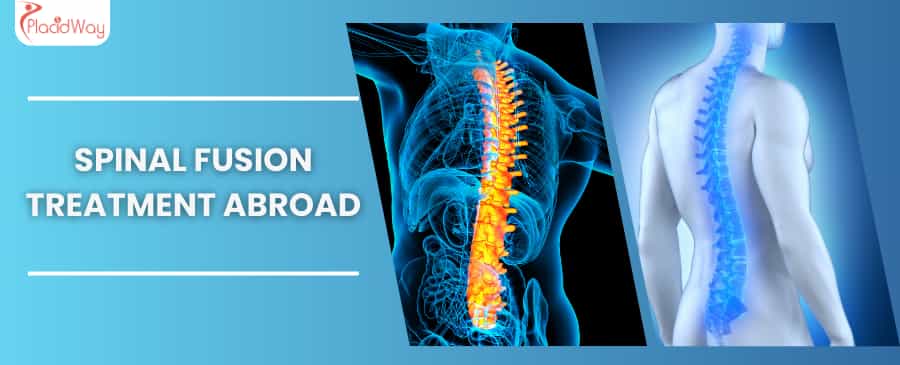
Relieve Chronic Back Pain: Discover Spinal Fusion Solutions Abroad
Are you experiencing persistent, debilitating back pain, numbness, or weakness that significantly impacts your daily life? If you've tried various conservative treatments without lasting relief, spinal fusion surgery might be a solution worth exploring. This procedure, which aims to permanently join two or more vertebrae, can stabilize your spine, alleviate nerve compression, and restore a higher quality of life. For many, the high costs and long wait times associated with spinal fusion in their home country lead them to consider medical tourism, seeking advanced, affordable care in leading international facilities.
Understanding spinal fusion can be complex, and naturally, you might be asking: "What is spinal fusion surgery?", "Will spinal fusion stop my pain?", or "What is the recovery like?" This comprehensive guide will walk you through everything you need to know about spinal fusion, from identifying the symptoms and causes that lead to this procedure to exploring the various surgical techniques, recovery expectations, and crucially, how to access world-class treatment through medical tourism. We’ll delve into how countries like Turkey, India, Mexico, and others offer state-of-the-art spinal fusion at a fraction of the cost, making life-changing relief more accessible than ever.
Whether you're struggling with degenerative disc disease, spinal stenosis, scoliosis, or a spinal injury, finding the right treatment path is paramount. Join us as we uncover how spinal fusion can help you regain mobility, reduce pain, and reclaim your active lifestyle, even when looking beyond your borders for care.
Understanding Spinal Fusion: What Is It and Who Needs It?
Spinal fusion is a surgical technique where a surgeon "welds" together two or more bones in your spine, called vertebrae. The goal is to stop the motion between these vertebrae, thereby reducing pain, correcting a deformity, or stabilizing the spine. Think of it like a natural healing process after a bone fracture, where two bones eventually grow together. In spinal fusion, bone graft material (either from your own body, a donor, or synthetic) is placed between the vertebrae, encouraging them to fuse into a single, solid bone over several months.
This procedure is primarily for people experiencing severe, chronic back or neck pain that hasn't improved with extensive conservative treatments like physical therapy, medication, or injections. Patients often ask, "Who is a good candidate for spinal fusion?" or "When is spinal fusion necessary?" It's typically considered for conditions such as:
- Degenerative Disc Disease: Worn-out discs causing instability and pain.
- Spinal Stenosis: Narrowing of the spinal canal putting pressure on nerves.
- Scoliosis or Kyphosis: Abnormal curvatures of the spine.
- Spondylolisthesis: A vertebra slipping forward over another.
- Spinal Fractures: To stabilize the spine after a break.
- Spinal Tumors or Infections: To stabilize the spine after removal.
The aim is to eliminate the source of pain by stabilizing the affected segment, giving you a chance to regain a more active, pain-free life.
What Symptoms Indicate a Need for Spinal Fusion Surgery?
Patients considering spinal fusion are usually experiencing significant discomfort. "What symptoms require spinal fusion?" is a common concern. These symptoms often stem from nerve compression or spinal instability and can severely impact quality of life. Common indicators include:
- Persistent Back or Neck Pain: This is the most common and often debilitating symptom. It might be constant, dull, aching, or sharp, and can worsen with movement or specific postures. Many describe it as "my back pain won't go away."
- Radiating Pain (Sciatica or Radiculopathy): Pain that travels down your leg (sciatica) or arm (cervical radiculopathy), often accompanied by numbness, tingling, or a burning sensation. This occurs when nerves are compressed.
- Numbness, Tingling, or Weakness: These neurological symptoms can occur in the arms, hands, legs, or feet, indicating nerve damage or significant compression. You might notice difficulty walking, gripping objects, or a general "loss of strength in my leg."
- Loss of Bladder or Bowel Control: In rare but severe cases, this can be a sign of cauda equina syndrome, an emergency condition requiring immediate medical attention.
- Spinal Deformity: Visible curvature (scoliosis) or hunching (kyphosis) that causes pain or affects balance.
- Pain that Worsens with Activity and Improves with Rest: A classic sign of mechanical back pain due to instability.
If you're experiencing these symptoms and they haven't responded to conservative treatments, it's crucial to consult a spinal specialist to determine if spinal fusion is the right path for you.
What Are the Causes and Risk Factors for Spinal Instability?
Understanding "What causes the need for spinal fusion?" helps in both prevention and treatment. The spine, a complex structure of bones, discs, ligaments, and nerves, can develop issues due to various factors. Here are the primary causes and risk factors:
- Degenerative Disc Disease (DDD): As we age, the intervertebral discs that cushion our vertebrae can dry out, flatten, and lose their elasticity. This "wear and tear" can lead to disc herniation, bone spurs, and instability, causing pain.
- Spinal Arthritis (Osteoarthritis): Like other joints, the facet joints in the spine can develop arthritis, leading to inflammation, pain, and bone spur formation (osteophytes) that narrow the spinal canal (spinal stenosis) or nerve openings.
- Spondylolisthesis: A condition where one vertebra slips forward over the one below it. This can be congenital (present from birth), degenerative (due to aging), or traumatic.
- Spinal Deformities: Conditions like scoliosis (a side-to-side curvature) or kyphosis (an excessive forward curvature) can cause pain and nerve compression, especially in adults.
- Spinal Trauma or Fractures: Injuries from accidents, falls, or sports can fracture vertebrae, leading to instability or nerve damage that requires fusion for stabilization.
- Spinal Infections or Tumors: Though less common, these can compromise the structural integrity of the spine, necessitating fusion after their removal.
- Previous Spinal Surgery: Sometimes, prior surgeries (like laminectomy) can lead to instability at the operated level or adjacent levels, requiring subsequent fusion.
Risk factors that can exacerbate these conditions include age, genetics, obesity, smoking, certain occupations involving heavy lifting or repetitive motions, and a sedentary lifestyle.
Exploring Spinal Fusion Techniques: Which Approach Is Right For You?
When considering "What are the different types of spinal fusion?", it's important to know that surgeons have several approaches, each with its own advantages, depending on the specific spinal segment (cervical, thoracic, or lumbar) and the patient's condition. The main goal is to place bone graft material to facilitate fusion, often supported by hardware like rods, screws, and cages.
Common approaches include:
- Posterior Lumbar Interbody Fusion (PLIF) & Transforaminal Lumbar Interbody Fusion (TLIF):
- Approach: The surgeon accesses the spine from the back.
- Procedure: Discs are removed, and bone graft is placed into the space between the vertebrae (interbody space). Rods and screws are used on the back of the spine for additional stability. TLIF is a variation that allows for a less invasive approach by accessing the disc space from a diagonal angle.
- Benefits: Good for decompressing nerves, providing excellent stability.
- Anterior Lumbar Interbody Fusion (ALIF):
- Approach: The surgeon accesses the spine from the front, usually through the abdomen.
- Procedure: The entire disc is removed, and a large bone graft (or cage filled with graft) is inserted into the disc space. This allows for excellent restoration of disc height and alignment.
- Benefits: Avoids cutting back muscles, often leading to less post-operative pain and faster recovery of back muscle function.
- Extreme Lateral Interbody Fusion (XLIF) & Direct Lateral Interbody Fusion (DLIF):
- Approach: The surgeon accesses the spine from the side, through small incisions.
- Procedure: The disc is removed, and a bone graft is placed into the disc space. This is often done minimally invasively.
- Benefits: Minimally invasive, potentially less muscle disruption and faster recovery for suitable candidates.
- Posterolateral Gutter Fusion:
- Approach: The surgeon accesses the spine from the back.
- Procedure: Bone graft is placed in the gutters of the spine, alongside the transverse processes, and over the lamina.
- Benefits: Often used in conjunction with other fusions or for extensive multilevel fusions.
The choice of technique depends on factors like the specific spinal segment involved, the patient's anatomy, the underlying condition, and the surgeon's expertise. Often, instrumentation (rods, screws, plates) is used to hold the vertebrae in place while the bone graft fuses.
Am I a Good Candidate for Spinal Fusion? Eligibility Criteria Explained.
It's natural to wonder, "Is spinal fusion right for me?" or "Who is a good candidate for this surgery?" Spinal fusion is a significant procedure, and surgeons carefully evaluate potential candidates. The general criteria include:
- Failure of Conservative Treatments: You must have tried and failed at least 6-12 months of non-surgical treatments, such as physical therapy, anti-inflammatory medications, steroid injections, and chiropractic care, without significant or lasting relief. Spinal fusion is typically a last resort for chronic pain.
- Clear Diagnosis: There must be a clear, identifiable structural problem in your spine (like those mentioned in the 'Causes' section) that correlates with your symptoms and is visible on imaging studies (X-rays, MRI, CT scans). The pain source should be identifiable.
- Overall Good Health: You should be in reasonably good general health to withstand surgery and the recovery process. This means having no uncontrolled chronic conditions (like severe heart disease, diabetes, or lung disease) that would make surgery too risky.
- Non-Smoker: Smoking significantly impairs bone healing and increases the risk of non-fusion (pseudarthrosis), where the bones fail to fuse. Surgeons often require patients to quit smoking several months before surgery.
- Realistic Expectations: Patients must understand that fusion aims to reduce pain and stabilize the spine, but it may not eliminate all pain, and recovery requires commitment.
- Psychological Readiness: Having a positive outlook and being mentally prepared for the challenges of recovery is beneficial.
Your surgeon will conduct a thorough physical examination, review your medical history, and analyze imaging scans to determine if spinal fusion is the most appropriate and beneficial treatment option for your specific condition.
Spinal Fusion Recovery Timeline: What to Expect After Surgery?
Understanding the "spinal fusion recovery timeline" is crucial for setting realistic expectations. Recovery is a gradual process that requires patience and adherence to your surgeon's instructions. While individual experiences vary, here's a general outline:
Immediately After Surgery (Hospital Stay: 3-7 Days)
- Pain Management: You'll receive pain medication to manage post-operative discomfort.
- Mobility: Nurses and physical therapists will help you get out of bed and walk short distances, often within 24 hours. Early movement is important to prevent complications.
- Activity Restrictions: You'll be taught how to move safely to protect your healing spine, avoiding bending, twisting, or lifting.
First Few Weeks Home (Weeks 1-6)
- Pain and Fatigue: Expect some pain and significant fatigue as your body heals.
- Activity Restrictions: Strict adherence to limits on bending, lifting (nothing heavier than a gallon of milk), and twisting. No driving for several weeks.
- Wound Care: Instructions on how to care for your incision site.
- Light Activities: Gentle walking is encouraged and beneficial for circulation and healing.
Early Rehabilitation (Weeks 6-12)
- Follow-up: Your surgeon will assess your progress and possibly take new X-rays.
- Physical Therapy: Often begins around this time, focusing on gentle strengthening, flexibility, and proper body mechanics.
- Gradual Activity Increase: You may gradually increase light activities and potentially return to light desk work.
Long-Term Recovery (Months 3-12+)
- Bone Fusion: The actual bone fusion process continues for many months. It can take 6-12 months, or even longer, for the bones to fully fuse.
- Strengthening: Physical therapy progresses to more challenging exercises to rebuild strength, endurance, and flexibility.
- Return to Activities: Most patients can return to most normal activities, including more strenuous work or sports, around 6-12 months post-surgery, with surgeon approval. Heavy lifting and high-impact activities might be restricted long-term.
- Lifestyle Adjustments: Maintaining a healthy weight, regular exercise, and good posture are crucial for long-term spinal health.
Remember, the goal is successful fusion, and rushing recovery can compromise the outcome. Patience and dedication to your rehabilitation plan are key to a good result.
What Are the Risks and Potential Complications of Spinal Fusion?
"What are the risks of spinal fusion surgery?" is a critical question every patient should ask. While spinal fusion can be highly effective, like any major surgery, it comes with potential risks and complications. Understanding these helps in making an informed decision and preparing for recovery.
General Surgical Risks:
- Infection: Can occur at the incision site or deeper within the spine.
- Bleeding: Some blood loss is normal; excessive bleeding may require a transfusion.
- Blood Clots: Can form in the leg veins (DVT) and potentially travel to the lungs (pulmonary embolism).
- Anesthesia Complications: Reactions to medication, breathing problems.
- Stroke or Heart Attack: Rare but possible, especially in patients with pre-existing conditions.
Specific Spinal Fusion Risks:
- Non-Fusion (Pseudarthrosis): The most common specific complication, where the bones fail to fuse together. This may lead to persistent pain and sometimes requires another surgery. Smoking is a significant risk factor.
- Nerve Damage: Though rare, surgical manipulation can injure spinal nerves, leading to new or worsened pain, numbness, weakness, or even paralysis (extremely rare).
- Hardware Failure: Screws, rods, or plates can break, loosen, or migrate, requiring additional surgery.
- Adjacent Segment Disease (ASD): Because fused segments no longer move, increased stress is placed on the discs and vertebrae immediately above and below the fusion. Over time, this can lead to accelerated degeneration at these adjacent levels, potentially requiring future surgery.
- Bone Graft Site Pain: If autograft (your own bone) is used, there can be pain at the site where the bone was harvested (e.g., hip).
- Persistent Pain: Even with successful fusion, some patients may still experience residual back pain.
Your surgeon will discuss these risks in detail, explaining how they manage them and what steps you can take to minimize them (e.g., quitting smoking, following post-op instructions).
Spinal Fusion Cost Comparison: How Much Does Surgery Cost Globally?
The question "How much does spinal fusion cost?" is often a major factor in treatment decisions. The cost of spinal fusion surgery can vary dramatically based on the country, hospital, surgeon's fees, type of fusion, complexity, length of stay, and whether complications arise. In many Western countries, particularly the United States, costs can be prohibitively high, leading many to search for "affordable spinal fusion surgery abroad" or "spinal fusion price list."
| Country | Estimated Cost Range (USD) | Key Advantages for Medical Tourists |
|---|---|---|
| United States | $50,000 - $150,000+ | Advanced technology, highly specialized surgeons. (High cost often includes extensive hospital fees, surgeon fees, anesthesia, implants, etc.) |
| Canada / UK | $40,000 - $80,000 (often covered by public health, but long wait times for non-urgent cases) | Similar quality to US, but high private costs or long public wait times. |
| Mexico | $12,000 - $25,000 | Proximity for North Americans, experienced surgeons, modern facilities, quick access. |
| Turkey | $10,000 - $28,000 | Excellent healthcare infrastructure, internationally accredited hospitals, English-speaking staff, appealing tourist destination. |
| India | $9,000 - $22,000 | Highly skilled surgeons, world-class hospitals, very competitive pricing, comprehensive packages. |
| South Korea | $15,000 - $35,000 | High-tech facilities, advanced medical research, excellent patient care, growing medical tourism hub. |
These figures are estimates and can vary. It's crucial to get a personalized quote that includes all aspects of your treatment, including surgeon fees, hospital stay, anesthesia, implants, physical therapy, and follow-up care. PlacidWay can help you obtain transparent, all-inclusive packages from reputable clinics worldwide.
Why Travel Abroad for Spinal Fusion Surgery? Benefits and Considerations.
For many, the decision to undergo spinal fusion is life-altering, and choosing where to have it done can be equally impactful. "Why consider spinal fusion abroad?" is a question gaining traction as medical tourism expands. The benefits are compelling:
- Significant Cost Savings: As seen in the table above, the cost difference can be tens of thousands of dollars, making treatment accessible to those who might otherwise be unable to afford it. These savings often cover travel, accommodation, and even a recovery vacation.
- Access to Specialized Care & Expertise: Many international hospitals boast highly skilled surgeons trained in Western techniques, often with decades of experience in specific spinal procedures. These centers frequently perform a high volume of spinal fusions, leading to deep expertise.
- Reduced Wait Times: In countries with public healthcare systems (like the UK or Canada), wait lists for non-emergency spinal surgeries can be painfully long, sometimes extending for over a year. Traveling abroad allows for prompt scheduling and treatment.
- State-of-the-Art Facilities: Leading medical tourism hospitals are often JCI (Joint Commission International) accredited, equipped with the latest technology, and designed with patient comfort in mind.
- Personalized Care and Privacy: Medical tourists often experience a higher level of personalized attention and care, with dedicated patient coordinators and discreet recovery options.
- Tourism Opportunity: Combine your medical journey with a chance to experience a new culture, providing a welcome distraction and a change of scenery during recovery.
While the advantages are clear, considerations include travel logistics, language barriers (though many medical staff are multilingual), and post-operative follow-up planning back home. However, with the right support, these can be easily managed.
Top Destinations for Affordable and Quality Spinal Fusion: Where to Go?
When searching for "best country for spinal fusion" or "where to get spinal fusion cheap," several destinations consistently stand out for their combination of quality, affordability, and patient experience:
- Turkey: Known for its rapidly developing healthcare sector, Turkey boasts numerous JCI-accredited hospitals, particularly in Istanbul and Ankara. Surgeons are often trained in Europe or the US, and facilities are modern, offering excellent patient care at highly competitive prices. English is widely spoken in medical settings, and comprehensive packages often include accommodation and transfers.
- India: A pioneer in medical tourism, India offers world-class hospitals with highly experienced surgeons, many of whom are internationally recognized. The costs are among the lowest globally, without compromising on advanced technology and surgical expertise. Major cities like Delhi, Mumbai, and Chennai are hubs for top-tier spinal surgery.
- Mexico: Especially popular with North American patients due to proximity, Mexico provides excellent medical care in cities like Tijuana, Cancun, and Guadalajara. Many surgeons are US-board certified, and facilities are modern. The ease of travel and cultural familiarity make it an attractive option for "spinal fusion near me."
- South Korea: While slightly higher in cost than India or Turkey, South Korea offers incredibly advanced medical technology, leading-edge research, and some of the best patient care services globally. Its reputation for innovation and quality makes it a top choice for those seeking cutting-edge treatments.
- Thailand: With beautiful recovery environments and excellent hospitals in Bangkok and other cities, Thailand combines high-quality care with a serene backdrop for healing.
Choosing the right country involves researching specific clinics and surgeons, checking accreditations, and reading patient testimonials. PlacidWay partners with leading facilities in these countries, providing vetted options for your spinal fusion journey.
Planning Your Medical Trip: What to Expect When Getting Spinal Fusion Abroad?
Embarking on a medical journey for spinal fusion abroad requires careful planning. "What to expect when traveling for spinal fusion?" is a common question. Here’s a general roadmap:
- Initial Consultation & Evaluation: You'll typically start by sending your medical records (MRI/CT scans, doctor's reports) to a chosen clinic or medical tourism facilitator like PlacidWay. The international medical team will review your case and provide a treatment plan and quote. This often involves virtual consultations with the surgeon.
- Travel Arrangements: Once you decide to proceed, you'll book flights and accommodation. Many clinics or facilitators offer comprehensive packages that include airport transfers, hospital stay, and even local accommodation for your companion. You'll need a passport and possibly a visa (check requirements for your destination).
- Pre-operative Appointments: Upon arrival, you'll have in-person consultations with your surgeon, anesthesiologist, and other specialists. This includes physical exams, blood tests, and potentially updated imaging. This is your chance to ask any remaining questions.
- The Surgery and Hospital Stay: The spinal fusion procedure typically lasts a few hours, followed by a hospital stay of 3-7 days, depending on the complexity and your recovery progress. Medical staff will monitor you closely, manage pain, and assist with early mobilization.
- Post-operative Recovery & Follow-up (Weeks 2-4 post-op): You will need to stay in the destination country for a period after discharge for initial recovery and follow-up appointments with your surgeon. This allows them to monitor your healing, remove stitches, and provide initial physical therapy guidance. This phase is crucial for ensuring early healing is on track before you travel home.
- Return Home and Continued Rehabilitation: Once cleared by your surgeon, you can travel home. You will continue your recovery and physical therapy in your home country. It’s vital to communicate with your local doctors and physical therapists about the surgery you had and your ongoing recovery plan.
Throughout this process, a good medical tourism facilitator will provide invaluable support, coordinating appointments, travel logistics, and communication, making the experience smoother and less stressful.
Ensuring Safety and Success: How to Choose a Quality Clinic for Spinal Fusion Abroad?
The primary concern for anyone considering surgery abroad is safety and quality. "How can I ensure safety and quality for my spinal fusion abroad?" is a paramount question. Here’s how to make an informed choice:
- Accreditation: Look for hospitals with international accreditations, particularly Joint Commission International (JCI). JCI accreditation signifies that a hospital meets stringent international standards for patient safety and quality of care, comparable to top hospitals in the US.
- Surgeon Credentials and Experience:
- Board Certification: Verify that the surgeon is board-certified in their specialty (e.g., orthopedic spine surgery or neurosurgery).
- Experience: Inquire about the surgeon's experience with spinal fusion, specifically the type you need. Ask about their success rates and complication rates. A high volume of procedures often correlates with greater expertise.
- Training: Many top international surgeons have trained or worked in Western countries.
- Hospital Technology and Infrastructure: Ensure the facility uses modern diagnostic and surgical equipment, including intraoperative navigation systems, neuromonitoring, and advanced imaging.
- Transparent Pricing: A reputable clinic will provide a detailed, all-inclusive quote, outlining exactly what is covered and what isn't, avoiding hidden fees.
- Patient Testimonials and Reviews: Read reviews and patient success stories. Look for feedback on communication, care quality, recovery support, and overall satisfaction. Hearing about "spinal fusion success stories abroad" can be very reassuring.
- Communication: Ensure there are clear communication channels, including English-speaking staff or readily available translators, especially for medical discussions.
- Medical Tourism Facilitator: Working with a reputable medical tourism company like PlacidWay can streamline this process. We vet clinics and surgeons, assist with medical record transfers, facilitate communication, and help with travel logistics, acting as your advocate throughout the journey.
- Pre- and Post-operative Care Plan: Discuss the detailed plan for your care before, during, and after surgery, including physical therapy, follow-up appointments, and how to handle potential complications once you return home.
By diligently researching and partnering with trusted resources, you can confidently pursue high-quality, safe, and affordable spinal fusion surgery abroad.
Take the Next Step with PlacidWay
Ready to explore treatment options abroad? Discover top clinics, compare prices, and get a free quote tailored to your needs with PlacidWay.
Orthopedic Surgery Abroad, Knee Sugery Abroad





.png)

.png)



.png)
.png)

.png)












Share this listing