
Why should US patients consider spinal fusion revision surgery in Mexico?
Revision surgery in Mexico for a failed spinal fusion offers U.S. patients a highly effective and affordable solution. Accredited hospitals use advanced minimally invasive techniques to relieve chronic pain at a fraction of standard healthcare costs.
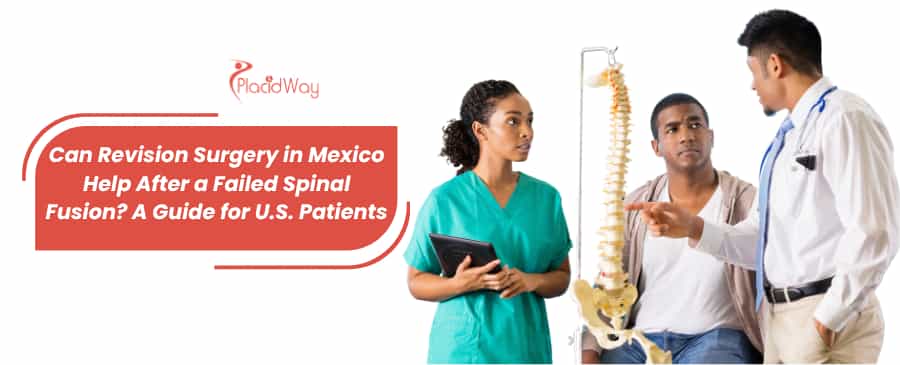
Key Takeaways: Spine Revision Care Abroad
- Cost Savings: Patients can save between 50 to 70 percent compared to private US healthcare pricing.
- Expert Surgeons: Access to board-certified neurosurgeons and orthopedic specialists with international fellowship training.
- Advanced Technology: Facilities utilize modern 3D navigation, neuromonitoring, and premium titanium hardware.
- No Wait Times: Avoid the lengthy scheduling delays common in North American hospital systems.
- Comprehensive Care: Packages often include airport transfers, private hospital suites, and initial physical therapy.
Why should US patients consider spinal fusion revision surgery in Mexico?
Undergoing spinal fusion revision surgery in Mexico provides access to world-class orthopedic care without the exorbitant price tags found in the US. Patients benefit from certified specialists who utilize state-of-the-art medical technology to correct surgical failures.
- Expert surgical teams with international training and extensive experience handling complex failed back surgery syndrome cases.
- Significant financial savings allowing patients to pay out-of-pocket without incurring massive lifelong medical debt.
- Shorter wait times for diagnostic consultations and surgical scheduling compared to overloaded healthcare systems in North America.
- Premium patient care experiences featuring private recovery suites, personalized nutrition, and highly attentive nursing care.
- Access to cutting-edge medical equipment including advanced robotic spine navigation and sophisticated intraoperative imaging systems.
- Comprehensive, transparent care packages that encompass pre-operative testing, surgical fees, and immediate post-operative rehabilitation.
How much does spinal fusion revision surgery cost in Mexico compared to the United States?
The spinal fusion revision surgery cost in Mexico typically ranges between $15,000 and $25,000, representing massive savings. This price difference does not reflect a drop in quality but rather a lower cost of living and reduced administrative overhead.
In the United States, complex revision spine procedures can easily exceed $80,000 to $100,000 for uninsured or underinsured individuals. These astronomical fees often exclude facility charges, anesthesiology bills, and post-operative hardware costs, leaving patients with unexpected and crippling financial burdens.
Medical facilities south of the border operate with significantly lower malpractice insurance premiums and administrative expenses. These systemic savings are directly passed on to the patient, making life-changing corrective spinal procedures financially accessible for those suffering from debilitating chronic pain.
Furthermore, most top-tier facilities offer all-inclusive pricing structures. These transparent packages mean patients know exactly what their total investment will be upfront, covering everything from the operating room and surgeon fees to hospital stays, implants, and basic medications.
| Procedure Type | Estimated Cost (US) | Estimated Cost (Mexico) |
|---|---|---|
| Single Level Revision | $75,000+ | $15,000 - $18,000 |
| Multi-Level Revision | $110,000+ | $20,000 - $25,000 |
| Hardware Removal/Replacement | $60,000+ | $12,000 - $16,000 |
What causes failed back surgery syndrome and why is a second operation needed?
A failed spinal fusion occurs when vertebrae do not heal together properly, leading to hardware loosening, nerve compression, or adjacent segment disease. A secondary procedure becomes necessary to stabilize the spine and alleviate debilitating chronic pain.
Nonunion or pseudarthrosis is one of the most common reasons a primary fusion fails. This happens when the bone graft fails to fuse the vertebrae into a single solid bone mass over time, causing unnatural microscopic movement and severe inflammatory pain at the surgical site.
Another frequent complication is hardware failure, where the titanium screws or rods shift, break, or loosen due to the lack of solid bone fusion. This newly created instability can put dangerous pressure on the spinal cord or surrounding nerve roots, necessitating immediate corrective intervention to prevent permanent neurological damage.
Finally, adjacent segment disease can develop when the successfully fused portion of the spine transfers extra biomechanical stress to the healthy vertebrae above or below it. This accelerated wear and tear requires a revision procedure to extend the fusion and decompress the newly affected spinal nerves.
Smoking is one of the leading preventable causes of failed spinal fusions. Nicotine severely restricts blood vessel growth and inhibits the bone-healing cells required to create a solid fusion, which is why top surgeons require patients to quit smoking months before a revision procedure.
How do I choose the best spinal fusion revision surgery clinic in Mexico?
Selecting the right spinal fusion revision surgery clinic in Mexico requires careful evaluation of accreditations, surgeon credentials, and facility protocols. Patients must prioritize specialized centers that handle high volumes of complex revision cases.
- Verify international accreditations such as Joint Commission International or strict national certifications from the General Health Council.
- Ensure the lead surgeon is board-certified in orthopedic spine surgery or neurosurgery with specific fellowship training in complex revisions.
- Request transparency regarding the facility infection rates and their precise protocols for managing potential post-operative complications.
- Look for modern centers equipped with continuous intraoperative neuro-monitoring systems to protect nerve function during surgery.
- Review independent patient testimonials and request to speak directly with former patients who underwent similar corrective procedures.
- Confirm that the hospital strictly uses premium, internationally recognized brands for their titanium rods, screws, and bone graft materials.
Is medical tourism in Mexico safe for complex neurological and orthopedic procedures?
Engaging in medical tourism in Mexico is highly safe when patients choose strictly vetted, internationally accredited healthcare institutions. The country has established itself as a premier destination by adhering to rigorous global medical standards.
The Mexican healthcare sector has invested heavily in infrastructure to attract international patients, creating highly secure medical districts in major cities. These zones feature advanced hospitals that mirror or exceed the cleanliness, technology, and patient safety protocols typically found in leading American healthcare networks.
Many elite spine surgeons operating in these top facilities have completed extensive medical fellowships in the United States, Canada, or Europe. They bring global best practices back to their home country, ensuring that international patients receive surgical care that perfectly aligns with the highest international medical guidelines.
To maintain their competitive edge in the massive global health market, these hospitals enforce rigorous internal quality control measures. From advanced sterilization departments to having a dedicated international patient coordinator, every aspect of the clinical experience is optimized to ensure absolute safety and superior clinical outcomes.
What advanced techniques are used for revision spine operations?
Modern revision spine operations utilize minimally invasive surgical approaches, intraoperative CT navigation, and neuromonitoring to enhance safety. These advanced methodologies reduce blood loss, minimize tissue damage, and accelerate the healing timeline.
- Computer-assisted spinal navigation systems allow surgeons to place pedicle screws with pinpoint millimeter accuracy, safely avoiding delicate nerve roots.
- Continuous intraoperative neuromonitoring tracks nerve electrical signals in real-time to prevent accidental neurological damage during heavy scar tissue removal.
- Minimally invasive tubular retractors are utilized to access the damaged spine through tiny incisions, vastly preserving surrounding healthy back muscle tissue.
- Advanced biologics and specialized bone morphogenetic proteins are deployed to aggressively stimulate new bone growth and prevent a repeat nonunion failure.
- Advanced 3D printed customized surgical guides help tailor the entire procedure specifically to the unique anatomical challenges of the individual patient.
- High-definition microscopic visualization provides unparalleled visual clarity when surgeons must free trapped nerves from thick post-surgical scar tissue.
What is the typical timeline and patient journey for this complex procedure?
The typical timeline for a complex spine revision involves extensive remote pre-operative planning followed by a 10 to 14 day stay in the destination country. This duration ensures ample time for surgical preparation, the operation, and crucial medical supervision.
The journey begins weeks before travel, involving comprehensive remote consultations where foreign specialists review recent digital MRI and CT scans. This meticulous pre-planning phase is critical for diagnosing the exact biological or mechanical cause of the initial failure and designing a highly customized surgical strategy.
Upon arrival, patients undergo immediate in-person physical evaluations and fresh diagnostic blood testing to ensure they are fully fit for general anesthesia. The surgical procedure is typically scheduled for the following day, after which the patient spends three to five days recovering in a private hospital suite under round-the-clock nursing care.
Following hospital discharge, patients safely relocate to a comfortable, medically-equipped local recovery hotel for an additional week of monitoring. During this crucial time, they attend regular follow-up appointments to check incision wound healing, manage post-op pain levels, and eventually receive official clearance to fly back home safely.
How do Mexican hospitals manage post-operative pain and rehabilitation?
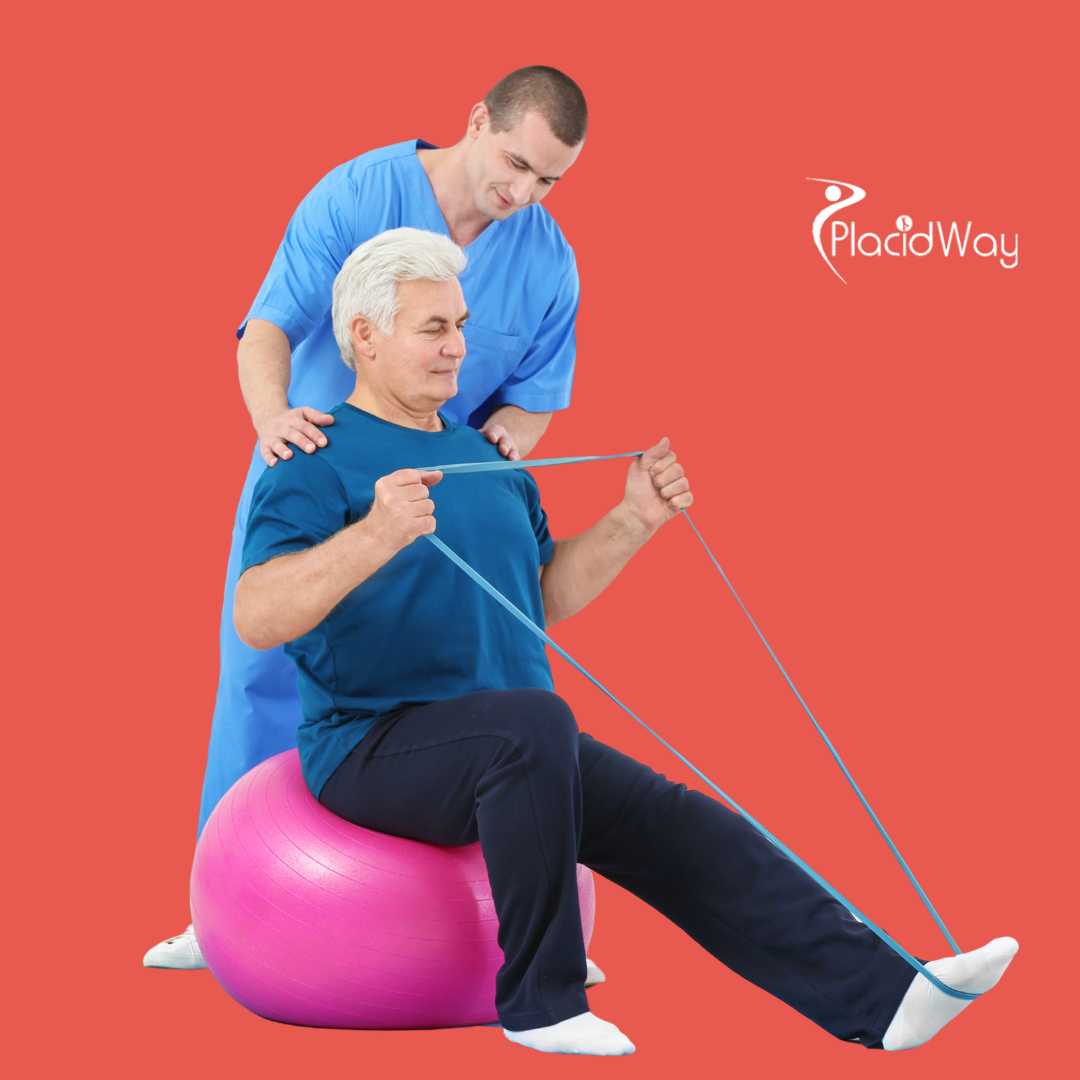
Top hospitals implement aggressive, multimodal pain management protocols and early mobilization strategies to facilitate a comfortable recovery. Dedicated rehabilitation teams work immediately with patients to safely rebuild core strength and restore spinal mobility.
- Multimodal pain control combines specialized targeted nerve blocks, anti-inflammatory medications, and analgesics to heavily minimize reliance on heavy addictive opioids.
- Clinical physical therapists begin gentle bedside mobilization within 24 hours of surgery to promote vital blood circulation and strictly prevent dangerous deep vein blood clots.
- Customized bracing protocols are established to keep the newly stabilized spine perfectly aligned during the highly vulnerable initial bone healing phase.
- Patients receive comprehensive discharge education detailing specific bending movement restrictions, precise lifting limits, and proper daily wound care techniques.
- Tailored nutritional support is provided to ensure the body receives the heavy amounts of protein and vitamins required for aggressive bone graft healing.
- Digital telehealth follow-up programs allow patients to consult their physical therapy team remotely once they return safely to their home country.
Why Choose PlacidWay for your spine journey?
PlacidWay serves as an essential partner in your medical journey, connecting you with verified spine specialists while eliminating the stress of navigating a foreign system. Our platform prioritizes patient safety, clinical transparency, and exceptional medical outcomes.
- Our rigorous vetting process ensures all partnered hospitals maintain strict international accreditations and historically unblemished patient safety records.
- We conduct comprehensive background checks on all affiliated spine surgeons to verify their board certifications, fellowships, and revision surgery success rates.
- Complete transparency in our pricing structures guarantees you receive accurate all-inclusive quotes with absolutely no hidden fees or surprise medical bills.
- Dedicated patient coordination teams provide continuous clinical advocacy and bridge any communication gaps between you and the foreign medical staff.
- Expert technical assistance is provided for gathering and transferring your complex medical records and massive diagnostic imaging files securely to your chosen surgical team.
Ready to Reclaim Your Quality of Life?
Don't let a failed spinal fusion keep you in chronic pain. Discover world-class, affordable revision spine surgery options tailored specifically to your medical needs. Let our expert coordinators guide you safely toward a successful recovery.
Get a Free Custom Quote Today.png)



.png)
.png)
.png)












Share this listing