


When comparing Cervical Disc Replacement in Mexico vs. USA, the most profound differentiator for self-pay patients is the out-of-pocket expense. Cervical disc replacement in Mexico costs $10,500 to $16,000 USD, offering a 60% to 70% savings compared to the $35,000–$50,000+ average cost in the US. Mexican medical tourism packages generally include the surgical procedure, hospital stay, anesthesia, and premium FDA-approved artificial discs (like Mobi-C or ProDisc-C), performed by board-certified spine surgeons in internationally accredited facilities.

Chronic neck pain, radiating arm numbness, and debilitating nerve compression impact millions of adults worldwide. When non-surgical treatments fail, spine surgery becomes the only viable path to restoring neurological function and quality of life. For decades, spinal fusion was the only answer. Today, motion-preserving technologies have revolutionized spine care. However, navigating the modern healthcare system presents a harsh reality: accessing advanced spinal procedures often comes with a staggering financial burden.
For uninsured, underinsured, or self-pay patients, the domestic cost of neurosurgery can be financially devastating. As high-deductible health plans become the norm, a rapidly increasing number of patients are looking beyond their local borders. When comparing Cervical Disc Replacement in Mexico vs. USA, international medical travel emerges as a highly viable, empowering alternative. By traveling to world-class medical hubs like Tijuana, Monterrey, or Cancun, patients are securing top-tier neurological care at a fraction of North American prices.
This comprehensive 2026 guide is designed to help you make an informed, confident healthcare decision. Below, we will thoroughly explore:
- The precise medical definition and context of artificial disc replacement
- A detailed breakdown of costs and package inclusions
- The step-by-step procedure and recovery timeline
- Essential safety protocols to mitigate risks when choosing a spine surgeon abroad
Quick Facts at a Glance
Essential benchmarks for self-pay patients researching artificial disc replacement abroad.
- Average Cost in Mexico
- $10,500 – $16,000
- Average Cost in the USA
- $35,000 – $50,000+
- Hospital Stay
- 1 – 2 Nights
- Required Time in Mexico
- 7 – 10 Days
- Top FDA-Approved Implants
- Mobi-C, ProDisc-C, Prestige LP
- Bone Healing Timeline
- 8 – 12 Weeks
What is Cervical Disc Replacement with Motion Preservation?
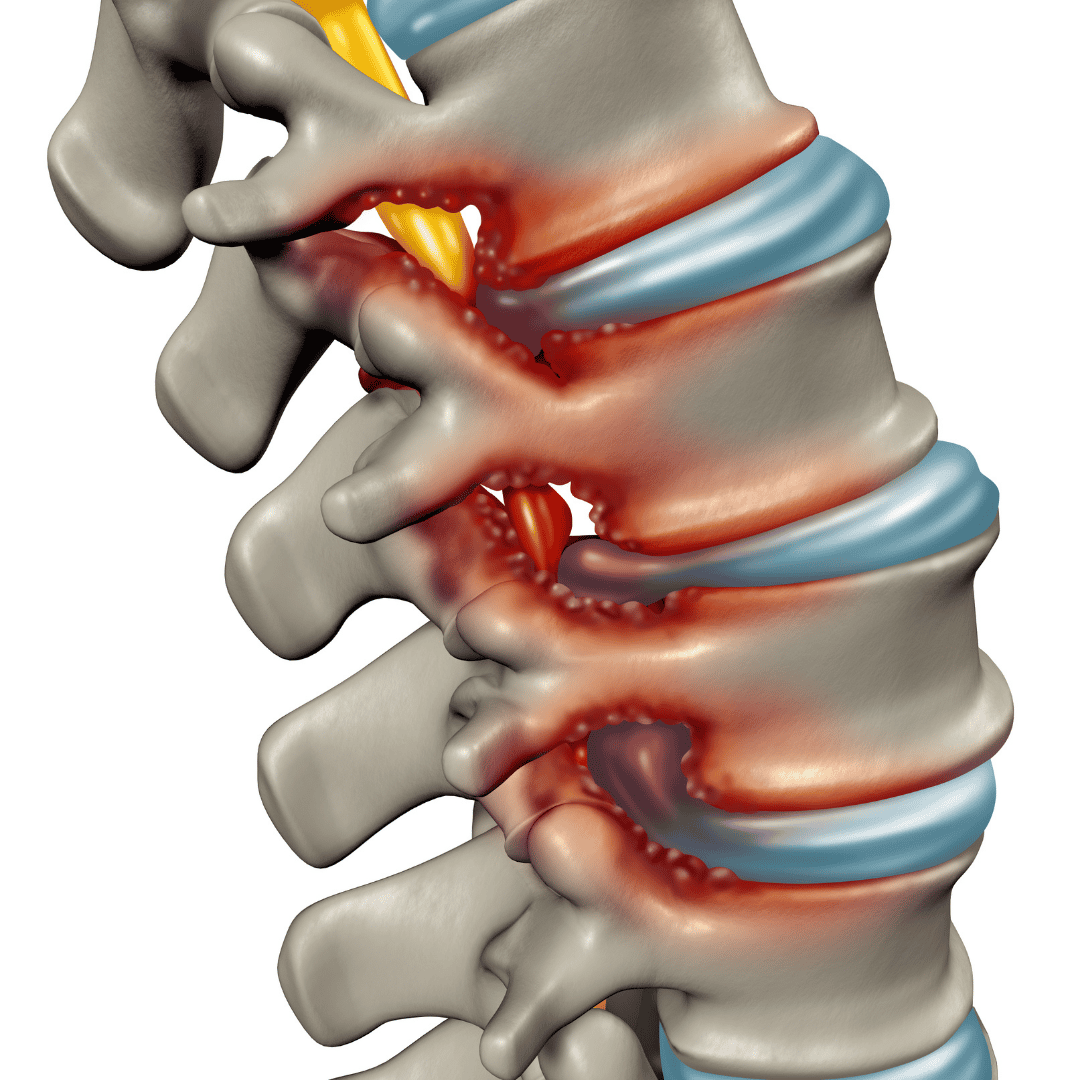
The human cervical spine consists of seven vertebrae (C1 to C7) separated by shock-absorbing intervertebral discs. Over time, due to age-related degeneration, trauma, or genetics, these discs can bulge, herniate, or collapse. When this occurs, the disc material presses against the fragile spinal cord or branching nerve roots. This compression leads to cervical radiculopathy—characterized by intense pain, numbness, tingling, and weakness radiating down the shoulders, arms, and hands.
The Shift from Fusion to Arthroplasty
Historically, the gold standard for treating this condition was Anterior Cervical Discectomy and Fusion (ACDF). While highly effective at relieving nerve pain, ACDF permanently locks two or more vertebrae together with bone grafts and metal plates. This loss of motion places increased mechanical stress on the adjacent spinal levels, frequently leading to a condition called adjacent segment disease, which may require further surgeries years down the line.
Artificial disc replacement was developed to solve this exact problem. By inserting a sophisticated, bio-compatible implant (usually constructed from titanium, cobalt-chromium, and medical-grade polyethylene) into the empty disc space, surgeons can restore natural disc height and allow the spine to flex, extend, and rotate normally.
Patients increasingly favor CDR because clinical studies suggest it results in faster recovery times, fewer long-term swallowing issues, and a significantly reduced risk of adjacent segment degeneration compared to traditional fusion.
2026 Cost Breakdown: Mexico vs. USA
The financial barrier to spine surgery in North America is profound. Even with premium health insurance, high deductibles, specialized surgeon copays, and out-of-network facility fees can leave patients drowning in medical debt. When comparing Cervical Disc Replacement in Mexico vs. USA, the data clearly illustrates why medical tourism is surging.
Note: Costs represent broad regional averages and vary based on the specific brand of the artificial disc, the hospital's prestige, and the complexity of the patient's individual spinal anatomy.
What Does a Mexican Spine Surgery Package Include?
One of the most stressful aspects of the US healthcare system is receiving multiple, separate bills from the hospital, the surgeon, the anesthesiologist, and the implant manufacturer months after a procedure. Medical tourism clinics operate on a transparent, bundled-package model. A standard package covers:
- Surgeon & Specialist Fees: The primary neurosurgeon or orthopedic spine surgeon, the surgical assistant, and the board-certified anesthesiologist.
- The Implant: The cost of the FDA-approved artificial disc (which alone can cost $4,000 to $8,000 in the US).
- Hospital Care: Operating room time, fluoroscopy (real-time X-ray guidance during surgery), recovery room, and 1-2 nights in a private hospital suite with 24/7 nursing care.
- Pre-Operative Testing: Standard blood panels, EKG, and sometimes a final pre-op X-ray.
- Logistics: VIP ground transportation from the nearest international airport (e.g., San Diego to Tijuana) directly to the hospital or hotel.
What is Excluded?
Patients must independently budget for round-trip airfare, accommodations at a recovery hotel for the days following hospital discharge, companion travel expenses, and any specialized post-operative physical therapy required once back in their home country.
Why is Spine Surgery so Much Cheaper in Mexico?
A 70% price reduction naturally invites skepticism. However, lower costs do not equate to inferior quality. The price difference is driven entirely by systemic economic factors. Mexico boasts a drastically lower cost of living, which translates to lower wages for support staff and lower facility maintenance costs. Furthermore, the absence of the bureaucratic US insurance billing system eliminates massive administrative overhead. Finally, medical malpractice insurance in Mexico is significantly less expensive due to different legal frameworks, allowing doctors to pass those operational savings directly to self-pay patients.
Step-by-Step Spine Surgery Process in Mexico
Traveling across borders for neurosurgery requires meticulous logistical planning and coordination. Knowing exactly what to expect helps alleviate anxiety. Here is the typical timeline for an international patient undergoing cervical disc replacement.
- Virtual Diagnostic Review (Weeks Prior): You submit recent MRI scans (ideally no older than 3-6 months) and a detailed symptom history to the international patient coordinator. The Mexican spine surgeon reviews the imaging to confirm severe nerve compression and verify that your bone density and spinal alignment make you an ideal candidate for arthroplasty rather than fusion.
- Arrival and Pre-Op (Day 1): You arrive in the destination city (via international flight or border crossing). A private driver transports you to the hospital or clinic. You undergo comprehensive pre-operative blood tests, an electrocardiogram (EKG), and have an extensive in-person consultation with your surgeon to review the surgical plan and ask final questions.
- The Procedure (Day 2): The surgery is performed under general anesthesia. Using an anterior approach (a small incision on the front of the neck), the surgeon carefully moves aside the trachea and esophagus to access the spine. The damaged disc and any bone spurs are removed (discectomy). The empty space is measured, and the artificial disc is securely implanted. The procedure typically takes 1.5 to 3 hours depending on the number of levels being replaced.
- Inpatient Observation (Days 2-4): You wake up in the recovery room wearing a soft cervical collar. Most patients notice an immediate reduction in their radiating arm pain, though surgical incision pain and temporary difficulty swallowing (dysphagia) are common. You spend 1 to 2 nights in the hospital receiving IV pain medication and careful neurological monitoring.
- Outpatient Recovery (Days 4-9): You are discharged to a local, comfortable recovery hotel. You will rest, take short walks to promote blood circulation, and manage pain with oral medications.
- Final Clearance and Departure (Day 10): You return to the clinic for a final wound check, neurological assessment, and possibly a post-op X-ray to ensure the implant is perfectly seated. Once the surgeon clears you, you are free to fly back home.
Safety, Quality, and Medical Standards
When dealing with the spinal care treatments, patient safety is paramount. The primary concern when evaluating Cervical Disc Replacement in Mexico vs. USA is ensuring that the clinical outcomes will be identical to domestic care. By choosing the right facility and provider, this is entirely achievable.
World-Class Surgeon Credentials
Spine surgery in Mexico is not performed by general practitioners. It is exclusively handled by elite neurosurgeons and orthopedic spine specialists. When vetting a provider, look for:
- Board Certification: Ensure the surgeon is certified by the Consejo Mexicano de Cirugía Neurológica (Mexican Council of Neurological Surgery) or the equivalent orthopedic board.
- International Fellowships: The top tier of Mexican spine surgeons frequently complete advanced fellowship training in minimally invasive spine surgery at prestigious institutions in the United States, Canada, or Europe.
- Active Memberships: Many top surgeons maintain memberships in global organizations like the North American Spine Society (NASS) or the AOSpine foundation.
FDA-Approved Artificial Discs
A critical factor in safety is the hardware itself. Reputable Mexican hospitals do not use cheap, generic implants. They utilize the exact same premium, FDA-approved artificial discs used in top American hospitals. These include:
- Mobi-C: Manufactured by Zimmer Biomet, highly regarded for both one and two-level replacements.
- ProDisc-C: Manufactured by Centinel Spine, known for its extensive clinical history and durability.
- Prestige LP: Manufactured by Medtronic, utilizing a specialized titanium-ceramic blend.
Hospital Accreditation Standards
To guarantee safety, patients must select hospitals that meet rigorous international standards. Seek out facilities accredited by the Joint Commission International (JCI) or the Mexican General Health Council (CSG). These accreditations guarantee that the hospital adheres to strict protocols regarding operating room sterility, advanced anesthesia equipment, and the presence of fully equipped Intensive Care Units (ICUs) to handle any rare, unforeseen complications.
Post-Operative Recovery: Timelines and Aftercare
The success of your cervical arthroplasty relies heavily on proper post-operative care. Because the procedure does not require waiting for bones to fuse together (as ACDF does), the recovery timeline for artificial disc replacement is generally faster and less restrictive.
The Phased Recovery Timeline
- Weeks 1 to 2 (Acute Phase): Focus is on wound healing and managing surgical site discomfort. Difficulty swallowing and a sore throat are very common due to the retraction of the esophagus during surgery; this usually resolves within 7-14 days. You will be advised to eat soft foods. A soft cervical collar may be worn for comfort, particularly when sleeping or riding in a car.
- Weeks 3 to 6 (Early Healing): Pain levels drop significantly. Most patients can return to light desk work and driving (once off all narcotic pain medications and able to comfortably turn their head). Heavy lifting (over 10 pounds) and overhead reaching remain strictly prohibited.
- Months 2 to 3 (Strengthening): At this stage, osseointegration—the process where your natural bone begins to grow onto and secure the porous endplates of the artificial disc—is well underway. Supervised physical therapy often begins here to strengthen the neck muscles and improve posture.
- Months 4 to 6 (Full Recovery): Once follow-up X-rays confirm the implant is stable, the surgeon typically clears the patient for all normal activities, including low-impact sports, swimming, and light jogging.
Warning Signs Post-Surgery
Following surgery, patients must remain vigilant. Contact medical professionals immediately if you experience sudden, severe difficulty breathing or swallowing, fever above 101°F (38.3°C), new or worsening numbness/weakness in the arms or legs, or thick drainage/redness at the incision site, as these could indicate a hematoma or infection.
How to Choose the Right Spinal Care Clinic in Mexico for Self-Pay Patients?
Navigating the global medical tourism market requires diligence. Use this 6-point checklist to systematically evaluate providers and protect your neurological health.
- Demand the Surgeon’s Credentials: Request their CV. Verify their board certification and ask how many cervical disc replacements they perform annually (high volume correlates with better outcomes).
- Confirm Implant Specifics: Ask the clinic to put in writing the exact brand and manufacturer of the artificial disc they intend to use. Ensure it is an internationally recognized, FDA-approved device.
- Assess the Hospital Capabilities: Ensure the surgery takes place in a fully accredited hospital with an on-site ICU, not a small outpatient surgical suite. Spine surgery requires comprehensive medical backup.
- Review the Itemized Quote: Ensure the price includes the implant, surgeon fees, hospital stay, anesthesia, and post-op hotel transfers. Watch out for hidden "hardware fees."
- Evaluate Communication: A dedicated, fluent English-speaking patient coordinator is essential for navigating medical instructions safely.
- Establish Local Follow-Up Care: Before you travel to Mexico, locate a primary care physician or a local spine specialist who agrees to order and review your post-operative follow-up X-rays at the 3-month mark.
Risks, Limitations, and Contraindications
All surgical procedures carry inherent risks. As a patient, you must approach medical tourism with a balanced perspective, weighing the remarkable benefits against potential complications.
Clinical Risks of Arthroplasty
While generally safe, cervical disc replacement carries risks such as infection, bleeding, adverse reactions to anesthesia, and implant complications. These include subsidence (the implant sinking into the adjacent bone), implant migration, or heterotopic ossification (unintended bone growth around the artificial disc that restricts motion). There is also a small risk of damage to the recurrent laryngeal nerve, which controls the vocal cords, potentially causing temporary or permanent hoarseness.
Who is NOT a Candidate?
Artificial disc replacement is not suitable for everyone. A reputable Mexican spine surgeon will turn down patients who present with:
- Severe Osteoporosis: Weak bones cannot properly support and anchor the artificial implant.
- Spinal Instability: Conditions like severe spondylolisthesis require the structural stabilization provided by fusion.
- Widespread Degeneration: If there is severe facet joint arthritis or more than two levels of the cervical spine require treatment, a fusion is typically the safer, more durable option.
- Active Infections: Any systemic or localized infection must be fully resolved before placing artificial hardware in the body.
The Logistics Risk
The primary disadvantage of medical tourism is the geographic barrier to managing long-term complications. If you develop an infection three weeks after returning home to Chicago or Toronto, you cannot easily drive back to your surgeon in Monterrey. You must have a robust plan for managing delayed complications locally.
5-Step Action Plan to Relief Your Spine in Mexico
If you are suffering from severe nerve pain and are ready to explore affordable surgical solutions abroad, follow this actionable framework to initiate your journey safely.
- Obtain a Current MRI: You must have a cervical MRI scan that is less than 6 months old. No ethical surgeon will provide a definitive quote or surgical plan without viewing recent imaging.
- Request Multiple Quotes: Use platforms like PlacidWay to request detailed treatment plans from 2-3 highly rated spine centers in Mexico. Compare the surgeon profiles and inclusions.
- Schedule a Virtual Consultation: Arrange a video call with the prospective surgeon. Discuss whether you are a better candidate for ACDF (fusion) or CDR (replacement) based on your specific anatomy.
- Plan Your Support System: Arrange for a family member or friend to travel with you. You will need assistance with luggage and mobility during the airport transit home.
- Secure Travel Documentation: Ensure your passport is valid for at least six months beyond your planned travel dates and review any specific visa requirements based on your country of citizenship.
Reclaim Your Mobility and Quality of Life
Connect with internationally accredited spine hospitals in Mexico. Review board-certified neurosurgeon profiles, compare package costs, and schedule a comprehensive medical evaluation today.
Frequently Asked Questions
Take Control of Your Spinal Health
Living with the excruciating pain and functional limitations of a compressed cervical nerve is exhausting. When comparing Cervical Disc Replacement in Mexico vs. USA, the evidence demonstrates that patients no longer have to choose between enduring chronic pain and facing medical bankruptcy. By saving up to 70%, self-pay patients can afford prompt, state-of-the-art neurosurgical intervention.
However, successful medical tourism requires informed decision-making. You must prioritize JCI-accredited hospitals, demand board-certified surgeons, and insist on FDA-approved implants. Your spinal health is arguably your most critical physical asset—treat it with the utmost care and diligence.
If you are ready to break free from neck pain and explore your options, the next step is simple. Connect with verified medical providers through PlacidWay, request a personalized treatment plan, and begin your journey toward lasting relief and restored mobility.
The information in this article is for educational purposes only and does not constitute medical advice. Individual results vary based on health status, case complexity, and other factors. Always discuss your specific situation with a licensed healthcare professional before making treatment decisions. PlacidWay connects patients with verified healthcare providers but does not provide medical services directly.
- Mayo Clinic: Cervical Disc Replacement Guide
- National Institutes of Health (NIH): Clinical Outcomes of Cervical Artificial Disc Replacement
- World Health Organization (WHO): Musculoskeletal Health and Interventions
- North American Spine Society (NASS): Patient Guide to Artificial Disc Replacement
- PlacidWay Medical Tourism: Global Spine Surgery Treatment Options








.png)

.png)
.png)








Share this listing