


Sevana Garibian’s Journey: Stem Cell Therapy for Diabetes Mellitus and PCOD in Mumbai, India
Are you struggling with the exhausting daily management of chronic metabolic conditions? Sevana Garibian shares her life-changing experience with stem cell therapy for diabetes mellitus and PCOD in Mumbai, India. For years, patients have relied on temporary pharmaceutical fixes to manage unpredictable blood sugar spikes and complex hormonal imbalances associated with Polycystic Ovary Disease. Today, regenerative medicine offers a groundbreaking, science-backed alternative.
By targeting the root causes of cellular dysfunction and systemic inflammation, cutting-edge medical facilities in India are helping international patients reclaim their health and vitality. Discover how Sevana found renewed energy, stabilized her metabolic markers, and achieved long-term relief through advanced stem cell treatments in one of the world's premier medical tourism destinations.
Video Chapters & Quick Navigation
Understanding the Dual Challenge: Diabetes Mellitus and PCOD
Living with a single chronic illness is difficult, but managing both Diabetes Mellitus and Polycystic Ovary Disease (PCOD) simultaneously presents a unique physiological burden. These two conditions are deeply interconnected through a common biological denominator: severe insulin resistance. When the body's cells fail to respond effectively to insulin, the pancreas is forced to produce more of this hormone to keep blood glucose levels stable.
This chronic hyperinsulinemia does more than just exhaust the pancreas and elevate blood sugar levels; it also triggers the ovaries to produce excess androgens, particularly testosterone. As noted at in the video, Sevana experienced the cascading effects of this hormonal disruption. The elevated androgens interfere with normal ovulation, leading to the formation of multiple ovarian cysts, irregular menstrual cycles, and systemic inflammation.
The relationship between diabetes and PCOD creates a vicious cycle that is notoriously difficult to break. Weight gain caused by insulin resistance exacerbates PCOD symptoms, while the hormonal imbalances of PCOD make maintaining healthy blood sugar levels nearly impossible. Patients often find themselves trapped in a deteriorating state of metabolic health, searching desperately for a holistic medical intervention that addresses both disorders simultaneously.
Why Traditional Treatments Often Fall Short for Metabolic Disorders
For decades, the standard protocol for treating Diabetes Mellitus has revolved around symptom management rather than cellular healing. Patients are typically prescribed a lifelong regimen of oral medications, such as Metformin, or daily exogenous insulin injections. While these medications are essential for preventing acute diabetic emergencies, they do not repair the damaged pancreatic beta cells responsible for natural insulin production.
Similarly, the conventional approach to managing PCOD relies heavily on hormonal birth control pills and anti-androgen medications to force artificial menstrual cycles. As highlighted at , Sevana found these traditional treatments to be exhausting and fundamentally inadequate. They only masked her underlying symptoms without addressing the core cellular dysfunction driving her illness.
Furthermore, the cumulative side effects of prolonged pharmaceutical use can take a severe toll on a patient's liver, kidneys, and overall quality of life. The realization that traditional medicine could only offer lifelong dependency rather than a cure is what drives many international patients to explore advanced regenerative medicine. The pursuit of long-term healing, rather than perpetual symptom suppression, is the primary catalyst for the rising interest in stem cell therapy.
The Science Behind Stem Cell Therapy for Diabetes Mellitus
Stem cell therapy represents a paradigm shift in the treatment of Diabetes Mellitus. Unlike pharmaceuticals, regenerative medicine utilizes the body’s own intrinsic healing mechanisms to repair damaged tissues. The most commonly used cells for metabolic disorders are Mesenchymal Stem Cells (MSCs), which are typically harvested from the patient's own bone marrow or adipose (fat) tissue.
Once introduced into the body, MSCs exhibit a remarkable ability known as "homing." They actively seek out areas of high inflammation and cellular damage, such as a struggling pancreas. Upon reaching the pancreatic islets, stem cells begin to secrete vital growth factors and cytokines that promote the regeneration of beta cells. This mechanism helps to restore the body’s natural ability to produce and regulate insulin organically.
Moreover, stem cells possess potent immunomodulatory properties. In cases where diabetes is driven by autoimmune responses, MSCs help to regulate the immune system, preventing it from further attacking the pancreas. By addressing both tissue damage and immune dysfunction, advanced stem cell treatments for diabetes aim to significantly reduce—or in some cases eliminate—the patient's dependence on exogenous insulin and synthetic medications.
Addressing PCOD Through Advanced Regenerative Medicine
The application of stem cell therapy for Polycystic Ovary Disease is one of the most exciting advancements in modern gynecology and endocrinology. PCOD is characterized by chronic low-grade inflammation that severely impairs ovarian function. Stem cells directly combat this localized inflammation, creating a healthier microenvironment within the ovaries.
When administered systematically, MSCs help to repair damaged ovarian tissues and improve the vascularization of the reproductive organs. Better blood flow means enhanced delivery of oxygen and nutrients, which is crucial for healthy follicular development. As mentioned at , patients often experience a significant reduction in ovarian cyst formation following regenerative therapy.
Most importantly, stem cell therapy helps to restore the delicate endocrine balance required for regular ovulation. By improving insulin sensitivity at the cellular level, the therapy naturally decreases the overproduction of androgens. This comprehensive physiological reset allows many women suffering from PCOD to regain natural menstrual cycles, shed stubborn hormonal weight, and vastly improve their natural fertility outcomes.
Why Sevana Garibian Chose Mumbai, India for Stem Cell Treatment
When searching for the best stem cell therapy clinics for metabolic disorders, patients are increasingly looking beyond their home borders. Sevana Garibian’s decision to travel to Mumbai, India, was driven by a combination of exceptional medical expertise, advanced clinical infrastructure, and compassionate patient care. Mumbai has rapidly evolved into a global epicenter for regenerative medicine and medical tourism.
The top stem cell hospitals in Mumbai operate under strict international protocols, often holding prestigious JCI (Joint Commission International) accreditations. These facilities are staffed by highly specialized regenerative medicine experts, hematologists, and endocrinologists who have trained extensively in the United States and Europe. The medical teams in India are renowned for adopting a personalized, multidisciplinary approach to complex cases involving dual diagnoses like Diabetes and PCOD.
Beyond the medical expertise, the holistic care environment in Mumbai is unmatched. International patients are provided with dedicated case managers, language translators, and comprehensive nutritional counseling. This high level of attentive, individualized care ensures that patients like Sevana feel safe, supported, and confident throughout their entire medical journey abroad.
The Step-by-Step Stem Cell Treatment Process in India
For international patients considering this journey, understanding the clinical protocol helps alleviate anxiety. The stem cell treatment process in Mumbai is a highly structured, multi-day medical program. It begins with an exhaustive pre-treatment evaluation, including advanced blood panels, endocrine profiling, and high-resolution imaging to assess the severity of both the diabetes and the PCOD.
1. Stem Cell Harvesting
Following medical clearance, the physician performs a minimally invasive procedure to harvest the patient's own adult stem cells. As Sevana describes at , this is typically done by extracting a small amount of bone marrow from the hip bone or adipose tissue from the abdomen under local anesthesia. The procedure is brief and involves minimal discomfort.
2. Laboratory Processing and Culturing
Once harvested, the tissue sample is immediately transported to a state-of-the-art, cGMP-compliant laboratory. Here, clinical scientists isolate the potent Mesenchymal Stem Cells from the raw tissue. These stem cells are then purified, concentrated, and sometimes cultured to ensure the highest possible yield of viable, healthy cells for reimplantation.
3. Targeted Administration
The final step involves administering the concentrated stem cells back into the patient's body. Depending on the specific protocol, this may be done through a simple intravenous (IV) drip, allowing the cells to circulate systemically. In some specialized cases, targeted local injections may also be utilized to deliver the cells directly to the reproductive organs or surrounding vascular networks.
Comparing Stem Cell Therapy Costs: India vs. The West
One of the most compelling reasons international patients choose medical tourism in India is the sheer affordability of world-class healthcare. In the United States, the United Kingdom, or Canada, regenerative medicine is often classified as experimental by insurance companies, leaving patients to pay exorbitant out-of-pocket fees.
In contrast, the cost of stem cell treatment for metabolic disorders in Mumbai is highly regulated and incredibly cost-effective. The lower cost of living and favorable exchange rates allow top-tier Indian clinics to offer premium treatments without compromising on safety, technology, or laboratory standards. Patients often save between 60% and 80% on their total medical bills.
| Treatment Location | Estimated Cost (USD) | Inclusions |
|---|---|---|
| United States | $20,000 - $35,000+ | Procedure only, strict FDA limits on cell expansion. |
| United Kingdom / Europe | $15,000 - $25,000+ | Often requires long wait times, limited private options. |
| Mumbai, India | $6,000 - $10,000 | Comprehensive package: Consults, lab work, cell culturing, IV therapy, VIP hospital stay. |
Sevana's Remarkable Results and Quality of Life Improvements
The true measure of any medical intervention lies in the patient's long-term outcome. As Sevana excitedly details at in her testimony, the changes she experienced post-treatment were nothing short of miraculous. Within a few months of returning home, her routine blood work revealed a significant drop in her HbA1c levels, indicating stabilized, long-term blood sugar control.
Furthermore, the debilitating symptoms of PCOD began to fade rapidly. Her menstrual cycles, which had been erratic and painful for years, naturally regulated themselves. The chronic fatigue and brain fog caused by her hormonal imbalances were replaced by a sustained, vibrant energy that allowed her to return to her daily activities with enthusiasm.
Sevana's successful stem cell therapy experience in Mumbai serves as a beacon of hope for countless others. Her journey proves that a diagnosis of Diabetes Mellitus and PCOD does not have to mean a lifetime of suffering and medication. By taking control of her health and exploring advanced medical tourism options, she was able to fundamentally change the trajectory of her chronic illness.
Who is an Ideal Candidate for Regenerative Treatment?
While stem cell therapy is highly effective, it is important to understand that comprehensive clinical screening is necessary to determine eligibility. Ideal candidates for regenerative medicine in India are typically individuals who have not responded well to conventional pharmaceutical therapies. Patients experiencing severe side effects from their current diabetes or PCOD medications are prime candidates for this alternative approach.
Additionally, candidates should have realistic expectations regarding the healing timeline. Stem cell therapy is not an overnight fix; the cellular repair process can take several months to reach maximum efficacy. Patients must be committed to supporting their regenerative treatment with positive lifestyle changes, including an anti-inflammatory diet and regular physical activity, to ensure optimal long-term results.
If you have been diagnosed with Type 2 Diabetes, autoimmune Type 1 Diabetes, or severe PCOD, your medical history makes you an excellent candidate for evaluation. Leading medical tourism providers meticulously review patient medical files before travel, ensuring that the trip to Mumbai will be both safe and medically beneficial.
The Future of Medical Tourism and Regenerative Healthcare
The global healthcare landscape is shifting dramatically. Patients are no longer willing to accept the limitations of their local healthcare systems when superior, more innovative treatments are available internationally. Mumbai, India, stands at the forefront of this medical revolution, consistently delivering world-class outcomes in the field of regenerative medicine.
As research into mesenchymal stem cells continues to evolve, the protocols for treating metabolic and endocrine disorders will only become more refined and powerful. The integration of advanced genetics, personalized cell culturing, and comprehensive aftercare is setting a new global standard for how we approach chronic disease management.
Sevana’s story is a powerful testament to the life-changing potential of crossing borders for medical care. Her vibrant health today is the direct result of choosing an advanced, root-cause resolution over temporary symptom management. The opportunity to rewrite your medical history and reclaim your vitality is entirely within your reach.
Ready to Reclaim Your Metabolic Health?
PlacidWay Medical Tourism connects you with globally accredited, top-rated stem cell clinics in Mumbai, India. Stop merely managing symptoms and start focusing on cellular healing with affordable, cutting-edge regenerative therapy. Let us help coordinate your journey to a healthier life.
GET A FREE QUOTE TODAY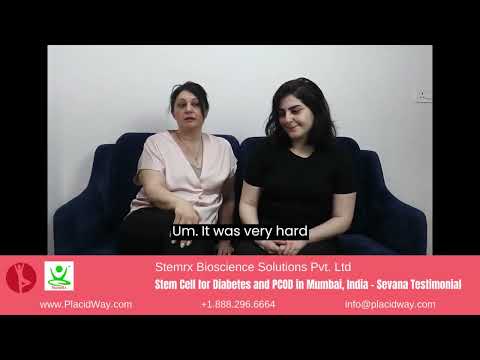




.png)
-(5).png)
.png)
.png)



-(4).png)


-(6).png)








Share this listing