


Overcoming Developmental Hurdles: Stem Cell Therapy Success Stories for Global Developmental Delay
For parents of children diagnosed with Global Developmental Delay (GDD) and persistent seizure disorders, the journey is often a marathon of therapies, medications, and unanswered questions. When traditional medical interventions reach their limit, many families begin to look toward the horizon of modern science. Chidindu, a 17-year-old from Lagos, Nigeria, and his mother, Ndidiamaka Ene, represent thousands of families who have found a new sense of hope through stem cell therapy for global developmental delay in India. This breakthrough treatment is not just a medical procedure; it is a regenerative path designed to repair and restore neurological function that was previously thought to be static.
In this compelling success story, we witness the transition from a "rollercoaster" of developmental challenges to a period of visible improvement and newfound alertness. By traveling to Mumbai, India, for specialized regenerative care, Chidindu’s family has opened a new chapter in their lives. Watch to see how 21st-century biotechnology is providing answers for pediatric neurological conditions that were once considered untreatable.
Video Chapters & Quick Navigation
Understanding Global Developmental Delay and its Impact
Global Developmental Delay (GDD) is an umbrella term used when a child is significantly delayed in two or more categories of development. These categories typically include gross or fine motor skills, speech and language, social and personal skills, and daily living activities. Unlike a specific learning disability, GDD implies a broader lag that affects the child's overall trajectory.
For Chidindu, the challenges began early. As his mother recounts at [00:15], his developmental delay and seizure activity manifested when he was just two years old. This early onset can be particularly devastating, as the first few years of life are critical for brain plasticity and the establishment of fundamental neural connections. When seizures are added to the mix, the brain's ability to process and retain information is further compromised by the frequent electrical "storms" that disrupt cognitive function.
The Role of Seizures in Neurodevelopmental Progression
Seizures are not merely symptoms; in cases of GDD, they can be active participants in slowing down a child's progress. Every seizure episode has the potential to cause minor but cumulative damage to brain tissue. When seizures are frequent and poorly controlled, they create a "fog" that makes it difficult for a child to be alert, focused, or interactive.
In the video, Ndidiamaka describes their life as a "rollercoaster" [00:28]. This emotional and physical exhaustion is common among caregivers. The unpredictability of seizures means that any progress made in speech or motor skills can feel precarious. Finding a therapy that addresses both the underlying developmental lag and the neurological instability of seizures is the ultimate goal of regenerative medicine.
The Science of Stem Cell Therapy for Neurological Improvement
Why are families turning to regenerative medicine for neurological disorders? The answer lies in the unique properties of stem cells. Unlike specialized cells (like those in your skin or heart), stem cells have the potential to transform into different types of cells or, more importantly, to release "trophic factors" that stimulate the body's own repair mechanisms.
Mechanisms of Action in the Brain:
- Neuroprotection: Stem cells can protect existing healthy neurons from further damage.
- Angiogenesis: Improving blood flow to brain regions that may be under-perfused.
- Anti-inflammatory Effects: Reducing chronic inflammation in the brain that is often associated with seizure activity and developmental delays.
- Synaptic Plasticity: Helping the brain form new connections, which is essential for learning and motor skills.
Chidindu’s Journey: From Lagos to Mumbai for Life-Changing Treatment
The decision to seek affordable stem cell therapy for GDD abroad is never taken lightly. After consulting with neurologists in Lagos, Nigeria, the Ene family was advised to seek regenerative options. They ultimately connected with Dr. Mahajan in Lagos and were directed toward specialized facilities in India [00:40].
India has emerged as a global leader in this field, offering advanced protocols that combine stem cell administration with intensive rehabilitation. Chidindu’s mother shares that they spent 15 days in Mumbai at Advancells/Theramaze, a period during which the young man underwent a tailored treatment plan [01:00]. This international medical journey highlights the growing trend of medical tourism, where patients travel across continents to access cutting-edge care that is unavailable or prohibitively expensive in their home countries.
Why Choose India for Pediatric Stem Cell Treatment?
India’s reputation for medical excellence is built on a foundation of highly trained specialists and state-of-the-art laboratory facilities. For families dealing with complex neurological issues, several factors make India a top choice:
| Feature | Benefits for International Patients |
|---|---|
| Advanced Laboratories | GMP-certified labs for the isolation and processing of high-purity stem cells. |
| Experienced Clinicians | Doctors who specialize specifically in neuro-regenerative protocols for pediatric GDD. |
| Holistic Care | Integration of stem cells with physiotherapy, occupational therapy, and speech therapy. |
| Cost-Effectiveness | Treatment costs are often 60-80% lower than comparable experimental therapies in the West. |
The 15-Day Transformation: Real-Time Results in Mumbai
While stem cell therapy is often seen as a long-term healing process, many families report "early wins"—subtle but significant changes that occur shortly after the procedure. In Chidindu’s case, his mother noted a marked improvement in his alertness and seizure control within the first two weeks [01:10].
For a non-verbal or minimally verbal child with GDD, becoming more "alert" means better eye contact, improved response to their name, and a higher level of engagement with their environment. At [01:45], we see a heartwarming interaction where the interviewer asks Chidindu his name and where he is from. His ability to attempt communication and respond to direct questions is a testament to the neurological improvements taking place. These small steps are giant leaps for a family that has been struggling for fifteen years.
The Regenerative Treatment Process: What to Expect
Families considering best stem cell clinics in India often wonder about the specifics of the procedure. While protocols vary based on the patient's age and condition, the general process involves several key stages:
1. Comprehensive Evaluation: The medical team reviews all previous neurological reports, MRI scans, and seizure history to determine the best source of stem cells (often bone marrow-derived or umbilical cord-derived).
2. Cell Processing: The stem cells are isolated and concentrated in a sterile laboratory environment to ensure maximum potency and safety.
3. Administration: The cells are usually administered via an intravenous (IV) drip or an intrathecal injection (into the spinal canal), allowing them to bypass the blood-brain barrier more effectively.
4. Rehabilitation: As seen in the video, the 15-day stay includes intensive daily therapy. This is crucial because stem cells create the "opportunity" for healing, while therapy "trains" the brain to utilize those new pathways.
The Future Outlook for Global Developmental Delay Patients
It is important to manage expectations when discussing neurological stem cell therapy success. Chidindu’s journey is an ongoing one. While the 15-day improvements were remarkable, the full benefits of regenerative medicine often unfold over 3 to 6 months as the cells continue to modulate the immune system and support neural repair.
The Ene family’s experience serves as a beacon of hope for others. By combining the advice of their local Nigerian neurologist with the specialized expertise found in Mumbai, they have given Chidindu a chance at a more alert and interactive life. Their story emphasizes that while the "rollercoaster" may still have its turns, they are no longer passengers without a map; they are actively navigating toward a better future.
Ready to Restore Your Smile in Egypt?
PlacidWay Medical Tourism connects you with top-rated dental clinics in Egypt, offering world-class care at unbeatable prices. Let us handle the details while you focus on your new smile.
GET A FREE QUOTE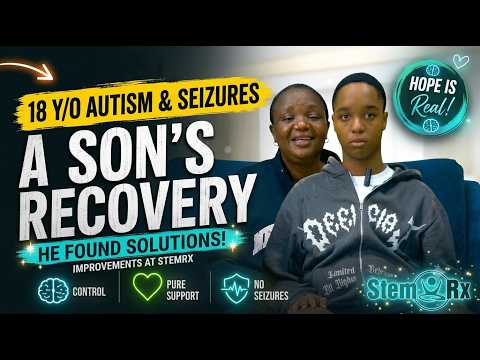


-Package-in-India-by-Dr.-Pravin-Patel.jpg)












Share this listing