


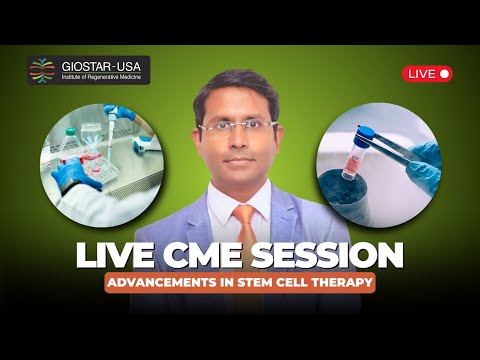
Finding effective treatments for chronic and genetic conditions has historically been one of the greatest challenges in medical science. Today, stem cell therapy in India represents a monumental shift from simply managing symptoms to actively repairing cellular damage. As modern medicine evolves, patients globally are seeking advanced alternatives to conventional treatments that often fall short of addressing the root causes of their ailments.
Humanity has witnessed thousands of diseases over the centuries, with cures available for only a fraction of them. Countless patients and families experience severe suffering, demanding more profound advancements in the medical sciences [00:10]. Regenerative medicine steps into this void by utilizing the body's intrinsic healing mechanisms to target cellular decay directly.
Institutions leading this clinical revolution are prioritizing evidence-based protocols and rigorous research. By exploring futuristic technologies like bloodless surgery and cellular regeneration, specialists are safeguarding future health outcomes. The focus is firmly placed on repairing tissue at the microscopic level, offering unprecedented hope for patients with previously untreatable conditions.
Video Chapters & Quick Navigation
The Evolution of Stem Cell Therapy in India and Global Markets
The journey of regenerative science has been propelled by visionary researchers and substantial institutional backing. The Global Institute of Stem Cell Therapy and Research (GIOSTAR), based in San Diego, California, was established to provide stem cell-based treatments for patients suffering from degenerative or genetic diseases worldwide [01:01]. Early research in the 2000s laid the foundational protocols that are now standard practice in specialized clinics.
In 2004, the California election became a pivotal moment for stem cell research. Then-Governor Arnold Schwarzenegger supported the use of stem cells for medical treatment as a primary election agenda [01:48]. This political backing resulted in a massive $3 billion funding approval by the people of California, establishing the California Institute for Regenerative Medicine (CIRM), the largest government stem cell research department globally.
This global momentum quickly translated into monumental developments for stem cell therapy in India. In 2011, the world's first dedicated stem cell hospital was inaugurated in Ahmedabad, India, by Prime Minister Narendra Modi and spiritual leader Sri Sri Ravi Shankar [03:44]. This marked the beginning of India's rise as a premier destination for affordable, high-quality regenerative medicine.
Expanding the Medical Infrastructure
Following the success in Ahmedabad, the world's largest stem cell treatment hospital began development in Surat, India. This expansion reflects a deliberate strategy to integrate advanced stem cell science into accessible healthcare infrastructure [03:58]. Currently, multiple facilities operate seamlessly across the USA, Mexico, and India, with future expansions targeting Japan, the UAE, Sweden, and Thailand.
How Regenerative Medicine Addresses the Root Cause of Degenerative Diseases
Modern medicine excels at managing symptoms and providing the body with the necessary time to heal naturally. However, traditional pharmaceutical interventions often remain incapable of addressing the underlying root causes of cellular degradation [01:18]. This limitation contributes significantly to the millions of deaths recorded annually from progressive genetic and metabolic disorders.
Regenerative capabilities of stem cell science unlock new dimensions by replacing or repairing damaged tissues directly at the source. Scientists successfully demonstrated that stem cells hold the unique power to repair and regenerate nerve cells [02:36]. This physiological breakthrough provides a tangible mechanism to reverse damage rather than merely delaying disease progression.
Between 2003 and 2006, groundbreaking research led to the creation of matured red blood cells derived directly from stem cells. This specific technology targets a massive global blood shortage, illustrating how stem cell applications extend far beyond individual treatments into vast public health solutions [03:06]. The continuous refinement of these cellular therapies ensures higher safety and efficacy profiles for patients.
Breakthrough Regenerative Medicine for Neurological Disorders
Neurological conditions have traditionally carried grim prognoses due to the central nervous system's limited ability to heal itself. The application of stem cell therapy offers a paradigm shift for managing neurological disorders like Parkinson's disease, Alzheimer's, and severe strokes [02:42]. By introducing highly viable progenitor cells, damaged neural pathways can begin a structural regeneration process.
Clinical success is highly visible in brain stroke recovery patients. For example, a 32-year-old male patient diagnosed with a brain stroke underwent specialized cellular therapy that resulted in vastly improved neurological function and a heightened quality of life [12:52]. Stem cells work by reducing neuroinflammation and secreting neurotrophic factors that stimulate brain tissue repair.
Similarly, patients suffering from autoimmune diseases that affect the nervous and digestive systems, such as Crohn's disease, report substantial clinical improvements. The anti-inflammatory properties of mesenchymal stem cells recalibrate the immune system response. This prevents the body from attacking its own tissues, halting the rapid progression of these devastating disorders.
Core Mechanisms in Neurological Repair
- Neurogenesis: Stimulating the creation of new neurons from neural stem cells to replace dead tissue.
- Angiogenesis: Forming new blood vessels to restore oxygen and nutrient flow to ischemic brain areas.
- Immunomodulation: Altering the immune environment to reduce harmful inflammation around the central nervous system.
Transformative Stem Cell Treatment for Retinitis Pigmentosa
Retinitis Pigmentosa (RP) is a rare, inherited degenerative eye disease that causes severe vision impairment and eventual blindness. Historically, ophthalmologists could only offer vitamin supplements or visual aids to manage the decline. However, stem cell treatment for Retinitis Pigmentosa is proving to be a highly effective intervention for stabilizing and even recovering functional vision [19:04].
A compelling clinical testimonial involves Mr. Pavan, a 28-year-old male from Guntur, Andhra Pradesh, who had suffered from RP since childhood. His vision had deteriorated severely by age 16, resisting numerous conventional medical treatments [19:31]. Upon discovering advanced stem cell therapy, he underwent multiple treatment cycles designed to regenerate the cellular structure within his retina.
After completing three cycles of treatment, Mr. Pavan reported a remarkable visual improvement, moving to a 20-30% vision capacity with distinct light sensitivity. He noted an increased ability to perceive shadows and outlines, significantly altering his daily independence [19:56]. The cellular therapy effectively regenerated retina cells using plasma, stopping further vision loss and restoring visual fidelity.
Comparing RP Treatments
| Treatment Approach | Mechanism of Action | Expected Clinical Outcome |
|---|---|---|
| Traditional Medicine | Vitamin A palmitate, sunglasses, visual aids. | Slight delay in vision loss; eventual blindness. |
| Stem Cell Therapy | Intraocular or systemic cellular regeneration. | Stabilization of vision, restored light sensitivity, improved visual field. |
Advanced Stem Cell Therapy for Liver Cirrhosis and Cardiomyopathy Management
Organ failure, particularly in the liver and heart, often leads patients down the difficult path of organ transplantation. Stem cell therapy in India offers a less invasive alternative, focusing on cellular repair within the failing organs. For a 43-year-old male diagnosed with Liver Cirrhosis, cellular treatment led to significantly improved liver parameters and overall well-being [12:55]. The regenerative cells aid in breaking down fibrotic scar tissue while promoting the growth of healthy hepatocytes.
Cardiomyopathy, a disease that makes it harder for the heart to pump blood to the rest of the body, also shows promising responses to regenerative protocols. In documented clinical cases, a 41-year-old male patient experienced enhanced cardiac function and endurance post-treatment [14:03]. The integration of stem cells into the myocardial tissue helps restore contractility and reduces the burden on the heart muscle.
The ability to target these visceral organs without the complications of major transplant surgery reduces patient recovery time drastically. By deploying adult mesenchymal stem cells, physicians can safely orchestrate a healing environment that reverses chronic organ scarring. This innovative approach is rapidly becoming a cornerstone of advanced internal medicine.
Why Patients Seek the Best Stem Cell Treatment Hospital in India
India has positioned itself at the epicenter of medical tourism, particularly concerning complex regenerative therapies. The development of the first dedicated stem cell hospital in Ahmedabad set a precedent for clinical excellence and infrastructure [03:44]. These specialized hospitals adhere to rigorous international safety standards while providing treatments at a fraction of the cost seen in Western nations.
The credibility of these institutions is heavily backed by their research founders and clinical boards. Esteemed researchers associated with these hospitals have been honored by the Society of American Asian Scientists in Cancer Research for immense contributions to the field [04:33]. This level of scientific rigor ensures that patients are receiving therapies deeply rooted in peer-reviewed scientific discovery.
Furthermore, determining the cost of stem cell therapy in India reveals highly transparent and accessible pricing models. Patients suffering from chronic conditions can access world-class multi-cycle treatments without facing the prohibitive financial burdens common elsewhere. Comprehensive packages often include medical consultations, specialized cell cultivation, administration, and post-procedure care.
The Future of Clinical Trials and Stem Cell Universities in India
To ensure the longevity and continuous improvement of regenerative sciences, educational and research frameworks are expanding rapidly. India is currently developing the world's first stem cell university, an initiative aimed at producing the next generation of top-tier molecular biologists and clinicians [04:26]. This academic commitment ensures a steady pipeline of innovation directly translating to patient care.
Regulatory milestones continue to validate the science. For instance, the US FDA approved specific stem cell technologies for compassionate use to treat severe COVID-19 patients in New York [05:10]. This marked a profound turning point, demonstrating the critical efficacy of proprietary stem cell therapy in acute, life-threatening immunological crises.
Looking ahead, corporate developments are spinning off public companies focused on universal red blood technology, cancer vaccines, and advanced stem cell-based skin care lines [05:48]. The sheer valuation and IPO structures of these biotech entities prove that the global financial and medical communities view stem cells as the undisputed future of holistic medicine.
Patient Success Stories and Global Clinical Outcomes
At the core of all clinical research are the patients whose lives are irreversibly improved by regenerative protocols. Thousands of individuals grappling with seemingly incurable diseases are finding a renewed lease on life. The transition from debilitating symptoms to functional independence highlights the raw power of biological regeneration.
Every documented recovery—from reversing spinal cord injuries to restoring vision in Retinitis Pigmentosa patients—serves as clinical evidence of efficacy. Working selflessly for the betterment of society, pioneering medical teams emphasize evidence-based implementation over speculative treatments [07:01]. These verified outcomes allow physicians to confidently recommend therapy plans.
As accessibility to these treatments improves globally, the overarching goal remains to heal the body from the root cause. Prospective patients are encouraged to undergo thorough medical evaluations to determine their specific candidacy for cellular therapy. The path to an improved quality of life is now heavily illuminated by the science of stem cells.
Ready to Explore Stem Cell Therapy in India?
Discover your treatment options, analyze costs, and connect with top-tier specialists. Take the first step toward advanced regenerative medicine today.
Get Free QuoteView Full Video Transcript
[00:00] Humanity witnessed thousands of diseases over the years. Cures for some, but a few devastated the world.
[00:16] Countless suffering and pain for the patients and families. Even losing their loved ones at times.
[00:23] Today, our society demands more advancements in the medical sciences.
[00:28] A futuristic technology of bloodless surgery and ultimate method of healing the body from the root cause.
[00:35] That's where GIOSTAR steps in, safeguarding the future health with the power of regenerative medicine.
[00:43] If your aim is to work for society, if your aim is to work for the betterment of the people, if you want to give light to the people, you have to burn like a sun.
[00:56] Global Institute of Stem Cell Therapy and Research, known as GIOSTAR, based in San Diego, California, was established to provide stem cell-based treatments to the people suffering from degenerative or genetic diseases around the world.
[01:12] Modern medicine can manage certain diseases and buy time for the body to heal, but still incapable of addressing the root cause.
[01:20] Resulting in 35 million deaths every year.
[01:25] GIOSTAR Chairman, Dr. Anand Srivastava, envisioned finding cures for metabolic and genetic diseases with the regenerative capabilities of stem cell science, unlocking new dimensions of medical science.
[01:38] In the early 2000s, he pioneered the revolutionary science of stem cells at the multiple leading universities across California, USA.
[01:48] During the 2004 California election, Arnold Schwarzenegger supported the use of stem cells for medical treatment as one of his main election agenda items.
[01:58] Credit goes to a handful of people like USA's First Lady Nancy Reagan, the authority in the field of stem cell science and chairman of GIOSTAR Dr. Anand Srivastava, Michael J. Fox, Christopher Reeve, and a few researchers who fought against the entire establishment to make this unexplored yet powerful medical science to see the daylight.
[02:19] Arnold successfully won the election and the people of California approved 3 billion dollars in funding the largest government stem cell research department called CIRM.
[02:31] In 2004, first time to the world, Dr. Srivastava showed that stem cells hold the power to repair and even regenerate nerve cells and may cure neurological disorders such as Parkinson's, Alzheimer's, strokes, as well as autoimmune diseases like Crohn's, and many others.
[02:51] Dr. Anand studied that globally 100 million units of blood are collected annually, and there is still a shortage of 80 to 90 million units every year.
[03:01] During 2003 to 2006, Dr. Anand successfully published his findings in creating matured red blood cells from the stem cells.
[03:11] This technology has a 100 billion dollar a year market.
[03:15] Dr. Anand Srivastava and Mr. Deven Patel, co-founders of GIOSTAR, along with a team of medical geniuses, pioneered the stem cell revolution around the world.
[03:27] In 2007, Dr. Anand and the team of scientists worked at the Reeve-Irvine Center, which opened the door for the world's first clinical trial approved by the US FDA to treat spinal cord injuries in humans using embryonic stem cells.
[03:43] In 2011, GIOSTAR established the world's first dedicated stem cell hospital in Ahmedabad, India, inaugurated by now Prime Minister of India, Mr. Modi, and spiritual leader Sri Sri Ravi Shankar.
[03:57] The world's largest stem cell treatment hospital is being developed in Surat, India, as a part of Indian Prime Minister Narendra Modi's dream project.
[04:07] GIOSTAR already has multiple stem cell facilities up and running in the USA, Mexico, India, and a few more in Japan, UAE, Sweden, Thailand, Philippines, Bahamas, and Costa Rica in the very near future.
[04:23] GIOSTAR is also developing the world's first stem cell university in India.
[04:30] Recently, Dr. Anand Srivastava was honored by the Society of American Asian Scientists in Cancer Research for significant contributions in cancer research.
[04:41] The US and multiple governments around the world have honored Dr. Srivastava for his immense contribution in the field of stem cell science.
[04:51] In 2020, at the Namaste Trump event in India, GIOSTAR President and CEO Mr. Deven Patel was an invited delegate of the US Department of State.
[05:02] Global Institute of Stem Cell Therapy and Research, also known as GIOSTAR, based in La Jolla, has been approved by the FDA to treat patients in New York on a compassionate use basis with its proprietary stem cell technology.
[05:17] Its discovery may have saved the life of a COVID patient on death's doorstep. GIOSTAR interviewed the patient's family, keeping identities confidential due to privacy laws.
[05:27] Basically, we had no hopes, but then it turned around.
[05:32] GIOSTAR's COVID dedicated company, addressing a 1.4 trillion dollar post-COVID treatment market, is listing soon on the London Stock Exchange with a several billion dollar pre-IPO valuation.
[05:46] GIOSTAR is also spinning out a few more public companies with its universal red blood technology, cancer vaccine technology, and advanced stem cell-based skincare line.
[05:58] GIOSTAR co-founders Dr. Anand Srivastava and Mr. Deven Patel are bringing their vision into reality by taking these groundbreaking evidence-based medicine and technologies to the suffering masses around the world.
[06:14] Dr. Srivastava's work was appreciated by Nobel Prize winner Mr. Harry Markowitz at Nobel Prize Genius Circle.
[06:21] Many people, especially ignorant people, want to punish you for speaking the truth, for being correct, for being you.
[06:33] Never apologize for being correct or for being years ahead at your time. If you're right and you know it, speak your mind.
[06:44] Even if you are a minority of one, truth is still truth.
[06:51] Our world needs someone who truly wants to serve humanity with revolutionary medical science, and that's what GIOSTAR is all about.
[07:01] If you are working selflessly for the people, that needs a lot of courage.
[07:07] GIOSTAR, the cure begins here.
[12:52] Case 2: Brain Stroke. Patient Name: Mr. W. Age/Gender: 32-year-old Male. Diagnosis: Brain Stroke. Outcome: Improved neurological function and quality of life.
[12:55] Case 3: Liver Cirrhosis. Patient Name: Mr. D. Age/Gender: 43-year-old Male. Diagnosis: Liver Cirrhosis. Outcome: Improved liver parameters and overall well-being.
[14:03] Case 4: Cardiomyopathy. Patient Name: Mr. A. Age/Gender: 41-year-old Male. Diagnosis: Cardiomyopathy. Outcome: Enhanced cardiac function and endurance.
[19:04] Case 5: Retinitis Pigmentosa. Patient Name: Mr. P. Age/Gender: 28-year-old Male. Diagnosis: Retinitis Pigmentosa. Outcome: Stabilization and functional vision improvement.
[19:21] Good morning. My name is Pavan. I'm from Guntur, Andhra Pradesh. I have been suffering from Retinitis Pigmentosa since my childhood, and it was badly deteriorated at the age of 16 years.
[19:39] And I went through many medications. In the meantime, I came across GIOSTAR Stem Cell Therapy. So I visited the Doctor in the month of March and I was suggested to go for Stem Cell Therapy treatment.
[19:56] Right now I have vision of about 20 to 30%. I right now have a light sense as well as I do feel the shadows of the persons who are before me or behind me.
[20:09] It helps me to control the further loss of vision. In my case, this therapy will help me to regenerate the cells in the retina with the help of plasma.
[20:22] And I hope I will be much more comfortable in terms of my vision in the upcoming days. And this is my second course, and I have to go through the third course also, suggested by the doctor.
[20:41] I visited GIOSTAR in the month of March, as I have been suffering from Retinitis Pigmentosa since childhood.
[20:50] I have gone through treatment for two cycles. This time around, I came for the third cycle. As I said earlier, after the second cycle treatment, I felt a little improvement in terms of eyesight.
[21:04] After taking the third cycle, I mean, in between second and third cycle, I did feel the change in the eyesight level. That, before this, before second cycle, I had a bit of clarity in terms of vision, whereas after taking this second cycle, I did feel the light sensitivity a bit more compared to the earlier stage.
[21:30] And now I do feel the path or way whenever I am going, wherever I do stay, and I hope it is a very positive way for me to regenerate the cells in the retina.
[21:46] And I hope it would help me a lot to get my vision in a better way. Thank you.

















Share this listing